
Planning a journey to Morocco’s vast Sahara Desert is an exciting prospect, but the unique environment demands a very specific approach to what you bring along. This essential Sahara packing guide is designed to help you prepare thoroughly, ensuring your desert adventure is comfortable, safe, and truly unforgettable. Forget your everyday travel list; the desert has its own set of rules, and knowing what to pack can make all the difference between an incredible experience and an uncomfortable one. To truly enjoy the stunning landscapes, starry nights, and rich cultural encounters, you’ll need the right gear and clothing tailored for both scorching days and surprisingly chilly nights.
Understanding the Sahara Climate: What Dictates Your Packing Choices
Before we dive into specific items, let’s understand why a specialized Sahara packing guide is so crucial. The Sahara Desert is characterized by extreme temperature fluctuations. Days can be intensely hot, with direct sun exposure being a major concern. However, as soon as the sun sets, temperatures can plummet dramatically, often dropping to near-freezing or even below, especially during the cooler months. This diurnal temperature range means you can’t just pack for heat; you need to be prepared for cold as well. The desert also brings wind, sand, and dust, all of which influence your clothing and gear choices. Understanding these climatic realities is the foundational step in building your perfect desert essentials list.
Core Apparel for Desert Comfort and Protection
Your clothing choices are paramount for a comfortable Sahara experience. The goal is to protect yourself from the sun, sand, and varying temperatures.
Lightweight, Breathable Fabrics
Opt for loose-fitting clothing made from natural, breathable fabrics like cotton, linen, or lightweight trekking-specific materials. These will keep you cool during the day, allowing air circulation and moisture evaporation. Long sleeves and long pants are not just for modesty; they are crucial for sun protection, preventing sunburn and dehydration. Dark colors absorb heat, so lighter colors like white, beige, light grey, or pastels are ideal for reflecting sunlight.
Layering for Temperature Swings
This is perhaps the most important concept in your Sahara packing guide. As discussed, desert temperatures change drastically. You’ll need layers that can be easily added or removed. Start with a breathable base layer, add a mid-layer like a fleece jacket or a warm sweater for the evenings, and consider a light, windproof outer shell, especially for camel treks or evenings around the campfire. A pashmina or large scarf can also serve as an excellent extra layer, offering surprising warmth.
Headwear: Essential for Sun and Sand
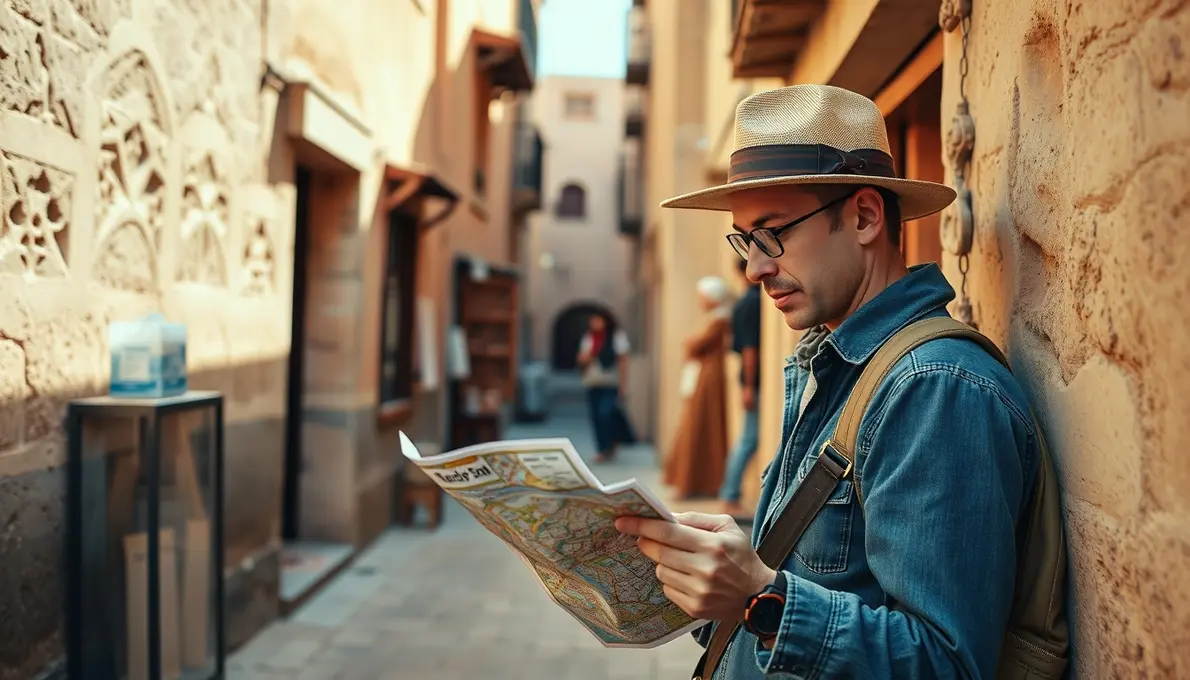
A wide-brimmed hat is non-negotiable. It protects your face, neck, and ears from the relentless desert sun. Additionally, a traditional Bedouin-style head wrapor “cheche” is incredibly useful. Not only does it provide excellent sun protection, but it can also be wrapped to keep sand out of your face during windy conditions and offers unexpected warmth when temperatures drop. Learning how to properly tie one before you go can be a fun preparation exercise!
Footwear: Protecting Your Feet
Your feet will go through a lot, whether you’re trekking, riding a camel, or exploring camp.
- Sturdy, Closed-Toe Shoes: For walking around camp, light hiking, or even riding a camel, good quality, closed-toe shoes are essential. They protect your feet from hot sand, sharp rocks, and potential critters. Hiking shoes or robust trainers with good ankle support are ideal.
- Sandals/Flip-Flops: A pair of comfortable sandals can be nice to air out your feet in the evening or for short strolls around your desert camp, but they are not suitable for longer walks or camel riding.
- Socks: Pack several pairs of moisture-wicking socks to prevent blisters and keep your feet comfortable. Wool or synthetic blends are better than cotton for this purpose.
Protecting Yourself from the Elements: Sun, Sand, and Dehydration
The desert environment is beautiful but unforgiving. Your Sahara packing guide must prioritize protection from its harshest elements.
Sun Protection
Beyond clothing and headwear, high-factor sunscreen (SPF 30+) is an absolute must, applied generously and frequently to any exposed skin. Don’t forget lip balm with SPF to protect your lips from cracking and burning. Quality sunglasses are also crucial to protect your eyes from intense glare and airborne dust. Choose a pair that offers good UV protection.
Hydration: The Desert’s Golden Rule
Staying hydrated is not just a recommendation; it’s a critical survival strategy in the desert. While your tour operator will likely provide water, having your own reusable water bottle (or two) is a smart play. This allows you to refill and always have water readily available. Consider an insulated bottle to keep water cooler for longer. Dehydration can creep up quickly, leading to fatigue, headaches, and worse, so drink consistently throughout the day.
Dealing with Sand and Dust
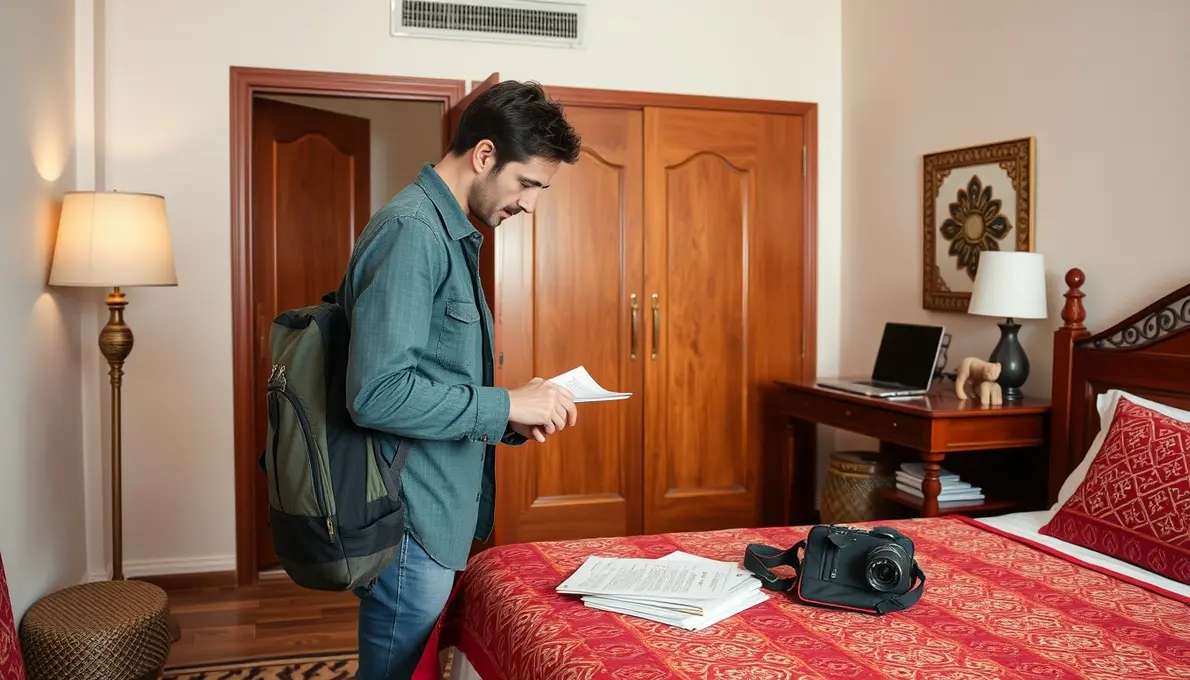
Sand gets everywhere. A lightweight, reusable bandana or scarf can be invaluable for covering your mouth and nose during sandier conditions. For your electronics, consider dust-proof bags or cases. A small brush or compressed air can help clean cameras and lenses.
Personal Essentials and Health Preparedness
Even in the most remote areas, you’ll need personal items and a basic health kit.
Toiletries and Personal Hygiene
Keep your toiletries minimal and practical. Travel-sized items are perfect.
- Moisturizer/Lotion: The dry desert air can be harsh on skin.
- Wet Wipes/Hand Sanitizer: Essential for cleanliness, especially when water is scarce.
- Small Towel: A quick-drying travel towel is always handy.
- Toilet Paper: While camps often provide it, having your own small roll is a good idea for any roadside stops.
Basic First-Aid Kit
Don’t rely solely on your guide’s first aid supplies. Pack a small personal kit:
- Pain Relievers: For headaches or minor aches.
- Antiseptic Wipes and Band-Aids: For cuts and scrapes.
- Anti-Diarrhea Medication: A common travel complaint.
- Blister Plasters: Essential for walking in new shoes.
- Any Personal Medications: Ensure you have enough for your trip duration, plus a few extra days.
- Insect Repellent: While not always a major issue, it’s good to have, especially near oases.
Gear and Accessories for a Smoother Trip
These items might seem secondary but can significantly enhance your desert experience. This comprehensive Sahara packing guide ensures you don’t overlook these practical additions.
Power and Connectivity
- Portable Power Bank: Charging options in desert camps can be limited, if available at all. A fully charged power bank is vital for keeping your phone, camera, and other small devices powered up, especially for those stunning night sky photos.
- Headlamp or Flashlight: Desert nights are incredibly dark. A headlamp allows hands-free navigation around camp or to the facilities. Don’t forget extra batteries!
Photography Equipment
If you’re into photography, the Sahara offers unparalleled opportunities.
- Camera and Lenses: Protect them from sand with dust covers or zip-lock bags.
- Extra Batteries and Memory Cards: You’ll be taking a lot of photos!
- Tripod: Essential for capturing those breathtaking starry night skies.
- Lens Cleaning Kit: Sand and dust are notorious for getting on lenses.
Comfort Items for Camp
While most camps provide blankets, having a few personal items can add extra comfort.
- Small Travel Pillow: If you’re particular about pillows.
- Sleeping Bag Liner: For an extra layer of warmth or simply for personal hygiene.
- Book/E-Reader: For downtime at camp.
- Small Backpack/Daypack: Useful for carrying water, snacks, camera, and sun protection during day excursions from camp.
Important Documents and Money Management
Even in the desert, practicalities matter. Ensure your essential documents are well-protected.
Keeping Documents Safe
- Passport and Visa: Keep these in a waterproof pouch.
- Copies of Important Documents: Store digital copies on your phone/cloud and physical copies separately from the originals.
- Travel Insurance Information: Have access to your policy details.
Money Matters
- Local Currency (Dirhams): While most desert tours are pre-paid, you’ll need small denominations for tips, souvenirs, and any unexpected purchases. Exact change can be helpful.
- Credit/Debit Cards: Useful for larger purchases outside the desert, but don’t rely on them within it.
Seasonal Considerations: Adjusting Your Sahara Packing Guide
The Sahara is not a one-size-fits-all destination when it comes to packing. The time of year significantly impacts what you need to bring.
Autumn (September to November)
Often considered one of the best times to visit. Days are pleasantly warm, and nights are cool but usually not freezing. Layers are still key, with a focus on good insulation for evenings. This period is a prime example of why knowing your desert essentials is so critical.
Winter (December to February)
This is when the Sahara can get surprisingly cold. Day temperatures are mild and comfortable, but nights are often freezing or below zero, especially in December and January. You’ll need substantial warm layers: a proper winter jacket, fleece, warm hat, gloves, and thick socks are non-negotiable. Even a warm sleeping bag or liner can be beneficial if your camp provides more basic bedding.
Spring (March to May)
Similar to autumn, with warm days and cooler nights. As spring progresses towards summer, temperatures begin to climb. The risk of sandstorms can be higher in spring, so additional face protection (like a shesh or bandana) is a good idea.
Summer (June to August)
The Sahara in summer is intensely hot. Many people avoid visiting during these months due to the extreme daytime temperatures that can exceed 45°C (113°F). If you do travel during this time, prioritize maximum sun protection, hydration, and lightweight, breathable clothing. Night temperatures will still drop but will be much milder than in winter.
Maximizing Space and Efficiency: Packing Smart
When packing for the desert, less is often more, but efficiency is key.
- Use Packing Cubes: These help organize your clothing and can compress items, saving space. They also make it easier to find things in low light conditions.
- Roll Your Clothes: Rolling minimizes wrinkles and can save space compared to folding.
- Consider a Soft Duffel Bag: While a hard-shell suitcase offers more protection, a soft duffel is often easier to fit into the limited luggage space of desert 4x4s.
- Limit to What’s Truly Essential: Before packing, lay everything out and ruthlessly question if you actually need each item. Remember, you’ll likely be carrying your own luggage on and off camels or through sand.
By meticulously following this Sahara packing guide, you’ll be well-prepared for the unique challenges and incredible beauty that await you in the Moroccan Sahara Desert.
Conclusion
Embarking on a Sahara adventure is an extraordinary experience that stands apart from typical travel. The key to truly savoring every moment lies in thoughtful preparation, especially when it comes to your belongings. This comprehensive Sahara packing guide has aimed to equip you with the knowledge needed to face the desert’s extreme temperatures, protect yourself from its elements, and ensure your comfort throughout your journey. From breathable layers to essential sun protection and crucial hydration strategies, every item on your list should serve a specific purpose. By packing smart and understanding the unique demands of this magnificent landscape, you’re set to create unforgettable memories.
FAQs
What kind of luggage is best for a Sahara trip?
A soft duffel bag or a sturdy backpack is generally recommended over a hard-shell suitcase. Soft bags are more flexible and easier to fit into tighter spaces in 4×4 vehicles often used for desert transfers. They are also easier to carry when navigating sandy terrains or loading onto camels.
How much water should I bring for my desert adventure?
While tour operators usually provide water, it’s wise to bring at least one or two large, reusable water bottles (1-2 liters each). This allows you to refill and ensure you always have access to water, especially during excursions or if you get separated from your group’s main supply. Staying hydrated is paramount in the desert.
Are there specific medications I should pack for the Sahara?
Beyond any personal prescription medications, a basic first-aid kit is essential. Include pain relievers, antiseptic wipes, band-aids, anti-diarrhea medication, and blister plasters. The dry desert air can also be harsh, so lip balm with SPF and a good moisturizer are highly recommended.
Is Wi-Fi or phone signal available in the Sahara Desert?
Connectivity in the deeply remote areas of the Sahara is generally very limited or nonexistent. Some larger, more established desert camps might offer satellite Wi-Fi, often for a fee, but it can be slow and unreliable. It’s best to prepare for a digital detox and enjoy the disconnection. Ensure your devices are fully charged and consider a portable power bank for your camera and phone if you plan to use them for photos and limited communication before or after your desert stay.



 Covers cities, coast, mountains, desert & food