
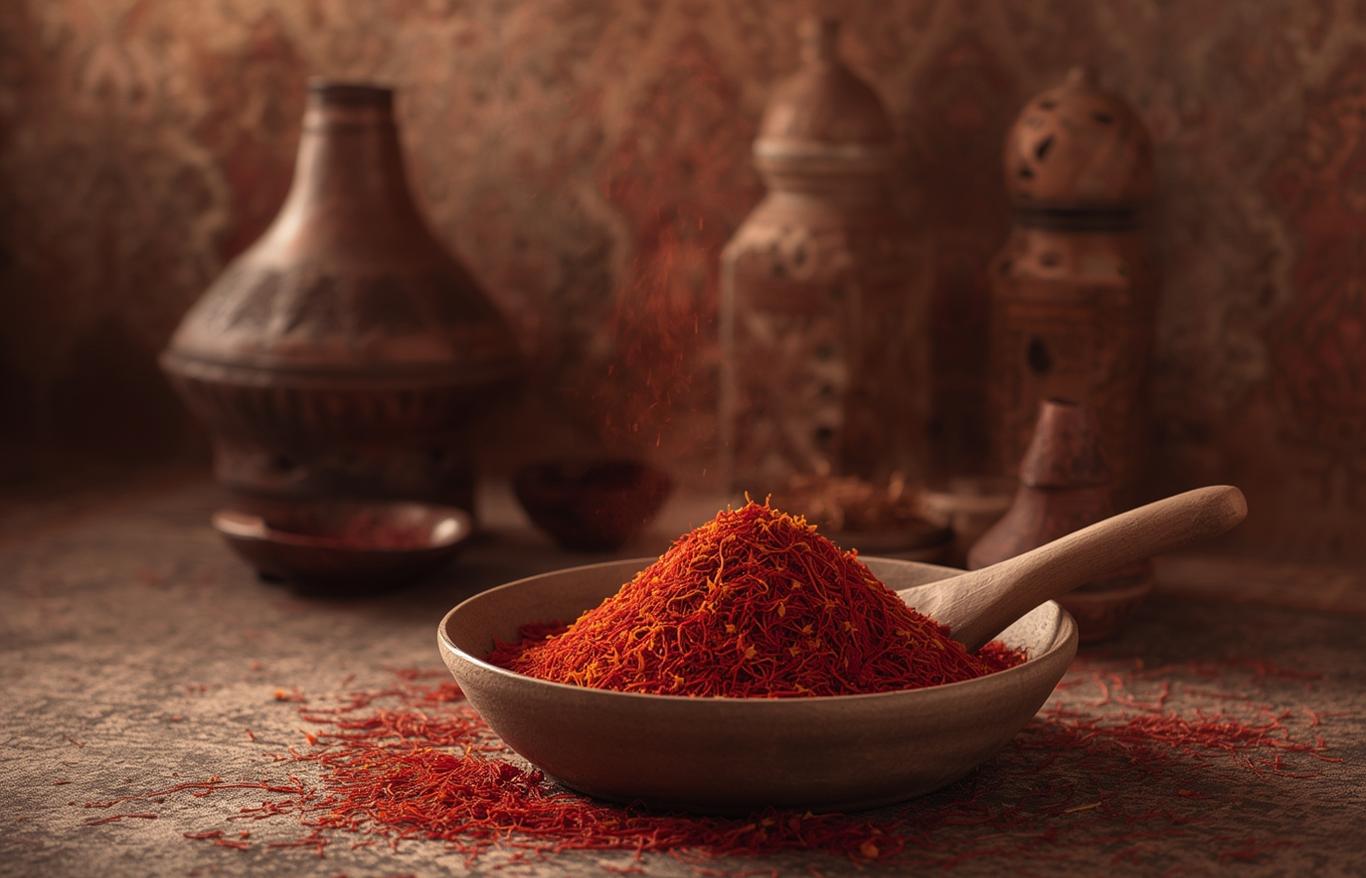
Morocco is a land of vibrant colors, intoxicating aromas, and flavors that tell a story – and at the heart of many of its most cherished dishes lies saffron, the “red gold.” This precious spice, hand-harvested from the Crocus sativus flower, is more than just a seasoning; it’s an integral part of Moroccan culinary identity, lending its golden hue and subtle, floral-honey notes to everything from savory tagines to sweet pastries. If you’re looking to bring a touch of Moroccan magic into your own kitchen, exploring the best Moroccan saffron recipes is a fantastic way to elevate your home cooking and embark on a delicious cultural journey.
The Allure of Saffron: Understanding Morocco’s Prized Spice
Before we delve into specific Moroccan saffron recipes, it’s essential to appreciate what makes this spice so special in Morocco. While saffron is cultivated in various parts of the world, Moroccan saffron, particularly from the Taliouine region, is renowned for its exceptional quality, intensity, and distinct aroma. The labor-intensive harvesting process – each tiny stigma must be plucked by hand – contributes to its high value, making it one of the most expensive spices globally. In Moroccan cuisine, however, it’s not just a luxury; it’s a staple, used thoughtfully to impart a signature warmth, earthy sweetness, and a mesmerizing golden-orange color to dishes. It’s often steeped in a little warm water or broth before being added to cooking, allowing its complex flavors and vibrant pigments to fully release.
Golden Delights: Classic Moroccan Saffron Tagines
No discussion of Moroccan saffron recipes would be complete without highlighting its starring role in tagines. The tagine, both the dish and the distinctive clay cooking vessel, is the cornerstone of Moroccan home cooking, and saffron often acts as the flavor backbone.
One of the most iconic is the Chicken Tagine with Preserved Lemons and Olives. Here, saffron threads, usually bloomed in a little warm water, are combined with ginger, turmeric, garlic, and sometimes a hint of cinnamon, creating a richly aromatic paste that coats the chicken. As it simmers slowly in the tagine, the saffron infuses the chicken and sauce with its characteristic golden hue and deep, complex flavor. The bright, tangy notes of preserved lemons and the briny kick of olives perfectly complement the saffron’s subtle sweetness, resulting in a dish that is both comforting and exhilarating.
Another beloved variation is the Lamb or Beef Tagine with Prunes and Apricots. In this sweet and savory rendition, saffron works harmoniously with spices like cinnamon, ginger, and sometimes a touch of ras el hanout, to create a deeply flavored stew. The dried fruits, plumped by the slow cooking, add natural sweetness and a beautiful textural contrast, while the saffron ensures a luxurious depth that ties all the flavors together. These tagines are often garnished with toasted almonds and sesame seeds, adding another layer of texture and aroma.
Beyond the Tagine: Savory Moroccan Saffron Dishes for Every Palate
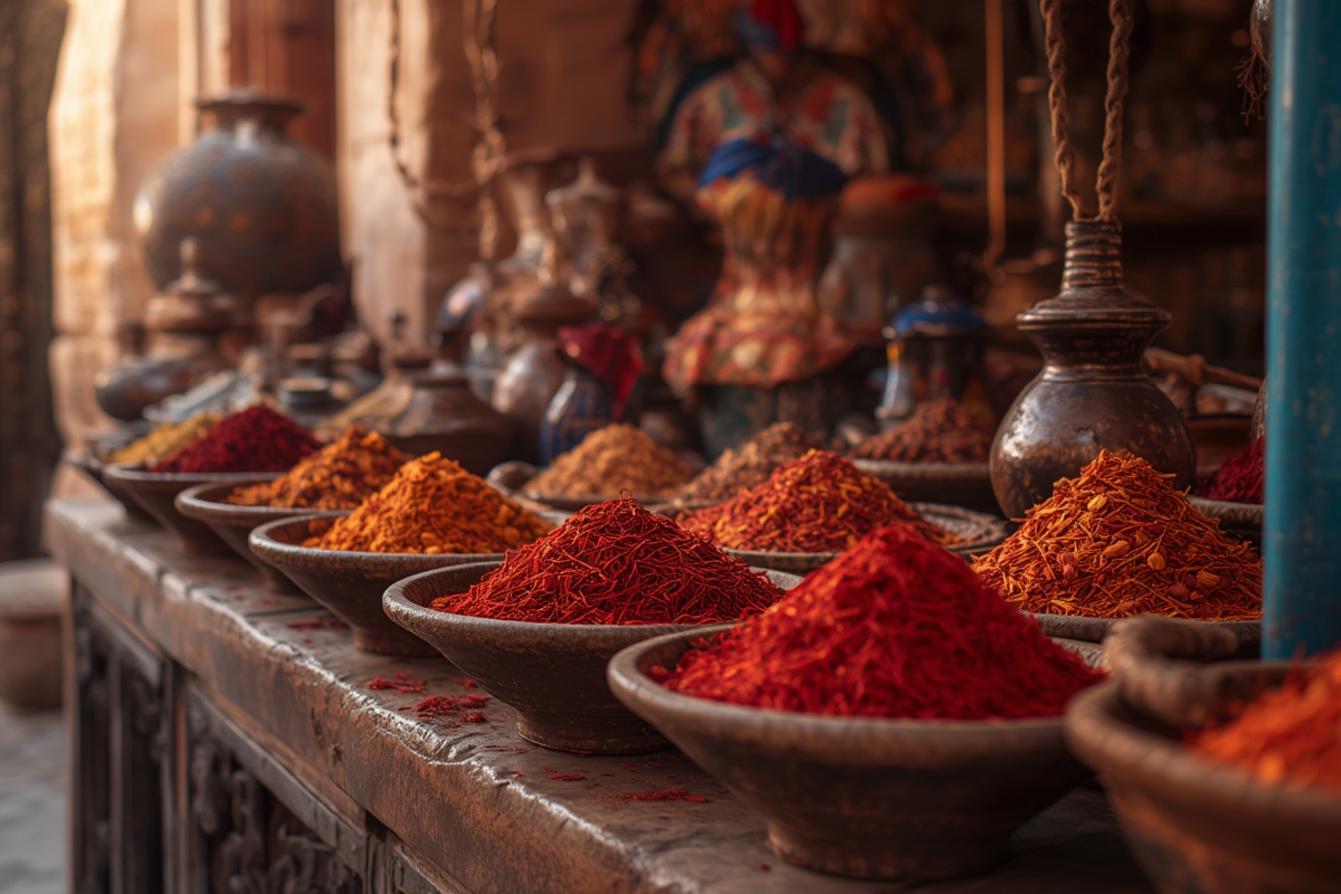
While tagines might be the first thing that comes to mind, Moroccan saffron recipes extend far beyond these iconic stews. It’s a versatile spice that graces a multitude of savory dishes, showcasing its adaptability and flavor-enhancing qualities.
Consider Rfissa, a celebratory dish often served at special occasions, particularly for new mothers. This elaborate dish features shredded msemen (a flaky Moroccan pancake) layered with a rich lentil and chicken stew, heavily spiced with fenugreek, ginger, and, of course, a generous amount of saffron. The saffron imbues the entire dish with a beautiful golden color and an aromatic warmth that makes it incredibly comforting and deeply flavorful.
Another fantastic example is Harira, the famous Moroccan soup, especially beloved during Ramadan. While often associated with its hearty blend of lentils, chickpeas, and tomatoes, many traditional recipes call for a pinch of saffron to deepen its color and add an extra layer of fragrant complexity. It elevates this already satisfying soup into something truly special.
For a delicious side dish or vegetarian main, Zaalouk, a cooked salad made from eggplant and tomatoes, sometimes gets a touch of saffron, particularly when served at more upscale meals or celebrations. It’s a subtle addition that brightens the overall flavor profile. And for those interested in exploring more Moroccan saffron dishes, looking into chicken preparations beyond tagines, such as roasted chicken with saffron and preserved lemons, will yield equally delightful results.
The Sweet Side of Saffron: Desserts and Beverages
Saffron isn’t exclusively reserved for savory dishes in Morocco; its unique floral and honeyed notes make it a captivating addition to sweets and beverages, offering a sophisticated twist to traditional treats.
One popular application is in Moroccan almond and honey pastries, where saffron can be infused into the honey syrup that glazes many cookies like Chbakia (a pretzel-shaped, deep-fried pastry often enjoyed during Ramadan). The saffron lends a delicate perfume and a subtle golden hue to the syrup, elevating the pastry’s flavor profile.
Even simple rice puddings or milk-based desserts can be transformed with a few threads of saffron. Imagine a creamy, cardamom-spiced rice pudding, its ivory color subtly kissed with gold from saffron, garnished with pistachios – a truly elegant end to any meal.
Beyond food, saffron is sometimes used to infuse tea, creating a luxurious and aromatic beverage. A few threads added to hot mint tea or a black tea brew can impart a delicate flavor and a beautiful golden tint, offering a soothing and exotic drink experience. These applications demonstrate the versatility of saffron in Moroccan culinary traditions.
Mastering Moroccan Saffron in Your Kitchen: Tips for Home Cooks
Working with saffron can feel intimidating due to its cost and potency, but with a few simple techniques, you can confidently incorporate Moroccan saffron recipes into your home cooking.
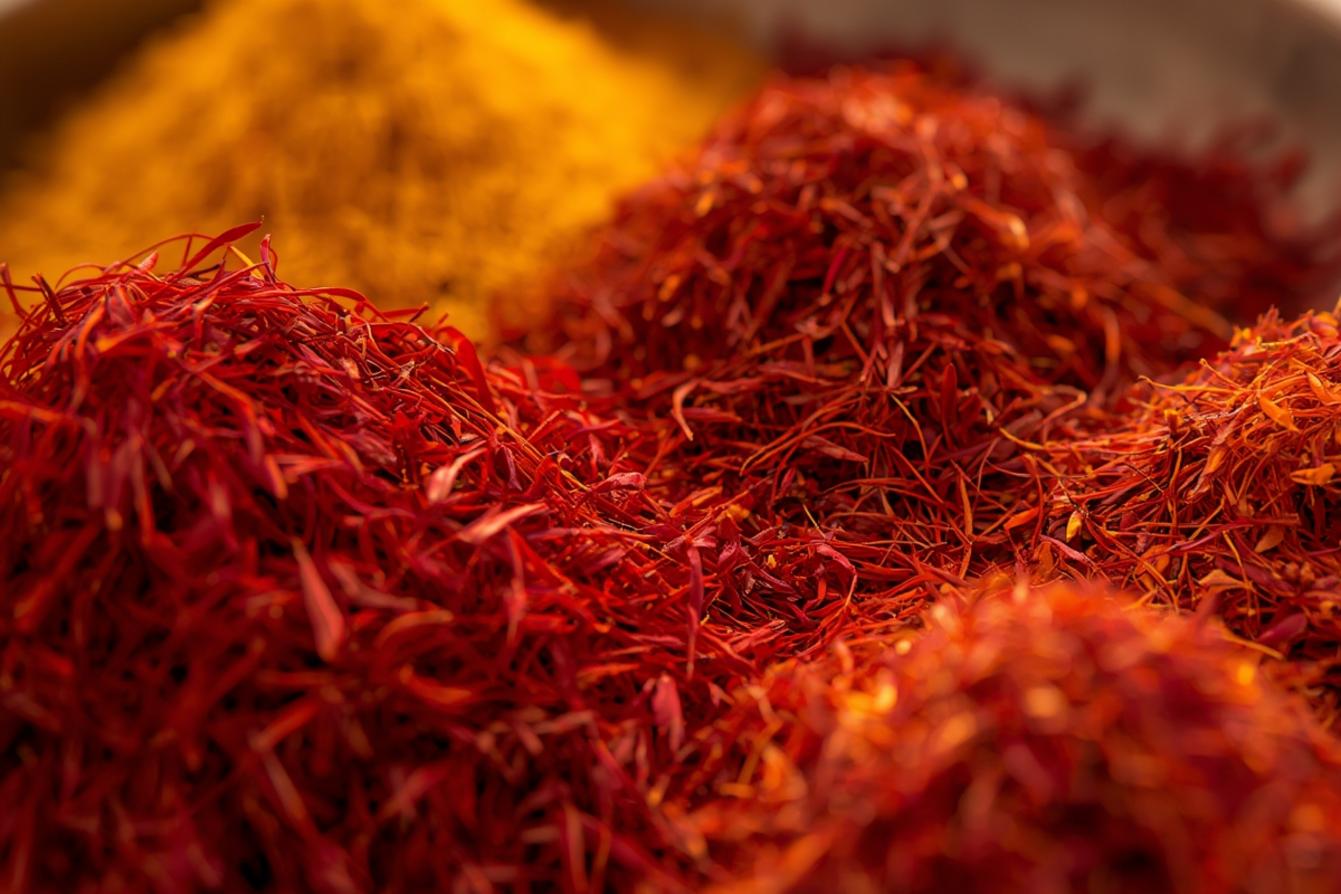
Firstly, quality matters. Look for saffron threads that are long, deep red with slightly fluted ends, and have a strong, sweet, hay-like aroma. Avoid saffron that looks powdery, broken, or lacks a vibrant color.
The most crucial tip for using saffron is to “bloom” it. This involves steeping the threads in a small amount of warm liquid – water, milk, or broth – for at least 15-20 minutes before adding it to your dish. This process allows the saffron to fully release its color and flavor, maximizing its impact. You’ll notice the liquid turning a brilliant golden-orange. Use this infused liquid, along with the threads, in your cooking.
Saffron is best added earlier in the cooking process for dishes like tagines or soups, allowing its flavors to meld and deepen over time. For desserts, it can be added to liquid ingredients or syrups. Remember, a little goes a long way. Start with a pinch (about 10-15 threads) and adjust to your taste. It’s better to add more later than to overpower a dish. Experiment with these Moroccan saffron recipes and find your favorite ways to use this exquisite spice. For those keen to explore more of Morocco’s vibrant culture, including its culinary scene, you might find more inspiration by exploring the best activities to do in Marrakech from souks to desert adventures, where saffron is a constant presence in the markets.
Conclusion
From the heart of a slow-cooked tagine to the subtle notes in a festive pastry, saffron weaves its golden thread through the tapestry of Moroccan cuisine. Mastering Moroccan saffron recipes at home isn’t just about cooking; it’s about experiencing a piece of Morocco’s rich cultural heritage, one aromatic dish at a time. Its unique flavor profile and dazzling color elevate everyday meals into extraordinary culinary experiences, making it a truly indispensable ingredient in any Moroccan-inspired kitchen.
FAQs
What is the best way to store saffron to keep it fresh?
To maintain saffron’s potency and aroma, store it in an airtight container in a cool, dark place away from direct sunlight and moisture. When stored properly, saffron can last for several years.
Can I substitute other spices for saffron in Moroccan recipes?
While no spice truly replicates saffron’s unique flavor and color, if you must substitute due to availability or cost, turmeric can provide a similar golden hue (though with a different flavor profile). Annatto or a very tiny pinch of food coloring might mimic the color, but the distinct taste of saffron is irreplaceable in authentic Moroccan saffron recipes.
Is Moroccan saffron different from saffron from other regions?
Yes, while saffron is grown in various parts of the world, Moroccan saffron, especially from the Taliouine region, is highly regarded for its superior quality, strong aroma, and vibrant color. This is attributed to the specific climate and traditional harvesting methods used in Morocco.
How much saffron should I typically use in a dish?
For most Moroccan saffron recipes, a small pinch of saffron threads (about 10-15 individual threads) bloomed in a quarter cup of warm water or broth is usually sufficient to impart a beautiful color and delicate flavor for a dish serving 4-6 people. Remember, saffron is potent, so start with a small amount and adjust to your taste.



 Covers cities, coast, mountains, desert & food