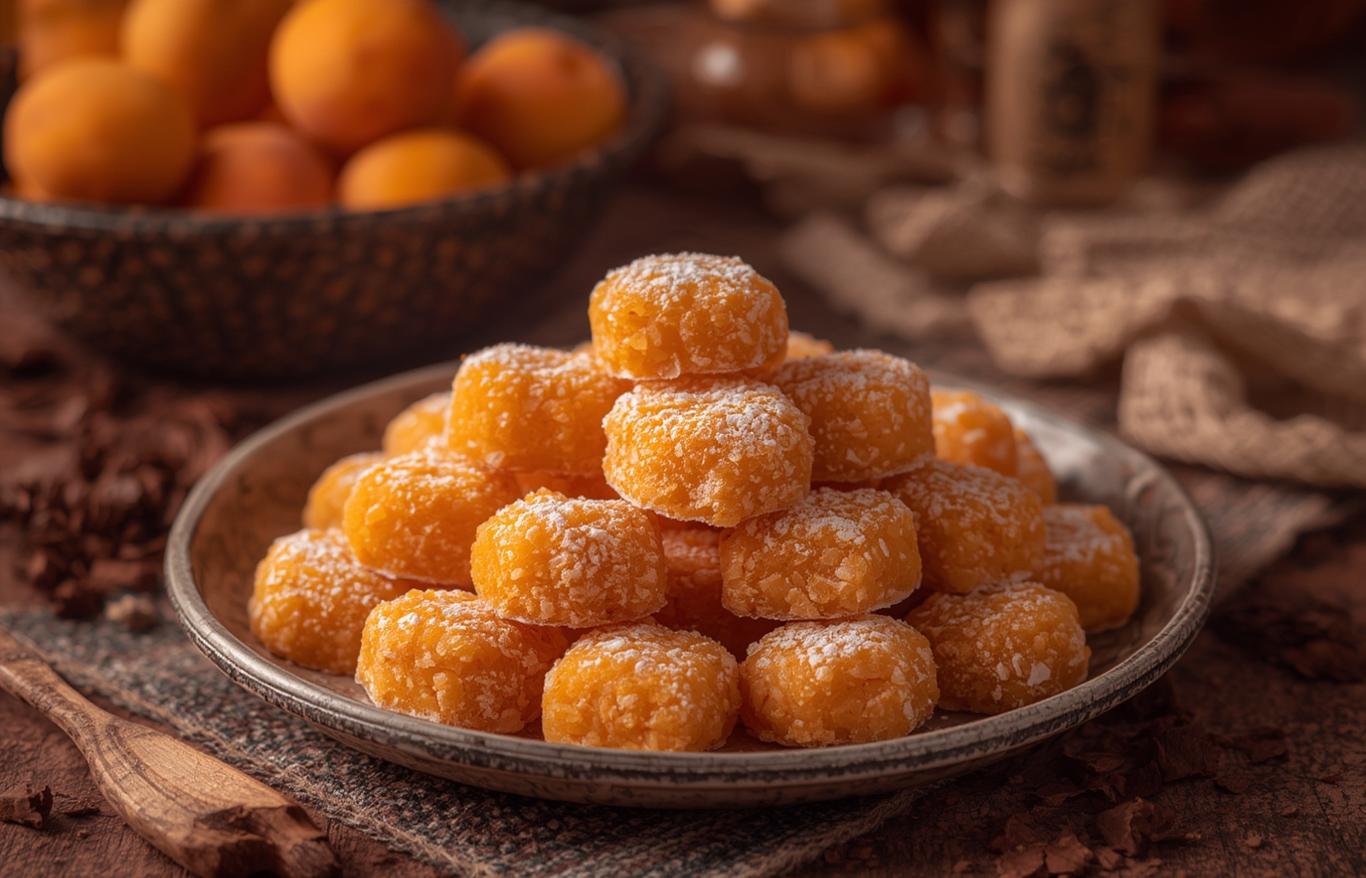
Morocco, a land of vibrant souks, bustling medinas, and breathtaking landscapes, also offers a sweet symphony for the senses, especially when it comes to its confectionery. Among the myriad of sugary delights, Moroccan apricot sweets stand out, embodying the country’s rich culinary heritage and its love affair with natural, sun-ripened fruits. These aren’t just desserts; they are edible pieces of art, often gracing festive tables, casual gatherings, and even daily tea rituals. If you’re looking to explore the sweeter side of Moroccan cuisine, delving into the world of apricot-infused treats is an absolute must. From sticky preserves to delicate pastries, these traditional delights offer a taste of Moroccan hospitality and craftsmanship.
The Allure of Moroccan Apricot Sweets: A Culinary Tradition
Moroccan cuisine is renowned for its harmonious blend of sweet and savory, and apricots play a starring role in many dishes, both main courses and desserts. The abundance of sun-drenched apricots across the country naturally led to their incorporation into various sweets. These confections often reflect the ingenuity of Moroccan cooks who masterfully combine simple ingredients – fruit, sugar, and sometimes nuts or spices – to create extraordinary flavors. The tradition of making Moroccan apricot sweets is deeply embedded in family life, with recipes often passed down through generations. These aren’t mass-produced factory goods; they are handmade treasures, each carrying a touch of personal care and cultural significance. When you buy these sweets, you’re not just purchasing a treat; you’re acquiring a piece of Moroccan culinary artistry, steeped in tradition and regional variations.
Sweetness Embodied: Iconic Moroccan Apricot Delights to Seek Out
When you set out to discover Moroccan apricot sweets, you’ll encounter a delightful array of options, each with its unique texture and preparation. One of the most famous is M’Hancha (snake cake), which, while often almond-based, can sometimes feature a sublime apricot and almond paste filling. Then there’s Ghriba, small, crumbly cookies, some variations of which incorporate dried apricots or apricot jam for a soft, fruity chew.
However, the quintessential apricot experience often comes in the form of preserves and jellies. Mrabba meshmesh, a rich apricot jam, is a staple, used as a filling for pastries, spread on bread, or enjoyed simply by the spoonful. Beyond jams, look for candied apricots (meshmesh m’assel), often simmered in syrup until tender and glistening, sometimes stuffed with walnuts or almonds. These are particularly popular during holidays and special occasions, showcasing the fruit in its most elegant form. Another gem is Kaab el Ghazal (gazelle’s horns), though primarily an almond pastry, it sometimes features a subtle apricot note or is served alongside a small dish of apricot preserve.
Navigating the Souks: Where to Purchase Authentic Moroccan Apricot Sweets
Finding the best Moroccan apricot sweets is part of the adventure of exploring Morocco. While you might spot them in modern supermarkets, the most authentic and often the most delicious versions are found in traditional settings.
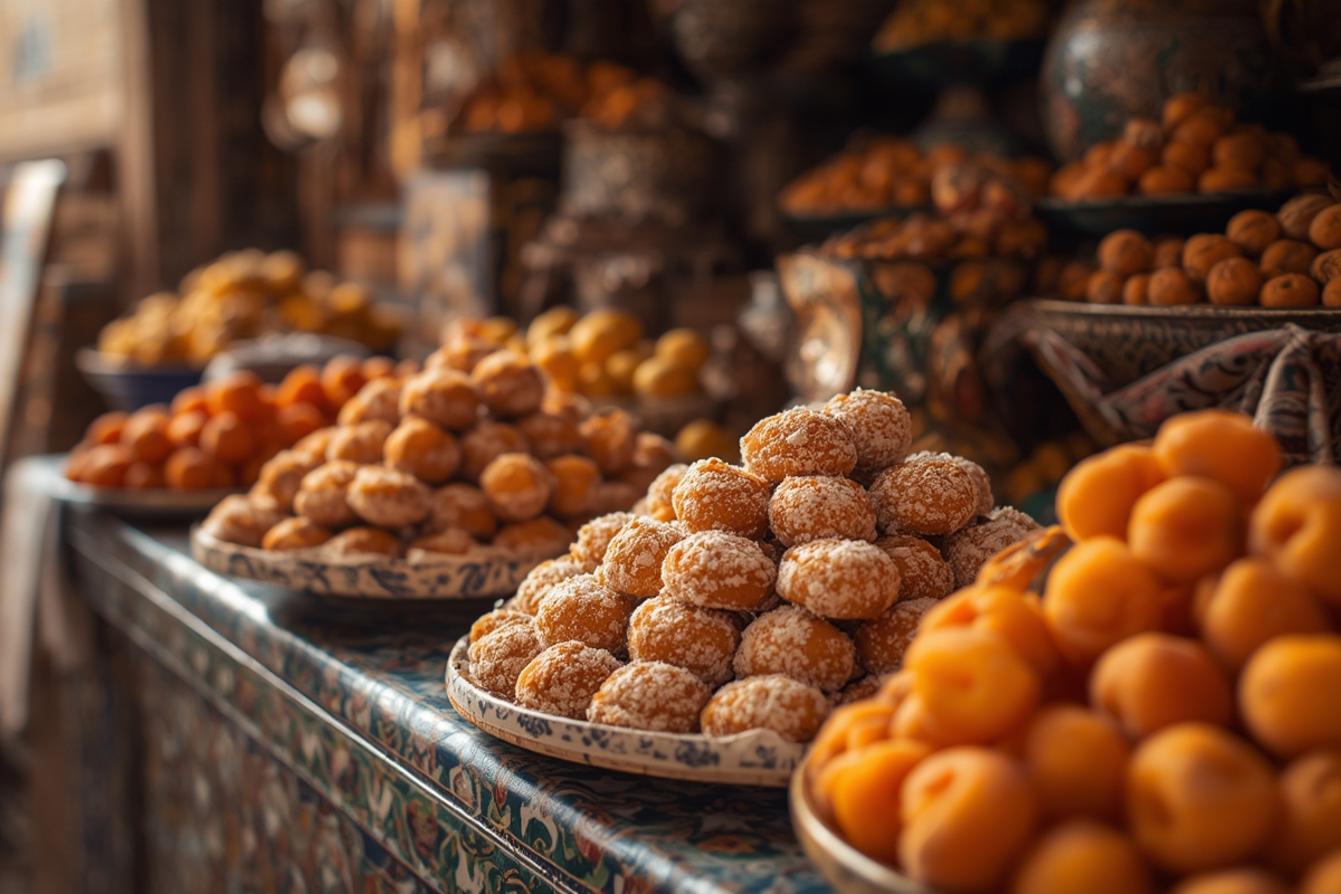
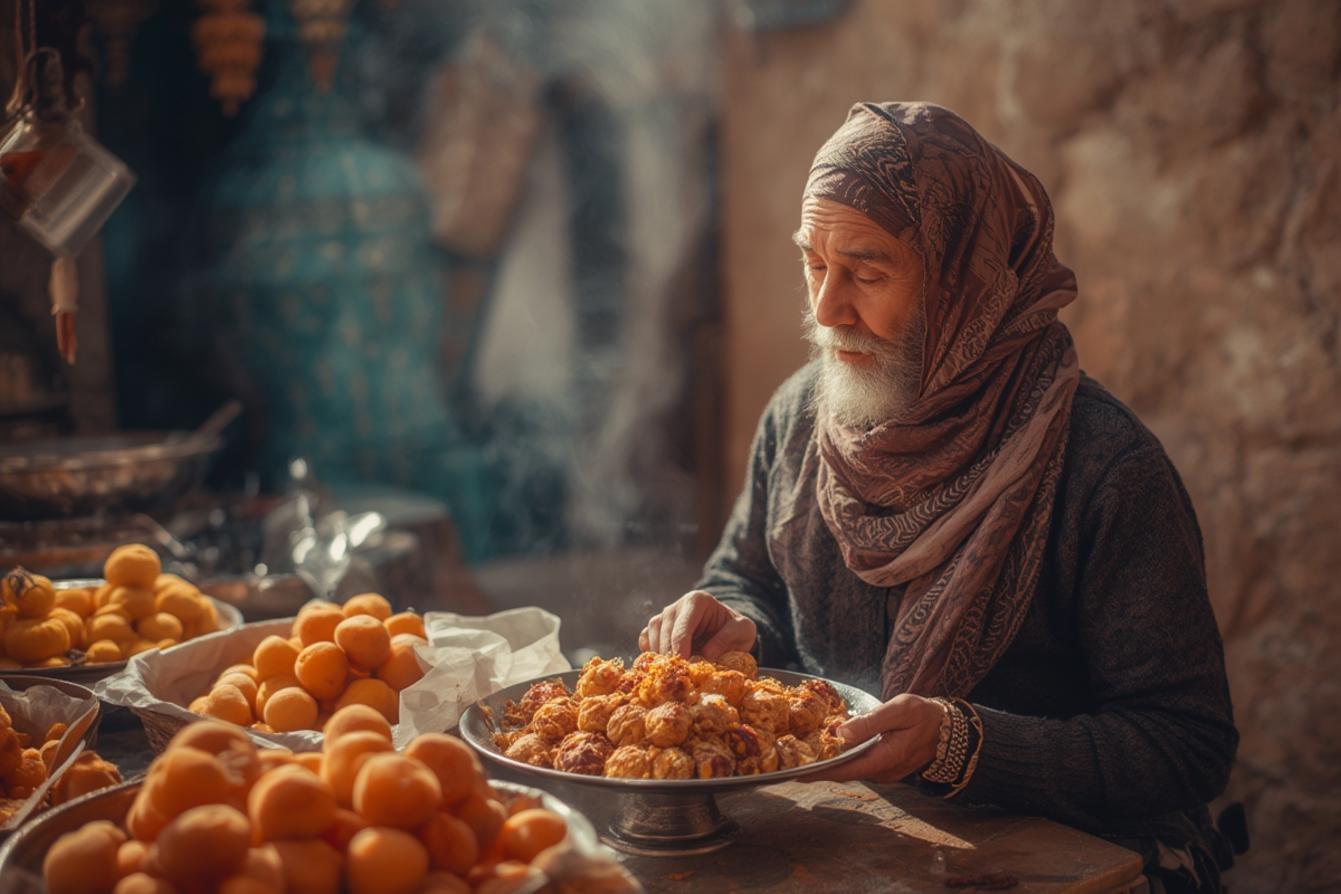
Local Patisseries (حلويات): These small, often family-run bakeries are your best bet. In cities like Fes, Marrakech, and Meknes, you’ll find patisseries dedicated solely to Moroccan pastries. Look for establishments with a vibrant display, often arranged beautifully on silver platters. Don’t be shy to point to what catches your eye. The staff, though sometimes speaking limited English, are usually eager to help you select. Prices are typically by weight, and it’s perfectly acceptable to buy a small assortment to sample.
Medina Souks: The bustling markets within the old city walls are a treasure trove. Keep an eye out for stalls specializing in dried fruits, nuts, and sweets. Here, you might find homemade apricot preserves, candied apricots, and small, artisanal cookies. While less structured than a patisserie, the souks offer a more rustic, direct-from-the-maker experience. Bargaining is less common for sweets than for other goods, but always ask for the price before committing.
Roadside Stalls in Apricot-Growing Regions: If you’re traveling through areas known for apricot cultivation, such as the Atlas Mountains or near Tafraoute, you’ll find seasonal roadside stalls selling fresh and dried apricots, as well as homemade apricot products. These are often the freshest and most authentic options, offering a direct link to the source.
High-End Delis and Artisan Shops: In more tourist-centric areas or upscale neighborhoods, you might find beautifully packaged Moroccan apricot sweets in specialty food shops. These are often geared towards tourists and make excellent gifts, though they might come with a higher price tag.
Remember, the best approach is to sample a few from different places. Each patisserie or vendor often has a slightly different take, a secret ingredient, or a unique touch that makes their sweets special.
Beyond the Obvious: Uncovering Regional Variations of Apricot Delicacies
Just as with many traditional Moroccan dishes, Moroccan apricot sweets boast subtle yet distinct regional variations. While the core ingredient remains the apricot, the method of preparation, accompanying flavors, and even the names can change as you travel across the country.
In the southern regions, where the sun is particularly intense, you might find sun-dried apricots more frequently used, adding a concentrated, intense sweetness. These are often used whole, rehydrated, and stewed in honey or syrup, sometimes with a hint of orange blossom water. In the north, influenced by Andalusian traditions, you might encounter more elaborate pastries where apricot jam serves as a delicate filling or glaze.
The Draa Valley, known for its date palms, also cultivates apricots, and here, you might find interesting combinations where dates and apricots are used together in sweets. In Fes, the culinary capital, the patisseries are renowned for their intricate designs and a wider variety of kaab el ghazal and other delicate pastries, some of which feature apricot elements. Exploring these regional nuances adds another layer of appreciation to the diverse world of Moroccan apricot sweets. Don’t hesitate to ask locals about their favorite regional specialties; they are often proud to share their culinary heritage.
Pairing Perfection: Enjoying Moroccan Apricot Sweets Like a Local
To truly appreciate Moroccan apricot sweets, it’s essential to understand how locals enjoy them. These confections are rarely eaten in isolation but are an integral part of the Moroccan social fabric.
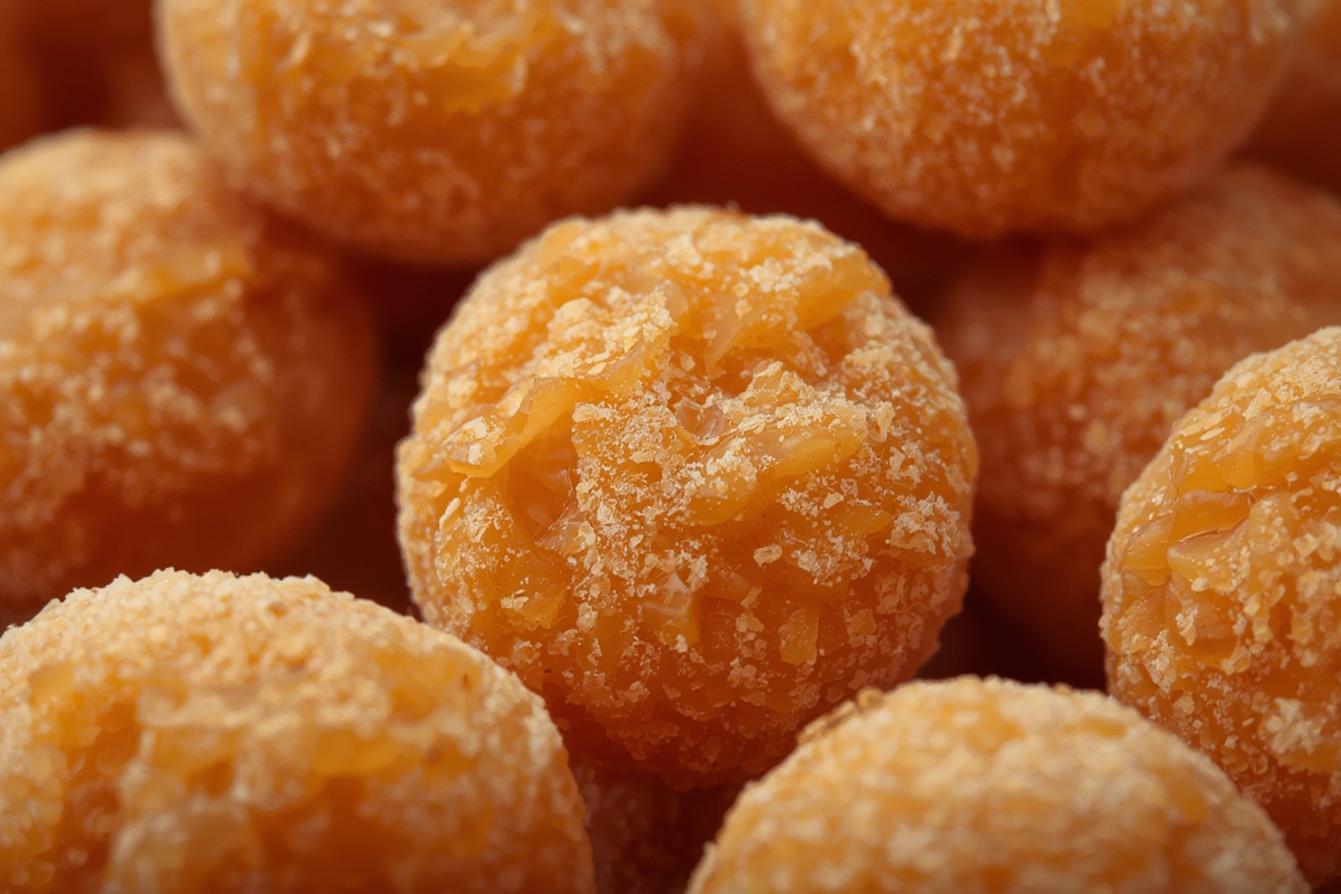
With Mint Tea: The most common and quintessential pairing is with Moroccan mint tea. The sweet, refreshing, and often strong mint tea provides a perfect balance to the richness of the apricot sweets. This combination is offered as a gesture of hospitality to guests, served after meals, or enjoyed during a casual afternoon break. The slight bitterness of the tea cuts through the sweetness, cleansing the palate and inviting another bite.
During Festivals and Celebrations: Apricot sweets, especially the more elaborate candied or stuffed varieties, are prominent during special occasions like Eid al-Fitr, Eid al-Adha, and weddings. They are prepared in large quantities, shared with family and friends, and exchanged as gifts, symbolizing joy and prosperity.
As a Mid-Afternoon Treat: Many Moroccans enjoy a small selection of sweets with their afternoon tea or coffee as a pick-me-up. It’s a moment of pause, a small indulgence to break up the day.
Practical Tips for Travelers:
- Buy in small quantities: This allows you to sample a wider variety without committing too much.
- Storage: Most traditional Moroccan sweets are best eaten fresh. If you plan to travel with them, ask the vendor for advice on packaging and shelf life. Candied apricots and preserves generally travel well.
- Don’t be afraid to ask: If you’re unsure what an ingredient is or how a sweet is made, most vendors will happily try to explain, often with gestures and a few words of English or French.
- Embrace the sweetness: Moroccan palates tend to prefer things sweeter than many Western palates. Embrace the rich, sugary indulgence – it’s part of the authentic experience. For more on the broader landscape of Moroccan desserts, including Moroccan almond sweets, check out this guide.
Conclusion
From the intricate artistry of a patisserie’s window display to the simple, sun-dried goodness of a roadside stall, Moroccan apricot sweets offer a delicious and authentic window into the country’s culinary soul. They are more than just sugary treats; they are a testament to Moroccan hospitality, tradition, and the masterful use of local ingredients. Whether you’re seeking a delicate pastry, a rich preserve, or a candied fruit, these apricot delights are an essential part of any gastronomic journey through Morocco. So, go forth, explore the souks, visit the local bakeries, and allow yourself to be captivated by the sweet allure of Moroccan apricot sweets – a truly unforgettable taste of Morocco.
FAQs
What are the most popular Moroccan apricot sweets?
Some of the most popular Moroccan apricot sweets include mrabba meshmesh (apricot jam), candied apricots (meshmesh m’assel), and apricot-filled ghriba cookies. While often almond-based, some variations of M’Hancha (snake cake) and Kaab el Ghazal (gazelle’s horns) can also feature apricot notes or fillings.
Where is the best place to buy authentic Moroccan apricot sweets?
The best places to buy authentic Moroccan apricot sweets are local patisseries found in medinas and city centers, specialized sweets stalls in traditional souks, and seasonal roadside vendors in apricot-growing regions. These places often offer handmade, fresh, and traditional varieties.
Are Moroccan apricot sweets very sweet?
Yes, Moroccan apricot sweets, like most traditional Moroccan desserts, tend to be quite sweet. They are often made with significant amounts of sugar or honey, reflecting the local palate’s preference for rich, indulgent flavors. This sweetness is typically balanced when served with strong, unsweetened Moroccan mint tea.
Can I find sugar-free Moroccan apricot sweets?
Traditional Moroccan apricot sweets are inherently made with sugar or honey and do not typically come in sugar-free versions. While some modern bakeries might cater to specific dietary needs, it’s rare to find authentic sugar-free options in traditional settings. If you have dietary restrictions, it’s best to inquire directly with the vendor.


 Covers cities, coast, mountains, desert & food