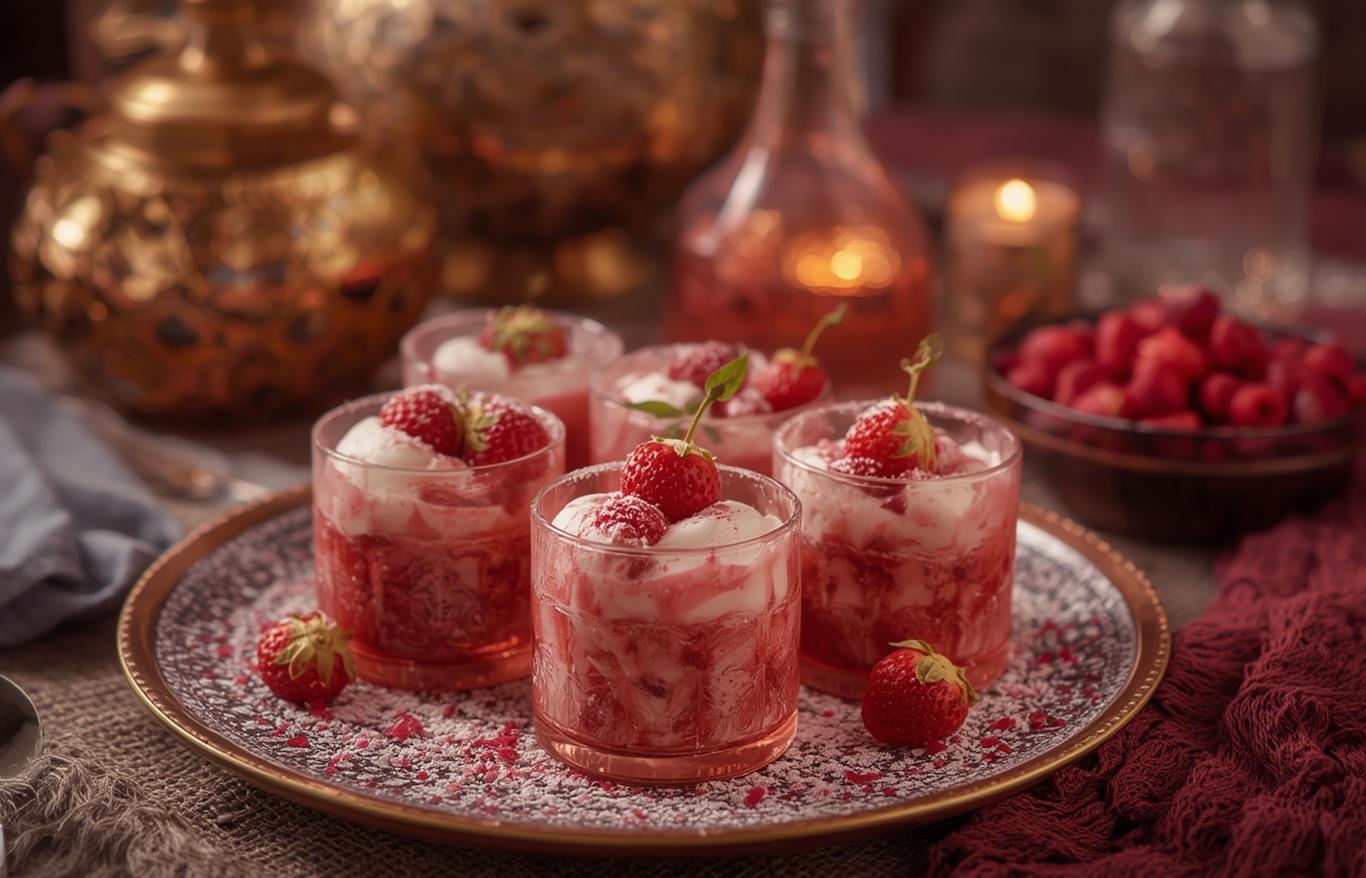
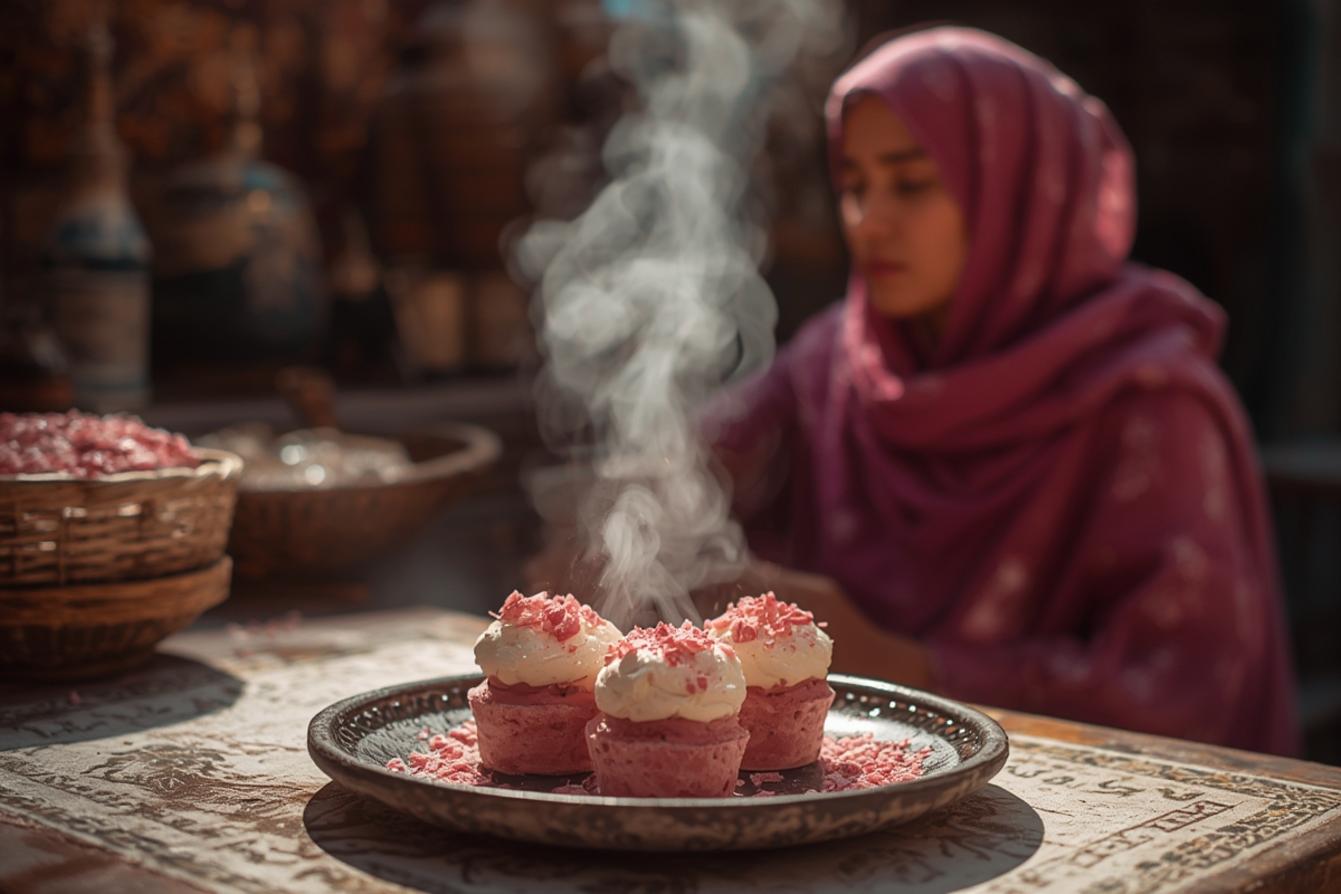
Stepping into a Moroccan home or a traditional patisserie, one of the first sensory delights to greet you is often the subtle, ethereal perfume of rosewater. This isn’t just a scent; it’s a taste, an experience, and a cornerstone of Moroccan culinary tradition, especially when it comes to the delicate world of Moroccan rosewater desserts. From sticky pastries to refreshing drinks, rosewater imparts a unique floral note that elevates simple sweets into something truly memorable, deeply intertwined with hospitality and celebration.
The Ancient Essence: Rosewater’s Journey into Moroccan Cuisine
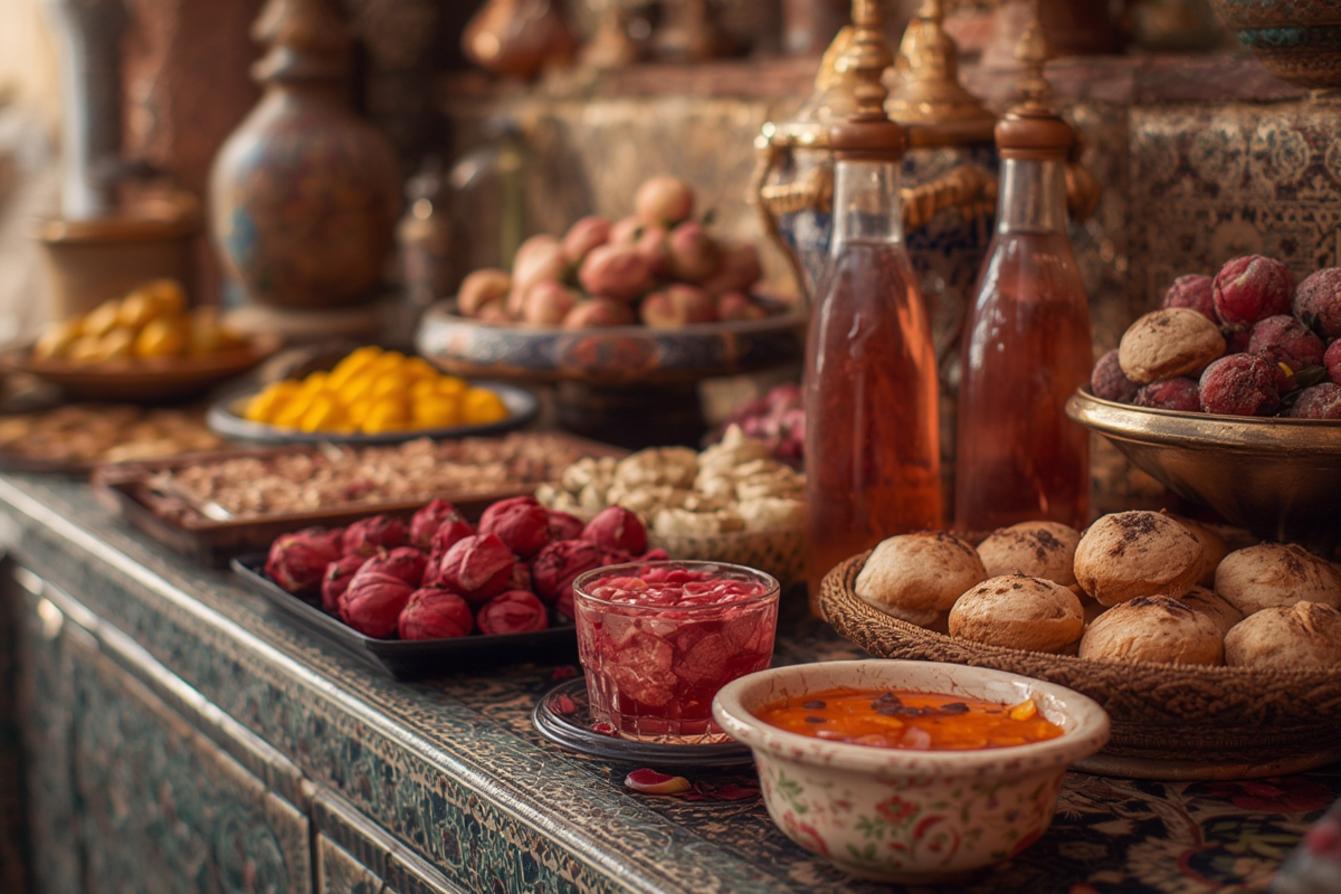
Rosewater, known as ma’a ward in Arabic, has a history as rich and fragrant as its aroma, stretching back to ancient Persia and the Middle East. Its journey to Morocco was an organic one, carried along trade routes and integrated seamlessly into the country’s diverse culinary tapestry. The cultivation of roses, particularly the Damask rose, in areas like the Dadès Valley (often called “The Valley of Roses”) in Morocco, provides a local source for this precious ingredient. Beyond its culinary use, rosewater is deeply embedded in Moroccan culture for its symbolic properties of purity, beauty, and hospitality. You’ll find it offered to guests for handwashing before meals or even sprinkled as a welcoming gesture. In the realm of sweets, it’s not merely a flavor enhancer; it’s a signature, defining note that speaks of tradition and a certain elegant refinement.
Crafting Sweetness: Key Moroccan Rosewater Desserts and Their Allure
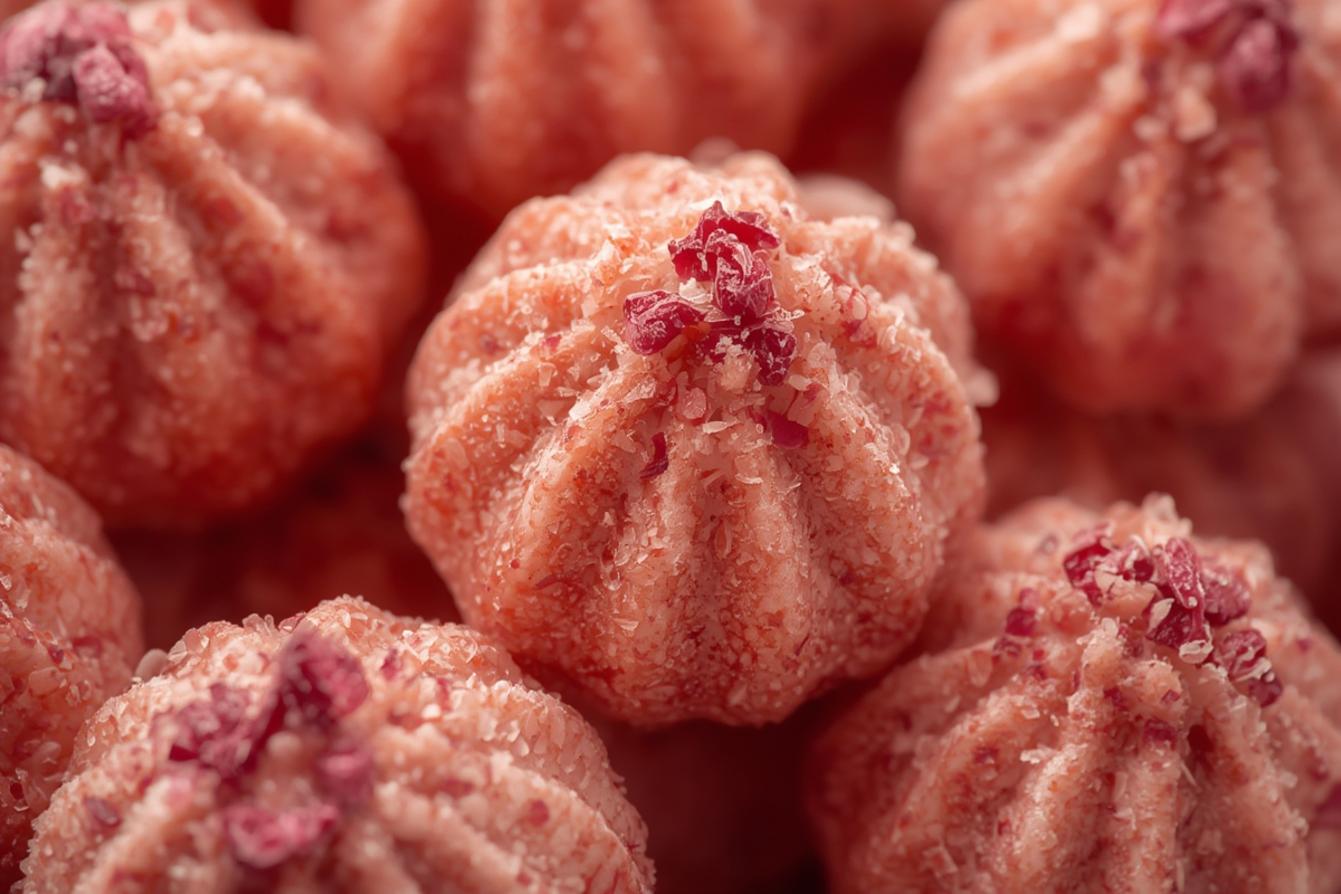
Moroccan patisseries are treasure troves of intricate sweets, many of which owe their distinctive character to rosewater. While the list is extensive, a few stand out as quintessential examples of Moroccan rosewater desserts. Take, for instance, Kaab el Ghazal, or “Gazelle’s Horns,” delicate crescent-shaped pastries filled with almond paste. Often, a whisper of rosewater is added to the almond filling, lending an intoxicating aroma that balances the nutty sweetness. Then there are ghoribas, particularly the delicate almond-based ones, which sometimes incorporate rosewater to enhance their crumbly texture and sweet taste.
Perhaps one of the most iconic is shebakia, the intricate, honey-drenched sesame cookies traditionally prepared during Ramadan. While orange blossom water is more commonly used here, regional variations or personal preferences often see rosewater introduced, adding another layer of aromatic complexity to these rich, chewy treats. Beyond pastries, rosewater makes its way into lighter desserts like fruit salads, where a drizzle can transform simple oranges or pomegranates into an exotic delight, or into rfissa, a savory-sweet dish that sometimes features a delicate rosewater syrup. This versatility underscores rosewater’s importance in creating a spectrum of sweet experiences.
The Art of Infusion: How Rosewater Transforms Flavors
The magic of rosewater lies in its subtle yet profound ability to transform a dish without overpowering it. Unlike vanilla or chocolate, which dominate, rosewater acts as an aromatic enhancer, lifting other flavors and adding a delicate floral perfume. When used in Moroccan rosewater desserts, it’s rarely about tasting “roses” overtly. Instead, it’s about a fragrant sweetness that lingers on the palate, a gentle whisper that complements almonds, honey, and even spices like cinnamon or cardamom. The art is in the balance – too much, and it can taste soapy; too little, and its presence is lost. Moroccan bakers and home cooks master this delicate equilibrium, understanding that rosewater’s role is to provide an ethereal backdrop, an olfactory signature that evokes warmth, hospitality, and celebration. This nuanced approach is what makes Moroccan rosewater desserts so distinctive and enchanting.
Rosewater in Moroccan Celebrations and Daily Life
In Morocco, food is intrinsically linked to celebration, and rosewater-infused sweets are no exception. They are an indispensable part of joyous occasions, from weddings and engagement parties to Eid al-Fitr and Eid al-Adha. During these festive times, platters laden with assorted Moroccan sweet pastries, many touched by rosewater, are offered generously to guests as a symbol of prosperity and goodwill. The act of sharing these exquisite treats is a core component of Moroccan hospitality, making the rosewater not just an ingredient, but a facilitator of connection and tradition. Even in daily life, a refreshing glass of mint tea might be accompanied by a small plate of rosewater-scented cookies, a sweet gesture to punctuate an afternoon conversation or welcome a friend.
A Traveler’s Guide to Savoring Rosewater Sweets
For travelers venturing through Morocco, experiencing Moroccan rosewater desserts is an essential part of understanding the local culture. You don’t need to hunt for specific “rosewater” shops; rather, look for traditional patisseries (often called patisserie marocaine or halawiyat) in any city or town. In bustling medinas, small bakeries will display an array of tempting sweets, often piled high behind glass counters. Don’t be shy to point and choose! If you’re unsure, ask for Kaab el Ghazal or other almond-based pastries, as these are frequently perfumed with rosewater. Cafes and restaurants will also offer these sweets as an accompaniment to tea or coffee.
When purchasing, look for pastries that appear fresh – not overly dry or crumbling. The aroma should be subtle and inviting, not overwhelmingly floral. The best way to savor them is slowly, with a cup of hot mint tea, allowing the delicate flavors to unfold. Consider buying a small assortment to share with your travel companions, as this fosters the same spirit of hospitality you’ll encounter from locals. It’s an accessible and delightful way to engage with a key element of Moroccan culinary heritage.
Conclusion
The world of Moroccan rosewater desserts is a testament to the country’s rich culinary heritage, where subtle flavors and aromatic notes play a starring role. From the ancient origins of rosewater to its integral place in celebrations and daily treats, these sweets offer more than just a taste; they offer a cultural immersion. Next time you find yourself wandering Morocco’s vibrant streets, let the delicate scent of rosewater guide you to a sweet experience that is truly unforgettable.
FAQs
What exactly is rosewater and how is it made?
Rosewater is a fragrant hydrosol made by distilling rose petals with steam. The steam passes through the petals, picking up their essential oils and aromatic compounds, and then condenses back into a liquid, resulting in a scented water. It’s a natural byproduct of rose essential oil production and has been used for centuries in culinary, cosmetic, and religious practices.
Are all Moroccan sweets made with rosewater?
No, not all Moroccan sweets feature rosewater. While it’s a very common and beloved ingredient, especially in almond-based pastries and lighter desserts, orange blossom water is equally, if not more, prevalent in many traditional Moroccan sweet recipes. Some sweets might also rely solely on honey, spices, or nuts for their flavor profile.
Can I find rosewater desserts easily as a tourist in Morocco?
Absolutely! Moroccan rosewater desserts are a staple across the country. You’ll find them in virtually any traditional patisserie, bakery, cafe, and even offered by street vendors in some areas. Look for shops with enticing displays of pastries; many will feature items subtly flavored with rosewater. Don’t hesitate to ask local vendors or your hotel staff for recommendations.
What’s the difference between rosewater and orange blossom water in Moroccan cuisine?
Both rosewater and orange blossom water are popular aromatic distillates in Moroccan cooking. Rosewater typically offers a sweeter, more floral, and slightly powdery note, often paired with almonds or used in lighter, more delicate desserts. Orange blossom water, on the other hand, has a slightly brighter, more citrusy, and sometimes subtly bitter floral aroma. It’s frequently used in a wider range of sweets, from cookies to pancakes, and even in some savory dishes to add a unique fragrant twist.


 Covers cities, coast, mountains, desert & food