
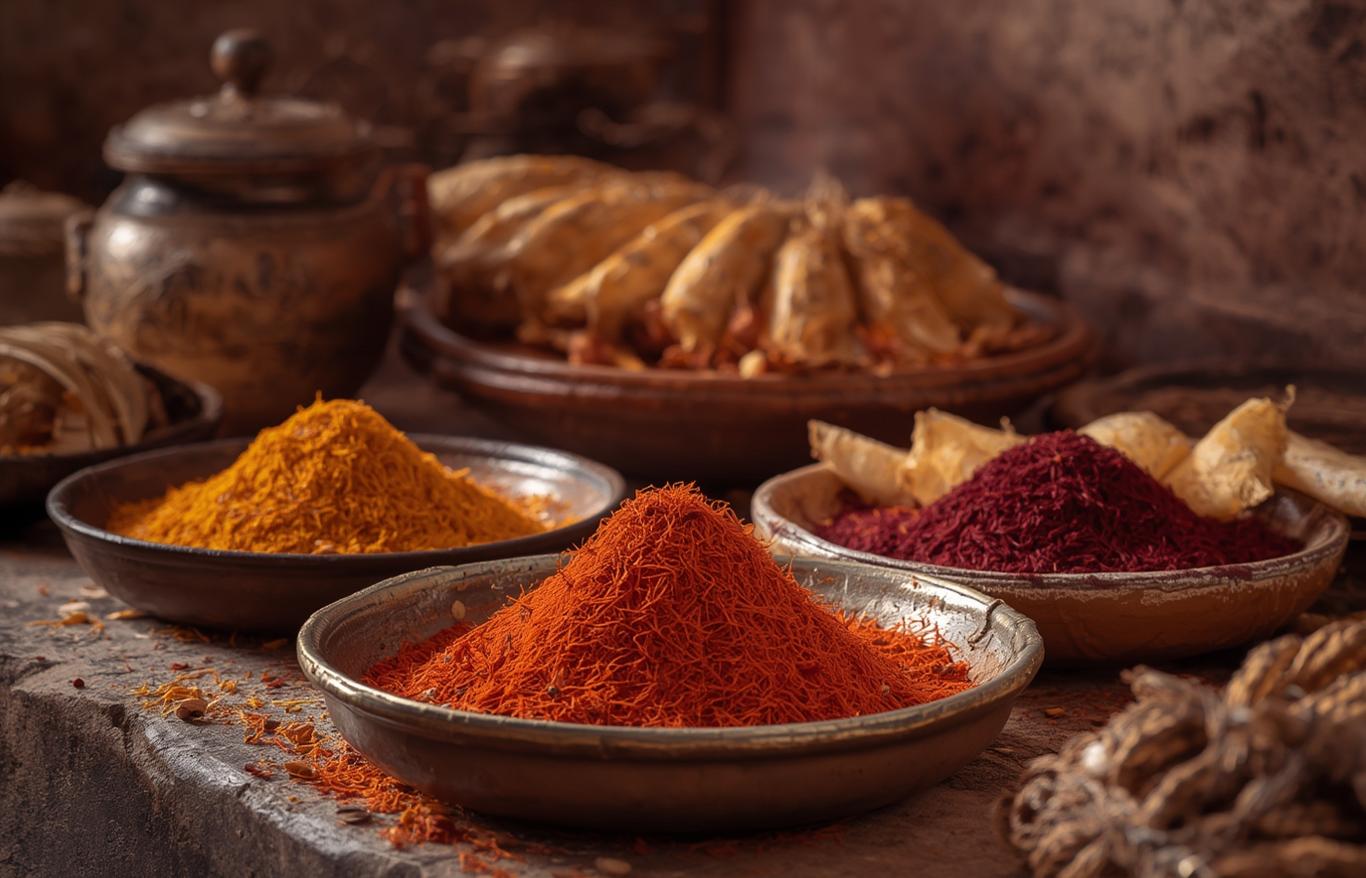
Stepping into a Moroccan kitchen often means encountering a symphony of aromas, and none is quite as captivating or culturally significant as saffron. This precious spice, often referred to as “red gold,” weaves its magic into many authentic Moroccan saffron dishes, transforming them with its vibrant color, complex aroma, and subtly sweet, earthy flavor. Beyond just a culinary ingredient, saffron holds a revered place in Moroccan culture, symbolizing hospitality, luxury, and tradition. Understanding its role is key to appreciating the depth of Moroccan cuisine, and in this guide, we’ll explore the rich tapestry of flavors it creates, from classic tagines to unexpected delights.
The Journey of Moroccan Saffron: From Taliouine Fields to Your Plate
Morocco is one of the world’s leading producers of high-quality saffron, with the small village of Taliouine in the Anti-Atlas mountains being the heartland of its cultivation. Here, the delicate purple Crocus sativus flowers are painstakingly hand-harvested during a brief, intense season in autumn. Each flower yields just three tiny, crimson stigmas, which are then carefully dried – a process that explains its legendary cost. This labor-intensive cultivation imbues Moroccan saffron with a story, a connection to the land and the diligent hands that bring it forth. When you taste Moroccan saffron dishes, you’re not just savoring a spice; you’re experiencing a centuries-old tradition, an agricultural art form passed down through generations. The locals understand its value, both economic and cultural, and treat it with the respect it commands. It’s often given as a treasured gift and used sparingly, only for special occasions or to elevate everyday meals into something extraordinary.
Infusing Flavor: Signature Moroccan Saffron Dishes
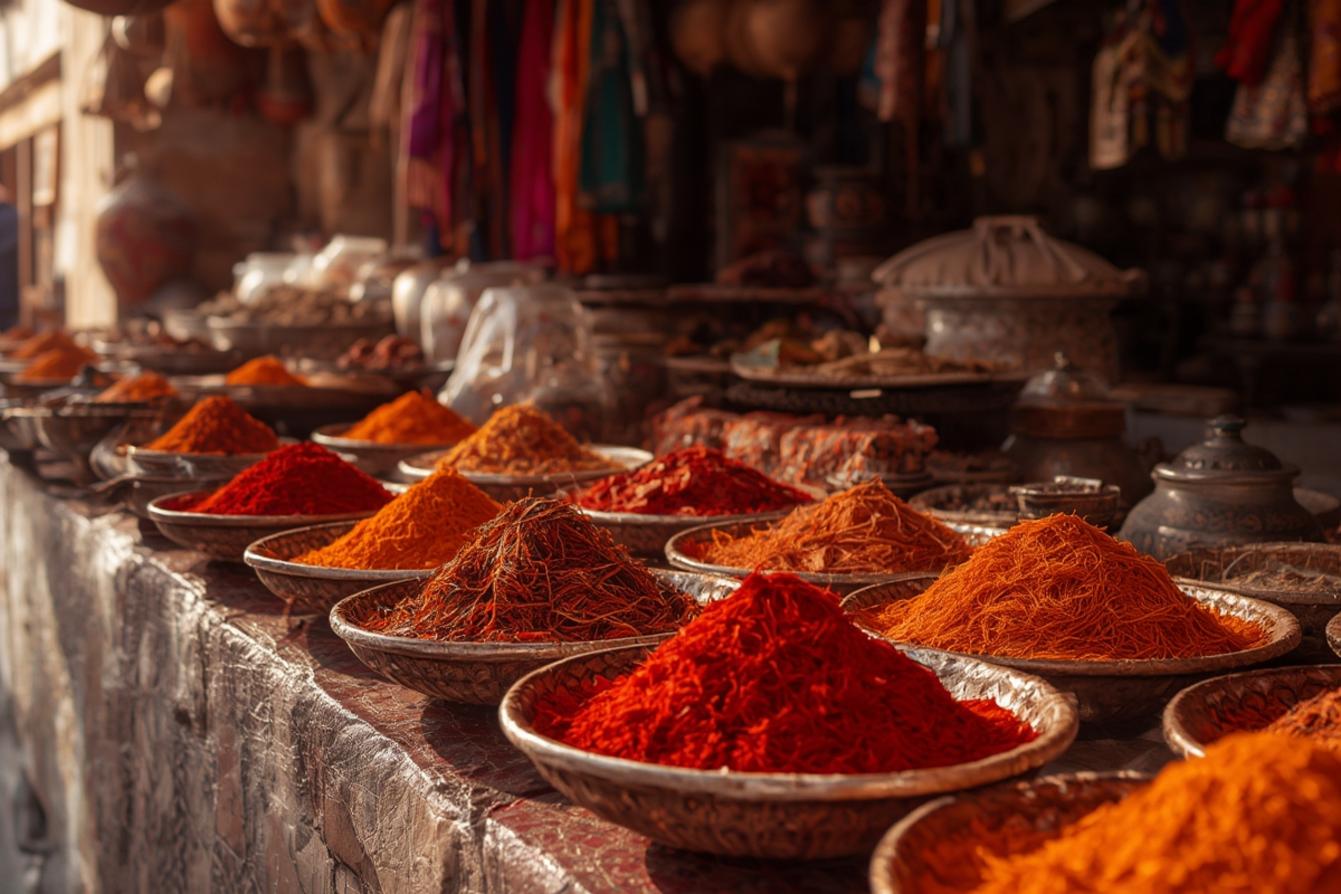
Saffron’s unique flavor profile – a blend of sweet, floral, honey-like notes with a hint of earthy bitterness – makes it incredibly versatile in Moroccan cuisine. It’s not just a colorant; it’s a foundational flavor. One of the most iconic Moroccan saffron dishes is the Chicken Tagine with Preserved Lemons and Olives. Here, saffron is often bloomed in warm water before being added, allowing its color and flavor to fully infuse the chicken, onions, and sauce. The result is a golden, aromatic dish, deeply savory yet brightened by the lemons.
Another must-try is M’rouzia, a sweet and savory lamb tagine traditionally prepared for Eid al-Adha. Saffron, along with honey, almonds, and an array of warm spices, creates a truly opulent flavor profile that perfectly showcases the spice’s ability to bridge different taste dimensions. Beyond tagines, saffron often makes an appearance in Harira, the rich tomato and lentil soup that breaks the fast during Ramadan, lending it a subtle warmth and a beautiful hue. Even in something as simple as Couscous with Seven Vegetables, a pinch of saffron in the broth can elevate the entire experience, adding an understated elegance to the national dish.
Beyond the Main Course: Saffron in Moroccan Sweets and Beverages
While saffron is a star in savory dishes, its versatility extends wonderfully into the realm of Moroccan sweets and even drinks. The delicate floral notes of saffron truly shine when paired with honey, nuts, and orange blossom water. Consider Ghoriba Bahla, a type of Moroccan cookie, where saffron threads can be subtly incorporated, adding a luxurious hint to the buttery, crumbly texture. Or perhaps Fekkas, the twice-baked biscotti-like cookies, sometimes feature saffron for an added layer of aroma and golden color.
Saffron also finds its way into milk-based desserts like Mohallabia (milk pudding) or even a simple glass of warm milk, especially when consumed for its reputed health benefits. For a truly refreshing and traditional experience, try a glass of Moroccan tea infused with a few saffron threads. While mint tea is king, a saffron-infused tea offers a different, more nuanced aroma and a beautiful golden tint, often served on special occasions. These sweet and comforting applications demonstrate that Moroccan saffron dishes aren’t limited to the dinner table; they encompass the full spectrum of the culinary day.
The Art of Using Saffron: Tips for Authentic Flavor
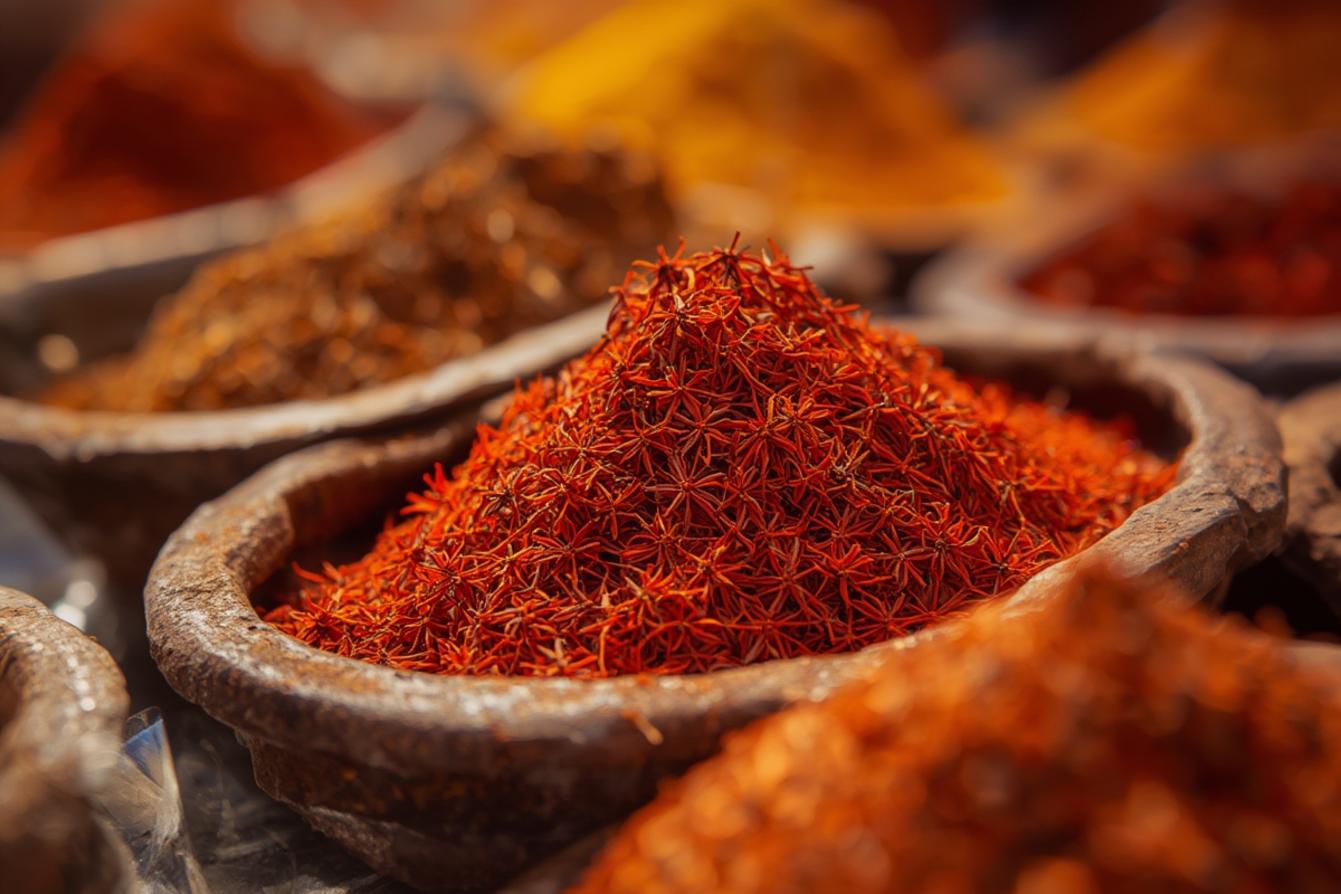
To truly appreciate the depth of Moroccan saffron dishes, it’s important to understand how to best prepare and incorporate this precious spice. The most common and effective method is blooming. This involves gently crushing the saffron threads (you can use a mortar and pestle or even just your fingertips) and then steeping them in a small amount of warm liquid – water, milk, or broth – for 10-15 minutes before adding it to your dish. This process allows the stigmas to release their full color and complex flavor.
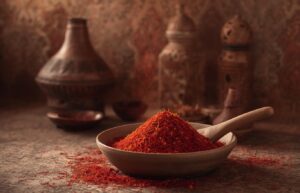
When purchasing saffron, always look for long, deep red threads with minimal orange or yellow bits. Be wary of powdered saffron, which can often be adulterated. The best quality saffron will have a strong, slightly sweet, hay-like aroma. A little goes a very long way, so don’t be tempted to overdo it; too much can lead to a medicinal, bitter taste. For travelers, buying saffron directly from local spice vendors in souks, especially in cities like Marrakech or even directly from Taliouine, ensures authenticity and often a better price. Ask your guesthouse host for recommendations on where to find the best quality.
Experiencing Saffron in Morocco: From Souk to Table
For travelers eager to immerse themselves in the world of Moroccan saffron dishes, the journey begins in the bustling souks. A visit to a spice stall is an education in itself. Watch as vendors expertly weigh out threads of “red gold,” often offering a sniff to confirm its quality. Don’t hesitate to haggle politely for a good price, but remember the immense labor involved in its production.
Beyond purchasing, the best way to experience saffron is, of course, by tasting it. Seek out traditional Moroccan restaurants, particularly those that pride themselves on authentic, slow-cooked tagines. Many riads also offer exceptional home-style cooking where saffron is used generously and with expertise. For a truly hands-on experience, consider a Moroccan cooking class. Many schools in Marrakech and Fes offer classes where you’ll learn to prepare classic dishes, including how to properly incorporate saffron into the likes of chicken tagine or even a simple saffron-infused semolina porridge. This not only deepens your appreciation for the spice but also gives you the skills to recreate these enchanting Moroccan saffron recipes back home.
Conclusion
Saffron is far more than just a seasoning in Morocco; it’s an essential thread in the rich tapestry of its culinary and cultural identity. From the sun-drenched fields of Taliouine to the fragrant kitchens of Marrakech, its journey is one of tradition, dedication, and exquisite flavor. Exploring authentic Moroccan saffron dishes offers a sensory journey into the heart of this vibrant country, revealing stories in every golden hue and aromatic whisper. So, when you next encounter this precious spice, take a moment to savor its history, its preparation, and its unforgettable contribution to the magic of Moroccan cuisine.
FAQs
What gives Moroccan saffron dishes their distinct color and flavor?
The distinct color and flavor come from the dried stigmas of the Crocus sativus flower. Saffron contains crocin (for color) and safranal (for aroma and flavor), which impart its signature golden hue and complex, subtly sweet, earthy notes.
Where does the best saffron in Morocco come from?
The highest quality Moroccan saffron is typically sourced from the Taliouine region in the Anti-Atlas mountains. This area is renowned for its ideal climate and traditional cultivation methods, resulting in saffron threads with intense color and aroma.
Can travelers buy authentic saffron in Moroccan souks?
Yes, travelers can buy authentic saffron in Moroccan souks, particularly in cities like Marrakech, Fes, and Essaouira. It’s advisable to look for reputable spice vendors, ask to inspect the threads (they should be long, deep red, and fragrant), and avoid powdered saffron for best quality.
What are some common Moroccan saffron dishes I should try?
Some common and highly recommended Moroccan saffron dishes include Chicken Tagine with Preserved Lemons and Olives, M’rouzia (sweet lamb tagine), Harira soup, and various couscous dishes where saffron is used in the broth. You might also find it subtly in some pastries or special occasion teas.



 Covers cities, coast, mountains, desert & food