
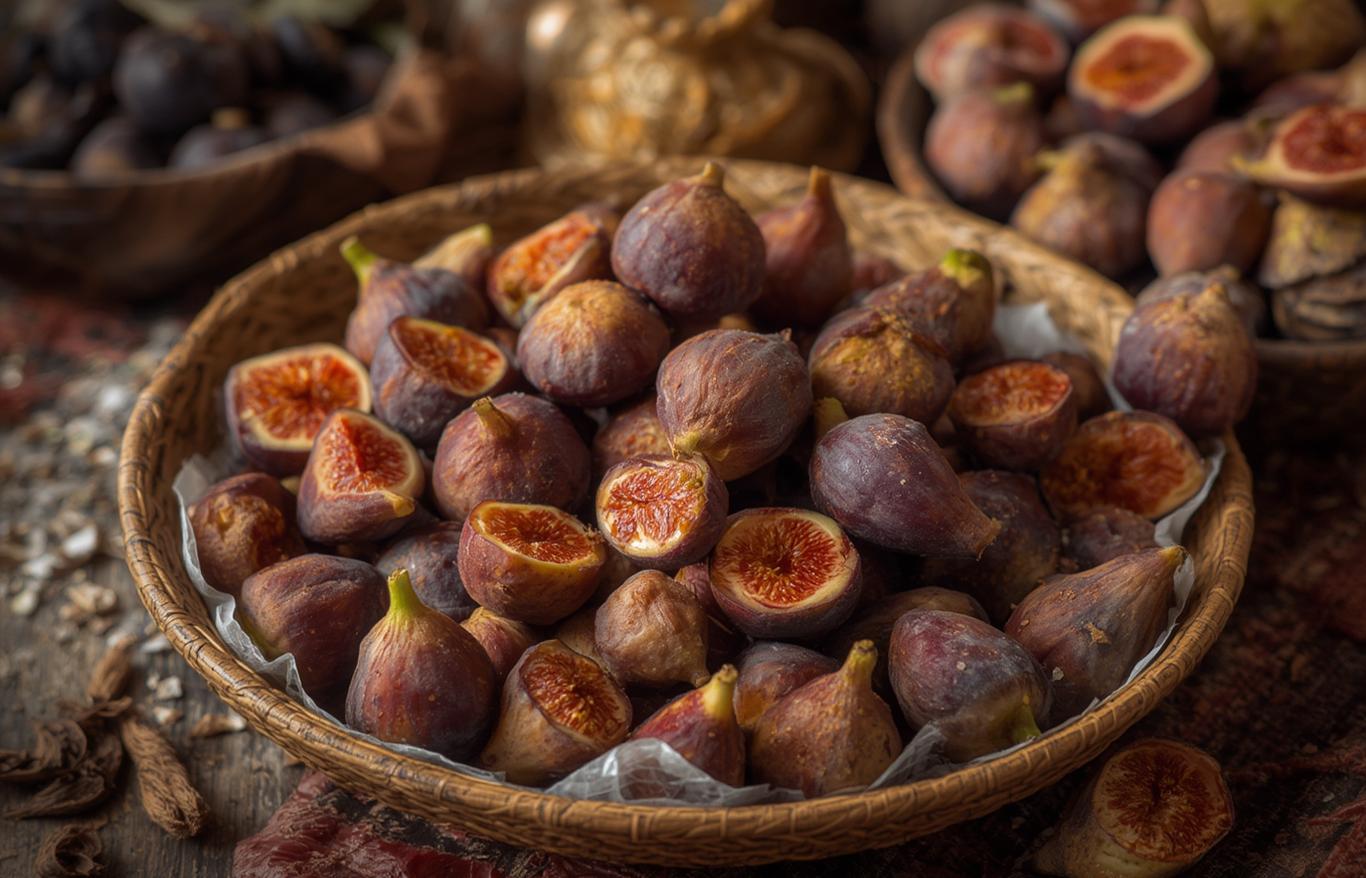
Morocco, a land steeped in ancient traditions and vibrant flavors, offers a culinary journey unlike any other. Among its many gastronomic treasures, traditional Moroccan fig delicacies hold a special place, weaving together the sweetness of the fruit with centuries of cultural heritage. From bustling souks to quiet family kitchens, figs are not merely an ingredient but a symbol of abundance, hospitality, and the cycles of nature. These delightful treats are a testament to Moroccan resourcefulness, transforming simple, sun-ripened figs into an array of irresistible sweets that tell stories of harvest, celebration, and everyday life. Join me as we uncover the sweet secrets behind these cherished Moroccan fig delicacies.
The Fig’s Enduring Legacy in Moroccan Culinary Culture
The fig tree, or Karmouss in Moroccan Arabic, has been deeply rooted in Moroccan landscapes and diets for millennia. Its presence predates many other fruit trees, making it a foundational element of the country’s agricultural and culinary identity. Beyond its nutritional value, the fig holds significant cultural and symbolic weight. It’s often associated with prosperity and good fortune, its bountiful harvest a cause for celebration, especially in rural areas where fig orchards dot the hillsides. The act of sharing figs, whether fresh or dried, is an age-old gesture of hospitality, a cornerstone of Moroccan social fabric.
This deep cultural connection means that Moroccan fig delicacies are more than just food; they are expressions of heritage. From simple sun-dried figs enjoyed as a snack to elaborate pastries, each preparation method reflects a particular tradition or regional specialty. Moroccans cherish the fig for its natural sweetness and versatility, incorporating it into both savory tagines and a wide array of desserts. This fruit truly embodies the spirit of Moroccan cuisine: simple ingredients elevated to extraordinary flavors through time-honored techniques.
From Orchard to Oven: Crafting Beloved Fig Sweets
The journey of Moroccan fig delicacies begins long before they reach your plate, often in the sun-drenched orchards of regions like Taounate, Chefchaouen, or Beni Mellal, renowned for their fig production. The ripeness of the fig dictates its destiny: plump, fresh figs are often enjoyed simply, perhaps with a drizzle of argan oil, while others are destined for drying, a crucial step for many traditional sweets.
One of the most iconic preparations is shlaha dial karmouss (fig jam), a rich, deep-hued preserve often spiced with cinnamon, star anise, or even a hint of orange blossom water. This isn’t just any jam; it’s a staple at Moroccan breakfast tables, served with fresh bread and mint tea, symbolizing the start of a nourishing day. Another beloved treat involves stuffing dried figs with almonds or walnuts, sometimes bound with a touch of honey or date paste, then gently spiced and often rolled in sesame seeds. These little morsels are a burst of flavor and texture, frequently offered during Eid celebrations or special family gatherings. The process itself, often a communal activity among women, reinforces family bonds and culinary traditions passed down through generations.
Tangy Twists: Savory Pairings with Sweet Figs
While figs are predominantly associated with sweetness in Moroccan cuisine, their subtle earthiness and sticky texture also make them a surprisingly delightful addition to savory dishes. This interplay of sweet and savory is a hallmark of Moroccan gastronomy, and figs are no exception. One of the most famous examples is the tagine de poulet aux figues et amandes (chicken tagine with figs and almonds). In this dish, dried figs are rehydrated and simmered alongside tender chicken, often with saffron, ginger, and a touch of honey, creating a complex sauce that is both rich and aromatic. The figs caramelize slightly, adding a deep, fruity sweetness that perfectly balances the savory chicken and nutty almonds.
Another less common but equally delicious pairing involves figs with lamb or beef, where they contribute a luxurious depth to slow-cooked stews. The natural sugars in the figs help tenderize the meat and create a beautiful sheen on the sauce. These savory applications demonstrate the fig’s versatility beyond just dessert, showcasing its ability to elevate main courses to an art form. Experiencing such a tagine is a must for anyone wanting to delve deeper into the nuanced flavors of Moroccan cuisine.
The Art of Drying: Preserving the Bounty of Moroccan Figs
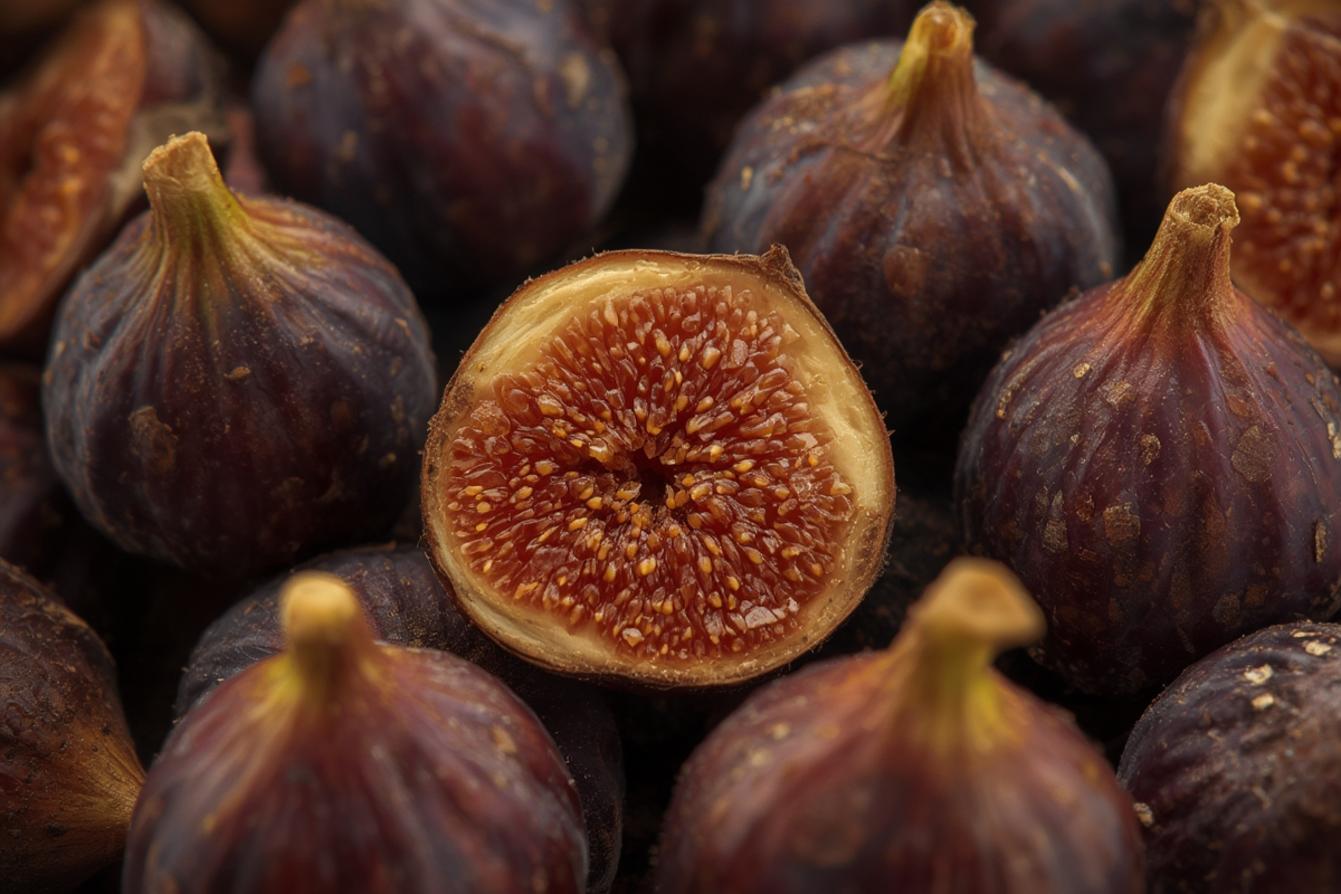
Drying figs is an ancient practice in Morocco, born out of necessity to preserve the fruit beyond its short season, but it has evolved into an art form that directly influences the creation of many Moroccan fig delicacies. The process is simple yet effective: fresh, ripe figs are carefully laid out on mats under the intense Moroccan sun, often for several days, until their moisture content is significantly reduced. This sun-drying not only preserves the figs but also concentrates their natural sugars, intensifying their sweetness and developing a wonderfully chewy texture.
Dried figs, known as shriha in Darija, are a cornerstone of the Moroccan pantry. They are enjoyed as a healthy snack, often paired with nuts and a glass of mint tea, or as a vital ingredient in winter stews when fresh fruit is scarce. They are also the base for many artisanal sweets. For example, some villages specialize in pressing dried figs into dense blocks, sometimes infused with herbs or spices, which are then sliced and served. The quality of the dried fig is paramount to the final delicacy, and local producers take great pride in their sun-drying techniques, often passed down through generations. It’s a testament to sustainable food practices that have nourished Moroccan communities for centuries.
Where to Savor Authentic Moroccan Fig Delicacies
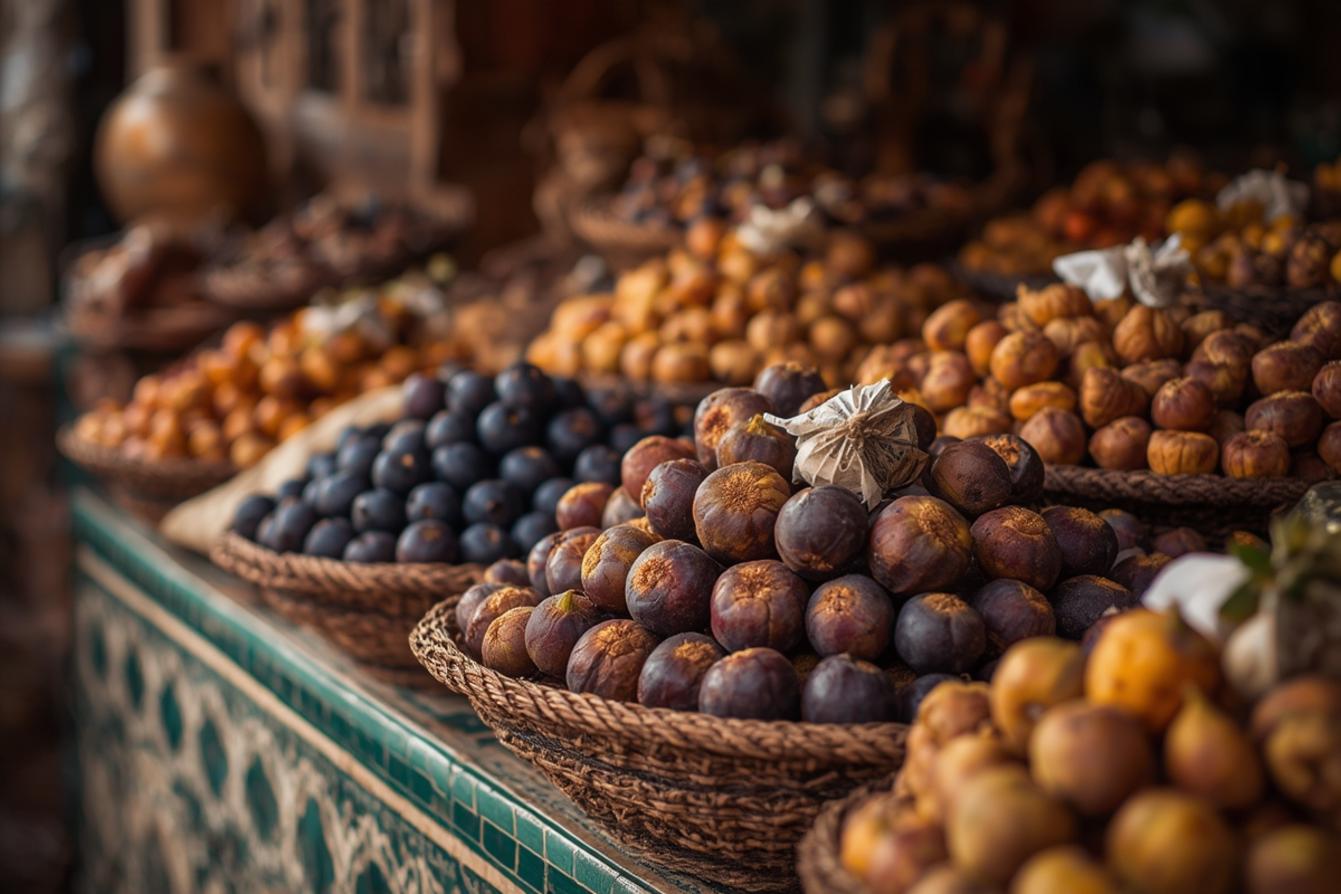
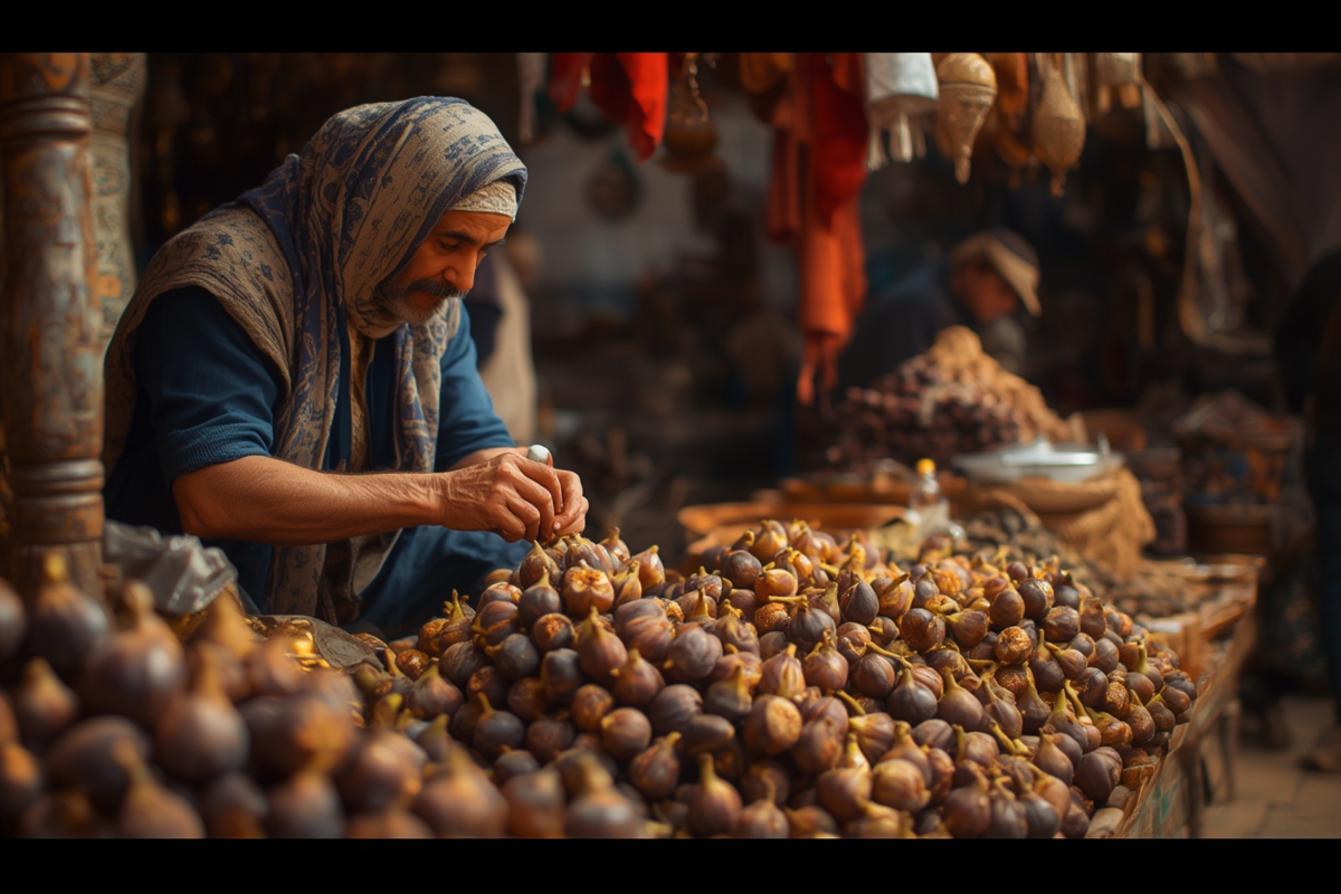
For travelers eager to taste these delightful treats, Morocco offers numerous opportunities. The best places to find authentic Moroccan fig delicacies are often in the local souks (markets) and small, traditional patisseries, especially during fig season (late summer to early autumn). In cities like Fes and Marrakech, you’ll find vendors specializing in dried fruits, where you can sample various types of dried figs, often stuffed with nuts or dipped in sesame seeds. Don’t hesitate to try the local fig jam, often sold in artisanal shops or directly by producers.
Rural areas, particularly those known for fig cultivation, offer an even more immersive experience. Visiting towns in the Rif Mountains or around Taounate during harvest time will give you a chance to see figs being dried and processed firsthand, and to taste freshly made preserves. Many riads and guesthouses across Morocco also pride themselves on serving homemade versions of these treats, often as part of their breakfast spread or as an after-dinner sweet. If you’re interested in exploring Moroccan culture and cuisine further, understanding the Moroccan fig delicacies you encounter is a wonderful step. For a glimpse into how locals enjoy these, you might find interesting discussions on social media groups dedicated to Moroccan travel and food, such as this one discussing Moroccan fig desserts.
Conclusion
The world of traditional Moroccan fig delicacies is rich, flavorful, and deeply entwined with the country’s cultural identity. From the sun-drenched orchards where figs ripen to the bustling souks where they are sold in myriad forms, these sweet treats offer a delicious insight into Moroccan hospitality, culinary ingenuity, and respect for nature’s bounty. Whether enjoyed fresh, dried, in jams, or as part of a savory tagine, Moroccan figs tell a story of tradition, family, and the simple pleasure of good food shared. Exploring these delights is an essential part of any culinary adventure in Morocco, leaving you with sweet memories and a deeper appreciation for this remarkable fruit.
FAQs
What are the most popular Moroccan fig delicacies?
Some of the most popular Moroccan fig delicacies include fig jam (shlaha dial karmouss), dried figs often stuffed with nuts (like almonds or walnuts) and spiced, and figs incorporated into savory tagines, particularly with chicken or lamb. Simple sun-dried figs are also a very common and beloved snack.
When is fig season in Morocco, and why is it important?
Fig season in Morocco typically runs from late summer to early autumn, usually from August to October. This period is crucial because it’s when fresh figs are at their peak ripeness and sweetness, making it the ideal time for harvesting, consuming fresh, and preparing them for drying or making preserves that will last throughout the year.
Can I find vegan Moroccan fig delicacies?
Yes, many Moroccan fig delicacies are naturally vegan. Fig jam, plain dried figs, and dried figs stuffed with nuts (without honey or other animal products) are typically vegan. When trying pastries, it’s always best to ask, as some may contain butter or eggs. Savory fig tagines can also often be made vegan by omitting meat and using vegetable broth.
How are figs typically served in Moroccan hospitality?
In Moroccan hospitality, figs, especially dried ones, are often offered to guests as a sign of welcome and generosity. They might be served alongside nuts, dates, and a glass of mint tea as a light snack. Fresh figs, when in season, are also presented beautifully as part of a fruit platter after meals, or as a refreshing treat during the day.



 Covers cities, coast, mountains, desert & food