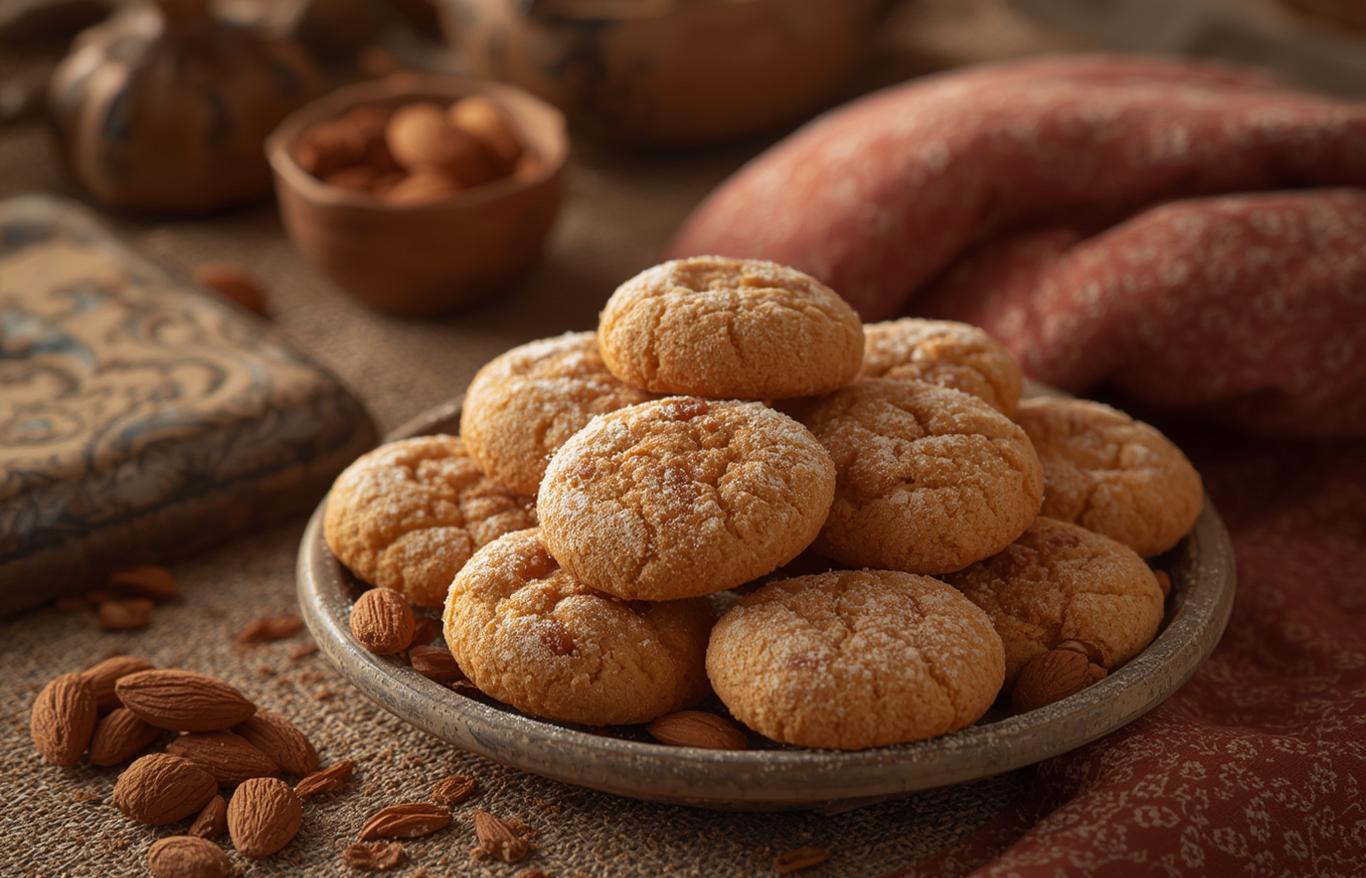
Stepping into a Moroccan home, you’re almost guaranteed to be greeted with a warm glass of mint tea and an array of exquisite pastries. Among these, the beloved Moroccan almond cookies stand out as a true testament to the country’s rich culinary heritage. These delightful confections, often overlooked by those unfamiliar with Moroccan cuisine, are far more than just a sweet treat; they embody centuries of tradition, hospitality, and a deep appreciation for simple, yet refined flavors. From festive celebrations to daily hospitality, Moroccan almond cookies are a staple, offering a taste of history with every delicate bite.
The Enduring Legacy of Almonds in Moroccan Confectionery
The story of Moroccan almond cookies is deeply intertwined with the history of almonds themselves in the region. Almond trees have flourished in Morocco for centuries, making them a readily available and highly prized ingredient. This abundance, coupled with historical trade routes that brought advanced pastry-making techniques from the Middle East and Andalusia, laid the groundwork for a sophisticated sweet-making tradition. Almonds are not just a flavor in Moroccan desserts; they are often the very foundation, celebrated for their delicate texture and rich, nutty aroma. This focus on almonds reflects a culinary philosophy that values natural ingredients and highlights their intrinsic qualities. The meticulous preparation of these cookies, from blanching and peeling to grinding and shaping, speaks to a craft passed down through generations, making each batch a continuation of this enduring legacy.
A Symphony of Shapes: Exploring the Diversity of Moroccan Almond Cookies
While the core ingredient, almonds, remains constant, the world of Moroccan almond cookies is surprisingly diverse in its forms and textures. It’s not just one cookie, but a family of distinct creations, each with its own character and traditional significance. There’s the famous Ghoriba Bahla, a cracked, crumbly cookie often featuring semolina and orange blossom water, known for its rustic charm. Then you have the elegant Kaab el Ghazal, or “gazelle’s horn,” a crescent-shaped pastry with a delicate almond paste filling, often perfumed with orange blossom and cinnamon.
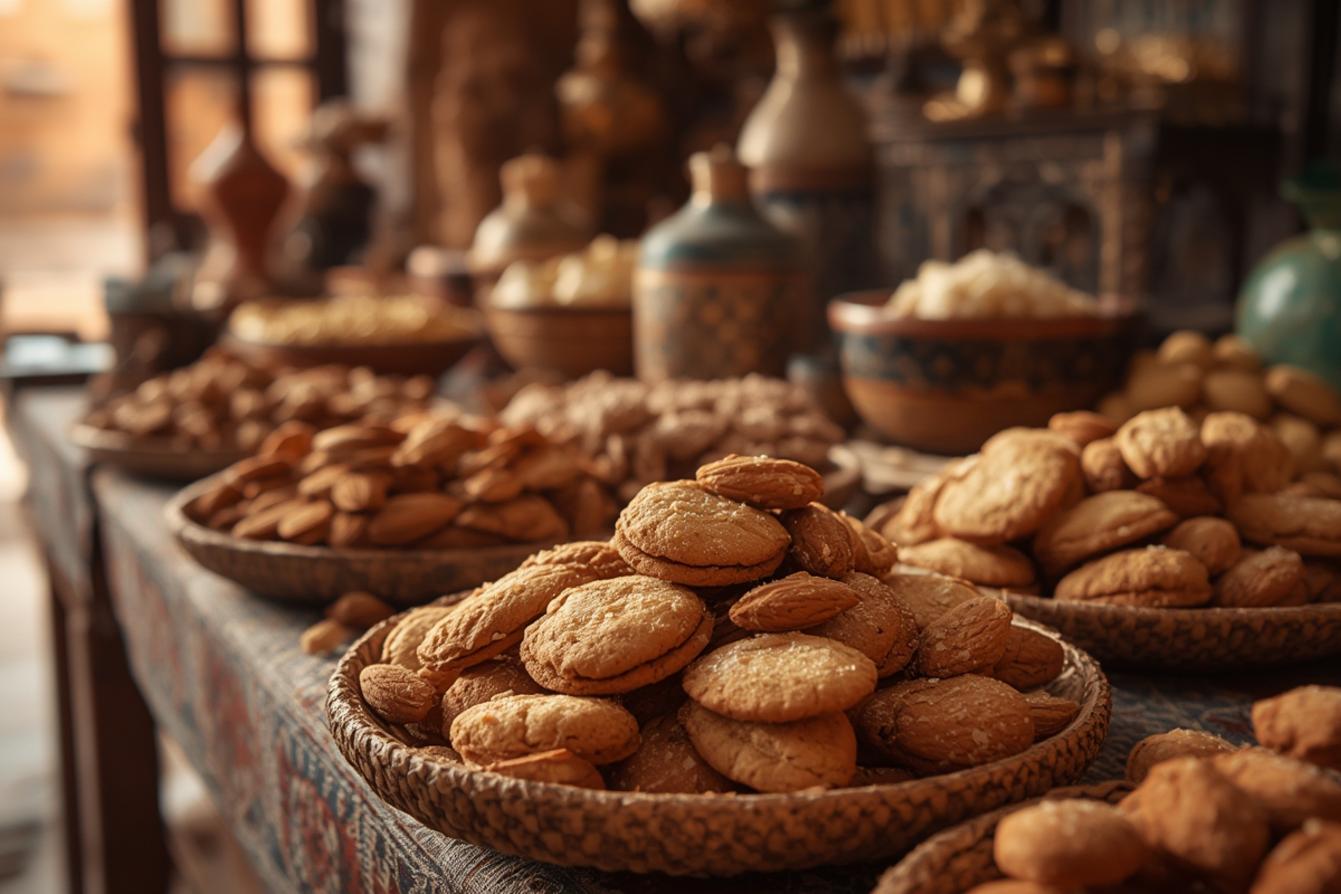
Another popular variety is Fekkas, crunchy biscotti-like cookies often studded with almonds and anise seeds, perfect for dipping in tea. Each shape tells a story, and each texture offers a different experience, showcasing the incredible artistry and versatility of Moroccan bakers. Understanding this variety enriches the experience of tasting these treats, allowing you to appreciate the nuances in their preparation and cultural contexts.
The Ritual of Preparation: Crafting Moroccan Almond Cookies at Home
For many Moroccan families, preparing these almond cookies is more than just baking; it’s a cherished ritual, often a communal activity that brings generations together. The process typically begins with blanched almonds, painstakingly peeled by hand. These are then ground into a fine paste, often with sugar, and sometimes flavored with aromatic essences like orange blossom water or a touch of mastic gum. The dough, which can vary from a simple almond paste to a flour-based mixture, is then carefully shaped. For Kaab el Ghazal, this involves rolling out thin dough and meticulously encasing the almond filling before shaping it into a crescent. Ghoriba might be rolled into balls and pressed with a thumb or fork to achieve its characteristic crackled appearance. The careful hand-shaping, often done by women gathered in a kitchen, adds a personal touch to each cookie, making them truly homemade and imbued with love and tradition. This attention to detail and the shared labor are integral to the cultural significance of Moroccan almond cookies.
Occasions and Traditions: When Moroccan Almond Cookies Take Center Stage
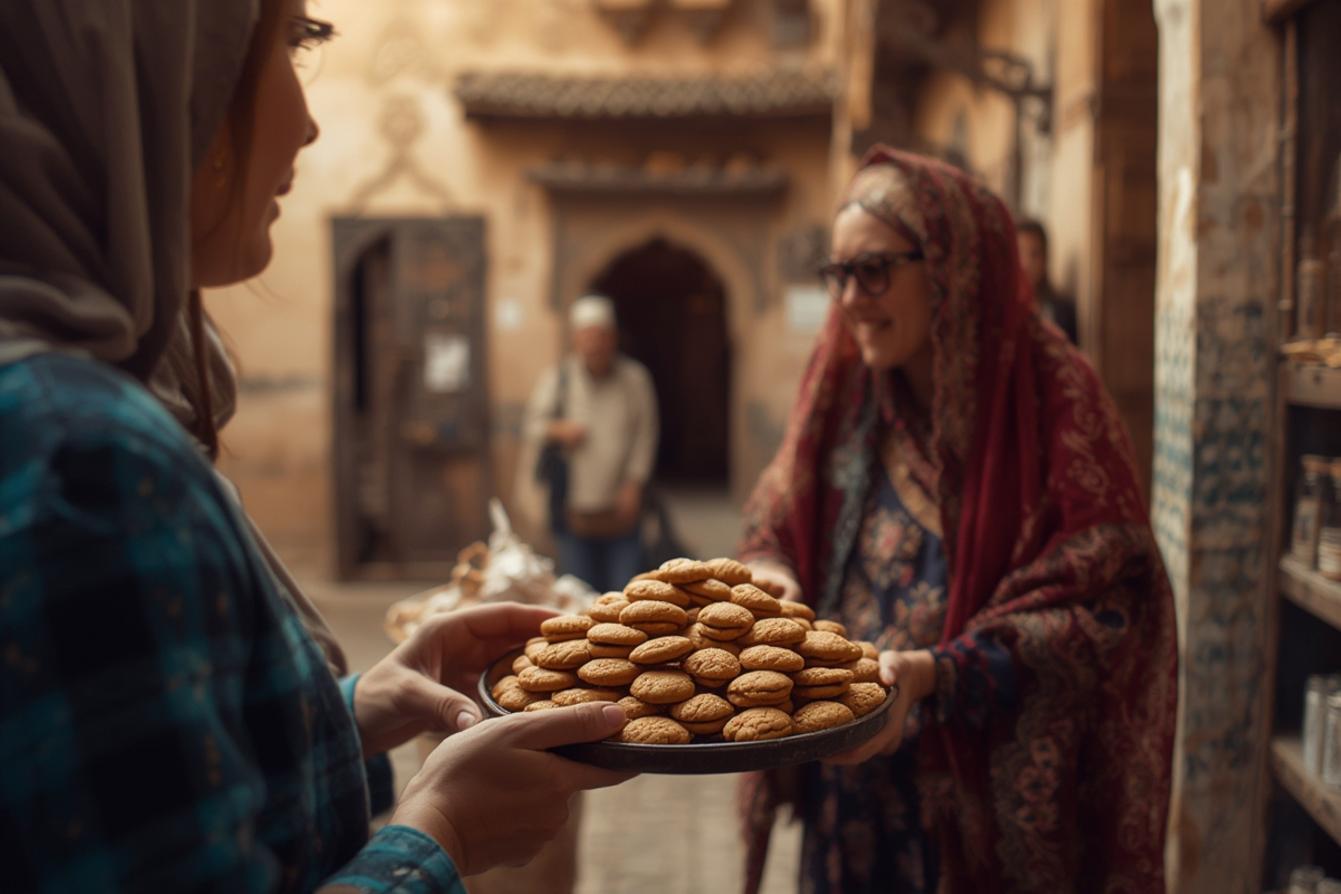
Moroccan almond cookies are synonymous with celebration and hospitality. They are an indispensable part of religious holidays like Eid al-Fitr and Eid al-Adha, where platters laden with various almond cookies are offered to guests as a symbol of joy and abundance. During weddings, engagement parties, and aqiqah (naming ceremonies), these cookies are presented with pride, often beautifully arranged on ornate trays. They are also a constant presence during everyday hospitality; no guest would ever leave a Moroccan home without being offered a selection of these sweet delights. Serving them with the traditional mint tea is a gesture of welcome and generosity, creating a warm and inviting atmosphere. Understanding these contexts helps appreciate that these aren’t just snacks, but essential components of Moroccan social and cultural life. You can also discover more about the diverse cultural landscape of Morocco by visiting various regions, each offering unique experiences, through Moroccan almond cookies.
Decoding the Flavors: Key Ingredients and Aromatics
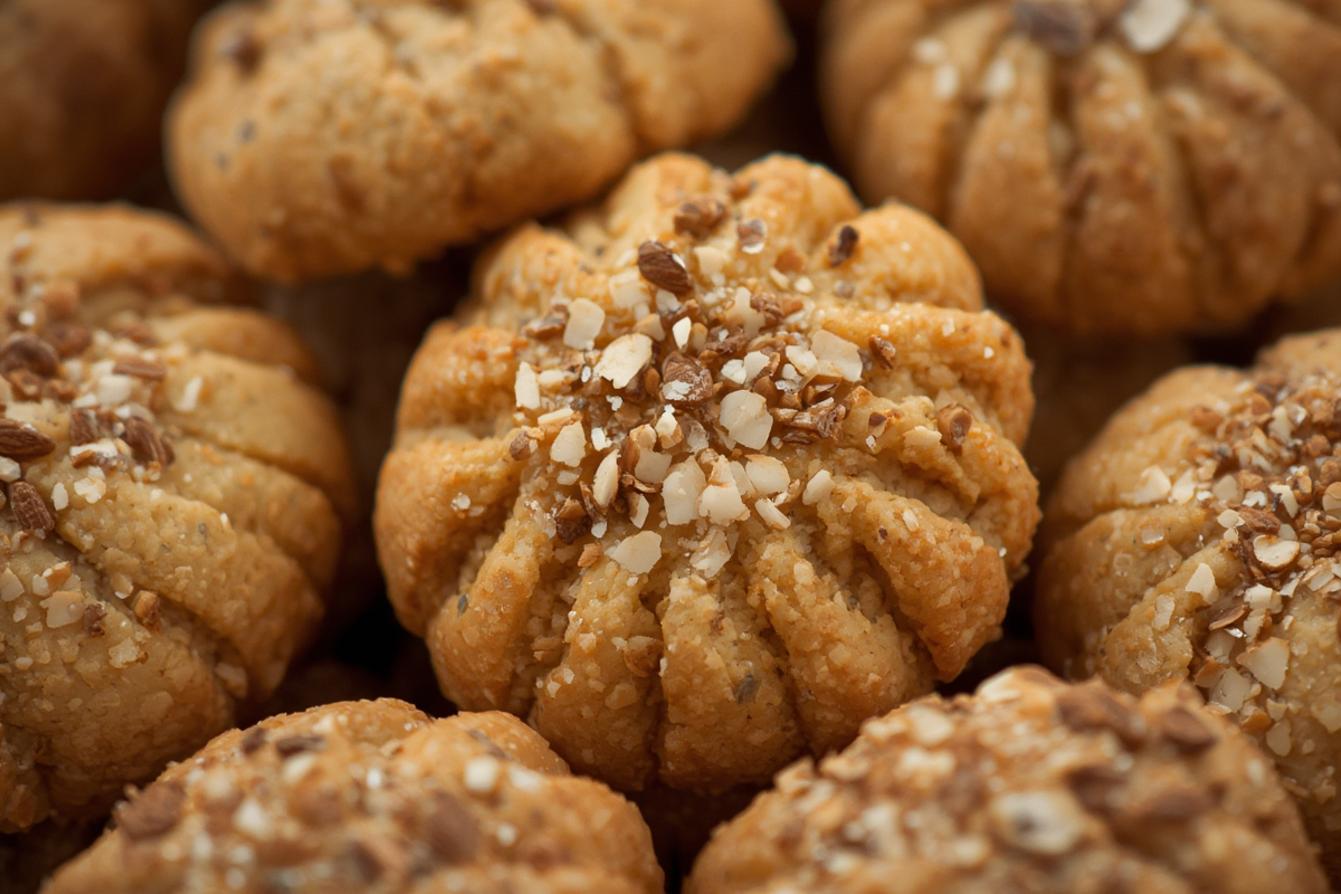
The magic of Moroccan almond cookies lies in their relatively simple, yet expertly balanced, ingredients. At their heart, of course, are the almonds – preferably good quality, blanched and finely ground. Sugar provides sweetness, while a touch of butter or oil adds richness and helps with texture. However, it’s the aromatics that truly elevate these cookies to an art form. Orange blossom water is arguably the most iconic, lending a fragrant, slightly floral note that is distinctly Moroccan. Rose water is also used, though less commonly. Cinnamon, anise, and a hint of lemon zest can also make an appearance, adding layers of subtle spice and brightness. The careful blend of these elements creates a unique flavor profile that is both comforting and exotic, a testament to Morocco’s rich spice heritage. If you’re interested in baking some of these delightful Moroccan sweet treats at home, there are many excellent recipes available.
Finding and Enjoying Authentic Moroccan Almond Cookies
For travelers, seeking out authentic Moroccan almond cookies is an essential part of the culinary journey. You’ll find them in abundance in local patisseries (bakeries), where they are often displayed like jewels, fresh daily. The souks, particularly in cities like Fes, Marrakech, and Meknes, will have vendors specializing in traditional sweets, offering an astonishing array. Don’t hesitate to try a few different varieties; each baker will have their own subtle twists and secret family recipes. When offered in a home or a guesthouse, savor them slowly with your mint tea, appreciating the hospitality behind the offering. For a truly immersive experience, consider taking a cooking class in Morocco, where you can learn to make these delicate pastries yourself, gaining a deeper understanding of the techniques and cultural significance behind each delicious bite of Moroccan almond cookies.
Conclusion
From their ancient origins rooted in the abundance of Moroccan almonds to their cherished place in modern-day celebrations and daily hospitality, Moroccan almond cookies are a culinary emblem of the country. They are a feast for the senses, offering delicate textures, fragrant aromas, and a taste of Morocco’s rich cultural tapestry. More than just a dessert, these cookies represent tradition, craftsmanship, and the enduring warmth of Moroccan hospitality. So, on your next visit, make sure to seek out and savor these exquisite Moroccan almond cookies.
FAQs
What are the most popular types of Moroccan almond cookies?
Some of the most popular types include Kaab el Ghazal (gazelle’s horns), Ghoriba Bahla (cracked semolina and almond cookies), and various Fekkas (biscotti-like cookies often with almonds and anise). Each offers a unique texture and flavor profile.
What makes Moroccan almond cookies so special?
Their specialness comes from the abundance and quality of local almonds, the centuries-old tradition of pastry making, and the use of aromatic ingredients like orange blossom water. They are also deeply intertwined with Moroccan hospitality and celebrations.
Are Moroccan almond cookies difficult to make at home?
While some varieties, like Kaab el Ghazal, require a bit of practice and skill due to their delicate shaping, many Moroccan almond cookies are relatively straightforward to make. The key is using good quality ingredients and following traditional preparation steps carefully.
Where can I buy authentic Moroccan almond cookies in Morocco?
You can find authentic Moroccan almond cookies in local patisseries (bakeries), specialty sweet shops, and in the souks (markets) of major cities like Marrakech, Fes, and Casablanca. Many hotels and guesthouses also offer them to guests.



 Covers cities, coast, mountains, desert & food