
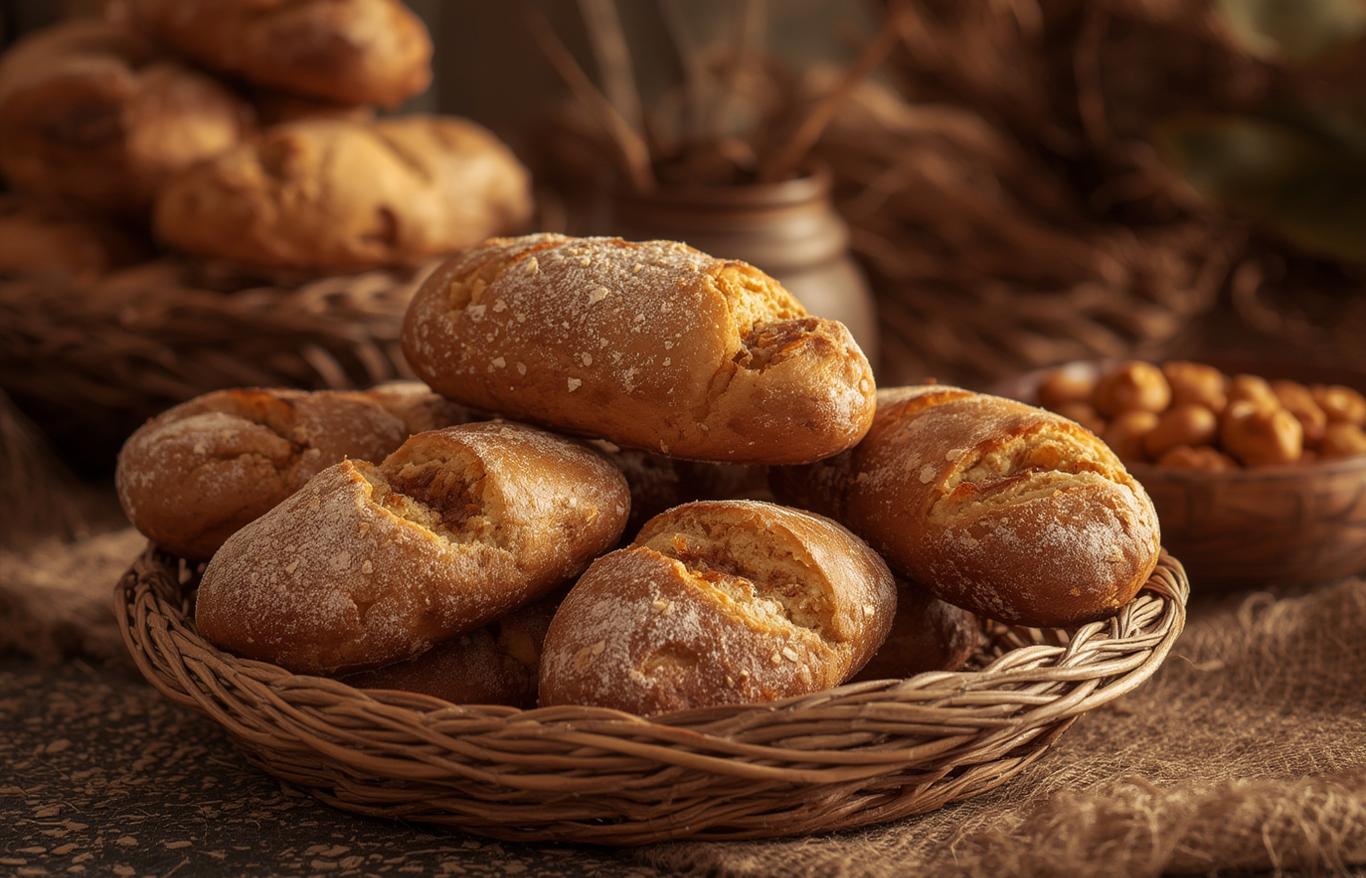
From bustling souks to tranquil family kitchens, the aroma of freshly baked bread is a constant, comforting presence in Morocco. Among the myriad of breads, one stands out for its sweet, earthy notes and deep cultural roots: Moroccan date bread. This isn’t just a simple loaf; it’s a testament to the country’s rich agricultural heritage, hospitality, and the profound role dates play in everyday life and special occasions. Understanding the traditional Moroccan date bread recipe and its cultural significance offers a delicious window into the heart of Moroccan traditions.
The Enduring Allure of Dates in Moroccan Cuisine
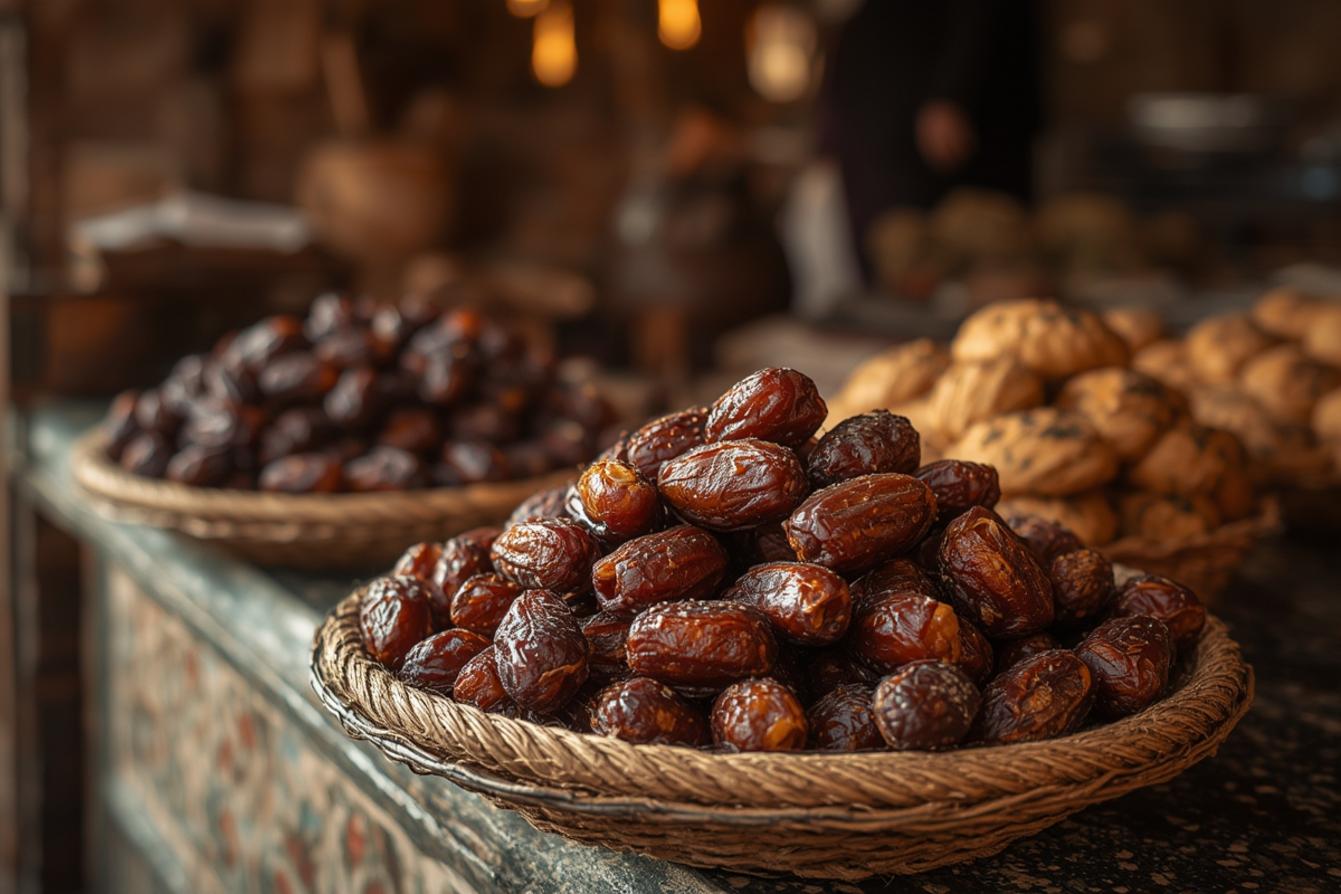
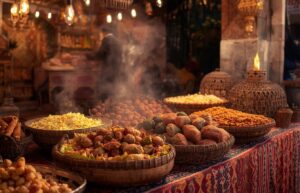
Before diving into the bread itself, it’s essential to appreciate the date. For centuries, dates have been a cornerstone of Moroccan life, not merely a fruit but a symbol of abundance, sustenance, and hospitality. Date palms carpet vast oases, particularly in the Draa Valley and Tafilalt regions, making Morocco one of the world’s leading date producers. They are consumed fresh, dried, in tagines, and as a natural sweetener in countless sweets. The cultural reverence for dates stems from their historical importance as a primary food source for travelers crossing the Sahara and their deep connection to Islamic traditions, especially during Ramadan when breaking the fast with dates is customary. This reverence naturally extends to dishes like Moroccan date bread, where the fruit is the star.
More Than Just a Snack: The Cultural Role of Moroccan Date Bread
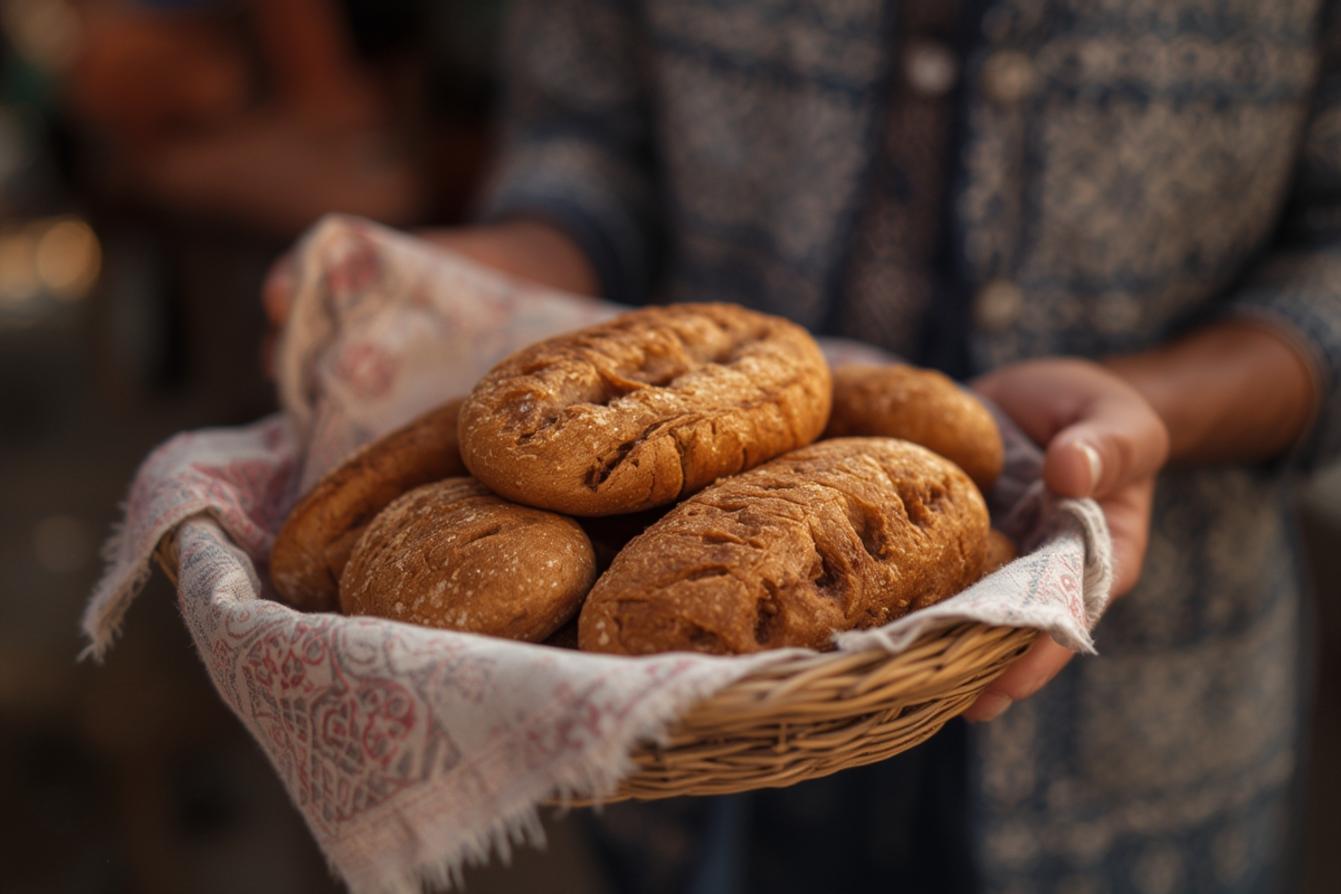
Moroccan date bread, or khobz bil tmar, isn’t an everyday staple in the same way as plain khobz (flatbread). Instead, it often holds a place of honor, appearing at celebrations, family gatherings, and during religious holidays. It’s a bread that embodies generosity and warmth, often shared with guests alongside a glass of mint tea. The act of preparing and serving this bread is a gesture of welcome, a way to offer something sweet and nourishing, representing the sweetness of life and good wishes. It speaks to the Moroccan value of Diyafa (hospitality), where feeding a guest is a sacred duty.
Unpacking the Traditional Moroccan Date Bread Recipe: Key Ingredients and Methods
At its core, a traditional Moroccan date bread recipe is surprisingly simple, yet the care and technique elevate it into something truly special. The primary ingredients are flour, yeast, water, salt, a touch of olive oil, and, of course, a generous amount of dates. Often, spices like anise seeds, sesame seeds, or orange blossom water are incorporated to add layers of fragrant complexity, making each bite an aromatic experience.
The process typically begins with activating the yeast, then combining it with flour to form a soft, pliable dough. Kneading is crucial here – it develops the gluten, resulting in a bread with a delightful chewiness. Unlike many Western breads, Moroccan bread often benefits from a long, slow rise, allowing the flavors to deepen.
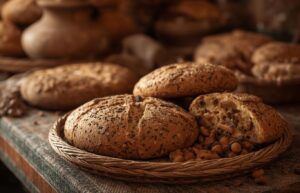
The dates themselves are usually pitted and either chopped finely or pureed into a paste. This date mixture is then incorporated into the dough, sometimes kneaded throughout, or more commonly, rolled into a log of dough, creating beautiful swirls of sweet date filling. Some variations might feature whole or half dates pressed into the surface before baking, creating a visually appealing texture. Baking in a traditional ferran (wood-fired oven) would impart a unique smoky flavor and crisp crust, though a home oven works perfectly well. The result is a golden-brown loaf, slightly sweet, with a wonderfully soft interior studded with pockets of sweet, caramelized dates.
Regional Touches and Variations in Moroccan Date Bread
Just as with many traditional Moroccan dishes, there isn’t one single, immutable recipe for Moroccan date bread. Regional variations abound, reflecting local preferences and available ingredients. In some areas, particularly in the south where dates are plentiful, the bread might be richer with dates, almost like a sweet cake. Northern regions might incorporate more spices commonly found in their cuisine.
For example, in some Berber communities, you might find taguella, a dense, unleavened bread cooked directly in the coals, sometimes with dates. While not strictly khobz bil tmar, it shows the omnipresence of dates in traditional baking. Similarly, other sweet breads or pastries like M’hencha (snake cake) often feature dates, demonstrating a broader love for Moroccan date bread as a sweet treat. These subtle differences highlight the diverse culinary landscape of Morocco and how a core ingredient like the date can be interpreted in myriad delicious ways across different communities.
Enjoying Moroccan Date Bread: Occasions and Pairings
Moroccan date bread is a versatile delight. It’s most commonly enjoyed at breakfast or f’tour (the breaking of the fast during Ramadan), often with a drizzle of honey, a smear of butter, or a side of amlou (a dip made from argan oil, almonds, and honey). Its natural sweetness makes it a perfect accompaniment to the strong, refreshing sweetness of Moroccan mint tea – a pairing that truly defines Moroccan hospitality.
Beyond breakfast, it makes a wonderful snack during the day or a light dessert after a meal. At special occasions, it’s often part of a larger spread of pastries and sweets. For travelers, encountering this bread in a local café, a guesthouse, or a family home is an authentic experience. The warmth of the bread, the sweetness of the dates, and the earthy spices combine to create a uniquely Moroccan flavor profile that is both comforting and exotic. Exploring the different nuances of Moroccan date desserts like this bread provides a deeper appreciation for the country’s culinary artistry.
Baking Your Own Moroccan Date Bread: A Taste of Morocco at Home
While nothing beats fresh Moroccan date bread from a local ferran, recreating it at home is a rewarding experience. The process is meditative, from the kneading of the dough to the wafting aroma of baking spices and dates filling your kitchen. It’s an opportunity to connect with Moroccan culinary traditions and share a piece of its warmth and hospitality with your own family and friends. Don’t be afraid to experiment with spices – a pinch of cinnamon or a hint of nutmeg can add another dimension, though many purists stick to anise and orange blossom water. The satisfaction of pulling a warm, fragrant loaf from your oven, knowing you’ve crafted a piece of Moroccan culinary heritage, is immense.
Conclusion
Moroccan date bread is far more than just a sweet treat; it’s a culinary artifact steeped in history, hospitality, and the profound cultural significance of dates in Morocco. Its preparation is an art, and its consumption is often a communal act, reflecting the core values of Moroccan society. From its humble ingredients to its elevated status at celebratory tables, Moroccan date bread offers a delicious and meaningful insight into the country’s rich traditions.
FAQs
What is the primary difference between Moroccan date bread and other Moroccan breads?
The main difference lies in the addition of dates, which impart a distinct sweetness and moist texture. Most everyday Moroccan breads, like khobz, are savory and typically used to scoop up tagines or stews, while Moroccan date bread is often considered a sweet bread or a dessert.
Is Moroccan date bread typically eaten for breakfast or dessert?
Moroccan date bread is versatile and can be enjoyed at various times. It’s a popular choice for breakfast, often paired with mint tea, honey, or amlou. It also frequently appears as a sweet snack during the day or as part of a dessert spread during special occasions and religious holidays.
Can I find Moroccan date bread easily in all parts of Morocco?
While dates are abundant in Morocco, traditional Moroccan date bread is more commonly found in regions known for date cultivation, such as the Draa Valley and Tafilalt. However, you can often find variations or similar sweet breads in bakeries across the country, especially in larger cities and during festive periods.
What are common spices used in a traditional Moroccan date bread recipe?
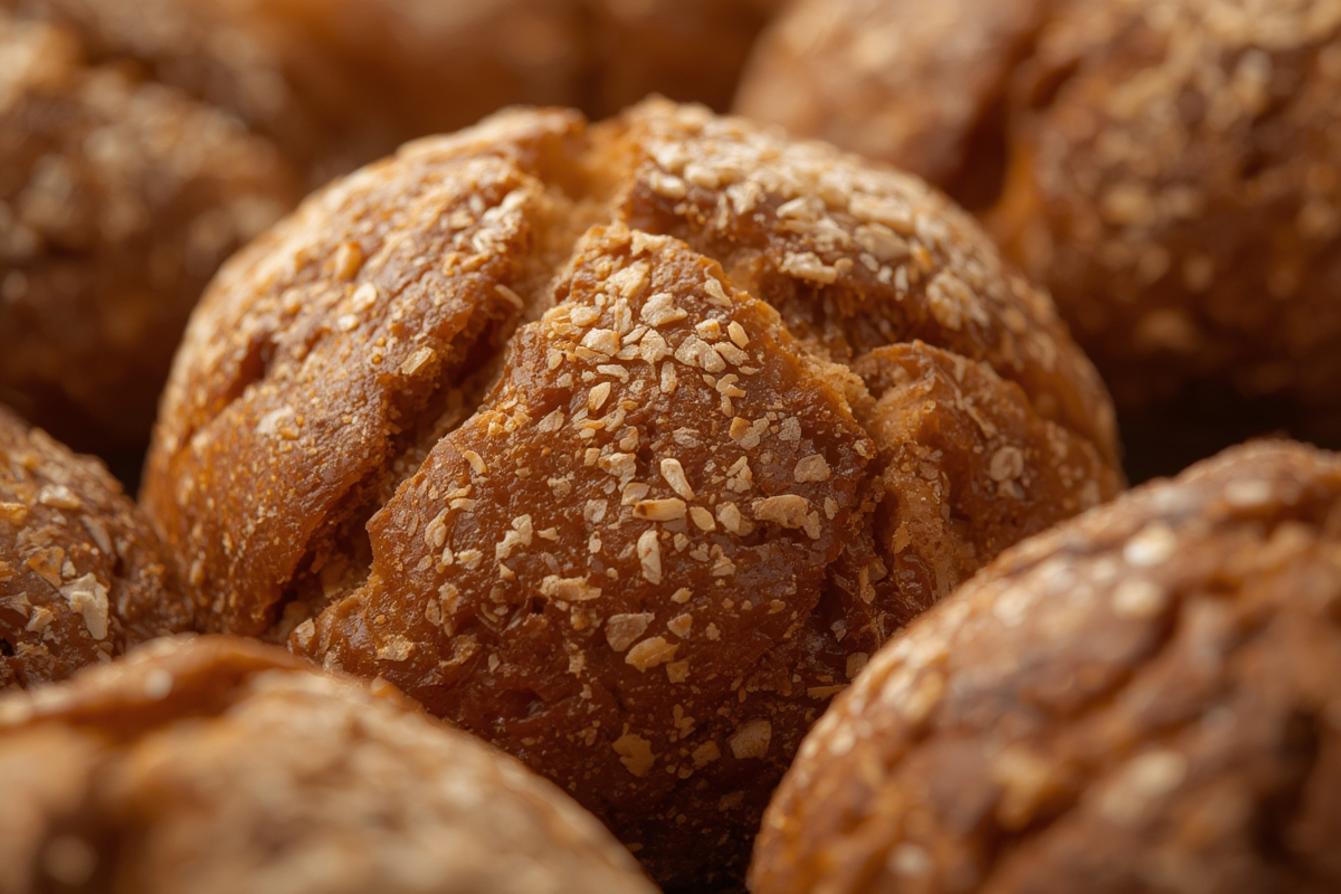
Beyond the dates themselves, typical spices and flavorings include anise seeds, sesame seeds (often sprinkled on top), and orange blossom water. Some recipes might also incorporate a hint of cinnamon or other warm spices, but anise and orange blossom are quite characteristic of the authentic flavor.


 Covers cities, coast, mountains, desert & food