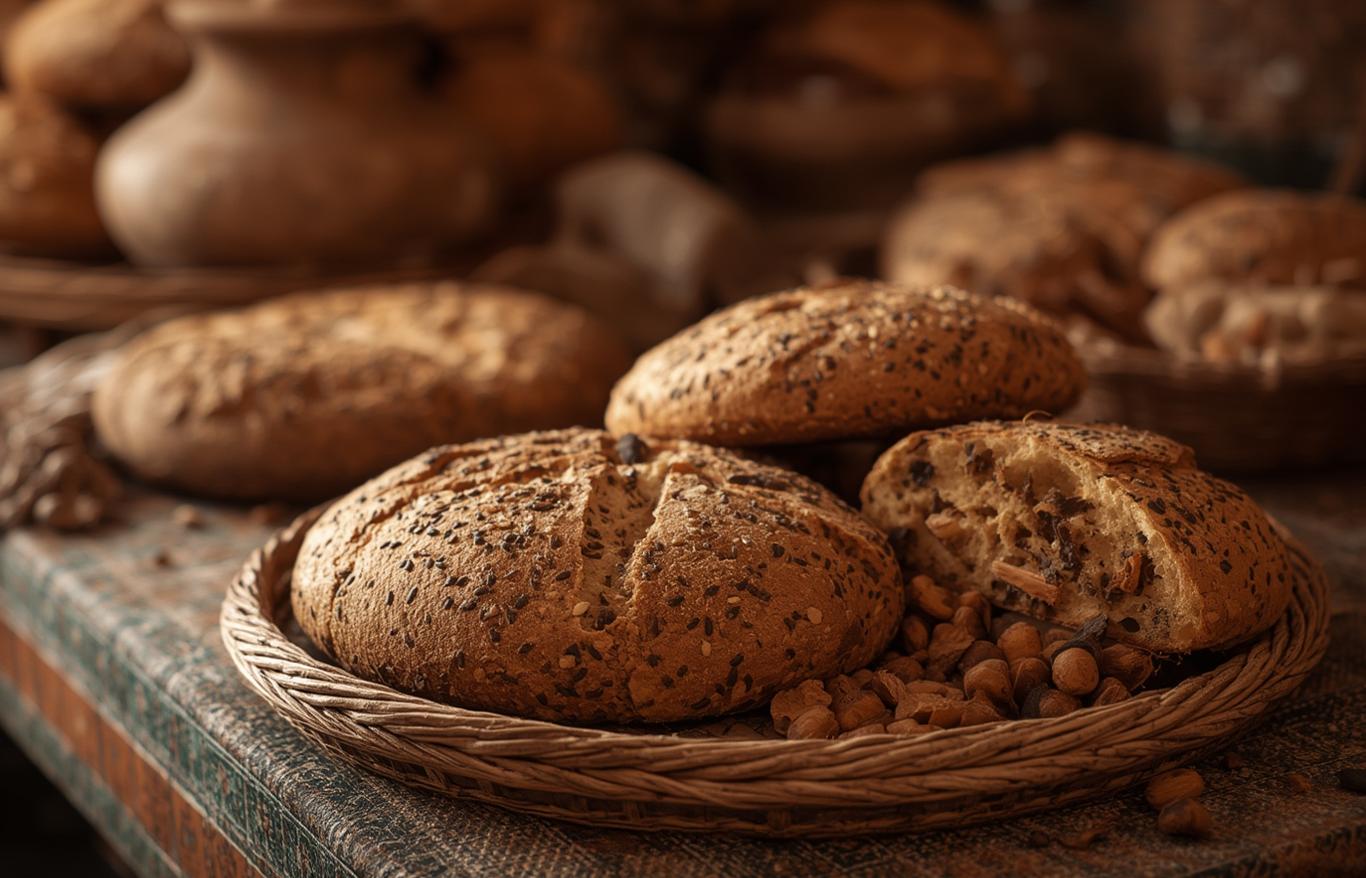
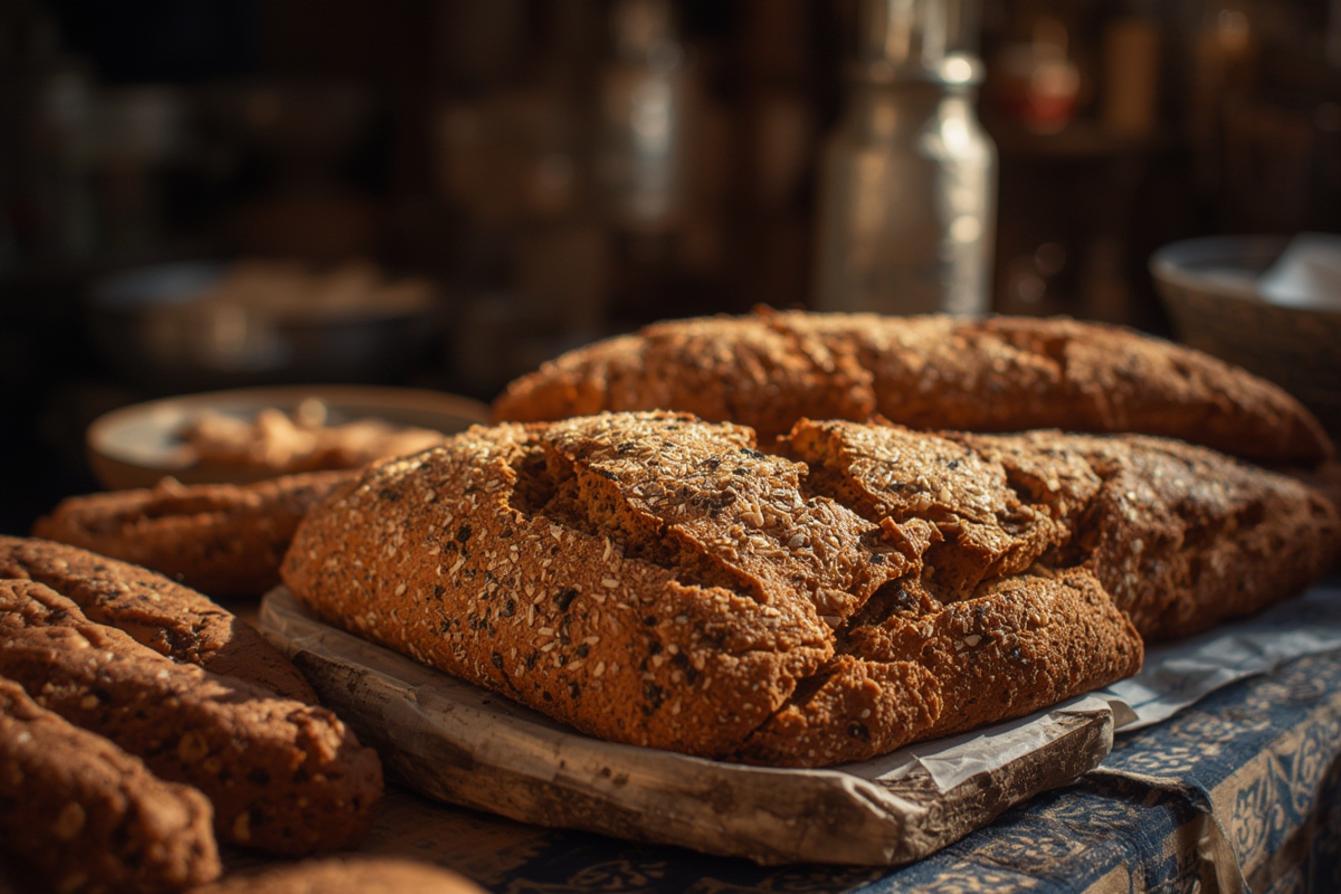
Few culinary experiences in Morocco are as universally cherished and deeply rooted in tradition as breaking bread together. Among the myriad of flatbreads, rolls, and loaves that grace Moroccan tables, Moroccan olive bread holds a special, savory place. It’s not just sustenance; it’s a taste of history, a staple of community, and a testament to the country’s rich agricultural bounty. This isn’t your average supermarket olive loaf; it’s a rustic, often hand-shaped bread, studded with the distinctive olives grown in Morocco’s sun-drenched groves, offering a beautiful balance of soft interior, chewy crust, and salty burst.
The Ancestry of Moroccan Bread: Olives as a Culinary Cornerstone
Moroccan bread culture is ancient, evolving over centuries with influences from Amazigh (Berber) traditions, Arab migrations, and even French colonial periods. Yet, at its heart, it remains fundamentally Moroccan. Wheat has been cultivated here for millennia, and the daily ritual of baking bread, often in communal ovens (ferran), is a living heritage. The inclusion of olives, a fruit synonymous with the Mediterranean and North Africa, was a natural progression. Morocco is one of the world’s leading olive producers, and these versatile fruits find their way into everything from tagines and salads to, of course, bread. The story of Moroccan olive bread is therefore intrinsically linked to the land and its enduring agricultural practices. It speaks of resourcefulness and the ability to transform simple, local ingredients into something profoundly satisfying and culturally significant.
Crafting the Loaf: Key Ingredients and Traditional Methods
While recipes for Moroccan olive bread can vary from household to household, the core ingredients remain consistent: good quality flour, water, yeast, salt, and, crucially, a generous amount of local olives. Many traditional bakers still opt for a blend of white and whole wheat flour, which lends a robust texture and earthy flavor. The dough is typically kneaded by hand, a laborious but meditative process that develops the gluten, resulting in the bread’s characteristic chewiness.
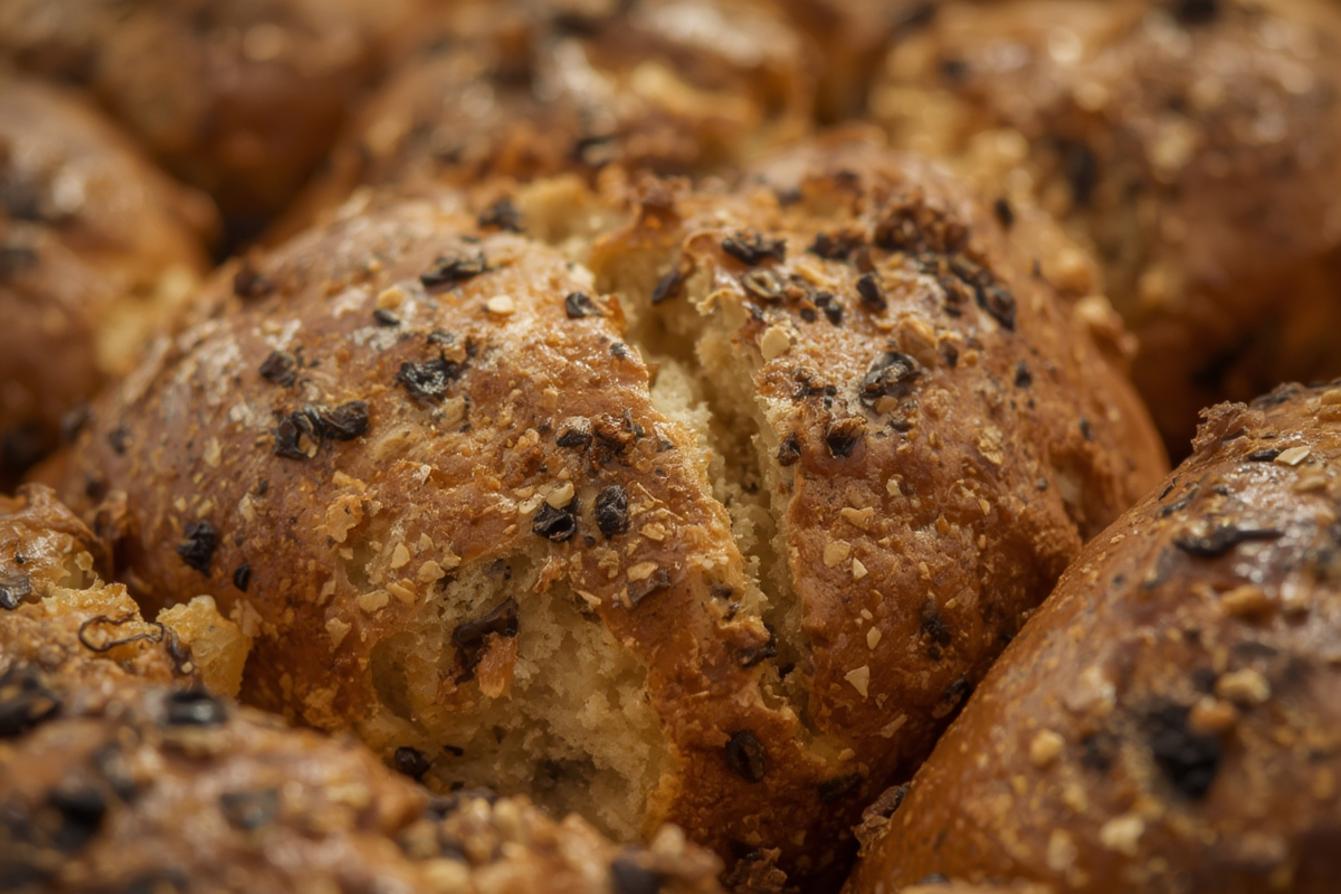
The olives themselves are paramount. Often, these are small, intensely flavored black or green olives, cured in brine, which impart a wonderful saltiness and sometimes a slight bitterness that perfectly complements the mild bread. They are usually pitted and roughly chopped before being folded into the dough during the later stages of kneading. Some regional variations might include a drizzle of olive oil in the dough itself, or a sprinkle of herbs like thyme or oregano, though the classic Moroccan olive bread often keeps it simple, allowing the olives to shine. The loaves are often round, sometimes flattened slightly, and baked until golden brown with a satisfying crust.
More Than Just a Snack: Olive Bread in Moroccan Daily Life
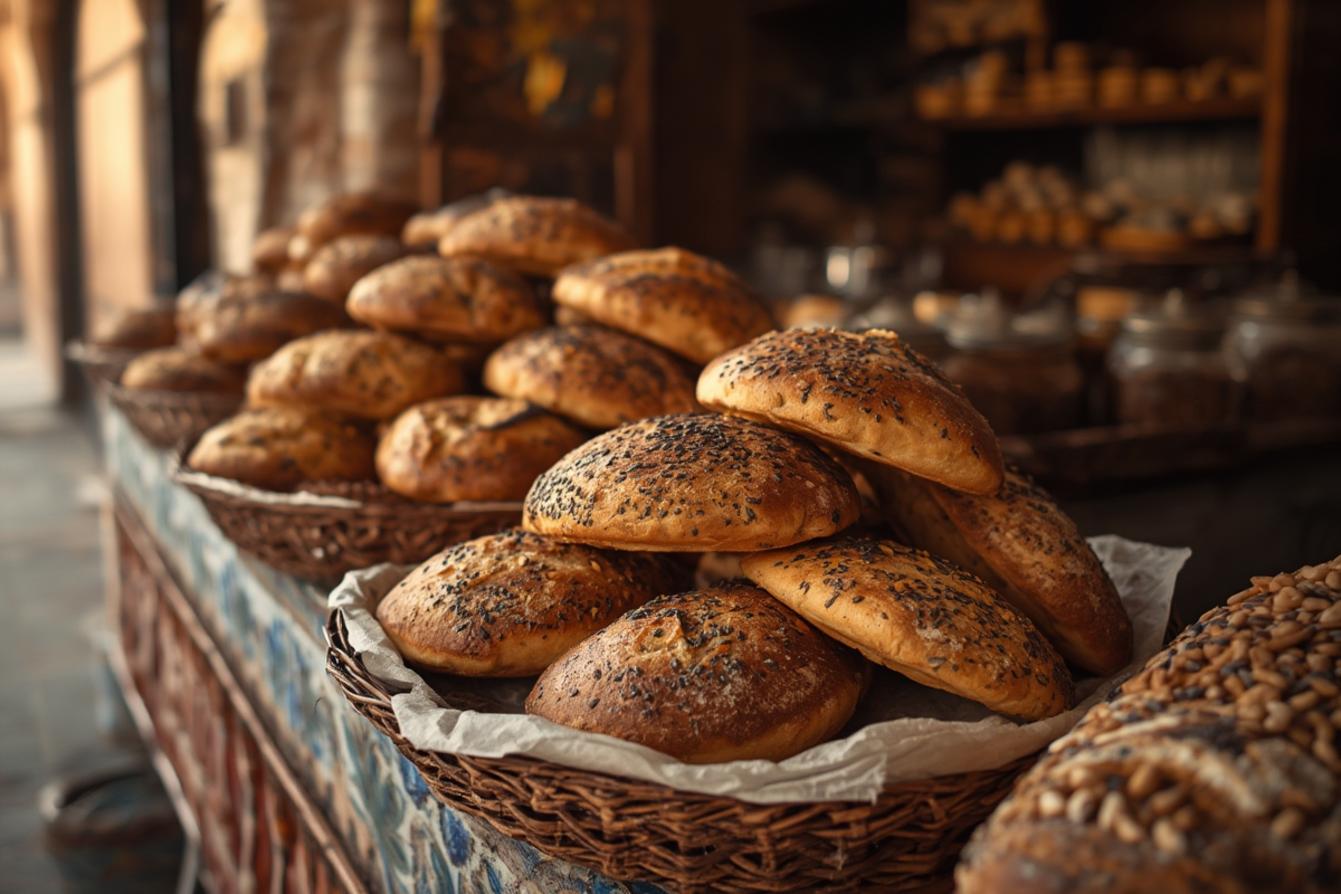
Moroccan olive bread isn’t just an appetizer; it’s a versatile player in the daily culinary drama of the country. It appears on breakfast tables, alongside honey, argan oil, and mint tea. It’s often served with lunch, torn to scoop up rich tagine sauces or to accompany a fresh salad. And it’s a common sight at dinner, always present to ensure no delicious drop of a savory dish goes to waste.
It’s particularly popular as a mezze item or a hearty addition to a simple picnic. Imagine sitting in a shaded courtyard in Marrakech or overlooking the Atlantic in Essaouira, with a basket of warm Moroccan olive bread, some local cheese, and a glass of mint tea – it’s a quintessential Moroccan experience. For many, it evokes memories of family gatherings, shared meals, and the warm hospitality that Morocco is famous for. This bread embodies comfort and tradition, a taste of home no matter where you are in the country.
Regional Nuances: Subtle Variations in Moroccan Olive Bread
Just as Morocco boasts a diverse landscape, from the coastal plains to the Atlas Mountains and the Sahara, its culinary traditions also reveal delightful regional variations. While the core concept of Moroccan olive bread remains the same, you might encounter subtle differences depending on where you travel. In the northern regions, particularly around Meknes and Fes, where olive groves stretch for miles, the bread might feature larger, more intensely flavored local olives. Some bakeries in these areas might also incorporate a blend of different flours, resulting in a slightly denser or more rustic loaf.
Moving south, especially towards the Moroccan olive bread, you might find versions that are slightly flatter, designed to be easily carried and shared. In some rural areas, bakers still use traditional wood-fired ovens, imparting a unique smoky flavor and a superbly crisp crust that modern ovens can rarely replicate. While the fundamental essence of olive bread – its savory, olive-studded goodness – remains constant, these small regional touches offer a nuanced culinary journey for the discerning palate. Exploring these differences is part of the joy of discovering Moroccan cuisine.
Experiencing Moroccan Olive Bread as a Traveler
For travelers, seeking out and savoring Moroccan olive bread is an absolute must. You’ll find it readily available in most bakeries (boulangeries), often baked fresh throughout the day. Don’t be shy about pointing to what you want; a warm loaf fresh from the oven is an unparalleled delight. Many traditional markets (souks) will also have stalls dedicated to bread, where you can often observe the bakers at work.
When dining at local restaurants, particularly those serving traditional Moroccan fare, olive bread might be offered as part of the bread basket that accompanies your meal. If you’re interested in a more hands-on experience, some cooking classes in cities like Marrakech or Fes include bread making as part of their curriculum, sometimes even teaching how to make your own Moroccan olive bread. It’s an authentic way to connect with the local culture and bring a piece of Morocco home with you. Don’t be afraid to ask locals for their recommendations on where to find the best bread; they’re often proud to share their favorite spots. You can also explore Moroccan bread varieties to understand the full range available.
Conclusion
Moroccan olive bread is far more than just a simple food item; it’s a symbol of Moroccan hospitality, agricultural richness, and enduring culinary tradition. Its savory aroma and distinct flavor connect you directly to the sun-drenched landscapes and the communal spirit of the country. Whether you’re tearing off a piece to scoop up a tagine or enjoying it plain with a glass of mint tea, this beloved savory bread offers a truly authentic taste of Morocco. The story behind Moroccan olive bread is one of land, labor, and love, inviting every visitor to partake in a truly enriching cultural experience.
FAQs
What kind of olives are typically used in Moroccan olive bread?
Moroccan olive bread usually features small, intensely flavored black or green olives that are brine-cured. These olives are often local varieties grown in Morocco, such as Picholine Marocaine, known for their distinct taste and firm texture, which hold up well during baking.
Is Moroccan olive bread usually eaten warm or cold?
While delicious at any temperature, Moroccan olive bread is traditionally best enjoyed warm, fresh from the oven. The warmth enhances its aroma, softens the interior, and makes the crust perfectly crisp. Many bakeries sell it warm throughout the day.
Can I find vegetarian or vegan versions of Moroccan olive bread?
Yes, traditional Moroccan olive bread is naturally vegetarian and vegan. Its core ingredients are flour, water, yeast, salt, and olives, with no animal products typically used in the dough. It’s a fantastic option for those with dietary restrictions.
What should I pair with Moroccan olive bread?
Moroccan olive bread is incredibly versatile. It pairs beautifully with classic Moroccan dishes like tagines, harira soup, or fresh salads. For a simpler experience, enjoy it with a drizzle of argan oil, some local cheese, a boiled egg, or simply with a glass of refreshing Moroccan mint tea.


 Covers cities, coast, mountains, desert & food