
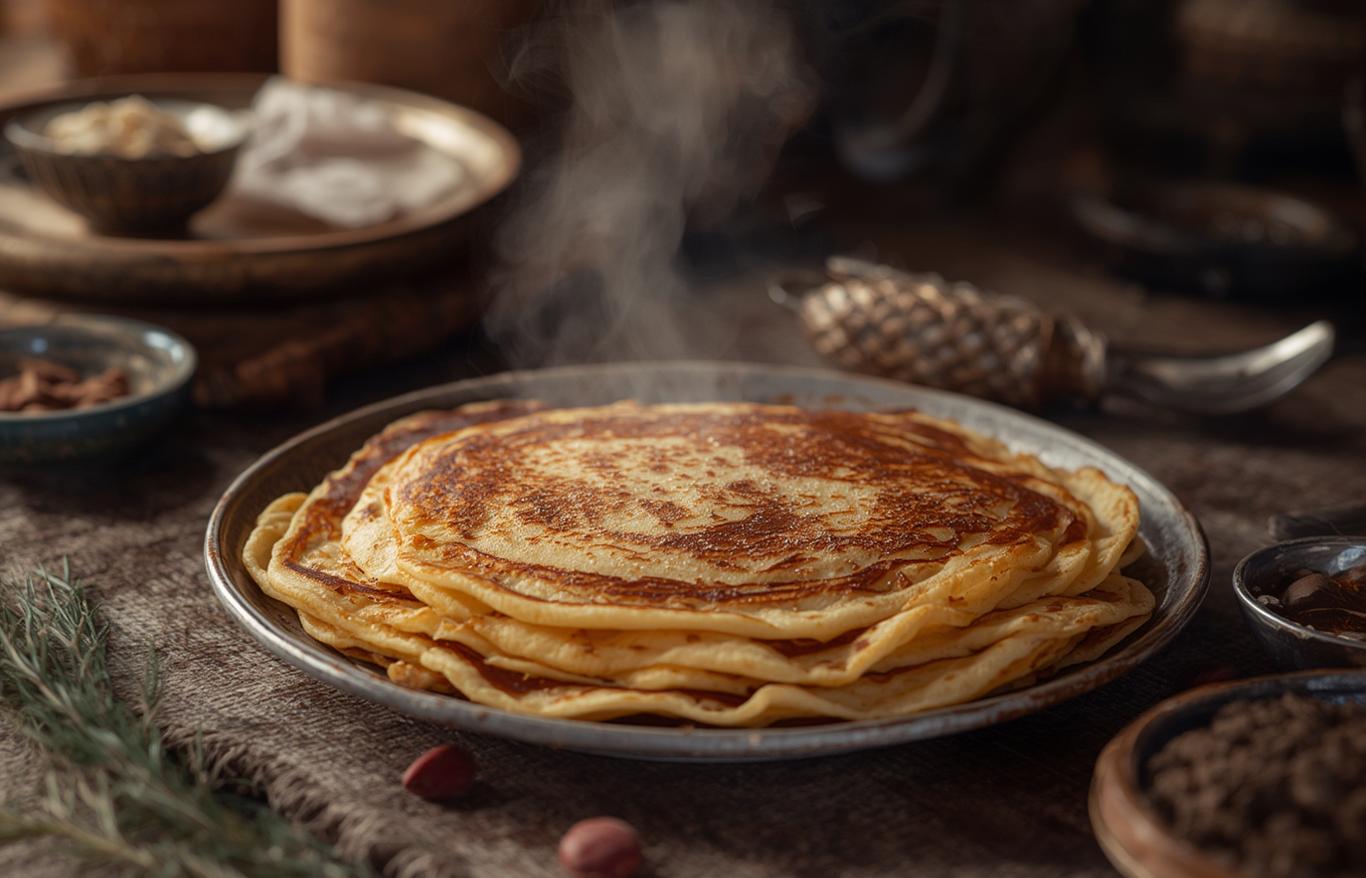
There’s a certain magic to Moroccan mornings, and much of it sizzles on griddles found on street corners across the country. Forget your typical Western pancakes; Moroccan street pancakes are a league of their own, offering a diverse and delicious journey through the heart of Moroccan culinary tradition. From the lacy, honeycombed baghrir to the flaky, layered msemen, these golden delights are more than just breakfast – they’re a vital part of daily life, a quick snack, and a testament to Morocco’s rich food heritage. As you wander through the bustling medinas or quiet residential areas, the aroma of fresh dough cooking over open flames is an irresistible invitation to discover these beloved treats.
The Morning Symphony of Moroccan Street Pancakes: Baghrir and Msemen Unveiled
When we talk about Moroccan street pancakes, two stars shine brightest: baghrir and msemen. While both are often grouped under the “pancake” umbrella, they are distinctly different in texture, preparation, and experience. Understanding their unique characteristics is key to appreciating the full spectrum of Moroccan breakfast culture.
Baghrir, often called “thousand-hole pancakes,” is a truly fascinating creation. Made from a thin batter of semolina flour, yeast, and water, it’s cooked only on one side. As it cooks, tiny bubbles appear on the surface, creating a distinctive, spongy, and incredibly porous texture. These holes are not just for show; they are perfect for soaking up sweet drizzles of honey and melted butter, the traditional accompaniment. The result is a light, airy pancake that practically melts in your mouth, offering a delicate sweetness with each bite.
Msemen, on the other hand, is a more robust and substantial affair. These square-shaped, pan-fried delights are made from a rich, unleavened dough, often enriched with a touch of semolina. What makes msemen unique is its preparation. The dough is repeatedly folded and stretched, creating multiple thin, flaky layers, similar to a croissant but cooked on a griddle. This layering gives msemen its signature crisp exterior and soft, chewy interior. It can be enjoyed plain, often dipped in honey or a combination of honey and butter, or filled with various sweet or savory ingredients. The contrast between baghrir‘s lightness and msemen‘s satisfying chewiness illustrates the delightful variety within Moroccan street pancakes.
Beyond Breakfast: The Cultural Significance of Moroccan Pancakes
Moroccan street pancakes aren’t just about satisfying hunger; they are deeply woven into the fabric of Moroccan daily life and hospitality. They represent comfort, tradition, and community. Often prepared fresh in home kitchens for family breakfasts, they also play a significant role in social gatherings, celebrations, and especially during holidays like Eid.
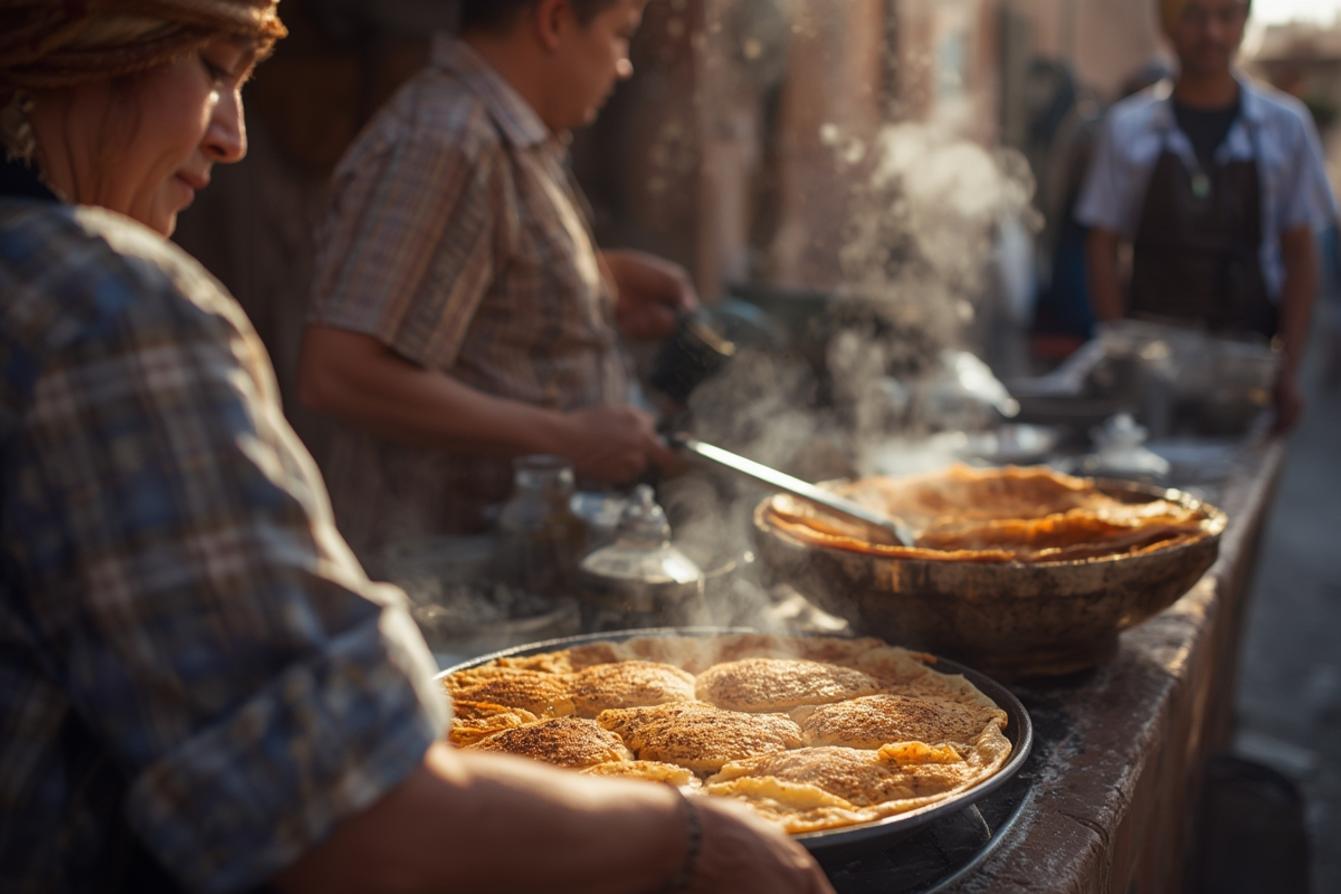
Visiting a local home, you’ll almost certainly be offered msemen or baghrir alongside a steaming glass of mint tea – a gesture of warmth and welcome. Street vendors, with their portable griddles and stacks of freshly cooked pancakes, are a constant presence, particularly in the mornings and late afternoons. Their stalls become impromptu social hubs where locals gather for a quick bite and a chat. This communal aspect elevates the simple act of eating a pancake into a cultural experience, connecting people and reinforcing traditions. These delicious Moroccan street pancakes are more than just food; they are an invitation to slow down, savor the moment, and connect with the rhythm of Moroccan life.
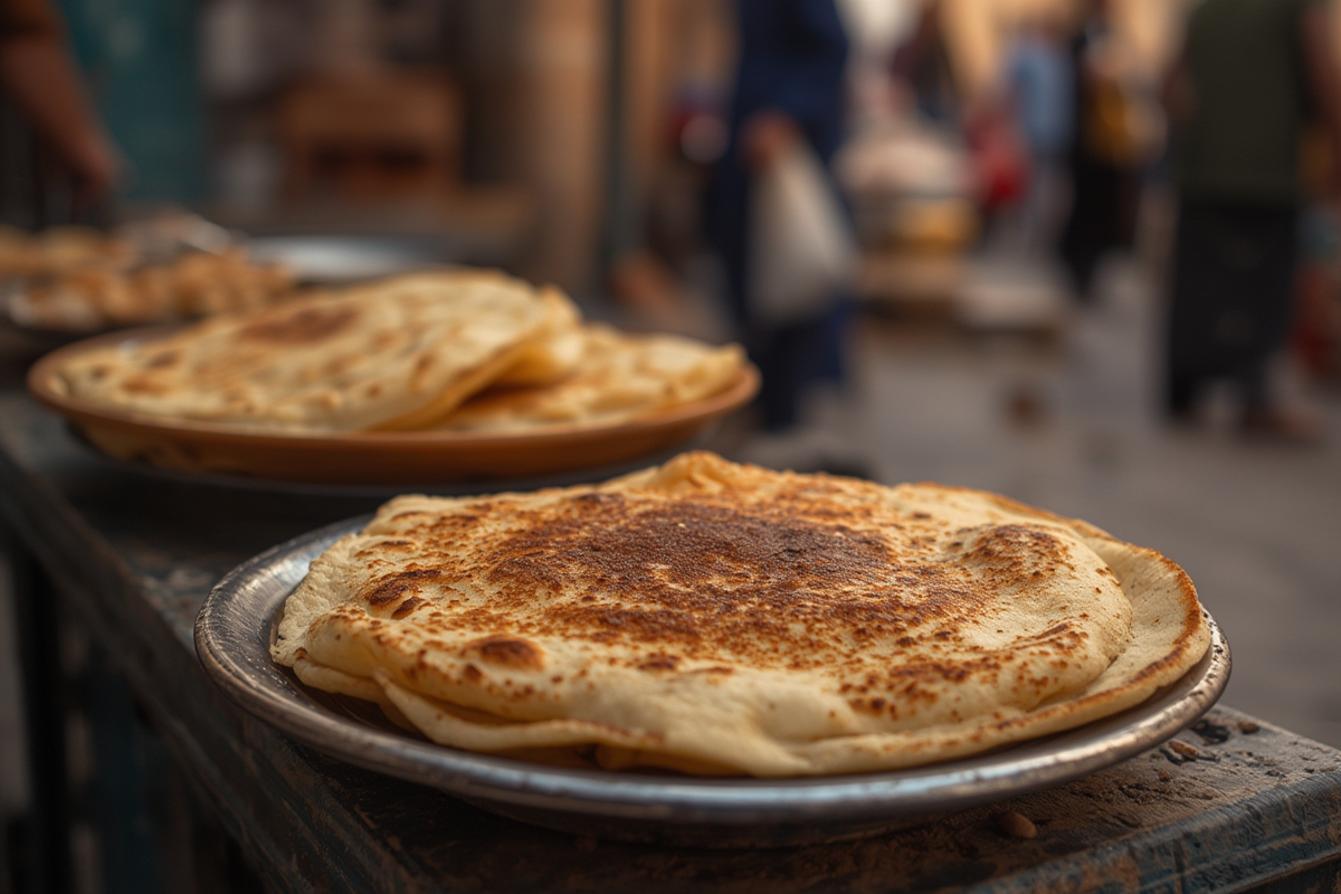
Where the Best Moroccan Street Pancakes Sizzle: A Traveler’s Guide
Finding authentic Moroccan street pancakes is rarely a challenge; they are ubiquitous throughout the country. However, knowing where to look for the freshest and most delicious versions can enhance your culinary adventure.
Medina Backstreets and Souk Entrances: This is prime territory for street food vendors. As you navigate the labyrinthine alleys of cities like Fes, Marrakech, and Tangier, keep an eye (and nose) out for small, makeshift stalls with a gas burner and a flat griddle. You’ll often see a local woman expertly flipping msemen or pouring baghrir batter. The early morning hours (7 AM to 10 AM) are particularly vibrant, but many vendors continue well into the afternoon.
Local Markets (Souks): Beyond the main tourist thoroughfares, local markets are bustling centers for everyday life and food. Here, you’ll find specialized stalls dedicated solely to making msemen, baghrir, and other baked goods. These spots often have a steady stream of local customers, which is always a good sign of quality.
Small Cafes and “Snack” Shops: Many modest cafes, especially those frequented by locals, will offer fresh msemen and baghrir as part of their breakfast menu. They might not be cooking it right in front of you, but the turnover is high, ensuring freshness. Look for “Café Local” signs or simply observe where locals are stopping for their morning bite.
Street Corners in Residential Areas: Venture slightly outside the main tourist zones into residential neighborhoods, and you’ll find smaller, often family-run street food operations. These hidden gems are fantastic for an authentic taste, though they might be less obvious to spot.
How to Spot a Good Vendor: Look for cleanliness (as much as can be expected from a street stall), a steady flow of local customers, and freshly prepared items. The dough for msemen should be stretched thinly and appear slightly oily before cooking, and baghrir should have those characteristic “thousands of holes.” Don’t be shy; point to what you want, and enjoy the experience!
The Art of Enjoying Moroccan Street Pancakes: Pairings and Preferences
Enjoying Moroccan street pancakes is an experience in itself, complete with traditional pairings and local customs. The most common and beloved accompaniment for both baghrir and msemen is a simple yet divine combination of warm honey and melted butter, often presented separately for dipping. The rich sweetness of the honey beautifully complements the delicate texture of baghrir and the flaky layers of msemen.
Another ubiquitous pairing, especially for breakfast, is Moroccan mint tea – atay. The refreshing, sweet tea provides a perfect balance to the richness of the pancakes. Some also enjoy their msemen with a smear of amlou, a delicious argan oil, almond, and honey spread, particularly popular in the Souss-Massa region.
For those who prefer a savory kick, msemen can sometimes be found filled with khlii (preserved meat) or a spiced onion and tomato mixture. These savory variations make for a heartier snack or light meal.
When you purchase your Moroccan street pancakes, they’ll typically be served warm, often wrapped in paper or a small plastic bag. Don’t hesitate to ask for extra honey and butter (“zifth ou asal“). It’s common to eat them by hand, tearing off pieces and dipping them generously. Embrace the simple pleasure and the slight stickiness – it’s all part of the authentic experience. For those interested in trying their hand at making these at home, a quick search for a Moroccan pancakes recipe will provide many delightful options.
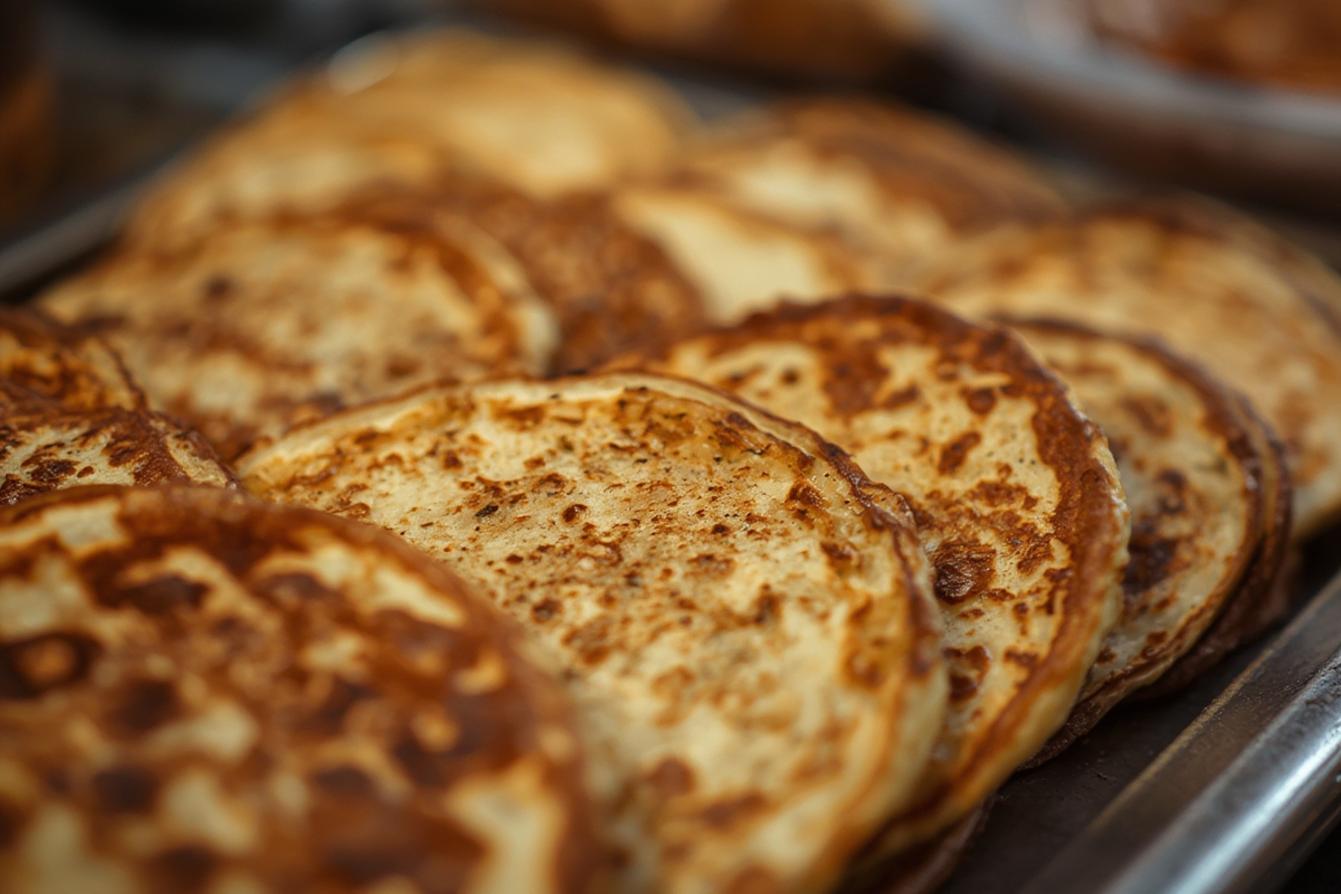
A Peek into the Moroccan Pancakes Recipe: Ingredients and Techniques
While the magic of Moroccan street pancakes often lies in the hands of seasoned vendors, understanding the basics of their creation offers a deeper appreciation. The ingredients are simple, but the techniques require a practiced hand.
Baghrir’s Secret: The cornerstone of baghrir is semolina flour, which gives it its characteristic fine texture. This is mixed with regular flour, yeast, a pinch of sugar, and water to form a thin, smooth batter. The crucial step is allowing the batter to ferment slightly, which helps create those iconic “thousand holes.” It’s then cooked quickly on a hot griddle or specialized tagine baghrir, only on one side, until the surface is dry and bubbly. The key is never to flip it!
Msemen’s Layers: Msemen typically uses a blend of fine semolina and all-purpose flour, along with salt, water, and sometimes a touch of baking powder. The dough is kneaded until elastic, then divided into small balls, which are generously oiled and rested. The magic happens during the stretching and folding. Each ball is stretched into a very thin, almost translucent sheet, then brushed with oil (and sometimes a sprinkle of semolina for extra crispness), and folded into a square packet. This process is repeated to create multiple layers before being pan-fried until golden brown and flaky. The amount of oil used during stretching is vital for achieving the distinct layers.
Both recipes highlight the resourcefulness and skill in Moroccan cooking, transforming basic ingredients into something truly extraordinary. It’s a testament to how simple food, prepared with care and tradition, can become deeply satisfying and culturally significant.
Conclusion
From the airy, honeycombed baghrir to the delightfully flaky msemen, Moroccan street pancakes are a testament to the country’s rich culinary traditions. They are more than just a delicious treat; they are a daily ritual, a symbol of hospitality, and an integral part of the Moroccan experience. Whether you’re savoring them hot off a street vendor’s griddle or enjoying them in a local café, these golden delights offer a unique window into the heart of Moroccan culture. So, next time you find yourself wandering the vibrant streets of Morocco, make sure to seek out these irresistible Moroccan street pancakes – your taste buds will thank you for it.
FAQs
What is the difference between baghrir and msemen?
Baghrir is a spongy, thin, yeast-leavened pancake cooked on one side, known for its “thousand holes,” perfect for soaking up honey and butter. Msemen is a square, flaky, unleavened pancake made by repeatedly folding thin layers of dough, resulting in a crispy exterior and chewy interior, often eaten plain or with various fillings.
How are Moroccan street pancakes typically served?
They are usually served warm, either plain or with a side of honey and melted butter for dipping. Savory msemen might contain fillings like preserved meat (khlii) or spiced vegetables. A steaming glass of sweet Moroccan mint tea is the customary beverage pairing.
Can I find Moroccan street pancakes throughout the day?
While they are most popular as a breakfast item and are readily available in the mornings, many street vendors and small cafes continue to make and sell msemen and baghrir throughout the day, often until late afternoon, making them a popular snack as well.
Are there any regional variations of Moroccan street pancakes?
While baghrir and msemen are widely popular across Morocco, there can be subtle regional differences in their preparation or common accompaniments. For example, in some regions, msemen might be filled more frequently with savory ingredients, and the type of flour used can vary slightly, influencing the texture. However, the core characteristics remain consistent throughout the country.


 Covers cities, coast, mountains, desert & food