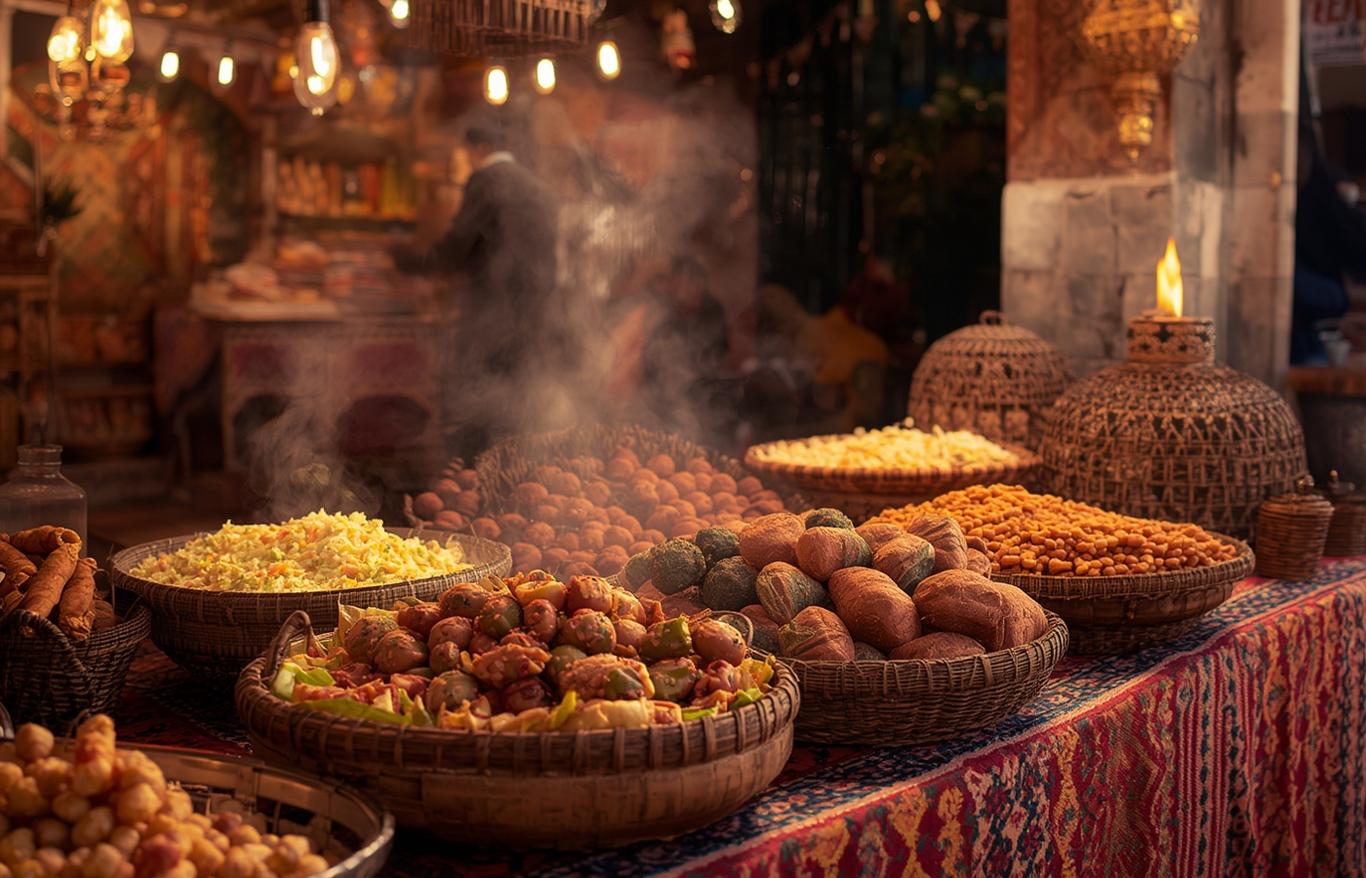
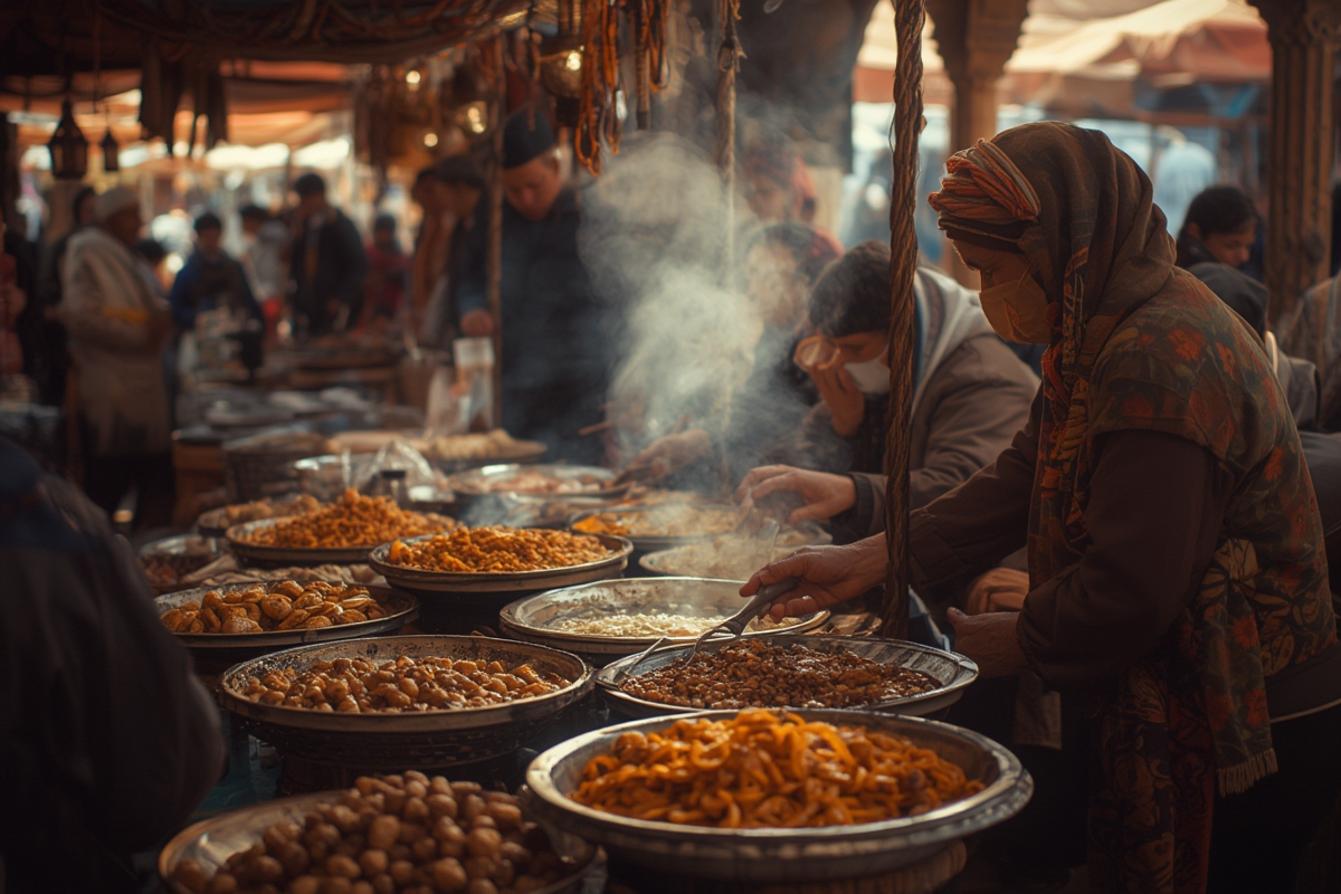
Stepping into a Moroccan festival is an assault on the senses in the most delightful way possible. The air hums with music, vibrant colors explode from every direction, and the aroma of exotic spices and simmering tagines creates an intoxicating perfume. But perhaps nothing encapsulates the spirit and heart of these celebrations quite like the array of traditional Moroccan festival foods. These aren’t just meals; they are culinary stories, passed down through generations, each dish laden with cultural significance, hospitality, and a taste of Moroccan heritage. For any traveler seeking an authentic cultural feast, understanding and sampling these special occasion dishes is an absolute must.
The Heart of Celebration: Why Festival Foods Matter in Morocco
In Morocco, food is never merely sustenance; it’s an expression of love, generosity, and community. During festivals and religious holidays, this philosophy reaches its zenith. Moroccan festival foods are meticulously prepared, often requiring days of work and the collective effort of entire families. They signify abundance, gratitude, and the joy of coming together. From the Eid al-Adha sacrificial lamb to the sweet delights of Eid al-Fitr, each festival has its signature dishes that are anticipated year-round. These culinary traditions are deeply intertwined with religious observances and cultural milestones, offering a tangible link to ancestral customs. Sharing a meal, especially a celebratory one, strengthens familial bonds and fosters a sense of collective identity that is central to Moroccan life.
Eid al-Adha Delicacies: A Feast of Sacrifice and Sharing
Eid al-Adha, or the “Festival of Sacrifice,” is one of the most significant holidays in the Islamic calendar, and its culinary traditions are perhaps the most distinctive. The central act is the sacrifice of a lamb, goat, or cow, the meat of which is then divided among family, friends, and the needy. This event kicks off a multi-day feast.
The very first meal after the sacrifice often features Boulfaf (liver skewers), where pieces of lamb liver are wrapped in caul fat and grilled over charcoal. It’s a truly unique taste, smoky and rich, signaling the start of the feasting. Later, the more substantial dishes emerge. Méchoui, a whole roasted lamb or sheep, is a showstopper. Slowly cooked until the meat is fall-off-the-bone tender and infused with herbs, it’s a dish reserved for grand occasions and large gatherings. Another classic is Tangia, a slow-cooked meat stew prepared in a clay urn, traditionally cooked overnight in the embers of a public hammam furnace. While often associated with Marrakesh, during Eid al-Adha, families across the country might prepare their own versions. These dishes are all about utilizing the fresh meat from the sacrifice, ensuring no part goes to waste and every morsel is savored.
Sweet Endings and New Beginnings: Eid al-Fitr’s Confectionery Spread
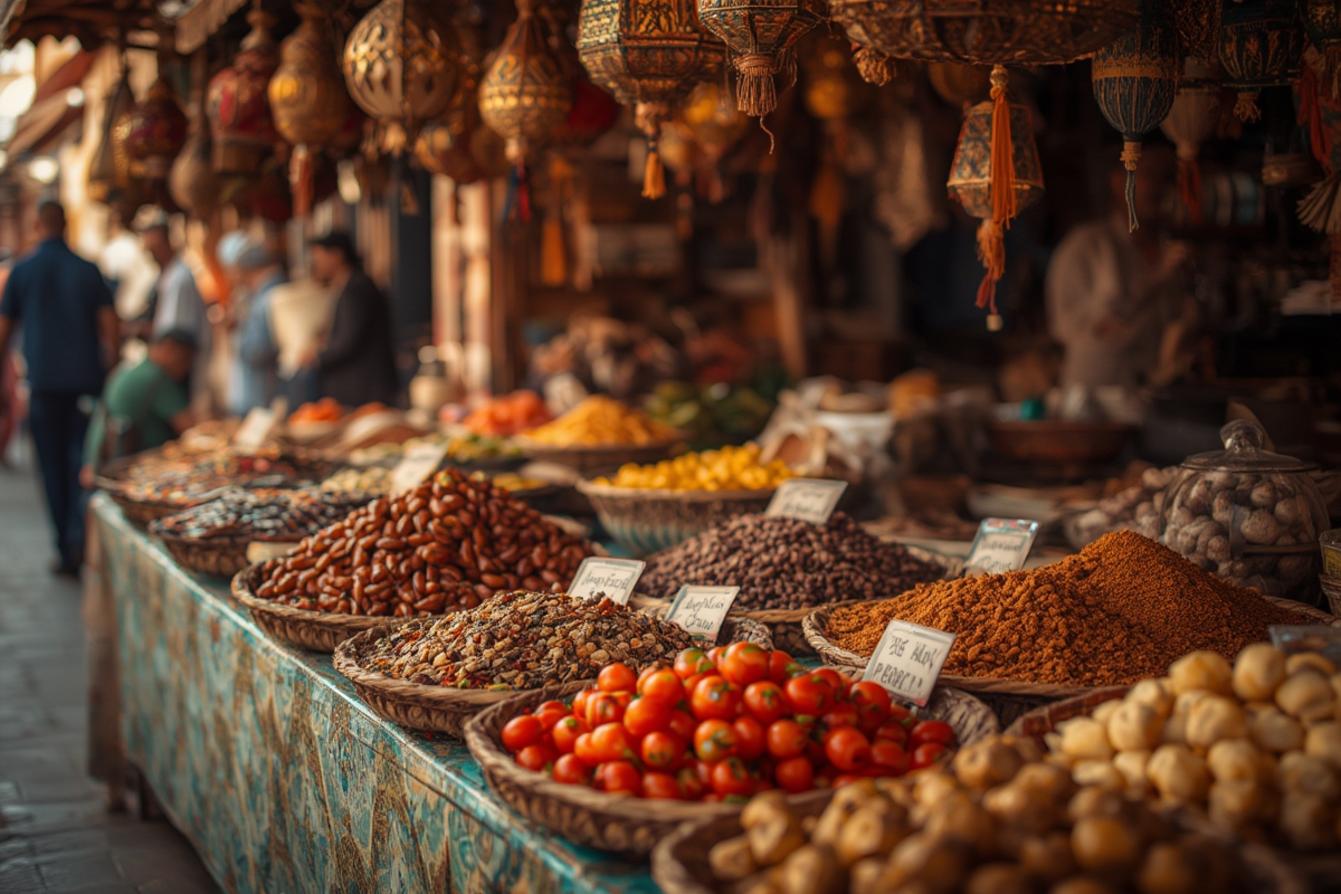
While Eid al-Adha focuses on savory meats, Eid al-Fitr, which marks the end of Ramadan, is a celebration of sweetness and renewal. After a month of fasting, families indulge in an array of sugary delights. The preparation of these sweets, known collectively as Halawiyat, often begins days in advance, with women gathering to bake together, sharing recipes and stories.
Key among these are Kaab el Ghazal (Gazelle Horns), delicate crescent-shaped pastries filled with almond paste and flavored with orange blossom water. Their intricate shape and subtle sweetness make them a perennial favorite. Chebakia, a deep-fried, honey-drenched, sesame-coated cookie, is another staple, especially during Ramadan, but it features prominently on Eid al-Fitr tables. Its sticky, sweet, and slightly crunchy texture is irresistible. Fekkas (biscotti-like cookies) and various types of Ghriba (chewy cookies, often made with almonds or semolina) also grace the tables, accompanied by mint tea or strong Moroccan coffee. These sweets are not just for eating; they are also beautifully arranged on platters and presented to guests, symbolizing the joy and generosity of the holiday.
Couscous: The Unifying Dish of Friday and Feasts
While not exclusive to festivals, couscous holds a special, almost sacred, place in Moroccan culinary tradition, particularly on Fridays and during important celebrations. It represents community and shared heritage. On Fridays, after congregational prayers, families gather for a large couscous meal. During festivals, this tradition is amplified, often serving as the centerpiece of a festive lunch.
The preparation of traditional couscous is an art form. It involves steaming fine semolina grains over a rich stew of vegetables, and often chicken, beef, or lamb. The grains are repeatedly fluffed and re-steamed, absorbing the flavors of the broth and becoming incredibly light and fluffy. Different regions and even different Moroccan festival foods occasions might see variations: couscous with seven vegetables (sebaa khoudar) is common, while sweet couscous with raisins, caramelized onions, and cinnamon is served on other occasions. The act of sharing a communal plate of couscous, scooped directly from the large tbebsil (platter), embodies the Moroccan spirit of hospitality and togetherness.
Harira and Briouats: The Ramadan Breaking of the Fast
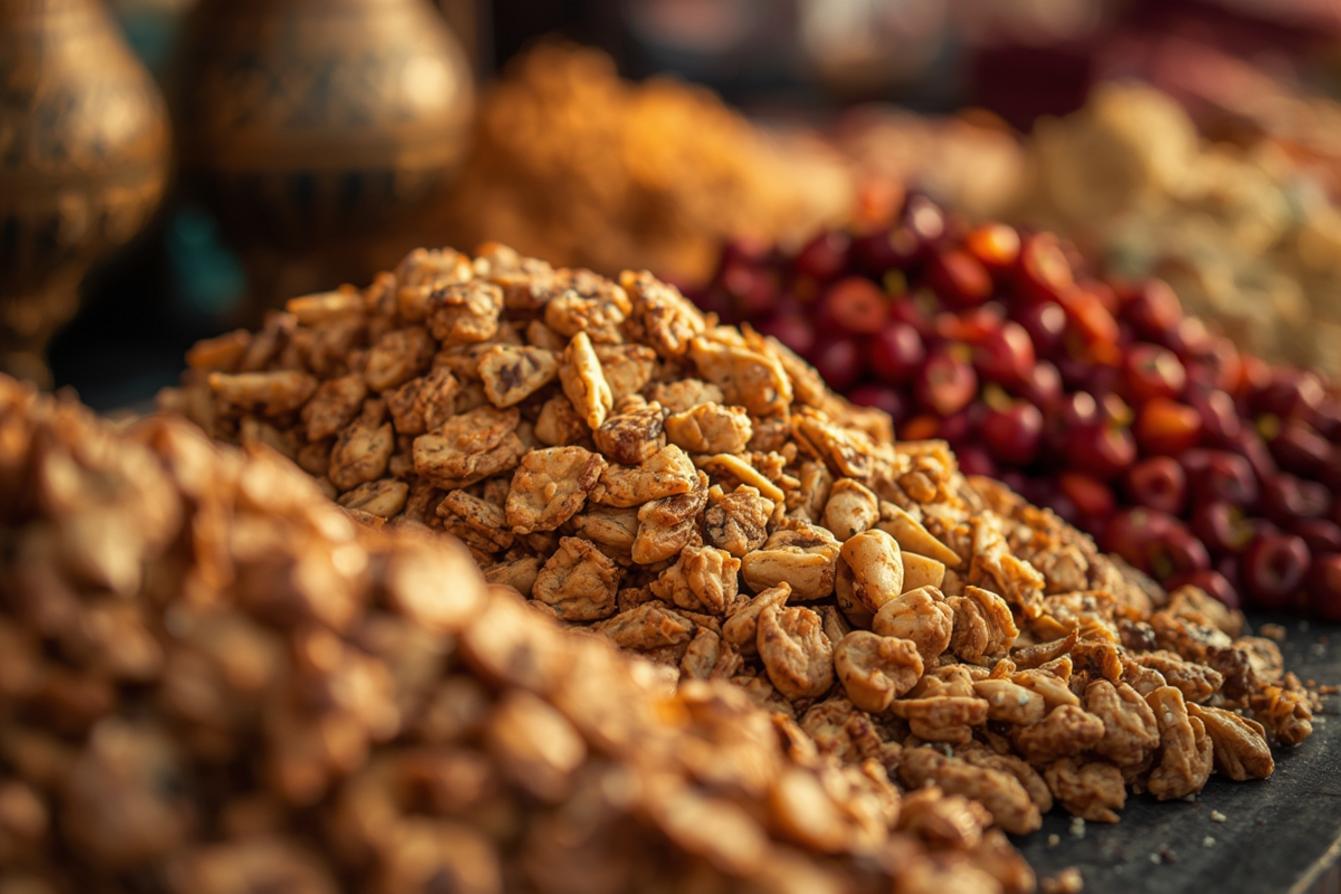
Ramadan, the month of fasting, culminates in Eid al-Fitr, but the daily breaking of the fast (Iftar) itself is a daily mini-festival of specific foods. The most iconic of these is Harira, a hearty and nutritious soup. Harira is more than just soup; it’s a hug in a bowl, designed to gently reawaken the stomach after a day of fasting.
This rich, thick soup is made with tomatoes, lentils, chickpeas, and often vermicelli and small pieces of lamb or beef. It’s seasoned with a blend of warming spices like ginger, turmeric, and cinnamon, and often finished with fresh herbs like cilantro and parsley. Served with a squeeze of lemon and a date, it’s the quintessential start to Iftar. Alongside Harira, Briouats are another common sight. These are small, savory or sweet pastries, often triangular or rectangular, deep-fried until golden and crispy. Savory briouats might be filled with spiced minced meat, chicken, or cheese, while sweet ones typically contain almond paste, often dipped in honey. They provide a delightful contrast in texture and flavor to the warming soup, making for a truly satisfying break from fasting. For more insights into these and other essential Moroccan dishes, check out this guide on Moroccan holiday dishes.
Beyond the Mainstream: Regional Festival Food Gems
While some Moroccan festival foods are ubiquitous, delving into regional specialties reveals an even richer tapestry of culinary traditions. For instance, in the Souss-Massa region, especially among Amazigh communities, specific preparations of Tagine might feature during local festivals, showcasing distinct spice blends and ingredients like argan oil. In the northern regions, influences from Andalusian cuisine can be seen in certain pastries or stews prepared for special occasions. During the Rose Festival in Kelaat M’Gouna, rose-infused dishes and sweets might make an appearance, celebrating the fragrant harvest. Similarly, the Date Festival in Erfoud brings forth an abundance of date-based treats and dishes. These regional variations offer a fascinating glimpse into the diversity of Moroccan culture and demonstrate how local produce and historical influences shape festive dining.
Experiencing Festival Foods as a Traveler
To truly savor Moroccan festival foods, timing your visit with a major holiday like Eid al-Adha or Eid al-Fitr is ideal. However, even if you miss these dates, many traditional dishes can be found in local restaurants, especially those catering to a more authentic Moroccan experience. Look for places popular with locals, and don’t be afraid to ask about “special occasion” dishes. During Ramadan, if you are in Morocco, participating in an Iftar meal is a profound cultural experience. Many hotels and restaurants offer special Iftar buffets, but seeking out a local family for an Iftar invitation, perhaps through a guesthouse owner, would offer an unparalleled immersion. Always approach these meals with an open mind, a hearty appetite, and respect for local customs.
Conclusion
The array of Moroccan festival foods offers a vibrant, delicious, and deeply meaningful window into the heart of Moroccan culture. From the savory abundance of Eid al-Adha to the sweet celebrations of Eid al-Fitr, and the communal warmth of Friday couscous, these dishes are more than just sustenance; they are expressions of identity, hospitality, and shared joy. Exploring these culinary traditions is an essential part of understanding Morocco, offering an authentic taste of its rich heritage.
FAQs
What are the most common Moroccan festival foods?
The most common Moroccan festival foods include Méchoui (whole roasted lamb), Boulfaf (liver skewers) for Eid al-Adha, a variety of Halawiyat (sweets) like Kaab el Ghazal and Chebakia for Eid al-Fitr, and Harira soup with Briouats during Ramadan. Couscous is also a staple for many festive gatherings, especially on Fridays.
Can I find Moroccan festival foods outside of holidays?
While some dishes are specifically prepared for holidays, many can be found throughout the year, especially in traditional restaurants or local markets. Couscous is a weekly tradition, and sweets like Kaab el Ghazal are available in patisseries. Dishes like Tangia can be found in restaurants, particularly in Marrakesh.
Are there vegetarian options among Moroccan festival foods?
While many festival dishes are meat-centric, vegetarian options exist. For instance, Harira soup can be made vegetarian, and a significant portion of couscous includes a rich medley of vegetables. Many Briouats can also be cheese or vegetable-filled. It’s always best to inquire about ingredients when ordering.
What is the significance of sharing food during Moroccan festivals?
Sharing food is central to Moroccan culture and hospitality, especially during festivals. It symbolizes generosity, community, and solidarity. Meals are often eaten communally from large platters, strengthening bonds among family and friends. It’s also a way to express gratitude and celebrate togetherness.

 Covers cities, coast, mountains, desert & food