
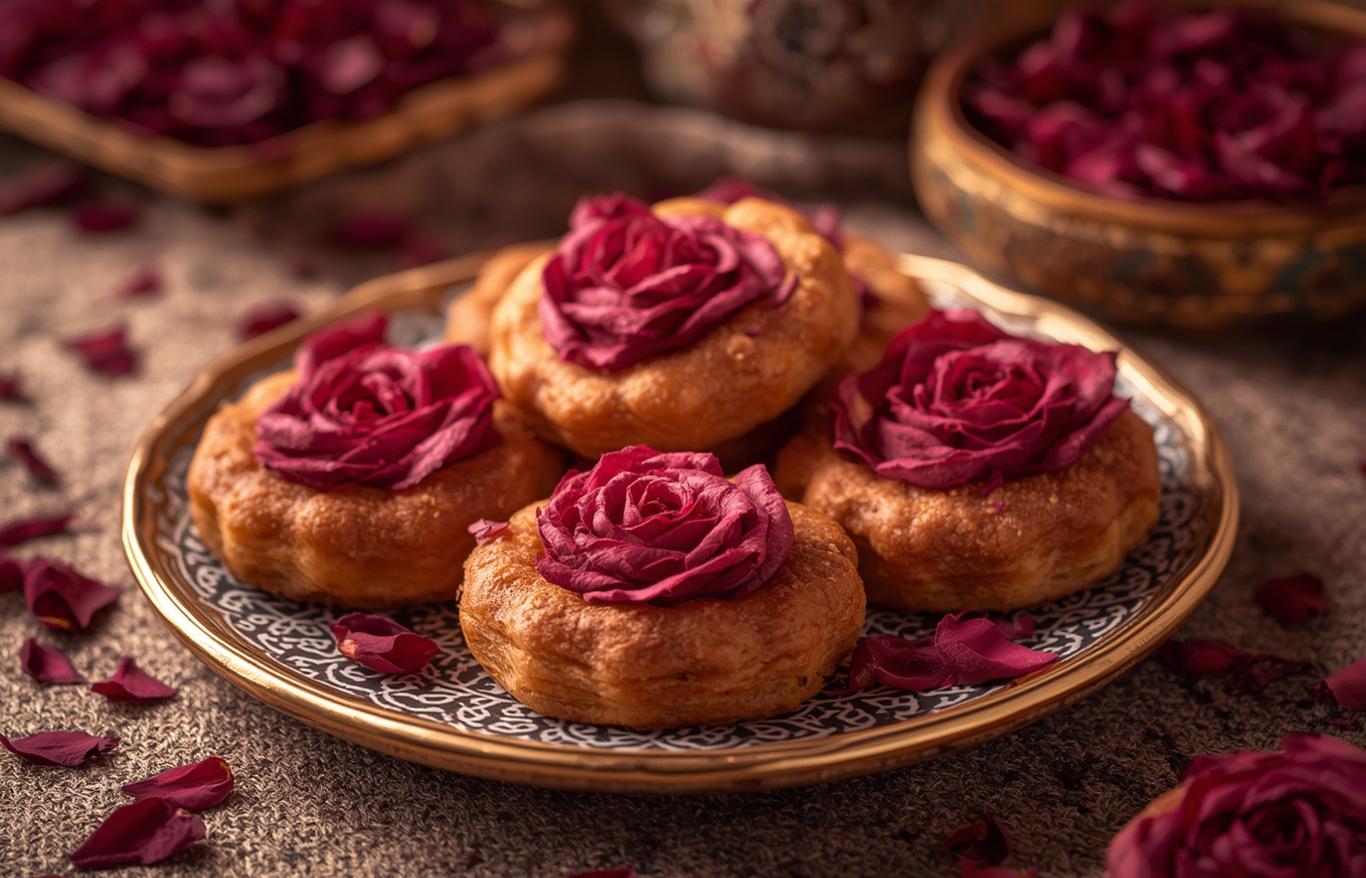
Stepping into a Moroccan patisserie is an assault on the senses in the most delightful way. The air hums with the scent of orange blossom, honey, and toasted almonds, but perhaps the most enchanting aroma is that of delicate roses. Among the myriad of sweet treats, Moroccan rose petal pastries stand out, offering a subtle, aromatic flavor profile that is truly unique. These aren’t just desserts; they are edible poetry, a testament to Morocco’s rich culinary heritage where even flowers find their way into exquisite confections. If you’re seeking a genuinely authentic and memorable culinary experience in Morocco, discovering these delicate pastries is an absolute must.
The Allure of Rose Water and Petals in Moroccan Sweets
The use of rose water and actual rose petals in Moroccan cuisine isn’t merely for aesthetic appeal; it’s deeply rooted in cultural tradition and flavor enhancement. Rose water, a byproduct of steam-distilling rose petals, has been cherished for centuries for its fragrant properties and perceived health benefits. In pastries, it imparts a light, floral note that perfectly balances the sweetness of honey and the richness of nuts. For Moroccan rose petal pastries, this essence is often combined with ground almonds or semolina, then shaped into intricate forms and baked to a golden perfection. The result is a confection that is simultaneously rich and refreshing, a delicate dance of flavors that leaves a lasting impression. It’s this thoughtful incorporation of natural elements that elevates Moroccan sweets beyond mere sugar and flour.
Crafting Elegance: What Makes Moroccan Rose Petal Pastries Special?
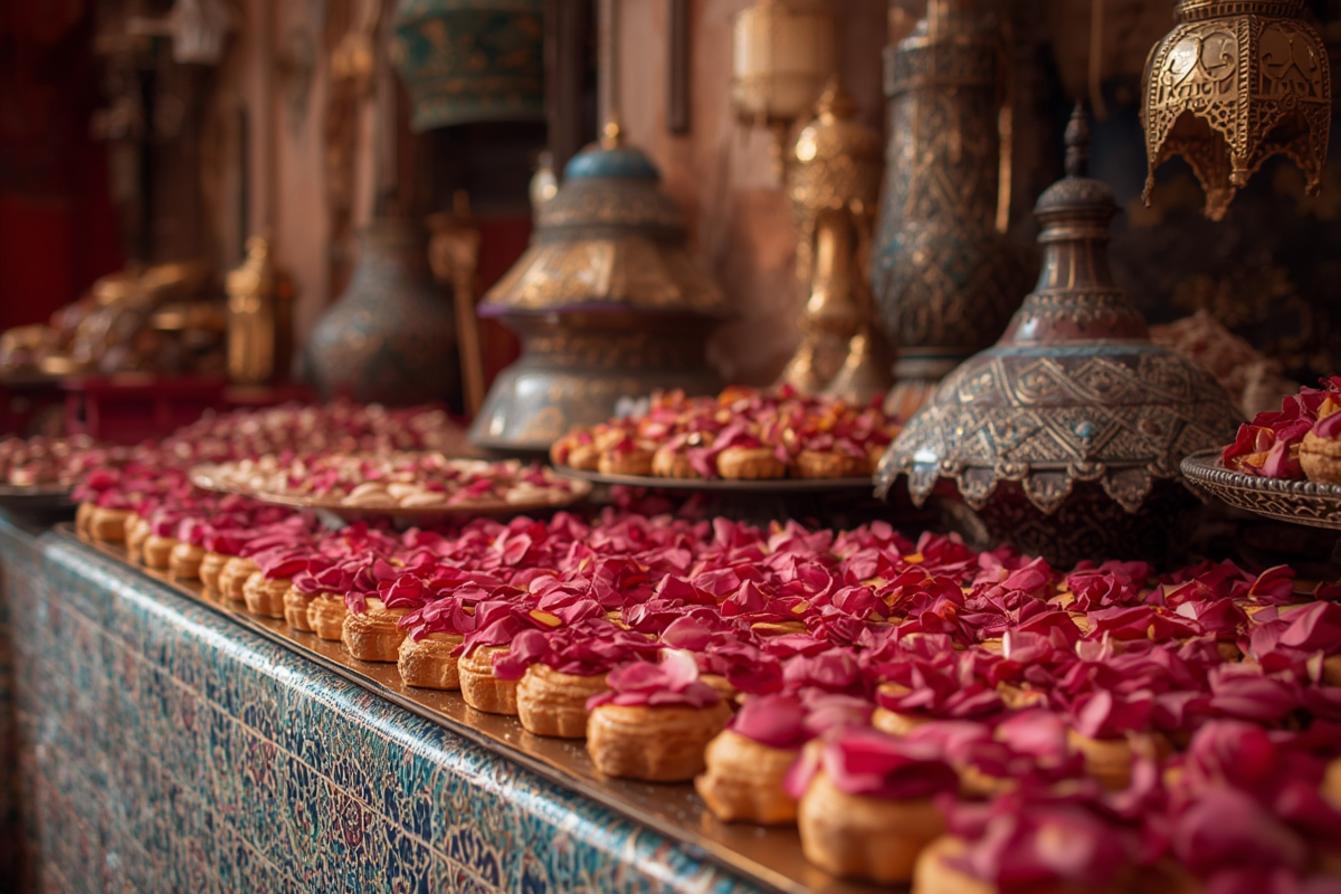
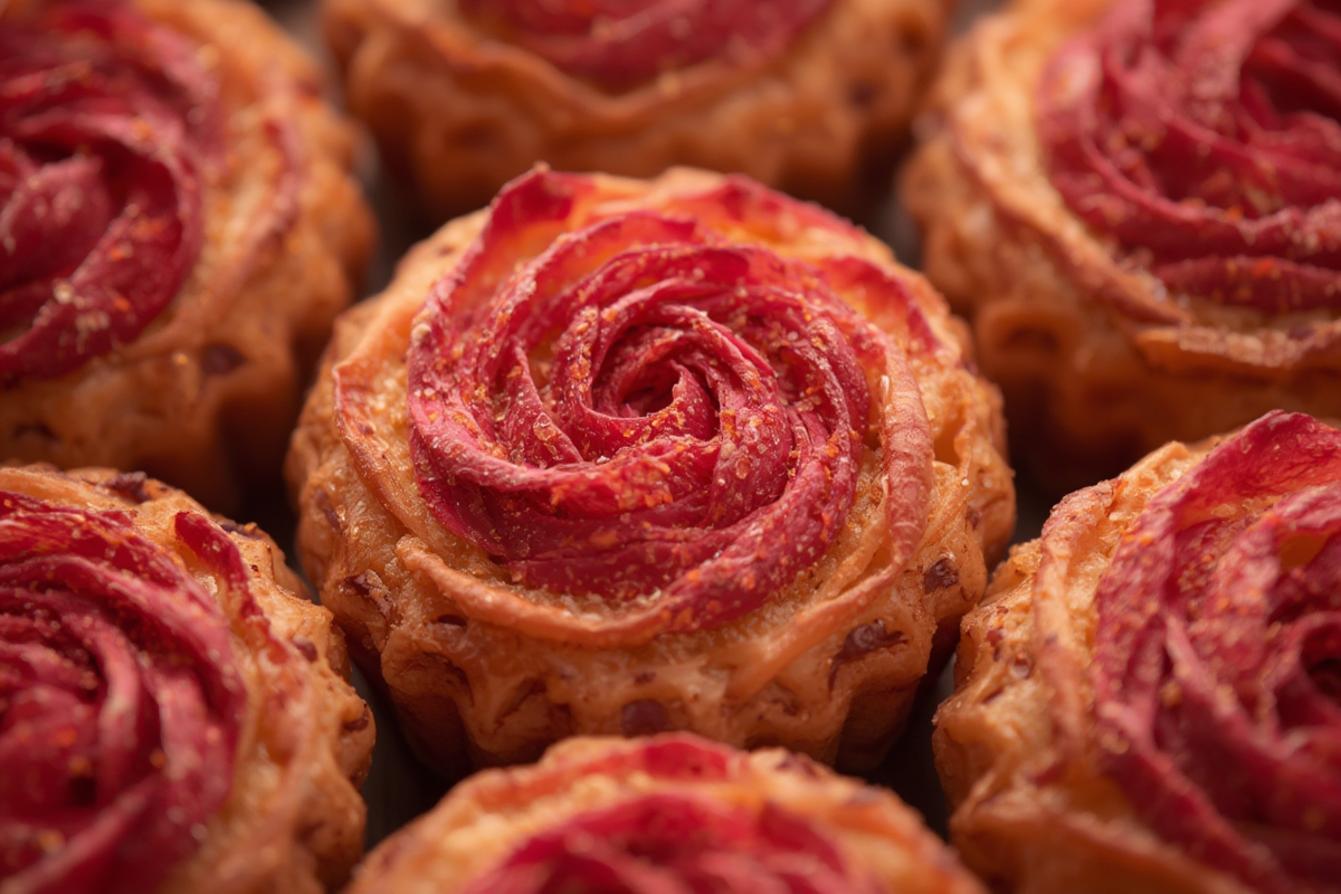
What sets Moroccan rose petal pastries apart from other global sweets? It’s a combination of artisanal skill, quality ingredients, and a touch of regional magic. The best versions begin with finely ground almonds, often blanched and peeled, creating a smooth, rich paste. This paste is then delicately flavored with rose water, sometimes a hint of orange blossom water, and sweetened with honey or fine sugar. The magic truly happens in the shaping. Bakers often hand-form these pastries into intricate designs – sometimes resembling tiny roses, other times geometric patterns, or delicate crescents. Some variations feature actual candied rose petals, adding a beautiful visual and textural element. Unlike many Western pastries that rely on heavy creams or butter, Moroccan pastries, especially those with almonds and rose, achieve their exquisite texture through precise mixing and baking, often brushed with a light syrup after baking to ensure a moist, flavorful bite. The attention to detail in their creation speaks volumes about the value placed on hospitality and beauty in Moroccan culture.
A Journey for Your Palate: Where to Indulge in Authentic Rose Petal Pastries
Finding authentic Moroccan rose petal pastries is part of the adventure of exploring the country’s culinary landscape. While you might spot similar-looking sweets in tourist traps, the true gems are found in specific locations.
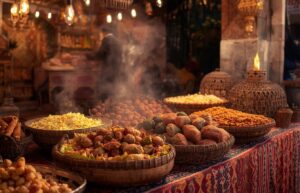
- Traditional Patisseries (حلويات): These are your primary hunting grounds. Look for independent bakeries, especially those in older medinas. Cities like Fes and Meknes, known for their culinary traditions, have numerous small shops where families have been perfecting these recipes for generations. The displays are often a visual feast, with pastries stacked high, gleaming under soft lights. Don’t be afraid to point and ask for “halwa bil ward” (sweets with rose).
- Souk Stalls: Within the bustling souks, particularly in the food sections, you’ll often find vendors specializing in traditional sweets. These are usually smaller operations, but the quality can be exceptional. Look for stalls that appear busy with locals, as this is often a good indicator of freshness and authenticity.
- High-End Restaurants and Riads: Many upscale Moroccan restaurants and boutique riads pride themselves on offering a selection of exquisite traditional sweets as part of their dessert menu or afternoon tea. While pricier, these often showcase beautifully presented and exceptionally crafted pastries. It’s a great option if you’re looking for a more refined tasting experience.
- Local Markets (especially in spring): During spring, when roses are in full bloom, some local markets might have stalls selling fresh rose petals or homemade rose water. This is an excellent opportunity to buy ingredients if you’re adventurous enough to try making your own pastries, or simply to appreciate the source of this delicate flavor.
When purchasing, look for pastries that are vibrant in color, perfectly shaped, and have a fresh, inviting aroma. Avoid anything that looks dull, overly dry, or excessively oily. The best pastries will have a tender, slightly chewy interior and a delicate fragrance that isn’t overpowering. And for those looking to really delve into the country’s offerings, be sure to explore beyond the sweets. You can learn more about where to find these experiences by visiting sites like Moroccan rose petal pastries, which offers further guidance on Moroccan travel.
Beyond the Plate: Rose Petal Pastries as Souvenirs and Gifts
These delightful pastries aren’t just for immediate consumption; they make fantastic souvenirs and thoughtful gifts. Their elegant appearance and unique flavor profile offer a taste of Morocco that travels well. When buying them as gifts, consider how they are packaged. Many patisseries offer beautiful boxes, sometimes adorned with traditional Moroccan designs, which adds to their appeal.
When selecting Moroccan rose petal pastries for travel:
- Durability: While delicate in flavor, many almond-based rose pastries are relatively sturdy. Avoid those that are extremely moist or have fresh cream fillings, as these won’t last long. Drier, chewier versions, or those coated in syrup, tend to hold up better.
- Packaging: Ask the vendor to pack them carefully. They often use layers of parchment paper and sturdy boxes to prevent crushing.
- Shelf Life: Most traditional Moroccan sweets, especially those with honey and nuts, have a decent shelf life at room temperature, usually a week or two, if stored properly in an airtight container. Some can even be frozen for longer preservation.
- Variety: Don’t limit yourself to just one type! A mixed box showcasing different shapes and textures, all infused with that lovely rose essence, makes for a more exciting gift. You might also find other rose-flavored treats, such as ghriba cookies or even special nougats.
Bringing home these pastries is a way to extend your Moroccan experience, sharing a piece of its fragrant culinary magic with friends and family. They offer a more personal and consumable alternative to traditional souvenirs, inviting loved ones to taste the very essence of your travels. For a broader view of traditional Moroccan sweets, including those featuring the ever-popular almond, check out resources like Moroccan almond pastries.
Conclusion
The enchanting world of Moroccan rose petal pastries offers more than just a sweet treat; it’s an immersive cultural experience. From the delicate artistry of their creation to the subtle, fragrant notes that dance on your palate, these pastries embody a significant part of Morocco’s culinary soul. Whether you’re savoring them with a glass of mint tea in a bustling souk, enjoying them as a refined dessert in a riad, or carefully packaging them as a fragrant memento for loved ones back home, they promise a memorable taste of Morocco. Seek them out, savor their unique flavor, and allow yourself to be captivated by the subtle elegance of these floral confections.
FAQs
What exactly are Moroccan rose petal pastries made of?
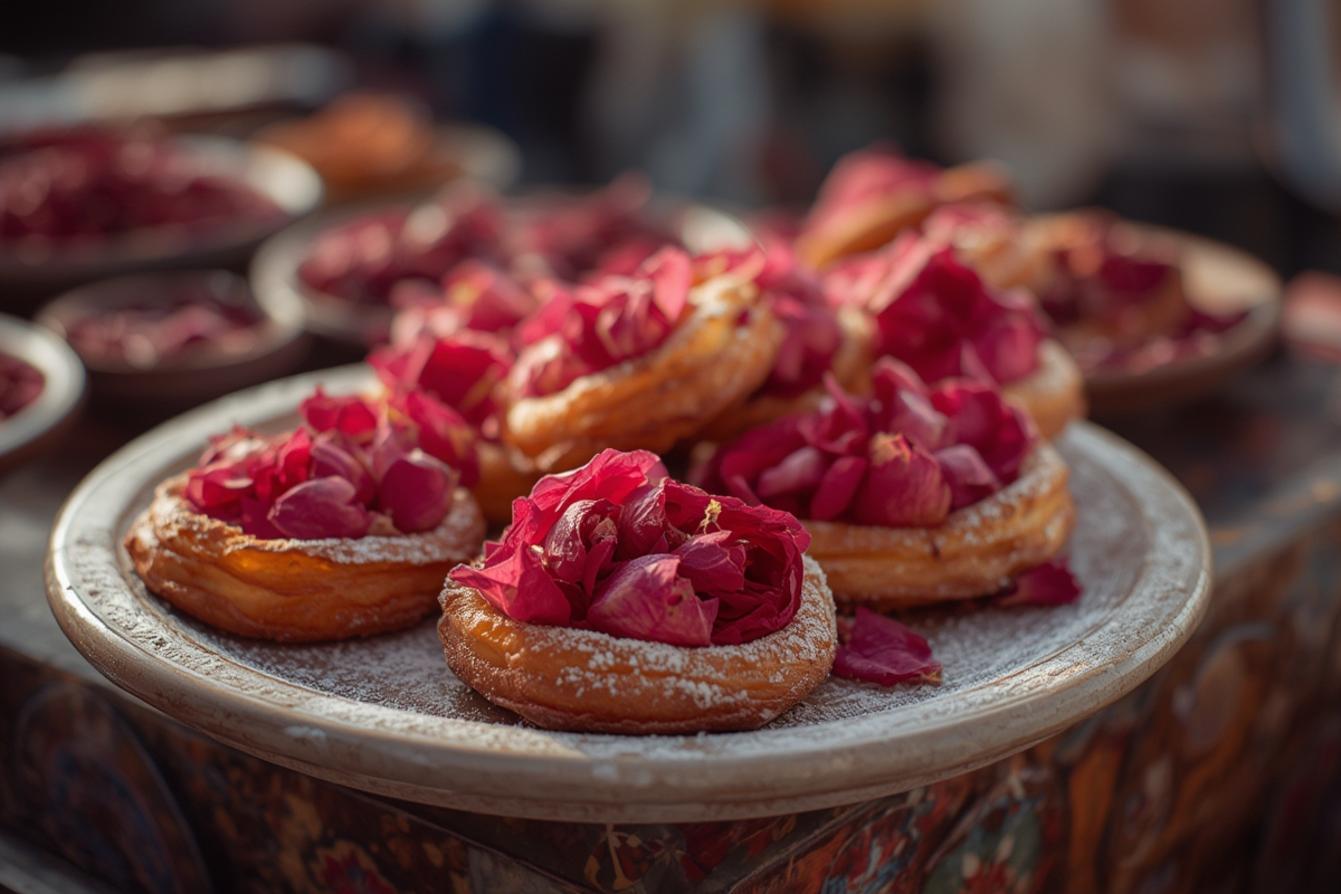
Moroccan rose petal pastries typically consist of a base of finely ground almonds or semolina, mixed with sugar or honey, and intensely flavored with rose water. Some variations include actual candied rose petals for added texture and aroma. They are often shaped into intricate designs and baked, then sometimes brushed with a light syrup.
Are Moroccan rose petal pastries very sweet?
They can range from moderately sweet to quite sweet, depending on the recipe and the amount of honey or sugar used. However, the delicate floral notes of rose water usually balance the sweetness, preventing them from being cloyingly rich. Compared to some Western desserts, they often have a more nuanced sweetness.
How should I store Moroccan rose petal pastries?
For best results, store these pastries in an airtight container at room temperature. They generally have a good shelf life, often remaining fresh for 1-2 weeks. Some varieties can even be frozen for several months, which is useful if you buy a large quantity or want to preserve them longer.
Can I find rose petal pastries outside of Morocco?
While you might find Moroccan-inspired bakeries in major cities worldwide that offer similar sweets, the most authentic and diverse range of rose petal pastries will undoubtedly be found in Morocco itself. Local ingredients, traditional techniques, and the cultural context make the experience of trying them in Morocco truly unique.




 Covers cities, coast, mountains, desert & food