
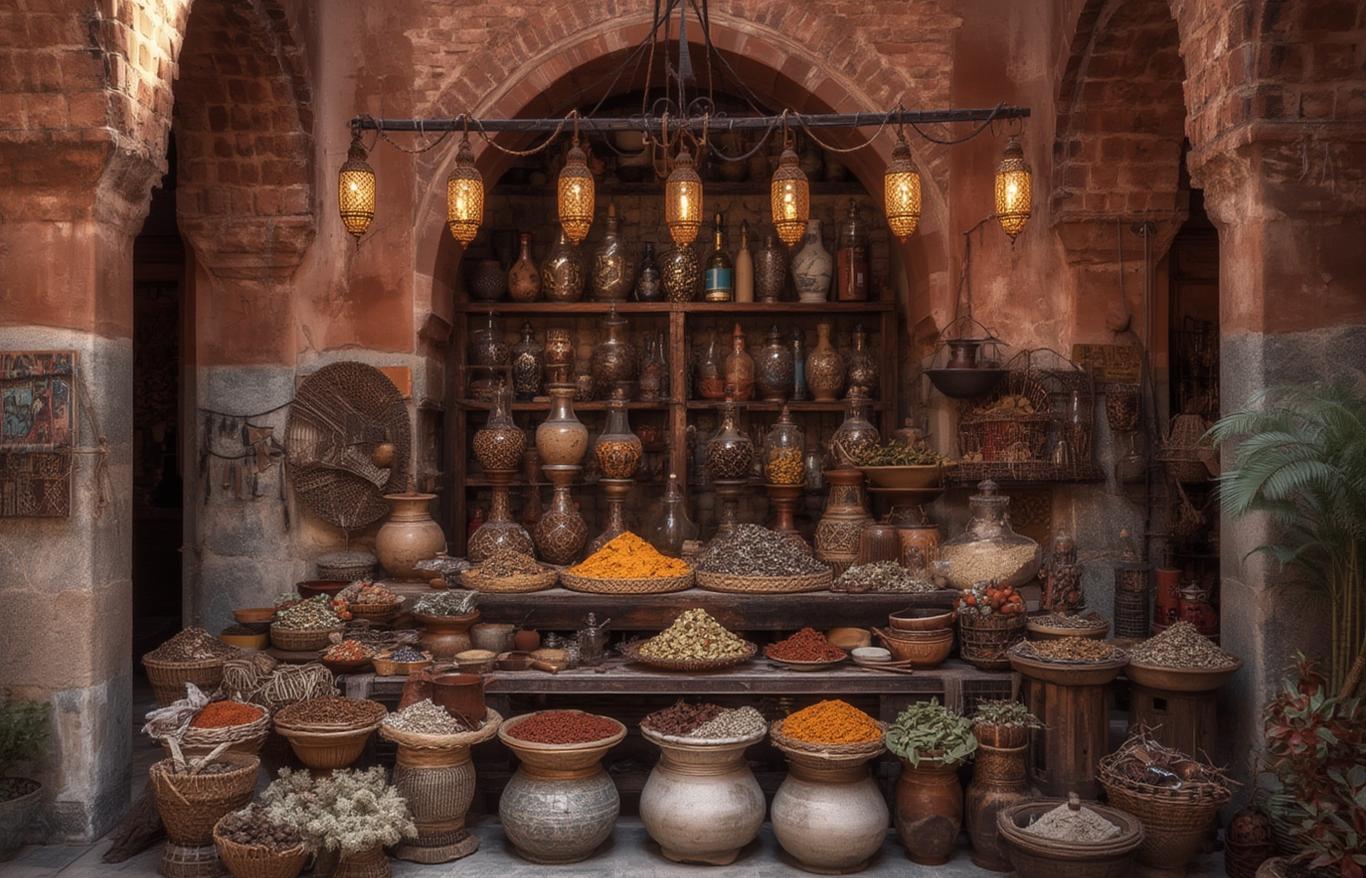
Stepping into the labyrinthine alleys of Marrakech, one is immediately enveloped by an intoxicating tapestry of sights, sounds, and most powerfully, scents. This sensory overload is nowhere more pronounced than when delving into the city’s ancient spice routes Marrakech, a living testament to centuries of trade, cultural exchange, and culinary artistry. From the bustling Djemaa el-Fna to the hidden corners of the souks, the narrative of spices is woven deeply into the fabric of the Red City, inviting visitors on a truly aromatic journey through its history and vibrant present.
The Ancient Artery: How Marrakech Became a Spice Hub
Long before modern transportation, Marrakech served as a crucial nexus on the trans-Saharan trade routes. Caravans laden with gold, salt, textiles, and most importantly, an array of exotic spices, converged here from distant lands. Think of the intrepid merchants who journeyed across vast deserts, bringing black pepper from India, cinnamon from Ceylon, turmeric from Persia, and saffron from local Moroccan fields. These precious commodities weren’t just for flavoring food; they were medicines, dyes, perfumes, and even currencies.
The city’s strategic location, nestled between the Atlas Mountains and the Sahara, made it a natural stopping point and a thriving marketplace. This continuous influx of goods and cultures shaped Marrakech into the vibrant melting pot it is today. The spices didn’t just pass through; they became ingrained in the local cuisine, transforming simple tagines and couscous dishes into complex, aromatic feasts. Understanding this historical context enriches any exploration of the modern-day spice markets, revealing a deep connection to a bygone era of global commerce and daring adventure.
Navigating the Sensory Labyrinth: Marrakech’s Spice Markets Today
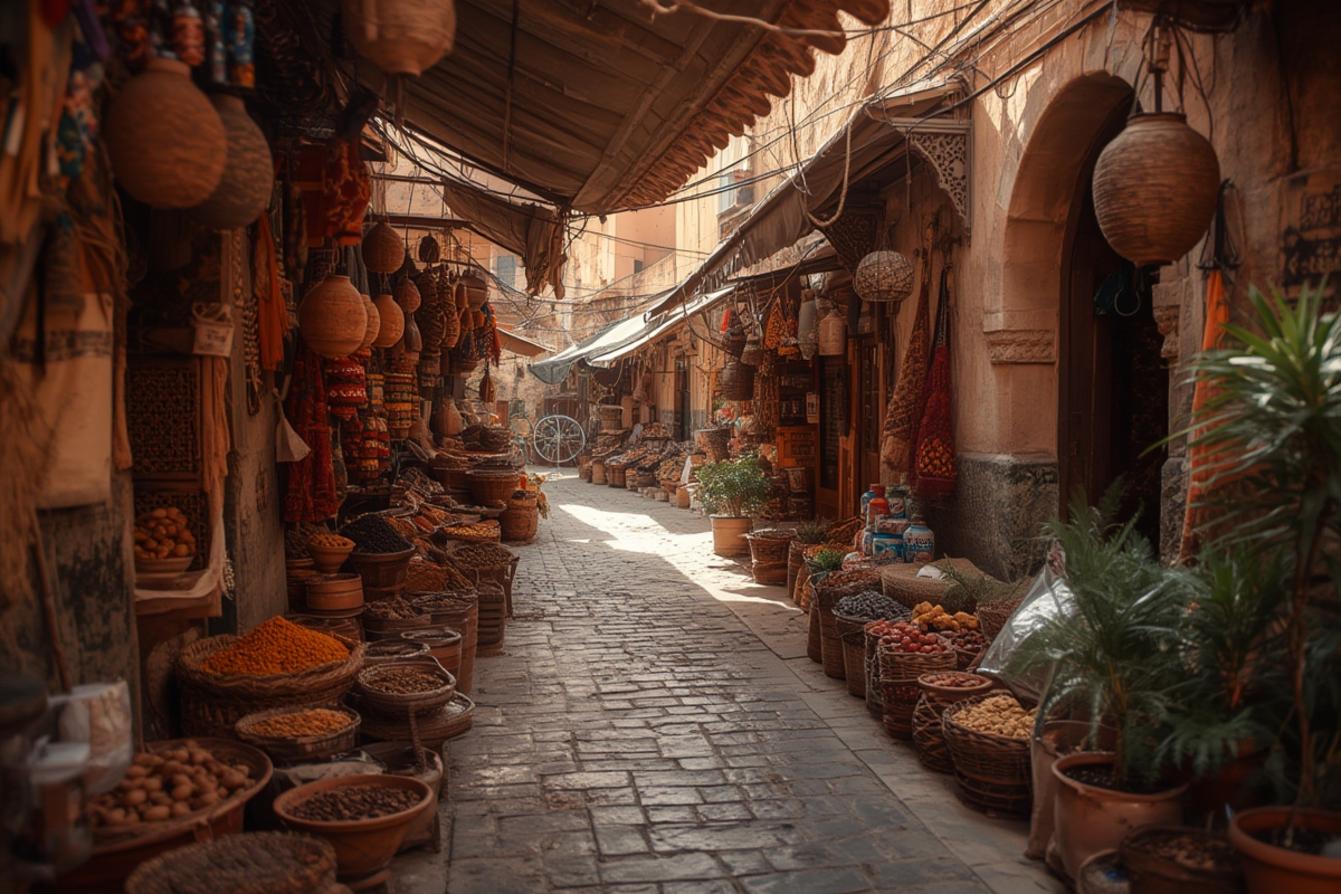
To truly experience the spice routes Marrakech, one must dive headfirst into the city’s bustling souks. While the main square, Djemaa el-Fna, has vendors, the real treasure trove lies within the narrower, more specialized alleys. Here, mounds of vibrant powders and whole spices create a breathtaking palette of reds, oranges, yellows, and greens. The air is thick with a heady mix of cumin, coriander, paprika, ginger, and the elusive scent of ras el hanout – a legendary blend that can contain dozens of different spices, often a closely guarded secret of each vendor.
As you wander, don’t be shy about engaging with the épiciers (spice sellers). These are often multi-generational businesses, and the vendors are usually keen to share their knowledge, letting you sniff and sometimes even taste their wares. You’ll learn about the different grades of saffron, the distinct qualities of various types of paprika, and the best way to use local blends. It’s an immersive experience that goes beyond mere shopping; it’s a cultural exchange where history and daily life intertwine. Look out for stalls specializing in argan oil, rosewater, and natural cosmetics, which are often found alongside the spice vendors, reflecting the broader traditional remedies and beauty secrets of Morocco.
The Alchemy of Moroccan Cuisine: Spices in Daily Life
The enduring legacy of the spice routes Marrakech is most evident in Moroccan cuisine. Spices aren’t merely additions; they are the very soul of the dishes, lending depth, warmth, and a distinct character that is globally celebrated. Take for instance, the foundational role of cumin and coriander in virtually every savory dish, or the sweet and savory balance achieved with cinnamon and ginger in meat tagines. Even simple mint tea, a staple of Moroccan hospitality, incorporates a hint of fresh mint, reflecting the importance of aromatic plants.
Beyond the everyday, specific spices are tied to celebrations and rituals. Saffron, with its precious threads and golden hue, is often reserved for special occasions and is believed to have medicinal properties. Turmeric, while providing color, is also valued for its health benefits. The complex blend of ras el hanout is not just a flavor enhancer; it’s a symbol of culinary mastery, each family and vendor often having their own unique version, passed down through generations. To truly appreciate Moroccan food is to understand the thoughtful and deliberate use of each spice, transforming humble ingredients into extraordinary meals. Exploring the city’s food scene is certainly one of the Spice routes Marrakech experiences you shouldn’t miss.
More Than Flavor: Traditional Uses and Local Insights
The role of spices in Marrakech extends far beyond the kitchen. For centuries, these aromatic treasures have been integral to traditional Moroccan medicine, perfumery, and even spiritual practices. Healers in the souks still prescribe specific herbs and spices for various ailments, drawing on generations of accumulated knowledge. For instance, cloves are often used for dental pain, while turmeric is praised for its anti-inflammatory properties. You might also encounter vendors selling natural perfumes and incense, their recipes based on ancient spice combinations.
Walking through the Marrakech spice markets, you’ll notice sections dedicated to dried flowers, fragrant woods, and essential oils, all hinting at this broader cultural significance. Locals often burn incense made from oud or frankincense for purification or to simply infuse their homes with a pleasant aroma. Understanding these multi-faceted uses provides a deeper appreciation for the cultural significance of spices in Morocco, revealing them as powerful elements that touch every aspect of life, from health and beauty to spirituality and tradition.
Ethical Souvenir Hunting: Tips for Travelers
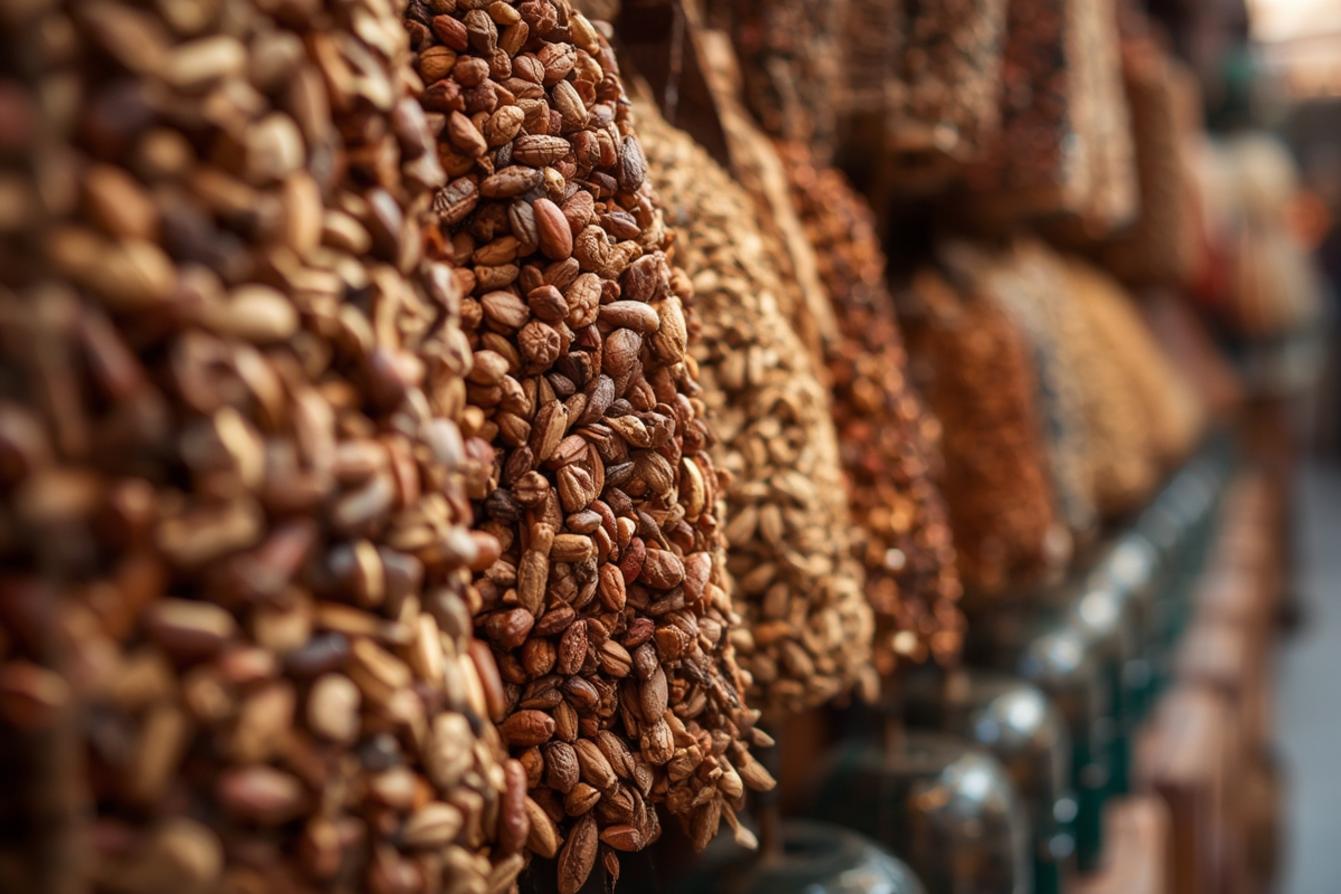
When exploring the spice routes Marrakech, many travelers are eager to bring a piece of this aromatic experience home. Buying spices in Marrakech can be a delightful and rewarding experience, but a few tips can ensure you make informed and ethical choices. Firstly, quality varies widely. For saffron, look for long, dark red threads with minimal orange stigma; the darker, the better. For blends like ras el hanout, ask the vendor about the ingredients and don’t be afraid to smell it. A good blend will have a complex, harmonious aroma, not just one dominant note.
Bargaining is a customary part of shopping in the souks, but always do so respectfully and with a smile. Start by offering around half the asking price and negotiate upwards. Remember that a few dirhams, while significant to a local vendor, might be a small difference to your budget. Support local, independent vendors whenever possible. Many stalls have been family-run for generations, and your purchase directly contributes to their livelihood and the preservation of these traditional crafts. Bringing home authentic Moroccan spices is not just about flavor; it’s about carrying a piece of Marrakech’s vibrant culture and history with you.
Conclusion
The spice routes Marrakech are not merely historical pathways but living, breathing arteries of the city’s identity. From the ancient caravans that brought exotic flavors to the bustling souks of today, spices have shaped its cuisine, culture, and economy. A journey through these aromatic pathways offers more than just a culinary adventure; it’s an immersive dive into the heart and soul of Marrakech, a city forever perfumed by the legacy of its spice-filled past. Whether you’re a seasoned chef or a curious traveler, the profound impact of the spice routes Marrakech will undoubtedly leave an indelible mark on your senses and your understanding of this extraordinary destination.
FAQs
What is the most famous spice to buy in Marrakech?
Saffron is arguably the most famous and sought-after spice in Marrakech. Moroccan saffron, particularly from the Taliouine region, is highly prized for its quality, intense color, and unique aroma. It’s often referred to as “red gold” due to its value and potency, making it a popular souvenir for travelers.
How do I identify good quality spices in the Marrakech souks?
For saffron, look for long, dark red threads with minimal orange or yellow. For powdered spices, vibrant color and a strong, fresh aroma are good indicators of quality. When buying blends like ras el hanout, ask the vendor about the ingredients and trust your sense of smell – a good blend should be complex and harmonious. Engaging with reputable, long-standing vendors often ensures higher quality products.
Is bargaining for spices customary in Marrakech?
Yes, bargaining is a traditional and expected part of shopping in the Marrakech souks, including for spices. It’s a cultural ritual and an interaction between buyer and seller. Start by offering a price significantly lower than the asking price, and negotiate politely and with a smile until you reach a mutually agreeable price.
What are some essential Moroccan spices used in cooking?
Essential Moroccan spices include cumin, coriander, turmeric, paprika (sweet and hot), ginger, cinnamon, and black pepper. Ras el hanout, a complex blend of many spices, is also fundamental to many tagines and stews. Saffron is often used for special occasions, while mint is crucial for the ubiquitous Moroccan mint tea.


 Covers cities, coast, mountains, desert & food