

When travelers think of Morocco, marrakech attractions often dominate the conversation—and for good reason. Yet beyond the postcard-perfect images of Jemaa el-Fnaa and the bustling souks lies a city layered with secret courtyards, forgotten palaces, and tranquil gardens that most visitors never discover. These hidden gems reveal the soul of Marrakech in ways the crowded landmarks simply cannot.
I’ve spent years wandering through Marrakech’s labyrinthine medina and newer neighborhoods, always searching for those quieter corners where the city’s authentic character shines through. The seven attractions I’m sharing here aren’t your typical tourist circuit stops. They’re places where you’ll find yourself surrounded by locals rather than tour groups, where the call to prayer echoes more clearly, and where the city’s thousand-year history feels tangible beneath your fingertips.
Beyond Jemaa el-Fnaa: The Medina’s Quieter Marvels
Everyone visits Jemaa el-Fnaa—the famous square that pulses with snake charmers, storytellers, and food stalls. But just minutes away, tucked behind ordinary-looking doorways, sit some of Marrakech’s most breathtaking spaces.
The Ben Youssef Madrasa deserves far more attention than it typically receives. This 14th-century Islamic college showcases intricate cedar wood carvings, zellige tilework that seems to shimmer in the afternoon light, and a central courtyard where students once memorized the Quran. The geometric patterns covering every surface demonstrate mathematical precision that rivals modern design. Arrive early in the morning before the crowds, and you’ll have this architectural masterpiece nearly to yourself.
Nearby, the Almoravid Koubba stands as Marrakech’s oldest building, dating back to the 12th century. Most tourists walk right past it. This small, unassuming structure displays rare Almoravid architecture—a dynasty whose buildings were mostly destroyed by subsequent rulers. The dome’s interior features carved stucco that influenced Moroccan design for centuries afterward.
The Bahia Palace offers another dimension entirely. Built in the late 19th century for a powerful grand vizier, its name means “brilliance,” and the palace lives up to it. Unlike the heavily trafficked sections, explore the southern chambers where painted ceilings stretch overhead in rooms that open onto secluded gardens. The craftsmanship here—marble floors, cedar ceilings, stained glass—required artisans from across Morocco over fifteen years to complete.
The Garden Sanctuaries Where Marrakech Breathes
Marrakech’s famous gardens like Jardin Majorelle pull massive crowds, but equally stunning green spaces hide throughout the city.

Le Jardin Secret sits in the northern medina, a reconstruction of a centuries-old palace garden that follows traditional Islamic garden principles. Two distinct gardens—one Islamic, one exotic—offer shade beneath pomegranate trees and beside geometric water channels. The tower provides panoramic medina views without the crowds you’ll find at other lookout points. The garden’s restoration used historical documents and original techniques, making it both beautiful and educationally valuable.
Secret Garden (not to be confused with Le Jardin Secret) operates as a quieter café with lush courtyard seating in the heart of the marrakech souks. Finding it requires navigating the leather souk’s narrow passages, but the reward is mint tea served in a centuries-old riad surrounded by climbing jasmine and orange trees. This spot exemplifies how traditional Moroccan homes create private oases behind fortress-like exterior walls.
The Cyber Park, formerly called Arsat Moulay Abdeslam, blends historic gardens with modern amenities. Located near the Koutoubia Mosque, this free public space draws local families rather than tourists. Children play near fountains, couples stroll beneath olive trees, and elderly men gather for afternoon conversations. It’s where you witness everyday Marrakech life unfolding naturally.
Artisan Workshops and Living Cultural Spaces
The true marrakech attractions aren’t always places—sometimes they’re experiences within working neighborhoods where craftspeople maintain traditions passed down through generations.
The tanneries in the Bab Debbagh district operate much as they have for centuries. While tourists flock to Fez’s tanneries, Marrakech’s remain relatively undiscovered. Watching workers treat leather in stone vessels filled with natural dyes (pigeon droppings, poppy flowers, indigo) provides insight into labor-intensive traditional crafts. Yes, the smell is pungent, but guides offer fresh mint to hold under your nose. The rooftop terraces of surrounding shops offer the best views.
The Maison de la Photographie, housed in a restored fondouk, showcases historical photographs and glass plates documenting Morocco between 1870 and 1950. The collection reveals how little some aspects of Marrakech have changed while others transformed completely. The rooftop café serves as a peaceful retreat with stunning views of the medina and Atlas Mountains—a perfect spot to process everything you’ve seen while exploring the city.
The Mellah, Marrakech’s historic Jewish quarter, tells stories often overlooked in standard tourism narratives. The synagogues, including Lazama Synagogue, remain active, and the Jewish cemetery contains ornate tombs reflecting centuries of Moroccan-Jewish heritage. The Mellah’s architecture differs noticeably from the wider medina—higher balconies, different window placements—reflecting the distinct community that thrived here.
Where Sacred Architecture Meets Daily Devotion

Marrakech contains numerous mosques, but non-Muslims cannot enter them in Morocco. However, several religious sites welcome all visitors while offering extraordinary architecture.
The Koutoubia Mosque’s minaret dominates Marrakech’s skyline and serves as the city’s most recognizable landmark. While you cannot enter the mosque itself, the surrounding gardens and exterior views reveal Almohad architectural mastery. The minaret’s proportions influenced tower design across North Africa and Spain—notice how its width-to-height ratio creates perfect harmony. The evening call to prayer from this minaret, amplified across the city, remains one of Marrakech’s most moving daily experiences.
The Saadian Tombs, sealed for centuries and only rediscovered in 1917, contain the graves of Saadian dynasty rulers from the 16th and 17th centuries. The mausoleums feature spectacular decoration—Italian Carrara marble, cedar wood detailing, and elaborate stucco work. The Hall of Twelve Columns, where Sultan Ahmad al-Mansur lies buried, demonstrates Islamic art at its finest. These tombs receive fewer visitors than you’d expect for such significant historical and artistic value.
The Zaouia of Sidi Bel Abbes honors Marrakech’s most beloved patron saint. While the sanctuary itself is closed to non-Muslims, the surrounding complex bustles with life. Blind musicians perform outside, charitable foundations operate from adjacent buildings, and the entire area functions as a living religious and social center rather than a museum-like attraction.
Local Markets Beyond the Tourist Trail
Everyone visits the main souks, but several specialized markets reveal different facets of Marrakchi life.
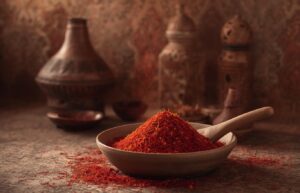
The Rahba Kedima spice square sits slightly off the main souk routes. Here you’ll find stalls piled with cone-shaped spice mountains—saffron, ras el hanout, cumin, preserved lemons—along with traditional cosmetics, woven baskets, and apothecary ingredients used in Berber medicine. Local women shop here for household supplies, making it feel authentic rather than performative.
The olive market near Bab Doukkala operates primarily for residents. Vendors sell different olive varieties, preserved lemons, and argan oil in bulk quantities. You won’t find the polished tourist presentation here—just honest commerce and fair prices. Buying argan oil directly from producers at this market costs a fraction of boutique prices while supporting local families.
The covered food market on Rue Souk Ableuh reveals what Marrakchis actually eat daily. Fresh produce, butchered meat, live chickens, dried goods—it’s overwhelming but fascinating. Small restaurants within the market serve authentic Moroccan dishes to workers and shoppers. Try a bowl of harira soup or a beef brochette sandwich here for an experience no polished restaurant can replicate.
Contemporary Marrakech: Where Tradition Meets Innovation
Modern marrakech attractions include spaces where contemporary Moroccan creativity flourishes alongside historical preservation.
The Yves Saint Laurent Museum, which opened in 2017, celebrates the designer’s deep connection to Marrakech. The building’s brick exterior references traditional Moroccan architecture through a modern lens. Beyond YSL’s iconic designs, the museum hosts temporary exhibitions featuring Moroccan and international artists, plus a research library focused on North African textiles and fashion. The bookshop and café are destinations themselves.
33 Rue Majorelle functions as a concept store and café showcasing Moroccan design. The restored riad features furniture, textiles, ceramics, and art by contemporary Moroccan creators. Unlike typical souvenir shops, everything here reflects modern Moroccan aesthetics—how tradition evolves rather than just repeats. The courtyard café serves excellent pastries and provides a sophisticated yet relaxed atmosphere.
The Comptoir des Mines Galerie in Guéliz presents contemporary art from emerging and established Moroccan artists. The gallery programming includes exhibitions, artist talks, and workshops that engage with Morocco’s current cultural conversations. Visiting here provides context for how Moroccan identity and creativity exist beyond tourist expectations.
Practical Wisdom for Discovering These Hidden Spots
Finding Marrakech’s lesser-known attractions requires different navigation skills than visiting major sites.
The medina’s labyrinthine layout means you will get lost—embrace it as part of the experience. Major attractions like Ben Youssef Madrasa or the Saadian Tombs appear on most maps and navigation apps, but finding smaller spots often requires asking locals. Learning a few Arabic or French phrases for “excuse me” and “where is…” helps tremendously. Marrakchis generally offer directions willingly, though some may offer to guide you for payment—negotiate clearly beforehand if accepting help.
Most hidden attractions charge minimal admission fees, typically 10-50 dirhams (1-5 USD), far less than major tourist sites. However, smaller spots may have unpredictable hours. The Bahia Palace and Ben Youssef Madrasa maintain consistent schedules, but neighborhood workshops or small gardens might close unexpectedly. Visiting popular areas first, then wandering toward quieter destinations, works well.
Dress modestly when exploring the medina and religious sites—covered shoulders and knees for everyone, regardless of gender. This shows respect and ensures you’re welcomed everywhere. Many hidden gardens and artisan workshops occupy traditional spaces where conservative dress expectations remain strong.
Photography proves less restricted at hidden attractions since fewer rules and guards patrol them. However, always ask permission before photographing people, workshops, or private spaces. A friendly “La bas?” (Darija for “No problem?”) while gesturing to your camera usually suffices.

Conclusion
The most memorable marrakech attractions don’t necessarily appear first in guidebooks or Instagram feeds. These seven hidden gems—from forgotten medieval schools to artisan workshops where tradition continues uninterrupted, from tranquil gardens to living religious centers—reveal layers of Marrakech that superficial visits never touch. They require more effort to discover, certainly, but that effort transforms you from a tourist checking boxes into a traveler experiencing a city’s authentic rhythms.
When you return home from Marrakech, you’ll remember the quiet morning light filtering through Ben Youssef Madrasa’s carved screens, the earthy smell of leather drying in the Bab Debbagh tanneries, or mint tea sipped in a secret garden while the medina’s chaos continued just beyond the walls. These moments, found off the beaten path, define what travel should be—connection rather than consumption, understanding rather than just seeing.
FAQs
How much time should I dedicate to exploring these hidden attractions?
Plan at least three to four full days in Marrakech if you want to properly explore beyond the main tourist circuit. The hidden spots I’ve described aren’t necessarily far apart geographically, but navigating the medina takes time, and each location deserves unhurried appreciation. Rushing through ruins the experience. I recommend dedicating one full day to medina hidden gems (Ben Youssef Madrasa, Saadian Tombs, Bahia Palace), another to gardens and quiet neighborhoods, and additional time for wandering artisan quarters and local markets at your own pace. These attractions reward slow, observant travel rather than quick photo stops.
Are these hidden attractions safe to visit alone?
Generally yes, though standard travel precautions apply. The medina can feel overwhelming with its narrow passages and persistent vendors, but violent crime targeting tourists remains rare. Solo travelers, including women, successfully explore these spots daily. That said, avoid isolated areas after dark, keep valuables secure, and trust your instincts if a situation feels uncomfortable. For workshops and tanneries in residential areas, consider hiring a reputable local guide initially—they provide cultural context while ensuring you don’t inadvertently wander somewhere inappropriate. Once you’ve oriented yourself, independent exploration feels manageable and rewarding.
What’s the best time of day to visit these lesser-known spots?
Morning hours between 9-11 AM offer ideal visiting conditions for most hidden attractions. Temperatures remain comfortable, light is beautiful for photography, and you’ll encounter fewer visitors. Gardens particularly shine in morning light, while artisan workshops operate most actively during morning hours when craftspeople start their workday. The Saadian Tombs and Ben Youssef Madrasa open at 9 AM and feel magical before tour groups arrive around 11 AM. Local markets buzz most vibrantly mid-morning when residents shop for daily needs. Late afternoon (4-6 PM) works well for rooftop spots like Maison de la Photographie where you can watch sunset over the medina.
How do these hidden attractions compare in cost to major tourist sites?
Hidden gems typically cost significantly less than famous attractions. While the Jardin Majorelle charges 150 dirhams (about $15), many spots I’ve mentioned charge 10-50 dirhams ($1-5) or remain completely free. Le Jardin Secret costs about 50 dirhams, the Bahia Palace 70 dirhams, and Ben Youssef Madrasa around 50 dirhams—all reasonable considering their historical significance and preservation quality. The Cyber Park, neighborhood gardens, and exploring the Mellah cost nothing. Artisan workshops are free to observe, though vendors hope you’ll purchase something. Budget 200-300 dirhams daily for admission fees if visiting multiple paid sites, far less than many European or North American attractions of comparable quality.



 Covers cities, coast, mountains, desert & food