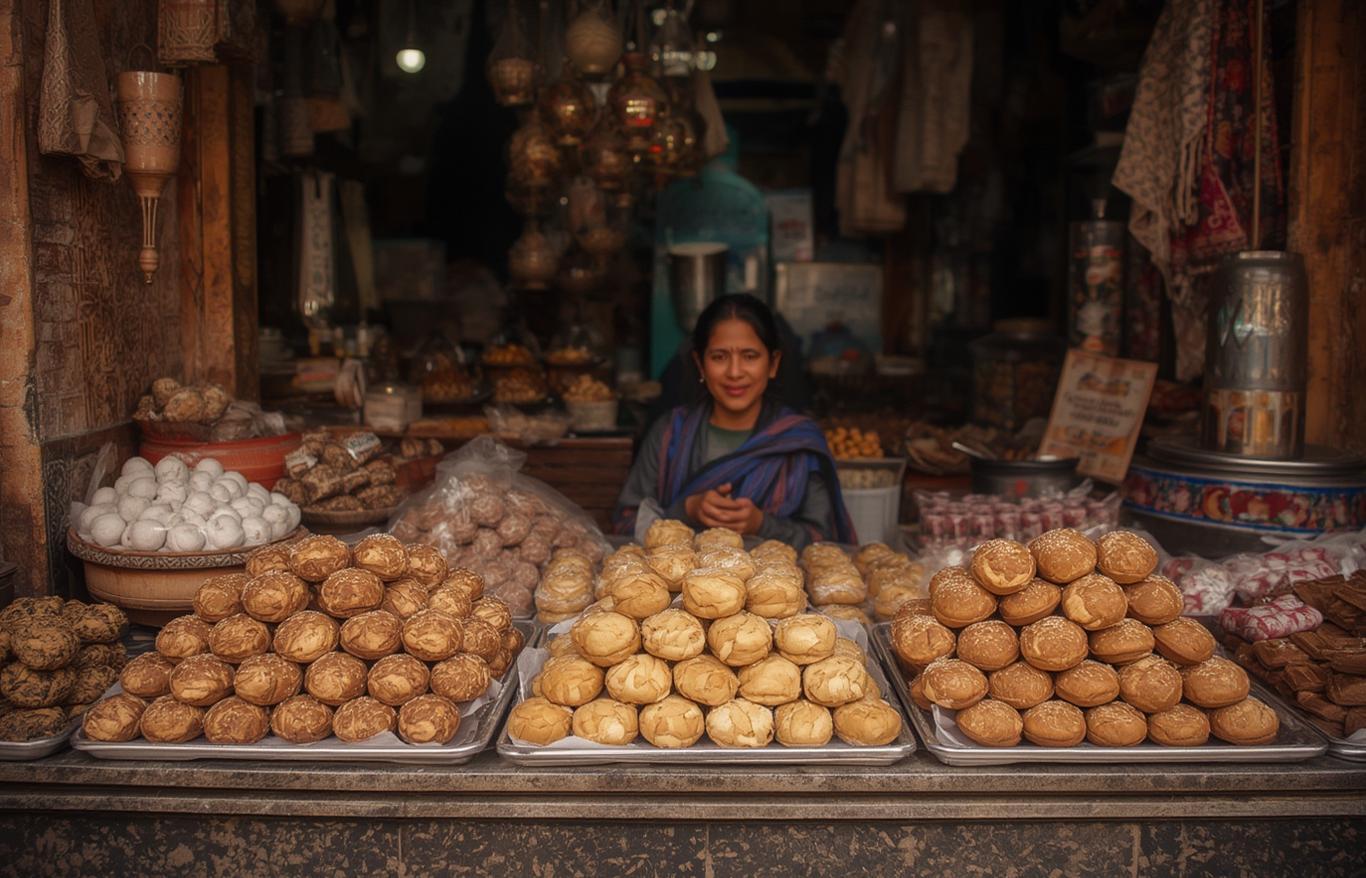
Walking through the bustling medinas of Morocco, the air is thick with the scent of spices, mint tea, and something else – a pervasive, irresistible sweetness that beckons from every corner. This is the world of Moroccan street sweets, a vibrant testament to the country’s rich culinary heritage. Far beyond mere desserts, these little bites of joy are woven into the fabric of daily life, celebrating hospitality, tradition, and the simple pleasure of a sugar rush. For any traveler hoping to delve into authentic Moroccan culture, understanding and tasting these delightful treats is an absolute must. They offer an accessible entry point into the local rhythm, a sweet counterpoint to the savory tagines and robust tagines. From crispy, honey-drenched pastries to intricate almond confections, exploring Moroccan street sweets is an adventure for the senses, revealing the intricate artistry and diverse flavors that define Moroccan patisserie.
The Cultural Heartbeat of Moroccan Street Sweets
Moroccan street sweets are more than just confections; they are a language of hospitality and celebration. You’ll find them at nearly every social gathering, from daily afternoon tea rituals with family to grand wedding feasts and religious festivals like Eid. They symbolize generosity and welcome, often served to guests as a gesture of respect and warmth. This deep cultural significance means that while you can enjoy them casually on the street, they carry a much richer meaning in a home setting or during special occasions. The preparation of these sweets is often a communal affair, particularly among women, passing down cherished recipes and techniques from generation to generation. Each region, sometimes even each family, might have its unique twist on a classic, making the exploration of Moroccan street sweets a truly diverse culinary journey.
A Confectioner’s Palette: Iconic Street Sweets You Must Try
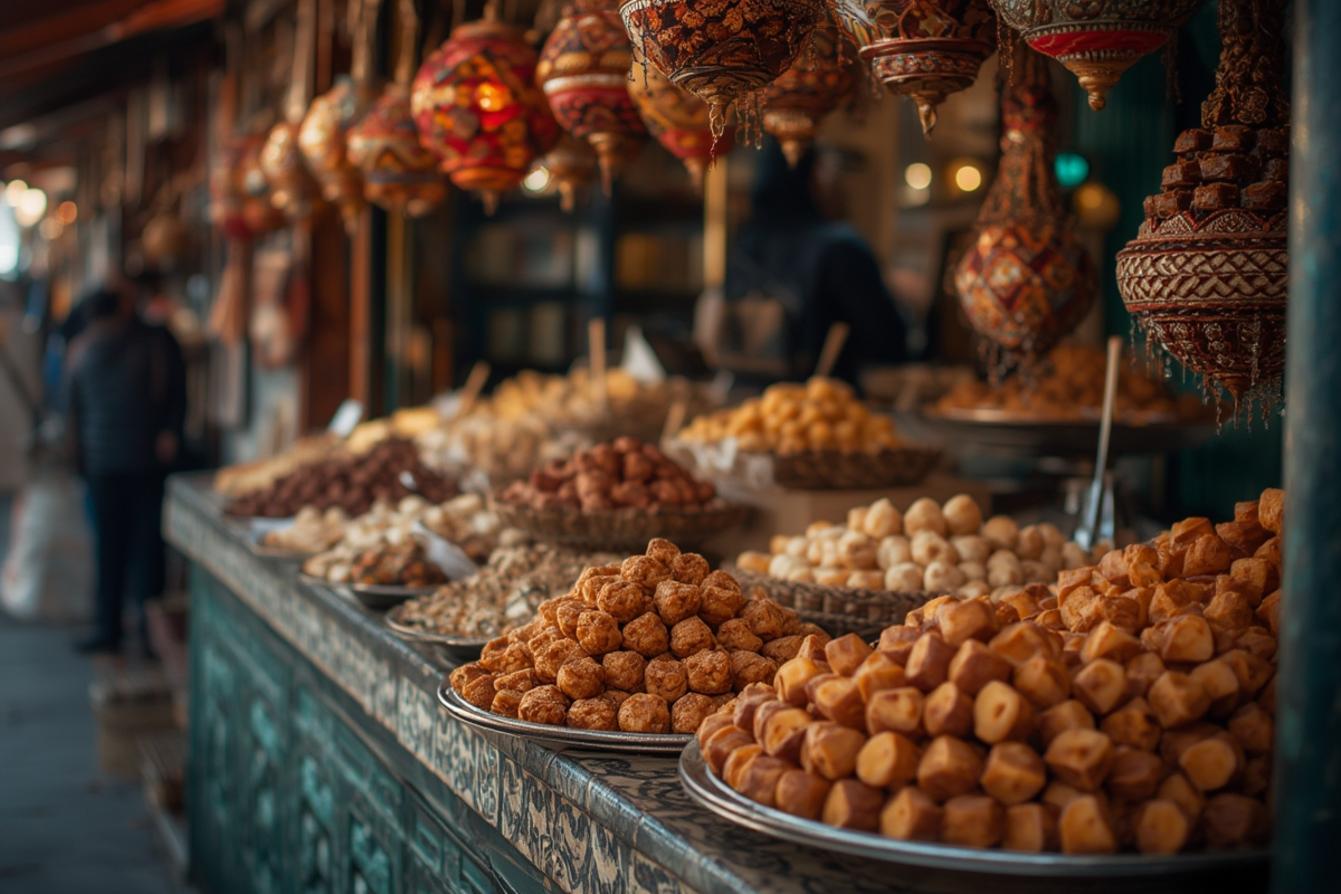
When you dive into the world of Moroccan street sweets, you’re met with an incredible variety of textures and flavors. It can be overwhelming at first, so here’s a guide to some of the most iconic and beloved treats you’ll encounter:
- Chebakia: Perhaps the most famous, Chebakia is instantly recognizable. These sesame-flavored, flower-shaped fritters are deep-fried until golden, then immediately dipped in warm honey infused with orange blossom water. The result is a sticky, crunchy, and intensely sweet pastry, often enjoyed during Ramadan to break the fast. You’ll see piles of them in every bakery and street vendor stall during this holy month.
- Sellou (Sfouf): While not strictly a “street” sweet in the grab-and-go sense, Sellou is a highly revered, unbaked sweet served frequently during Ramadan and special occasions. It’s a rich, dense mix of toasted flour, roasted almonds, sesame seeds, anise, cinnamon, and often a hint of mastic gum, all bound together with melted butter and honey. It’s packed with energy and flavor, a true Moroccan delicacy.
- Ghoriba: These delightful shortbread-like cookies come in many forms, but the most common street varieties are often made with almonds or semolina, sometimes flavored with coconut or lemon. They have a wonderfully crumbly texture and a delicate sweetness. Look for the “cracked” ghoribas, which signify a perfectly baked cookie.
- Fekkas: Similar to Italian biscotti, fekkas are twice-baked cookies, typically studded with almonds, raisins, or anise seeds. They are crunchy and perfect for dipping in mint tea, making them a staple in Moroccan households and cafes.
- Briouat: These delicate, triangular pastries are made from warqa dough (a thin pastry similar to phyllo), filled with a sweet almond paste, fried until crisp, and then drenched in honey. Sometimes they are flavored with orange blossom water or cinnamon, offering a truly sublime texture and taste.
- Kaab el Ghazal (Gazelle Horns): These elegant, crescent-shaped cookies are a testament to Moroccan pastry artistry. They consist of a thin, delicate dough wrapped around a fragrant almond paste filling, often subtly flavored with orange blossom water. They are baked to a pale golden perfection, offering a tender, melt-in-your-mouth experience.
The Art of Crafting Moroccan Pastries
The creation of Moroccan pastries is a craft honed over centuries, reflecting influences from Berber, Arab, and Andalusian culinary traditions. Many sweets rely on a few key ingredients: almonds, honey, semolina, sesame seeds, and fragrant floral waters like orange blossom and rose water. The attention to detail is remarkable, from the delicate folding of warqa dough for briouats to the precise shaping of kaab el ghazal.
Consider the role of honey, often infused with aromatics, which serves not only as a sweetener but also as a preservative and a signature flavor profile. The use of nuts, particularly almonds, is central. They are blanched, peeled, ground, and often mixed with sugar and flavorings to create the rich, moist fillings that characterize many Moroccan street sweets. Spices like cinnamon, anise, and sometimes even a touch of ginger or cardamom find their way into these treats, adding layers of warmth and complexity. While modern bakeries often use machines, the traditional methods emphasize hand-crafting, turning simple ingredients into edible works of art. This dedication to technique and quality is what makes these sweets so special.
Where to Hunt for the Best Moroccan Street Sweets
Finding delicious Moroccan street sweets is rarely a challenge; they are ubiquitous. However, knowing where to look can elevate your tasting experience.
- Local Bakeries (Patisseries): These are your best bet for a wide selection of freshly made, high-quality sweets. In any major city like Marrakech, Fes, or Rabat, seek out bakeries that have a steady stream of local customers – this is always a good sign. Many patisseries will display their wares beautifully behind glass counters, allowing you to point and choose. Don’t be shy about asking for recommendations or trying a small assortment.
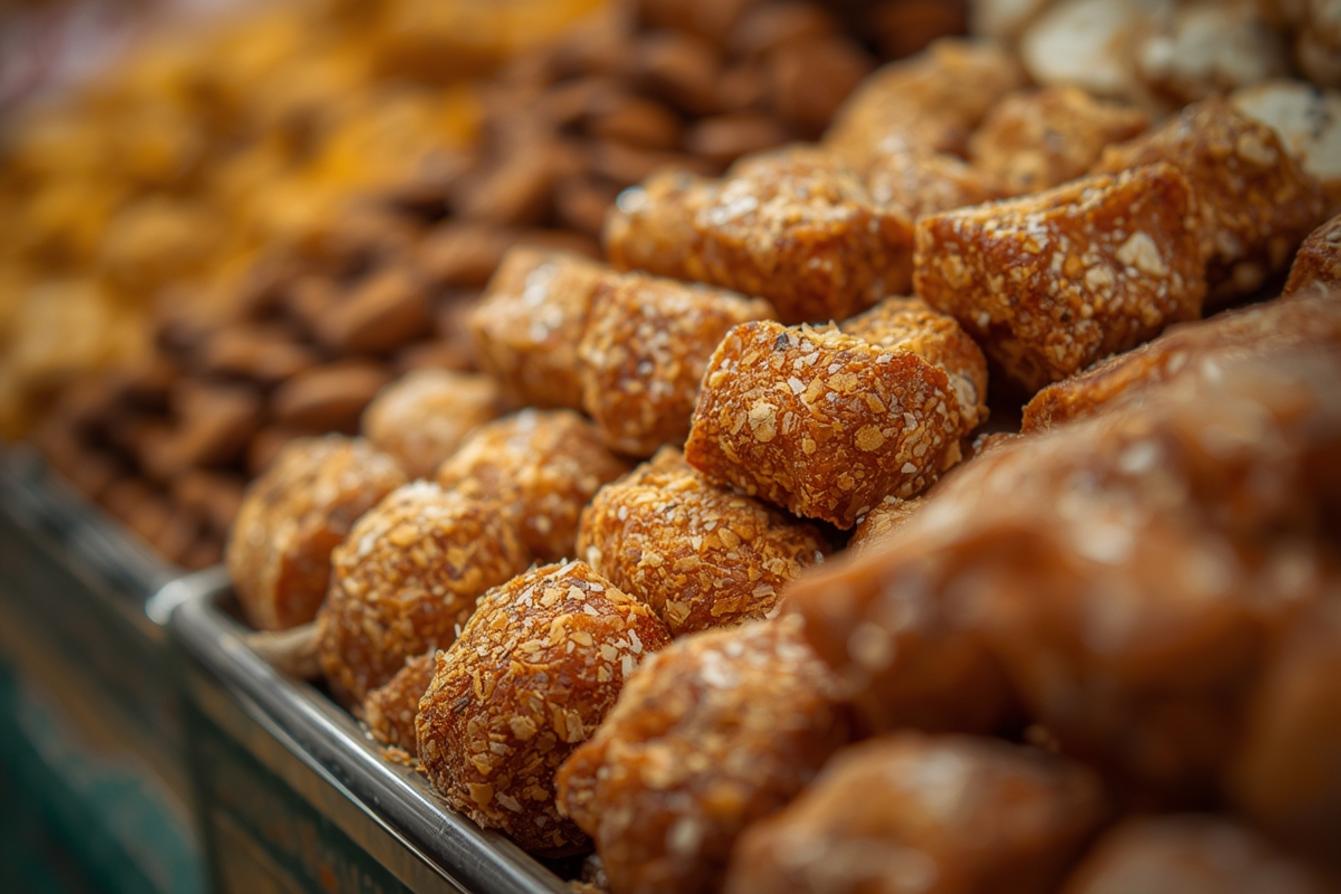
- Souks and Markets: As the name “street sweets” suggests, you’ll find vendors selling these treats in the bustling souks and markets. Look for stalls with large, inviting displays, often piled high with chebakia, fekkas, and various cookies. While prices are usually clearly marked, it’s always good practice to confirm before purchasing. Vendors specializing in just a few types of sweets often produce the freshest and most authentic versions.
- Cafes: Many traditional Moroccan cafes serve a small selection of pastries alongside their mint tea and coffee. This is a perfect way to enjoy a sweet treat in a relaxed setting, perhaps after a day of exploring.
- Ramadan Street Stalls: If you happen to visit during the holy month of Ramadan, you’ll witness an explosion of street stalls dedicated almost exclusively to chebakia and sellou, prepared fresh daily for breaking the fast. This is arguably the best time to experience these particular sweets at their peak.
Remember that presentation matters in Morocco. Sweets are often arranged meticulously, reflecting the care and pride taken in their creation. Don’t hesitate to engage with the vendors; many are happy to explain what’s on offer. For a broader exploration of Moroccan cities, including those known for their culinary delights, consider visiting some of the Moroccan street sweets cultural hubs.
Enjoying Your Sweet Finds: Etiquette and Practical Tips
Enjoying Moroccan street sweets is a simple pleasure, but a few cultural nuances and practical tips can enhance your experience.
- Tea Pairing: The ultimate companion to almost any Moroccan sweet is a glass of hot, sweet mint tea. The refreshing mint cuts through the richness of the pastries perfectly, creating a delightful balance.
- Portion Sizes: Don’t feel obliged to buy large quantities. Most vendors are happy to sell individual pieces or small assortments, allowing you to try a variety without committing too much.
- Freshness is Key: While many sweets keep well, they are always best when fresh. Look for places with high turnover or visible signs of recent baking. Chebakia, for instance, is at its absolute best within a day or two of being made.
- Hygiene: When buying from street stalls, observe general hygiene. Look for covered displays and clean serving utensils. Reputable bakeries typically maintain high standards.
- Gift Giving: Moroccan sweets make excellent gifts. If you’re invited to someone’s home, bringing a box of assorted pastries is a thoughtful and appreciated gesture. Many bakeries offer beautifully packaged boxes.
- Savor the Moment: Don’t rush. Find a quiet spot, perhaps a bench in a garden or a corner in a bustling square, and truly savor the flavors and textures. It’s an integral part of the Moroccan experience.
Conclusion
The world of Moroccan street sweets is a delicious and integral part of the country’s cultural identity. From the honey-drenched crunch of chebakia to the delicate almond embrace of gazelle horns, each bite tells a story of tradition, hospitality, and culinary artistry. Exploring these delightful confections offers a unique and accessible window into Moroccan life, allowing travelers to taste the warmth and generosity that defines this enchanting land. So, as you wander the labyrinthine medinas, let your nose guide you to the nearest patisserie or street vendor. Dive in, experiment, and discover your own favorite among the countless 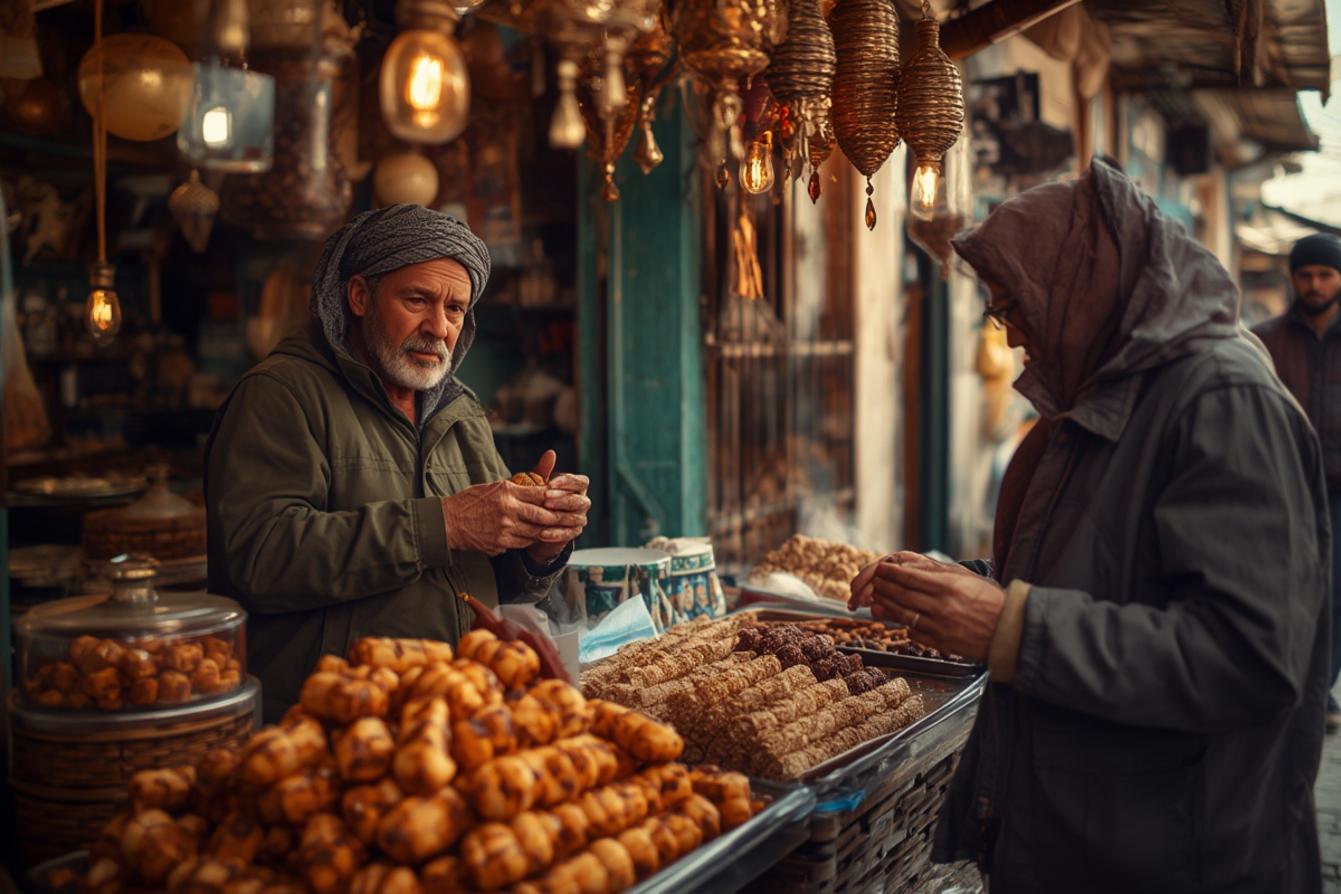
Moroccan street sweets.
FAQs
What is the most famous Moroccan street sweet?
The most famous Moroccan street sweet is arguably Chebakia. These intricate, honey-dipped sesame cookies are especially popular during Ramadan and are recognizable by their unique flower or rosette shape.
Are Moroccan street sweets very sweet?
Yes, Moroccan street sweets are generally quite sweet. Many are made with honey, sugar, and often scented with floral waters like orange blossom, giving them a distinct and rich sweetness that is perfectly balanced by traditional Moroccan mint tea.
Can I find vegan Moroccan street sweets?
While many traditional Moroccan sweets contain butter, eggs, or honey, it is sometimes possible to find vegan options, particularly those made primarily with nuts, flour, and oil. You might need to inquire specifically at bakeries, as not all sweets are explicitly labeled.
What is the best way to transport Moroccan sweets home as a souvenir?
For transporting Moroccan sweets, look for individually packaged or sturdier options like Ghoriba cookies or Fekkas. Many bakeries offer special gift boxes designed for travel. Avoid very delicate or heavily honey-drenched items like Chebakia for long journeys, as they can become messy or lose their freshness.

 Covers cities, coast, mountains, desert & food