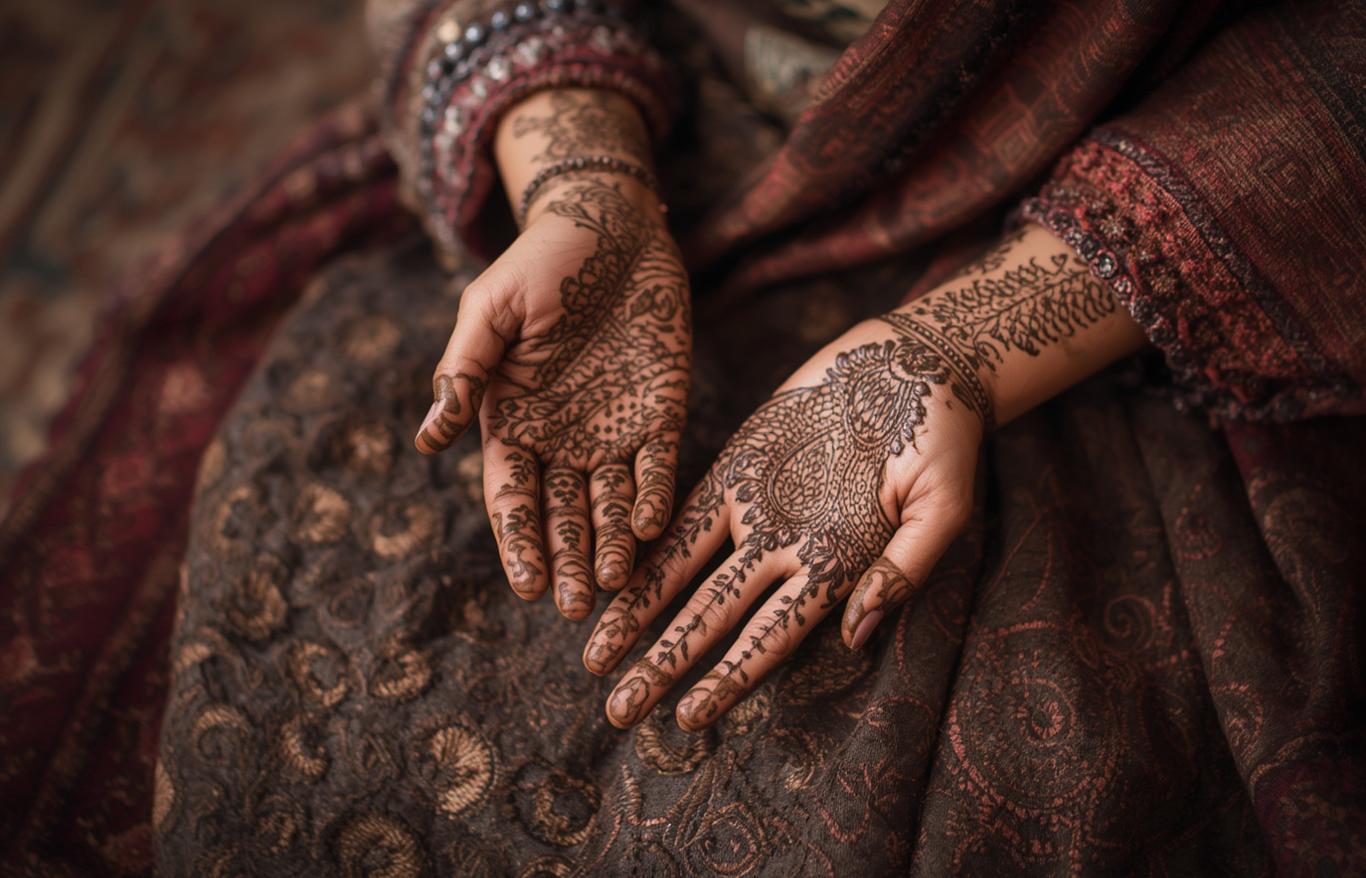
Stepping into Morocco often means encountering a vibrant tapestry of sights, sounds, and scents, but one of the most visually stunning and culturally rich experiences you’ll find woven into daily life and special occasions are the intricate Moroccan henna traditions. More than just a temporary tattoo, henna in Morocco is a profound art form, deeply rooted in history, spirituality, and celebration. It’s a ritual that adorns hands and feet, transforming them into canvases that tell stories of joy, protection, and transformation. Understanding these traditions offers a deeper insight into Moroccan culture, revealing the intricate connections between beauty, belief, and community.
The Enduring Cultural Significance of Henna in Morocco
From bustling souks to quiet family homes, the art of henna is intrinsically linked with Moroccan life, particularly for women. Far from being a mere cosmetic application, Moroccan henna traditions carry layers of meaning, symbolizing good fortune, fertility, and protection against the evil eye (Ayn al-Hasud). It’s a practice passed down through generations, with designs varying subtly between regions, each carrying its own unique interpretations and symbolism. For centuries, henna has been an integral part of rites of passage, marking significant life events and offering blessings to those who wear it. It’s an embrace of ancestral wisdom and an expression of feminine artistry.
Henna: An Essential Element of Moroccan Celebrations
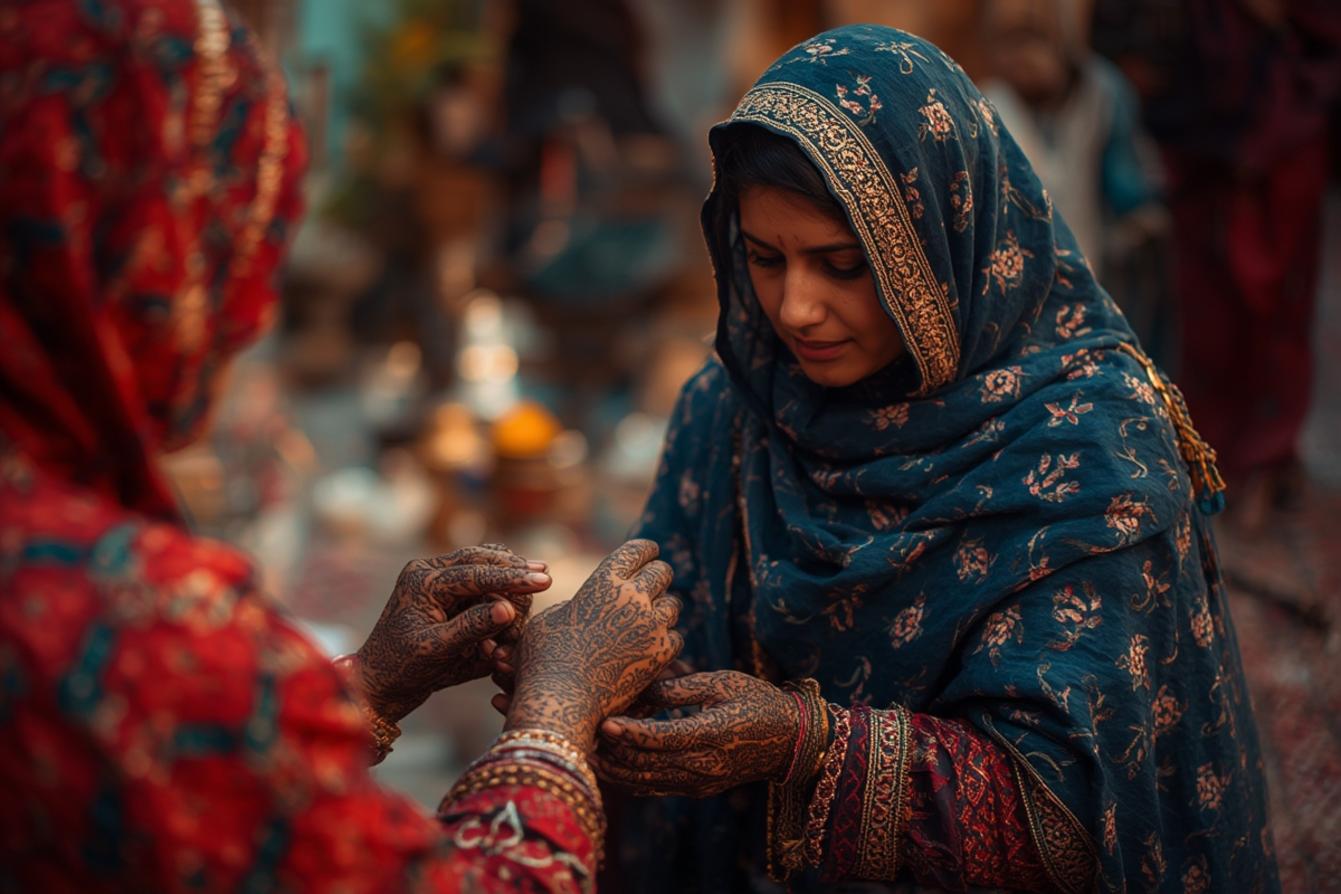
No Moroccan celebration, particularly a wedding, is complete without the enchanting ritual of henna. The henna ceremony customs are a highlight of pre-wedding festivities, often involving an evening dedicated solely to adorning the bride with elaborate designs. This gathering, typically attended by female relatives and friends, is steeped in joy, music, and the sweet aroma of henna paste. The patterns applied to a bride’s hands and feet are believed to bring blessings, happiness, and prosperity to her marriage. Beyond weddings, henna graces other joyous occasions such as Eid al-Fitr, births, circumcisions, and even graduations, symbolizing new beginnings and blessings. It transforms the wearer, making them feel special and imbued with positive energy.
The Artistry: Decoding Moroccan Henna Designs and Styles
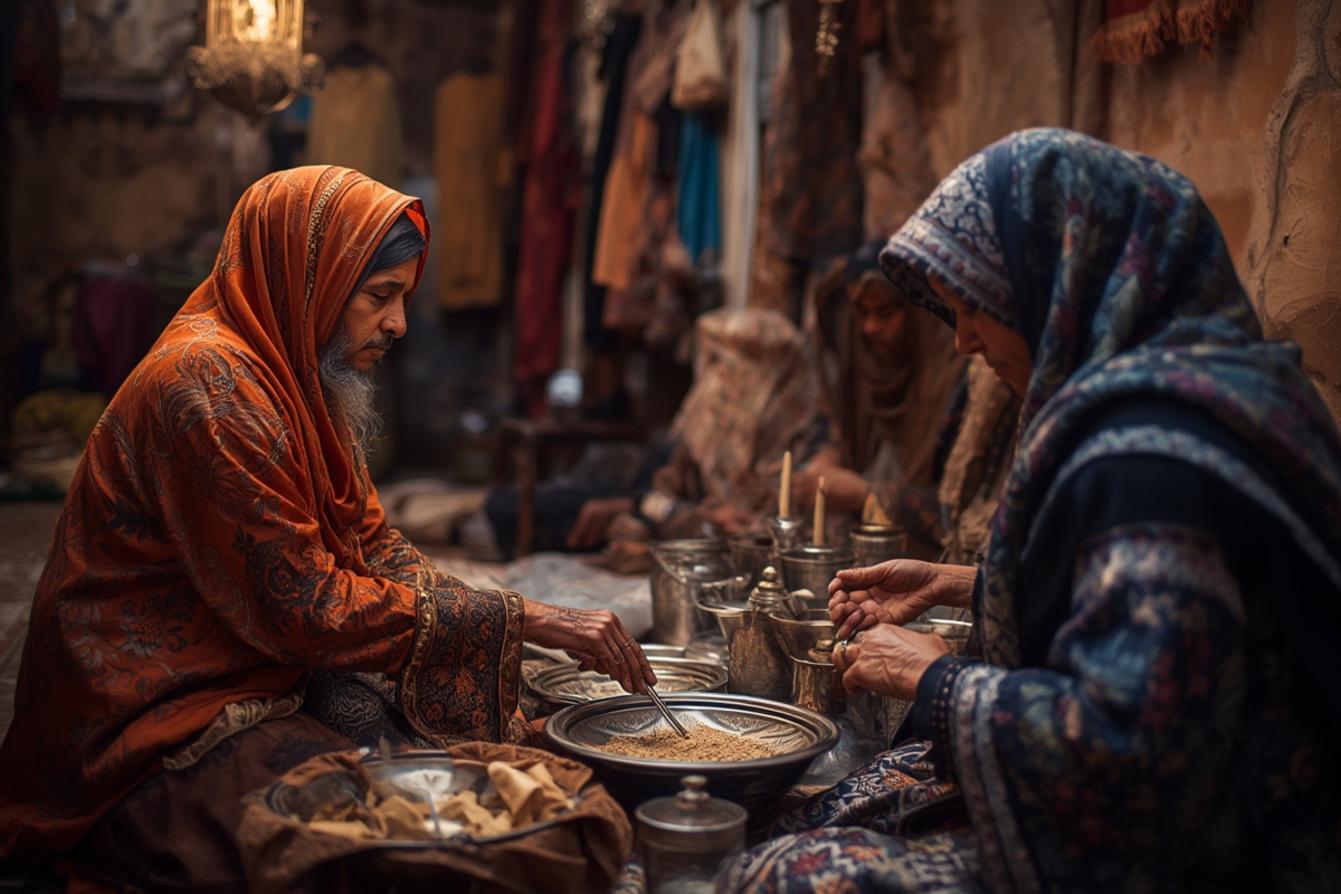
Moroccan henna designs are renowned for their geometric precision, symmetry, and intricate details. Unlike some other styles that favor floral or pictorial elements, traditional Moroccan henna often leans towards bold, angular patterns, checkerboards, diamonds, and lines that beautifully accentuate the hands and feet. These designs aren’t random; each motif can carry a specific meaning, from a wish for abundance to protection from harm. The style can vary slightly depending on the region. In the north, designs might be finer and more delicate, while in the south, particularly among Berber communities, you might find bolder, more tribal patterns. The application itself is a skill honed over years, often performed by a ‘nekasha’ or professional henna artist, who freehand intricate patterns with remarkable speed and accuracy, using a small plastic cone or syringe filled with the paste.
What Travelers Can Expect from a Moroccan Henna Experience
For travelers visiting Morocco, experiencing henna is a wonderful way to connect with local culture. You’ll often find henna artists in bustling medinas, especially in cities like Marrakech, Fes, and Chefchaouen. They’ll typically have portfolios showing various designs, from simple floral patterns to more traditional geometric styles. When seeking a henna application, it’s essential to understand a few things. Firstly, always confirm the price beforehand. Secondly, and perhaps most importantly, ensure the henna being used is 100% natural henna. “Black henna,” which often contains a chemical called PPD (paraphenylenediamine), can cause severe allergic reactions and permanent scarring. Natural henna, derived from the henna plant, produces a reddish-brown stain that develops over 24-48 hours and typically lasts one to three weeks. A genuine henna paste will have an earthy, herbaceous smell, not a chemical one. Don’t be shy to ask questions and observe the process; it’s part of the cultural exchange. You can also delve deeper into such enriching activities by exploring Moroccan henna traditions and other unique experiences.
The Preparation and Application: From Plant to Pattern
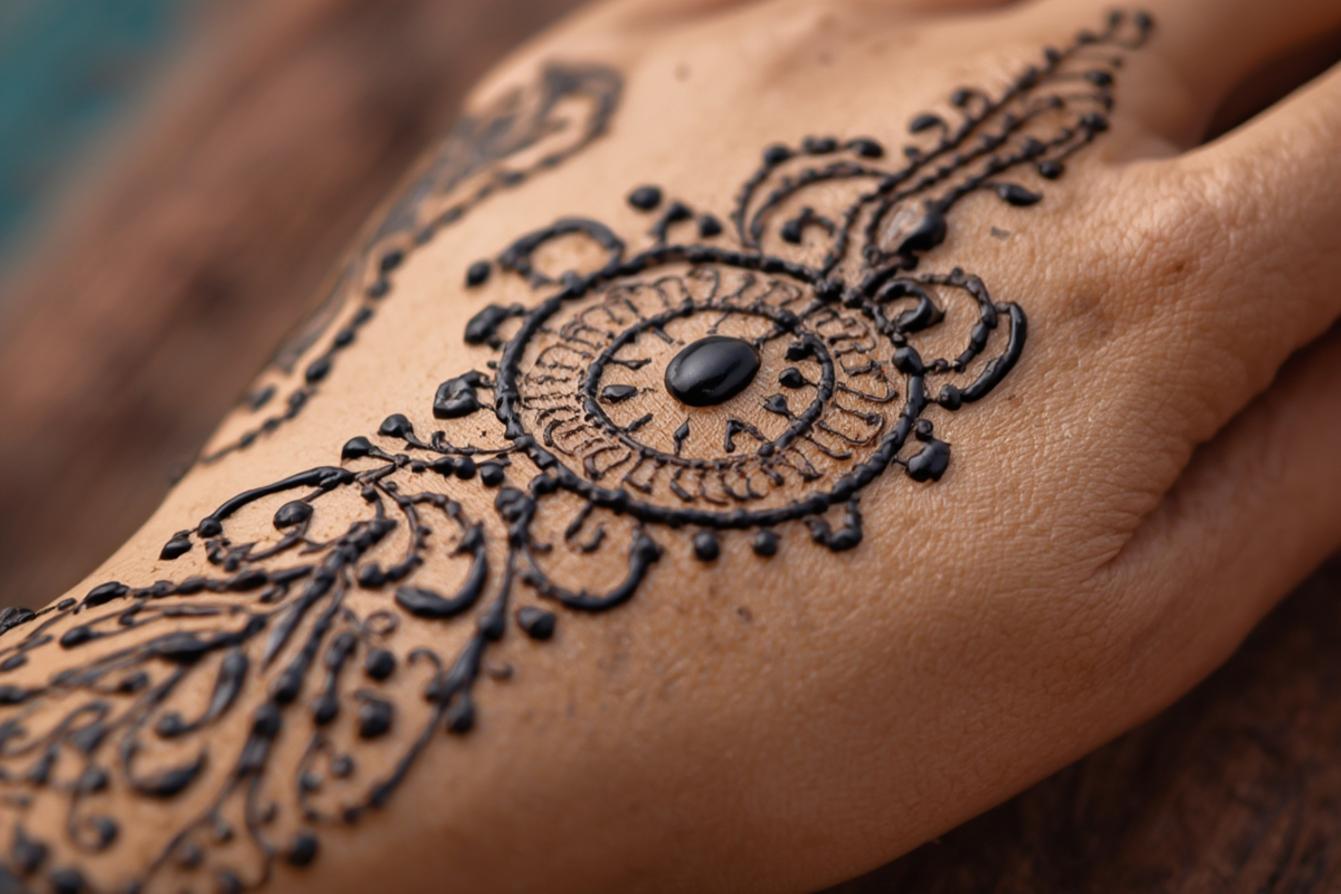
The journey of henna from plant to body art is a fascinating one. The henna plant (Lawsonia inermis) thrives in hot, dry climates. Its leaves are dried and then meticulously ground into a fine powder. This powder is then mixed with a liquid – often strong black tea, lemon juice, or even essential oils like eucalyptus or tea tree – to create a smooth, workable paste. The mixture is left to sit for several hours, sometimes overnight, allowing the dye to release. The quality of the henna powder, the ratio of liquid, and the resting time all contribute to the final stain’s richness and longevity. The application itself is a meditative process, requiring steady hands and immense artistic vision. The paste is carefully piped onto the skin, forming intricate patterns. Once applied, it needs to dry for several hours, sometimes even overnight, before it’s flaked off to reveal the initial orange stain, which darkens to a beautiful deep reddish-brown over the next couple of days.
Safeguarding Authentic Moroccan Henna Traditions
In a world increasingly influenced by global trends, preserving authentic Moroccan henna traditions is more important than ever. This involves educating both locals and tourists about the difference between natural and synthetic “henna,” supporting local henna artists who use traditional methods, and understanding the cultural significance beyond mere aesthetics. There’s a growing appreciation for sustainable tourism that respects and uplifts local customs, and engaging with henna in an informed way contributes to this. By seeking out legitimate henna experiences, travelers help ensure that this beautiful art form continues to thrive for future generations, maintaining its deep roots in Moroccan heritage. For further reading on this captivating tradition, you might find this guide on henna ceremony customs insightful.
Conclusion
The beauty of Moroccan henna traditions extends far beyond the surface of the skin. It is a living art form, a symbol of joy, protection, and cultural identity, deeply woven into the fabric of Moroccan society. From its spiritual significance in celebrations to the intricate geometry of its designs and the careful preparation of the natural dye, henna offers a captivating glimpse into the heart of Moroccan culture. Experiencing it, whether by observation or participation, is a truly memorable way to connect with the rich heritage of this enchanting country. Embrace the chance to witness or wear these beautiful patterns and carry a piece of Morocco’s timeless artistry with you.
FAQs
What is the primary purpose of henna in Moroccan culture?
In Moroccan culture, henna primarily serves as a symbol of good fortune, blessings (baraka), fertility, and protection against the evil eye. It is an integral part of celebrations and rites of passage, particularly weddings, where it blesses the bride.
How can I ensure the henna I get in Morocco is safe and natural?
To ensure you receive safe, natural henna, always confirm with the artist that they are using 100% natural henna powder, which produces a reddish-brown stain. Avoid “black henna” at all costs, as it often contains harmful chemicals. Natural henna paste has an earthy scent, not a chemical one.
How long do Moroccan henna designs typically last?
Natural Moroccan henna designs typically last one to three weeks. The longevity depends on various factors, including the quality of the henna paste, how long it’s left on the skin, and how often the area is washed or exfoliated.
Can men get henna in Morocco?
While Moroccan henna traditions are predominantly associated with women for aesthetic and celebratory purposes, men sometimes wear small, simple henna designs for health or spiritual reasons, particularly on their hands or feet, though it is less common than for women.



 Covers cities, coast, mountains, desert & food