
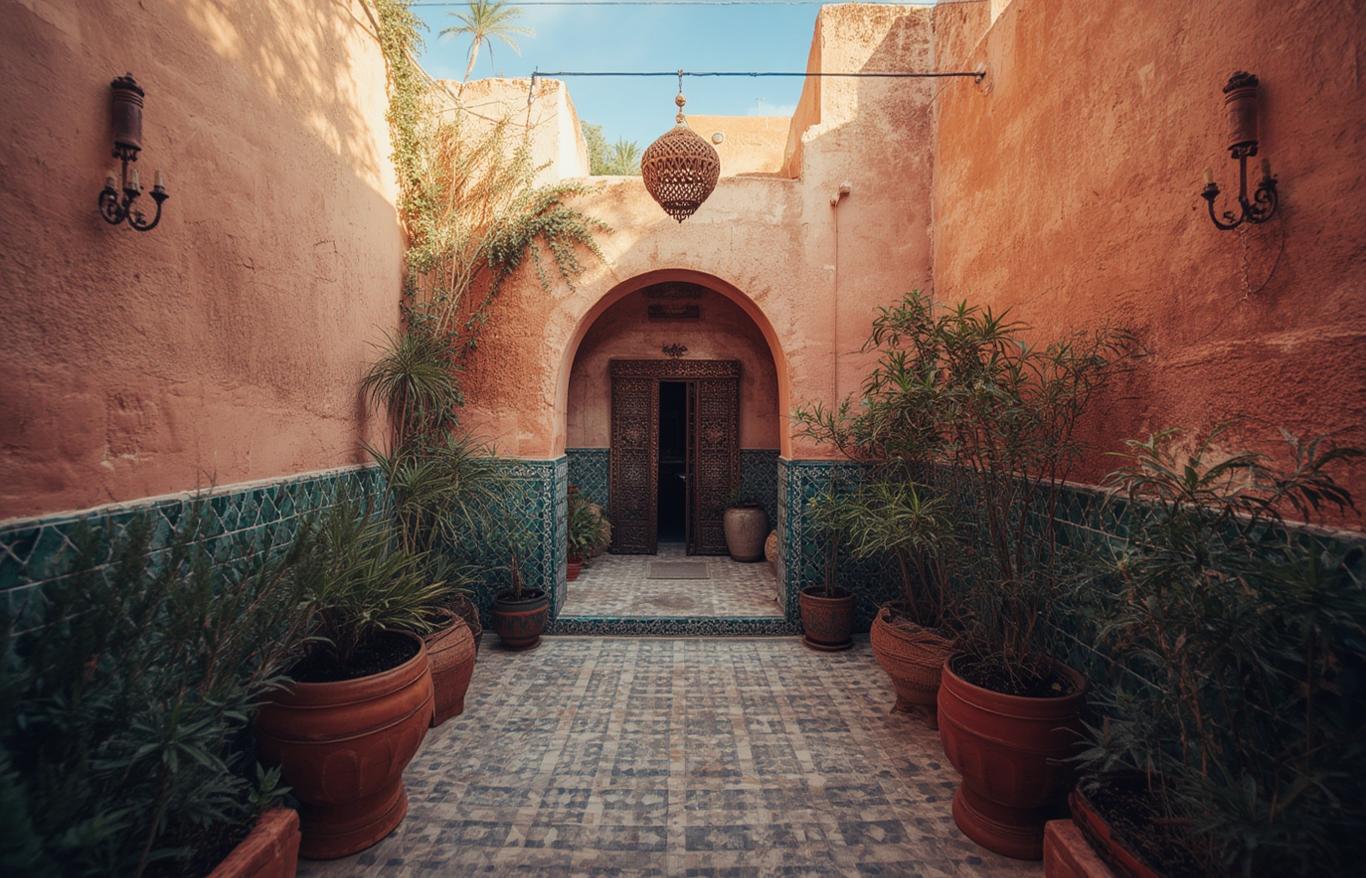
Discovering Marrakech Through Its Most Captivating Experiences
When travelers search for activities to do in morocco marrakech, they’re looking for experiences that go beyond typical tourist routines. Marrakech isn’t just a city to visit—it’s a sensory immersion where centuries-old traditions collide with contemporary creativity, where labyrinthine souks meet peaceful gardens, and where every corner offers something genuinely transformative.
The Red City delivers experiences that change how you understand travel itself. From sunrise hot air balloon rides floating above the Atlas Mountains to midnight storytelling sessions in Jemaa el-Fna square, Marrakech rewards those who dive deep into its cultural heartbeat. The secret isn’t simply checking off landmarks—it’s about engaging with the city’s living traditions, tasting its evolving food scene, and connecting with the Marrakshi people whose warmth defines this destination.
Understanding what makes an activity truly unforgettable here requires looking beyond guidebook clichés. The most memorable moments often happen in riads where mint tea conversations last hours, in hammams where ancient wellness rituals restore body and spirit, or in cooking classes where grandmothers share family recipes passed down through generations.
Getting Lost in the Medina’s Ancient Labyrinth
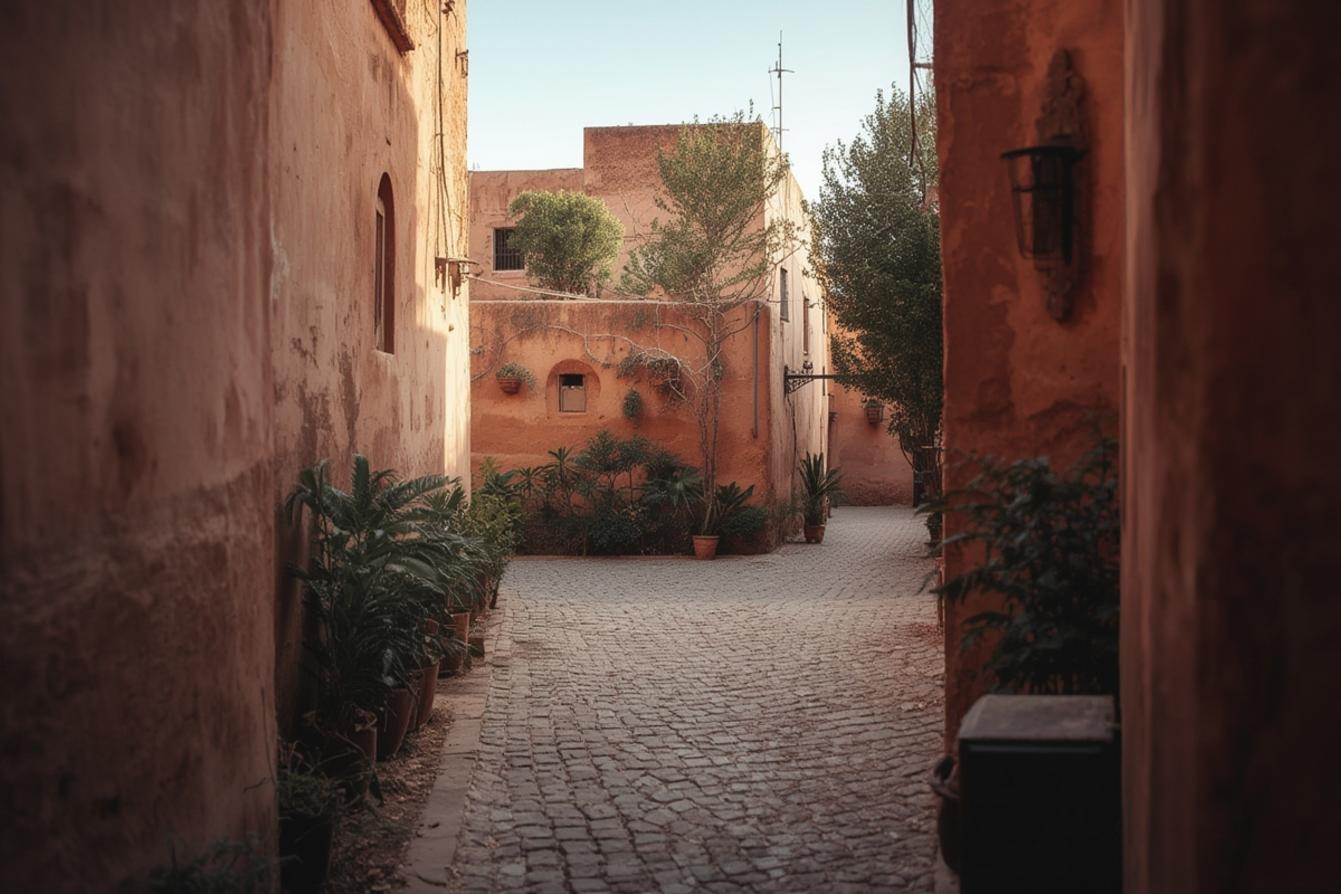
The Marrakech medina operates by its own logic. These UNESCO-protected walls contain roughly 9,000 passages, and attempting to navigate them with precision misses the entire point. The magic happens when you surrender to the disorientation.
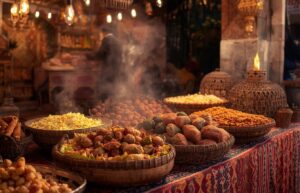
Start early morning when shopkeepers roll up metal shutters and vendors arrange pyramids of spices. The light filters differently through covered passages at dawn, casting geometric shadows that photographers dream about. You’ll stumble upon carpenters crafting traditional doors, metalworkers hammering copper into tea sets, and leather artisans dyeing hides using techniques unchanged since medieval times.
Don’t fight the inevitable wrong turns. That “mistake” leads you to a tiny bakery where locals queue for fresh msemen, or to a hidden fountain courtyard where neighborhood cats nap in afternoon sun. The medina rewards wanderers who trust their instincts over GPS coordinates.
The souks deserve multiple visits. Souk Semmarine handles textiles and tourist goods, but venture deeper into specialized areas like Souk Haddadine where blacksmiths work, or Souk Cherratine where leather craftsmen operate in centuries-old tanneries. Each souk represents a different guild, a system dating back to the city’s founding in 1062.
Bargaining forms part of the cultural exchange here. Shopkeepers expect negotiation—not as confrontation, but as social interaction. Start at half the initial price, counter-offer slowly, and don’t hesitate to walk away if numbers don’t align. Often the best prices come after you’ve shared tea and conversation.
Experiencing Jemaa el-Fna’s Nightly Theater
No square on Earth quite matches Jemaa el-Fna’s energy transformation from day to evening. UNESCO recognizes this space as a Masterpiece of Oral and Intangible Heritage precisely because it functions as a living cultural performance that’s evolved organically for nearly a millennium.
Arrive around 4 PM to watch the metamorphosis unfold. Orange juice vendors who dominated daytime pack up as food stalls roll in with portable kitchens. By sunset, smoke from dozens of grills creates a theatrical haze while hawkers shout competing offers for grilled meats, snail soup, and fresh-squeezed juices.
The real spectacle involves the performers. Gnaoua musicians in colorful robes create hypnotic rhythms with their guembri instruments and metal castanets. Snake charmers work alongside acrobat troupes, while storytellers gather crowds speaking only Darija Arabic, yet somehow their animated gestures transcend language barriers. Henna artists offer intricate designs, though agree on prices before they start working.
For the full perspective, grab mint tea at Café de France’s terrace or the rooftop restaurants surrounding the square. From elevation, you witness the organized chaos—the circular crowds around different performers, the geometric arrangement of food stalls, the constant motion of hundreds of people creating spontaneous theater.
The square never truly sleeps. Even at 2 AM, you’ll find food vendors serving workers ending late shifts, and by 5 AM, the first orange vendors arrive to restart the cycle.
Indulging in Traditional Hammam and Spa Rituals
Hammams represent fundamental Moroccan culture, not tourist attractions. For centuries, these steam baths served as communal gathering spots where neighbors caught up on local news while getting clean. Today’s experience in Marrakech ranges from neighborhood public hammams to luxurious spa interpretations.
Traditional public hammams like Hammam Dar el-Bacha offer authentic encounters. You’ll need to bring soap, a scrubbing mitt (kessa), and a change of clothes, or purchase supplies at the entrance. The ritual follows set patterns: relax in warm rooms allowing pores to open, receive a vigorous exfoliation from attendants who remove dead skin with surprising force, then rinse with buckets of water.
The exfoliation, called gommage, removes weeks of accumulated skin cells. Don’t expect gentle spa treatment—hammam attendants scrub with purpose, leaving skin genuinely renewed. The experience concludes with optional argan oil massage and relaxation in cooling rooms.
Upscale options like La Mamounia’s spa or Hammam de la Rose blend traditional hammam architecture with contemporary luxury. These establishments offer private spaces, aromatherapy enhancements, and extended massage treatments while maintaining authentic Moroccan bathing sequences.
Book morning slots to avoid crowds, especially at public hammams. Budget 2-3 hours for the complete experience, and remember that hammams traditionally operate on gender-separated schedules—check timing before arriving.
Exploring Majorelle Garden and Beyond
Jacques Majorelle spent forty years cultivating his botanical sanctuary, creating what’s now Marrakech’s most photographed location. The French artist’s distinctive cobalt blue—now called Majorelle Blue—covers walls, fountains, and architectural details throughout the twelve-acre garden.
The garden houses over 300 plant species from five continents, with particular emphasis on cacti collection and bamboo groves. Morning visits between 8-10 AM offer better light and fewer crowds, though photographers often prefer late afternoon’s golden hour. The contrast between electric blue structures and the vibrant greens, yellows, and reds of exotic plants creates almost surreal compositions.
After Yves Saint Laurent and Pierre Bergé purchased and restored the garden in 1980, it gained new relevance. The on-site Berber Museum showcases North African indigenous culture through jewelry, textiles, and artifacts, while the adjacent Musée Yves Saint Laurent documents the designer’s career and connection to Morocco.
Beyond Majorelle, Marrakech offers other green escapes. The Secret Garden in the medina presents Islamic garden design principles through restored Saadian-era courtyards. Menara Gardens, dating to the 12th century, surround an olive grove with an iconic reflecting pool framing Atlas Mountain views. Agdal Gardens, less visited and more sprawling, reveal royal orchards and irrigation systems demonstrating centuries of water management expertise.
These gardens provide essential respite from medina intensity. Locals use them for family picnics, couples seek romantic corners, and travelers discover that Marrakech balances urban energy with cultivated tranquility.
Mastering Moroccan Cuisine Through Cooking Classes
Moroccan cuisine’s reputation for complexity and flavor depth makes cooking classes among the most rewarding activities to do in morocco marrakech. But the best experiences go beyond recipe instruction—they reveal cultural context, family traditions, and ingredient sourcing philosophy.
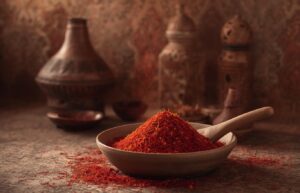
Quality programs begin at local markets. Before cooking, you’ll navigate Mellah vegetable markets selecting seasonal produce, or visit spice merchants explaining the difference between various ras el hanout blends—each shop guards slightly different proprietary formulas for this quintessential Moroccan spice mix.
Back in the kitchen, often located in traditional riads, instructors typically share family recipes for tagines, couscous, pastilla, or fresh breads. You’ll learn the patience required for proper caramelized onion preparation, the technique for rolling couscous by hand, and the layered spicing that builds complex flavors.
The social element matters as much as technique. Cooking in Morocco involves conversation, shared tasting, and communal correction. Instructors often share stories about regional variations—how Fez prepares couscous differently than Marrakech, or how coastal cities incorporate seafood into dishes that Marrakech prepares with lamb.
For deeper dives, consider activities to do in morocco marrakech that combine multiple cultural elements—cooking classes paired with pottery workshops where you craft the tagine vessel itself, or programs that include visits to rural cooperatives producing argan oil used in the dishes you’ll prepare.
Classes typically conclude with enjoying the meal together, often joined by the host family. These meals tend to stretch for hours as tea flows and conversation deepens, reminding you that Moroccan food culture centers on hospitality and connection rather than efficiency.
Riding into the Palmeraie and Desert Landscapes
The Palmeraie stretches northeast of Marrakech’s walls—roughly 32,000 acres of date palm groves creating an unexpected oasis landscape mere kilometers from urban intensity. While real estate development has changed portions of this area, traditional sections still offer genuine escape into rural Moroccan countryside.
Camel rides through the Palmeraie provide that quintessential Moroccan photo opportunity, but they’re best appreciated as cultural experience rather than adventure activity. The hour-long circuits move at meditative pace through palm groves and past irrigation channels (khettara) dating back centuries. Local guides, often Berber families who’ve worked this land for generations, share agricultural practices and point out medicinal plants growing wild.
For more active exploration, quad biking and dune buggy tours cover more ground, reaching into rockier desert terrain where the city skyline and Atlas Mountains create dramatic backdrops. These activities work best in late afternoon when temperatures drop and the quality of light improves dramatically.
Hot air balloon flights offer the ultimate perspective on Marrakech’s geographic context. Predawn launches mean early wake-up calls—typically 5 AM pickups—but you’ll watch sunrise from a thousand feet above the Palmeraie while the Atlas Mountains glow pink and gold. Flights last roughly an hour, followed by Berber breakfast in desert camps. These experiences don’t come cheap, but they create genuinely unforgettable memories.
Day trips from Marrakech access even more dramatic landscapes. The Agafay Desert, just 40 minutes south, provides Sahara-like rocky desert scenery without the lengthy journey to Merzouga. The Atlas Mountains offer entirely different experiences—Berber villages like Imlil, waterfalls at Ourika Valley, or the dramatic Tizi n’Tichka pass leading toward the southern desert routes.
Understanding Marrakech’s Architectural Heritage
The city’s architecture tells Morocco’s layered history through buildings spanning nearly a millennium. Start with the Koutoubia Mosque, whose 12th-century minaret stands as Marrakech’s defining landmark. While non-Muslims cannot enter, the mosque’s proportions and decoration influenced Islamic architecture across North Africa, and its gardens offer peaceful refuge.
The Saadian Tombs, sealed for centuries and rediscovered in 1917, showcase intricate plasterwork, cedar carvings, and colorful zellige tilework decorating the burial chambers of 16th-century royal family members. The craftsmanship demonstrates Marrakech’s golden age when trade routes brought wealth enabling spectacular artistic patronage.
Ben Youssef Madrasa represents Morocco’s largest historic Islamic college. The 14th-century institution once housed 900 theology students in tiny cells surrounding courtyards where cedar carvings, stucco decorations, and tile work create geometric patterns symbolizing infinity and divine unity. The madrasa remains a masterclass in traditional Moroccan decorative arts.
Bahia Palace, built in the late 1800s, displays the wealth of grand viziers through sprawling courtyards, painted ceilings, and elaborate gardens. The name means “brilliance,” though ironically, French colonial forces looted much of the original furnishings. Still, the remaining architecture and gardens demonstrate how powerful families lived during Morocco’s pre-colonial era.
The El Badi Palace exists as atmospheric ruins—Sultan Ahmad al-Mansur’s 16th-century masterpiece was systematically stripped of decorations by later rulers. Now storks nest atop crumbling walls, and the vast empty courtyards and sunken gardens create hauntingly beautiful spaces. For context and accessibility information, resources like the Morocco travel guide provide updated visiting hours and ticket details.
Conclusion
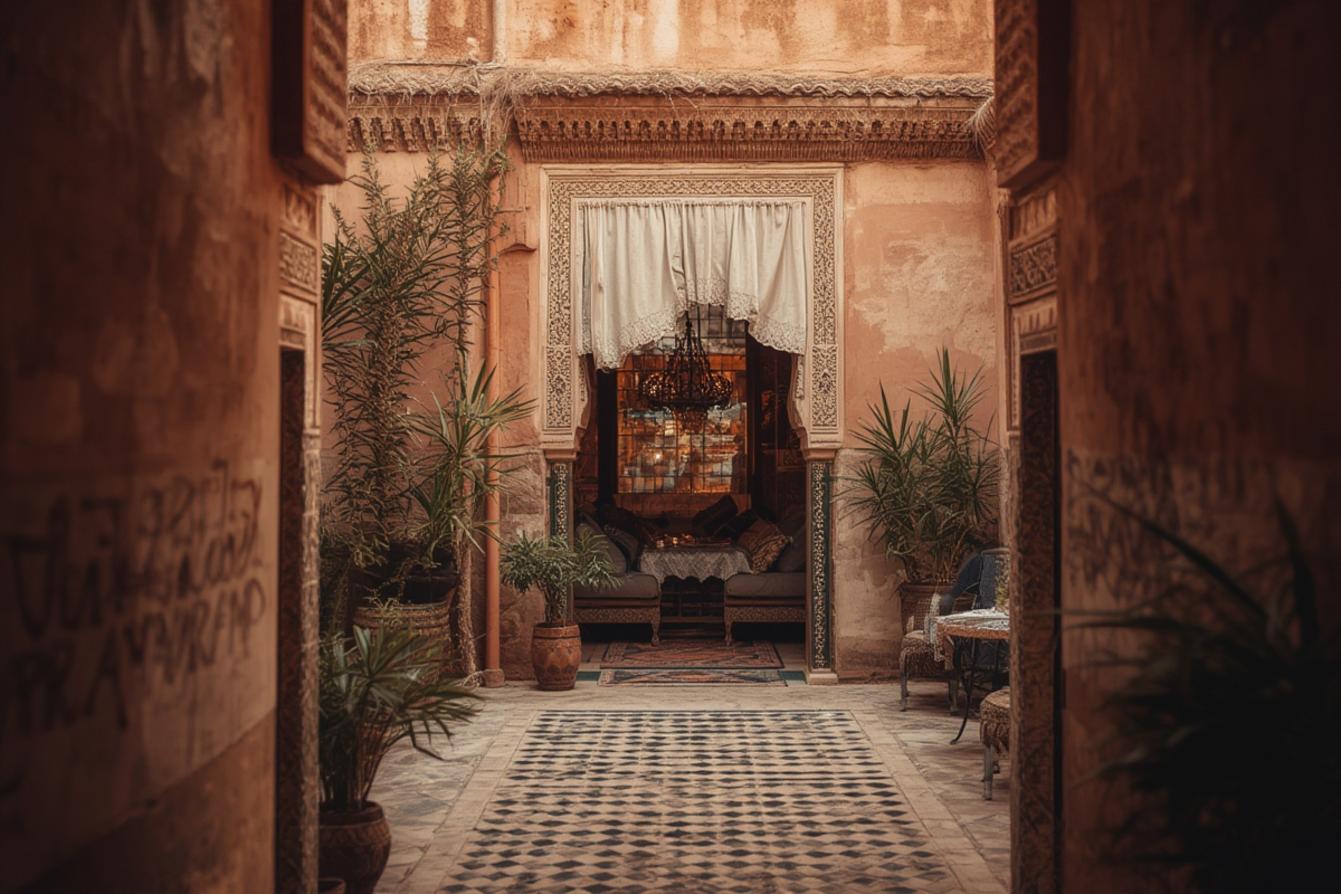
The most transformative activities to do in morocco marrakech share a common thread—they pull you into direct engagement with living Moroccan culture rather than keeping you at tourist-observer distance. Whether you’re navigating medina alleys with only intuition as guide, scrubbing away stress layers in historic hammams, or sharing tagine with families who welcomed you into their cooking spaces, Marrakech rewards genuine curiosity and cultural openness.
This city doesn’t reveal itself to hurried visitors checking boxes on predetermined lists. The transformation happens in unplanned moments: conversations with shopkeepers that stretch past initial transactions, sunset views from random rooftops where locals invited you for tea, or morning walks when you suddenly understand the medina’s organic logic.
Plan enough time to layer multiple experiences. Combine active desert adventures with contemplative garden afternoons. Balance structured cooking classes with spontaneous street food discoveries. Allow yourself to be surprised, occasionally overwhelmed, and ultimately changed by one of the world’s most sensorially intense cities. Marrakech doesn’t just offer activities—it provides the raw material for the travel stories you’ll recount for years.
FAQs
How many days should I spend in Marrakech to experience these activities?
Plan a minimum of four full days to meaningfully engage with Marrakech’s essential experiences without exhausting yourself. This allows two days for medina exploration and architectural sites, one day for cooking classes or hammam experiences, and one day for landscape excursions like the Palmeraie or Atlas Mountains. Adding 1-2 extra days permits deeper neighborhood exploration, additional day trips, or simply absorbing the city’s rhythm without rushing. Many travelers find five to six days ideal, providing breathing room between intense cultural immersion and allowing time for spontaneous discoveries that often become trip highlights.
What’s the best time of year to visit Marrakech for outdoor activities?
Spring (March-May) and autumn (September-November) offer optimal conditions for outdoor activities in Marrakech. Temperatures range between 20-28°C (68-82°F), making desert excursions, garden visits, and extended medina walking comfortable. Summer (June-August) brings extreme heat often exceeding 40°C (104°F), limiting outdoor activity to early mornings and evenings. Winter (December-February) provides pleasant daytime temperatures around 18°C (64°F) but cold nights, especially relevant for desert camping experiences. Spring particularly rewards visitors with blooming gardens and green landscapes before summer heat arrives, while autumn offers harvest season experiences in surrounding rural areas.
Are haggling and bargaining expected in Marrakech markets?
Yes, bargaining forms an integral part of Marrakech’s commercial culture, particularly in medina souks. Fixed-price shops exist mainly in Gueliz’s modern district, but traditional market vendors expect negotiation as standard practice and social interaction. Start by offering 40-50% of the initial asking price, then incrementally increase your offer while the vendor decreases theirs until you meet somewhere middle. The process should feel conversational rather than confrontational—share tea, ask about craftsmanship, and don’t hesitate to walk away politely if prices don’t align. That said, understand that vendors support families through these sales, so respect fair value while negotiating reasonable prices that work for both parties.
Can I visit Marrakech as a solo female traveler safely?
Solo female travelers successfully visit Marrakech regularly, though awareness and cultural sensitivity matter. Dress modestly—covering shoulders and knees reduces unwanted attention in traditional areas. Expect some verbal approaches from shopkeepers and guides, which you can politely but firmly decline. Stay in reputable riads or hotels in well-traveled neighborhoods. Use official taxis or recognized ride services rather than accepting rides from strangers. Evening exploration of Jemaa el-Fna and main medina thoroughfares generally feels safe, though avoid isolated alleys after dark. Many women find joining organized activities like cooking classes or hammam sessions creates natural opportunities to meet other travelers. Trust your instincts, project confidence, and don’t hesitate to seek help from female shopkeepers or hotel staff if situations feel uncomfortable.



 Covers cities, coast, mountains, desert & food