
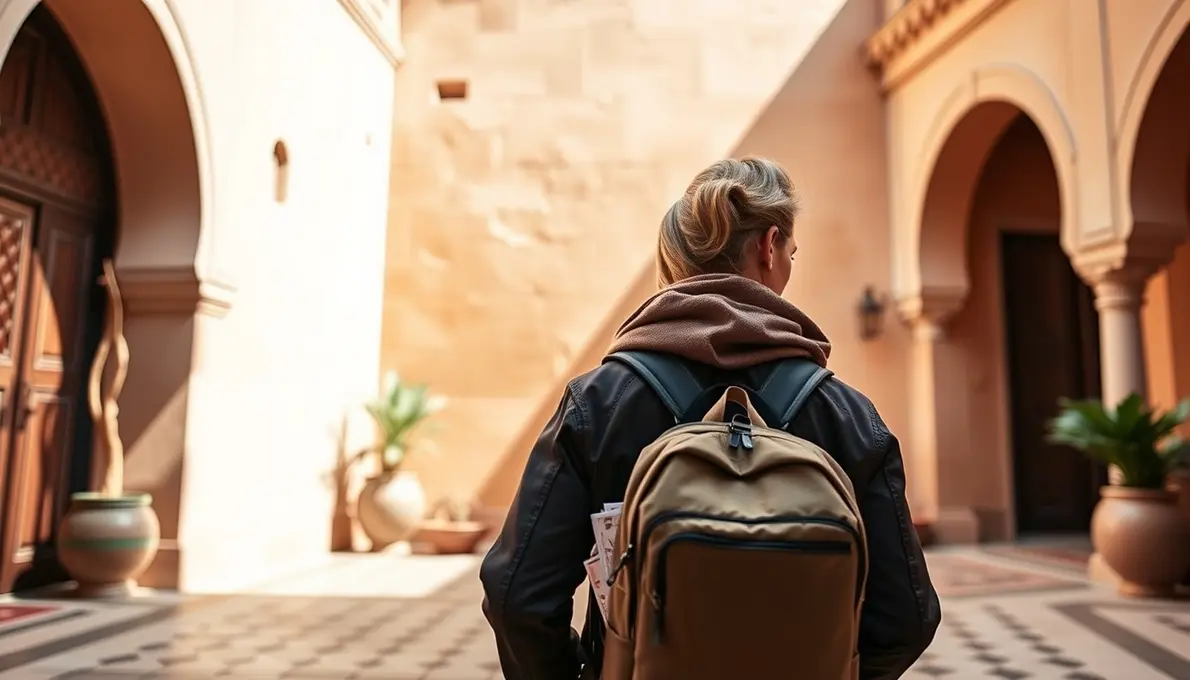
Embarking on a Sahara Desert adventure is an unforgettable experience, but to make the most of it, smart packing is absolutely crucial. This ultimate packing list Sahara desert guide is designed to ensure you’re perfectly prepared for the unique challenges and incredible beauty of Morocco’s vast desert landscapes. Forget generic travel lists; this one is tailored specifically for the desert environment, focusing on comfort, practicality, and safety. What you bring (and don’t bring) will significantly impact your enjoyment, so let’s dive into the essential gear and clothing you’ll need for an epic, hassle-free desert escape.
Essential Clothing for Desert Comfort and Protection
When it comes to clothing for a Sahara Desert trip, function trumps fashion every time. The desert environment demands specific types of garments to protect you from the sun during the day and the chill at night. Think layers, breathability, and sun protection above all else.
Lightweight, Loose-Fitting Clothing for Daytime: The desert sun is intense, even outside of summer. Long-sleeved shirts and long pants made from light, breathable fabrics like linen, cotton, or moisture-wicking synthetics are your best friends. These not only protect your skin from harmful UV rays but also help regulate your body temperature by allowing air circulation. Avoid tight-fitting clothes, which can trap heat and cause discomfort. Light colors are preferable as they reflect sunlight, keeping you cooler.
Warm Layers for Desert Nights: While days can be scorching, desert nights are surprisingly cold. As soon as the sun dips below the horizon, temperatures can plummet dramatically, especially during the cooler months (October to April). You’ll need a fleece jacket, a warm sweater, and a light down or packable jacket. Don’t underestimate this; even in what feels like spring, a desert night can feel like winter. Thermal underwear can also be a game-changer for those sensitive to cold or traveling in the colder months.
Headwear for Sun and Sand Protection: A wide-brimmed hat is non-negotiable for sun protection. It shields your face, neck, and ears from direct sun exposure. Additionally, a traditional Moroccan chech (turban) or a versatile buff is incredibly useful. These can be wrapped to protect your face and neck from sandy winds, dust, and scorching sun, providing an authentic desert experience while serving a practical purpose.
Footwear: Practicality Over Style: Leave your fancy sandals at home. For desert trekking, comfortable, broken-in closed-toe shoes or hiking sandals are ideal. They need to be sturdy enough to handle uneven, sandy terrain and protect your feet from thorns or sharp stones. Hiking boots are excellent for more extensive treks. For camp life, a pair of easy-on, easy-off sandals or flip-flops can provide relief after a day in closed shoes. Remember, sand gets everywhere, so footwear that’s easy to clean or shake out is a bonus.
Essential Gear and Practical Items for Your Desert Journey
Beyond clothing, a specific set of gear and practical items will significantly enhance your Sahara Desert experience. This section focuses on the non-clothing essentials that ensure comfort, safety, and convenience throughout your adventure.
Hydration is Key: Water Bottles and Purification: The desert environment causes rapid dehydration. You absolutely must carry a reusable water bottle or a hydration bladder (at least 2-3 liters) and keep it filled. While camps do provide water, having your own supply for daily excursions is vital. Consider carrying water purification tablets or a filter bottle as a backup, especially if you plan on extended independent travel.
Sun Protection Beyond Clothing: Sunscreen with a high SPF (30+) is mandatory. Apply it generously and frequently, even on cloudy days. Don’t forget your lips – a good quality SPF lip balm prevents cracking. High-quality sunglasses with UV protection are also essential to protect your eyes from the intense glare.
Navigation and Communication: While most desert tours come with experienced guides, having your own basic navigational tools can offer peace of mind. A compass is a good traditional backup, but a fully charged power bank (or two!) for your smartphone, which can run GPS maps offline, is more practical. Make sure to download offline maps of the areas you’ll be visiting before you leave Wi-Fi range. For emergencies, consider a satellite messenger if you’re venturing far off the beaten path, though most organized tours will have their own communication systems.
Health and Safety: First Aid and Medications: A basic personal first-aid kit should always be part of your packing list Sahara desert. Include band-aids, antiseptic wipes, pain relievers, anti-diarrhea medication, rehydration salts, and any personal prescription medications. Allergies or chronic conditions need special attention; ensure you have more than enough medication for the trip duration. Insect repellent can be useful, especially in areas near oases where mosquitoes might be present.
Comfort Items for Camp Life: A small, lightweight pillow can make a huge difference to your sleep quality in a desert camp. Earplugs can be beneficial if you’re a light sleeper, as camp activities or even wind can create noise. A headlamp or a small flashlight is indispensable for navigating around camp at night or finding things in your tent; bring extra batteries. Wet wipes and hand sanitizer are lifesavers when water is scarce.
Personal Care and Hygiene in the Desert
Maintaining personal hygiene in the desert can be a challenge, but with the right items, it’s manageable. Our desert packing list Sahara desert includes specific items to help you stay fresh and comfortable.
Toiletries: Compact and Eco-Friendly: Opt for travel-sized toiletries to save space and weight. Biodegradable soaps and shampoos are a considerate choice in environmentally sensitive areas. Dry shampoo can extend the time between washes and keep your hair feeling fresher. Don’t forget your toothbrush and toothpaste!
Moisturize, Moisturize, Moisturize: The dry desert air can be harsh on your skin and hair. A good moisturizer for your face and body is crucial to prevent dryness and cracking. Hair conditioner or a leave-in treatment can help combat static and frizz from the dry air and sand.
Feminine Hygiene Products: If applicable, pack enough of your preferred feminine hygiene products. Options like menstrual cups are excellent for minimizing waste and avoiding the need for disposal in places with limited facilities.
Documents, Money, and Valuables
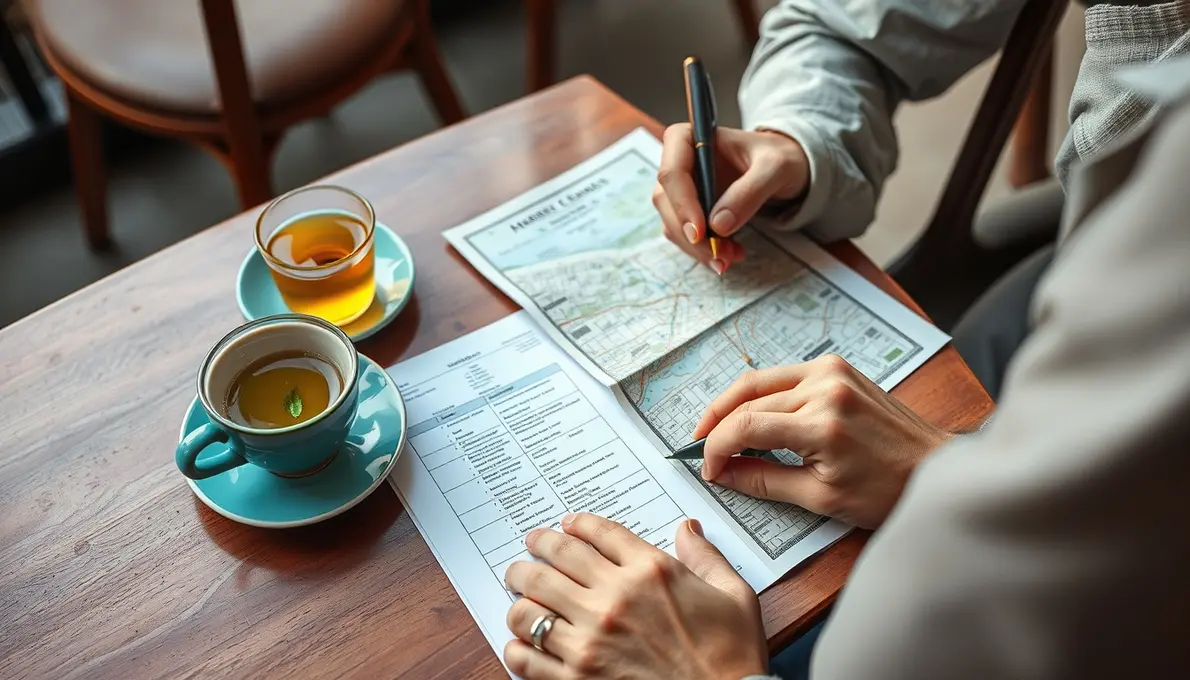
This is the practical, but absolutely crucial, section of your packing list Sahara desert. Ensuring you have the right documents, sufficient funds, and a secure way to carry your valuables will prevent headaches and allow you to fully immerse yourself in the desert experience.
Essential Travel Documents:
- Passport and Visa (if required): Make sure your passport has at least six months of validity remaining from your planned departure date from Morocco. Check visa requirements well in advance for your nationality.
- Copies of Documents: Carry photocopies or digital scans of your passport, visa, flight itinerary, and tour confirmations. Keep these separate from the originals.
- Travel Insurance Information: Don’t travel without comprehensive travel insurance. Keep your policy number and emergency contact details handy.
- Driver’s License (if applicable): If you plan on any self-driving, ensure you have your valid license and an International Driving Permit.
Money Matters:
- Local Currency (Moroccan Dirham): While credit cards are accepted in major cities, cash is king in the desert for smaller purchases, tips, and souvenirs. Have a good supply of smaller denominations.
- Credit/Debit Cards: Inform your bank of your travel dates to avoid card blocking. Carry a backup card in case one is lost or damaged.
- Money Belt or Secure Pouch: Keep your cash, cards, and passport secure and close to your body, especially during transit days and in crowded souks before reaching the desert.
Valuables and Electronics:
- Camera and Accessories: The Sahara offers incredible photo opportunities. Bring extra batteries, memory cards, and a lens cloth to combat dust. A dust-proof bag for your camera is highly recommended.
- Power Bank/Portable Charger: Essential for keeping your phone, camera, and other small electronics charged, as electricity access will be limited or non-existent in desert camps.
- Universal Travel Adapter: Morocco uses types C and E outlets.
- Phone: For photos, communication, and offline maps.
- Small, Lockable Daypack: Useful for daily excursions and keeping your immediate essentials safe.
- Avoid Excessive Valuables: It’s best to leave expensive jewelry or unnecessary electronics at home. The less you have to worry about, the more you can enjoy your adventure.
Preparing for Desert Photography and Connectivity
Capturing the magic of the Sahara is likely high on your agenda, and staying connected (or strategically disconnected) is part of a modern travel plan.
Camera Gear and Protection:
The desert is a photographer’s dream, but sand is a camera’s nightmare.
- Dust Protection: A good quality, sealed camera bag is essential. Consider rain covers or large Ziploc bags to shield your camera when not in use or during sandier conditions.
- Lens Cleaning Kit: Dust will inevitably get on your lenses. Pack a blower brush, micro-fiber cloths, and lens cleaning solution. Avoid wiping lenses with just any cloth, as sand particles can scratch them.
- Tripod: For stunning sunrise/sunset shots or astrophotography under the incredibly clear desert skies. A compact, lightweight travel tripod is perfect.
- Extra Batteries and Memory Cards: As mentioned, power sources are scarce. Load up on spare batteries and memory cards so you don’t miss a shot.
Staying Connected (or Disconnected):
- Pre-downloaded Entertainment: Long drives to and from the desert are common. Download movies, e-books, podcasts, or music to keep yourself entertained.
- Offline Maps: Crucial for navigation, even if you have a guide. Google Maps, Maps.me, or similar apps allow you to download regions for offline use.
- Portable Wi-Fi Device (Optional): While many desert camps offer limited Wi-Fi, it’s often unreliable and slow. If staying connected is a priority for work or personal reasons, consider a portable Wi-Fi device or a local SIM card (purchased in a city) for data. However, embracing the digital detox of the desert is often part of the experience!
A Note on Luggage and Organization
How you pack is almost as important as what you pack. Given the nature of desert travel, especially if you’re doing a camel trek or using 4×4 vehicles, luggage choice and internal organization make a big difference.
Choosing the Right Bag:
- Duffel Bag or Soft-Sided Luggage: These are generally preferred over hard-shell suitcases for desert trips. They are more flexible, easier to fit into tighter spaces (like camel saddlebags or vehicle trunks), and can withstand rougher handling.
- Daypack: A small, comfortable daypack (20-30 liters) is essential for carrying your daily essentials – water, snacks, camera, sunscreen, an extra layer – during excursions and camel treks.
Internal Organization:
- Packing Cubes: These are a lifesaver for keeping your clothes organized, compact, and dust-free. They also make it easy to find what you need without rummaging through your entire bag.
- Plastic Bags/Dry Bags: Use these to separate dirty laundry, keep electronics safe from sand and moisture, and protect items from potential spills. A few strong plastic bags are surprisingly versatile.
- Keep Valuables in Carry-On: If flying, always keep your most important documents, medications, and any valuable electronics in your carry-on luggage.
Remember to pack light but smart. Every item should have a purpose. Overpacking will only weigh you down. This comprehensive packing list Sahara desert is designed to equip you for a journey that promises both adventure and awe, ensuring you have everything you need to enjoy the magic of the Moroccan desert.
Conclusion
Preparing adequately for your Sahara Desert adventure is the first step towards an unforgettable experience. By meticulously following this packing list Sahara desert, you’ll be well-equipped to handle the unique climate and activities the desert offers, from scorching days to surprisingly cold nights, and from dusty tracks to breathtaking starry skies. Prioritizing sun protection, hydration, layering, and robust gear will ensure your comfort and safety. Remember that smart choices in your Morocco travel essentials will allow you to fully immerse yourself in the serene beauty and rich culture of the Sahara without unnecessary worries. Pack wisely, travel safely, and get ready for an adventure of a lifetime!
FAQs
What kind of shoes are best for walking in the Sahara Desert?
For walking in the Sahara Desert, comfortable, closed-toe shoes or hiking sandals are best. They should be sturdy enough to handle uneven, sandy terrain and protect your feet from thorns or sharp stones. Hiking boots are excellent for more extensive treks. Avoid open-toed shoes for prolonged walking, as sand can cause discomfort and blisters.
Do I need a separate bag for a desert camel trek, or can I use my main luggage?
For a desert camel trek, it’s highly recommended to use a small daypack or a soft duffel bag for your essentials during the specific trek portion. Your main luggage will typically be stored safely at the starting point (e.g., a hotel or designated storage area) and transported separately to the camp by vehicle, or you’ll only carry a small portion on the camel. The daypack should contain water, snacks, sunscreen, camera, and any immediate personal items you’ll need on the camel.
How much water should I carry daily in the Sahara Desert?
You should aim to carry at least 2-3 liters of water per person per day when actively exploring the Sahara Desert. Dehydration is a significant risk due to the intense sun and dry air. Most desert camps and tours provide drinking water, but having your own reusable bottle or hydration bladder ensures you always have immediate access, especially during camel treks or excursions away from the main camp.
Is electricity available in Sahara Desert camps for charging devices?
Many Sahara Desert camps, especially the more established ones, do offer some form of electricity, often generated by solar power. However, it’s typically limited, available only during specific hours, and might not be strong enough for all devices. It’s crucial to pack a high-capacity power bank or portable charger to keep your smartphone, camera, and other small electronics charged throughout your trip, as relying solely on camp electricity can be unreliable.



 Covers cities, coast, mountains, desert & food