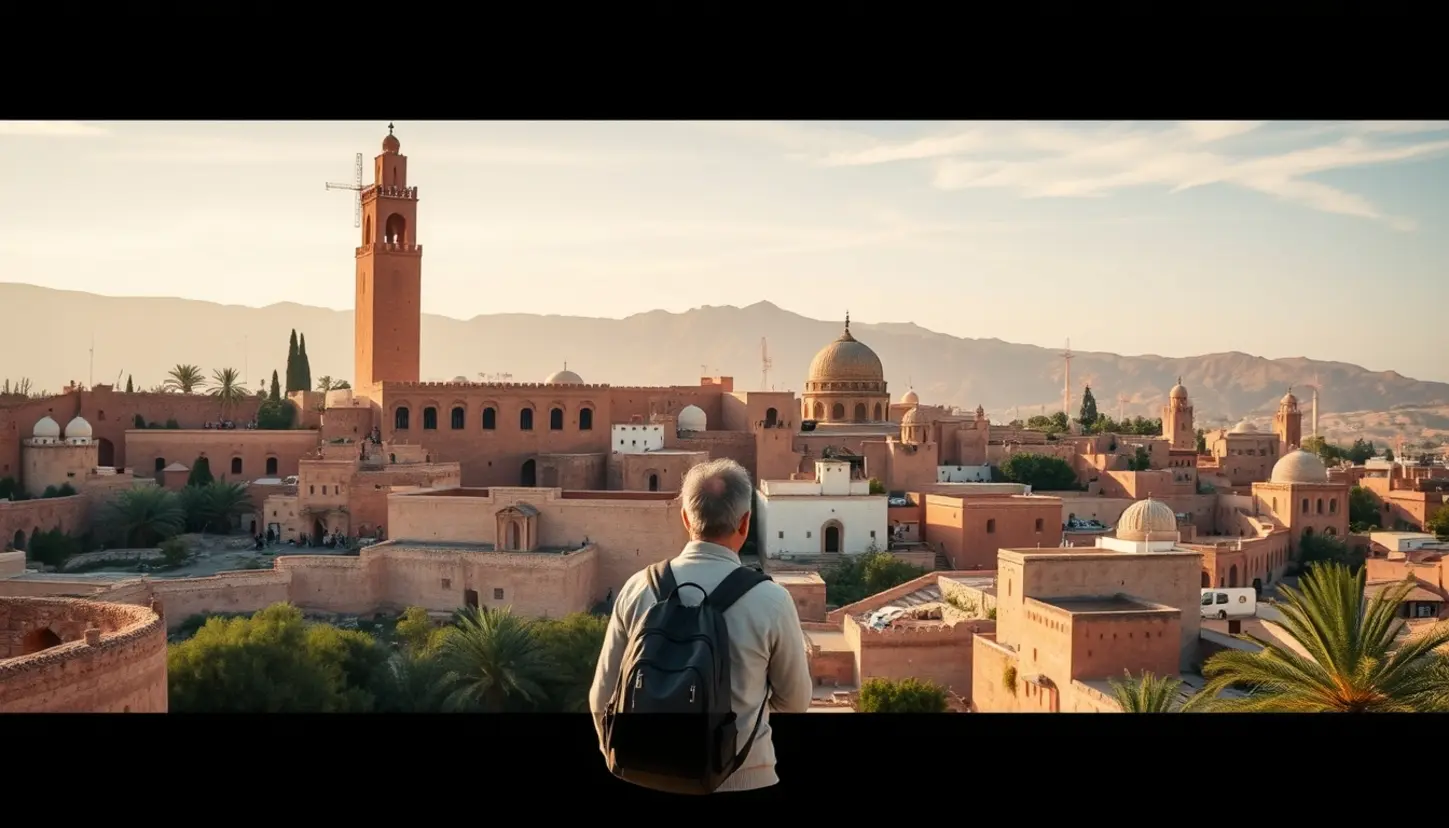
Nestled between two lush hills in the heart of Morocco, the town of Moulay Idriss Zerhoun holds a profound spiritual significance that draws travelers seeking a deeper connection to the country’s rich heritage. This comprehensive Moulay Idriss guide is designed for those spiritual travelers eager to discover the sanctity, history, and tranquil beauty of a place revered as the cradle of the first Arab dynasty in Morocco. Far more than just a picturesque town, Moulay Idriss is a living testament to centuries of tradition, faith, and the enduring legacy of its namesake, Moulay Idriss I. For anyone looking to immerse themselves in a uniquely Moroccan spiritual experience, this guide will illuminate the essential aspects of visiting this sacred destination.
Unveiling the Spiritual Heart of Moulay Idriss Zerhoun
Moulay Idriss Zerhoun isn’t just a collection of buildings; it’s a profound spiritual experience woven into the very fabric of its existence. As the final resting place of Moulay Idriss I, the great-grandson of the Prophet Muhammad and the founder of the first Islamic dynasty in Morocco, the town radiates an aura of reverence. For centuries, it was off-limits to non-Muslims, adding to its mystique. While these restrictions have eased, the deep respect for its sacred status remains palpable. Pilgrims from across Morocco and beyond flock here, especially during the Moussem, to pay homage, seek blessings, and connect with their spiritual roots.
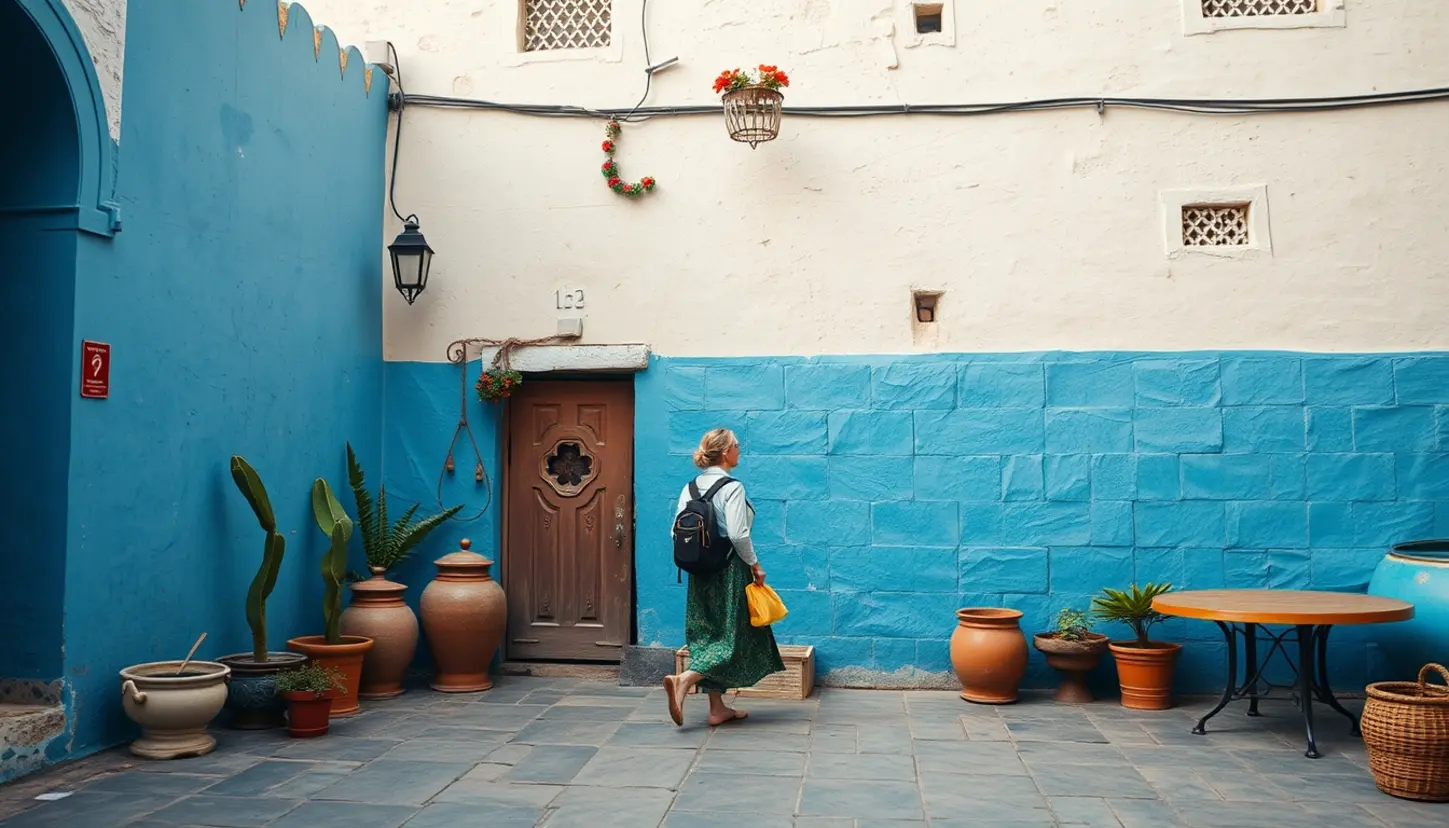
The town itself is a visual sermon, with houses clinging to the hillsides, creating a natural amphitheater around the central shrine. The architecture, predominantly white with splashes of green (the color of Islam), perfectly complements the serene landscape. Walking its narrow, winding alleys, you’ll encounter a quiet dignity, a sense of shared purpose among its residents and visitors. It’s a place where the past feels ever-present, where the whispers of history mingle with the prayers of the devout. This atmosphere is what truly sets it apart, offering a spiritual journey unlike any other.
Navigating the Hallowed Alleys: Key Moulay Idriss Attractions
While Moulay Idriss doesn’t boast grand museums or expansive historical sites in the conventional sense, its attractions lie in its authenticity and deep cultural resonance. The primary focal point is, without doubt, the Mausoleum of Moulay Idriss I. Though non-Muslims cannot enter the inner sanctum where the tomb resides, the exterior courtyard and the surrounding areas offer a profound glimpse into Moroccan religious practices. Observing the pilgrims, listening to the murmurs of prayer, and seeing the earnest devotion is an attraction in itself. The beautifully tiled minaret, the only cylindrical minaret in Morocco, is also a distinctive landmark, often adorned with verses from the Quran.
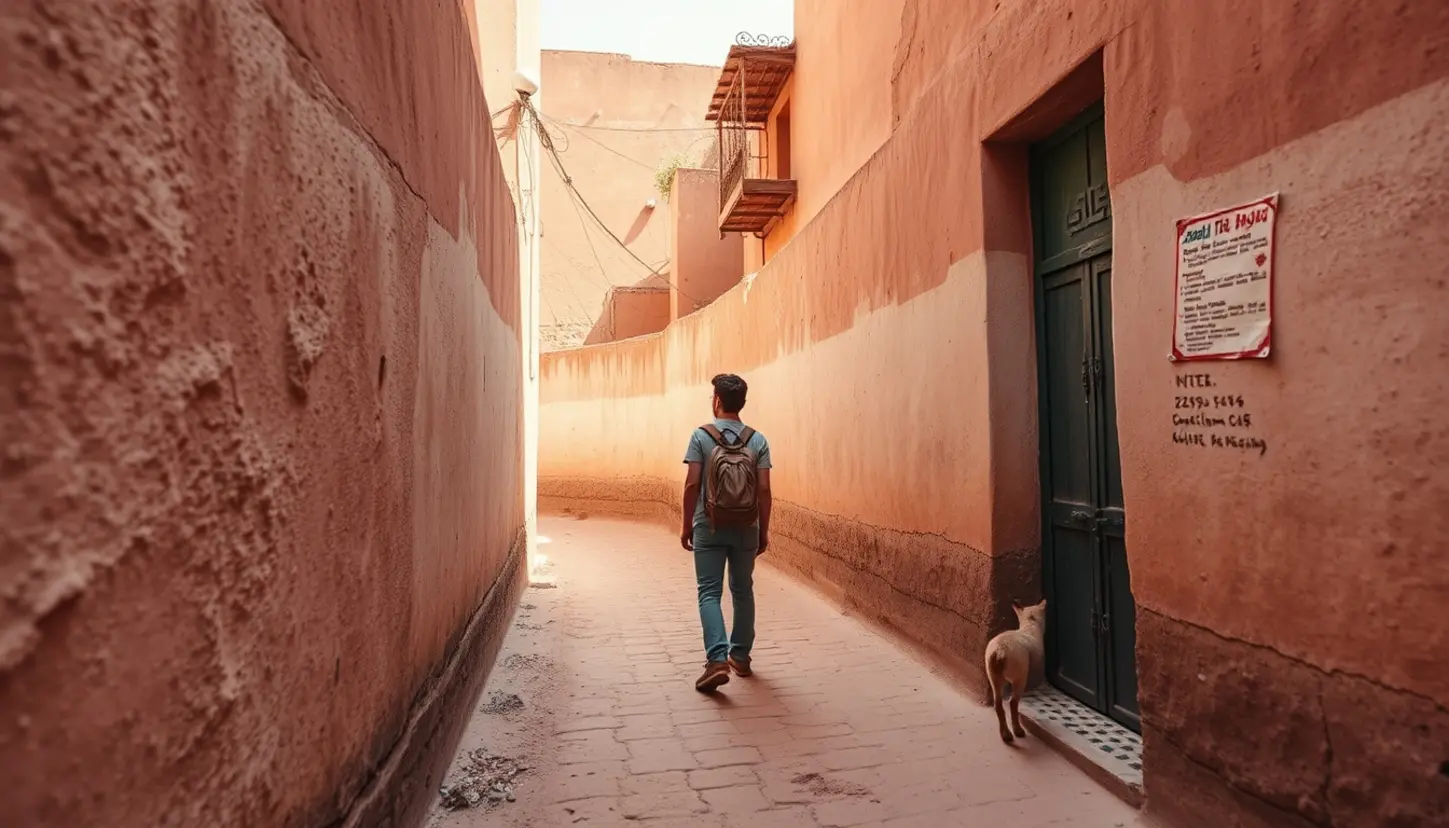
Beyond the mausoleum, simply wandering the labyrinthine streets is an immersive experience. You’ll stumble upon local bakeries, small artisan shops, and traditional hammams. The town’s two main souks (markets) are vibrant hubs where locals go about their daily lives, selling everything from fresh produce to traditional crafts. These ordinary scenes provide extraordinary insight into the everyday rhythm of this sacred town. Don’t miss the panoramic views from the “Grand Terrace” or “Terrace of Sidi Abdallah al-Hadj,” which offers breathtaking vistas of the town, the Zerhoun mountains, and the ancient Roman ruins of Volubilis in the distance. This visual connection between the ancient and the spiritual is one of the most compelling Moulay Idriss attractions.
Immersing in Local Traditions: Experiences Beyond Sightseeing
To truly appreciate Moulay Idriss, it’s essential to move beyond passive observation and engage with its living culture. A unique experience here is witnessing the age-old practice of pilgrimage rituals. While non-Muslims are often respectfully kept separate from the most sacred rites, observing the processions, the communal prayers, and the profound spiritual intensity during the annual Moussem (festival) offers an unparalleled insight into Moroccan faith. This event, usually in late August or early September, is a kaleidoscope of tradition, music, and fervent devotion.
Another deeply rewarding experience is interacting with the locals. The people of Moulay Idriss are generally welcoming and proud of their heritage. Engaging in simple conversations, perhaps over a glass of mint tea, can open doors to understanding their way of life and the significance of their town. Many guesthouses are run by local families, offering an authentic insight into Moroccan hospitality and cuisine. Learning a few basic Darija (Moroccan Arabic) phrases like “Salam Alaikum” (peace be upon you) and “Shukran” (thank you) can greatly enhance these interactions, fostering a connection that transcends language barriers.
The Journey to Moulay Idriss: Access and Orientation
Reaching Moulay Idriss is part of the adventure. The town is conveniently located about 27 kilometers north of Meknes and just 4 kilometers from the ancient Roman city of Volubilis, making it an ideal day trip or overnight stay from either Fes or Meknes.
From Fes or Meknes, the most common way to arrive is by grand taxi. These shared taxis are a cost-effective and authentic way to travel. From Meknes, you can catch a grand taxi from the main taxi stand near Bab Mansour or the Place el Hedim. The drive usually takes about 45 minutes to an hour from Meknes and offers scenic views of the Moroccan countryside, passing through olive groves and small villages.
Upon arrival, grand taxis typically drop you off at the lower entrance of the town or near the main square. Given the town’s hilly terrain and narrow, pedestrian-only alleys, exploring Moulay Idriss is best done on foot. Be prepared for uphill and downhill walks, and comfortable shoes are a must. The town is small enough to navigate without a guide if you have a good sense of direction, but a local guide can significantly enrich your experience by providing historical context and helping you navigate the more intricate pathways. Don’t be shy about asking for directions; locals are usually happy to point you in the right direction.
A Taste of Moulay Idriss: Culinary Discoveries
While Moulay Idriss isn’t a gastronomic capital, its charm lies in its authentic, home-style Moroccan cuisine. Dining here is an intimate affair, often in family-run eateries or guesthouses. The focus is on fresh, seasonal ingredients and traditional preparation methods.
Expect classic Moroccan dishes like tagine, slow-cooked stews typically made with chicken, lamb, or vegetables, infused with aromatic spices. Couscous, usually served on Fridays, is another staple, often accompanied by tender meat and a medley of vegetables. Don’t miss trying local variations, which might feature ingredients unique to the Zerhoun region.
For a quick snack, you’ll find stands selling traditional Moroccan pastries, fresh bread baked in communal ovens, and refreshing mint tea. The olive groves surrounding Moulay Idriss mean that fresh, local olive oil is abundant and often featured in dishes. Seek out small, unpretentious restaurants for the most authentic experience; they might not have fancy décor, but the flavors are usually rich and satisfying. Enjoying a meal with a view of the town or the surrounding hills adds to the charm, making dining here part of the overall cultural immersion.
Planning Your Sacred Sojourn: Practical Tips for Travelers
Visiting Moulay Idriss requires a blend of cultural sensitivity and practical preparation. Here are some essential tips for a smooth and respectful journey:
Dress Code: Given the town’s sacred status, modest dress is highly recommended. For women, this means covering shoulders and knees; for men, trousers and shirts are appropriate. While not strictly enforced for non-Muslims in common areas, dressing respectfully demonstrates your understanding and appreciation of the local culture. When visiting the vicinity of the mausoleum, even more conservative attire is advisable.
Respectful Conduct: Remember that Moulay Idriss is a working pilgrimage site, not just a tourist destination. Be mindful of those engaged in prayer or religious rituals. Avoid loud conversations or disruptive behavior, especially near the mausoleum. Always ask for permission before taking photos of people, particularly women.
Footwear: As mentioned, the town has steep, uneven cobblestone streets. Comfortable walking shoes are a non-negotiable item for your packing list.
Accommodation: While many visitors opt for a day trip, staying overnight offers a deeper connection to the town’s peaceful evening atmosphere. There are a handful of charming guesthouses (dars or riads) within Moulay Idriss, often offering stunning views and a warm, personalized experience. Booking in advance, especially during peak season or the Moussem, is advisable.
Dealing with Guides: Upon arrival, you might be approached by unofficial guides. While some can be genuinely helpful, always clarify costs and services upfront. If you prefer a guided experience, it’s best to arrange one through your accommodation or a reputable tour operator.
Photography: Moulay Idriss is incredibly photogenic. Capture the vibrant street scenes, the unique architecture, and the panoramic vistas. However, always exercise discretion and respect when photographing individuals or religious ceremonies.
Language: While Arabic and Berber are the primary languages, some locals, especially those working in tourism, will speak French, and a smaller number will speak English. Learning a few basic Arabic phrases will go a long way in fostering good relations.
Beyond the Town: Combining Moulay Idriss with Volubilis and Meknes
One of the great advantages of visiting Moulay Idriss is its proximity to other significant Moroccan sites, making it an excellent anchor for a multi-faceted travel experience.
Volubilis: Just a short 4-kilometer walk or taxi ride from Moulay Idriss, the ancient Roman ruins of Volubilis are a UNESCO World Heritage site and a stark contrast to the spiritual nature of Moulay Idriss. These remarkably preserved ruins, with their intricate mosaics, grand arches, and a monumental basilica, offer a captivating glimpse into Roman life in North Africa. Visiting both sites in a single day provides a journey through millennia of Moroccan history, from Roman antiquity to the dawn of the Islamic era.
Meknes: The imperial city of Meknes, located about 45 minutes by grand taxi, offers yet another layer to your Moroccan adventure. Once a magnificent capital under Sultan Moulay Ismail, Meknes is known for its colossal gates, vast granaries, and the impressive Mausoleum of Moulay Ismail. Its medina is a vibrant hub of activity, less overwhelming than Fes but equally authentic. Combining Moulay Idriss, Volubilis, and Meknes allows you to explore imperial history, ancient civilizations, and sacred traditions within a manageable geographical area. This strategic grouping maximizes your travel time and deepens your understanding of Morocco’s multifaceted past.
The Enduring Allure: Why Moulay Idriss Captivates Spiritual Travelers
Moulay Idriss stands out in Morocco as a place that transcends typical tourism. Its allure for spiritual travelers lies in its profound authenticity and unwavering devotion. It’s a town that has largely remained untouched by the rapid commercialization seen in other destinations, preserving its sacred character and welcoming atmosphere. For those seeking introspection, cultural immersion, and a genuine connection to Moroccan history and faith, this town offers a sanctuary.
The quiet reverence that permeates the air, the sight of pilgrims making their journey, the intricate architecture steeped in symbolism, and the stunning natural backdrop of the Zerhoun Mountains all contribute to an experience that resonates deeply. It’s a reminder of Morocco’s spiritual foundations and its rich religious heritage, offering a unique window into the soul of the country. For a comprehensive Moulay Idriss guide, this sacred town presents an opportunity to step back in time and connect with a spiritual legacy that continues to define a nation.
Conclusion
Moulay Idriss offers a truly unique and enriching experience for the spiritual traveler. From its hallowed mausoleum and the panoramic views to its vibrant local life and profound historical significance, every aspect of this town invites contemplation and discovery. This Moulay Idriss guide has aimed to equip you with the knowledge and insights necessary to navigate this special place with respect and appreciation, ensuring your visit is both memorable and meaningful. Whether you come for a few hours or linger for a longer stay, the spiritual essence of Moulay Idriss is sure to leave an indelible mark on your journey through Morocco.
FAQs
Is Moulay Idriss open to non-Muslims?
Yes, Moulay Idriss is open to non-Muslim visitors. While the inner sanctum of the Mausoleum of Moulay Idriss I remains accessible only to Muslims, non-Muslims are welcome to explore the town, its courtyards, local markets, and enjoy the panoramic views. Respectful dress and behavior are encouraged.
How much time should I allocate for visiting Moulay Idriss?
Most visitors spend a half-day to a full day exploring Moulay Idriss. If you plan to combine it with a visit to the nearby Roman ruins of Volubilis, a full day is recommended. For a more immersive experience, including staying overnight in a guesthouse, you might consider a two-day trip.
Are there good places to eat in Moulay Idriss?
Yes, while not a culinary hotspot, Moulay Idriss offers several local eateries and guesthouses serving authentic Moroccan cuisine, such as tagines, couscous, and pastries. These are often family-run, providing a genuine taste of local flavors in a simple, welcoming atmosphere.
What is the best time of year to visit Moulay Idriss?
The spring (March to May) and autumn (September to November) months are generally the most pleasant, with mild temperatures ideal for walking and exploring. Summers can be very hot, and winters can be chilly and sometimes wet. If you wish to experience the annual Moussem (religious festival), check local calendars for its specific dates, usually in late August or early September.



 Covers cities, coast, mountains, desert & food