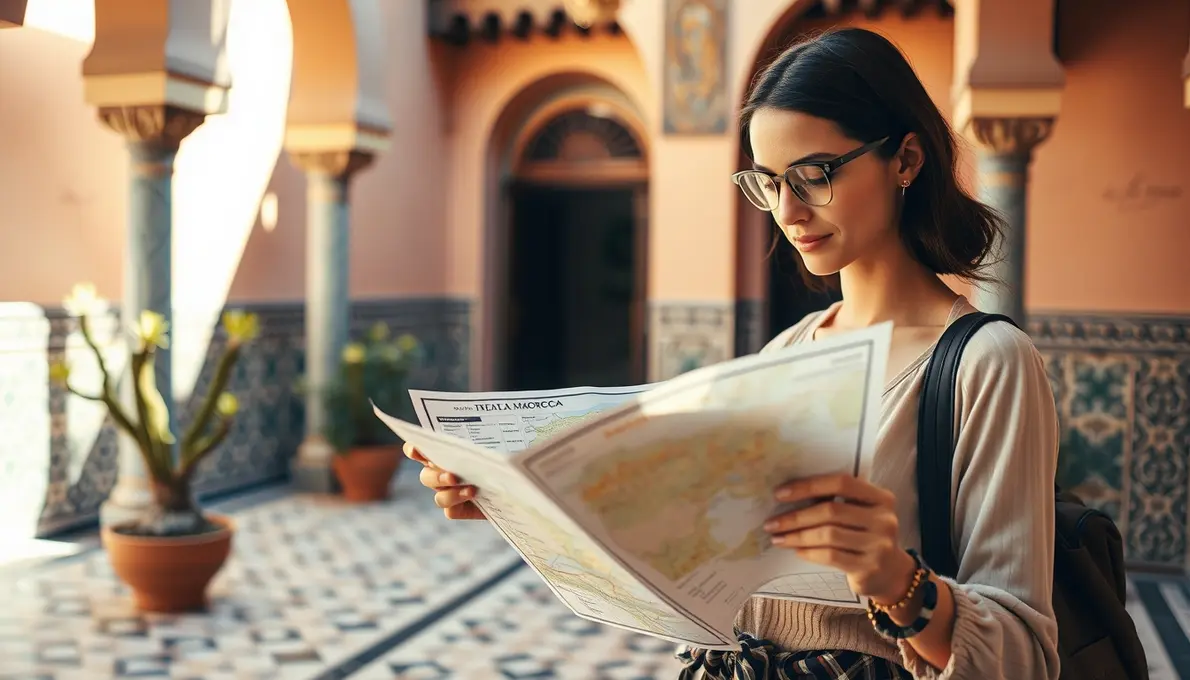
When planning your adventure to Morocco, understanding and preparing for its diverse climate is paramount to a comfortable and enjoyable trip. Effective Morocco weather preparation isn’t just about checking a forecast; it’s about anticipating the significant regional variations and seasonal shifts that can transform your experience. From the sun-baked Sahara to the cooler Atlas Mountains and the temperate coastal cities, what you pack and how you plan your days will be heavily influenced by the specific weather conditions you’re likely to encounter. This guide will walk you through essential considerations, ensuring you’re well-equipped for whatever Moroccan weather comes your way.
Understanding Morocco’s Climate Zones for Effective Preparation
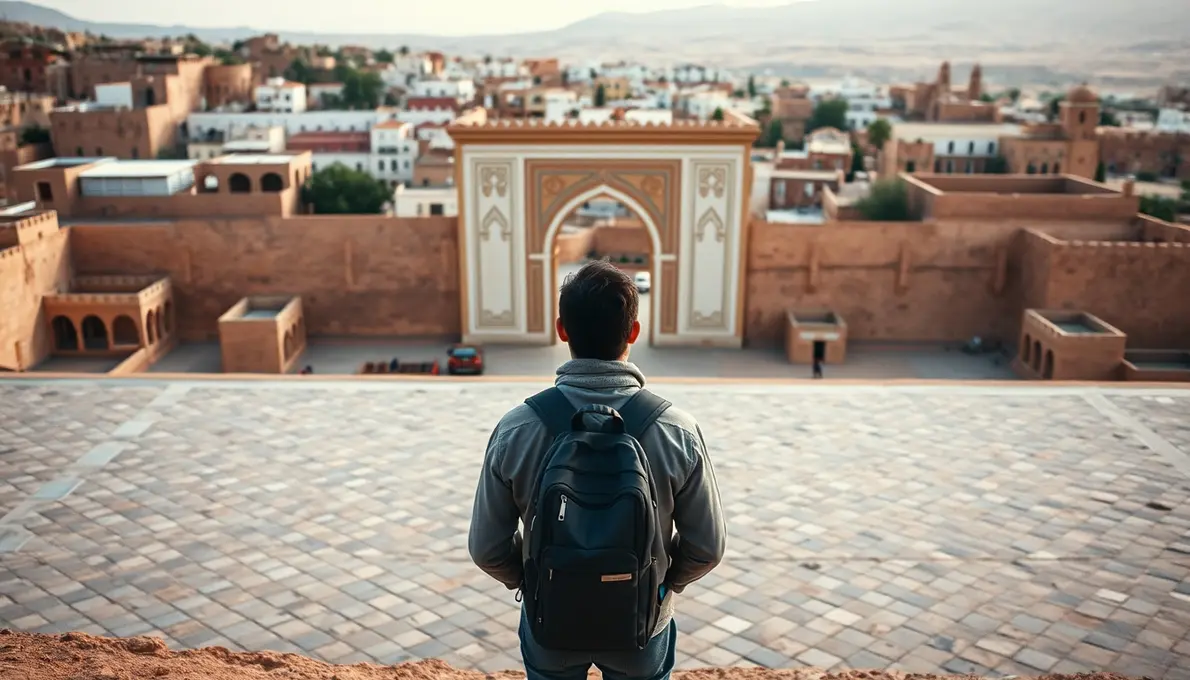
Morocco is a country of striking geographical contrasts, and with these come distinct climate zones. North of the Atlas Mountains, the climate is Mediterranean, characterized by hot, dry summers and mild, wet winters. This includes popular cities like Marrakech, Fes, Meknes, and the coastal areas such as Casablanca, Rabat, and Essaouira. South of the Atlas, you enter the pre-Saharan and Saharan regions, where temperatures soar, and rainfall is minimal year-round. The Atlas Mountains themselves experience colder winters with snow, and warm, sunny summers. Proper Morocco weather preparation means recognizing which of these zones you’ll be traveling through and at what time of year.
For instance, a summer trip to Marrakech demands lightweight, breathable clothing, sun protection, and a strategy for staying hydrated during the intense midday heat. In contrast, a winter visit to the same city might require layers, as evenings can be surprisingly cool, with occasional rain. If your itinerary includes a trek in the High Atlas Mountains during spring, you could easily start the day in a t-shirt and end it bundled in a fleece jacket and waterproof shell as you gain altitude or encounter an unexpected shower.
Coastal areas, influenced by the Atlantic Ocean, generally offer a more temperate climate than inland cities. Essaouira, for example, often enjoys a refreshing breeze even in summer, making it a wonderful escape from the inland heat, but also necessitating a light jacket for evenings. Understanding these climatic nuances is the first step in successful Morocco weather preparation, dictating everything from your wardrobe choices to your daily activity scheduling.
Essential Packing Strategies for Morocco’s Diverse Weather
Packing for Morocco requires a thoughtful approach, balancing practicality with cultural sensitivity. Given the country’s varied climate zones, your packing list will heavily depend on your itinerary and the season of your travel. However, some core principles remain consistent for effective Morocco weather preparation.
First and foremost, layering is your best friend. Even within a single day, temperatures can fluctuate significantly, especially in mountainous or desert areas. Start with a moisture-wicking base layer, add a t-shirt or long-sleeved top, and bring a warm fleece or jumper. A waterproof and windproof outer shell is also non-negotiable, particularly if you plan to visit the mountains or travel during the cooler months. For desert excursions, while days are scorching, nights can be surprisingly chilly, underscoring the need for warm clothing even in the Sahara.
Consider fabrics carefully. Lightweight, breathable materials like linen, cotton, and quick-drying synthetics are ideal for hot weather, keeping you cool and comfortable. For cooler conditions, wool or fleece provides warmth without excessive bulk. When it comes to footwear, comfort is key. Sturdy, broken-in walking shoes or sandals are essential for exploring medinas, ancient ruins, and natural landscapes. If you’re hiking in the Atlas Mountains or trekking in the desert, proper hiking boots are a must.
Sun protection should be high on your list regardless of the season. A wide-brimmed hat, good quality sunglasses, and high SPF sunscreen are vital to protect against Morocco’s potent sun. Don’t underestimate the sun’s intensity even on seemingly cooler days or at higher altitudes.
Culturally appropriate clothing is also a crucial aspect of Morocco weather preparation. While Morocco is generally welcoming, dressing modestly demonstrates respect for local customs. For women, this typically means covering shoulders and knees, avoiding overly revealing outfits. Loose-fitting trousers, maxi skirts, and long-sleeved tops are excellent choices that are both comfortable in the heat and respectful. Men will find shorts acceptable in tourist areas, but long trousers are often preferred for visiting religious sites or in more conservative regions.
Access to clean drinking water is less of an issue in cities, but when traveling through rural areas or desert landscapes, carrying a reusable water bottle and knowing where to refill it is a smart move. Hydration is vital for adapting to the climate, especially during hotter periods. A small first-aid kit with essentials for minor scrapes, blisters, and any personal medications, as well as rehydration salts, is also a useful addition to your packing. For detailed guidance on desert-specific items, refer to this Morocco weather preparation. Thinking through these packing specifics ensures you’re ready for any temperature swing or activity, making your trip much more enjoyable.
Seasonal Weather Expectations Across Morocco
Morocco’s seasons present distinct experiences, each with its own weather patterns that demand specific Morocco weather preparation. Understanding these seasonal shifts is crucial for planning your visit and packing appropriately.
Spring (March to May)
Spring is widely regarded as one of the best times to visit Morocco. The weather is generally pleasant across most of the country, with warm, sunny days and mild evenings. Temperatures in Marrakech and Fes typically range from 20-30°C (68-86°F), making it ideal for exploring cities without the intense summer heat. The Atlas Mountains are stunning at this time, with melting snow creating verdant valleys and wildflowers blooming. Hiking is excellent, though higher elevations can still be cool, so layers are essential. The desert begins to warm up but is generally comfortable for treks and overnight stays. Expect occasional light rain showers, especially in the north and mountains. Morocco weather preparation for spring should include light clothing for daytime, a sweater or light jacket for evenings, comfortable walking shoes, and rain gear.
Summer (June to August)
Summer in Morocco is characterized by intense heat, particularly inland and in the desert. Marrakech and Fes can see temperatures regularly exceed 35°C (95°F), sometimes reaching 40°C (104°F) or higher. The Sahara Desert becomes extremely hot during the day, making midday activities challenging, though nights are still relatively warm. Coastal cities like Essaouira and Agadir offer a respite, with cooler temperatures and refreshing sea breezes, typically ranging from 25-30°C (77-86°F). This is an ideal time for beach holidays or exploring the coast. If traveling inland, plan activities for early mornings and late afternoons, and seek shade during midday. Morocco weather preparation for summer requires lightweight, loose-fitting, breathable clothing, a wide-brimmed hat, sunglasses, high SPF sun cream, and a reusable water bottle. Staying well-hydrated is paramount.
Autumn (September to November)
Autumn, like spring, is an excellent time to visit Morocco. The scorching summer heat begins to recede, bringing back comfortable temperatures across most regions. Marrakech and Fes enjoy warm, sunny days around 25-30°C (77-86°F), gradually cooling as November approaches. The desert becomes more pleasant for exploration, with warm days and cool, clear nights. The Atlas Mountains are also beautiful, with crisp air and changing foliage, creating perfect conditions for trekking. While generally dry, November can see an increase in rainfall, especially in the north. Morocco weather preparation for autumn should mirror spring: layers, a light jacket for evenings, comfortable shoes, and perhaps a light umbrella or waterproof layer for later in the season.
Winter (December to February)
Winter in Morocco brings cooler temperatures, especially inland and at night. Marrakech and Fes experience mild days around 15-20°C (59-68°F), but evenings can drop significantly, often to single digits Celsius (40s Fahrenheit). The Atlas Mountains are cold, with significant snowfall, making them a destination for skiing and winter sports, though many mountain passes can be closed. The Sahara Desert has mild, sunny days, perfect for camel treks, but nights are very cold, often dropping below freezing. Coastal areas remain relatively mild, around 15-18°C (59-64°F), with occasional rain. Morocco weather preparation for winter requires warm clothing, including sweaters, fleeces, a warm jacket, hats, and gloves, particularly if visiting the desert or mountains. Waterproof layers are also advisable, especially for northern and coastal regions.
Practical Tips for Staying Comfortable in Varying Moroccan Climates
Navigating Morocco’s diverse climates efficiently means adopting certain practical habits and planning strategies. Beyond just packing the right gear, your daily routine and choices can significantly impact your comfort and enjoyment.
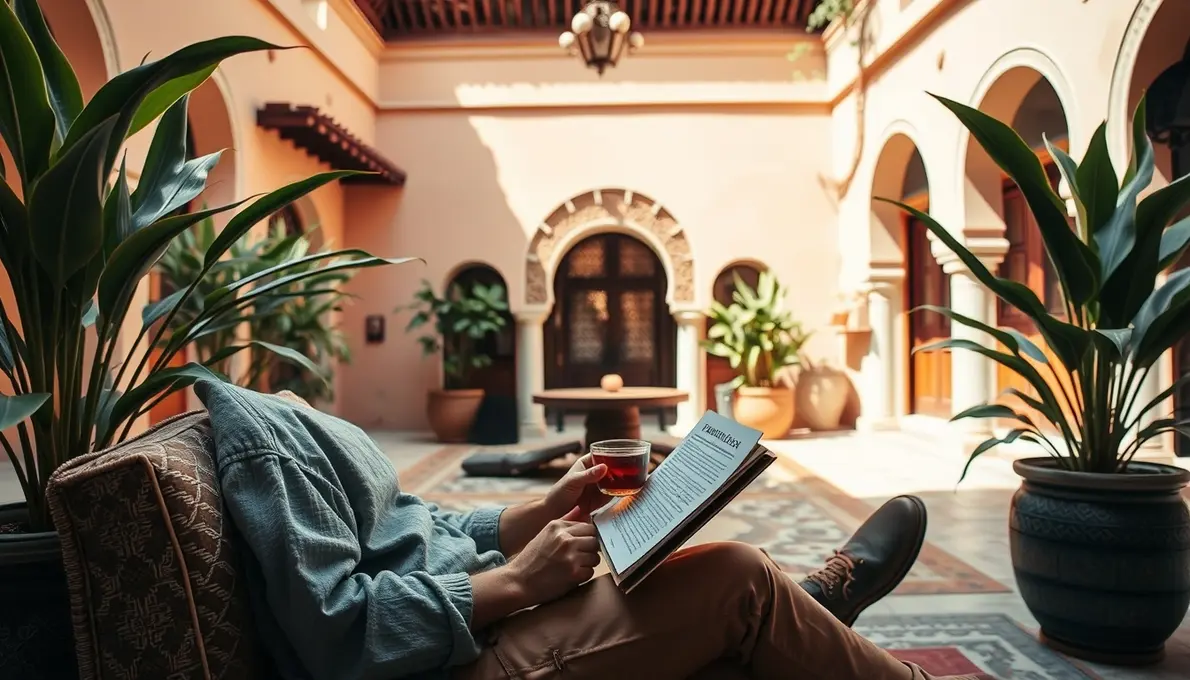
One key aspect of Morocco weather preparation is managing sun exposure, especially in summer or during desert excursions. Plan your strenuous activities, such as exploring medinas or hiking, for the cooler parts of the day – early mornings and late afternoons. Utilize the midday heat for leisurely meals, relaxing in a riad’s courtyard, or visiting indoor attractions like museums. Always seek shade when possible, wear a wide-brimmed hat, and apply sunscreen regularly.
Hydration is critical, regardless of the season. Morocco’s dry air, coupled with heat, can lead to dehydration quicker than you might expect. Always carry a reusable water bottle. While tap water is generally safe in larger cities, many travelers prefer bottled water. If you’re concerned, purification tablets or a filter bottle can provide peace of mind. Herbal teas, especially the Moroccan mint tea, are also excellent for hydration and widely available.
Footwear choice significantly impacts your comfort. You’ll be doing a lot of walking, often on uneven surfaces in medinas or sandy paths in the desert. Comfortable, supportive shoes are invaluable. If your itinerary includes treks, ensure you have appropriate hiking boots. For city exploration, breathable sandals or sturdy athletic shoes are best. Remember to break them in before your trip!
Adapting to cultural norms extends to how you dress. While this was mentioned in packing, it’s worth reiterating for comfort. Loose-fitting, long clothing not only respects local customs but also provides excellent sun protection and allows for better airflow, keeping you cooler in hot weather. For women, a lightweight scarf is a versatile item: it can be used for head covering when visiting religious sites, as a shoulder wrap if temperatures drop, or for sun protection.
Consider the time of year for specific activities. If your primary goal is a Sahara Desert trek, consider spring or autumn to avoid extreme temperatures. For hiking in the Atlas Mountains, spring, summer, and early autumn offer the best conditions, though winter provides a unique snowy experience for those prepared. Coastal towns are pleasant almost year-round, offering a mild escape from inland extremes. Consulting reliable sources like weather packing tips can further refine your planning. By integrating these practical tips into your travel strategy, your Morocco weather preparation will be thorough, ensuring a more comfortable and authentic experience.
Navigating Unexpected Weather Changes and Contingency Planning
Despite thorough Morocco weather preparation, nature can sometimes throw a curveball. Unexpected changes in weather, though less common in Morocco’s generally predictable climate, can occur. Having a contingency plan ensures these surprises don’t derail your trip.
One of the most common unexpected weather events can be rain, particularly during winter and shoulder seasons, or even flash floods in certain desert or mountain areas after heavy downpours. Always carry a lightweight, packable rain jacket or a small umbrella, even if the forecast predicts clear skies. If your itinerary involves mountain passes, particularly in winter, be aware that heavy snow can close roads, potentially affecting travel plans. Keeping an eye on local news or asking your riad hosts about road conditions is a good practice. Having flexible bookings or alternative routes in mind can be a lifesaver.
Desert travel, while magical, also comes with its specific weather considerations. Sandstorms, though relatively rare and usually predictable, can occur. If a sandstorm is imminent, listen to local advice, which will often involve staying indoors or seeking shelter. A scarf or bandana can be invaluable for covering your face and eyes in dusty conditions. Always discuss potential weather impacts with your desert tour operator before and during your trip. They are best equipped to make decisions regarding safety and route changes.
Heatwaves in summer, especially in inland cities, can be more intense than anticipated. Even if you’ve packed for heat, an extreme heatwave might warrant adjusting your schedule further, focusing on indoor activities during peak heat and ensuring constant hydration. Seeking accommodation with air conditioning or a pool can be a wise investment during these times.
Conversely, colder snaps in winter, particularly in the desert or mountains, can bring temperatures lower than expected. If you’re planning a desert camp stay, confirm your tour operator provides adequate bedding and warmth for cold nights. Carrying extra layers like thermal underwear or a warm hat and gloves can make a huge difference to your comfort.
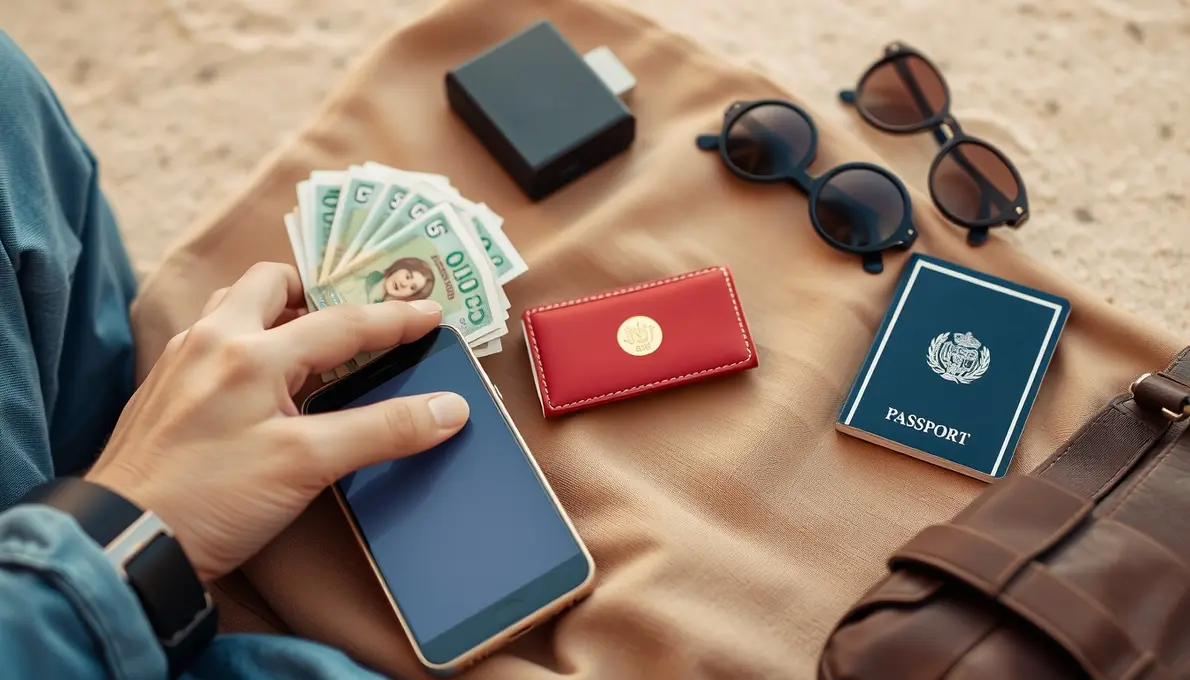
Always have a communication plan for emergencies. Ensure your phone is charged, and you have copies of important numbers (local contacts, embassy, insurance). Inform someone of your itinerary, especially if you’re venturing into remote areas. While Morocco is a safe country for travelers, being prepared for any eventuality, including weather-related disruptions, is a smart component of comprehensive Morocco weather preparation. Local guides and hosts are invaluable resources for real-time weather information and advice; don’t hesitate to consult them.
Conclusion
Effective Morocco weather preparation is undeniably a cornerstone of a successful and enjoyable journey through this vibrant country. By understanding its diverse climate zones, adopting smart packing strategies, aligning your activities with seasonal expectations, and preparing for unexpected changes, you can ensure a comfortable and memorable experience. Whether you’re navigating the bustling medinas, trekking the majestic Atlas Mountains, or gazing at the starlit Sahara, being well-prepared for the weather will allow you to fully immerse yourself in the magic of Morocco. This proactive approach to Morocco weather preparation will undoubtedly enhance your adventure.
FAQs
What is the best time of year to visit Morocco for good weather?
The “best” time depends on your planned activities. Generally, spring (March to May) and autumn (September to November) offer the most pleasant weather across the country, with warm days and mild evenings, ideal for city exploration, mountain trekking, and desert visits. Summer is very hot inland but perfect for coastal areas, while winter is cooler and brings snow to the mountains, offering a unique experience for those prepared for cold nights in the desert.
What kind of clothing should I pack for Morocco?
Layering is key due to temperature fluctuations. Pack lightweight, breathable fabrics like cotton or linen for warm weather, and bring warmer layers like fleece or sweaters for cooler evenings, especially in winter or when visiting the desert/mountains. A waterproof and windproof jacket is also advisable. Culturally, modest clothing that covers shoulders and knees is recommended out of respect for local customs, and also provides good sun protection.
Do I need special gear for the Sahara Desert?
Yes, Morocco weather preparation for the desert requires specific items. While days can be extremely hot, nights can drop to surprisingly cold temperatures, especially in winter. Pack warm clothing for the evenings (fleece, warm jacket, hat, gloves). During the day, wear loose, breathable clothing, a wide-brimmed hat, sunglasses, and high SPF sunscreen. A headscarf is useful for sun protection and against dust. Sturdy, comfortable shoes are essential for walking in sand.
How can I stay cool in Morocco’s summer heat?
In summer, prioritize hydration by drinking plenty of water and mint tea. Plan your outdoor activities for the early mornings or late afternoons, avoiding the intense midday sun. Seek shade, wear a wide-brimmed hat, sunglasses, and loose, light-colored clothing. Staying in accommodation with air conditioning or a pool can also offer significant relief during the hottest parts of the day.



 Covers cities, coast, mountains, desert & food