Crafting the perfect Morocco travel schedule for authentic culture and food experiences requires more than just mapping out locations; it demands an understanding of the rhythm of daily life, the flow of traditional markets, and the social importance of meal times. This guide will help you weave these essential elements into your itinerary, ensuring your trip transcends typical tourism and offers genuine immersion.
The Art of Slow Travel: Integrating Cultural Rhythms into Your Morocco Travel Schedule
When planning your Morocco travel schedule, resisting the urge to pack too much into each day is paramount, especially if you seek authentic cultural and food experiences. Morocco thrives on a different pace, one that prioritizes connection, conversation, and the unhurried enjoyment of daily rituals. Rushing from one attraction to another can lead to missed opportunities for genuine interaction – a shared mint tea with a shopkeeper, an impromptu cooking demonstration, or simply observing the intricate dance of life in a medina.
Consider scheduling longer stops in fewer locations. For instance, rather than a quick day trip, dedicate two or three full days to a city like Fes or Marrakech. This allows you to explore beyond the main squares, wander into local neighborhoods, and discover hidden gems only accessible by getting lost (in a good way!). Mornings are often bustling with market activity, perfect for food exploration, while afternoons might be better suited for exploring historical sites or relaxing in a riad. Evenings, of course, are for delicious dinners and strolling the illuminated medina. Embracing this slower approach opens doors to unexpected encounters and deeper cultural understanding. You’ll find yourself not just seeing Morocco, but feeling it.
Navigating Meal Times and Culinary Immersion in Your Itinerary
Food is arguably one of the most vibrant entry points into Moroccan culture, and understanding its rhythm is key to optimizing your Morocco travel schedule for culinary immersion. Unlike some Western schedules, Moroccan meal times are distinct and often revolve around family and community. Breakfast ( ftour ) is typically light, served from early morning, and often enjoyed at home or a simple café. Think fresh bread, olives, honey, olive oil, and mint tea. Lunch ( ghda ) is the main meal of the day, usually eaten between 1 pm and 3 pm. This is when families gather, and you’ll find restaurants and street food stalls busiest. Dinner ( asha ) is later, often not before 8 pm, and can extend well into the evening, especially during warmer months or after the breaking of the fast during Ramadan.
To truly experience Moroccan cuisine, plan your days around these meal times. Dedicate mornings to visiting local souks for ingredients, perhaps even joining a cooking class that starts with a market trip. Lunch can be an opportunity to sample tagines or couscous in a bustling local eatery, or perhaps a more elaborate meal in a riad. Evenings offer the chance to savor street food delights in Jemaa el-Fna in Marrakech or enjoy a leisurely dinner in a traditional restaurant. Consider a food tour early in your trip to get acquainted with local delicacies and dining etiquette. Remember that during Ramadan, the meal schedule shifts dramatically, with most eating after sunset, which can impact restaurant opening hours for non-fasting visitors. Being aware of this seasonality is crucial for a smooth Moroccan meal times experience.
Crafting a Thematic Journey: Beyond the Standard Tourist Trail
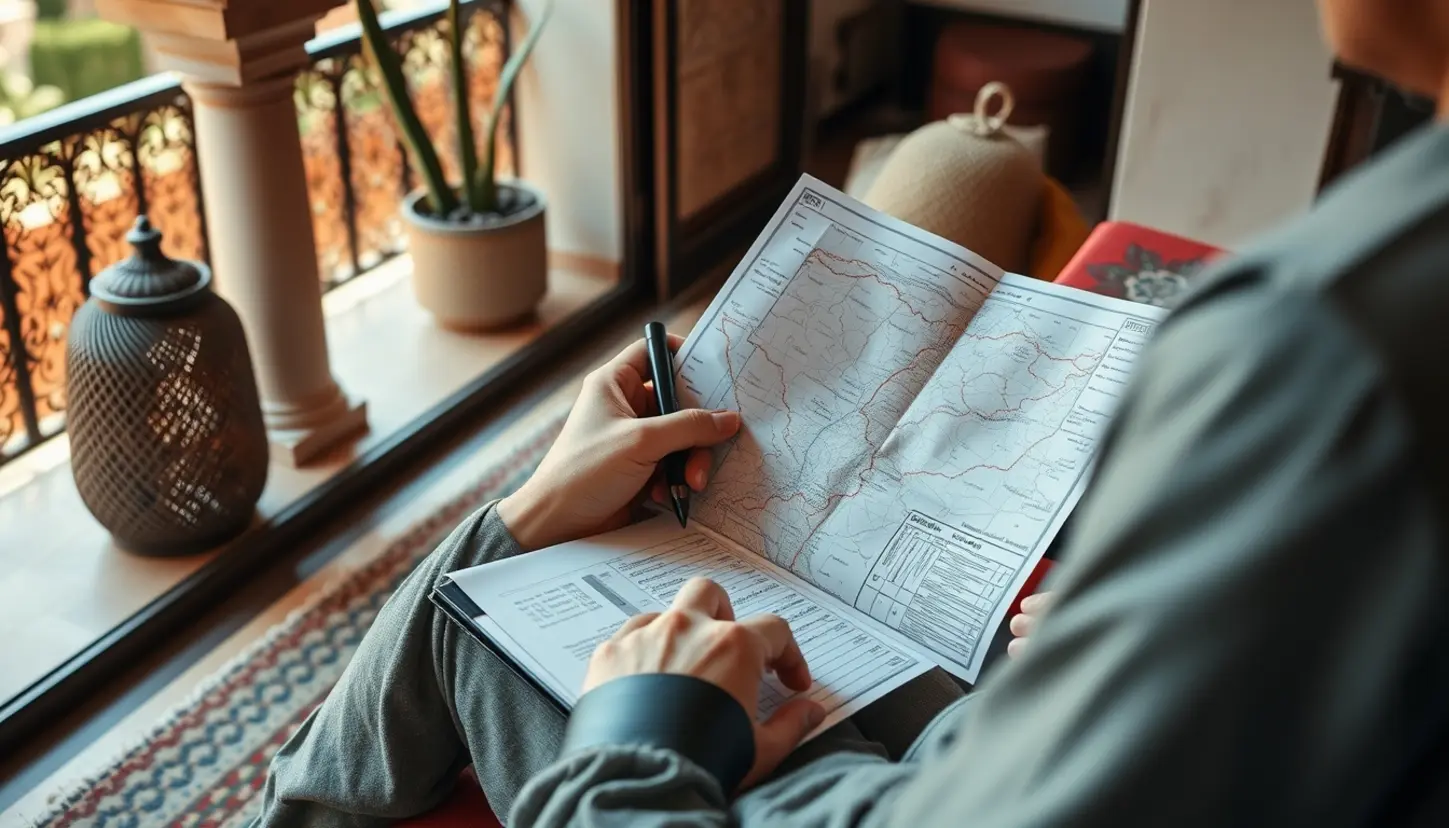
To truly experience authentic culture and food, your Morocco travel schedule should go beyond simply ticking off major cities. Consider designing your journey around a specific theme or interest. Are you a keen photographer? Focus on cities with stunning architecture and vibrant markets, and build in time during the golden hour for optimal shots. A culinary enthusiast? Plan your route to include a cooking class in Fes, a visit to a saffron farm in Ourika Valley, and a fresh seafood experience in Essaouira. History buff? Delve into the imperial cities, spending extra time in ancient medinas and Roman ruins.
For example, a “Culinary & Craft” themed trip might start in Marrakech with a street food tour and a visit to artisan workshops. Then, move to Fes for a traditional cooking class and exploring tanneries and pottery cooperatives. Perhaps a detour to Meknes for wine tasting (yes, Morocco has vineyards!) and Volubilis for historical context. If your interest lies in nomadic culture and the desert, then incorporating a desert trek is essential. This thematic approach provides a cohesive narrative for your trip, allowing for deeper dives into specific aspects of Moroccan life. It also helps in vetting activities, ensuring they align with your chosen focus and avoid generic tourist traps.
Optimal Timing and Route Planning for Diverse Moroccan Experiences
An effective Morocco travel schedule balances your desired experiences with practical logistics and seasonal considerations. Morocco is a country of diverse landscapes, from the bustling imperial cities to the serene Sahara Desert, and the coastal towns to the Atlas Mountains. Each offers unique cultural and culinary insights.
Choosing Your Season:
- Spring (March-May) and Autumn (September-November): Generally considered the best times to visit, offering pleasant temperatures for both city exploration and desert adventures. This is ideal for a comprehensive trip involving culture, food, and outdoor activities.
- Summer (June-August): Can be extremely hot, especially in the interior cities like Marrakech and Fes, and the Sahara. Coastal areas like Essaouira offer respite. If traveling in summer, plan activities for early mornings and late evenings, and focus on cooler regions or those with air-conditioned accommodations.
- Winter (December-February): Mild in the south, but can be cold in the Atlas Mountains with potential for snow. Ideal for desert trips as temperatures are comfortable. Cities are cooler but still vibrant.
Efficient Route Planning:
When planning your route, think about the logical progression between destinations.
- Classic Imperial Cities Loop (7-10 days): Marrakech – Fes – Meknes (Volubilis) – Rabat – Casablanca. This covers historical and cultural highlights.
- South & Desert Adventure (5-7 days): Marrakech – High Atlas – Ouarzazate – Erg Chebbi (Merzouga) or Erg Chigaga. This is where your Morocco travel schedule for an authentic desert experience comes into play. Ensure you allocate enough travel time; desert journeys are long.
- Coastal Chill & Culture (3-5 days): Essaouira – Agadir (for surf) – Sidi Ifni. Great for relaxation and seafood.
Connecting these regions efficiently often involves private drivers, shared taxis (grand taxis), trains (between imperial cities), or domestic flights for longer distances. Booking reliable transport in advance, especially for inter-city travel, is always recommended to save time and ensure comfort. Don’t underestimate travel times; Moroccan roads, especially in mountainous or rural areas, can be slower than expected.
Incorporating Local Interactions Beyond Guided Tours
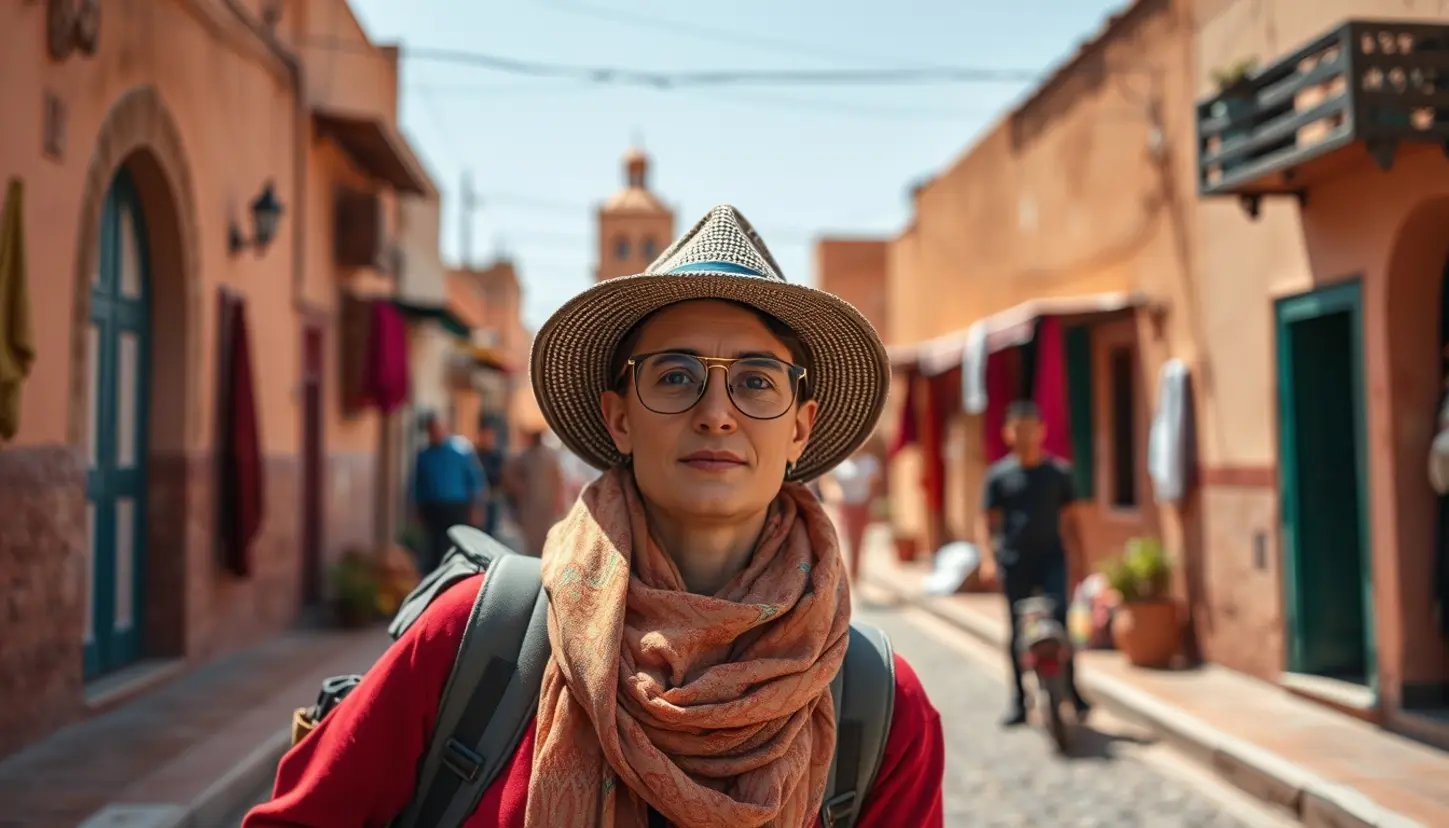
While guided tours offer valuable insights, truly authentic cultural and food experiences often arise from unplanned interactions. Your Morocco travel schedule should build in unstructured time for these serendipitous moments. Here’s how to foster them:
Learn Basic Darija (Moroccan Arabic) or French Phrases: Even a few words like Salam Alaikum (hello), Shukran (thank you), and Afak* (please) can open doors and show respect. Locals appreciate the effort.
- Stay in Riads or Guesthouses: Often family-run, these offer a more intimate experience than large hotels. Owners and staff are a wealth of local knowledge, happy to share insights, recommend restaurants, or even invite you for tea.
- Frequent Local Markets and Cafés: These are the heartbeat of Moroccan social life. Sit at a local café, order a mint tea, and simply observe. Engage with vendors in the souks – even if you don’t buy anything, polite conversation can lead to interesting exchanges.
- Participate in Workshops: Beyond cooking classes, look for workshops in traditional crafts like pottery, leatherwork, or carpet weaving. This not only supports local artisans but provides a hands-on cultural experience.
- Embrace Impromptu Invitations: Moroccans are famously hospitable. If invited for tea by a shopkeeper or a local you’ve befriended, accept graciously (within reason and with common sense for safety). These moments are often the most memorable.
Ask for Recommendations from Locals: Instead of always relying on guidebooks or online reviews, ask your riad host or a trusted local where they* eat or what hidden cultural gem they recommend. You’ll often discover authentic, un-touristy spots.
Building in time for wandering without a strict agenda, being open to conversations, and showing genuine curiosity are vital components of any Morocco travel schedule aiming for true cultural immersion.
Budgeting for Cultural and Culinary Deep Dives
When creating your Morocco travel schedule, budget considerations for authentic cultural and food experiences might differ from a standard tourist budget. These experiences often require investing in more than just basic needs.
Food Budgeting:
- Street Food & Local Eateries: Inexpensive and delicious. Budget around 50-100 MAD per meal for a satisfying and authentic local experience. This is where you’ll find the most genuine culinary insights.
- Mid-Range Restaurants: For a nicer sit-down meal, expect to pay 100-250 MAD per person.
- Riad Dinners/Fine Dining: Can range from 250-500+ MAD per person, offering a more curated experience.
- Cooking Classes: Typically range from 400-800 MAD per person, including market visits and a meal. This is a worthwhile investment for culinary enthusiasts.
- Food Tours: From 300-600 MAD, offering a guided tasting journey.
Cultural Activity Budgeting:
- Museums & Historical Sites: Entrance fees are generally modest, 10-70 MAD.
- Artisan Workshops: While some may allow you to observe for free, a hands-on workshop will have a fee, similar to cooking classes.
- Local Guides: Hiring a local, licensed guide for a half or full-day tour of a medina (highly recommended, especially in Fes) can cost 300-800 MAD, depending on duration and city. This is an excellent investment for cultural understanding and navigating complex areas.
- Donations/Tips (Baksheesh): Always carry small change for tips for services rendered, photo opportunities (ask first!), or helpful directions. It’s an integral part of Moroccan culture.
- Souvenir Shopping: Budget for unique handmade crafts, spices, or textiles. Bargaining is expected and part of the cultural experience.
Accommodation:
Staying in traditional riads or guesthouses (often 400-1000 MAD+ per night, depending on luxury and location) provides a much richer cultural experience than international chain hotels. Many offer traditional breakfasts and dinners, sometimes with cooking demonstrations.
By allocating funds specifically for these types of experiences, rather than just transportation and accommodation, you ensure your Morocco travel schedule truly delivers on its promise of authentic cultural and food immersion.
Conclusion
Crafting a Morocco travel schedule that prioritizes authentic culture and food experiences is about embracing a slower pace, integrating local rhythms, and being open to the unexpected. From understanding Moroccan meal times to building in opportunities for genuine interaction, every decision contributes to a richer, more memorable journey. By approaching your planning with curiosity and a desire for immersion, you’ll uncover the true heart of this captivating country.
FAQs
How much time should I allocate for a comprehensive Morocco travel schedule focused on culture and food?
For a truly comprehensive experience covering a few key cities and perhaps a desert trip with a focus on deep dives into culture and food, a minimum of 10-14 days is ideal. This allows for slower travel, cooking classes, extensive market exploration, and comfortable travel between destinations without feeling rushed.
What are some must-try food experiences to include in my Morocco travel schedule?
Definitely include a street food tour in Marrakech or Fes, a traditional cooking class (often starting with a market visit), dining in a local riad or dar for a homemade touch, trying tajine and couscous in various regions to taste local variations, and savoring fresh seafood if you visit coastal towns like Essaouira. Don’t forget the ubiquitous mint tea!
Is it safe to wander through local markets (souks) and engage with vendors for authentic experiences?
Yes, generally it is safe and highly recommended for authentic experiences. Souks are vibrant and bustling, but use common sense: be aware of your belongings, don’t flash expensive items, and politely decline persistent offers. Engaging with vendors is part of the cultural experience; a friendly “no, thank you” or “shukran” goes a long way. Hiring a local guide for your first day in a large medina can also enhance your comfort and understanding.
How can I ensure my trip supports local communities while delivering authentic cultural experiences?
To support local communities, choose to stay in locally-owned riads and guesthouses, dine at local restaurants, and purchase crafts directly from artisans in the souks or cooperatives. Opt for tours and guides who are locally based and have strong community connections. When participating in cooking classes or workshops, inquire about where ingredients are sourced or how artisans are compensated. Your choices make a significant difference.




 Covers cities, coast, mountains, desert & food