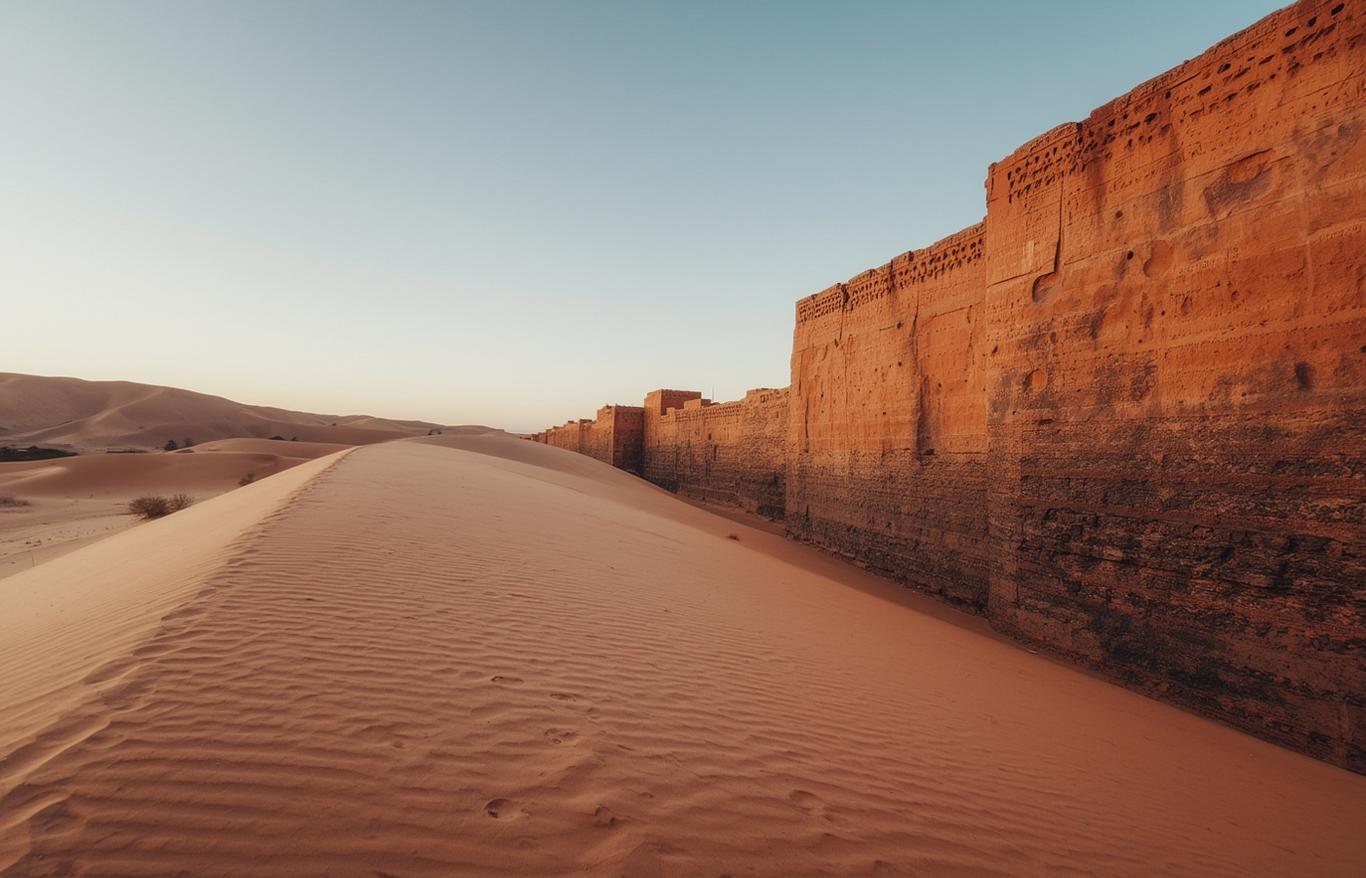
What Makes Desert Escapes from Marrakech So Irresistible
When travelers think about marrakech desert tours, they’re imagining something far beyond a simple excursion. These journeys represent a complete transformation from the bustling medina streets to the silent enormity of sand dunes that stretch endlessly under North African skies. The appeal lies in the dramatic contrast—trading the vibrant chaos of souks and riads for the profound stillness of desert camps where time seems to bend around crackling campfires and star-filled darkness.
Most marrakech desert tours operate on multi-day itineraries, typically ranging from two to four days, with the most popular routes heading toward Merzouga and the Erg Chebbi dunes or the quieter Zagora region. These aren’t superficial tourist drives; they’re immersive experiences that thread through the High Atlas Mountains, past ancient kasbahs, through palm-lined valleys, and finally into the golden seas of sand that define Morocco’s desert identity. The journey itself becomes as meaningful as the destination, revealing layers of Morocco that remain hidden from those who stay within city limits.
Tour operators have refined these routes over decades, balancing authenticity with practical comfort. You’ll travel in air-conditioned 4×4 vehicles or minibuses, stop at strategic viewpoints where the landscape demands a pause, and visit Berber villages where tourism has created economic opportunities without entirely erasing traditional lifestyles. The best marrakech desert tours strike this balance carefully, offering genuine cultural encounters without staged performances that feel hollow.
Choosing Between Merzouga and Zagora Routes
The fundamental decision facing anyone booking desert tours from Marrakech centers on destination choice. Merzouga, home to the towering Erg Chebbi dunes, sits roughly 560 kilometers southeast of Marrakech—a journey requiring at minimum two full days to experience properly. The drive takes around nine hours each way through spectacular mountain passes including the Tizi n’Tichka at 2,260 meters, then descending through the Draa Valley and Todra Gorge. This route is physically demanding but visually spectacular, with the payoff being Morocco’s most photogenic dunes, some reaching 150 meters in height.
Zagora offers a shorter alternative at approximately 365 kilometers from Marrakech, achievable as a rushed two-day trip though three days allows for better pacing. The Erg Chigaga dunes near Zagora are less developed, smaller, and consequently quieter than Merzouga. Some travelers prefer this precisely because it feels less touristy; others find it anticlimactic after the long journey. The choice depends on your available time and whether you prioritize dramatic scenery (Merzouga wins) or relative solitude (Zagora has the edge).
Private marrakech desert tours cost more but grant flexibility impossible on group trips. You control departure times, photo stops, lunch venues, and accommodation standards. Shared group tours offer better value, typically costing 50-60% less than private options, though you’ll follow fixed schedules and compromise on some preferences. For solo travelers or couples on budgets, group tours make desert access affordable; families or small groups often find private tours worthwhile when costs are divided.
The Journey Through Morocco’s Geographic Layers
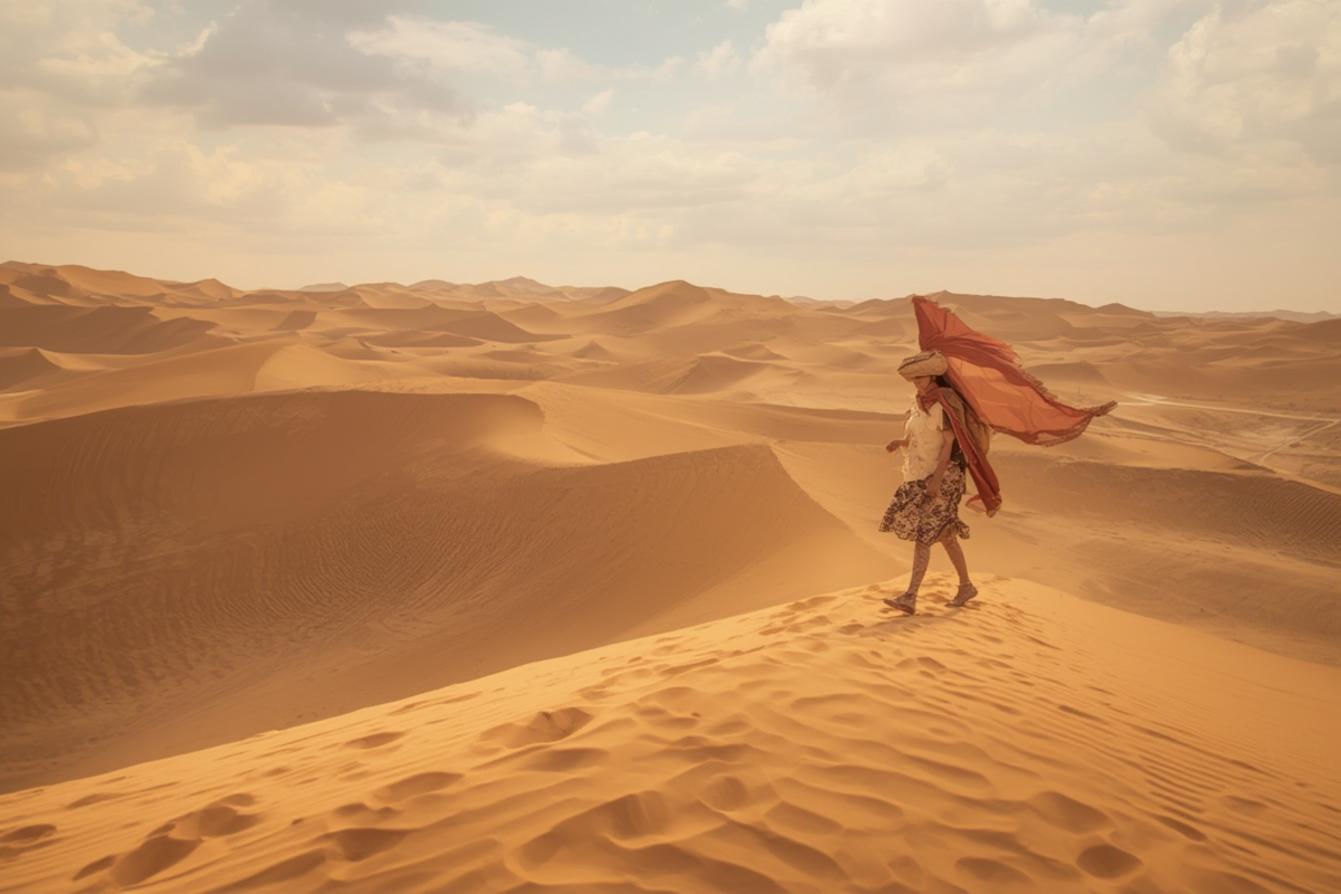
What distinguishes quality desert tours from mediocre ones often comes down to how guides handle the journey’s middle sections—the hours between Marrakech and sand dunes. Exceptional operators treat this transit as integral to the experience rather than dead time to endure. The route eastward from Marrakech immediately confronts the High Atlas Mountains, where the road switchbacks through Berber villages clinging to steep slopes, with roadside stalls selling fossils, minerals, and fresh walnuts.
Ait Benhaddou typically serves as the first major stop, a UNESCO-listed ksar (fortified village) whose earthen architecture has appeared in dozens of films from Lawrence of Arabia to Gladiator. Most tours allow 90 minutes here for exploration and lunch, though two hours feels less rushed. The site’s maze of passages and climbing ramparts offers genuine exploration rather than passive viewing, with local guides available to explain the restoration efforts and remaining resident families.
Beyond Ait Benhaddou, the landscape shifts dramatically through Ouarzazate (Morocco’s film industry capital) and into either the Dades or Todra valleys depending on your route. The Todra Gorge presents sheer limestone walls rising 300 meters above a narrow canyon floor where the river has carved through millennia. Walking into this gorge feels like entering a natural cathedral, the scale humbling, the temperature noticeably cooler. Rock climbers often dot the vertical walls, their colorful gear contrasting against the stone.
These stopping points prevent the common mistake of treating marrakech desert tours as races toward sand dunes. The journey’s diversity—from snow-dusted peaks to palm oases to rocky plateaus—tells Morocco’s geographic story in compressed form. Quality guides contextualize these landscapes, explaining how the Atlas Mountains create rain shadows affecting the desert, how kasbahs functioned within historic trade routes, and how modern Berber communities navigate between tradition and tourism.
Desert Camp Realities: What Actually Happens There
The merzouga desert camp experience centers around sunset and sunrise, with the hours between filled by surprisingly simple activities that somehow feel profound in desert silence. Most tours include a camel trek from the dunes’ edge to the camp, typically lasting 45 minutes to an hour. These aren’t the romantic desert crossings of imagination—you’re on a well-traveled path with other tourists—but the rhythm of camel movement and the dunes’ changing colors as light shifts create genuine moments of wonder.
Desert camps range dramatically in comfort and authenticity. Basic camps offer Berber-style tents with shared bathroom blocks, foam mattresses on the floor, and simple tagine dinners around communal fires. These cost-effective options emphasize the stripped-down desert experience, prioritizing location and atmosphere over amenities. Mid-range camps add private bathrooms (sometimes ensuite, sometimes separate buildings), proper beds, and more elaborate meals. Luxury camps border on glamping, with electricity, hot showers, decorated interiors, and multi-course dinners that seem improbable given the remote locations.
The evening typically unfolds in predictable but enjoyable patterns: arrival and mint tea, sunset dune climbing (carry your camera and wear layers—desert evenings cool quickly), dinner under stars or in tent dining areas, then Berber music sessions where guides play traditional drums and encourage participation. The music often feels performative because it is, yet something about the desert setting and genuine skill of the musicians usually transcends any cynicism. Later, the true spectacle emerges—darkness so complete that the Milky Way blazes overhead with clarity impossible in light-polluted places.
Morning brings equally spectacular sunrise, cold desert air, and the realization that your feet will stay sandy for days no matter how carefully you pack. Most camps serve breakfast before the return camel trek and drive back toward Marrakech, stopping at different sites than the outbound journey to maximize what you see.
Seasonal Timing and Weather Considerations
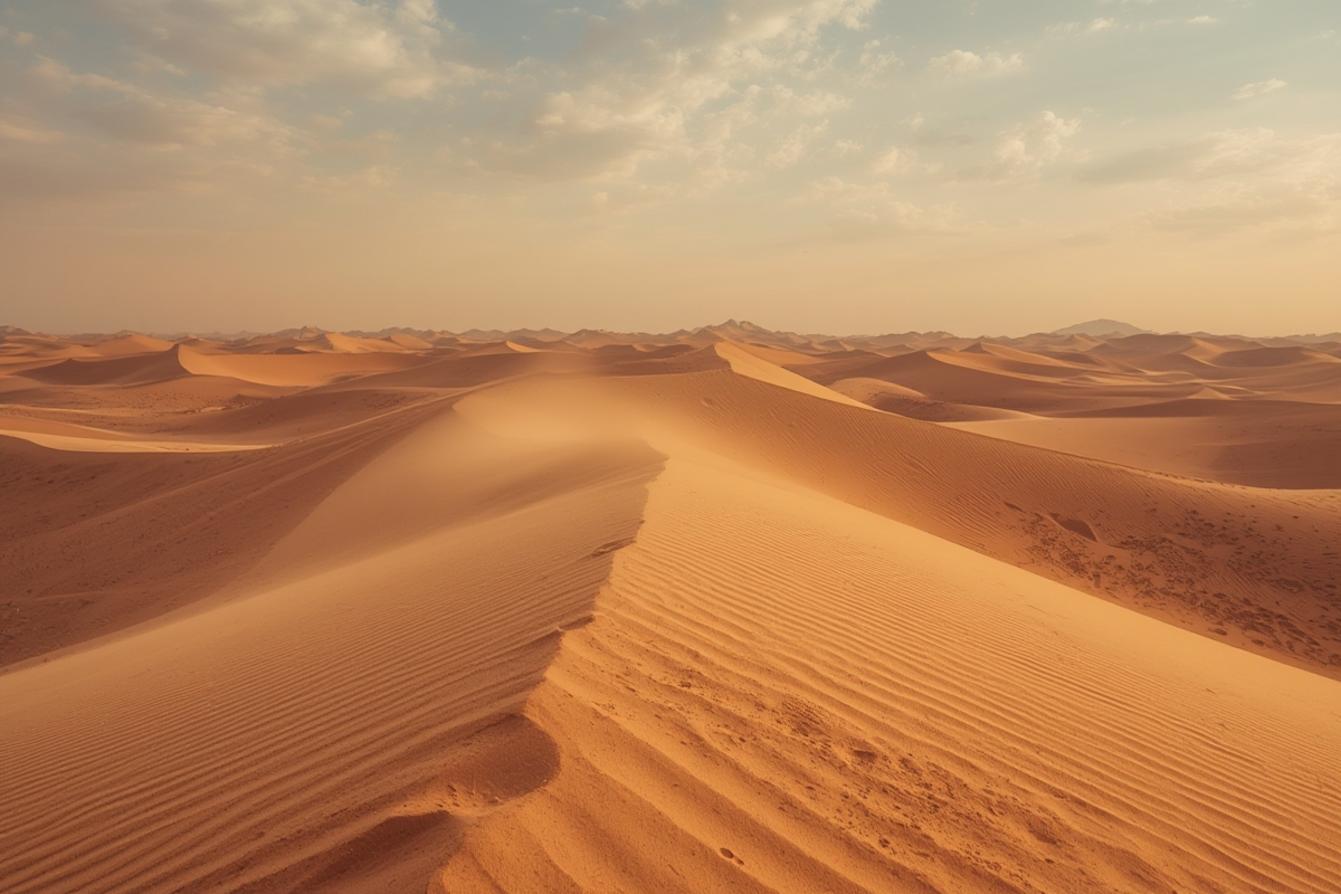
Desert tours from Marrakech operate year-round but seasonal differences dramatically affect the experience. Spring (March through May) and autumn (September through November) represent prime periods with daytime temperatures typically ranging from 20-28°C, nights cooling to 10-15°C—comfortable for sleeping and activity. These shoulder seasons avoid extreme heat while offering clear skies and relatively stable weather.
Summer (June through August) brings punishing heat, with daytime temperatures frequently exceeding 40°C in the desert regions and occasionally reaching 45-48°C during heat waves. Only consider summer desert tours if you’re particularly heat-tolerant and willing to endure uncomfortable vehicle rides and limited outdoor activity during midday hours. Tour operators typically adjust schedules, departing earlier and building in longer midday breaks, but the heat remains oppressive. On the positive side, summer nights stay warmer, camps are less crowded, and prices drop.
Winter (December through February) presents the opposite challenge—days remain pleasant at 15-20°C, but nights can drop near or below freezing. Desert camps provide blankets, but basic accommodation becomes genuinely cold. I’ve met travelers who underestimated this, packing for “desert” without considering winter nights at altitude. The High Atlas passes sometimes close during snow storms, potentially disrupting schedules. Winter does offer advantages: crystal-clear air, uncrowded sites, and dramatic temperature contrasts that make warm mint tea and tagines especially welcome.
Rain remains rare but not impossible, particularly in winter and early spring. Desert rain transforms landscapes temporarily, bringing brief wildflower blooms and filling normally dry river beds. While this adds visual drama, it can also make unpaved roads impassable, occasionally forcing route changes or delays.
Practical Planning: Money, Packing, and Expectations
Budgeting for marrakech desert tours requires understanding what’s typically included versus additional costs. Most tours cover transport, guide services, accommodation, and specified meals (usually dinner and breakfast at camps, sometimes lunches). Excluded items typically include drinks beyond basic water and tea, entrance fees to sites like Ait Benhaddou (around 50 dirhams), tips for guides and drivers (customary at 10-15% of tour cost), and optional activities like quad biking or extended camel treks.
Prices vary enormously based on group size, accommodation standards, and season. Budget two-day shared tours to Zagora start around 400-500 dirhams ($40-50 USD) per person, though quality at this price point can be questionable. More realistic mid-range three-day Merzouga tours cost 1,200-1,800 dirhams ($120-180 USD) with decent camps and knowledgeable guides. Luxury versions with high-end camps and private transport easily reach 3,000-5,000 dirhams ($300-500 USD) per person.
Packing strategy differs from typical Marrakech city needs. Essential items include:
– Layers for temperature swings (warm jacket for evenings, light clothing for days)
– Closed-toe shoes for walking dunes and kasbahs
– Headscarf or hat for sun and sand protection
– Sunglasses (sand reflects intensely)
– Small daypack for carrying water and cameras during stops
– Power bank (electricity is limited or absent in basic camps)
– Wet wipes (showers may be limited)
– Small flashlight or headlamp for nighttime camp navigation
Motion sickness medication helps for the winding mountain roads. Some travelers find the long drives tedious despite spectacular scenery—audiobooks, downloaded entertainment, or genuine interest in landscapes make the hours pass more comfortably.
Cultural Dimensions and Tourism’s Local Impact
The relationship between marrakech desert tours and local communities involves complicated economics. Tourism has undeniably brought income to remote regions where traditional livelihoods like agriculture and animal husbandry provide limited earning potential. Young Berber men find employment as drivers, guides, camp staff, and camel handlers—jobs paying significantly more than alternatives. Villages along tour routes benefit from restaurant stops, craft sales, and fossil shop purchases.
Yet this economic dependence creates vulnerabilities. Tour companies based in Marrakech capture most profits, with smaller percentages reaching local workers. Competition among operators drives prices down, sometimes at the expense of fair wages or accommodation quality. The proliferation of desert camps has environmental impacts—waste management, water usage, and the physical footprint of tourism on fragile desert ecosystems.
Responsible travelers can make conscious choices: booking with operators who employ local guides and use locally-owned camps, respecting photography boundaries (always ask before photographing people), purchasing directly from artisans rather than through guide commission arrangements, and managing expectations about “authentic” cultural encounters. The Berber hospitality you experience is genuine, but it exists within a commercial framework where hosts repeat performances multiple times weekly.
The most meaningful cultural moments on desert tours often occur spontaneously—conversations during long drives, shared meals where language barriers fade, or quiet observations of how communities adapt traditional knowledge to contemporary realities. Approaching these interactions with curiosity rather than presumption allows for richer exchanges.
Conclusion
The magic promised by marrakech desert tours isn’t exaggerated marketing—these journeys genuinely deliver transformative experiences when approached with realistic expectations. The contrast between Marrakech’s urban intensity and the desert’s vast stillness creates a psychological reset that few other travel experiences match. Whether you choose the dramatic dunes of Merzouga or the quieter sands near Zagora, whether you camp in basic Berber tents or luxury facilities, the essential elements remain constant: landscapes that humble, silence that amplifies inner thoughts, and skies that remind you of your place in larger cosmic patterns.
Success hinges on choosing tours aligned with your available time, comfort needs, and budget realities. The journey demands patience for long drives and flexibility when plans shift due to weather or logistics. But travelers who embrace rather than resist the experience’s rhythms—the slow pace, the simple pleasures of tea and conversation, the enforced disconnection from constant connectivity—consistently describe their desert tours as trip highlights that linger in memory long after more conventional attractions fade.
FAQs
How long should I allocate for a desert tour from Marrakech?
Minimum two full days for Zagora (one night in desert), though this feels rushed with long drive times both directions. Merzouga requires at least three days (two nights) to justify the nine-hour journey each way. Ideal timing is three to four days for Merzouga, allowing additional stops at Dades Valley or Todra Gorge without exhausting travel schedules. Shorter tours exist but sacrifice either destination quality or become endurance tests of continuous driving.
Are desert tours suitable for families with young children?
This depends heavily on individual children. Long vehicle rides (up to nine hours) challenge restless kids, though frequent stops help. Most tour operators accommodate families, providing appropriate camp arrangements and adjusting activities. Children generally love camels and desert camps, finding the novelty exciting. Main concerns include heat management, ensuring adequate hydration, and realistic assessment of whether your children can handle the physical demands. Families with kids under five should carefully consider whether the investment and logistics justify potential struggles.
What’s the difference between standard and luxury desert camps?
Standard camps offer basic Berber-style tents with communal bathrooms, foam floor mattresses, and simple meals. Mid-range camps add private bathrooms (sometimes ensuite), proper beds, and improved food quality. Luxury camps feature electricity, hot water, private bathrooms, decorated interiors, sometimes air conditioning, and elaborate meals approaching restaurant standards. The desert, stars, and sunrise remain identical across all levels—luxury purchases primarily comfort and amenities rather than fundamentally different experiences. Budget-conscious travelers find standard camps perfectly adequate for one or two nights.
Can I book desert tours after arriving in Marrakech or should I reserve in advance?
Both approaches work with different tradeoffs. Booking in advance (online or through accommodations) provides schedule security during peak seasons and allows research into operator reputations. Walk-in booking in Marrakech’s tourist areas often yields better prices through direct negotiation and comparing multiple operators, though quality varies significantly and departure timing may not align with your preferred schedule. Middle ground: research operators online before arrival, then book directly through their Marrakech offices 1-2 days before your desired departure, allowing negotiation while ensuring availability.





 Covers cities, coast, mountains, desert & food