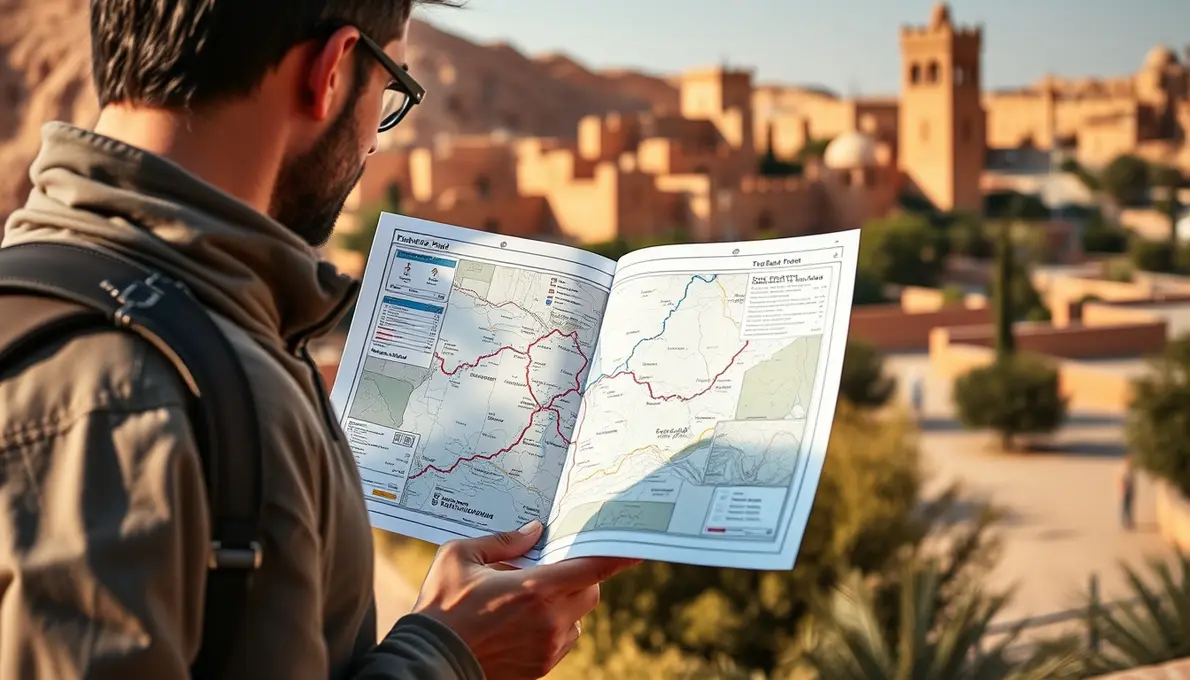
Planning your Moroccan adventure? When it comes to getting around this vibrant country, Morocco train travel offers an incredibly efficient, comfortable, and scenic way to navigate between its major cities. Before you book your tickets, understanding the ins and outs of the Moroccan railway system can transform your journey from good to absolutely seamless. This guide is designed to equip you with all the essential information you need to confidently choose, purchase, and enjoy your train experience, ensuring you make the best decisions for your Moroccan itinerary. From understanding ticket classes to deciphering routes and maximizing your travel budget, we’ll cover everything to help you prepare for a fantastic journey on Morocco’s impressive rail network.
Understanding Morocco’s ONCF Railway Network
Morocco’s national railway company, Office National des Chemins de Fer (ONCF), operates a modern and expanding rail network that connects most of the country’s major urban centers and popular tourist destinations. Unlike some other forms of transport in Morocco, the trains are renowned for their punctuality, cleanliness, and comfort, making them a preferred choice for both locals and savvy travelers. The network primarily runs along the Atlantic coast, linking cities like Tangier, Rabat, Casablanca, and Marrakech, with branches extending inland to Fes, Meknes, and Oujda.
The ONCF has made significant investments in recent years, most notably with the introduction of Al Boraq, Africa’s first high-speed train, connecting Tangier with Kenitra and Casablanca. This has dramatically cut travel times between these key cities, presenting an excellent option for those looking to maximize their sightseeing. Even on conventional lines, the trains are generally air-conditioned, feature comfortable seating, and often include a catering car or trolley service for snacks and drinks. Thinking about your packing? Remember that overhead racks and dedicated luggage areas are available, but always keep your valuables close. For more specific packing tips, especially if you’re venturing further into the country, check out this guide on what to bring for a Morocco train travel.
Understanding the ONCF network is the first step in planning your Morocco train travel effectively. Key routes include:
- Tangier to Casablanca/Marrakech: The high-speed Al Boraq shortens the Tangier-Kenitra-Rabat-Casablanca journey considerably, allowing for quicker connections to Marrakech via conventional trains.
- Casablanca to Marrakech: A popular route connecting Morocco’s economic hub with its imperial city.
- Rabat to Fes/Meknes: Linking the capital with the historic imperial cities in the interior.
- Oujda to Fes/Casablanca: Serving the eastern regions and connecting them to the rest of the network.
Familiarizing yourself with these principal routes will help you visualize your journey and choose the most efficient connections for your itinerary. The ONCF website provides comprehensive timetables and station information, which is invaluable for planning.
Maximizing Your Journey: Ticket Classes and What They Offer
When planning your Morocco train travel, one of the first decisions you’ll make is choosing your ticket class. ONCF primarily offers two main classes on its conventional trains: Second Class and First Class. The high-speed Al Boraq train introduces additional categories. Understanding the differences is key to ensuring your comfort and budget align seamlessly with your travel expectations.
Conventional Trains (Second and First Class):
- Second Class: This is the more economical option and perfectly suitable for most travelers. You’ll find comfortable, upholstered seats, often arranged in compartments of six or eight people. While it can get busy, especially during peak hours or holidays, it offers an authentic local experience. Air conditioning is usually available, though its effectiveness can vary. Large luggage racks are typically at either end of the carriage, and smaller bags can go overhead.
- First Class: For a slightly higher price, First Class offers a noticeable upgrade in comfort and space. Seating is typically more spacious, often in an open-plan arrangement rather than closed compartments. You’ll usually find larger, more padded seats, more legroom, and a quieter environment. First Class carriages almost always have reliable air conditioning, and you’re more likely to secure a window seat. Some routes might offer electrical outlets, though this isn’t guaranteed on all older trains. If you’re traveling with significant luggage or prefer a more relaxed journey, First Class is a worthwhile investment.
Al Boraq High-Speed Train (Second Class, First Class, and Business Class):
The Al Boraq high-speed train offers a more premium experience reflective of its speed and modern amenities.
- Second Class (Al Boraq): Similar to conventional First Class in terms of comfort, with comfortable, reclining seats and ample legroom. It’s a significant step up from conventional Second Class.
- First Class (Al Boraq): Offers even wider seats, more personal space, and often includes amenities like power outlets at every seat and a complimentary drink. The atmosphere is generally quieter and more conducive to work or relaxation.
- Business Class (Al Boraq): The most premium offering, often referred to as “Salle de Réunions” (Meeting Room). This usually provides a private compartment for small groups, with more luxurious seating and personalized service. It’s ideal for business travelers or families seeking privacy.
When choosing your class, consider the duration of your journey, your budget, and your desire for comfort. For shorter trips (1-2 hours), Second Class on conventional trains is often perfectly fine. For longer journeys, or if you simply prefer more space and quiet, First Class on conventional trains or any class on Al Boraq will enhance your Morocco train travel experience significantly.
Booking Your Morocco Train Tickets: Options and Best Practices
Navigating the process of booking your Morocco train tickets effectively can save you time, stress, and sometimes even money. There are several convenient options available, each with its own advantages. Choosing the right method depends on your travel style, how far in advance you’re planning, and your comfort with online transactions.
Online Booking via the ONCF Website
The most convenient way to purchase Morocco train tickets in advance is through the official ONCF website (Morocco train tickets). This option is ideal for those who prefer to plan ahead, especially during peak season or for popular routes like Tangier to Casablanca/Marrakech, where Al Boraq tickets can sell out.
Advantages of Online Booking:
- Convenience: Book from anywhere, anytime, before you even arrive in Morocco.
- Guaranteed Seats: Especially important for high-speed Al Boraq tickets and First Class on conventional trains.
- Language Options: The ONCF website is available in French, Arabic, and sometimes English, making it accessible to international travelers.
- E-tickets: You’ll receive your ticket via email, which you can print or display on your mobile device.
Tips for Online Booking:
- Payment Methods: Ensure your credit card (Visa or MasterCard are generally accepted) is enabled for international transactions and that you have any necessary verification tools (e.g., 3D Secure) ready. Some foreign cards might occasionally encounter issues, so having a backup plan is wise.
- Seat Selection (Al Boraq): For Al Boraq, you often have the option to select specific seats, which is great if you have a preference for window or aisle.
- High-Speed vs. Conventional: Make sure you select the correct train type (Al Boraq for high-speed, or standard for conventional) if your route offers both. The price difference is significant.
- Print or Mobile: While mobile tickets are usually accepted, it’s always a good idea to have a printed backup, just in case of phone issues or a non-tech-savvy ticket inspector.
Purchasing at the Train Station
For spontaneous travelers or those who prefer in-person transactions, buying your tickets directly at the train station is a straightforward process.
Advantages of Station Purchase:
- Flexibility: Ideal if your travel plans are fluid or if you decide on a last-minute trip.
- Local Assistance: Station staff can help with schedules and route information, especially if you have complex connections.
- Cash Payment: You can pay with Moroccan Dirhams (MAD) if you prefer not to use your credit card.
Tips for Station Purchase:
- Arrive Early: Especially for popular routes or during peak travel times, tickets, particularly First Class and Al Boraq, can sell out. Arrive at least 30-60 minutes before your desired departure.
- Ticket Counters vs. Machines: Most major stations have manned ticket counters. Some also have automated ticket machines, but these can be hit or miss for international credit cards and might only be available in French or Arabic.
- Language Barrier: While many station agents speak some English or French, having your destination written down in Arabic or French can help avoid misunderstandings.
- Queues: Be prepared for queues, especially in larger stations like Casablanca Voyageurs or Marrakech.
Using Third-Party Booking Sites
While less common for direct Morocco train travel, some global travel platforms might offer ONCF train tickets. However, it’s generally best to stick to the official ONCF website or purchase directly at the station to avoid potential markups or complications. Always check the legitimacy and reviews of any third-party site before committing.
Regardless of your chosen method, having your passport handy when booking (especially online or for certain ticket types) and at the station for boarding checks is always a good idea, though generally, it’s not required to show it at every stage. With these booking options at your disposal, securing your Morocco train travel tickets will be an easy part of your adventure.
Essential Tips for a Smooth Morocco Train Travel Experience
Embarking on a train journey in Morocco is generally a pleasant experience, but a few insider tips can help you navigate the system like a seasoned traveler and ensure your Morocco train travel goes off without a hitch. From understanding station etiquette to handling luggage, these practical pointers will prepare you for a smooth and enjoyable adventure on the Moroccan rails.
Arriving at the Station and Boarding
- Aim for Punctuality: Moroccan trains are generally punctual, especially the high-speed Al Boraq. Plan to arrive at the station at least 20-30 minutes before your scheduled departure. This gives you ample time to locate your platform, grab a coffee, or use the restroom without rushing.
- Platform Information: Check the large electronic departure boards (usually in French and Arabic) for your train number, destination, and platform. Don’t be shy to ask station staff or other passengers if you’re unsure. Moroccan hospitality often extends to helping confused tourists.
- Finding Your Carriage: Train carriages are clearly numbered. If you have a seat reservation (common for Al Boraq and sometimes for First Class on conventional trains), make sure you’re heading to the correct carriage and seat. On conventional trains, especially in Second Class, it might be a bit of a scramble, but people are generally helpful.
- Luggage Handling: While there are often no strict weight limits, manageability is key. You’ll need to lift your bags onto overhead racks or into designated luggage areas. For large bags, it’s a good idea to board promptly to secure a spot. Keep valuables, documents, and essential medications in a small daypack that stays with you.
Onboard Amenities and Etiquette
- Catering: Most long-distance trains, including Al Boraq, have a catering car or a trolley service offering snacks, sandwiches, coffee, tea, and soft drinks. Prices are reasonable. Alternatively, feel free to bring your own food and drinks.
- Restrooms: Restrooms are available on all trains. While generally clean at the start of a journey, their condition can deteriorate on longer routes, so it’s always wise to use station facilities before boarding if possible.
- Power Outlets: First Class and Al Boraq trains (especially First and Business Class) usually have power outlets, but they aren’t guaranteed on all conventional trains or in Second Class. Bring a portable power bank for your devices if you absolutely need to stay charged.
- Keep Noise Levels Down: While Moroccans are generally social, shouting on phones or playing loud music is considered impolite. Be mindful of fellow passengers.
- Interact Respectfully: Morocco train travel offers a great opportunity to observe local life and, if you’re open to it, engage in friendly conversations. Politeness, a smile, and a few words of Arabic or French (even just ‘bonjour’ or ‘salam’) can go a long way.
Safety and Security
- Watch Your Belongings: While generally safe, like any public transport, it’s crucial to keep an eye on your luggage, especially at stops and when getting on and off. Don’t leave valuables unattended.
- Ticket Checks: Keep your printed or mobile ticket accessible as conductors will frequently check them.
- Stay in Your Seat: On conventional trains, particularly in Second Class, people might move around, but it is best to remain in your seat for comfort and safety unless moving to the catering car or restroom.
By keeping these tips in mind, your Morocco train travel experience will be not just a means of transport, but an enjoyable and integral part of your Moroccan adventure.
Popular Routes and Sample Itineraries Utilizing Morocco Train Travel
One of the greatest advantages of Morocco train travel is its ability to seamlessly connect many of the country’s most iconic destinations. Whether you’re planning a whirlwind tour or a more leisurely exploration, understanding the popular routes and how to integrate them into your itinerary can simplify your logistics and enhance your cultural immersion.
Key Train Routes Connecting Major Cities:
- Tangier – Casablanca – Marrakech (via Al Boraq High-Speed Train): This is arguably the most electrifying route, literally. The Al Boraq high-speed train has revolutionized travel between Tangier and Casablanca, dramatically cutting journey times.
* Tangier to Kenitra: ~1 hour 20 minutes
* Kenitra to Rabat Agdal: ~30 minutes
* Rabat Agdal to Casablanca Voyageurs: ~35 minutes
From Casablanca, you connect to a conventional train to Marrakech, which takes approximately 2.5-3 hours. This route allows you to experience the modern face of Moroccan transport while effortlessly linking the north with the vibrant south.
- Casablanca – Fez – Meknes: This central corridor connects Morocco’s economic powerhouse with its ancient imperial cities.
* Casablanca to Fes: Approximately 3.5-4 hours.
* Fes to Meknes: A short 30-40 minute hop, perfect for a day trip or as part of a multi-city itinerary.
This route is popular with culture enthusiasts keen to explore the historical medinas and vibrant souks of Fes and Meknes.
- Rabat – Fes: Connecting the modern capital with the spiritual heart of Morocco.
* Rabat to Fes: Approximately 3 hours.
This is a comfortable journey perfect for those exploring Morocco’s intellectual and historical heritage.
- Marrakech – Tangier (Direct Conventional Train): While slower than the Al Boraq-connected route, a direct conventional train also runs between Marrakech and Tangier, offering a continuous, albeit longer (around 5-6 hours), journey without transferring. This might be preferable for those preferring a single train ticket or a more relaxed pace.
Sample Itineraries Leveraging Train Travel:
Using the ONCF network, you can craft diverse itineraries that make the most of your time and allow for comfortable transitions between different regions.
1. The Imperial Cities & High-Speed Blend (7-10 Days):
- Day 1-2: Tangier: Arrive in Tangier, explore the Kasbah and medina.
- Day 3: Tangier to Fes: Take Al Boraq from Tangier to Kenitra, then connect to a conventional train to Fes (Total travel time approx. 4-5 hours including transfer). Explore Fes medina.
- Day 4-5: Fes & Meknes: Full day in Fes. Day trip to Meknes (30-minute train ride) using local trains, returning to Fes.
- Day 6: Fes to Rabat: Train to Rabat (approx. 3 hours), explore the Oudayas Kasbah and Hassan Tower.
- Day 7: Rabat to Marrakech: Train to Marrakech (approx. 4 hours). Begin exploring Jemaa el-Fna.
- Day 8-9: Marrakech: Immerse yourself in Marrakech’s sights.
- Day 10: Departure from Marrakech.
2. Southern Charm & Coastal Vibe (5-7 Days, Focus on slower pace):
- Day 1-2: Marrakech: Arrive in Marrakech, soak in the atmosphere.
- Day 3: Marrakech to Casablanca: Train to Casablanca (2.5-3 hours), visit the Hassan II Mosque.
- Day 4: Casablanca to El Jadida (Day Trip): Take a local train or grand taxi to El Jadida (approx. 1.5 hours from Casablanca) to explore its Portuguese Cistern and fortress.
- Day 5: Casablanca to Rabat: Short train ride to Rabat (1 hour), explore the capital.
- Day 6-7: Rabat & Departure: Enjoy Rabat before departing from Rabat or Casablanca airport.
These itineraries are just starting points. The beauty of Morocco train travel is its flexibility, allowing you to mix and match destinations and pace to suit your interests. Always check the latest ONCF timetables when planning to ensure accurate journey times and connections.
Accessibility and Special Considerations for Train Travel in Morocco
For many travelers, ensuring that their journey is not just comfortable but also accessible and caters to specific needs is paramount. Morocco train travel, while generally modern and efficient, presents varying levels of accessibility. Understanding these nuances and other special considerations before you book can significantly enhance your experience.
Accessibility for Travelers with Reduced Mobility
ONCF has made efforts to improve accessibility, especially in newer stations and on the Al Boraq high-speed trains. However, it’s important to manage expectations, especially when traveling on older conventional lines or smaller stations.
- Newer Stations (e.g., Tangier Ville, Rabat Agdal, Casa Voyageurs, Marrakech): These stations often feature ramps, elevators, and accessible restrooms. Platforms are generally at a similar height to the train doors on Al Boraq, making boarding easier.
- Older Stations: May have stairs, challenging ramps, and gaps between the platform and the train. Assistance might be required for boarding and disembarking.
- Al Boraq High-Speed Trains: These trains generally offer good accessibility, with wider doors and designated spaces for wheelchairs. It is advisable to book First Class or Business Class for more space and easier maneuvering.
- Conventional Trains: Accessibility can be more challenging. Doorways are narrower, and there might be steps up into the carriage. Second Class seating can be quite compact.
- Assistance: It’s highly recommended to contact ONCF customer service or speak to station staff in advance if you require assistance. While not always guaranteed outside major hubs, many Moroccans are incredibly helpful and will assist when possible. Consider traveling with a companion if you require significant assistance.
Traveling with Children
Morocco train travel is generally family-friendly.
- Ticket Pricing: Children usually receive discounted fares, with infants (under 4) often traveling free if they don’t occupy a seat. Always check current ONCF policies for specific age cut-offs and discounts.
- Comfort: First Class on conventional trains or any class on Al Boraq offers more space, which can be beneficial for families with young children or those needing to store strollers.
- Entertainment: Bring books, games, or tablets to keep children entertained, especially on longer journeys.
- Food and Drink: While catering is available, bringing familiar snacks and drinks for children is always a good idea.
Luggage Allowance and Management
Unlike airlines, ONCF doesn’t have strict weight or size limits for luggage, but practical considerations apply:
- Manageable Size: You should be able to lift and carry your own bags. Space on overhead racks on conventional trains can be limited, and larger bags need to be stored at the ends of carriages.
- Security: Always keep an eye on your luggage, especially at stops. For valuables, carry them in a smaller bag that stays with you.
- Packing Light: For ease of movement, packing light is always recommended. If you’re venturing to the Sahara Desert, remember the specific items you’ll need for that adventure, as detailed in our Morocco train travel guide, and consider how they’ll fit into your train travel.
Safety and Health Considerations
- Minor Health Ailments: Carry basic medications (painkillers, indigestion relief, motion sickness tablets) as needed.
- Hydration: Always have bottled water with you, especially during warmer months.
- Personal Security: While very safe, exercise standard precautions. Don’t flaunt valuables, be aware of your surroundings, and avoid isolated areas of the train.
By being aware of these accessibility concerns and special considerations, you can plan your Morocco train travel with greater confidence, ensuring a comfortable and worry-free experience for everyone in your traveling party.
Conclusion
Morocco train travel presents an excellent, often preferred, method for exploring the country’s diverse landscapes and vibrant cities. From the lightning-fast Al Boraq connecting Tangier to Casablanca, to the comfortable conventional lines reaching Marrakech, Fes, and beyond, the ONCF network offers efficiency, comfort, and a unique window into Moroccan life. By planning your routes, choosing the right ticket class, and utilizing the convenient booking options, you are all set for a fantastic journey. Remember to consider accessibility needs, pack smart, and embrace the experience of traveling like a local. With this guide, you now have everything you need to know before booking your Morocco train tickets, ensuring your rail adventures are smooth, enjoyable, and an unforgettable part of your Moroccan itinerary.
FAQs
How far in advance can I book Morocco train tickets?
You can typically book Morocco train tickets up to two months in advance through the official ONCF website. For high-speed Al Boraq trains and First Class tickets on popular routes, especially during peak seasons or holidays, it’s highly recommended to book as far in advance as possible to secure your desired seats and departure times. Last-minute purchases at the station are often possible for Second Class tickets on conventional trains, but availability cannot be guaranteed.
Are Moroccan trains air-conditioned?
Most long-distance conventional trains and all Al Boraq high-speed trains in Morocco are air-conditioned, particularly in First Class carriages. Second Class on conventional trains also usually has air conditioning, but its effectiveness can sometimes vary. During the hotter months, traveling in First Class or on Al Boraq is generally recommended for guaranteed comfort.
Can I bring food and drinks on board Moroccan trains?
Yes, you are absolutely allowed to bring your own food and non-alcoholic drinks on board Morocco train travel. Many trains, especially long-distance routes and Al Boraq, also have a catering car or a trolley service that sells snacks, sandwiches, coffee, tea, and soft drinks. Bringing your own provisions, especially for specific dietary needs or preferences, is a common practice.
What is the best way to travel between Marrakech and Tangier by train?
The fastest and most comfortable way to travel between Marrakech and Tangier by train is to take a conventional train from Marrakech to Casablanca or Kenitra, and then transfer to the high-speed Al Boraq train to Tangier. This combined journey significantly reduces travel time compared to a direct conventional train, which is a longer, single-train journey. Ensure you allow sufficient transfer time if you choose the Al Boraq option.





 Covers cities, coast, mountains, desert & food