
Planning a trip from Morocco to Spain or vice versa? Knowing the distance between these two countries is key for a smooth trip. At their closest, Morocco and Spain are just 14.3 kilometers apart. This makes the journey by ferry or flight quite short.
Traveling from Tarifa, Spain, to Tangier, Morocco, is about 32 kilometers. It takes less than an hour by ferry. You can also fly from cities like Madrid or Barcelona to Morocco. Flight times vary from 1 hour and 40 minutes to 3 hours, depending on the route.
For more details on traveling between Morocco and Spain, check out our comprehensive guide.
Key Takeaways
- The closest distance between Morocco and Spain is 14.3 kilometers.
- Ferry travel between Tarifa and Tangier takes under an hour.
- Flight durations range from 1 hour and 40 minutes to 3 hours.
- Major cities like Madrid and Barcelona offer flights to Morocco.
- Ferry companies like BALEARIA and FRS operate between Spain and Morocco.
The Geographic Proximity of Morocco and Spain
The close distance between Morocco and Spain is interesting. They share a long history and cultural exchange. The Strait of Gibraltar, a narrow waterway, separates them. It connects the Mediterranean Sea to the Atlantic Ocean.
The Strait of Gibraltar: The Narrowest Point
The Strait of Gibraltar is the narrowest part between Morocco and Spain. It’s about 14 kilometers (9 miles) at its closest. This makes it a key shipping route and a center for cultural exchange.
Spanish Territories in North Africa
Spain has territories in North Africa, like Ceuta and Melilla. They are on the Moroccan coast. These areas show Spain’s historical influence in the region.
These territories make the region’s geography complex. They show how close Morocco and Spain are. Key points include:
- The Strait of Gibraltar’s role in international shipping.
- The cultural exchange between Morocco and Spain.
- The history of Spanish territories in North Africa.
Knowing how close Morocco and Spain are helps us understand their shared history. It also shows their cultural ties and ongoing relationship.
Morocco to Spain Distance: Exact Measurements
Knowing the exact distance between Morocco and Spain is key for travelers. The distance changes based on where you start and end, and how you travel.
Straight-Line Distance Between Major Cities
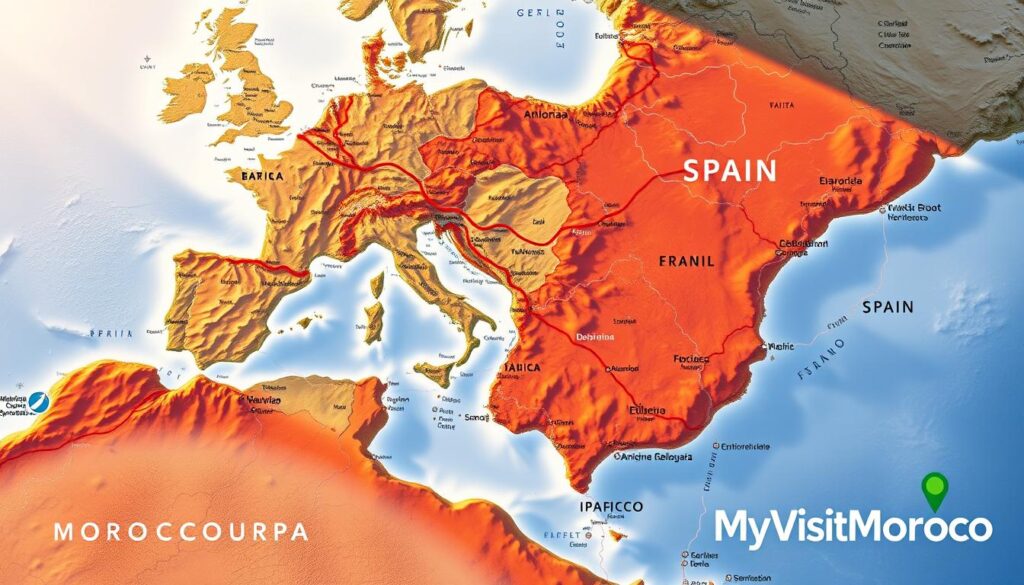
The straight-line distance, or “as the crow flies,” gives a basic measurement. For example, Tangier, Morocco, and Tarifa, Spain, are about 31 kilometers (19.3 miles) apart at their closest.
Casablanca and Madrid are farther. The straight-line distance between them is roughly 561 kilometers (348 miles). But this isn’t a usual travel path.
Travel Distances by Different Routes
Travel distances vary by air, sea, or land and sea. Ferry routes also affect the distance. For instance, Tangier to Algeciras is about 40 kilometers (25 miles) by sea. But the total distance, including getting to and from ports, is longer.
“The actual travel distance and time from Morocco to Spain can be influenced by several factors, including the specific route taken, the mode of transportation, and any potential delays.” Flying is usually direct, but check-in, security, and layovers can add to travel time.
The Historical Connection Between Morocco and Spain
The history between Morocco and Spain is complex. It’s filled with cultural exchange and conflict. The Strait of Gibraltar connects them, acting as both a barrier and a bridge.
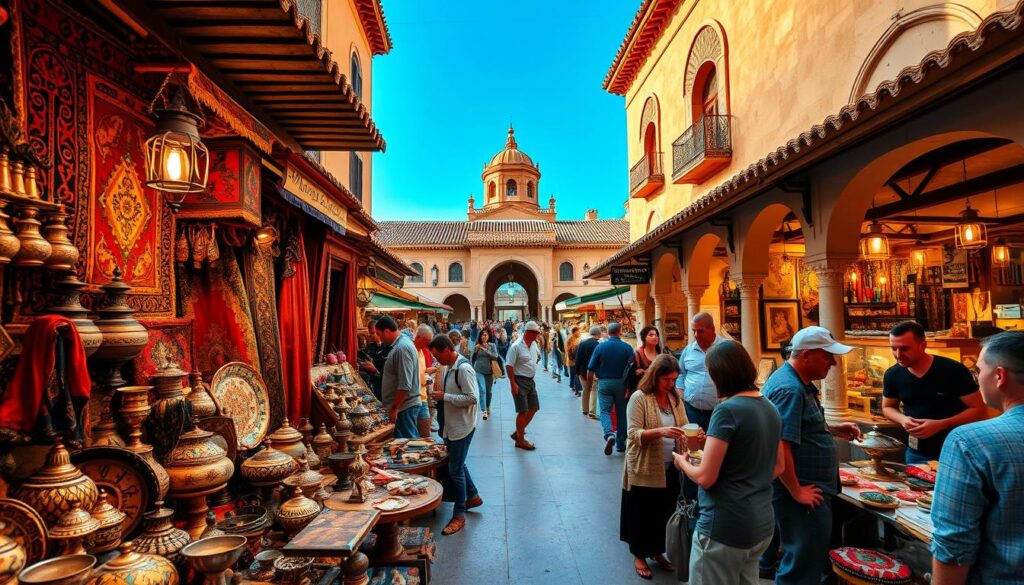
Their historical ties are deep and varied. They show a rich history of cultural exchange. This exchange has made both countries richer.
Cultural and Historical Ties
Architecture, cuisine, and language show their connection. Buildings in Spain’s Andalusia region have Moorish styles. Moroccan food also reflects Spanish influences.
- Shared architectural heritage, such as the Alhambra in Granada, Spain, and the mosques in Fez, Morocco.
- Culinary exchanges, with dishes like gazpacho in Spain and harira in Morocco.
- Linguistic influences, with many Moroccans speaking Spanish, particularly in the northern regions.
Modern Travel Relations
Today, their history helps with travel and tourism. The Morocco-Spain border is key for travel between Europe and Africa.
Travelers can easily go between Morocco and Spain. This makes their cultural understanding and economic ties stronger.
- Ferry services connecting ports like Tangier and Algeciras.
- Direct flights between major cities like Madrid and Marrakech.
Ferry Routes from Morocco to Spain
Traveling from Morocco to Spain by ferry is a popular choice. It’s a comfortable way to go with your car or just as a passenger. The ferry ride connects the two countries well.
Tangier to Tarifa Ferry
The Tangier to Tarifa ferry is a top choice for many. It’s known for its short trip time.
Schedule and Duration
Ferry times change with the seasons. But, there are many trips each day. The trip takes about 35-40 minutes.
Ticket Prices and Booking
Ticket costs vary by company, service type, and when you book. Booking early can save you money. Prices range from $30-$70 per person.
Tangier to Algeciras Route
The Tangier to Algeciras ferry is also popular. It’s known for its good prices and frequent trips.
Ferry Companies and Services
Balearia and FLOTA FRS run this route. They offer different classes, from basic to luxury, for a comfortable ride.
Passenger Experience
On the Tangier to Algeciras ferry, you’ll find dining, comfy seats, and entertainment. The trip lasts 1.5 to 2 hours, depending on the ferry and the sea.
Other Popular Ferry Connections
There are more ferry routes, like Nador to Almeria. These options give travelers more choices based on where they start and where they’re going.
Seasonal Variations in Ferry Service
Ferry times and how often they run change with the seasons. In summer, when more people travel, ferries run more often. Always check the latest schedules before you go.
Flying from Morocco to Spain
Traveling from Morocco to Spain by air is the fastest way. Several airlines connect the two countries. This gives you many flight options to pick from.
Direct Flight Options and Airlines
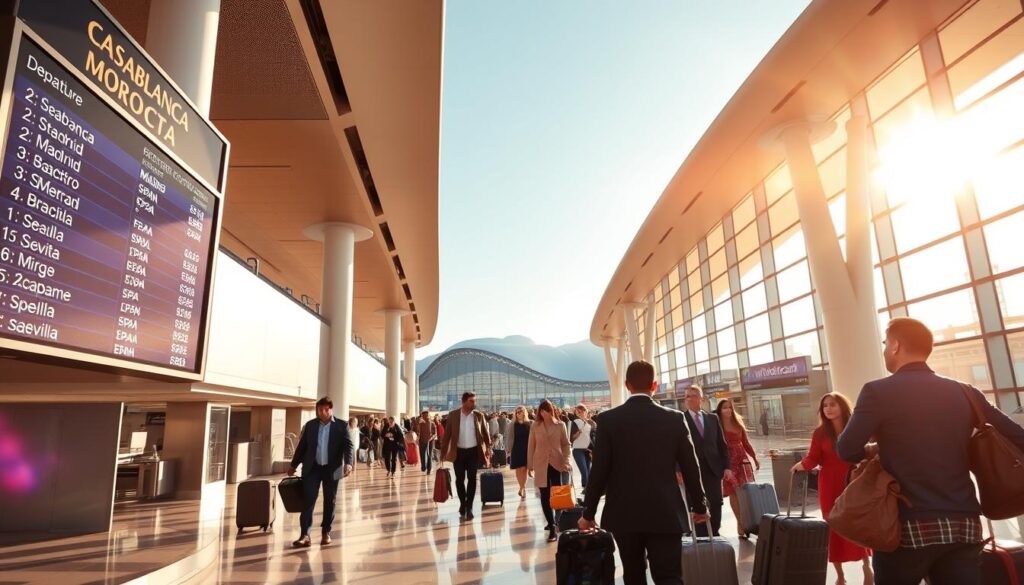
Many airlines offer direct flights from Morocco’s big cities to Spain. For example, you can fly straight from Casablanca or Marrakech to Madrid or Barcelona. Royal Air Maroc, Iberia, and Air Arabia are among the airlines providing these services. This means you have lots of choices for your trip.
Flight Duration and Frequency
The flight from Morocco to Spain is short, lasting about 1.5 to 2.5 hours. The time depends on the route and airline. You can choose from many flight times throughout the day. This makes it easy to find a flight that works for you, whether for work or fun.
Major Airports and Connections
The main airports in Morocco for flights to Spain are Mohammed V Airport in Casablanca and Marrakech Menara Airport. In Spain, flights land at Adolfo Suárez Madrid–Barajas Airport and Barcelona–El Prat Airport. These airports are well-connected, with many flights every day. This makes it simple to find a convenient flight.
| Route | Approximate Flight Duration | Frequency |
|---|---|---|
| Casablanca to Madrid | 1.5 hours | Multiple daily flights |
| Marrakech to Barcelona | 2 hours | Several daily flights |
Border Crossing Between Morocco and Spain
Traveling from Morocco to Spain can be easy if you’re ready. You can go by ferry or fly. Knowing what you need makes your trip smooth.
Visa Requirements for Different Nationalities
Visa rules change based on where you’re from. EU citizens can move between Morocco and Spain easily with a passport or ID. People from other countries might need a visa.
For example, Americans can visit Spain for up to 90 days without a visa for fun or work.
| Nationality | Visa Requirement | Maximum Stay |
|---|---|---|
| EU Citizens | No visa required | Indefinite |
| U.S. Citizens | No visa required for tourism/business | 90 days |
| Other Nationalities | Varies; check with Spanish embassy/consulate | Varies |
Border Control Procedures
At the border, you’ll face customs and immigration. Make sure you have your passport, visa, and travel plans. You must also tell about any special items you’re bringing.

Knowing visa rules and border procedures helps you travel smoothly from Morocco to Spain.
The Ceuta and Melilla Land Borders
Traveling from Morocco to Spain can be done through Ceuta and Melilla, two Spanish areas on the North African coast. These places are important for their history and culture with Spain. They also help connect Europe and Africa.
Crossing from Morocco to Ceuta
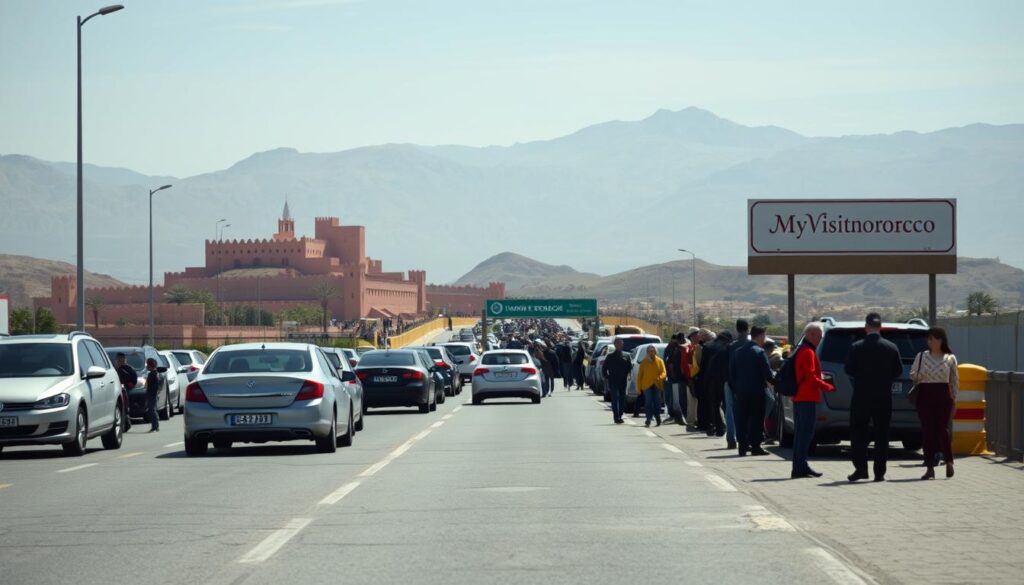
Ceuta is a key spot for crossing from Morocco to Spain. Travelers need to know the regulations and restrictions like visa rules and customs. The border is usually open, but always check travel advisories first.
Crossing from Morocco to Melilla
Melilla is another way to enter Spain from Morocco. You’ll need to go through a controlled area. Here, you might need to show your passport, visa, and travel plans. Knowing the local regulations and having your documents ready is key for a smooth trip.
Regulations and Restrictions
Both Ceuta and Melilla have rules for crossing from Morocco. These include:
- Valid travel documents (passport, visa if required)
- Proof of onward or return travel
- Compliance with customs regulations
- Awareness of any health and safety advisories
Remember, even though these places are part of Spain, they’re not in the Schengen Area. This might impact your travel plans.
In summary, crossing from Morocco to Spain via Ceuta or Melilla needs careful planning. Knowing the rules helps ensure a smooth journey between these culturally rich countries.
Travel Time Comparison: All Transportation Methods
Planning a trip from Morocco to Spain? Knowing the travel times is key. There are many ways to get there, each with its own benefits and time frames.
The time it takes to get from Morocco to Spain changes a lot. You can take a ferry, fly, or use other ways. Let’s look at the fastest and most beautiful routes.
Fastest Ways to Travel Between Countries
For those in a hurry, flying is the quickest option. Flights from Morocco to Spain take about 1.5 to 2 hours. Airlines like Ryanair, Iberia, and Air Arabia offer direct flights to cities like Tangier, Marrakech, and Madrid, Barcelona.
Want a quicker option than flying? A ferry ride is a good choice, though it’s longer. The ferry from Tangier to Tarifa or Algeciras takes 35 minutes to a couple of hours, depending on the ferry and route.
Most Scenic Routes
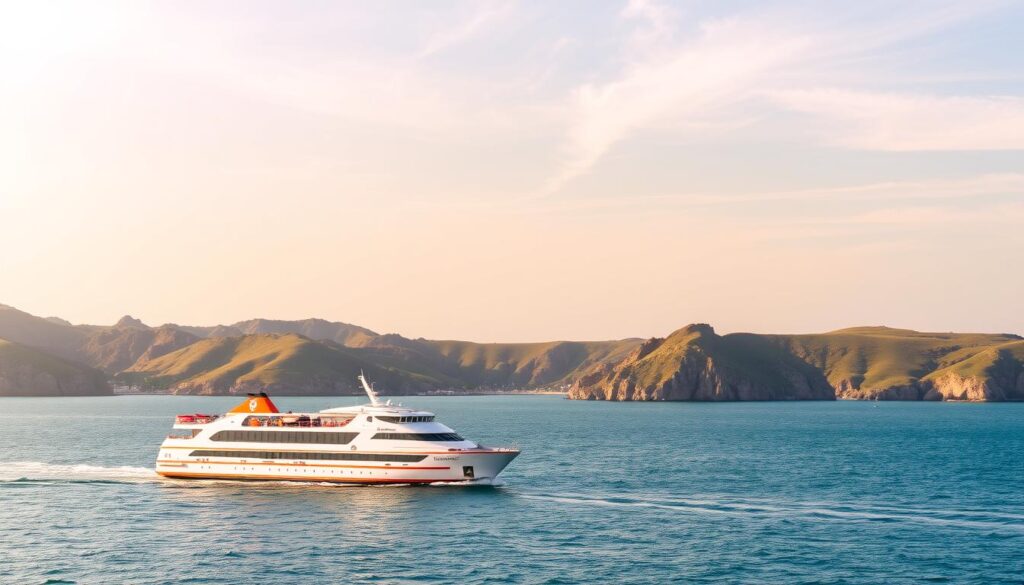
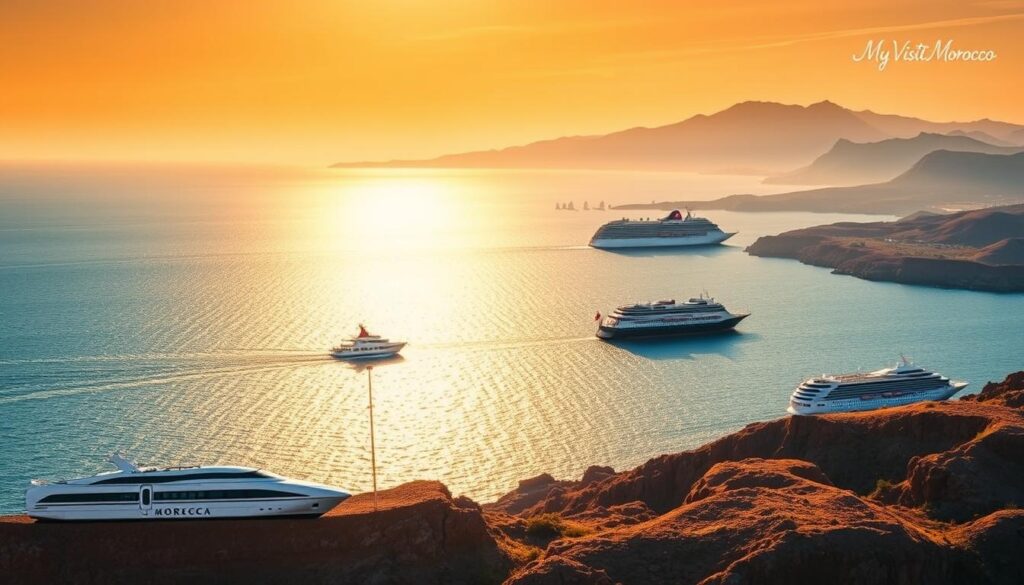
For stunning views, the ferry across the Strait of Gibraltar is unmatched. You’ll see the Mediterranean Sea and the Atlantic Ocean, along with beautiful landscapes. The Tangier to Tarifa route is especially known for its beauty.
Another scenic choice is a cruise that visits Moroccan and Spanish ports. It’s not a direct way, but it’s a relaxing way to see the coast.
| Transportation Method | Travel Time | Scenic Value |
|---|---|---|
| Flying | 1.5 – 2 hours | Low |
| Ferry (Tangier to Tarifa) | 35 minutes – 2 hours | High |
| Ferry (Tangier to Algeciras) | 1 – 2.5 hours | High |
| Cruise | Varies | Very High |
Choosing how to travel from Morocco to Spain depends on what you value more: speed or beauty. Whether you choose a fast flight or a scenic ferry ride, you’ll have a unique experience.
Cost Analysis: Morocco to Spain Transportation Options
Looking into the different ways to get from Morocco to Spain shows a variety of prices. Whether you want something cheap or a fancy ride, knowing the costs is key.
Budget-Friendly Choices
Travelers on a tight budget have a few good options. The ferry is a cheap way to go, with prices from $30 to $70 for a one-way ticket. This depends on the season and who you’re with.
Flying is another cheap choice, even though it might seem pricey at first. Budget airlines can offer tickets under $100. But remember, you’ll also have to pay for bags and getting to the airport.
| Transportation Mode | Approximate Cost | Travel Time |
|---|---|---|
| Ferry (Tangier to Tarifa) | $30-$70 | 1 hour |
| Budget Flight | $50-$150 | 1.5 hours |
Luxury Travel Options
For a fancy trip, there are many high-end choices. Premium ferries offer better comfort and services for $150 to $300 per person one way.
Business or first-class flights are also available for those who want the best. They’re pricier but offer a more personal and comfy ride.
By looking at these options, travelers can pick the best fit for their budget and taste. This ensures a smooth and enjoyable trip from Morocco to Spain.
Is There a Train Connection from Morocco to Spain?
Planning your trip from Morocco to Spain might make you wonder about train travel. Sadly, there’s no direct train link between the two countries. This is because the Strait of Gibraltar separates them.
The Reality of Rail Travel Between the Countries
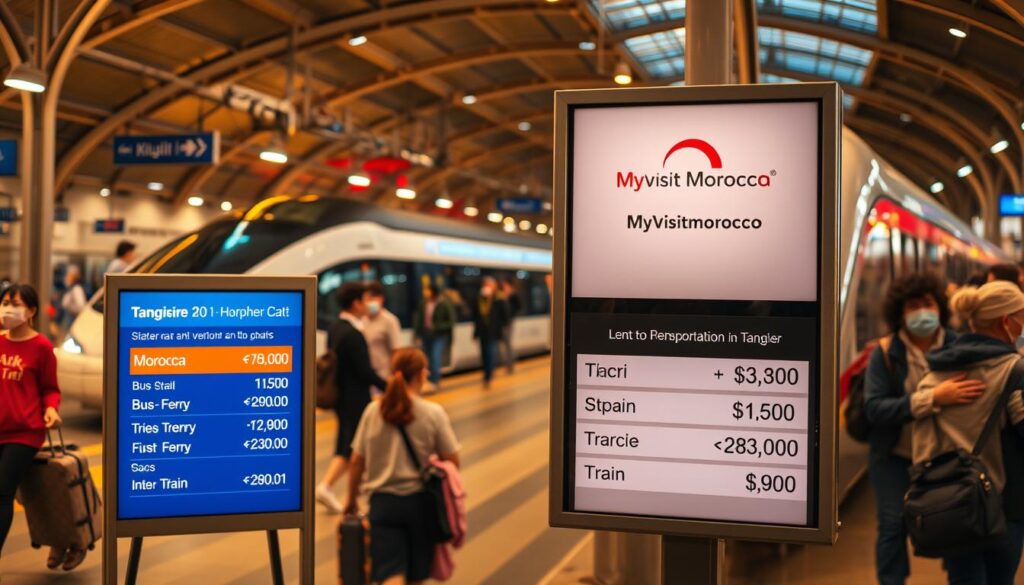
Trains in Morocco and Spain are reliable, connecting big cities well. But, getting from one country to the other by train is tricky. You can take a train to Tangier or Algeciras, then a ferry across the Strait of Gibraltar. Both ONCF in Morocco and Renfe in Spain offer modern, comfy rides.
- Morocco’s rail network links cities like Marrakech, Fez, and Tangier.
- Spain’s Renfe runs high-speed trains (AVE) between Madrid, Seville, and Barcelona.
Future Transportation Projects
There are talks about new ways to travel between Morocco and Spain. The Gibraltar Strait Tunnel is a big dream. It would be an undersea tunnel, connecting Europe and Africa for direct rail travel. This project is still in the making but could change travel between the two countries.
- The Gibraltar Strait Tunnel project aims to boost Europe-Africa connectivity.
- It could make travel faster and boost economic ties between Morocco and Spain.
Even without a direct train now, the future looks bright. Projects like the Gibraltar Strait Tunnel could make traveling between Morocco and Spain easier and more fun.
Driving from Morocco to Spain: Is It Possible?
Driving from Morocco to Spain is an exciting adventure. But, you must prepare well. Crossing the Strait of Gibraltar is a key challenge.
Vehicle Ferry Services
One way to drive from Morocco to Spain is by ferry. Ferries run between Tangier and Tarifa or Algeciras. The trip takes about 35 minutes to an hour, depending on the route and weather.
Ferry Operators and Routes:
| Ferry Operator | Route | Duration |
|---|---|---|
| FRS | Tangier – Tarifa | 35 minutes |
| Balearia | Tangier – Algeciras | 1 hour |
| Inter Shipping | Tangier – Tarifa | 35 minutes |
Driving Regulations and Requirements
Before driving from Morocco to Spain, know the rules. Make sure your car insurance is valid in both countries. Also, have your driver’s license and car registration ready.
Key Documents Required:
- Valid driver’s license
- Car registration
- Vehicle insurance
- Proof of identity (passport)
With the right knowledge of ferries and driving rules, your trip from Morocco to Spain will be smooth and fun.
Best Time of Year to Travel Between Morocco and Spain
Deciding when to visit Morocco and Spain depends on the weather and tourist seasons. Knowing these factors can make your trip better. These countries are rich in culture.
Weather Considerations
Morocco and Spain have a Mediterranean climate. They have warm summers and mild winters. But, the weather changes a lot in different parts of both countries.
Spring (March to May) and autumn (September to November) are the best times to go. The weather is nice, and there are fewer people around.
High and Low Seasons
The summer (June to August) is the busiest time for tourists in both countries. July is especially crowded.
Traveling in the shoulder season (April to May or September to October) means fewer tourists. It’s a good time if you want to avoid the crowds.
The winter months are the low season. You can save money on hotels and tours. But, some places might be closed or open less.
Special Events and Festivals
Morocco and Spain have many festivals and cultural events.
The Marrakech International Film Festival in December and Spain’s Tomatina festival in August are examples. These events can make your trip special. But, they also draw big crowds.
Popular Travel Itineraries Combining Morocco and Spain
Travelers can create amazing journeys by mixing Morocco and Spain. These countries have rich cultures and lively cities. They offer many travel options.
Think about what each country offers. Marrakech’s souks and Madrid’s art are just the start. You can see historic medinas, enjoy beaches, or taste local foods.
One-Week Itineraries
For a week, focus on one place in each country. Spend three days in Tangier, Morocco, seeing the Kasbah and trying local food. Then, take a ferry to Spain and explore Seville or Madrid for four days.
Or, dive deep into one region. Start in Fez, Morocco, then visit Andalusian cities like Granada or Cordoba in Spain. These places share history and culture.
Two-Week Adventures
With two weeks, you can take it easy and see more. Begin in Marrakech, then go to Tangier and Spain. Visit cities like Seville, Granada, and Madrid, or enjoy the Costa del Sol.
Mark Twain said, “Travel is fatal to prejudice, bigotry, and narrow-mindedness.” Your trip can open your eyes to new cultures.
Whether you love history, culture, food, or landscapes, a good plan makes your trip unforgettable.
Practical Tips for Traveling Between Morocco and Spain
Traveling between Morocco and Spain can be a unique experience. It offers rich cultural exchanges and historical significance. Here are some practical tips to make your trip hassle-free.
Required Documentation
Before you start your journey, make sure you have the right documents. A valid passport is a must for travel between Morocco and Spain. You might also need a visa, depending on your nationality. Check the visa requirements early to avoid any last-minute issues.
It’s also wise to make photocopies of important documents, like your passport and visa. Leave a copy with someone you trust back home.
Currency and Payment Considerations
Morocco uses the Moroccan dirham (MAD), while Spain uses the Euro (EUR). It’s a good idea to have some local currency when you arrive. You can exchange money at airports, banks, or currency exchange offices. Credit cards are widely accepted, especially in tourist areas.
| Country | Currency | Credit Card Acceptance |
|---|---|---|
| Morocco | Moroccan Dirham (MAD) | Moderate |
| Spain | Euro (EUR) | High |
Language Barriers
Many Moroccans speak some Spanish, and many Spaniards speak Arabic. But Arabic is the main language in Morocco, and Spanish in Spain. English is common in tourist areas. Still, learning basic phrases in the local languages can make your trip better.
“Language is the blood of the soul.” – Unknown
Cultural Etiquette
Respecting local customs can greatly improve your travel experience. In Morocco, greeting people with a handshake or a kiss on the cheek is common. Also, dress modestly, especially when visiting religious sites.
Being aware of these cultural norms will help you travel with respect and grace.
Conclusion: Bridging Two Continents and Cultures
Traveling between Morocco and Spain is more than just moving from one place to another. It’s about connecting two continents and cultures. The Strait of Gibraltar, the narrowest point between them, makes for an exciting journey.
There are many ways to get there, like ferries, flights, and maybe even trains soon. Each option has its own charm, fitting different tastes and wallets. Whether you’re interested in history, culture, or stunning views, this trip is rewarding.
When planning your trip, think about the best time to go, popular routes, and useful tips. This way, you’ll be ready to enjoy your adventure fully. The cultural exchange you’ll experience is a big part of the fun, letting you dive into a mix of traditions.
In short, traveling from Morocco to Spain is a special chance to learn, see new places, and make unforgettable memories. As you start this journey, you’ll find out how enriching it can be for your world view.





 Covers cities, coast, mountains, desert & food