
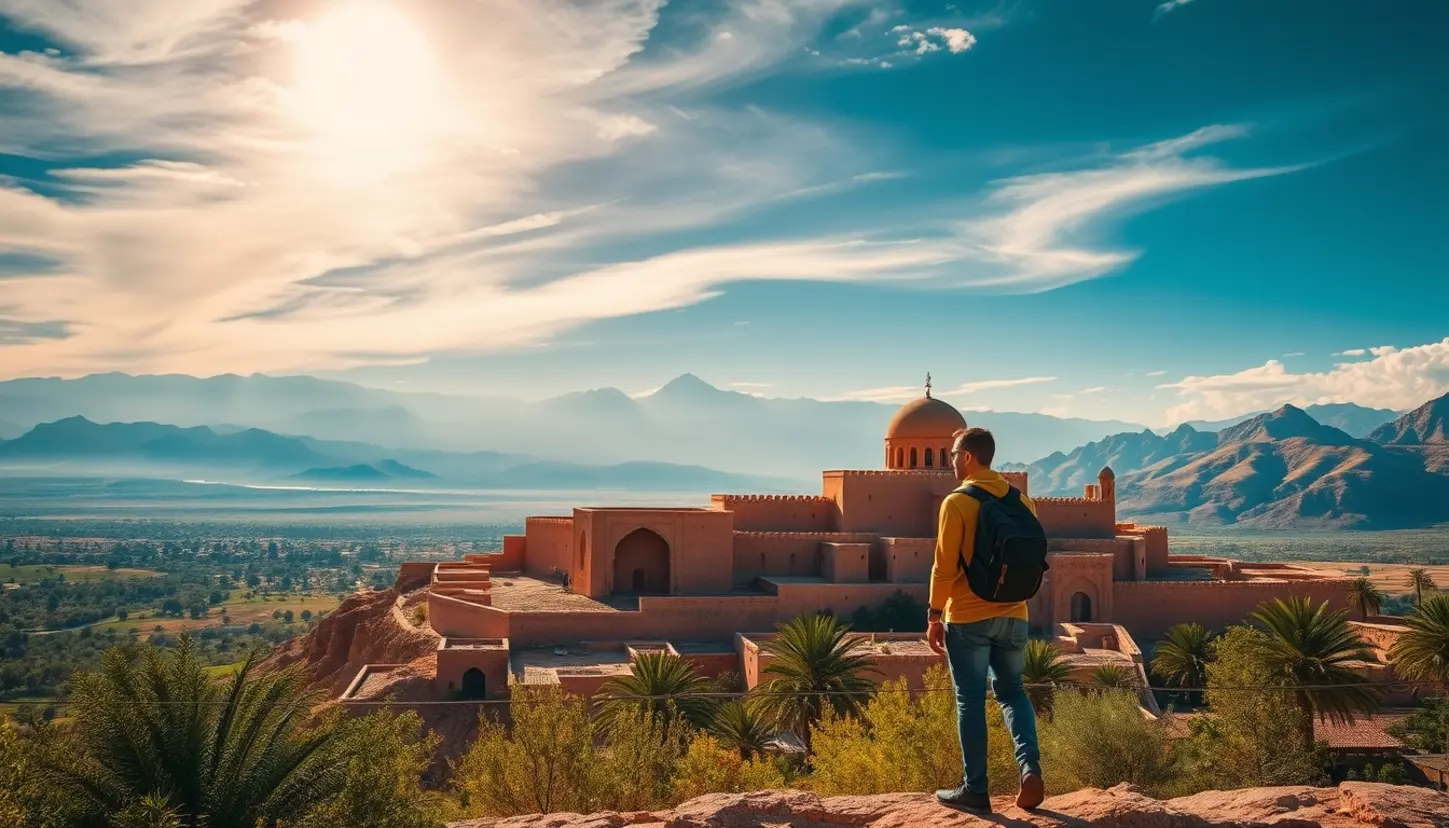
Embarking on Morocco kasbah tours offers a captivating journey through time, allowing travelers to explore the country’s ancient fortresses and the lush oases nestled within its dramatic landscapes. These fortified structures, often built from rammed earth, are not just historical relics; they are living testaments to Morocco’s rich heritage, strategic importance, and unique architectural prowess. A kasbah tour is less about just sightseeing and more about immersing yourself in the stories etched into these venerable walls, understanding the traditional Berber way of life, and experiencing the stunning transition from bustling souks to tranquil palm groves. If you’re seeking an adventure that intertwines history, culture, and breathtaking scenery, then delving into the world of Morocco’s kasbahs is an absolute must-do.
Unveiling the Draa Valley’s Ancient Sentinels
One of the most profound experiences on Morocco kasbah tours involves tracing the Draa Valley, a verdant ribbon cutting through stark desert landscapes. This valley is famously dotted with some of the most impressive kasbahs in the country, each telling its own tale. Imagine driving through vast expanses of palm trees, their green fronds contrasting sharply with the deep red earth of the ancient fortifications. Villages like Agdz and Tamnougalt stand as proud examples of traditional life, where the kasbahs blend seamlessly into the daily routines of the local inhabitants. A well-planned tour will take you deep into these communities, allowing you to walk through the labyrinthine alleyways, marvel at the intricate doors, and perhaps even share a cup of mint tea with a local family. This region truly showcases the symbiosis between human ingenuity and the natural environment, where kasbahs were built not just for defense, but as centers of commerce and community, drawing life from the fertile lands irrigated by the Draa River.
Journeying Through the Oases of the Fint Oasis and Tinghir
Beyond the Draa, other oases hold their own treasures for kasbah explorers. The Fint Oasis, often referred to as “the garden of paradise,” is a hidden gem tucked away in a rocky valley near Ouarzazate. This secluded haven is a stark contrast to the surrounding arid terrain, bursting with palm trees, almond trees, and traditional mud-brick houses. Exploring its small kasbahs and ksours (fortified villages) feels like stepping into a peaceful, timeless bubble, offering a glimpse into a self-sufficient, agricultural way of life. Further east, the oasis of Tinghir, famous for its proximity to the Todra Gorge, also boasts a magnificent palm grove interspersed with ancient kasbahs. Walking through these areas, you understand the strategic importance of these fortified settlements – providing shelter, water, and security in an often-harsh environment. Your Morocco kasbah tours should definitely aim to include these green pockets of life, offering a refreshing break and a deeper understanding of sustainable living in the desert fringes.
Essential Stops: Ait Ben Haddou and Telouet
No discussion of Morocco kasbah tours is complete without highlighting two of its most iconic structures: Ait Ben Haddou and Telouet. Ait Ben Haddou, a UNESCO World Heritage site, is perhaps the most famous kasbah in Morocco, a stunning example of a traditional fortified village (ksar) that has been featured in countless films and television shows. Its towering walls and intricate design are simply breathtaking, especially during sunrise or sunset when the soft light accentuates its rich ochre tones. Exploring Ait Ben Haddou is like walking onto a living film set, but it’s also a poignant reminder of the architectural brilliance of the past.
Just off the path to Ait Ben Haddou, often along the ancient caravan route, lies the Kasbah of Telouet. This crumbling but still magnificent structure was once the opulent palace of the Glaoui family, the powerful “Lords of the Atlas.” While much of it lies in ruin, testament to its dramatic fall, the surviving sections offer a glimpse into the lavish lifestyle of the pashas – intricate tilework, painted cedar ceilings, and stained-glass windows remain. The contrast between the fully preserved Ait Ben Haddou and the decaying grandeur of Telouet offers a fascinating dual perspective on Morocco’s kasbah heritage, making both indispensable stops for any comprehensive tour.
Crafting Your Ideal Atlas Kasbah Tours Itinerary
When planning your Atlas kasbah tours, flexibility and local expertise are key. A typical journey often starts or ends in Marrakech, venturing over the stunning Tizi n’Tichka pass into the Ouarzazate region, the gateway to the desert. From here, the routes diverge into various kasbah and oasis explorations. For those seeking historical depth, focusing on the Draa Valley and its many ksour is highly recommended. If you’re passionate about photography, the Fint Oasis and Ait Ben Haddou offer unparalleled opportunities. For adventure seekers, combining these kasbah tours with trekking in the High Atlas or even a camel trek into the Sahara is a popular choice. Many travelers choose multi-day tours that include overnight stays in traditional guesthouses (riads or auberges) within or near kasbahs, providing an authentic and immersive experience. Consider whether you prefer a private tour with a dedicated guide and driver for maximum flexibility, or a small group tour that offers a communal experience.
Immersive Experiences Beyond Sightseeing
Morocco kasbah tours aren’t just about gazing at ancient walls; they’re about experiencing the local culture firsthand. Many tours offer opportunities for more than just a quick photo stop. Imagine:
- Cooking classes: Learn to prepare traditional Berber tagines or bread in a local kitchen, understanding the unique flavors of the region.
- Artisan visits: Encounter local potters, weavers, or leatherworkers who continue age-old crafts, often right within the kasbah walls or nearby villages. This is a chance to pick up authentic, handmade souvenirs directly from the creators.
- Hiking and trekking: Explore the palm groves and surrounding hills on foot, often with a local guide who can point out medicinal plants, explain the irrigation systems, and introduce you to local families.
- Overnight stays in kasbah hotels: Several beautifully restored kasbahs now operate as charming hotels or guesthouses. Spending a night within these historic walls offers an incomparable atmosphere and a true sense of journeying back in time.
- Cultural performances: In some areas, you might be lucky enough to witness traditional music and dance, offering insight into the vibrant local arts scene. These deeper engagements truly elevate the experience of Morocco kasbah tours from a simple trip to an unforgettable adventure.
The Best Seasons for Your Kasbah Adventure
The timing of your Morocco kasbah tours can significantly impact your experience. Generally, the shoulder seasons – spring (March to May) and autumn (September to November) – are considered ideal. During these months, the weather is pleasant, with warm days and cooler evenings, perfect for exploring without the intense summer heat. The landscape in spring is particularly vibrant, as desert flowers bloom and the oases are at their greenest. Autumn also offers comfortable temperatures and the soft, golden light that photographers adore.
Summer (June to August) can be extremely hot, especially in the desert and pre-Saharan regions, making daytime exploration uncomfortable for some. However, if you tolerate heat well and prefer fewer crowds, early mornings and late afternoons can still be magical. Winter (December to February) brings cooler temperatures, especially in the Atlas Mountains, and even snow at higher elevations. While the kasbahs themselves remain accessible, the roads over the Tizi n’Tichka pass can occasionally be affected by snow, and evenings can be quite chilly. Consider your comfort with temperature extremes when planning the perfect time for your kasbah adventure.
Combining Kasbah Exploration with Desert Magic
For many travelers, the allure of Morocco lies not just in its ancient fortresses but also in the vast, mesmerizing expanse of the Sahara Desert. Fortunately, Morocco kasbah tours integrate seamlessly with desert adventures. The route from Marrakech through Ouarzazate, past Ait Ben Haddou and the Draa Valley, naturally leads towards the desert dunes of Erg Chebbi or Erg Chigaga.
Imagine spending your days exploring magnificent kasbahs and fortified villages, absorbing centuries of history and culture, then transitioning to an unforgettable night under a blanket of stars in a traditional Berber camp amidst towering sand dunes. Dune bashing, camel trekking at sunset, and enjoying traditional music around a campfire are experiences that perfectly complement the historical depth of the kasbahs. This combination offers a holistic view of Morocco’s diverse landscapes and traditions. Many tour operators specialize in multi-day itineraries that unite these two iconic Moroccan experiences. For more insights on this combined adventure, you might find our guide on Morocco kasbah tours highly beneficial.
Practical Logistics: Guides, Transport, and Accommodation
A well-executed kasbah tour relies heavily on good logistics. When choosing a tour operator, look for one with experienced, local guides who can not only navigate the routes but also provide deep cultural and historical insights. A knowledgeable guide can truly bring the kasbahs to life, sharing stories and details you might otherwise miss.
Transportation typically involves comfortable 4×4 vehicles, especially for traversing the more rugged desert roads or mountain passes. Ensure your chosen tour includes a skilled driver who is familiar with the terrain. For accommodation, you’ll find a range of options from simple, traditional guesthouses (auberges) to more luxurious kasbah-style hotels. Many of these blend seamlessly into their historical surroundings, offering a unique charm and often spectacular views. Booking in advance, especially during peak seasons, is always recommended to secure your preferred choices. Clarify what is included in your tour package – meals, entrance fees, activities – to avoid surprises.
Conclusion
Morocco kasbah tours offer an unparalleled journey through the heart of Morocco’s historical and natural beauty. From the majestic fortified villages of Ait Ben Haddou and the Draa Valley to the tranquil oases that punctuate the arid landscape, each kasbah tells a story of perseverance, community, and architectural ingenuity. These tours provide more than just a glimpse into the past; they offer an immersive experience into the daily lives, traditions, and breathtaking scenery that define this incredible country. By connecting with local culture, understanding the historical significance of these fortresses, and embracing the diverse landscapes, you’ll discover why Morocco kasbah tours are truly an unforgettable adventure.
FAQs
What is a kasbah, and how does it differ from a ksar?
A kasbah typically refers to a single fortified house or citadel, often serving as a governor’s residence, a strong defensive structure, or a strategic point within a city or region. A ksar (plural: ksour) is a fortified village or complex, comprising multiple dwelling units, granaries, and other structures all enclosed within a defensive wall. Both are characteristic features of Moroccan architecture, particularly in the pre-Saharan regions.
Are kasbah tours suitable for families with children?
Yes, many Morocco kasbah tours are suitable for families. The historical sites offer engaging learning opportunities, and the diverse landscapes provide ample space for exploration. When booking, inform your tour operator about traveling with children so they can tailor the itinerary, pace, and activities to be family-friendly. Look for tours that include shorter driving times, opportunities for walks, and engaging cultural stops.
What should I pack for a kasbah tour?
Packing essentials include comfortable walking shoes, layers of clothing (temperatures can fluctuate from day to night, especially in the desert), sun protection (hat, sunglasses, high-SPF sunscreen), and a reusable water bottle. For photography enthusiasts, extra batteries and memory cards are a must. Don’t forget a small backpack for daily excursions and any personal medications. Modest clothing is recommended out of respect for local customs, particularly when visiting villages or religious sites.
Can I book a combined kasbah and desert tour?
Absolutely! Most reliable tour operators in Morocco offer combined itineraries that link kasbah exploration with desert experiences, such as camel treks and overnight stays in Sahara camps. These multi-day tours are very popular as they showcase the dramatic transition from the Atlas Mountains and its valleys to the vast dunes of the Sahara. Discuss your interests with a tour operator to customize a combined package that fits your schedule and preferences.





 Covers cities, coast, mountains, desert & food