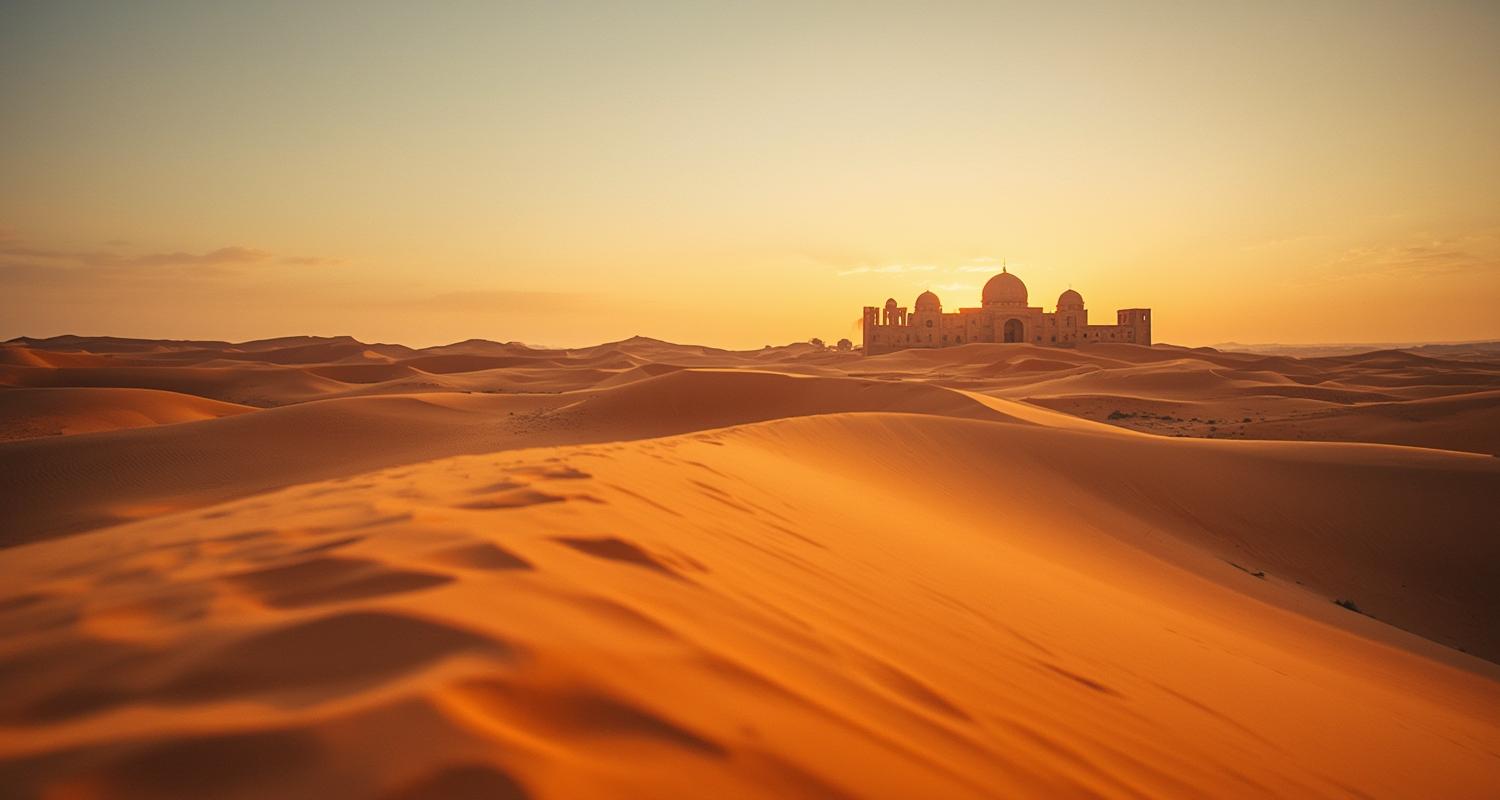
Morocco is a land of vibrant colors, bustling souks, and ancient kasbahs, but perhaps its most enchanting draw is the timeless allure of the Sahara Desert. Embarking on desert Sahara tours is more than just a trip; it’s an immersive journey into a world where vast dunes stretch as far as the eye can see, stars blaze with unparalleled brilliance, and the silence of the wilderness whispers tales of millennia. This isn’t just a sightseeing excursion; it’s an experience that carves itself into your memory, offering a profound connection to nature and a peek into the nomadic way of life. If you’re seeking an adventure that blends awe-inspiring landscapes with rich cultural encounters, then a Sahara desert tour from Morocco is an absolute must-do.
Choosing Your Gateway to the Moroccan Sahara: Merzouga vs. Erg Chigaga
When planning your desert Sahara tours, you’ll quickly discover two primary desert destinations for an authentic experience: Merzouga (Erg Chebbi) and Erg Chigaga. Both offer dazzling sand dunes and unforgettable overnight stays, but they cater to slightly different travel styles. Merzouga, home to the towering dunes of Erg Chebbi, is generally more accessible and often chosen for shorter trips from Marrakech or Fes. Its infrastructure is more developed, with a wider range of camps, from basic to luxurious, and plenty of organized activities. This makes it a fantastic option for families or those looking for a relatively comfortable desert experience.
On the other hand, Erg Chigaga, located further southwest, near M’hamid el Ghizlane, promises a more rugged and off-the-beaten-path adventure. Reaching Erg Chigaga requires a longer drive, often involving 4×4 vehicles across rocky and sandy terrain. The dunes here are equally magnificent, and the remoteness means fewer crowds, offering a deeper sense of solitude and untouched wilderness. If you’re an intrepid traveler looking for an authentic, minimalist, and truly tranquil desert immersion, Erg Chigaga might be your perfect match. Whichever you choose, both offer incredible opportunities for iconic camel treks and starry nights.

The Unforgettable Experience of a Sahara Night
The true magic of desert Sahara tours comes alive after sunset. As the sun dips below the horizon, painting the sky in fiery hues of orange and purple, the desert transforms. The air cools, and the silence becomes profound, punctuated only by the crackle of a campfire and the occasional distant call of an animal. Overnight stays in traditional Berber camps are the cornerstone of any Sahara experience. These camps, ranging from simple tents to lavish glamping setups, offer a unique blend of adventure and comfort. You’ll typically enjoy a delicious dinner under the stars, often accompanied by traditional Berber music played on drums around a flickering fire.
Then comes the celestial show. Far from any light pollution, the Sahara’s night sky is nothing short of breathtaking. Millions of stars, the Milky Way a distinct band across the inky blackness, appear closer and brighter than you’ve ever witnessed. It’s a humbling and deeply moving experience that often leaves travelers speechless. Waking up to the soft hues of dawn washing over the dunes, often followed by the option to watch the sunrise from a high dune, completes this extraordinary overnight adventure.
Essential Stops and Sights Beyond the Dunes
While the majestic dunes are undeniably the main event of desert Sahara tours, the journey to and from the desert itself is packed with incredible sights and experiences. Your route will typically take you through diverse Moroccan landscapes, offering a rich tapestry of cultural and historical discoveries. From Marrakech, you’ll likely traverse the High Atlas Mountains via the Tizi n’Tichka pass, a breathtaking drive with winding roads and panoramic views. Along the way, you’ll encounter ancient kasbahs (fortified villages), many of which are UNESCO World Heritage Sites.
Aït Benhaddou, a spectacularly preserved example of a ksour (fortified village), is almost always a stop. Its mud-brick architecture has served as a backdrop for countless films and offers a fascinating glimpse into traditional Moroccan life. Another popular stop is Ouarzazate, often referred to as the “Gateway to the Sahara” and home to major film studios. You might also visit the Dades Valley or the Todra Gorge, dramatic canyons with towering rock walls and lush oases. These stops break up the journey, preventing long drives from feeling arduous and enriching your understanding of this fascinating country. To learn more about other incredible desert sahara tours in Morocco, explore our comprehensive guide.

Practical Advice for Maximizing Your Desert Adventure
Planning desert Sahara tours requires a bit of foresight to ensure a smooth and enjoyable trip. First, consider the duration. While 2-day/1-night trips are popular from Fes or Marrakech, they involve a lot of driving. A 3-day/2-night or even 4-day/3-night itinerary allows for a more relaxed pace, more time in the desert, and opportunities to explore the fascinating stops along the way without feeling rushed. Book with a reputable tour operator who provides comfortable transport, experienced drivers, and well-maintained vehicles. Read reviews and ensure the itinerary aligns with your expectations.
What to pack? Layers are key. Days in the desert can be hot, but nights, even in summer, can get surprisingly chilly, especially in winter. Pack light, breathable clothing for the day, and warmer layers for the evening. A headscarf is invaluable for sun protection and keeping sand out of your hair and face. Don’t forget sunscreen, sunglasses, a wide-brimmed hat, and a good camera to capture the incredible landscapes. A small backpack for day essentials is useful, as your main luggage will often travel separately. Staying hydrated is paramount; always have plenty of water on hand. Inform your tour operator of any dietary restrictions in advance. For more tips on preparing for your desert adventure, you can check out this helpful resource on morocco destinations.
Immersing in Berber Culture and Desert Life
Beyond the stunning scenery, desert Sahara tours offer a unique opportunity to connect with the local Berber culture. The Berbers are the indigenous people of North Africa, and their hospitality and rich traditions are an integral part of the desert experience. Many guides and camp staff are local Berbers, eager to share their way of life, their music, and their delicious cuisine. You’ll likely enjoy a tagine or a hearty couscous prepared in traditional ways. Don’t be shy about asking questions – learning about their history, their relationship with the desert, and their daily routines can be incredibly enriching.
Some tours might include visits to local villages, providing a chance to see artisanal crafts, interact with local families, or even learn a few words of Tamazight, the Berber language. Understanding the symbiotic relationship between the Berbers and the Sahara adds another layer of depth to your journey, transforming a beautiful landscape into a living, breathing cultural revelation. Respecting local customs, traditions, and the environment is crucial for a meaningful and responsible travel experience.
Conclusion
Embarking on desert Sahara tours in Morocco is an adventure that truly stands apart. It’s a journey into a landscape of breathtaking beauty, where the sheer scale of the dunes humbles you, and the starlit nights ignite a sense of wonder. From the vibrant souks of Marrakech to the silent expanse of the Sahara, every step of the journey offers a new discovery, a new memory to cherish. Whether you choose the bustling grandeur of Erg Chebbi or the remote solitude of Erg Chigaga, the Moroccan Sahara promises an experience that is both exhilarating and deeply spiritual. So pack your bags, open your mind, and prepare to be captivated by the magic of the desert.

FAQs
### What is the best time of year for desert Sahara tours?
The best time to visit the Sahara Desert in Morocco is during the spring (March to May) and autumn (September to November). During these months, the weather is pleasant, with warm days and cooler, comfortable nights. Summer (June to August) can be extremely hot, with temperatures often exceeding 40°C (104°F), making daytime activities challenging. Winter (December to February) offers cool days and very cold nights, so be sure to pack warm clothing if traveling then.
### How long does it take to get to the Sahara Desert from Marrakech?
The journey from Marrakech to the edge of the Sahara Desert (e.g., Merzouga) typically takes a full day of driving, usually between 9 to 12 hours, depending on the number and length of stops. Therefore, most desert Sahara tours involve at least two days (one overnight in the desert) to make the long travel worthwhile. A 3-day/2-night tour usually allows for a more comfortable pace and more time at key attractions along the route.
### What kind of accommodation can I expect in the desert camps?
Desert camps vary widely, from basic, traditional Berber tents to luxurious glamping setups. Basic camps offer simple communal tents or private tents with foam mattresses and blankets, and shared bathroom facilities (sometimes a dry toilet). Luxury camps provide larger, well-appointed private tents with proper beds, sometimes attached en-suite bathrooms with flush toilets and hot showers, and more comfort-focused amenities. Always clarify with your tour operator what type of camp is included in your desert Sahara tours package.
### Is camel trekking safe and comfortable?
Camel trekking is a core part of the Sahara experience and is generally very safe. The camels are typically well-trained and led by experienced Berber guides. While it might feel a little wobbly at first, most people find it a unique and enjoyable way to traverse the dunes. Comfort can vary, but treks are usually around one to two hours to watch the sunset or sunrise. If you have mobility issues or concerns, discuss alternative transport options (such as a 4×4) with your tour operator, as many can arrange this.




 Covers cities, coast, mountains, desert & food