where to travel in morocco
Imagine yourself in Marrakech’s lively souks, relaxing in Essaouira’s beaches, or trekking the Atlas Mountains. Morocco is full of different landscapes and cultures, offering many exciting experiences. You can visit coastal towns like Tangier and Rabat, desert oases in Merzouga and Erg Chebbi, or mountain villages in Imlil and Chefchaouen.
Looking for adventure, relaxation, or cultural experiences? Morocco has it all. You can hike Mount Toubkal, the highest peak in North Africa, or stroll through historic medinas. For more trip planning tips, check out The Partying Traveler for insights into Morocco’s best spots.
Key Takeaways
- Explore Morocco’s diverse landscapes, from coastal towns to desert oases and mountain villages.
- Visit historic sites like Volubilis and Moulay Idriss Zerhoun.
- Enjoy outdoor activities such as hiking Mount Toubkal.
- Experience the vibrant culture of Marrakech and other cities.
- Relax on the beautiful beaches of Essaouira.
Discovering Morocco’s Diverse Landscapes
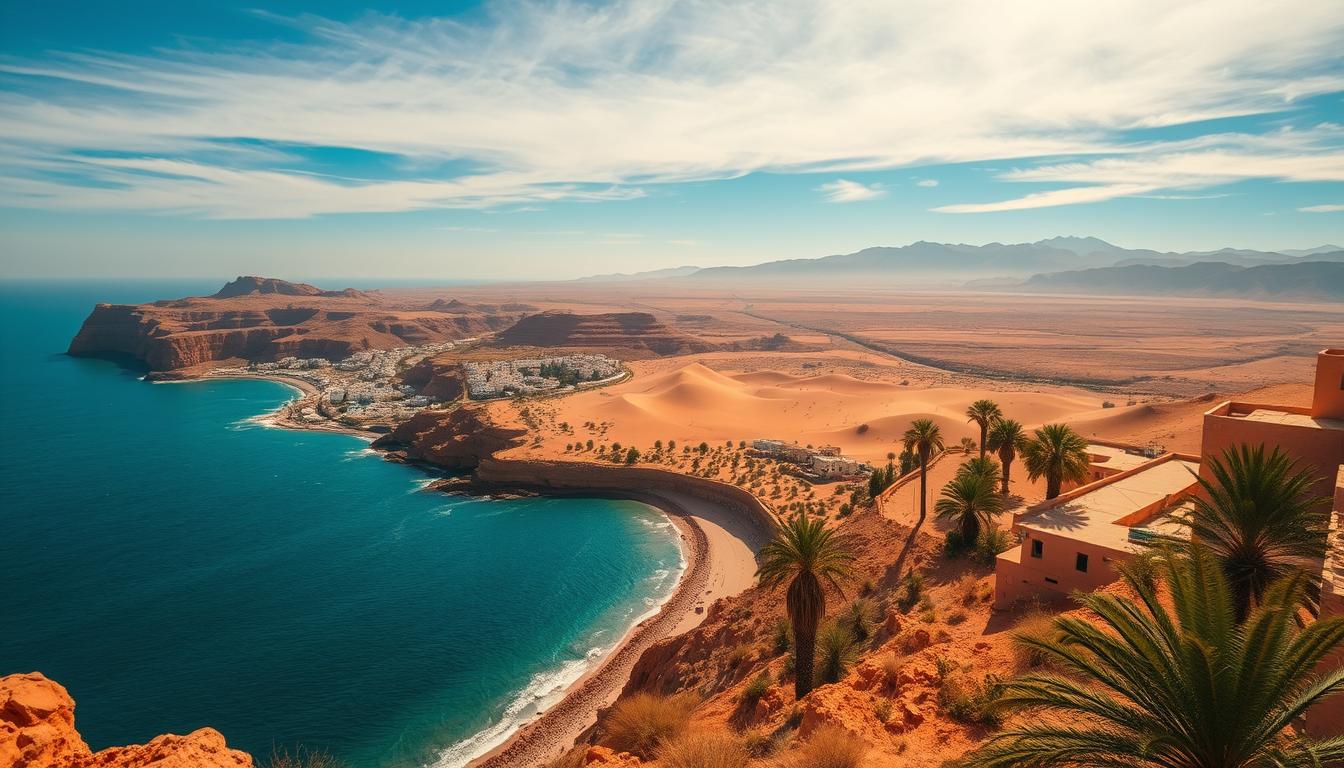
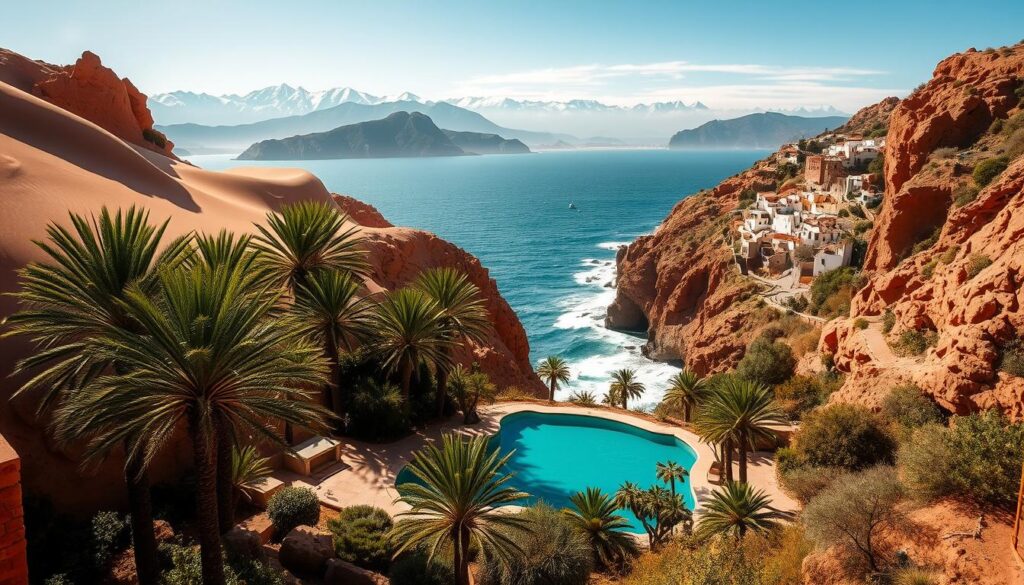
Exploring Morocco reveals a world of contrasts. Here, sea meets desert and mountains touch the sky. This variety makes Morocco a thrilling place for travelers.
A Country of Contrasts: From Sea to Sahara
Morocco’s geography is full of contrasts. It has coastal areas and the Sahara Desert. The country’s compact size belies its diverse geography, making it perfect for those who want to see many environments in a short time.
Geographic Diversity in a Compact Country
From the Atlantic coast to the Sahara Desert, Morocco’s landscapes are unique. You can enjoy beaches in Essaouira and Agadir, or explore desert oases and dunes.
Cultural Melting Pot: Arab, Berber, and European Influences
Morocco’s culture is as diverse as its landscapes. It’s influenced by Arab, Berber, and European traditions. This mix is seen in its architecture, cuisine, and festivals, making it a fascinating place to explore.
The Best Time to Visit Different Regions
Knowing the seasonal weather is key for planning your Morocco trip.
Seasonal Weather Patterns
The best time to visit Morocco depends on the region. Coastal areas are mild, while the desert is very hot in summer. The Atlas Mountains are cooler all year.
Peak vs. Off-Season Travel Considerations
Traveling in the peak season (June to August) can be busy. The off-season is more relaxed. Think about what you prefer when planning your trip.
Vibrant Coastal Cities of Morocco
Exploring Morocco, you’ll find vibrant coastal cities. They mix history, culture, and modern life. These cities are must-see destinations in Morocco, offering a unique blend of old and new.
Casablanca: Modern Metropolis with Historic Charm
Casablanca is a city of contrasts. Modern buildings stand next to historic landmarks. The Hassan II Mosque is a highlight, with its stunning ocean views and intricate craftsmanship.
Hassan II Mosque and Corniche
The Hassan II Mosque is a marvel of Moroccan architecture. Its minaret reaches 210 meters high. The Corniche, a seaside promenade, offers beautiful views of the Atlantic Ocean.
Art Deco Architecture and Urban Experiences
Casablanca’s Art Deco architecture adds to its charm. Many buildings feature geometric patterns and ornate details. Walking through the city, you’ll experience vibrant urban culture, from street food to local artisans.
Rabat: The Capital’s Cultural Treasures
Rabat, Morocco’s capital, is full of cultural experiences. Exploring Morocco’s cities like Rabat reveals the country’s rich history and heritage.
Kasbah of the Udayas and Hassan Tower
The Kasbah of the Udayas offers stunning ocean views. The Hassan Tower, built in the 12th century, reflects the city’s rich history.
Chellah Necropolis and Royal Palace
The Chellah Necropolis is an ancient Roman site reclaimed by nature. The Royal Palace, although not open to the public, represents the country’s monarchy.
Tangier: Gateway Between Continents
Tangier, on the Strait of Gibraltar, is a city influenced by various cultures. Its strategic location makes it a gateway between continents, with a rich history visible in its architecture and culture.
Caves of Hercules and Cape Spartel
The Caves of Hercules are said to be Hercules’ resting place. Cape Spartel, the northwesternmost point of Africa, offers stunning views of the Atlantic Ocean and the Mediterranean Sea.
International Zone History and Literary Connections
Tangier’s history as an International Zone has left a lasting legacy. It has been a melting pot of cultures. It has also inspired many writers, including Paul Bowles.
Beach Escapes Along the Atlantic Coast
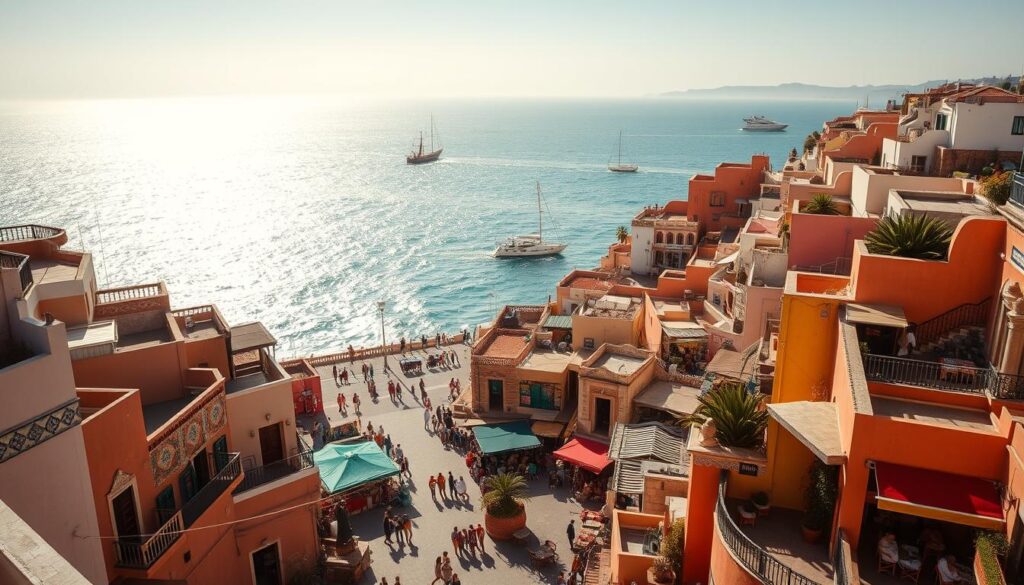
The Atlantic coast of Morocco is a dream for beach lovers. From Essaouira’s windy shores to Agadir’s sunny beaches, it’s full of charm. Each town along the coast offers a mix of relaxation, adventure, and culture.
Essaouira: Windy City and Artistic Haven
Essaouira is famous for its historic medina and Portuguese fortifications. These create a beautiful setting for exploring. You can walk the ramparts, see the Scala de la Ville, and enjoy the lively arts scene.
Historic Medina and Portuguese Fortifications
The medina of Essaouira is a UNESCO World Heritage Site. It has narrow alleys and historic buildings. Don’t miss the Skalla fortress and the views of the Atlantic Ocean.
Beaches and Water Sports Opportunities
Essaouira’s beaches are perfect for windsurfing and kitesurfing. You can also swim or just relax on the sand.
Agadir: Morocco’s Premier Beach Resort
Agadir is a modern city with a rebuilt downtown. It has many amenities for visitors. You can walk the Promenade de la Corniche, visit the Souk El Had, or try water sports at the marina.
Rebuilt City and Modern Amenities
Agadir’s modern setup makes it easy to explore. You’ll find many dining options and comfortable hotels.
Souk El Had and Marina Activities
The Souk El Had is a lively marketplace. You can find local crafts and souvenirs. The marina is great for boat trips and fishing.
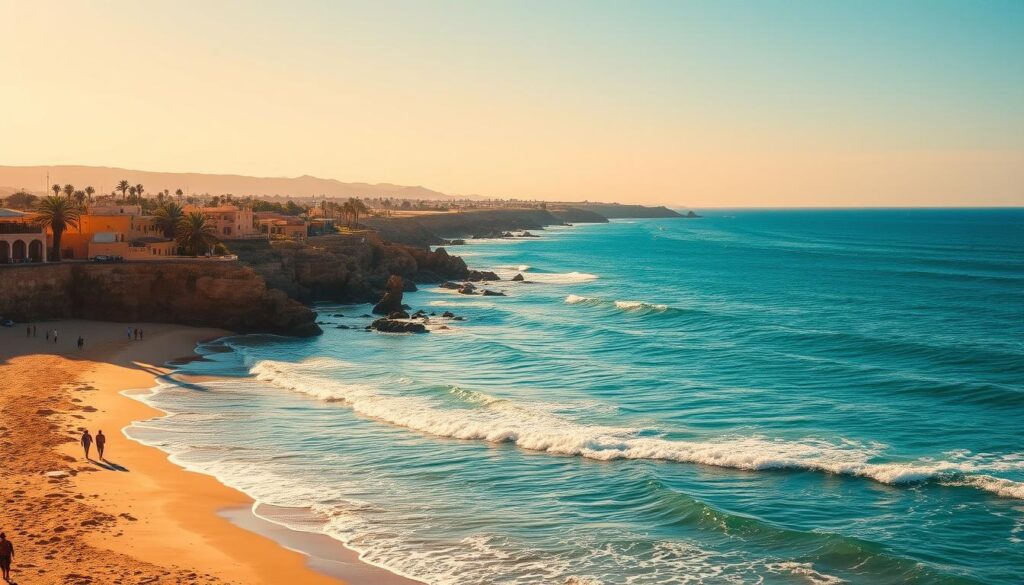
Taghazout: Surfer’s Paradise
Taghazout is famous for its surf spots. It attracts surfers from all over. You can take lessons or just enjoy the vibe.
Best Surf Spots and Seasons
The best time for surfing in Taghazout is from September to April. The waves are perfect then. Popular spots include Panorama and Anchor Point.
Yoga Retreats and Bohemian Atmosphere
Taghazout also has yoga retreats and wellness programs. It’s a great place to combine physical activity with relaxation in a beautiful setting.
Mediterranean Coastal Gems
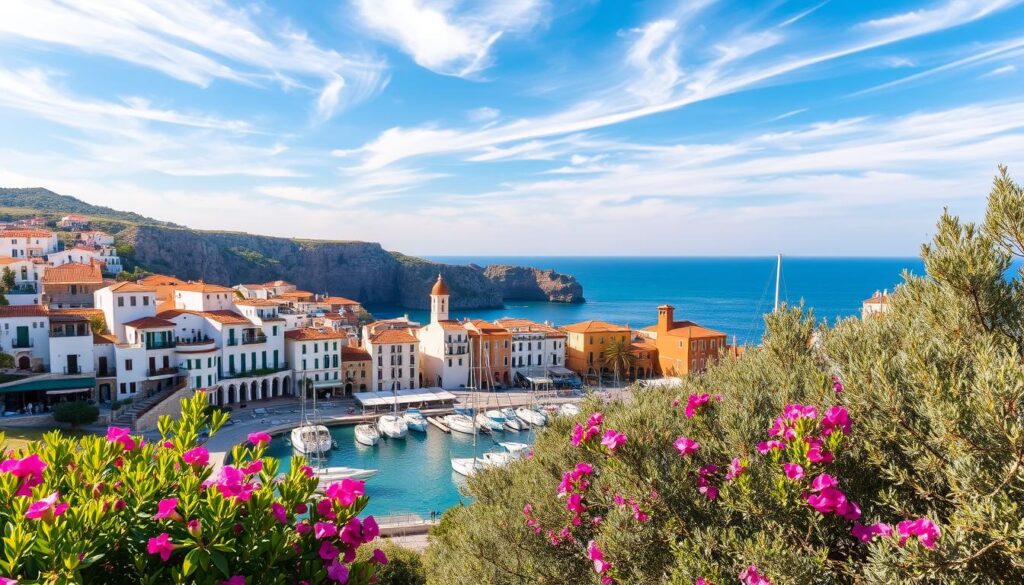
Exploring Morocco’s Mediterranean coast reveals hidden treasures. You’ll find charming towns and natural wonders. These spots showcase the country’s diverse landscapes and rich culture.
Al Hoceima: The Mediterranean Pearl
Al Hoceima is a beautiful town on the coast. It’s famous for its clean beaches and Al Hoceima National Park. The park is great for hiking and seeing unique plants and animals.
Pristine Beaches and National Park
The beaches around Al Hoceima are stunning. They have clear waters and untouched beauty. You can swim, snorkel, or just relax. For more trip planning info, check Morocco’s destination guides.
Berber Culture and Cuisine
Al Hoceima is a great place to learn about Berber culture. The local food combines Mediterranean and African tastes. Try dishes like tagines and couscous at local restaurants.
Tetouan: Spanish-Influenced Architecture
Tetouan is a key town on the coast, known for its Spanish architecture and history. Its medina is a UNESCO World Heritage Site, showing its cultural value.
UNESCO World Heritage Medina
The medina of Tetouan is a maze of old streets and buildings. It mixes Moroccan and Spanish styles. You can wander through souks and see historic sites.
Day Trips to Nearby Mediterranean Beaches
Tetouan is a good starting point for exploring. You can visit beaches like Martil and Oued Laou. They offer beautiful views and a calm vibe.
| Destination | Main Attractions | Cultural Experiences |
|---|---|---|
| Al Hoceima | Pristine beaches, Al Hoceima National Park | Berber culture, local cuisine |
| Tetouan | UNESCO World Heritage Medina, Spanish-influenced architecture | Historic landmarks, local souks |
Imperial Cities: Cultural Heartlands
Morocco’s imperial cities, like Marrakech, Fez, and Meknes, are time capsules. They are the heart of Morocco’s culture, filled with history, stunning architecture, and lively traditions.
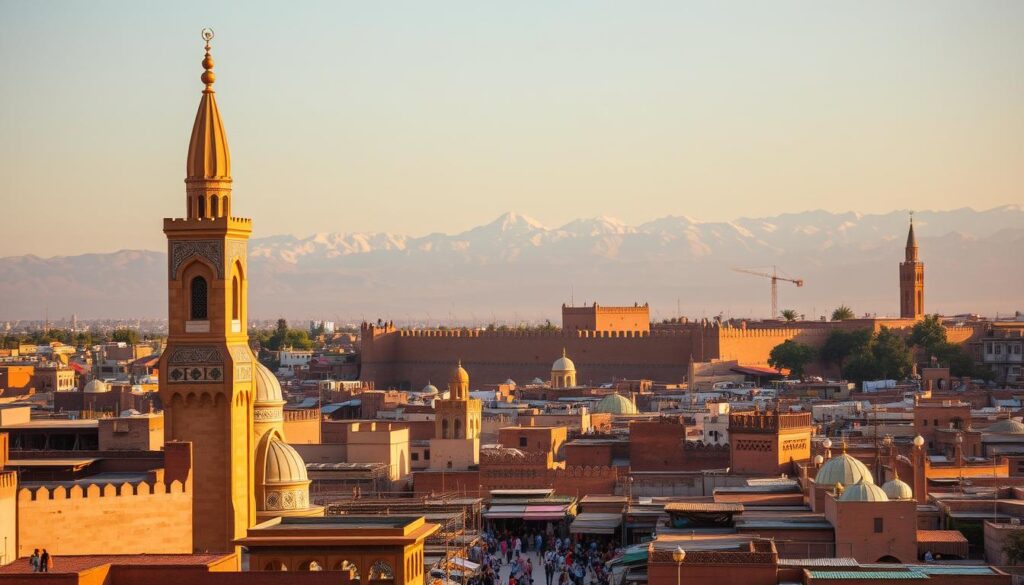
Marrakech: The Red City’s Sensory Overload
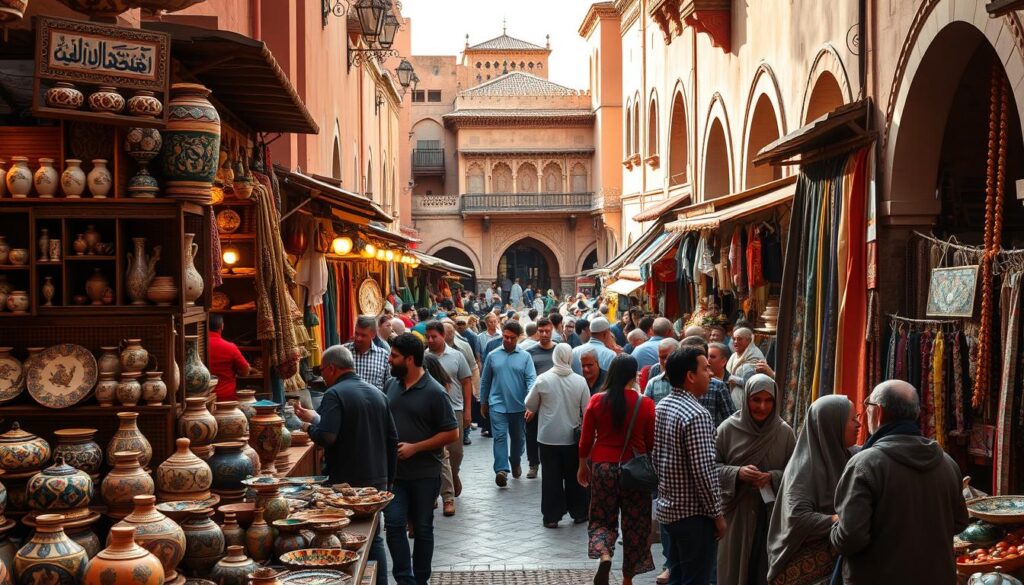
Marrakech buzzes with life, especially at Jemaa el-Fnaa Square. You can wander through souks, see local crafts and taste delicious food. Don’t miss the Majorelle Garden and Bahia Palace for their Islamic designs.
Jemaa el-Fnaa Square and Souks
This square is a UNESCO site, full of sights and smells. You’ll see snake charmers, street artists, and food stalls.
Majorelle Garden and Bahia Palace
The Majorelle Garden is a masterpiece of modern architecture. The Bahia Palace is famous for its detailed craftsmanship.
Fez: Medieval Medina and Artisan Traditions
Fez has the oldest university, Al-Attarine Madrasa. It also has ancient tanneries, showing the city’s rich history and crafts.
World’s Oldest University and Tanneries
Explore the Al-Attarine Madrasa and see how tanneries work.
Ceramic and Textile Craftsmanship
Fez is famous for its ceramics and textiles. Many workshops let you see traditional crafts up close.
Meknes: The Underrated Imperial City
Meknes has sights like Bab Mansour and the Royal Stables. Don’t miss the Roman Ruins of Volubilis nearby.
Bab Mansour and Royal Stables
Bab Mansour is an impressive gate. The Royal Stables show Morocco’s architectural beauty.
Nearby Roman Ruins of Volubilis
The Roman Ruins of Volubilis are a UNESCO site. They have amazing mosaics and history.
These cities are top spots in Morocco. They offer a deep dive into the country’s culture and history.
Where to Travel in Morocco for Desert Adventures
The vast expanses of Morocco’s desert are calling to travelers worldwide, promising an adventure like no other. Morocco’s desert landscapes are a treasure trove of experiences. From camel treks under the starlit sky to stargazing in the quiet, dark expanses of the Sahara, there’s something for everyone.
Merzouga: Gateway to the Sahara
Merzouga is a small village on the edge of the Erg Chebbi dunes, one of Morocco’s most spectacular desert landscapes. It’s the perfect starting point for your desert adventure.
Erg Chebbi Dunes and Camel Treks
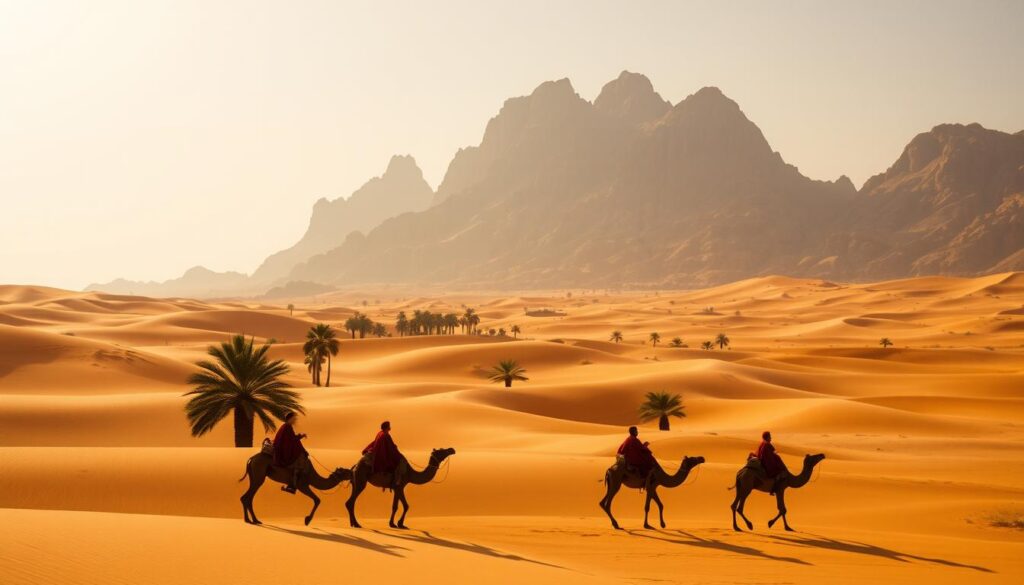
Experience the majestic beauty of Erg Chebbi, where towering sand dunes stretch as far as the eye can see. Take a camel trek across these golden sands, camping under the stars for an unforgettable night.
Berber Camps and Desert Astronomy
Immerse yourself in Berber culture at a traditional desert camp. Enjoy local cuisine and participate in astronomy sessions, gazing at the star-filled night sky.
Zagora: Desert Oasis and Stargazing
Zagora offers a different desert experience, with its lush palm groves and traditional villages.
Draa Valley Palm Groves
Explore the picturesque Draa Valley, known for its ancient palm groves and historic significance. The valley is a haven for nature lovers and those seeking tranquility.
Traditional Desert Nomad Experiences
Engage with local nomad communities to learn about their traditions and way of life. This unique cultural exchange adds depth to your desert adventure.
Erg Chigaga: Remote Desert Experience
For those seeking a more remote and untouched desert experience, Erg Chigaga is the place to be.
Off-Road Adventures and Wild Camping
Embark on an off-road adventure across the rugged terrain of Erg Chigaga. Camp in the wilderness, surrounded by nothing but sand and sky.
Desert Wildlife and Photography Opportunities
Erg Chigaga is home to a variety of desert wildlife. Bring your camera to capture the stunning landscapes and unique fauna.
Morocco’s desert regions offer a diverse range of experiences, from the majestic Erg Chebbi dunes to the serene landscapes of Erg Chigaga. Whether you’re trekking across the sands, stargazing, or immersing yourself in local cultures, Morocco’s deserts are sure to leave a lasting impression.
Oasis Towns and Ancient Kasbahs
Exploring Morocco reveals enchanting oasis towns and ancient kasbahs. These spots offer a peek into the country’s rich culture and stunning nature.
Ouarzazate: Hollywood of Morocco
Ouarzazate, called the “Gateway to the Desert,” is a key stop. It’s famous for its film studios, hosting many international movies and TV shows.
Atlas Film Studios and Cinema Museum
The Atlas Film Studios offers tours of famous sets like “Gladiator” and “Game of Thrones.” The Cinema Museum displays Moroccan and international cinema history, with props and costumes.
Taourirt Kasbah and Reservoir
The Taourirt Kasbah, a 19th-century palace, is a highlight. The nearby reservoir is a peaceful spot, surrounded by the Atlas Mountains.
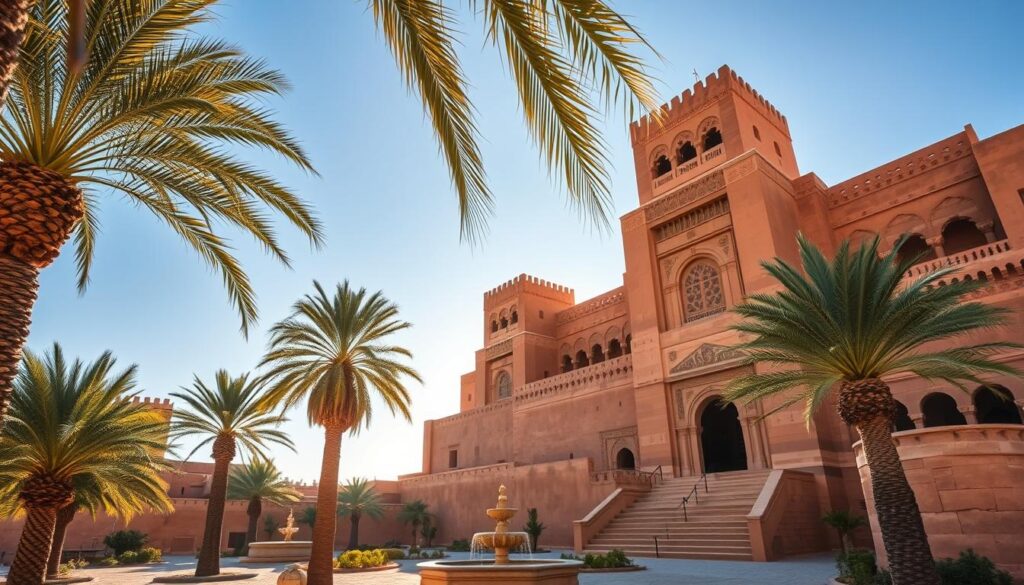
Ait Ben Haddou: UNESCO World Heritage Site
Ait Ben Haddou, a UNESCO site, is Morocco’s iconic landmark. This ancient village, on a hilltop, has been in many films and TV shows.
Architectural Significance and Film History
Ait Ben Haddou’s architecture shows the skill of its builders. It’s been in “Lawrence of Arabia” and “Gladiator,” making it a film lover’s dream.
Sunset Views and Photography Tips
The village is perfect for sunset photos. For the best light, visit during the golden hour, when the structures glow warmly.
Tinghir and Todra Gorge: Dramatic Landscapes
Tinghir and Todra Gorge are outdoor lovers’ paradises. The gorge, with its cliffs and greenery, is great for hiking and climbing.
Rock Climbing and Hiking Opportunities
The Todra Gorge has climbing routes for all and hiking trails through valleys.
Local Berber Communities and Traditions
The area is home to Berber communities, keeping their traditions alive. Visitors can enjoy local meals and festivals.
| Destination | Main Attractions | Activities |
|---|---|---|
| Ouarzazate | Atlas Film Studios, Taourirt Kasbah | Guided tours, film history |
| Ait Ben Haddou | Ancient fortified village | Photography, film history |
| Tinghir and Todra Gorge | Dramatic landscapes, Berber communities | Hiking, rock climbing, cultural experiences |
For a full Morocco experience, consider a guided tour. G Adventures offers trips that explore Morocco’s culture and nature.
Atlas Mountains: Berber Villages and Hiking Trails
As you explore the Atlas Mountains, you’ll find crisp air and stunning views. This place is perfect for adventure, learning about culture, and enjoying nature.
Imlil: Gateway to Mount Toubkal
Imlil is a charming village at the start of many treks. It’s the base for climbing Mount Toubkal, North Africa’s highest peak.
Trekking Routes and Mountain Guides
There are trails for all hikers in Imlil. A local guide can make your trip better. They know a lot about the area’s plants, animals, and culture.
Traditional Berber Homestays
Staying with a Berber family is a great way to see their hospitality. You’ll eat delicious meals and learn about their traditions.
Ourika Valley: Day Trips from Marrakech
The Ourika Valley is a great day trip from Marrakech. It shows you traditional Berber life and beautiful nature.
Setti Fatma Waterfalls
Seeing the Setti Fatma Waterfalls is a must. The path goes through villages and offers amazing views.
Berber Markets and Argan Oil Cooperatives
Local markets and argan oil cooperatives are worth visiting. They let you support local women and learn about argan oil.
Chefchaouen: The Blue Pearl of the Rif Mountains
Chefchaouen is famous for its blue buildings. It’s a great place for photos and a calm vibe.
Photogenic Blue Streets and Alleyways
Walking through Chefchaouen’s blue streets is fun. Every corner is a new photo spot.
Hiking to the Spanish Mosque and Akchour Waterfalls
The mountains around Chefchaouen have many trails. You can hike to the Spanish Mosque and Akchour Waterfalls for beautiful views.
When planning your itinerary for Morocco trip, add the Atlas Mountains. They offer adventure, culture, and peace. Remember to bring good hiking shoes and layers for the weather. For more travel tips for Morocco, look into local customs and the best times to visit.
Hidden Mountain Retreats
Explore Morocco’s hidden mountain retreats, perfect for nature lovers and culture seekers. These spots offer a peaceful break from city life. You can dive into the Atlas Mountains’ natural beauty and rich culture.
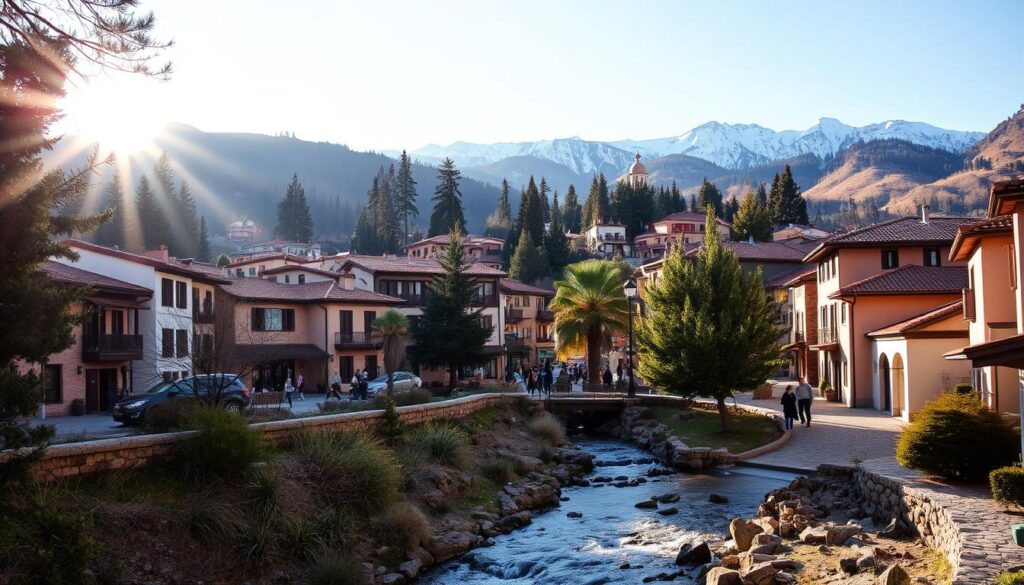
Ifrane: Little Switzerland of Morocco
Ifrane, called the “Little Switzerland of Morocco,” sits in the Middle Atlas Mountains. It combines Alpine architecture with stunning nature, making it a serene getaway.
Alpine Architecture and Winter Sports
The town’s buildings remind you of European ski resorts. Its chalets and cobblestone streets add to its charm. Ifrane is great for skiing and snowboarding in winter.
Al Akhawayn University and Lion Stone
Ifrane is also home to Al Akhawayn University, attracting students globally. Don’t miss the Lion Stone, a historic landmark with a carved lion statue.
Azrou: Cedar Forests and Barbary Apes
Azrou, in the Middle Atlas, boasts vast cedar forests and Barbary apes. It’s a unique place to connect with nature and see local wildlife.
Wildlife Encounters and Nature Walks
Guided walks in Azrou’s cedar forests might let you see Barbary macaques. These walks are a great way to enjoy the area’s beauty and learn about its ecosystem.
Traditional Berber Carpet Workshops
Azrou is famous for its Berber carpet workshops. Here, you can see how carpets are made and even try making one yourself.
For more on escaping Morocco’s heat and exploring its mountains and coasts, visit https://www.ecomoroccotours.com/blog/where-to-escape-the-heat-in-morocco-hidden-mountain-amp-coastal-retreats.
| Retreat | Main Attractions | Activities |
|---|---|---|
| Ifrane | Alpine architecture, Lion Stone | Skiing, snowboarding, hiking |
| Azrou | Cedar forests, Barbary apes | Nature walks, wildlife encounters, carpet workshops |
Cultural Experiences Not to Miss
Exploring Moroccan culture is a journey of discovery. You’ll find everything from relaxing hammams to lively culinary scenes. As you travel, you’ll have many chances to connect with local traditions and customs.
Traditional Hammams and Spas
A visit to a traditional hammam is a must-do in Morocco. These steam baths mix relaxation with cultural immersion.
Authentic vs. Tourist-Oriented Experiences
Choosing the right hammam is key. Look for places locals go, not just tourists. Authentic hammams offer a true cultural experience.
Hammam Etiquette and What to Expect
Knowing hammam etiquette makes your visit better. You’ll get a scrub, a massage, and then relax in steam.
Moroccan Cuisine and Cooking Classes
Moroccan food is known for its rich flavors and smells. Taking a cooking class lets you learn how to make traditional dishes.
Regional Specialties and Street Food
Morocco’s different areas have their own food specialties. Trying street food is a tasty way to dive into local culture.
Hands-On Tagine and Couscous Workshops
Cooking classes often focus on making tagine and couscous. These workshops are a great way to learn about Moroccan cooking.
Artisan Workshops and Souvenirs
Morocco is known for its crafts, like carpet weaving and leather working. Visiting artisan workshops helps you appreciate these traditional crafts more.
Carpet Weaving and Leather Working
Watching artisans work is fascinating. Many workshops let visitors see the process and buy handmade souvenirs.
Ethical Shopping and Bargaining Tips
When buying souvenirs, bargain fairly. Knowing the item’s value and being respectful makes for a better shopping experience.
Practical Travel Tips for Morocco
Planning a trip to Morocco? It’s key to know the practical sides of traveling here. Morocco is full of life, from bustling cities to peaceful deserts. Being ready will make your trip better.
Transportation Options Between Destinations
Morocco has a good transport system for all budgets and tastes. You can get around by train, bus, grand taxi, or car rental.
Trains, Buses, Grand Taxis, and Car Rentals
The ONCF runs trains between big cities like Marrakech, Fez, and Rabat. Buses, like those from CTM, are cheap and comfy. Grand taxis are good for short trips or groups. Renting a car lets you explore freely, especially in the countryside.
| Mode of Transport | Comfort Level | Cost |
|---|---|---|
| Train | High | Moderate |
| Bus | Moderate | Low |
| Grand Taxi | Moderate | Moderate |
| Car Rental | High | High |
Accommodation Choices for Every Budget
Morocco has many places to stay, from fancy riads to cheap hostels.
Riads, Dars, Hotels, and Hostels
Riads and Dars are old Moroccan homes turned into stylish hotels. Hotels vary from cheap to expensive. Hostels are perfect for meeting new people.
Safety Considerations for Travelers
Morocco is mostly safe for visitors, but it’s smart to be careful.
Solo Female Travel Advice
For solo women, dressing modestly and staying alert can help avoid trouble.
Health Precautions and Travel Insurance
Make sure you have the right shots before you go. Also, get travel insurance that covers medical issues.
Seasonal Festivals and Events
Discover Morocco’s vibrant culture through its seasonal festivals. Each event offers a unique look into the country’s rich heritage. Visitors from all over come to experience Morocco’s music, dance, and celebrations.
Gnaoua World Music Festival in Essaouira
The Gnaoua World Music Festival is a major event in Morocco. It takes place in Essaouira, a beautiful coastal town. The festival celebrates Gnawa culture, a mix of African, Arab, and Berber traditions.
Performance Highlights and Practical Attendance Tips
The festival showcases a wide range of music, from traditional Gnawa to modern fusion. To enjoy the festival fully, book your stay in Essaouira early. The town gets very busy during the festival.
- Arrive early to secure a good spot for performances.
- Explore the local artisan market for unique souvenirs.
- Be prepared for crowds and potential delays.
Fez Festival of World Sacred Music
The Fez Festival of World Sacred Music celebrates spiritual music from around the world. It’s held in the historic city of Fez. Musicians and performers from different cultures and religions come together.
Venue Information and Cultural Significance
The festival is held in historic venues in Fez, like the Dar Batha Museum and Bab Makina. These places add to the festival’s charm, giving performances a special cultural setting.
“The Fez Festival of World Sacred Music is a testament to the power of music to bridge cultural divides and promote understanding among different communities.”
Imilchil Marriage Festival
The Imilchil Marriage Festival, or “Festival des Fiançailles,” is a special event in the Atlas Mountains. It celebrates Berber traditions and offers a glimpse into the region’s rich culture.
Berber Traditions and Visitor Etiquette
Visitors to the Imilchil Marriage Festival should respect local customs. Dress modestly and be ready to observe Berber ceremonies and celebrations.
Sustainable Tourism Initiatives
Morocco is a great place for those who want to travel sustainably. Its diverse landscapes and rich culture offer a chance to help the environment and local communities.
Eco-Friendly Accommodations
Morocco has many eco-friendly places to stay. From solar-powered camps in the desert to green hotels in cities, these spots aim to reduce their impact on the planet.
Solar-Powered Desert Camps and Green Hotels
Desert camps now use solar power, cutting down on fossil fuel use. In cities like Marrakech and Casablanca, green hotels are using less energy and reducing waste.
Community-Based Tourism Projects
These projects help local communities by giving them jobs and a way to share their culture. It’s a win-win for both visitors and locals.
Women’s Cooperatives and Local Guides
Women’s cooperatives in Morocco let tourists see traditional crafts and buy local products. Local guides also help visitors understand Moroccan culture and history, making sure tourism benefits everyone.
| Initiative | Location | Impact |
|---|---|---|
| Solar-Powered Camps | Merzouga Desert | Reduced carbon emissions |
| Women’s Cooperatives | Marrakech | Economic empowerment for women |
| Local Guides | Fez | Preservation of cultural heritage |
Responsible Travel Practices
Traveling responsibly in Morocco is easy. Just be mindful of your water use, reduce waste, and respect local customs and traditions.
Water Conservation and Waste Reduction
In Morocco’s dry areas, saving water and reducing waste is key. Use public transport, carry a reusable water bottle, and avoid plastics.
Cultural Sensitivity and Photography Ethics
It’s also important to be culturally sensitive and know photography ethics. Respect people’s privacy, ask before taking photos, and be careful around sacred sites and rituals.
By following these sustainable tourism tips, you can have a great trip to Morocco. You’ll be making a positive impact on the places you visit.
Planning Your Morocco Itinerary
Morocco is a place of rich history and varied landscapes. It offers a unique travel experience. Whether you want a calm getaway or an exciting adventure, planning your trip well is crucial.
One-Week Essential Morocco
In just one week, you can see Morocco’s highlights. There are two main itineraries to choose from:
Imperial Cities Focus
Visit Marrakech, Fez, and Meknes to see their cultural and architectural wonders. For more on these cities, check out myvisitmorocco.com.
Desert Express Route
Travel through the Atlas Mountains and into the Sahara Desert. Here, you’ll meet the friendly Berber people and see stunning sunsets.
Two-Week Comprehensive Tour
With two weeks, you can explore more of Morocco. Here are two options:
North to South Grand Circuit
Start at the Mediterranean coast and end at the Atlantic. You’ll see vibrant cities, historic sites, and beautiful landscapes in northern and southern Morocco.
Coastal to Mountain Traverse
Begin in Essaouira and head to the Atlas Mountains. This trip lets you see different cultures and landscapes.
Regional Focus Trips
If you’re interested in a specific area, consider a focused trip:
Northern Morocco Explorer
Explore northern Morocco’s history and culture. Visit the Rif Mountains and the Mediterranean coast.
Southern Desert and Oasis Adventure
See the stunning landscapes and traditions of southern Morocco. Visit the Sahara Desert and the oasis towns of the Draa Valley.
Conclusion: The Timeless Appeal of Morocco
Morocco is a place of rich cultures, landscapes, and experiences. It’s a timeless destination for travelers. You can see the vibrant coastal cities, the serene desert landscapes, and the majestic Atlas Mountains.
When planning your trip, think about the cultural experiences in Morocco you’ll have. You can enjoy traditional hammams, Moroccan cuisine, and artisan workshops. Morocco has something for everyone, from the bustling streets of Marrakech to the peaceful Ourika Valley and the adventurous Sahara Desert.
Choosing where to travel in Morocco is part of the fun. Morocco offers relaxation, cultural immersion, and outdoor adventures. Its diverse regions let you create your perfect trip.



 Covers cities, coast, mountains, desert & food