
Navigating accommodation options in Morocco can be an exciting part of planning your trip, and getting it right is key to an enjoyable experience. These essential Morocco hotel tips are designed to guide you toward a comfortable and authentic stay, whether you’re dreaming of a bustling riad in the medina or a tranquil escape in the Atlas Mountains. Choosing the best Morocco hotels involves understanding local customs, diverse lodging types, and practical considerations that differ from many Western destinations. This article will delve into everything you need to know to make informed decisions and truly immerse yourself in the Moroccan hospitality.
Understanding Morocco’s Unique Accommodation Landscape
Morocco offers a fascinating array of accommodation types, each promising a distinct flavor of the country. Beyond the standard international hotel chains, you’ll encounter culturally rich options that are often the highlight of a traveler’s journey. Being aware of these types is the first step in applying our Morocco hotel tips effectively.
Riads and Dars: Often considered the quintessential Moroccan experience, riads are traditional houses with an interior courtyard or garden. “Dar” is a similar term, though often referring to a smaller house without a garden, centered around a patio. These are typically found within city medinas (old towns) and offer an intimate, often luxurious, and historically rich stay. Riads are usually converted family homes, meaning they’re often smaller, with a unique charm, personalized service, and exquisitely decorated rooms. Staying in a riad offers a true immersion into Moroccan architecture and daily life, often with rooftop terraces providing stunning views over the medina. They might not have elevators, sprawling common areas, or large pools, but they compensate with character and warmth.
Kasbahs: Predominantly found in the south and along the ancient caravan routes, kasbahs are fortified mud-brick structures, often with towering walls and intricate designs. Many have been beautifully restored into boutique hotels, offering a historical and rustic luxury experience. Staying in a kasbah provides a sense of stepping back in time, often with breathtaking desert or valley views. They are ideal for those seeking tranquility and a connection to Morocco’s rich history and landscape.
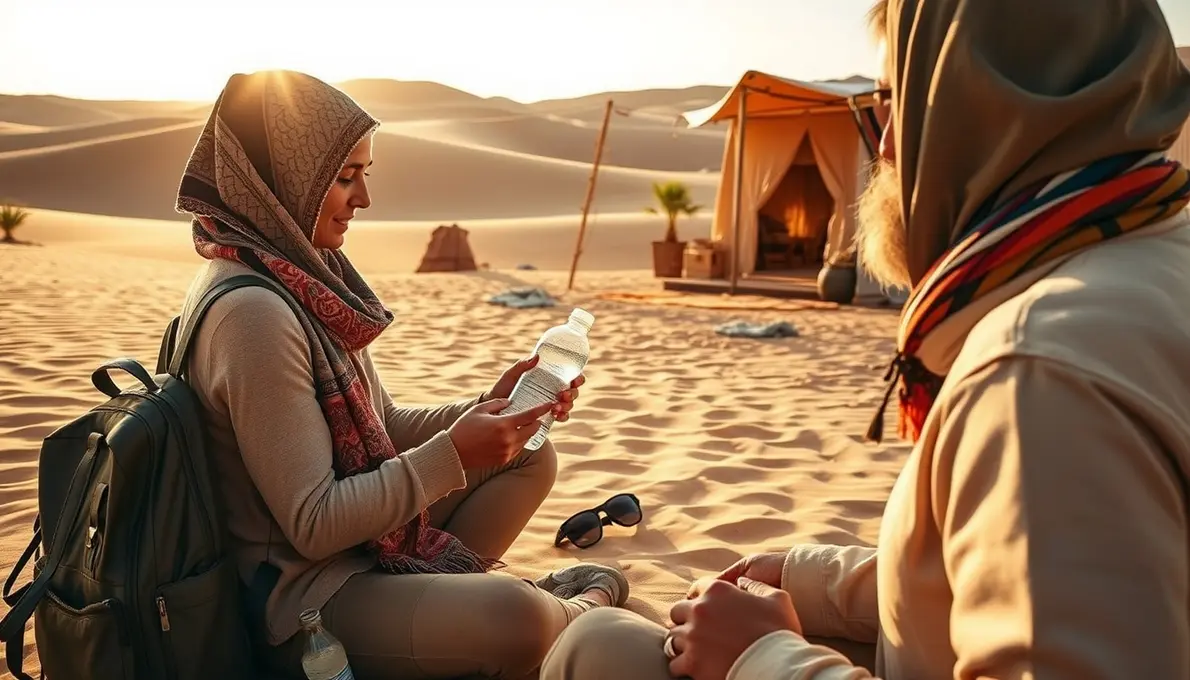
Desert Camps (Bivouacs): For an authentic Sahara experience, spending a night or two in a desert camp is a must. Options range from basic nomadic tents with shared facilities to luxurious camps featuring private en-suite bathrooms, comfortable beds, and gourmet meals under the stars. This is less a “hotel” in the traditional sense and more an immersive experience, but selecting the right camp is crucial for comfort and safety. Always check what’s included, such as meals, camel treks, and transfers.
Boutique Hotels and Guesthouses: Outside of riads and kasbahs, you’ll find a growing number of boutique hotels and guesthouses, particularly in cities like Marrakech, Fes, and Essaouira. These often blend traditional Moroccan design with modern amenities and are found both within and outside the medinas. They offer a good balance for those who want a taste of local charm without sacrificing certain contemporary comforts.
International Hotel Chains: In larger cities and coastal resorts (like Casablanca, Rabat, Marrakech, Agadir), you’ll find familiar international hotel brands. These offer predictable standards, consistent service, and amenities like larger pools, gyms, and multiple restaurants. While comfortable, they offer a less distinctively Moroccan experience compared to riads or kasbahs.
Key Considerations for Choosing the Best Morocco Hotels
When seeking the best Morocco hotels for your adventure, several crucial factors come into play. These Morocco hotel tips cover everything from location to amenities, ensuring your choice aligns with your travel style and expectations.
Location, Location, Location: This is paramount, especially in cities with extensive medinas.
- Inside the Medina: Staying within a medina offers an incredibly atmospheric experience, with vibrant souks, historical sites, and local life right on your doorstep. However, be prepared for narrow, winding alleyways, noise, and potential difficulty with vehicle access. Many riads are only accessible on foot, meaning you might need to arrange porters for luggage.
- Outside the Medina: Areas outside the medina (like Gueliz in Marrakech or Ville Nouvelle in Fes) offer wider streets, easier taxi access, modern shops, and often more contemporary hotels. This can be more convenient for some, though it means sacrificing some of the traditional charm and requiring transport to the medina’s main attractions.
- Coastal vs. Inland: Coastal towns like Essaouira offer beachside hotels and guesthouses with ocean views, while inland cities require properties located closer to city centers or offering tranquility via their own grounds.
- Desert Proximity: If you’re planning a desert trip, consider staying in a town like Merzouga or Zagora as a base, or directly booking a desert camp.
Amenities and Facilities: Don’t assume all Moroccan accommodations offer the same amenities as Western hotels.
- Air Conditioning/Heating: Essential for comfort during peak summer and winter months. Always confirm this, as some traditional riads may rely on natural cooling/heating methods which might not be sufficient for all travelers.
- Wi-Fi: Generally available, but quality can vary, especially in more remote or traditional properties. Don’t expect blazing speeds everywhere.
- Private vs. Shared Bathrooms: While most modern hotels and upscale riads offer en-suite bathrooms, some budget-friendly guesthouses or traditional dars might have shared facilities. Always clarify.
- Swimming Pools: Common in larger hotels and many upscale riads, offering a welcome respite from the heat. Smaller riads might only have a plunge pool.
- Breakfast/Meals: Breakfast is often included in riad stays and is typically generous, featuring local delights. Confirm if other meals are available, especially if staying in a remote area or planning to dine at your accommodation.
- Accessibility: Due to their traditional architecture, many riads and older buildings have steep stairs, uneven floors, and no elevators, making them challenging for those with mobility issues. Always inquire about accessibility if needed.
Booking Strategies and Best Practices
Securing your ideal stay requires thoughtful planning and adherence to some smart booking strategies. These Morocco hotel tips will help you navigate the booking process smoothly.
Read Reviews Carefully (and with a Grain of Salt): Online reviews are invaluable, but remember cultural differences. What one traveler considers a minor inconvenience, another might see as charm. Pay attention to recurring themes in reviews regarding cleanliness, staff helpfulness, noise levels, and location accuracy. Look at reviews on multiple platforms for a balanced perspective.
Book in Advance, Especially for High Season: Popular riads and boutique hotels, particularly in Marrakech and Fes, can book up months in advance, especially during peak travel seasons (spring and autumn). For specific, highly-rated properties or unique experiences like desert camps, early booking is crucial.
Direct Booking vs. OTAs:
- Online Travel Agencies (OTAs) like Booking.com or Expedia: Offer convenience, comparison tools, and sometimes better cancellation policies. They are great for initial research and price comparisons.
- Direct Booking: Once you’ve identified a property, consider contacting them directly via their website or email. Often, properties offer better rates, special perks, or more flexible terms when you book directly. It also allows for direct communication regarding specific requests.
Clarify What’s Included and Any Extra Costs: Before finalizing your booking, always confirm what’s included in the price.
Tourist Tax: Morocco has a tourist tax (taxe de promotion touristique) that is usually charged per person, per night, and is often not* included in online booking platform prices. It’s paid directly to the hotel upon check-out. Ask about this upfront.
- Breakfast/Meals: As mentioned, confirm if breakfast is included.
- Airport Transfers: Many riads offer airport transfers for a fee. While it might seem slightly more expensive than a regular taxi, it often includes assistance navigating the medina to your door, which can be invaluable on arrival.
- Activities/Excursions: Some accommodations offer to arrange tours or activities. Clarify if these are included or separate costs.
Payment Methods and Deposits: Many riads and smaller establishments might require a deposit to secure your booking. Payment methods accepted can vary; while international chains readily accept credit cards, smaller riads might prefer cash for the remaining balance or charge a fee for card payments. Always clarify payment expectations before arrival.
Enhancing Your Stay: Beyond the Booking
Once your accommodation is secured, a few additional Morocco hotel tips can significantly enhance your actual stay, ensuring comfort and cultural appreciation. These elements go beyond mere logistics, contributing to a truly memorable Moroccan experience.
Embrace Local Culture and Etiquette:
- Modest Dress: While not strictly enforced within the confines of your hotel, dressing modestly in public areas of traditional properties (especially riads) is a sign of respect.
- Noise Levels: Riads are built for privacy from the outside world, but sound can carry within the central courtyard. Be mindful of noise, especially in the evenings and early mornings.
- Tipping: Tipping is customary in Morocco. For good service, a small tip to hotel staff (housekeeping, porters, waiters) is appreciated.
- Photography: Always ask permission before photographing people, especially in more traditional settings.
Communication is Key:
- Language: While Arabic and Berber are the official languages, French is widely spoken, especially in the tourism sector. English is increasingly common in hotels, but having a few basic Arabic or French phrases can go a long way.
- Special Requests: Don’t hesitate to communicate any dietary restrictions, mobility needs, or special requests in advance. Good establishments will do their best to accommodate you.
- Feedback: If you encounter any issues during your stay, address them politely with the hotel staff directly. They are usually keen to resolve problems and ensure your comfort.
Safety and Security:
- Valuables: Use in-room safes if available, or keep valuables secure. While generally safe, petty theft can occur anywhere.
- Navigation: Especially in medinas, it’s easy to get lost. Ask your hotel staff for directions or recommendations, and consider using offline maps. Many riads provide custom maps to help you navigate to and from their location.
- Nighttime: While bustling during the day, medina alleyways can be quiet and poorly lit at night. If returning late, it’s wise to stick to well-trafficked routes or arrange for a hotel escort if offered.
Making the Most of Hotel Services:
- Rooftop Terraces: Many riads boast magnificent rooftop terraces. Take advantage of these for morning coffee, evening drinks, or simply to relax and enjoy the views – often a highlight of the best Morocco hotels.
- Cooking Classes/Workshops: Some riads offer cooking classes, tea ceremonies, or craft workshops. These are fantastic ways to dive deeper into Moroccan culture without leaving the comfort of your accommodation.
- Spa/Hammam: Many upscale riads and hotels feature on-site hammams or spa services. Indulge in a traditional Moroccan hammam experience – it’s incredibly relaxing and revitalizing after a day of exploring.
Packing Smart for Your Moroccan Hotel Stay
Your packing choices, combined with our Morocco hotel tips, can significantly impact your comfort, especially when considering the unique aspects of Moroccan accommodations. Thinking ahead about what to bring ensures you’re prepared for diverse environments. Remember that for deeper desert excursions, a specific packing list is crucial; you can find more detailed guidance, including essentials for staying comfortable in the Sahara, by checking out these Morocco hotel tips.
Clothing Considerations:
- Layers: Morocco’s climate can vary dramatically from day to night, and between regions. Pack light, breathable layers for daytime, and warmer options for evenings, especially outside of summer.
- Modesty: While hotels are generally relaxed, having modest clothing (shoulders and knees covered) is respectful when venturing out.
- Comfortable Footwear: You’ll do a lot of walking, especially in medinas. Comfortable, sturdy shoes are essential. Sandals are fine for warmer weather, but closed-toe shoes are better for uneven surfaces.
Essentials for Your Room:
- Travel Adaptor: Morocco uses Type C and Type E plugs.
- Power Bank: Useful for charging devices on the go, especially if your room has limited outlets or you’re out exploring for long periods.
- Basic First-Aid Kit: Include any personal medications, pain relievers, and treatments for minor cuts or stomach upsets.
- Hand Sanitizer and Wet Wipes: Always useful, especially when eating street food or in public areas.
- Small Backpack/Day Bag: For carrying water, snacks, camera, and souvenirs during daily excursions.
Personal Comfort Items:
- Earplugs: Medinas can be noisy, even at night. Earplugs can be a lifesaver for light sleepers.
- Sleep Mask: If you’re sensitive to light, a sleep mask can help, especially in rooms with traditional shutters.
- Reusable Water Bottle: Stay hydrated and reduce plastic waste. Tap water is generally not safe to drink directly.
- Small Torch/Flashlight: Useful for navigating dimly lit medina alleyways at night or finding your way around a desert camp after dark. Most phone flashlights suffice, but a dedicated torch can be brighter.
Tech and Connectivity:
- Unlocked Phone: Consider purchasing a local SIM card upon arrival for affordable data and calls. This allows for easier navigation and communication.
- Camera: Morocco is incredibly photogenic; ensure you have enough memory card space and a charged battery.
By keeping these packing tips in mind, you’ll be well-prepared for any situation, allowing you to focus on enjoying the beauty and hospitality that Morocco has to offer, regardless of whether you’re staying in one of the best Morocco hotels or a charming local guesthouse.
Conclusion
Choosing the right accommodation is incredibly important for creating an authentic and comfortable experience in Morocco. By understanding the diverse types of lodging available, from traditional riads to luxurious kasbahs, and by applying these Morocco hotel tips, you can ensure your stay is as memorable as the country itself. Careful planning, reading reviews, booking strategically, and embracing local customs will help you select the best Morocco hotels and make the most of your adventure. Whether you’re seeking immersion in a bustling medina or tranquility in a desert oasis, these insights empower you to make informed decisions that transform your trip into an unforgettable journey.
FAQs
What is the difference between a Riad and a Dar?
A riad is typically a larger Moroccan house or palace with an interior garden or courtyard, offering a tranquil space. A dar is also a traditional house built around a central patio, but usually smaller and without the garden element. Both offer unique, culturally immersive experiences, often converted into guesthouses.
Is it safe to stay in a hotel located inside the Medina?
Yes, it is generally safe to stay in a hotel or riad inside a medina. Medinas are vibrant, bustling areas during the day. While some alleyways can be quiet and less lit at night, most travelers feel safe. It’s always wise to be aware of your surroundings, especially after dark, and stick to well-trafficked routes or arrange for an escort if late. Many riads are happy to provide detailed directions or guidance.
Should I book my accommodation in Morocco in advance?
While last-minute deals might be found, it is highly recommended to book your Morocco accommodation in advance, especially if you are traveling during peak season (spring and autumn) or have specific, highly-rated properties in mind. Popular riads, kasbahs, and desert camps can fill up quickly, ensuring you get your preferred choice by booking ahead.
What payment methods are typically accepted at Moroccan hotels?
International hotels in major cities readily accept major credit cards. However, many smaller riads, guesthouses, and desert camps might prefer cash (Moroccan Dirhams or sometimes Euros) for the balance of your stay, or they might charge a fee for credit card payments. Always confirm the accepted payment methods with your accommodation before arrival to avoid any surprises.




 Covers cities, coast, mountains, desert & food