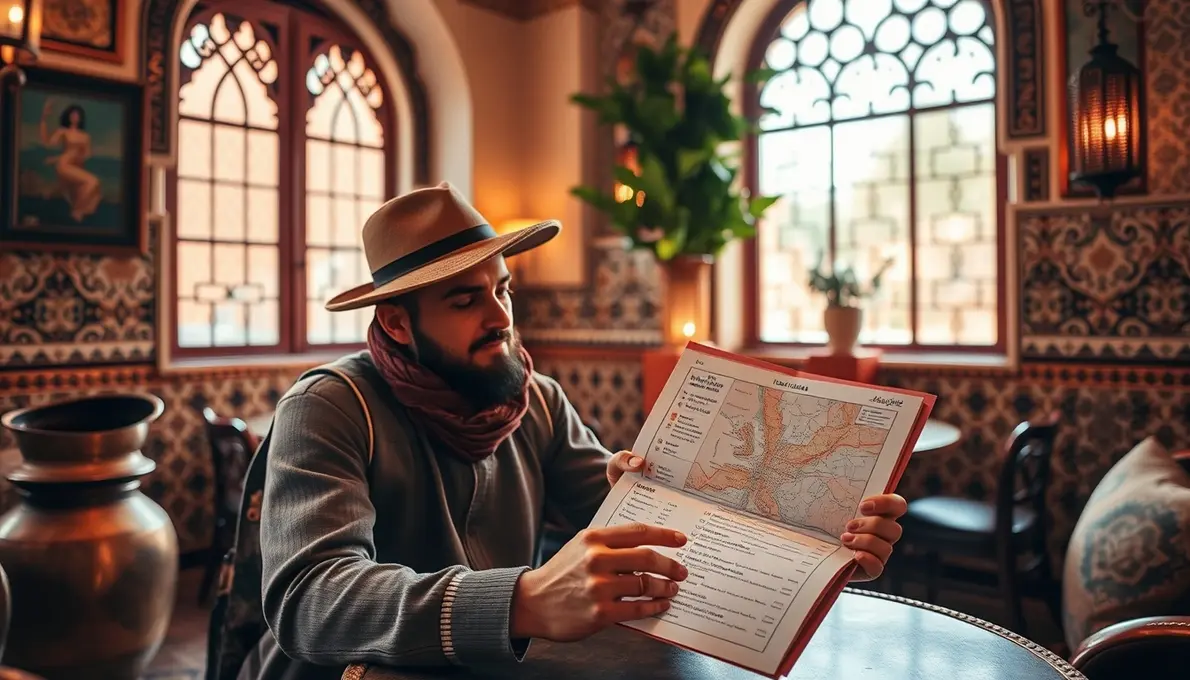
Embarking on a culinary journey through Morocco is an experience for all the senses, but truly appreciating it means understanding the rich tapestry of Morocco dining customs. More than just a meal, eating in Morocco is a social ritual, steeped in tradition and hospitality. For travelers, navigating these unwritten rules can elevate a simple dinner into a memorable cultural immersion. This guide will walk you through the essential etiquette, from how to approach shared dishes to the nuances of guest behavior, ensuring you can eat like a local and show proper respect.
The Foundation of Moroccan Hospitality: Sharing and Seating
Moroccan dining is intrinsically communal, a practice deeply rooted in the culture. Meals, especially in homes, are often served on a large, round communal platter placed in the center of a low table. This fosters a sense of togetherness and shared experience.
Seating Arrangements: Typically, guests sit on cushions or low benches surrounding the table. It’s common for men and women to sit separately in more traditional settings, or for families to sit together in mixed groups. Always wait to be invited to sit and observe where your host indicates. Avoid crossing your legs in a way that points your feet at the food or other diners, as this is considered disrespectful.
The Communal Platter: Most main courses, like tagines or couscous, are served from a single, large dish. This is where most Morocco dining customs come into play. Diners eat from the section of the dish directly in front of them, using their right hand or a piece of bread. Reaching across the platter to another person’s section is impolite. Imagine an invisible line dividing the dish into personal segments; sticking to yours shows respect for the shared meal and fellow diners.
Hands-On Eating: The Right Hand Rule and Bread Etiquette
One of the most noticeable Morocco dining customs for newcomers is the preference for eating with hands, particularly the right hand. This tradition is not merely about convenience; it carries significant cultural and religious meaning.
The Right Hand Only: In Moroccan culture, the left hand is traditionally associated with personal hygiene and is considered unclean for eating or handling food. Always use your right hand when eating, passing food, or offering items at the table. If you are left-handed, it’s wise to practice using your right hand for eating beforehand, or at least be mindful to only use your left hand for holding your glass or other non-food items away from the communal plate. This might feel awkward initially, but it’s a sign of respect that will be deeply appreciated.
Bread: The Utensil and More: Bread, specifically khobz (round, artisanal Moroccan bread), is fundamental to every Moroccan meal. It serves multiple purposes: it’s a staple food, a scoop for tagines and sauces, and a vehicle for flavors.
- Scooping and Dipping: Tear off a small piece of bread and use it to scoop up food from the communal platter. It’s perfect for gathering succulent pieces of meat, vegetables, or the rich sauces of a tagine.
- Never Waste Bread: Bread is highly revered in Morocco. Avoid letting it fall on the floor, and certainly do not discard it carelessly. If a piece falls, pick it up discreetly.
- Offering and Receiving: If offered bread, always accept it. It’s common for a host to tear off pieces for guests, especially to dip into a flavorful sauce and hand it to them. This is a gesture of warmth and hospitality.
Respecting Your Host and the Food: Showing Appreciation
Beyond the mechanics of eating, observing certain courtesies toward your host and the meal itself is central to Morocco dining customs.
Accepting Food and Drink: When offered food or tea, it is customary to accept, even if only a small amount. Refusing an initial offer can be seen as impolite. If you genuinely cannot eat more, politely explain that you are full. Your host will understand. Morocco dining customs emphasize generosity, and accepting reinforces this bond.
Pacing Yourself: Meals are often leisurely affairs. Don’t rush through your food. Enjoy the conversation and the company. It’s polite to eat at a medium pace, allowing others to enjoy their meal as well. Finishing too quickly might suggest you are still hungry, prompting your host to offer more, which can be awkward if you are already full.
Compliments and Gratitude: Express genuine appreciation for the meal. Complimenting the food, especially the cook, is always welcome. A simple “B’saha!” (to your health/enjoy!) or “Allah yatik saha!” (May God give you health, a compliment to the cook) goes a long way. Thank your host sincerely at the end of the meal.
Tea Time: The Ritual of Moroccan Mint Tea
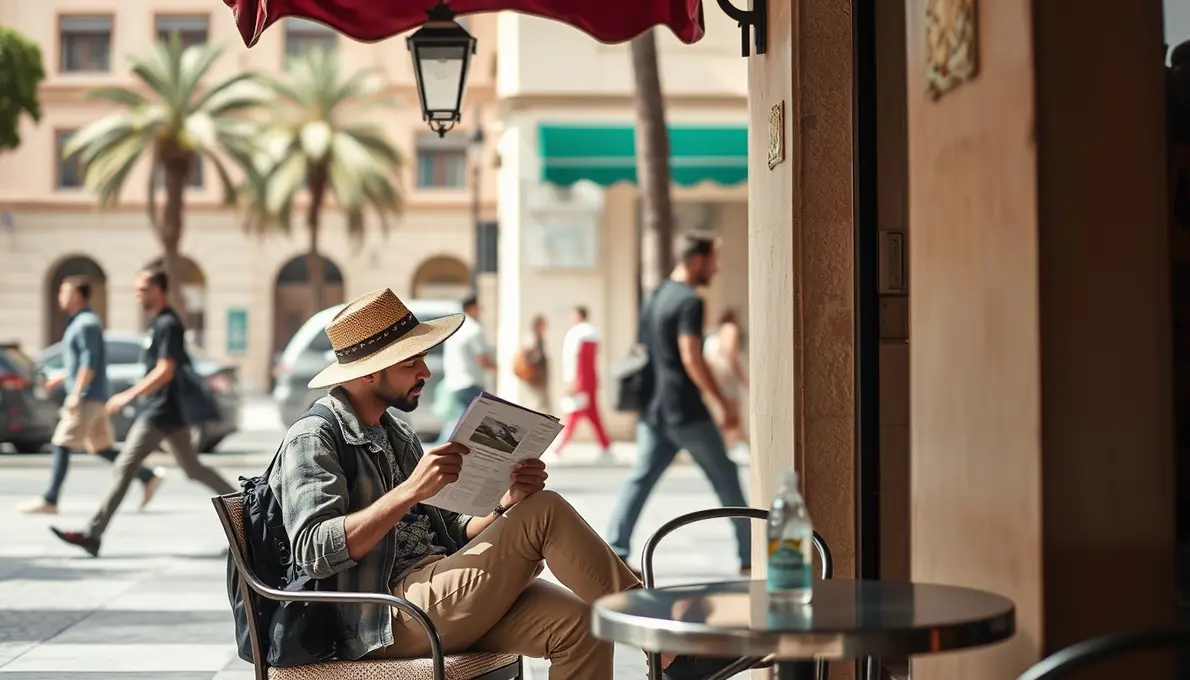
More than just a beverage, Moroccan mint tea, or “Atay,” is a profound symbol of hospitality, friendship, and tradition. Its preparation and serving are governed by specific Morocco dining customs that every traveler should be aware of.
The Host’s Role: Tea is almost always prepared and poured by the host, typically the patriarch of the family or the shop owner in a commercial setting. It’s a precise art, involving specific tea leaves, fresh mint, and a generous amount of sugar, brewed in a traditional teapot called a “berrad.”
Pouring Technique: The tea is poured from a height into small, delicate glasses. This aeration process is believed to enhance the flavor and create a foamy head, a sign of a well-poured tea. It’s also visually appealing. Never attempt to pour your own tea; wait for your host to do so.
Serving Rounds: Expect to be offered at least three glasses of tea. There’s a famous Moroccan proverb, “The first glass is as bitter as life, the second is as strong as love, and the third is as sweet as death.” While you’re not strictly obliged to drink all three, accepting them is a mark of respect and appreciation for your host’s hospitality. Each round allows for more conversation and cultural exchange. It’s generally considered rude to refuse tea, especially if it’s the first offering.
Respectful Drinking: Sip your tea slowly and enjoy the moment. Don’t slurp or gulp it down. If the tea is too hot, wait patiently for it to cool.
Tipping: Navigating the Nuances of Service Gratuities
While not strictly a “dining custom” in the traditional sense of eating behavior, understanding Morocco tipping etiquette is crucial for travelers to show appreciation for service in restaurants and cafes. Unlike some Western countries where tipping percentages are rigid, Morocco’s approach is more flexible and culturally informed.
Restaurants and Cafes:
- Small Establishments/Local Eateries: In smaller, more local cafes and eateries, a small tip is often appreciated but not always expected, especially if the prices are very low. Rounding up the bill to the nearest 5 or 10 dirhams is common, or leaving around 5-10% for good service.
- Mid-Range to Upscale Restaurants: For a good meal in a more formal restaurant, a tip of 10-15% of the total bill is appropriate. If service charge is already included (rarer but check the bill), then a smaller additional tip is fine, or none if you feel the service was standard.
- Leaving the Tip: It’s best to leave the tip in cash directly on the table or hand it discreetly to your server. Some establishments have a tip jar, or you might be able to add it to a credit card payment, but cash is generally preferred as it ensures the money goes directly to the staff.
Other Service Providers (Guides, Drivers): While outside the scope of merely “dining,” it’s worth noting that tipping extends beyond restaurants. For tour guides, drivers, and hotel staff (especially bellhops or cleaning staff), a tip is expected and helps supplement modest wages. The amount depends on the duration and quality of service. For a day tour, a guide might expect 50-100 dirhams, and a driver slightly less. For hotel staff, 10-20 dirhams for carrying luggage or exceptional room service is customary.
A Note on Haggling and Tipping: Tipping is separate from haggling. You might haggle for goods in a souk, but tipping in a restaurant is for service rendered. Never haggle over a tip amount.
When in Doubt: If you’re unsure, observing locals can provide a good indication. However, a modest tip for good service is rarely refused and always appreciated. Remember that tips can significantly impact the livelihood of service workers in Morocco. For more comprehensive insights into travel etiquette, consider consulting resources like the World Travel Guide.
Dietary Considerations and Special Requests
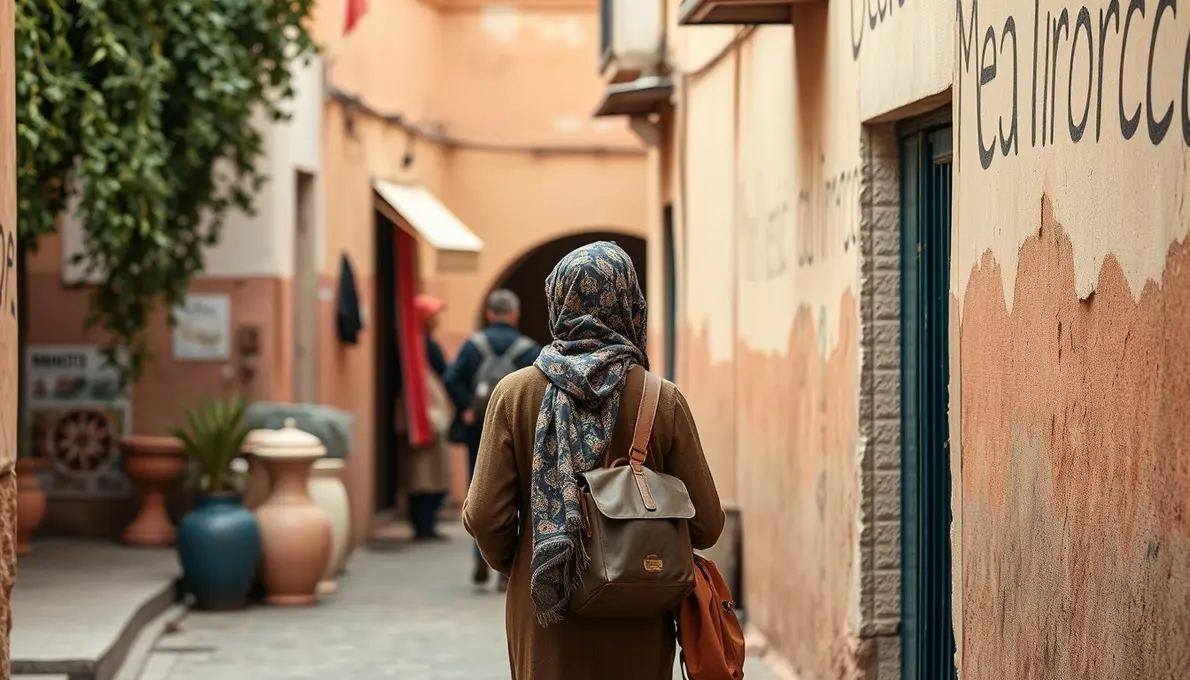
While traditional Morocco dining customs primarily involve communal eating, it’s important to understand how to respectfully navigate dietary restrictions or special requests, particularly when invited into a Moroccan home.
Communicating Restrictions: If you have allergies, dietary restrictions (vegetarian, vegan, gluten-free), or religious dietary needs, it’s best to communicate them clearly and politely to your host or restaurant staff in advance if possible. Moroccans are generally very accommodating, but clear communication avoids misunderstandings.
- In a Home: If you’re invited to a home, letting your host know beforehand is ideal. They will usually go out of their way to prepare suitable options. For instance, being vegetarian is understood, and they will likely prepare more vegetable-focused dishes or ensure your portion is meat-free.
- In Restaurants: Most restaurants in tourist areas are accustomed to various dietary requests. Don’t hesitate to ask about ingredients. Learn a few key Arabic phrases like “Ana nabati” (I am vegetarian) or “Bidoun lahm” (without meat) to help convey your needs.
Halal Practices: Morocco is a Muslim country, and all meat served is generally halal, meaning it adheres to Islamic dietary laws. Pork is not consumed, and alcohol, while available in tourist-oriented establishments, is not a part of traditional Moroccan dining. When dining in a local home, it’s wise to avoid bringing or requesting alcohol unless you know your hosts explicitly partake.
Eating Safely: While not a “custom,” it’s a practical consideration. When eating street food, choose vendors with high turnover and visible cooking. Stick to bottled water to avoid stomach upsets. Wash your hands thoroughly before eating, especially when eating with your hands.
Conclusion
Understanding and respecting Morocco dining customs is key to a truly enriching travel experience. From the communal act of sharing a tagine using your right hand and khobz, to the intricate ritual of mint tea, and the appropriate gestures of tipping, each element offers a deeper connection to the country’s vibrant culture. Embracing these traditions not only ensures you avoid cultural faux pas but also opens doors to genuine hospitality and memorable interactions with locals. By observing these practices, you’ll be able to eat like a local, showing respect and appreciation for the beautiful culinary heritage of Morocco.
FAQs
What is the most important dining custom to remember in Morocco?
The most crucial Morocco dining custom is to always use your right hand when eating, passing food, or interacting with food items. The left hand is traditionally considered unclean for these purposes. This simple act shows immediate respect for Moroccan culture and traditions, whether you are dining in a home or a restaurant.
Is it acceptable to refuse food or tea when offered by a Moroccan host?
While it’s considered polite and a sign of respect to accept food and tea, especially the initial offerings, you can politely decline if you are truly full or have dietary restrictions. For tea, it is customary to accept at least one or two glasses out of the usual three. When refusing, a simple “Shukran, bzaf” (Thank you, very much) and a gesture towards your stomach to indicate you are full is usually understood and appreciated.
How do Moroccans eat communal dishes like tagines or couscous?
When eating from a communal dish, diners eat from the portion directly in front of them using a piece of bread as a scoop. It’s polite to avoid reaching across the platter into someone else’s section. Break off a small piece of bread, use it to gather a portion of the stew or couscous, and bring it to your mouth. This method emphasizes sharing and personal space within the communal setting.
What is the general etiquette for tipping in Moroccan restaurants?
For restaurant service in Morocco, a tip of 10-15% of the bill is appropriate for good service in mid-range to upscale establishments. In smaller, more local eateries, rounding up the bill or leaving a small amount (like 5-10 dirhams) is common. It’s best to leave the tip in cash directly on the table or hand it discreetly to your server, as this ensures the staff directly receive it.




 Covers cities, coast, mountains, desert & food