
Navigating the financial landscape of a new country can feel daunting, but with these essential Morocco currency tips, you’ll be well-prepared for your adventure. Understanding the local money and how to manage your finances is crucial for a smooth and enjoyable trip through Morocco’s vibrant souks, ancient medinas, and stunning desert landscapes. From knowing the local currency to figuring out the best ways to exchange money, this guide will provide you with all the practical information you need to handle your money confidently and efficiently during your travels.
Understanding the Moroccan Dirham (MAD) and Currency Exchange
The official currency of Morocco is the Moroccan Dirham, abbreviated as MAD or Dh. It’s a closed currency, meaning it cannot be officially exchanged outside of Morocco. You won’t be able to purchase dirhams before you arrive, nor can you take large amounts out of the country. This is one of the most critical Morocco currency tips to remember. Upon arrival, whether at the airport or a major city, you’ll find currency exchange offices (Bureaux de Change) that offer competitive rates. Banks also offer exchange services, typically with similar rates. It’s advisable to exchange a small amount at the airport for immediate expenses like a taxi or a snack, then look for better rates in city centers if needed. However, generally, airport rates are quite reasonable in Morocco compared to other countries.
When converting your home currency, commonly accepted foreign currencies include USD, Euros, and GBP. Always ensure you receive a receipt for your exchange, as you might need it to convert any leftover dirhams back to your original currency upon departure. While the official exchange rate is largely standardized, small variations can exist between different exchange points. Avoid unofficial money changers who might approach you in tourist areas; they often offer less favorable rates or engage in scams. Sticking to official channels, such as banks and licensed exchange offices, ensures you’re getting a fair deal and avoids potential issues.
Using ATMs and Credit/Debit Cards in Morocco
ATMs are widely available in Moroccan cities and larger towns, especially in tourist hubs like Marrakech, Fes, Casablanca, and Rabat. You’ll find them at most major banks, shopping centers, and even some hotels. For travelers seeking specific Morocco currency tips, relying on ATMs for cash withdrawals is often one of the most convenient and cost-effective methods. Most ATMs accept major international cards like Visa, MasterCard, Electron, and Plus. Before you travel, it’s a good idea to inform your bank of your travel plans to prevent them from flagging your transactions as suspicious and temporarily blocking your card.
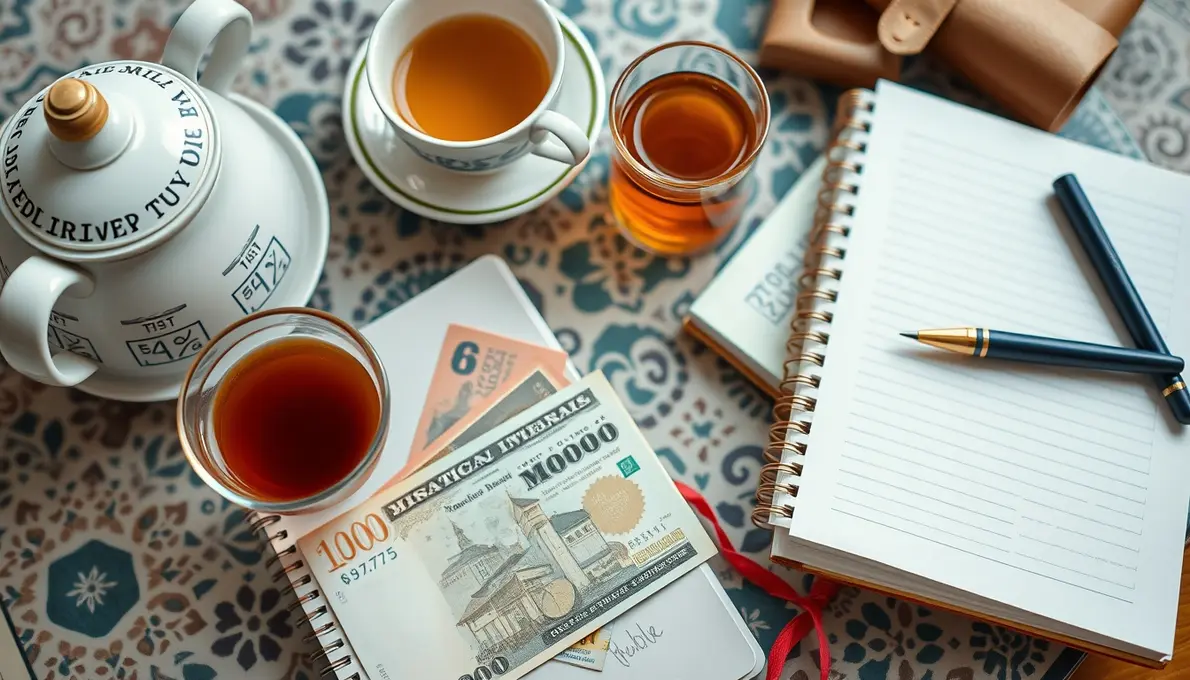
Be aware that most Moroccan ATMs have a withdrawal limit per transaction, typically around 2,000 to 4,000 MAD, though this can vary. While you can often make multiple withdrawals, each transaction might incur a fee from both your home bank and the local Moroccan bank. Check with your bank about foreign transaction fees and ATM usage fees before you go. It’s wise to withdraw larger sums less frequently to minimize these charges. When using an ATM, always be mindful of your surroundings, and ideally, choose ATMs located inside banks or in well-lit, busy areas. Skimming devices are rare but can occur, so take standard precautions.
Credit and debit cards are increasingly accepted in larger hotels, upscale restaurants, and major shops, particularly in tourist-centric areas. However, smaller shops, local markets (souks), and many riads or guesthouses prefer cash. This is especially true if you plan to venture off the beaten path or visit smaller towns. Always carry a reasonable amount of cash for day-to-day expenses, small purchases, tipping, and transportation. Visa and MasterCard are generally more widely accepted than American Express. When paying by card, always try to pay in Moroccan Dirhams to avoid dynamic currency conversion (DCC), where the merchant converts the price to your home currency, often at an unfavorable exchange rate. Look for the option to be charged in MAD.
Budgeting for Your Trip: How Much Cash to Carry?
Determining how much cash to carry in Morocco depends heavily on your travel style and itinerary. Many important transactions, especially in local markets and for smaller services, are exclusively cash-based. Having ready cash means you won’t miss out on those unique souvenirs in the souks or struggle to pay for a refreshing glass of mint tea from a street vendor. For essential Morocco currency tips, I always recommend a balanced approach: a primary card for larger expenses/ATM withdrawals, and a daily amount of cash.
For daily expenses, excluding accommodation but including food, local transport, small purchases, and activities, budgeting around 300-500 MAD (approximately 30-50 USD/Euros) per person per day is a good starting point for budget to mid-range travelers. If you plan on more upscale dining, guided tours, or significant souvenir shopping, you’ll need to adjust this figure upwards. Always carry smaller denominations (20, 50, 100 MAD notes) as vendors in souks and taxis often struggle to make change for larger notes like 200 MAD.
Consider the length of your trip and your planned activities. For instance, if you’re embarking on a desert trek, much of your accommodation and food will likely be pre-paid within your tour package, reducing your daily cash needs for those specific days. However, you’ll still need cash for tipping, drinks, and any extra purchases. A good strategy is to withdraw a larger sum every few days from an ATM rather than daily smaller amounts, minimizing ATM fees. Always keep your cash spread across different secure locations (e.g., wallet, money belt, separate bag) to mitigate risk.
Tipping Etiquette and Negotiating Prices
Tipping (known as ‘baksheesh’) is an integral part of Moroccan culture and an important element of Morocco currency tips. It is customary for services rendered, from guides and drivers to restaurant staff and even those who help you carry luggage. While not mandatory, it is greatly appreciated and often expected, especially in tourist-heavy areas.
For restaurant staff, a tip of 5-10% of the bill is appropriate. For taxi drivers, rounding up the fare or adding a few dirhams is common. Guides on day tours or multi-day excursions can expect a more substantial tip, depending on the length and quality of the service. A good rule of thumb for a full-day guide might be 50-100 MAD, while for multi-day drivers or guides, you might consider 100-200 MAD per day from the whole group. Hotel porters, cleaners, and other service staff appreciate a small tip of 5-10 MAD. It’s a good idea to carry a stash of small change specifically for tipping.
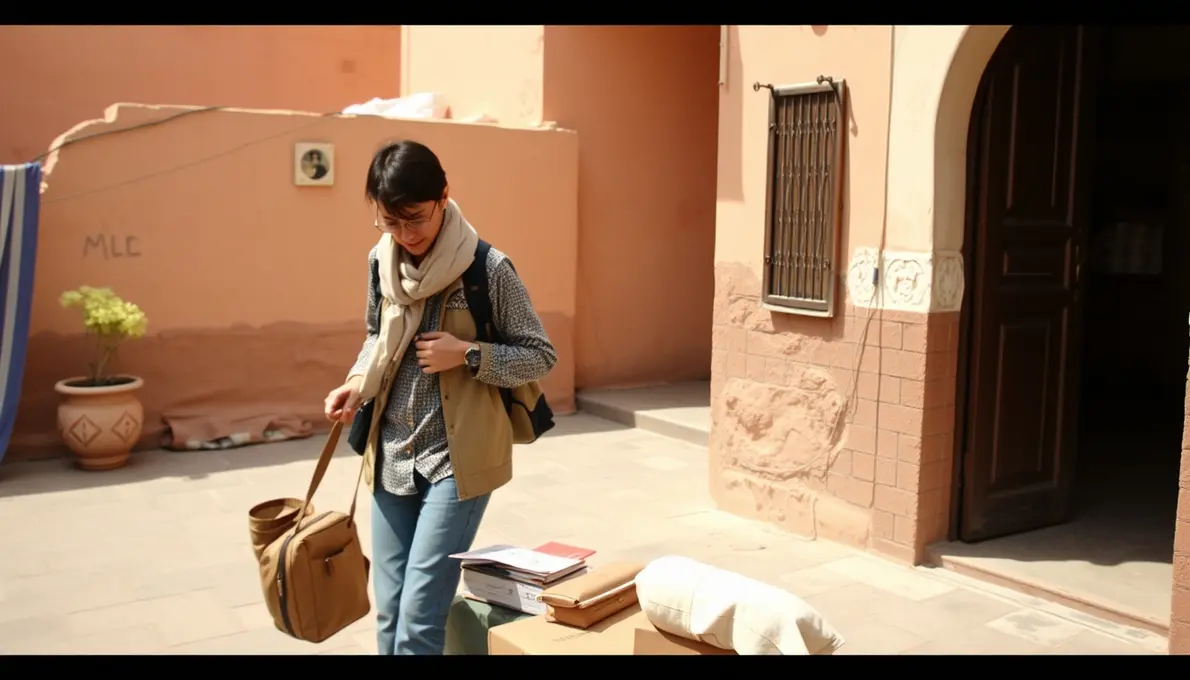
Negotiation, or haggling, is also a fundamental aspect of shopping in Moroccan souks and markets. Most prices, especially for non-food items like rugs, leather goods, spices, and souvenirs, are not fixed. Starting your offer at about 50% of the asking price and gradually working your way up is a common tactic. The goal is to reach a price that feels fair to both you and the vendor. Enjoy the process as a cultural exchange rather than a battle. Be polite, friendly, and don’t be afraid to walk away if you can’t agree on a price. If you’re not comfortable haggling, fixed-price stores exist, particularly in larger cities, but you’ll often pay a premium. The art of negotiation is one of the more satisfying Morocco money tips to master.
Other Practical Morocco Currency Tips for Financial Security
When dealing with money in any foreign country, security should always be a top priority. For travelers in Morocco, here are some actionable steps to protect your finances. Firstly, avoid carrying all your cash and cards in one place. Distribute your valuables in different locations – a money belt hidden under your clothes, a secure zipped pocket, and a separate bag. This way, if one item is lost or stolen, you don’t lose everything.
Be discreet when handling money in public. Flashy displays of cash can attract unwanted attention. When paying for items, try to have small denominations ready so you don’t have to pull out a large wad of notes. Utilize hotel safes or secure lockers for excess cash, important documents, and spare cards, especially if you’re staying in hostels or budget accommodations.
Keep photocopies or digital images of your passport, visa, and credit/debit cards (front and back, but obscure the CVV). Store these separately from the originals. In case of loss or theft, these copies can significantly expedite the replacement process with your bank or embassy. Have a list of emergency contact numbers for your banks to report lost or stolen cards immediately.
Additionally, remain vigilant when using ATMs. Always check for any suspicious devices attached to the card reader or keypad. Cover the keypad with your hand when entering your PIN. If an ATM looks tampered with or unusual, it’s best to find another one. While Morocco is generally a safe country, petty theft can occur in crowded tourist areas, particularly pickpocketing. Practicing these simple security measures will significantly enhance your peace of mind and financial safety during your travels.
Conclusion
Navigating the financial aspects of your Moroccan adventure doesn’t have to be a source of stress. By understanding the local currency, utilizing ATMs wisely, carrying a mix of cash and cards, and being mindful of local customs like tipping and negotiation, you’ll be well-equipped. These essential Morocco currency tips are designed to ensure you can focus on experiencing the country’s rich culture and breathtaking scenery without financial worries. Always prioritize security, be prepared with a variety of payment methods, and enjoy the vibrant markets and warm hospitality Morocco has to offer.
FAQs
What is the currency of Morocco?
The official currency of Morocco is the Moroccan Dirham (MAD or Dh), which is a closed currency, meaning you can only officially exchange it within Morocco.
Should I carry cash or use cards in Morocco?
It’s best to carry a mix of cash and cards. While major hotels and restaurants accept cards, many smaller shops, souks, and local vendors primarily operate in cash. ATMs are widely available for withdrawals in cities.
Can I use USD or Euros directly in Morocco?
While some tourist-oriented establishments might accept major foreign currencies like USD or Euros, it’s always best to pay in Moroccan Dirhams. You’ll often get a less favorable exchange rate if you pay in foreign currency, and change will usually be given in Dirhams.
Is haggling common in Morocco?
Yes, haggling is a common and expected practice in Moroccan souks and markets, especially for items like carpets, leather goods, and souvenirs. It’s part of the cultural experience, so be prepared to negotiate prices politely.


 Covers cities, coast, mountains, desert & food