
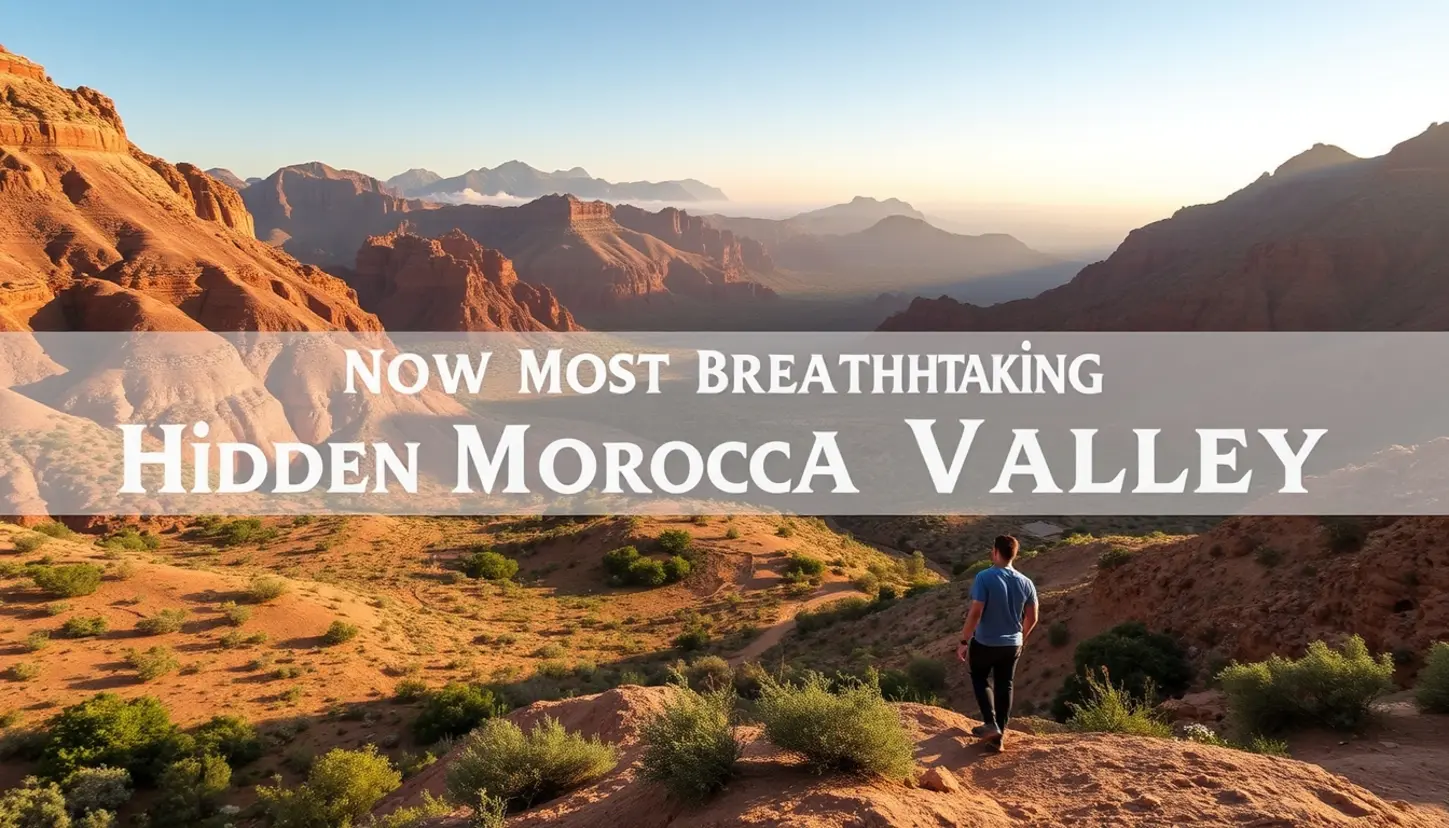
Morocco, a land of enchanting kasbahs, bustling souks, and vast deserts, often conjures images of Marrakech’s vibrant squares or Fes’s ancient medinas. Yet, beyond these well-trodden paths lies a world of spectacular natural beauty, particularly within its often-overlooked valleys. For those seeking genuine adventure and untouched landscapes, discovering the hidden Morocco valleys offers an unparalleled experience. These serene oases, carved by ancient rivers and cradled by towering mountains, promise a journey into the heart of authentic Moroccan life and breathtaking scenery that few travelers ever witness. Prepare to trade the city’s clamor for the whispers of the wind through date palms and the gentle flow of hidden streams.
Unveiling the Secluded Wonders of the Ounila Valley
One of the most captivating yet rarely explored of the hidden Morocco valleys is the Ounila Valley. Stretching between Telouet and Aït Benhaddou, this historical artery was once part of the famous caravan route linking Marrakech to the Sahara. Today, it remains largely untouched by mass tourism, offering a raw and authentic glimpse into the High Atlas foothills. As you navigate the winding roads, you’ll encounter a tapestry of red mud-brick villages clinging precariously to hillsides, ancient kasbahs crumbling gracefully into the landscape, and vibrant green terraced fields contrasting sharply with the ochre-colored earth. Walking through these villages, you’re stepping back in time, meeting local Berber communities whose way of life has remained largely unchanged for centuries. The valley’s dramatic geological formations, coupled with its rich historical significance, make it a truly special place for those who appreciate natural beauty and cultural immersion.
The Lush Oasis of Ourika Valley: Beyond the Popular Spots
While the Ourika Valley is perhaps the most famous of the Atlas valleys due to its proximity to Marrakech, many visitors only scratch the surface. To truly experience its magic and discover its less-trodden corners, you need to venture beyond the initial set of restaurants and souvenir shops. Pressing further into the valley reveals stunning waterfalls cascading into crystal-clear pools, excellent hiking trails that lead to remote Berber villages, and a tranquil atmosphere away from the crowds. Imagine picnicking by a gurgling river, surrounded by lush vegetation and the scent of wild mint. Exploring Ourika’s hidden hamlets provides a chance to witness traditional argan oil production, visit local markets (souks) on specific market days, and even try authentic tagines cooked in clay ovens. It’s a wonderful example of how even a relatively accessible valley still holds its secrets for the adventurous traveler.
Dades Valley and Todra Gorge: Geological Grandeur and Berber Life
Further east, carved by the Dades River, lies the spectacular Dades Valley, often referred to as the Valley of a Thousand Kasbahs. This region is a geological marvel, where the river has sculpted dramatic rock formations known as “monkey fingers” and created vibrant oases amidst a stark, arid landscape. Driving through the hairpin bends of the Dades Gorge unveils one breathtaking view after another, with ancient kasbahs and fortified villages dotted along the riverbanks. Just a short drive away is the awe-inspiring Todra Gorge, a colossal canyon where towering canyon walls, reaching up to 300 meters high, practically touch at their narrowest point. This is a paradise for hikers, climbers, and photographers, offering cooler temperatures and a stunning natural spectacle. The blend of raw, powerful nature with the enduring presence of Berber communities makes these among the most unforgettable hidden Morocco valleys to explore. The sense of scale here is truly humbling, offering a profound appreciation for nature’s artistry.
Draa Valley: An Ancient Palm Oasis and Desert Gateway
The Draa Valley stands as Morocco’s longest palm grove, a verdant ribbon stretching for over 100 kilometers from Ouarzazate towards the Sahara Desert. This ancient valley, fed by the Draa River, is a historical treasure chest, dotted with countless kasbahs, ksours (fortified villages), and an estimated three million date palm trees. It was once a crucial trade route for caravans carrying gold, spices, and slaves from sub-Saharan Africa to the imperial cities. Today, exploring the Draa Valley offers an intimate journey through authentic Berber life, where traditional farming methods still thrive beneath the shade of the palms. The valley’s tranquil atmosphere, the intricate mud-brick architecture of its villages like Tamnougalt, and the warm hospitality of its inhabitants provide a stark contrast to the bustling cities. It feels like stepping into a living museum, where history is palpable in every fortified wall and rustling palm frond. This majestic valley also serves as a captivating gateway to the golden dunes of the Sahara, making it an essential stop for those venturing further south.
Navigating the Seclusion: Practical Advice for Valley Exploration
Venturing into the hidden Morocco valleys requires a bit more planning than a city break, but the rewards are immense. The most practical way to explore these regions is by hiring a private driver with a 4×4 vehicle, especially if you plan to go off the main roads. This offers flexibility and local expertise, as many drivers are intimately familiar with the less-traveled paths and local customs. Alternatively, you can rent a car, but be prepared for varying road conditions, from paved roads to unpaved tracks that require careful navigation. Always ensure you have a reliable GPS or up-to-date maps, and consider downloading offline maps as cell service can be intermittent. When packing, think layers, as temperatures can fluctuate significantly from day to night, particularly in the mountains. Sturdy walking shoes are a must for exploring ancient villages and hiking trails. Finally, embrace the slower pace of life; these valleys are not about rushing but about savoring the scenery and connecting with the local culture. For those enchanted by Morocco’s heart, uncovering these vibrant landscapes is an experience not to be missed.
Immersing in Local Culture: Beyond the Scenic Vistas
While the visual spectacle of Morocco’s valleys is undeniable, the true heart of these regions lies in their vibrant Berber culture. Engaging with local communities adds an invaluable dimension to your adventure. Many guesthouses and riads in these valleys are run by local families, offering authentic hospitality and traditional home-cooked meals. Don’t shy away from accepting an invitation for a glass of mint tea – it’s a profound gesture of hospitality and an opportunity to connect. Learning a few basic phrases in Darija (Moroccan Arabic) or Tamazight (Berber language) will be greatly appreciated. Participate in a local cooking class, visit a traditional souk to observe daily life, or simply spend time observing the timeless rhythm of agricultural practices. These interactions are where you’ll gain a deeper understanding of the local way of life. The experience of discovering these hidden Morocco valleys extends far beyond the landscapes; it’s about the people who call them home. Exploring these authentic corners of Moroccan life provides a profound journey into the country’s vibrant traditions, something that urban trips cannot fully capture.
Planning Your Valley Journey: What to Consider
Before setting off to explore the spectacular hidden Morocco valleys, there are a few key considerations to ensure a smooth and memorable trip. Firstly, timing: while spring (March to May) and autumn (September to November) offer the most pleasant weather for hiking and exploration, each season has its charm. Summer can be very hot, especially further south, but the valleys provide cooler retreats compared to the desert. Winter brings snow to the High Atlas, transforming the landscape into a different kind of beauty, though some higher passes might be inaccessible. Secondly, accommodation: options range from simple guesthouses (gîtes) and auberges (inns) to unique kasbah hotels, many offering an authentic experience within traditional mud-brick buildings. Booking ahead, especially during peak seasons, is advisable. Thirdly, local guides: for more challenging hikes or to delve deeper into local culture, hiring a local guide is highly recommended. Not only do they possess invaluable knowledge of the terrain and hidden gems, but they also act as cultural bridges, enriching your experience immensely. Many local guesthouses or tour operators can help arrange this. Always ensure your guide is certified and reputable. Finally, safety: solo female travelers should consider joining a small group tour or hiring a trusted local guide/driver. Overall, Morocco is a safe country, but exercising common sense and respecting local customs goes a long way.
Combining Valleys with Other Moroccan Adventures
While the hidden Morocco valleys offer ample exploration on their own, their strategic locations make them perfect anchor points for broader Moroccan adventures. Many travelers combine a trip through the Ounila and Draa Valleys with an excursion to the Sahara Desert, often starting from Ouarzazate or Zagora. The Dades and Todra Gorges are natural stepping stones on the route from Marrakech to the desert, creating a stunning and diverse itinerary. For those interested in the imperial cities, a visit to the Ourika Valley can be done as a day trip or a short overnight stay from Marrakech, easily slotting into a cultural exploration of the vibrant city. Imagine exploring the bustling souks of Hidden Morocco valleys in the morning and then retreating to the calm, natural beauty of an Atlas valley by afternoon. This creates a compelling contrast between urban dynamism and serene nature, offering a holistic view of Morocco’s diverse offerings. You could even consider a multi-day trek that links several valleys, truly immersing yourself in the mountainous landscapes and hidden Atlas valleys.
Conclusion
Morocco’s valleys are more than just scenic routes; they are living landscapes where ancient traditions endure, and nature’s grandeur is always on full display. From the dramatic geological formations of the Dades and Todra Gorges to the historical palm groves of the Draa Valley and the secluded charm of the Ounila, these hidden Morocco valleys offer an adventure for every kind of traveler. Escaping the ordinary and venturing into these less-explored regions promises rich cultural encounters, breathtaking vistas, and a profound sense of discovery. So, pack your bags, lace up your hiking boots, and prepare to uncover the unparalleled beauty and authentic heart of Morocco, far beyond the typical tourist trails.
FAQs
What is the best way to get to the more remote Hidden Morocco valleys?
The most practical and flexible way to reach and explore the more remote valleys is by hiring a private driver with a 4×4 vehicle. This allows access to unpaved roads and offers local insight. Self-driving is an option but requires confidence in navigating varying road conditions.
Are there accommodations available within these valleys, or do I need to stay in nearby towns?
Yes, many of the valleys, even the more hidden ones, offer a range of accommodations. You’ll find charming guesthouses (gîtes), auberges, and even traditional kasbah hotels, often run by local families. These accommodations provide an authentic experience and are typically located within or very close to the villages.
What should I pack for a trip exploring Hidden Morocco valleys?
Pack layers of clothing as temperatures can change significantly between day and night. Sturdy, comfortable walking shoes are essential for exploring villages and hiking trails. Don’t forget sunscreen, a hat, sunglasses, a reusable water bottle, and a camera for the stunning landscapes. In winter, warm clothing is necessary, especially for the high-altitude areas.
Is it safe to hike independently in these valleys, or should I hire a guide?
While many well-trodden paths are safe for independent hiking, for more challenging routes, exploring very remote areas, or to gain deeper cultural insights, hiring a local guide is highly recommended. They know the terrain, can provide invaluable information about flora, fauna, and local customs, and can ensure your safety. Local guesthouses can often help arrange a trusted guide.





 Covers cities, coast, mountains, desert & food