
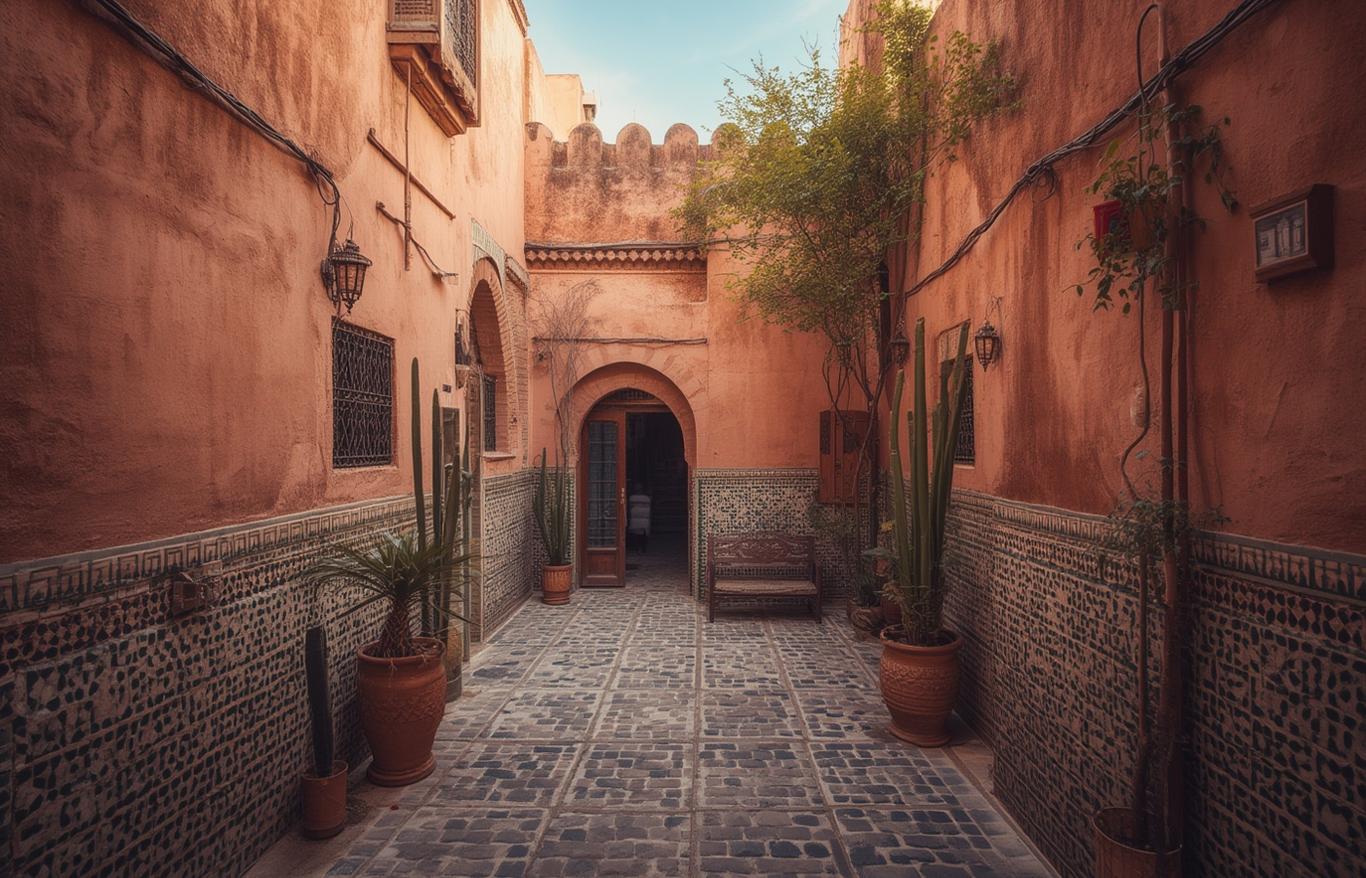
Stepping into marrakech morocco for the first time feels like wandering onto a film set where ancient traditions collide with modern energy. The Red City, as it’s affectionately known for its rose-tinted ramparts and clay buildings, pulses with a sensory intensity that few destinations can match. From the hypnotic call to prayer echoing across terracotta rooftops to the intoxicating blend of spices, leather, and orange blossoms in the air, this imperial city captivates visitors within moments of arrival.
Marrakech sits at the crossroads of Moroccan culture, where Berber heritage mingles with Arab influences, French colonial echoes, and a growing international creative community. Whether you’re navigating the labyrinthine souks of the medina, sipping mint tea in a hidden riad courtyard, or watching snake charmers perform in Jemaa el-Fna square, the city offers an authentic Moroccan experience that manages to feel both timeless and urgently alive.
The Beating Heart: Jemaa el-Fna and the Medina
The sprawling Jemaa el-Fna square serves as Marrakech’s living theater, a UNESCO-recognized cultural space where the city’s soul reveals itself most dramatically. By day, orange juice vendors line the edges while henna artists, water sellers in traditional costumes, and Gnawa musicians claim their territories. As afternoon fades, the square transforms completely—food stalls materialize in neat rows, their charcoal grills sending smoke signals across the square while storytellers gather crowds of spellbound listeners.
This isn’t a sanitized tourist attraction but a genuine gathering place where locals come to eat, socialize, and be entertained. Yes, you’ll encounter aggressive vendors and the occasional snake thrust toward your camera, but learning to navigate these interactions with humor and firm politeness becomes part of the experience. The energy here feels raw and unfiltered, especially after sunset when the square reaches fever pitch with acrobats, musicians, and fortune tellers all competing for attention.
Radiating from the square, the medina’s souks stretch in a magnificent tangle of covered passages and open-air markets. The Souk Semmarine leads north from Jemaa el-Fna, its main arteries eventually branching into specialized districts—metalworkers hammering lanterns in one quarter, leather tanners working their ancient craft in another, spice merchants arranging colorful pyramids of saffron, cumin, and ras el hanout in yet another section. Getting deliberately lost here ranks among Marrakech’s essential experiences, though keeping a mental compass pointed toward major landmarks prevents genuine disorientation.
Architectural Treasures Beyond the Chaos
While the medina’s frenetic energy defines much of the marrakech morocco experience, the city’s quieter architectural gems offer necessary respite and cultural depth. The Bahia Palace exemplifies Moroccan craftsmanship at its finest, with reception rooms opening onto courtyards where carved cedar ceilings, zellige tilework, and painted wood create an overwhelming display of decorative artistry. Built in the late 19th century for a powerful vizier, the palace complex sprawls across eight hectares, though only portions remain open to visitors.
The Saadian Tombs, rediscovered in 1917 after centuries of concealment, provide an intimate glimpse into royal Morocco. The mausoleum’s three main rooms contain the elaborate tombs of Saadian dynasty rulers, their family members, and favored servants. The Chamber of Twelve Columns particularly impresses with its dome of gilded cedar and honeycomb stucco work. Lines form early at this compact site, so arriving before 9 AM dramatically improves the experience.
The Koutoubia Mosque, though closed to non-Muslims like most Moroccan mosques, dominates the skyline with its 77-meter minaret—the architectural template for Seville’s Giralda tower and Rabat’s Hassan Tower. The surrounding gardens offer pleasant evening strolls, while the mosque’s floodlit presence provides atmospheric backdrops for evening photography. Strict rules prohibit non-Muslims from entering, but respectfully observing from the perimeter helps visitors understand Islam’s central role in daily Moroccan life.

Where Old Meets New: Gueliz and Hivernage
Beyond the ancient medina walls, Marrakech’s ville nouvelle districts reveal the city’s contemporary personality. Gueliz, developed during the French Protectorate era, functions as the commercial heart with wide boulevards, modern cafes, international restaurants, and upscale boutiques. Avenue Mohammed V cuts through the district, connecting the medina to more residential neighborhoods where many Marrakchis actually live their daily lives.
This area provides relief when medina intensity becomes overwhelming. Proper coffee shops serve espresso and pastries, bookstores stock international publications, and restaurants offer cuisines from Thai to Italian alongside modern Moroccan fusion. The Carré Eden shopping complex brings Western-style retail therapy, while nearby Cyber Park offers green space with free WiFi—a pleasant contradiction given its name.
Hivernage, the neighborhood adjacent to Gueliz, leans decidedly upmarket with luxury hotels, private villas, and high-end nightlife. The area caters primarily to resort tourists and wealthy visitors seeking polished experiences rather than medina authenticity. Major international hotel chains cluster here, their pools and spas providing Western comfort with Moroccan decorative flourishes.
For travelers seeking to understand marrakech morocco beyond tourist snapshots, spending time in Gueliz offers perspective. The medina represents one reality—tourism-focused, historically rich, visually stunning. The ville nouvelle represents another—everyday Morocco where people work regular jobs, do grocery shopping, and navigate modern urban life much like city dwellers anywhere.
Eating Your Way Through Marrakech
Marrakech’s food scene ranges from humble street food to sophisticated restaurant dining, with extraordinary quality available at every price point. Start mornings with fresh orange juice squeezed at stands throughout the medina—vendors compete fiercely, resulting in prices around 4 dirhams per glass. Pair this with msemen (layered flatbread) or harcha (semolina griddle cakes) from bakeries where locals queue.
Lunch often means a tagine, Morocco’s iconic slow-cooked stew named for the conical clay pot in which it simmers. Lamb with prunes, chicken with preserved lemon and olives, or vegetable versions all offer different flavor profiles, though tourist-area restaurants often produce disappointing versions. Seek recommendations from riad staff or venture into local neighborhoods where restaurants cater to Moroccan families rather than tour groups.
Evening in Jemaa el-Fna demands sampling the food stalls despite understandable hygiene concerns. Focus on stalls with high turnover where locals eat—numbers 14, 31, and 1 maintain particularly good reputations. Grilled meats, fried fish, snail soup, and various tagines appear in endless variations. Point at what looks appealing, ask for prices before ordering, and expect to pay 30-50 dirhams for a substantial meal. The theatrical aspect of dining amid the square’s chaos adds immeasurable value beyond the food itself.
For special occasions, Marrakech offers restaurants that elevate Moroccan cuisine to art form. Le Jardin, located in a restored riad with rooftop seating, balances quality with reasonable prices. Nomad, in the medina’s heart, serves modern Moroccan dishes with excellent presentation. At the luxury end, Dar Yacout and La Maison Arabe provide elaborate multi-course experiences in palatial settings where dinner becomes an evening-long cultural immersion.

Gardens and Green Retreats
Marrakech can overwhelm—the noise, crowds, aggressive selling, and constant sensory input exhaust even enthusiastic travelers. The city’s gardens provide crucial breathing space where visitors reset before diving back into the medina’s intensity. The Majorelle Garden tops most itineraries with good reason. Painter Jacques Majorelle created this botanical sanctuary in the 1920s and 30s, developing the distinctive cobalt blue now called “Majorelle blue” that adorns walls, planters, and architectural details throughout.
Yves Saint Laurent later purchased and restored the property, maintaining Majorelle’s vision while adding his own touches. Today the garden offers a relatively small but intensely beautiful space filled with cacti, bamboo groves, palms, and water features. The adjacent Berber Museum and YSL Museum provide cultural and fashion history context. Arrive at opening time (8 AM) to avoid cruise-ship crowds that descend mid-morning, turning peaceful pathways into traffic jams.
The Menara Gardens, by contrast, see fewer tourists despite being far larger. Built in the 12th century primarily as an agricultural testing ground with a large irrigation pond, the gardens provide pleasant afternoon strolls with Guéliz locals who come for exercise and family time. The pavilion reflected in the pool against an Atlas Mountains backdrop creates Marrakech’s most photographed scene—though actually achieving the postcard-perfect shot requires specific seasonal conditions and atmospheric cooperation.
For a less manicured experience, the Agdal Gardens sprawl across 400 hectares south of the medina, though access varies depending on royal residence schedules. When open, the olive and citrus groves offer authentic agricultural landscapes rather than decorative gardens.
Gateway to Moroccan Adventures
Marrakech’s position makes it an ideal base for exploring Morocco’s diverse landscapes. The Atlas Mountains rise dramatically just beyond the city, offering day trips to Berber villages, waterfalls, and mountain valleys that feel worlds away despite being barely an hour’s drive. The popular Ourika Valley excursion follows a river gorge into the mountains, passing roadside villages and ending at Setti Fatma where a moderate hike leads to waterfalls—a refreshing escape especially in summer when Marrakech swelters.
More adventurous travelers head to Imlil, a trekking hub at Mount Toubkal’s base, North Africa’s highest peak. Day visitors enjoy valley walks and mountain views, while multi-day trekkers use the village as a launching point for summit attempts. Even without serious hiking ambitions, the drive through the Atlas passes showcases Morocco’s geographic diversity—red plains giving way to green valleys, then rocky peaks dusted with snow much of the year.
The famous sahara desert morocco experience typically begins from Marrakech, though reaching Merzouga or Zagora’s dunes requires long journeys better suited to multi-day trips. Two or three-day desert tours rank among Morocco’s most popular experiences, with overnight stays in Berber camps allowing visitors to ride camels at sunset and sleep under astonishing star displays. While undeniably tourist-oriented, these trips provide access to landscapes genuinely unlike anything most travelers have encountered.
The coastal city of Essaouira sits three hours west, offering Atlantic breezes and a completely different atmosphere from Marrakech’s intensity. The whitewashed medina, relaxed fishing port, and expansive beaches create an appealing contrast, making Essaouira a favorite side trip or onward destination.
Practical Wisdom for First-Timers
Navigating marrakech morocco successfully requires understanding certain realities beyond what glossy travel guides typically acknowledge. Aggressive selling tactics in tourist areas represent the default mode—”Just looking” rarely ends conversations, while showing interest triggers intensive sales pressure. Developing a thick skin helps, as does the Arabic phrase “La, shukran” (No, thank you) repeated as needed. Most vendors remain friendly despite pushiness; it’s business strategy rather than personal antagonism.
Hiring an official guide for your first medina exploration (arranged through your riad or the tourist office) demystifies the layout while providing cultural context street signs can’t offer. Rates run around 250-300 dirhams for a half-day tour. Once oriented, independent exploration becomes manageable, though accepting occasional assistance from locals who inevitably appear when you look lost comes with expectations of tips—10-20 dirhams for genuinely helpful guidance seems fair.
Dress modestly to respect local customs and reduce unwanted attention. Women should cover shoulders and knees, though full head coverings aren’t expected except when visiting religious sites. Men traveling solo face minimal hassle, while women—especially solo travelers—encounter more attention ranging from harmless curiosity to uncomfortable persistence. Confidence, clear communication, and occasionally firm assertiveness all prove necessary.
Marrakech’s climate swings dramatically between seasons. November through February brings pleasant daytime temperatures but surprisingly cold evenings—hotels rarely have heating, making warm clothing essential. July and August see temperatures regularly exceeding 40°C (104°F), rendering midday exploration punishing. Spring (March-May) and autumn (September-October) offer ideal conditions, though these peak seasons mean higher prices and more crowds.
Conclusion

Marrakech morocco delivers an experience that challenges comfortable travel expectations while rewarding those willing to embrace its contradictions. The city frustrates and fascinates in equal measure—one moment you’re enchanted by a hidden courtyard’s beauty, the next you’re exhausted by persistent vendors. This tension between magic and madness defines authentic engagement with the Red City.
Success here means accepting that Marrakech operates by its own logic. The medina’s chaotic energy isn’t a problem to solve but a reality to navigate. The constant negotiation over prices, the occasional scams, the overwhelming sensory input—these form part of the genuine experience rather than obstacles preventing it. Travelers who arrive expecting Western efficiency and transparent pricing will struggle. Those who approach with curiosity, humor, and cultural humility typically leave transformed, carrying memories of a place that defied expectations while exceeding them.
Whether you’re sipping mint tea on a rooftop terrace watching the Atlas Mountains glow at sunset, bargaining for carpets in dim souk passages, or simply observing the human theater of Jemaa el-Fna, Marrakech imprints itself vividly. The city remains utterly, magnificently itself—ancient yet evolving, traditional yet absorbing global influences, overwhelming but ultimately rewarding for those who give it the time and openness it deserves.
FAQs
How many days should I spend in Marrakech?
Three to four days provides sufficient time to explore Marrakech’s main attractions without feeling rushed. This allows a full day wandering the medina and souks, another visiting major monuments like the Bahia Palace and Saadian Tombs, time in the Majorelle Garden, and perhaps an excursion to the Atlas Mountains or Essaouira. Two days feels compressed though manageable if time is limited, while five or more days suits travelers who enjoy soaking in a destination’s atmosphere rather than rushing between sights.
Is Marrakech safe for tourists?
Marrakech is generally safe for tourists with normal urban precautions. Violent crime targeting visitors remains rare, though petty theft including pickpocketing occurs in crowded medina areas. Aggressive sales tactics and occasional scams represent the primary annoyances rather than safety threats. Women traveling alone may face unwanted attention ranging from excessive helpfulness to uncomfortable comments, but physical safety concerns remain minimal. Avoid isolated medina areas late at night, watch belongings in crowds, and trust instincts if situations feel uncomfortable. Overall, Marrakech poses no greater safety concerns than most popular tourist cities worldwide.
What should I wear in Marrakech?
Dress modestly in Marrakech to respect local customs and reduce unwanted attention. For women, this means covering shoulders, upper arms, and knees—lightweight long pants, maxi skirts, or capris paired with shirts covering the shoulders work well. Men should avoid tank tops and very short shorts, though T-shirts and knee-length shorts generally pass. In riads, hotels, and upscale restaurants, dress codes relax somewhat, though extreme revealing clothing still draws attention. Comfortable walking shoes prove essential given the medina’s uneven surfaces and extensive walking. During summer’s heat, breathable natural fabrics become crucial, while winter evenings require warm layers including a jacket.
Can I visit Marrakech during Ramadan?
Visiting Marrakech during Ramadan is absolutely possible and offers unique cultural insights, though requires some adjustments. Most restaurants close during daylight hours, with limited options open discreetly for non-Muslims—hotel restaurants typically serve guests, while some cafes in the ville nouvelle operate. Tourist sites maintain normal hours. Evenings become particularly lively as families break their fast and socialize late into the night. Respect for those fasting means avoiding eating, drinking, or smoking publicly during daylight hours. The month’s timing shifts annually based on lunar calendar, so checking dates when planning travel proves important. Some travelers find Ramadan timing adds cultural richness to their visit, while others prefer avoiding the dining limitations.



 Covers cities, coast, mountains, desert & food