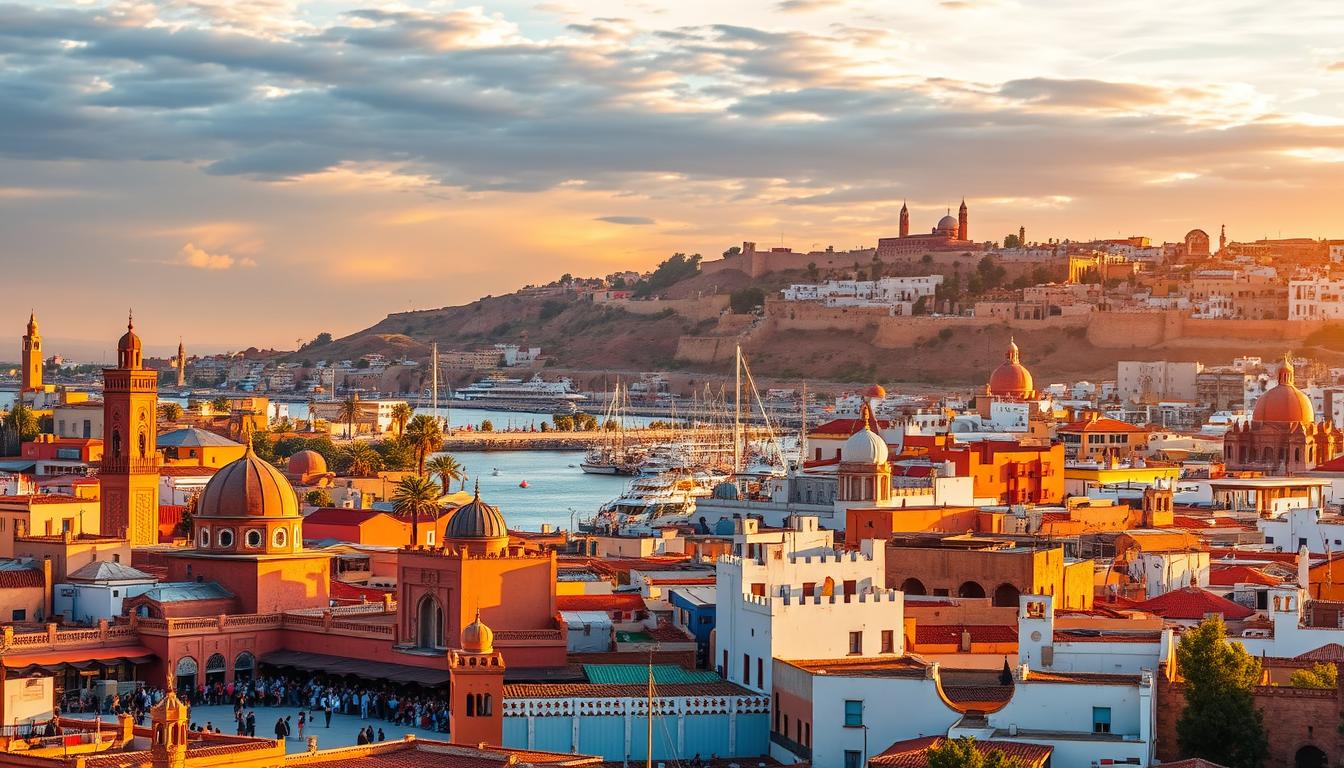
Start a journey through Morocco’s lively cities. Here, old traditions meet new attractions. You’ll find the history, culture, and special traits that make this country unique.
Walk the busy streets of Casablanca. See the old medinas of Fez and Marrakech. Each city has its own story to tell.
As you explore Morocco, you’ll learn about its rich culture. You’ll discover many amazing experiences waiting for you.
Key Takeaways
- Explore the ancient medinas of Fez and Marrakech
- Discover the imperial grandeur of Meknes
- Experience the vibrant culture of Casablanca
- Visit the blue-hued city of Chefchaouen
- Enjoy the rich history and heritage of Morocco’s top cities
The Enchanting Urban Landscape of Morocco
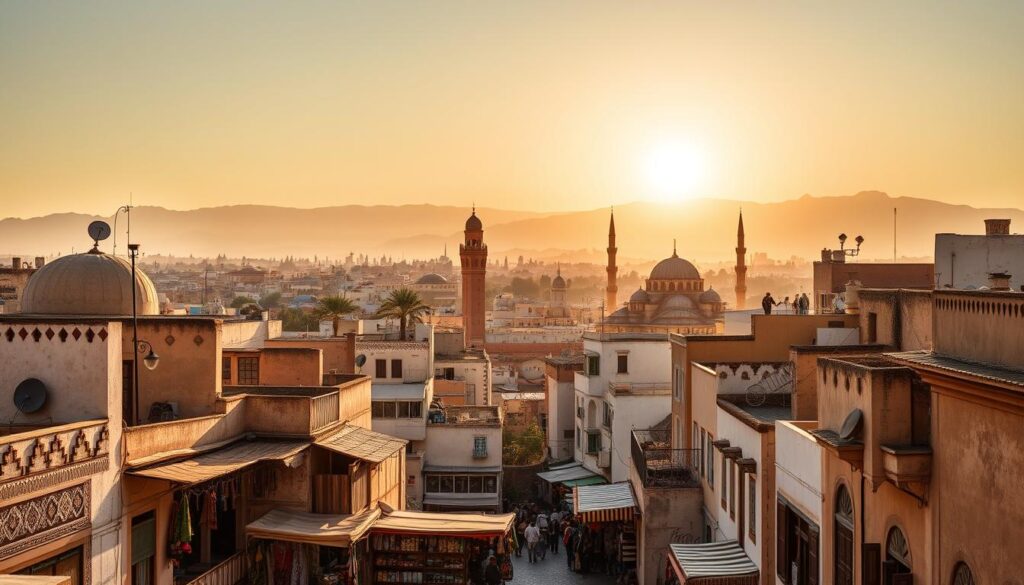
Exploring Morocco reveals a rich mix of urban areas, each with its own charm. The cities show the country’s diverse culture, blending Arab, Berber, and European traditions.
The Rich Cultural Heritage of Moroccan Cities
Morocco’s cities buzz with life, thanks to their vibrant markets and stunning architecture. You’ll find historic medinas, lively souks, and architectural wonders. For example, Fez boasts the world’s largest car-free area, while Marrakech is known for Jemaa el-Fnaa square.
The cities’ cuisine is a highlight, with a mix of spices and cooking methods that are uniquely Moroccan. Try local dishes like tagine and couscous at restaurants to experience this rich heritage.
Geographic Distribution and Diversity
Morocco’s cities span the country, each with its own unique vibe. From the Mediterranean to the Sahara, the cities reflect the country’s varied geography and climate.
| City | Region | Notable Feature |
|---|---|---|
| Casablanca | Atlantic Coast | Economic and commercial hub |
| Marrakech | High Atlas Mountains | Vibrant medina and Jemaa el-Fnaa |
| Fez | Northern Morocco | World’s largest car-free urban area |
This diversity makes Morocco’s urban landscape exciting to explore. Whether you’re by the coast or in the mountains, each city offers something special.
Casablanca: Morocco’s Economic and Commercial Hub
Casablanca, Morocco’s largest city, is a mix of old and new. It has historic landmarks and modern skyscrapers. This city is Morocco’s economic heart, showing the country’s spirit. It’s a place to see history, culture, and architecture, making it a top spot in Morocco.
Historical Development and Colonial Influence
Casablanca’s architecture shows French colonial and modern styles. Its historic development was shaped by its colonial past. Walking through, you’ll see the grandeur of its historic buildings.
For more on Casablanca’s history, check out Crossroads Cultural Exchange. They share insights on the city’s culture and history.
Must-Visit Attractions in Casablanca
Casablanca has many landmarks that show its cultural heritage. The Hassan II Mosque and the Old Medina are two highlights.
Hassan II Mosque: An Architectural Marvel
The Hassan II Mosque is a stunning landmark in Casablanca. It’s known for its architecture and craftsmanship. This magnificent mosque is a key attraction, showing Morocco’s cultural richness.
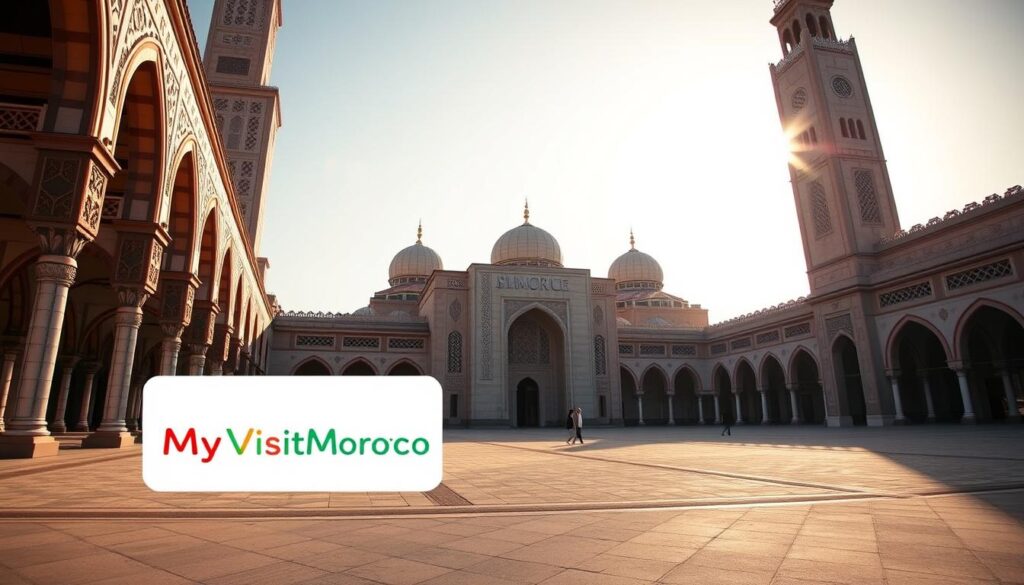
The Old Medina offers a look into traditional Moroccan life. The Corniche is great for a walk, with beautiful ocean views.
Modern Life in Morocco’s Largest City
Casablanca is more than just landmarks; it’s a city in change. You can see its modern vibe in shopping malls, restaurants, and cafes. It has both traditional souks and modern centers, offering a unique experience.
- Explore the city’s vibrant cultural scene
- Visit modern shopping malls and traditional souks
- Enjoy the city’s diverse culinary offerings
Marrakech: The Iconic Red City
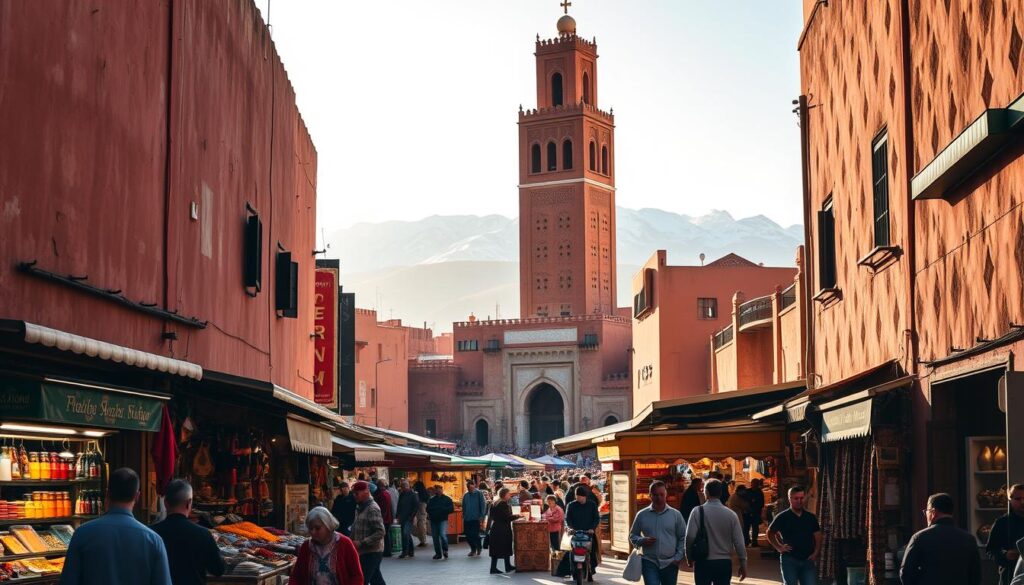
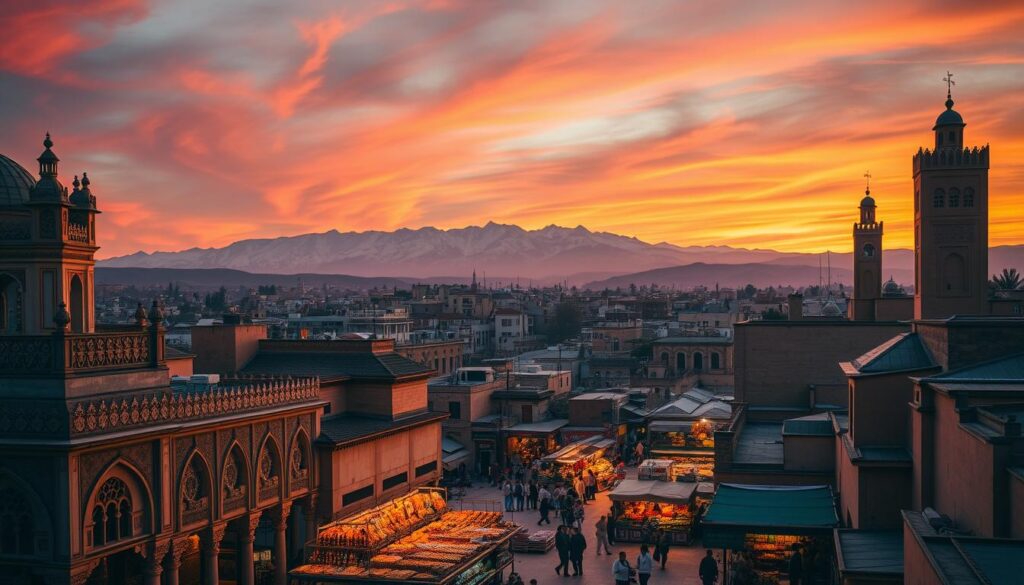
Marrakech is known for its ancient medina and red walls. It’s a key part of Morocco’s rich culture. This city draws visitors from all over with its mix of old and new.
Navigating the Ancient Medina
The medina is Marrakech’s heart, a maze of narrow streets. It’s filled with markets and landmarks. Walking through, you’ll experience sights, sounds, and smells like nowhere else.
Jemaa el-Fnaa Square: Heart of Marrakech
Jemaa el-Fnaa Square is Marrakech’s center of activity. Here, snake charmers, performers, and vendors create a lively scene. It’s a place you won’t forget.
The Souks and Traditional Markets
The souks offer a variety of goods, from spices to crafts. They’re a great way to see local life up close.
Palaces and Gardens of Marrakech
Marrakech has stunning palaces and gardens. The Bahia Palace and Majorelle Garden are highlights. They show the city’s beauty and history.
Contemporary Culture and Luxury Experiences
Marrakech also has a modern side. It’s known for luxury hotels, boutiques, and restaurants. You can enjoy modern comforts while still feeling the city’s old charm.
Marrakech is a key Moroccan metropolitan area. It blends old and new in a way that fascinates everyone who visits.
Fez: The Medieval Cultural Capital
As you explore Morocco’s ancient streets, Fez shines with its rich history and culture. It’s a key spot among the major Moroccan cities to visit.
Exploring the World’s Largest Car-Free Urban Area
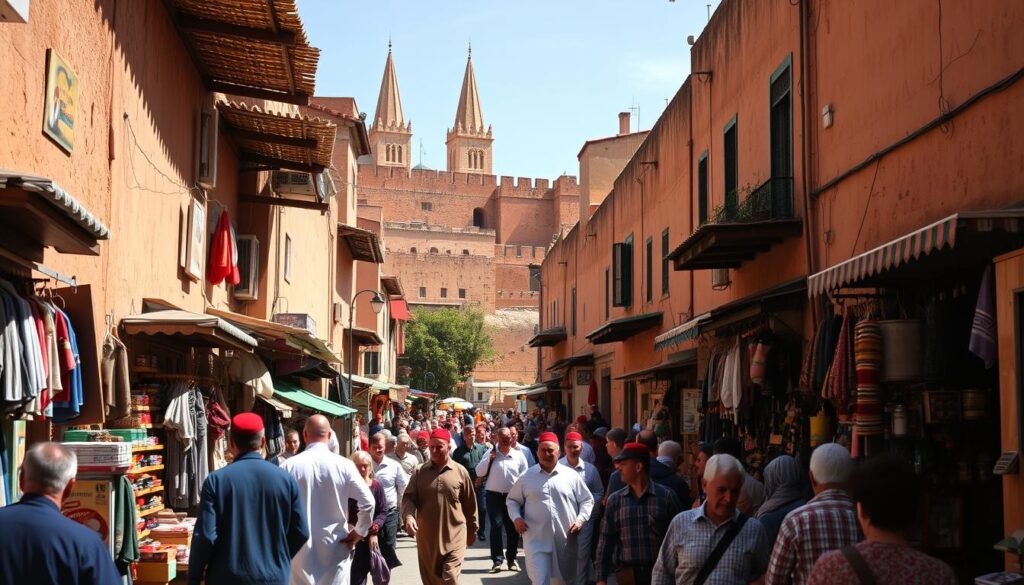
The ancient medina of Fez is a UNESCO World Heritage Site. It’s one of the biggest car-free areas globally. Walking its narrow alleys, you’ll find historic buildings, lively markets, and cultural experiences.
Historical Significance and Educational Heritage
Fez boasts a long educational history, with schools dating back centuries. Its architecture, with madrasas and mosques, shows the region’s cultural richness.
Al-Qarawiyyin: The World’s Oldest University
Al-Qarawiyyin University, founded in 859 AD, is the oldest university still in operation. It has greatly influenced education and culture in the area.
Madrasas and Religious Architecture
The madrasas in Fez, like the Bou Inania Madrasa, are known for their stunning design and craftsmanship. These buildings highlight the city’s cultural heritage and Islamic learning importance.
Artisanal Traditions and Craftsmanship
Fez is known for its artisanal skills, with craftsmen making beautiful textiles, ceramics, and more. Visitors can find unique items in the city’s souks and markets, experiencing the local culture.
For more trip planning info on Fez and other major Moroccan cities, check out My Visit Morocco’s destination guides.
| City | Main Attraction | Cultural Significance |
|---|---|---|
| Fez | Al-Qarawiyyin University | Historic center of Islamic learning |
| Marrakech | Jardin Majorelle | Vibrant cultural and artistic hub |
| Casablanca | Hassan II Mosque | Iconic religious architecture |
Rabat: The Administrative Capital of Morocco
Rabat, Morocco’s capital, is a city where history meets modernity. Its architecture, culture, and development show this unique mix.
Royal Heritage and Government Center
Rabat has been Morocco’s capital since the 12th century. It’s the country’s administrative and governmental center. The city is full of historical sites and landmarks that show its royal heritage.
You can visit the Royal Palace, the King of Morocco’s home. Rabat’s cultural scene is vibrant and exciting.
Architectural Highlights and Historical Sites
Rabat is famous for its stunning architecture and historical sites. The Kasbah of the Udayas and the Hassan Tower and Mausoleum of Mohammed V are highlights. These places are important for Morocco’s history and culture.
Kasbah of the Udayas
The Kasbah of the Udayas is a 12th-century fortress with amazing views of the Atlantic Ocean. It’s a must-see, with its narrow streets, gardens, and views.
Hassan Tower and Mausoleum of Mohammed V
The Hassan Tower is an unfinished minaret, and the Mausoleum of Mohammed V is a beautiful example of modern Moroccan architecture. The mausoleum is where King Mohammed V and his son, King Hassan II, are buried.
| Landmark | Description | Significance |
|---|---|---|
| Kasbah of the Udayas | 12th-century fortification with ocean views | Historic fortress and popular tourist site |
| Hassan Tower | Incomplete minaret from the 12th century | Symbol of Rabat and significant historical landmark |
| Mausoleum of Mohammed V | Modern Moroccan architecture | Final resting place of King Mohammed V and King Hassan II |
Modern Development and Urban Planning
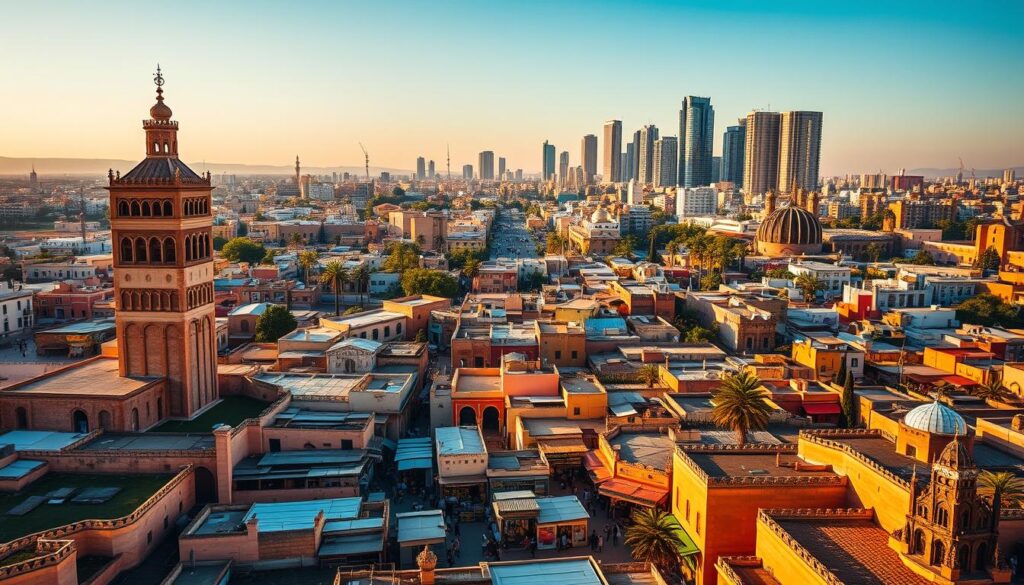
Rabat’s modern side is seen in its well-planned urban areas. It combines traditional and modern architecture. The city’s wide boulevards, parks, and buildings show a mix of Moroccan and international styles.
Exploring Rabat, you’ll see how it values its history while moving forward. This mix makes Rabat a place that has something for everyone.
Tangier: The International Gateway City
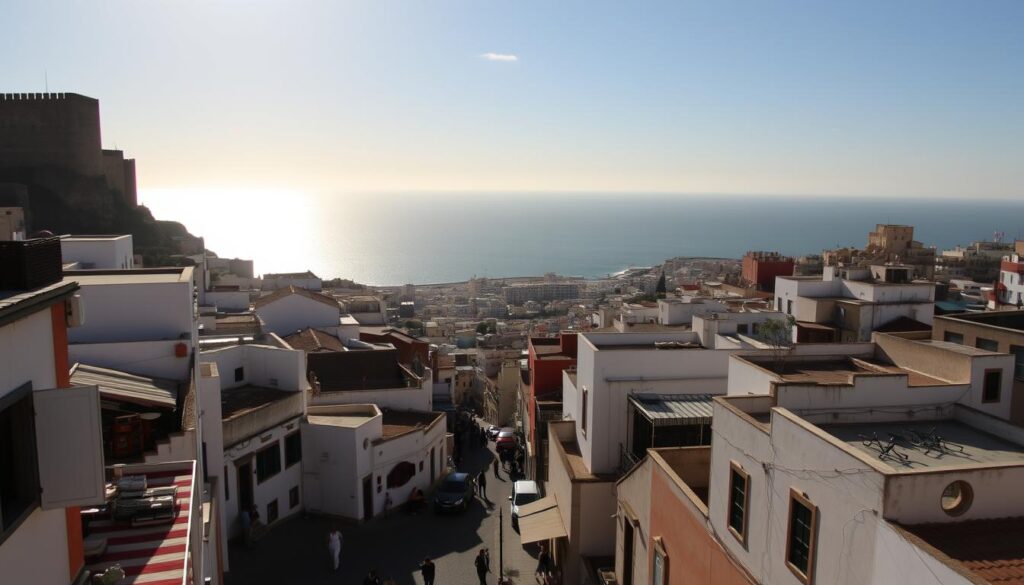
Tangier sits on the Strait of Gibraltar, a key spot for trade and culture. It’s a city where African, European, and Moroccan cultures meet. This mix makes Tangier one of the famous cities in Morocco.
Multicultural History and European Influences
From 1923 to 1956, Tangier was an international zone ruled by European powers. This time shaped the city’s architecture, culture, and food. Today, you can see European touches in Tangier’s grand architecture and its lively vibe. For more on Tangier’s past, check out Wikipedia’s page on Tangier.
Exploring the Kasbah and Medina
The Kasbah, an old fortress, offers stunning views of the Strait of Gibraltar and the Mediterranean. Inside the Kasbah is the Medina, a maze of old streets, palaces, and markets. Walking through the Medina, you’ll see Moroccan crafts and international touches, showing Tangier’s cultural mix.
Tangier’s Literary Legacy and Artistic Heritage
Tangier has always attracted artists and writers. Famous authors like Paul Bowles and William S. Burroughs found inspiration here. Today, the city celebrates its literary legacy through cultural events and exhibitions.
Café Culture and Famous Visitors
Tangier’s café scene drew famous writers and thinkers. Places like Café de Paris and Café Tingis were hubs for intellectuals and artists. These cafes added to Tangier’s lively cultural atmosphere.
Contemporary Arts Scene
Tangier’s modern art scene is booming, with many galleries showing local and international art. The city’s artistic community is growing, with festivals and events celebrating Tangier’s rich culture.
Exploring the Major Moroccan Cities: A Traveler’s Guide
To truly experience Morocco, you’ll need to know how to get around, where to stay, and how to respect local customs. As you travel between Morocco’s major cities, you’ll discover a rich tapestry of cultures, histories, and landscapes.
Transportation Networks Between Cities
Morocco has a well-developed transportation network, making it relatively easy to travel between cities. You can choose from trains, buses, and taxis, depending on your budget and preference. The national railway company offers efficient train services connecting major cities like Casablanca, Marrakech, and Fez.
For longer distances or more remote areas, consider domestic flights or private transfer services for convenience.
Accommodation Options from Riads to Luxury Hotels
From traditional riads to modern luxury hotels, Morocco offers a wide range of accommodation options to suit every taste and budget. In cities like Marrakech and Fez, riads are a popular choice, offering an authentic experience with their intricate architecture and serene courtyards.
Luxury hotels, on the other hand, provide high-end amenities and services, often with stunning views of the city or surrounding landscapes.
Cultural Etiquette and Local Customs
Understanding and respecting local customs is crucial when traveling in Morocco. The country is known for its hospitality, but visitors are expected to dress modestly and behave respectfully, especially when visiting religious sites or rural areas.
Navigating Language Barriers
While many Moroccans speak French or English, especially in tourist areas, learning a few basic Arabic phrases can go a long way in enhancing your experience. Simple greetings like “As-salamu alaykum” (peace be upon you) can earn you respect and smiles from locals.
Respectful Behavior and Dress Codes
Dressing modestly is advised, covering your shoulders and knees, especially when visiting mosques or conservative areas. Public displays of affection are generally frowned upon, and it’s best to be mindful of local norms to avoid unintended offense.
Agadir: Morocco’s Premier Beach Destination
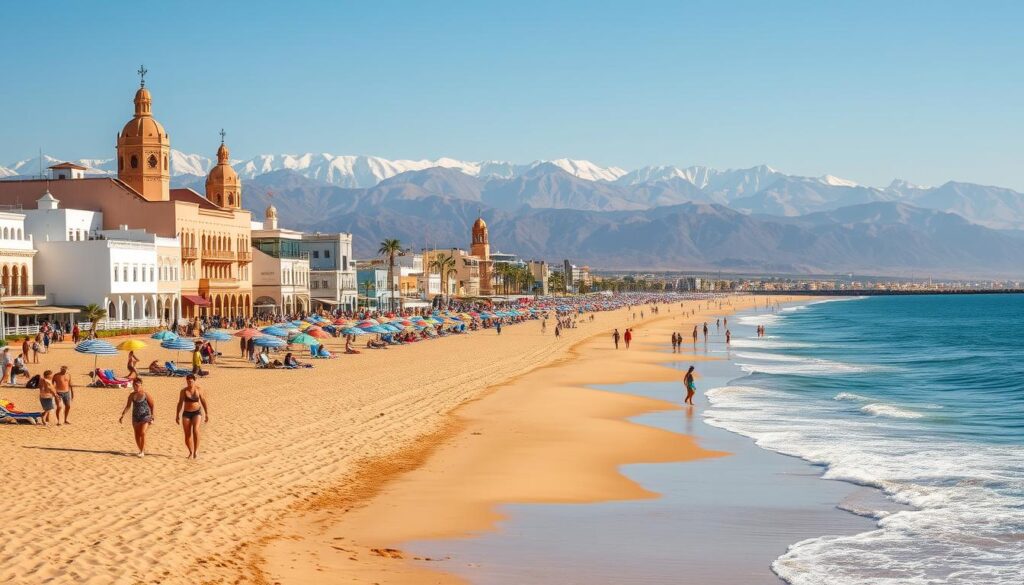
Agadir, rebuilt after a 1960 earthquake, is now Morocco’s top beach spot. This modern city on the Atlantic coast mixes relaxation, water sports, and culture. It draws visitors from all over the world.
Rebuilding and Modernization After the 1960 Earthquake
The 1960 earthquake changed Agadir’s history, leading to a major rebuilding effort. The city was transformed into a modern tourist center. The focus was on creating a safe, well-planned place for locals and tourists.
For more information on things to do in Agadir, you can visit this travel guide. It offers insights into the city’s attractions and activities.
Beach Life and Coastal Activities
Agadir’s beach is a major draw, with its wide sand for relaxing, swimming, and water sports. The city offers:
- Surfing and windsurfing for adventure seekers
- Boat tours to explore the coastline
- Beach volleyball and other beach games
Contemporary Tourism Infrastructure
Agadir has a well-developed tourism scene, appealing to all. Its resorts, hotels, and entertainment options are perfect for families, couples, and solo travelers.
Resorts and Entertainment Options
Agadir’s resorts provide luxury, spas, and entertainment like golf and water parks. There’s a wide range of dining, from Moroccan to international dishes.
Day Trips from Agadir
The area around Agadir is full of natural beauty and culture. It’s great for day trips. You can visit the Souss-Massa National Park, Taroudant, or Paradise Valley.
Essaouira: The Artistic Coastal Gem
Essaouira is a captivating coastal town with a rich history and vibrant culture. It’s known for its unique mix of Portuguese influences, artistic community, and stunning natural beauty.
Portuguese Influences and Fortress Architecture
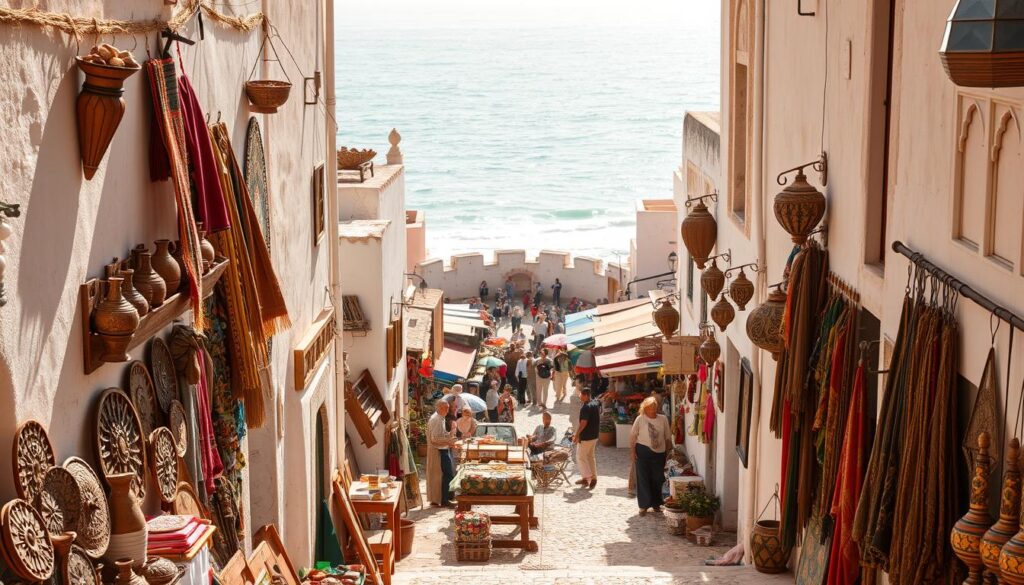
Essaouira’s history is seen in its impressive fortress architecture, influenced by the Portuguese. The town’s ramparts and fortifications show its strategic past. Walking along the ramparts, you’ll enjoy views of the Atlantic Ocean and the town’s terracotta rooftops.
Key Features of Essaouira’s Fortress Architecture:
| Feature | Description |
|---|---|
| Skalla Rampart | A historic rampart that offers panoramic views of the town and the ocean. |
| Portuguese Gate | A historic gate that reflects the town’s Portuguese heritage. |
| Borj el Berard | A fortified tower that served as a defense mechanism. |
Creative Community and Cultural Festivals
Essaouira is famous for its artistic community and cultural festivals. The town hosts events like the Essaouira Gnawa Music Festival, drawing visitors worldwide. You can explore art galleries, shops, and studios showcasing local craftsmanship and creativity.
Seafood Traditions and Culinary Experiences
Essaouira is known for its fresh seafood. You can enjoy a variety of culinary experiences in its restaurants and cafes. From traditional Moroccan dishes to fresh seafood, there’s something for everyone.
The Working Port and Fish Market
Visit the working port and fish market to see the day’s catch and experience the local fishing industry. You can sample fresh seafood at eateries near the port.
Wind Sports and Beach Activities
Essaouira is a favorite for wind sports enthusiasts, with its consistent winds and beautiful beaches. You can enjoy kitesurfing, windsurfing, and sailing, or relax on the beach and soak up the sun.
Essaouira’s history, culture, and natural beauty make it one of the best cities in Morocco to visit. Exploring this charming coastal town, you’ll see why it’s a favorite among travelers and a gem on Morocco’s coast.
Chefchaouen: The Blue Pearl of the Rif Mountains
Chefchaouen, known as the Blue Pearl, is a mix of natural beauty and culture. Its charm comes from blue buildings, rich history, and a welcoming vibe.
Origins and Meaning of the Blue-Painted Buildings
The blue buildings in Chefchaouen started with the Jewish community. They used blue to symbolize the sky and heaven. This tradition spread, making the town unique. The blue color shows the town’s cultural diversity and history.
Exploring the Mountain Town’s Unique Character
Walking through Chefchaouen’s streets, you’ll see a blend of cultures. It’s a place for artists, hikers, and those looking for peace. Visit the Kasbah, explore markets, or just enjoy the calm. For more on visiting Chefchaouen, check out solo travel experiences in this town.
Local Crafts and Regional Specialties
Chefchaouen is famous for its crafts, like textiles and weaving. The town’s artisans use old techniques passed down through generations.
Textile Traditions and Weaving
Weaving is a big part of Chefchaouen’s culture. Local artists make beautiful textiles on traditional looms. These pieces show the town’s history and cultural influences.
Hiking Opportunities in the Surrounding Area
The Rif Mountains have many hiking trails with stunning views. Visitors can see valleys and peaks, enjoying the area’s plants and animals.
| Activity | Description | Location |
|---|---|---|
| Hiking | Explore the Rif Mountains’ trails | Surrounding areas of Chefchaouen |
| Textile Weaving | Learn traditional weaving techniques | Local workshops in Chefchaouen |
| Cultural Tours | Discover the town’s history and culture | Chefchaouen’s Medina |
Seasonal Considerations for Visiting Morocco’s Urban Centers
Understanding the seasons in Morocco’s cities is key to a great trip. The country’s climate and cultural events greatly affect your journey.
Climate Variations Across Different Regions
Morocco’s weather changes a lot from one area to another. Coastal cities like Casablanca and Tangier are generally cooler. But, cities like Marrakech and Fez get really hot in summer.
Festival Calendar and Cultural Events
Morocco is alive with festivals and events all year. Highlights include the Marrakech International Film Festival and the Essaouira Gnawa Music Festival. These events make your trip unforgettable.
Religious Celebrations and Their Impact
Events like Eid al-Fitr can change your visit. Some places might close, while others host special events.
Music and Arts Festivals
Morocco’s music and arts festivals showcase its culture. They give you a peek into both its rich past and modern scene.
Optimal Timing for Different City Experiences
When to visit Morocco’s cities depends on what you want. Spring or autumn is best for cities like Marrakech or Fez if you want mild weather.
| City | Best Time to Visit | Highlights |
|---|---|---|
| Marrakech | Spring or Autumn | Mild weather, cultural festivals |
| Casablanca | Anytime | Modern city life, historical sites |
| Tangier | Spring or Summer | Beach activities, cultural events |
Lesser-Known but Fascinating Moroccan Cities
Morocco’s cities are diverse and each offers a unique experience. Places like Tetouan, Meknes, and Ouarzazate are rich in history and culture. They also have stunning landscapes to explore.
Tetouan: The White Dove of the North
Tetouan is in Morocco’s north and is called the “White Dove.” Its medina is a UNESCO World Heritage Site. The city’s architecture is a mix of Moroccan and Andalusian styles.
Visitors can wander the medina’s narrow streets. They can also see the Royal Palace. Tetouan is peaceful and beautiful.
Meknes: The Underrated Imperial City
Meknes is another imperial city in Morocco. It’s not as famous as some, but it’s impressive. The city’s architecture, like the Bab Mansour gate, shows its rich history.
Meknes is more relaxed than other cities. It’s perfect for those who want to see Morocco’s past at a slower pace.
Ouarzazate and Aït Benhaddou: Film Industry Hubs
Ouarzazate and Aït Benhaddou are famous in the film world. Many big movies have been made here. The area is full of kasbahs and shows the Berber way of life.
Famous Movie Locations
Atlas Studios in Ouarzazate have hosted “Gladiator” and “Game of Thrones.” You can see the movie sets. The desert and kasbahs are perfect for filming.
Desert Gateway Experiences
Aït Benhaddou is a fortified village and a UNESCO site. It’s a desert gateway with camel rides and camping. Ouarzazate and Aït Benhaddou offer a mix of culture and adventure.
These cities are key to understanding Morocco’s urban diversity. They let travelers see beyond the usual spots. They show the real charm of Morocco’s cities.
Conclusion: Embracing the Diversity of Morocco’s Urban Tapestry
As you finish exploring Morocco’s cities, you gain a deeper understanding of its rich culture. Each major city has its own special vibe. You’ll find a mix of old traditions and new ways of life.
Casablanca is a bustling economic center, while Fez’s medina is steeped in history. Essaouira’s coastal beauty and Chefchaouen’s blue buildings are just a few highlights. Morocco offers a wide range of experiences, making it perfect for travelers.
When planning your visit, think about the seasons and cultural events. Morocco’s heritage and friendly people will make your trip unforgettable.





 Covers cities, coast, mountains, desert & food