
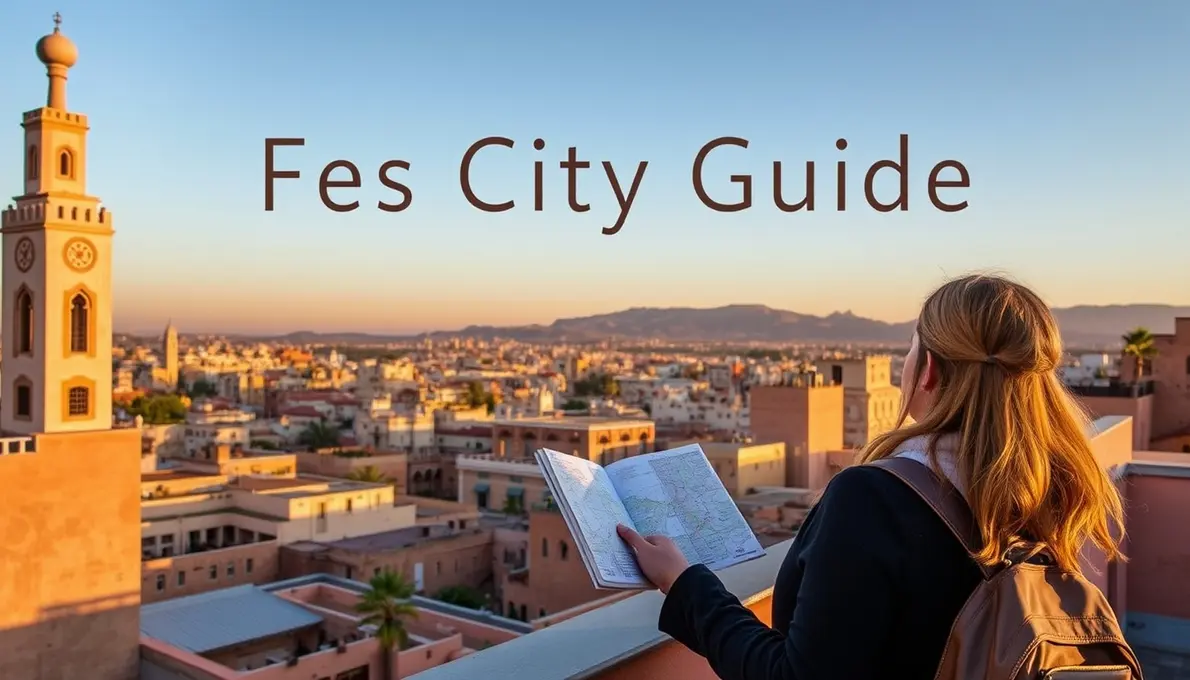
Stepping into Fes is like traveling back in time, a sensation that immediately captures you the moment you navigate its ancient, labyrinthine medina. Often hailed as Morocco’s cultural and spiritual heart, this city offers an unparalleled deep dive into centuries of history, artisan traditions, and vibrant everyday life. For anyone planning a journey to this extraordinary destination, this comprehensive Fes city guide will equip you with essential tips and unveil some of its most cherished hidden gems, ensuring your Moroccan adventure is nothing short of magical.
Unraveling the Medina’s Ancient Tapestry: Navigating Fes El Bali
The soul of Fes undeniably resides within Fes El Bali, its UNESCO-listed medina. This isn’t just an old town; it’s a living, breathing medieval city, a sprawling maze of over 9,000 narrow alleyways, bustling souks, and hidden courtyards that seem designed to delightfully disorient. Unlike many other historical centers that have been gentrified for tourism, Fes El Bali remains fiercely authentic, a place where daily life unfolds as it has for generations. Donkeys are still the primary mode of transport for goods, artisans still ply their trade in methods passed down through families, and the air hums with the calls of vendors and the aroma of spices and leather.
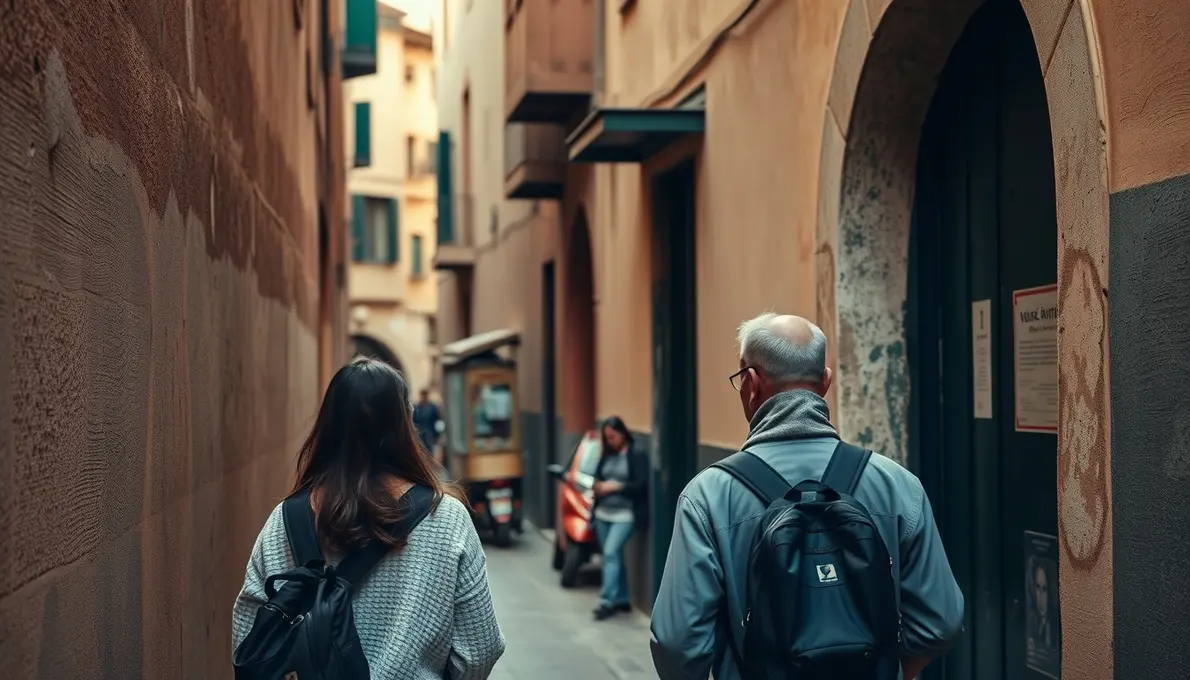
Navigating this ancient tapestry can feel overwhelming at first, but embracing the chaos is part of the experience. My best advice for Fes El Bali is to allow yourself to get lost – deliberately. Every wrong turn can lead to a new discovery: a quiet fountain, a hidden riad, or a tiny workshop where a craftsman is hammering metal or weaving silk. That said, having a mental compass or even a downloaded offline map can provide a reassuring anchor. Don’t be afraid to politely decline offers from unofficial “guides” who approach you; legitimate guides wear official badges. Hiring a licensed guide for your first half-day or full day can be invaluable, offering historical context and helping you grasp the layout before you venture out on your own. They can point out key landmarks like the Bab Bou Jeloud (the iconic Blue Gate), the Al-Attarine Madrasa, and the world-renowned Chouara Tannery, while also revealing some of the less-obvious pathways.
The medina is divided into various quarters, each specializing in different goods. You’ll find sections dedicated to leather, textiles, ceramics, spices, and more. Even if you’re not planning to buy, observing the artisans at work is a mesmerizing experience. Bargaining is expected and part of the cultural exchange, always done with a smile and good humor.
A Glimpse into Fez’s Enduring Legacy: Key Cultural Experiences
Fes isn’t just about ancient streets; it’s a profound cultural experience rooted in centuries of intellectual and spiritual pursuits. The city is home to institutions that have shaped Moroccan identity, and exploring them offers deep insights. The University of Al-Karaouine, founded in 859 AD, is recognized by UNESCO as the oldest continually operating university in the world. While access to its interior may be restricted for non-Muslims, its exterior architecture and the sense of history it emanates are powerful enough. Nearby, the Al-Attarine Madrasa, a theological college, is an exquisite example of Marinid architecture, with intricate zellige tile work, carved cedarwood, and delicate stucco decorations. Stepping inside, you can almost hear the echoes of scholars long past.
Another cornerstone of the city’s cultural heritage is its vibrant artisan scene. The Chouara Tannery, though undeniably pungent, is one of Fes’s most iconic and photogenic sites. From the terraces of surrounding leather shops, you can observe the age-old process of dyeing and treating animal hides in a myriad of stone vats filled with natural dyes. The sight is a riot of color and a testament to enduring manual craftsmanship. Beyond the tanneries, wander into specific souks where copper workers hammer intricate designs, weavers meticulously craft rugs, and potters shape their wares. These are not merely tourist attractions but genuine workshops where traditions are kept alive. This Fes city guide emphasizes seeking out these authentic encounters.
Beyond the Walls: Exploring Ville Nouvelle and the Mellah
While Fes El Bali hogs much of the spotlight and rightly so, the city extends far beyond its ancient walls, offering different facets of Moroccan life. The Ville Nouvelle, or New City, built during the French protectorate, stands in stark contrast to the medina. Here, wide boulevards, modern cafes, and contemporary shops replace the narrow alleys and traditional souks. It’s where you’ll find many modern conveniences, larger hotels, and a different pace of life. For a break from the medina’s intensity, a stroll through the Ville Nouvelle can be refreshing. It offers a chance to see how Fes blends its deep history with modern urban development. It’s also a good place to find ATMs, modern pharmacies, and international food options.
Another historically significant district is the Mellah, the old Jewish Quarter. Located between Fes El Bali and the Royal Palace, the Mellah features distinctive architecture, particularly the balconies that protrude from buildings, a feature not commonly seen in traditional Moroccan homes. While the Jewish community in Fes has significantly dwindled, the quarter retains its unique character. The beautifully restored Aben Danan Synagogue is a poignant reminder of the community’s rich past and is often open to visitors. The charming streets around the Mellah offer a different perspective and a tranquil contrast to the medina’s hustle. Exploring these diverse districts provides a more complete picture of Fes and its layered history.
Savoring the Flavors of Fes: A Culinary Journey
Moroccan cuisine is renowned worldwide, and Fes, as a cultural capital, is a spectacular place to delve into its rich culinary traditions. Food here is an integral part of the daily rhythm and social fabric. Tagines, slow-cooked stews typically made with meat (lamb, beef, chicken) or vegetables and a blend of aromatic spices, are a staple. You’ll find variations like chicken with preserved lemon and olives, or lamb with prunes and almonds. Couscous, often served on Fridays, is another cornerstone of Moroccan dining, a light and fluffy semolina dish usually accompanied by stewed vegetables and meat.
Beyond these well-known dishes, Fes offers a wealth of other gastronomic delights. Harira, a hearty lentil and tomato soup, is incredibly flavorful and often eaten to break the fast during Ramadan, but available year-round. Pastilla, a sweet and savory pigeon pie (though chicken or fish versions are common), encased in delicate warqa pastry and dusted with powdered sugar and cinnamon, is a true Fassi specialty that you absolutely must try. For snacks, look out for bissara (a fava bean soup often served for breakfast), various fried pastries, and, of course, endless glasses of sweet mint tea – a symbol of Moroccan hospitality.
Dining experiences range from the elaborate multi-course meals in lavish riad restaurants to simple, delicious street food stalls. For an authentic experience, consider a cooking class. Many riads and local culinary schools offer sessions where you can learn to prepare traditional Fassi dishes from scratch, culminating in enjoying your own creations. This isn’t just a meal; it’s an immersion into Moroccan culture that few ordinary tourist activities can match. Don’t be shy about trying local street food, but always choose stalls that look busy and clean, ensuring freshness. A culinary journey through Fes is as enriching as exploring its medina.

Seeking Serenity: Green Spaces and Panoramic Views
While Fes is famous for its dense urban fabric, it also offers pockets of tranquility and breathtaking vistas that provide a welcome respite from the medina’s energetic pace. For panoramic views that truly put the medina’s scale into perspective, head to the Marinid Tombs, located on a hill overlooking Fes El Bali. While the tombs themselves are mostly ruins, the elevated position provides a sweeping panorama of the ancient city, with its countless rooftops, minarets, and the green expanse of the surrounding landscape. It’s an ideal spot for photography, especially at sunset, when the golden light bathes the city in a magical glow.
Another unexpected green oasis can be found just outside Bab Bou Jeloud: the beautiful Jnan Sbil Gardens. These public gardens, recently restored, offer a peaceful escape with their wide pathways, tranquil fountains, towering palm trees, and diverse flora. It’s a favorite spot for locals to relax, picnic, and stroll, providing a serene contrast to the bustling souks. You can wander for an hour or two, enjoying the shade and the fresh air. Near the Mellah, the Royal Palace of Fes (Dar el Makhzen) itself is not open to visitors, but its magnificent brass doors are a sight to behold and the surrounding area offers some spacious, cleaner streets that can feel like a breath of fresh air. Finding these serene spots is an important aspect of balancing your Fes city guide experience.
Practicalities for Your Fes Adventure: Essential Travel Tips
Planning a trip to Fes requires a bit of practical knowledge to ensure a smooth and enjoyable experience. Getting around Fes El Bali is primarily on foot. Wear comfortable, sturdy shoes as the alleyways are uneven and often steep. For longer distances outside the medina, or for reaching areas like the Marinid Tombs, small red taxis (petit taxis) are readily available and affordable. Always confirm the price or insist on the meter (compteur) before starting your journey.
Accommodation options in Fes are abundant, ranging from budget-friendly guesthouses to luxurious riads (traditional Moroccan houses with interior courtyards). Staying within the medina in a riad is highly recommended for an immersive experience, but be prepared for the noise and the walk. Many riads offer excellent service, delicious home-cooked meals, and a tranquil atmosphere behind their unassuming doors. When it comes to packing, remember that Morocco is a conservative country. While there’s no strict dress code for tourists, dressing modestly (shoulders and knees covered) is respectful and can help you feel more comfortable, especially when visiting religious sites or navigating crowded areas.
Communication is generally easy, especially in tourist areas. Darija (Moroccan Arabic) is the local language, but French is widely spoken, and many people involved in tourism also speak English. Having a few basic Arabic phrases up your sleeve, like “Salam Alaikum” (hello) and “Shukran” (thank you), is always appreciated. Money matters: the local currency is the Moroccan Dirham (MAD). ATMs are available in the Ville Nouvelle and at major gates of the medina, but it’s always wise to carry some smaller denominations for purchases in the souks and for tips.
When it comes to staying connected and prepared, consider a local SIM card upon arrival for easy navigation and communication. And speaking of preparation, if your Moroccan adventure extends to the desert, make sure to check out our Fes city guide for a comprehensive packing list. Beyond the practicalities, embracing the local customs and hospitality will undoubtedly enhance your Fes experience. A little patience, a good sense of humor, and an open mind will go a long way in this incredible city. For more general travel insights on destinations worldwide, check out Fes travel tips.
Conclusion
Fes is a city that demands to be explored slowly, with all your senses engaged. It’s a place where history isn’t just preserved in museums, but actively lived on its ancient streets. From the intricate artistry of its madrasas to the aromatic spices of its souks and the enduring skill of its artisans, every corner offers a new discovery. This Fes city guide aimed to provide you with the insights necessary to unlock its wonders, offering both essential tips for navigating its complexities and a glimpse into its many hidden gems. Your adventure in the spiritual heart of Morocco promises to be an unforgettable journey, full of rich cultural encounters and breathtaking moments, making it a truly unique travel destination.
FAQs
What is the best way to get around Fes El Bali?
The best and often only way to get around Fes El Bali (the old medina) is on foot. Its narrow, winding alleyways are inaccessible to cars. Donkeys are used for transporting goods, and visitors can walk. For longer distances outside the medina or to reach attractions further afield, small red taxis (petit taxis) are readily available and affordable.
Is Fes safe for tourists?
Fes is generally safe for tourists, even for solo female travelers. However, like any major city, it’s wise to be aware of your surroundings, especially in crowded souks or at night. Petty crime like pickpocketing can occur, so keep valuables secure. Be firm but polite with persistent unofficial guides or vendors. Trust your instincts and avoid walking into very dark or deserted alleys alone after dark.
What should I wear when visiting Fes?
While there isn’t a strict dress code for tourists, it’s advisable to dress modestly out of respect for local customs, especially when exploring the medina or visiting religious sites. Covering your shoulders and knees is recommended for both men and women. Loose-fitting clothing made from breathable fabrics is also practical due to the warm climate.
How many days do I need to explore Fes thoroughly?
To truly experience Fes and appreciate its depth, a minimum of 3 to 4 full days is recommended. This allows you to explore Fes El Bali at a leisurely pace, visit key cultural sites, wander through the Jewish Quarter and Ville Nouvelle, enjoy some excellent Fassi cuisine, and perhaps even take a cooking class or a short day trip to nearby attractions like Volubilis or Meknes.



 Covers cities, coast, mountains, desert & food