
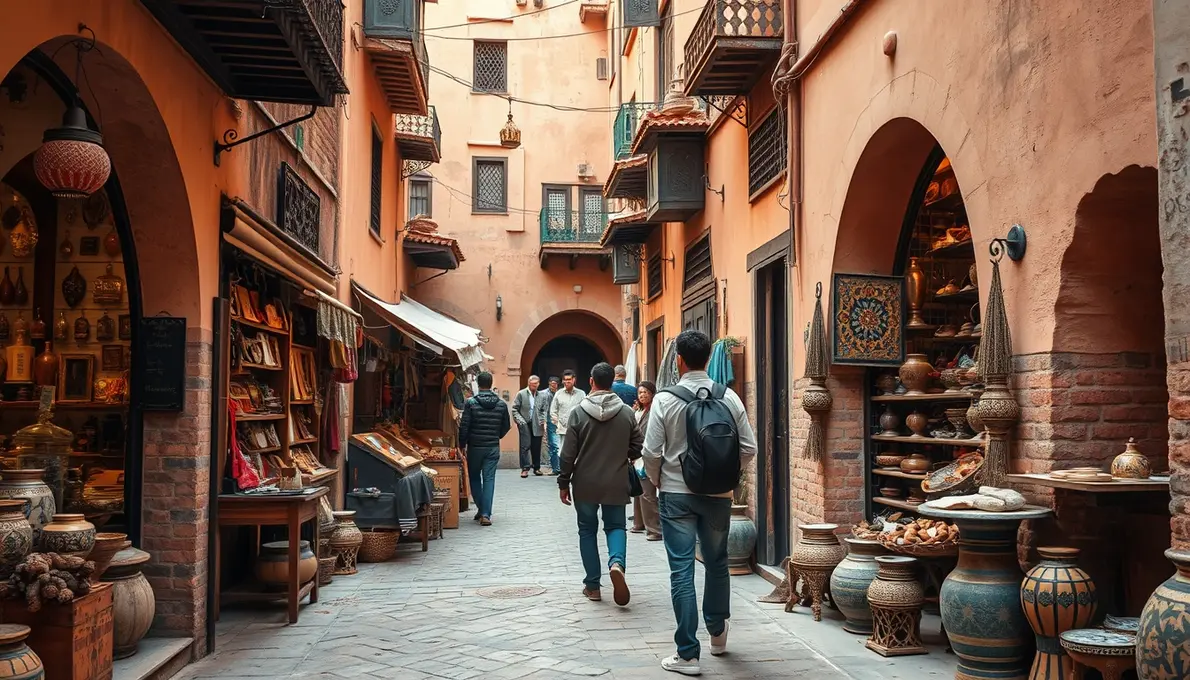
Fes, an ancient imperial city in Morocco, is a living museum, particularly renowned for its vibrant Fes artisan workshops. Stepping into its labyrinthine medina, Fes el-Bali, is like journeying back in time, where age-old craftsmanship is not just preserved but thrives. This guide will help you navigate the rich tapestry of Fes’s craft scene, pointing you towards the finest artisan experiences and the best places for souvenir shopping that genuinely reflect the city’s soul. Understanding the magic behind these workshops is key to a truly immersive Fes experience.
The Enduring Legacy of Fes Craftsmanship: A Medina Unveiled
Fes thrives on its age-old traditions, and nowhere is this more evident than in its bustling medina, a UNESCO World Heritage site. Each narrow alleyway seems to lead to another hidden atelier, where generations of artisans continue to practice their crafts using techniques passed down through centuries. The air is thick with the scent of cedarwood, dyeing vats, and tanning hides, creating an intoxicating sensory symphony. Here, the concept of mass production is alien; every item tells a story of meticulous handiwork and dedicated skill. From the intricate zellige tiles that adorn palaces and riads to the supple leather goods and vibrant textiles, Fes is a testament to human ingenuity and artistic expression. Exploring these Fes artisan workshops isn’t just about making a purchase; it’s about witnessing living history and appreciating the profound cultural significance embedded in every piece.
This strong commercial intent behind visiting Fes is centered on travelers seeking authentic, handmade goods directly from the creators. It’s a journey into the heart of Moroccan artistry, offering not just souvenirs but cherished pieces of culture.
Diving Deep into Fes Artisan Workshops: Behind the Scenes Tours
To truly appreciate the artistry of Fes, consider joining a specialized craft tour. These tours go beyond mere shopping, offering invaluable insights into the processes and traditions that define Fassi craftsmanship. Many local guides specialize in artisan tours, taking you to workshops often overlooked by casual visitors. You’ll witness masters at work, whether it’s a potter shaping clay on a hand-turned wheel, a woodcarver meticulously etching patterns into cedar, or a weaver creating intricate carpets knot by knot.
One of the most iconic experiences is visiting the tanneries, particularly Chouara Tannery. While the smell can be pungent, the sight of hundreds of dye vats filled with natural pigments and skins laid out to dry is unforgettable. Local guides usually equip you with a sprig of mint to help with the aroma, and explain the traditional, organic tanning process, a practice virtually unchanged for centuries. You’ll see workers handling the hides, from soaking them in pigeon droppings and lime, to drying and dyeing them in vibrant hues, eventually transforming them into high-quality leather. This direct interaction offers a profound understanding of the labor and skill involved before the leather becomes a beautiful bag or pair of slippers.
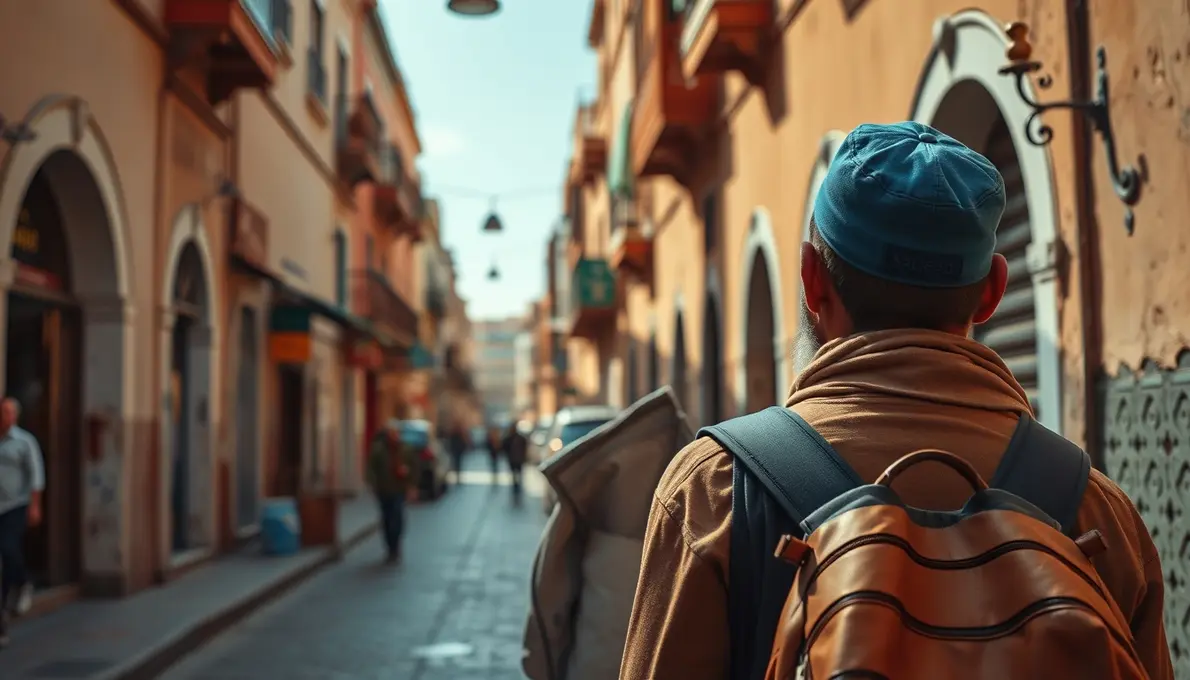
Beyond the tanneries, tours often include stops at ceramic workshops, where you can watch artisans paint intricate patterns onto tagines and platters, each design unique to Fes. You might also visit a foundational silk weaving workshop, where patterns are slowly brought to life on traditional looms. These tours aren’t just informative; they often allow for direct interaction with the artisans, offering a chance to ask questions and sometimes even try your hand at a small aspect of the craft. These experiences are paramount for anyone interested in the stories behind the products they wish to buy.
Mastering the Medina Marketplace: Savvy Souvenir Hunting
Navigating the medina for souvenir shopping can be both exhilarating and overwhelming. The sheer volume of goods, coupled with the energetic atmosphere of bargaining, requires a little preparation. When seeking out authentic souvenirs directly from Fes artisan workshops, remember a few key strategies. Firstly, don’t be afraid to wander off the main thoroughfares. Many smaller, family-run workshops are tucked away in side alleys, often offering more unique pieces and a more personal buying experience.
Always expect to haggle. It’s part of the Moroccan shopping culture, and vendors often quote higher prices initially, anticipating negotiation. Start by offering around half to two-thirds of the asking price and work your way up. Remain friendly and good-humored; it’s a social exchange as much as it is a transaction. Don’t feel pressured to buy; if you’re not comfortable with the price or the item, politely decline and move on.
Focus on quality. True handcrafted goods will have minor imperfections that speak to their authenticity. For items like leather, feel the texture, check the stitching, and inquire about the type of hide used. For ceramics, inspect the glaze and the intricacy of the hand-painted details. It’s always helpful to have a general idea of fair prices for different items, though these can vary. Consider visiting a fixed-price shop or two initially to get a baseline idea before venturing into the more traditional souks.
Popular souvenirs include various Fes leather goods – from intricate poufs and sturdy bags to fashionable slippers (babouches) and belts, all sourced from local tanneries. Look for pottery: the distinctive blue and white Fassi ceramics are world-renowned, often featuring complex geometric patterns or floral motifs. Woodwork, particularly cedar items like jewelry boxes, chess boards, and furniture, showcases incredible carving skills. Textiles, including hand-woven rugs, kilims, and embroidered throws, are another excellent choice. Spices, argan oil products, and traditional Moroccan slippers make for charming and practical mementos. Remember, by buying directly from the Fes artisan workshops, you’re not just acquiring a souvenir; you’re supporting the livelihoods of these skilled craftspeople and contributing to the preservation of their cultural heritage.
The Allure of Fes Leather Goods: From Tannery to Treasure
Fes is synonymous with leather, and its tanneries produce some of the finest in the world. The journey of Fes leather goods from raw hide to finished product is a captivating process, rooted deeply in tradition. Visiting a leather workshop after seeing the tanneries brings the production full circle. Artisans painstakingly cut, stitch, and emboss beautiful items, often employing techniques that have been passed down through generations.
You’ll find an astonishing array of leather products in Fes. Poufs, those iconic Moroccan footstools, come in various sizes and colors, often intricately embroidered. Bags, from large travel totes to small cross-body purses, are handcrafted, durable, and unique. Belts, wallets, and even custom-made jackets are also widely available. The quality of the leather is often superior to mass-produced items, with a softness and suppleness that develops beautifully over time.
When purchasing leather, consider the source and the type. Cowhide, goat, and camel leather are commonly used, each with its own texture and characteristics. Goat leather is often thinner and softer, ideal for shoes and lighter bags. Cowhide is robust and durable, perfect for larger luggage or structured bags. Camel leather is known for its distinctive grain and strength. Always inspect the stitching – hand-stitched items are a mark of true craftsmanship and tend to be more durable. Don’t be afraid to ask about the dyes used; many Fassi artisans still use natural vegetable dyes, which are less harsh and give the leather a richer, more unique patina. Investing in Fes leather goods is an investment in a piece of enduring Moroccan artistry.
Planning Your Craft Journey: Practical Tips for Fes
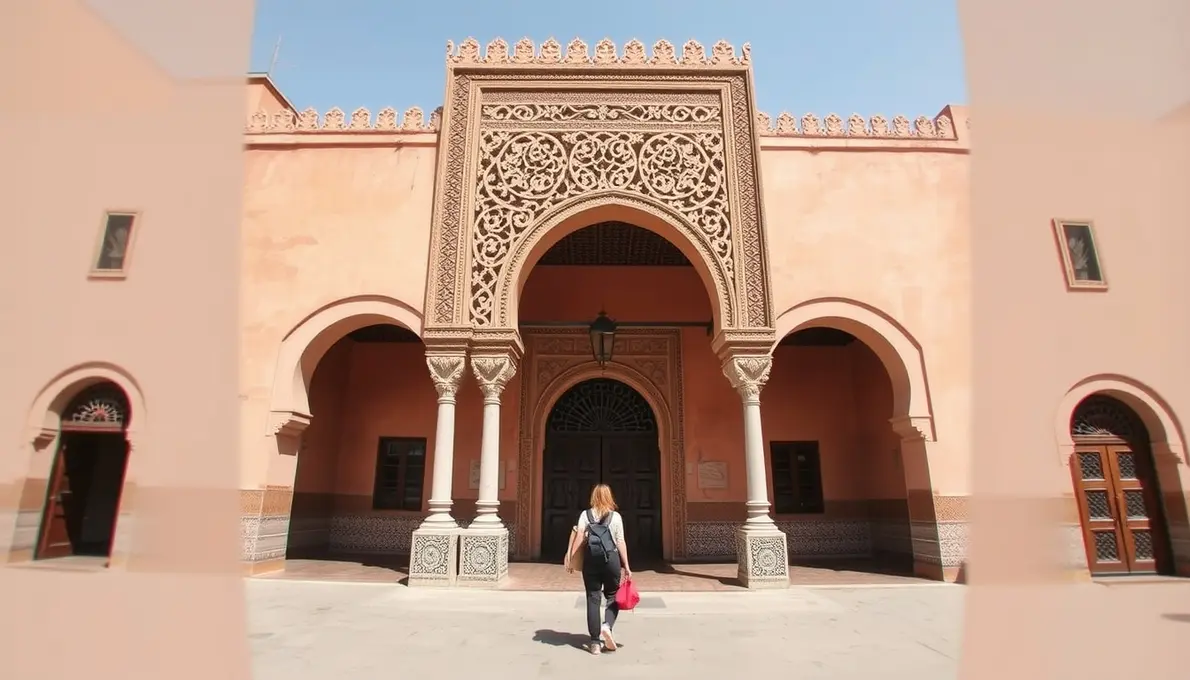
Making the most of your explorations into Fes artisan workshops requires a bit of practical planning. Firstly, wear comfortable shoes. The medina involves a lot of walking, often on uneven cobblestones and up and down inclines. Secondly, be prepared for sensory overload – the sights, sounds, and smells are intense but utterly captivating.
Consider hiring a licensed local guide, especially for your first day or two. A good guide can be invaluable for navigating the labyrinthine alleys, helping you find specific workshops, and assisting with respectful interactions and fair price negotiations. They can also explain the intricate history and cultural significance of the crafts you encounter, enriching your experience immensely. Many guides offer specialized “craft tours” tailored to your interests, be it ceramics, weaving, leather, or metalwork.
Patience is key. Rushing through the medina diminishes the experience. Allow ample time to browse, observe, and engage with the artisans. Don’t be afraid to strike up conversations (even with limited shared language, smiles and gestures go a long way). Many artisans are proud of their work and happy to demonstrate their techniques.
Finally, remember that the medina can be disorienting. Trust your instincts, but also be aware of your surroundings. If you find yourself lost, ask a shopkeeper for directions or look for the “Talaa Kbira” and “Talaa Sghira” (big ascent and small ascent) main arteries, which can help orient you. Consider splitting your shopping over several days rather than trying to see everything at once, allowing you to revisit workshops or discover new ones. And when it comes to packing, remember that these wonderful souvenirs might take up some space! If you are planning an extended trip or moving on to the Sahara, make sure to check out our Fes artisan workshops packing guide.
Beyond Shopping: The Cultural Impact of Fes Artisan Hubs
The Fes artisan workshops are more than just production sites; they are cultural hubs that keep ancient traditions alive. Each piece of pottery, every leather bag, and intricate textile is a tangible link to Fes’s rich heritage. The skills are typically passed down from parent to child, master to apprentice, ensuring continuity and preserving methods that have withstood the test of time.
Visiting these workshops offers a unique opportunity to witness this intergenerational learning and the dedication required to master these crafts. It underscores the value of handmade goods in a world increasingly dominated by mass production. By supporting these artisans, visitors contribute directly to their livelihoods and the preservation of Moroccan cultural identity. This means buying directly from the source, appreciating the work involved, and understanding that the prices reflect not just materials, but also history, skill, and time. Your purchases become more than just objects; they become stories and connections.
Conclusion
Exploring the Fes artisan workshops is an unforgettable highlight of any trip to Morocco. It’s an immersive journey into the heart of a city where craft traditions continue to flourish with remarkable vitality. From the pungent, historic tanneries to the delicate art of zellige tiling and the intricate beauty of cedar carving, Fes offers a kaleidoscope of artistic expression. By venturing into these workshops, engaging with the artisans, and selecting unique, handcrafted souvenirs, you’re not just taking home a piece of Morocco, but also supporting a living legacy. These Fes artisan workshops embody the soul of the city, inviting you to connect with its enduring heritage.
FAQs
What type of Fes artisan workshops are most popular to visit?
The most popular Fes artisan workshops for visitors often include the leather tanneries (like Chouara Tannery), ceramic and pottery workshops known for the distinctive Fassi blue and white pottery, and weaving ateliers where you can see traditional rugs and textiles being made. Metalwork (especially brass and copper items) and woodwork (cedar carving) are also highly sought after experiences.
Is it safe to wander the Fes medina alone to find workshops?
While the Fes medina is generally safe during the day, its labyrinthine nature can be incredibly disorienting. For finding specific Fes artisan workshops and understanding the cultural nuances, hiring a licensed local guide for at least part of your exploration is highly recommended. They can navigate the alleys efficiently, help with communication, and ensure you have a richer, less stressful experience.
How much should I expect to pay for a quality leather bag in Fes?
Prices for quality leather goods in Fes can vary significantly depending on the size, type of leather (cow, goat, camel), craftsmanship, and the place of purchase. Expect to pay anywhere from 300-400 dirhams for a small-to-medium quality leather bag, up to 1000 dirhams or more for larger, more intricately designed pieces. Haggling is expected, so start at about half to two-thirds of the initial asking price.
Can I get custom-made items from Fes artisan workshops?
Yes, many Fes artisan workshops are able to create custom-made items, particularly for leather goods, jewelry, and sometimes clothing or shoes. If you have a specific design or size in mind, it’s worth inquiring. Allow sufficient time, as custom pieces will take longer to produce and may require return visits for fittings or approvals. This can be a wonderful way to bring home a truly unique and personalized souvenir.




 Covers cities, coast, mountains, desert & food