
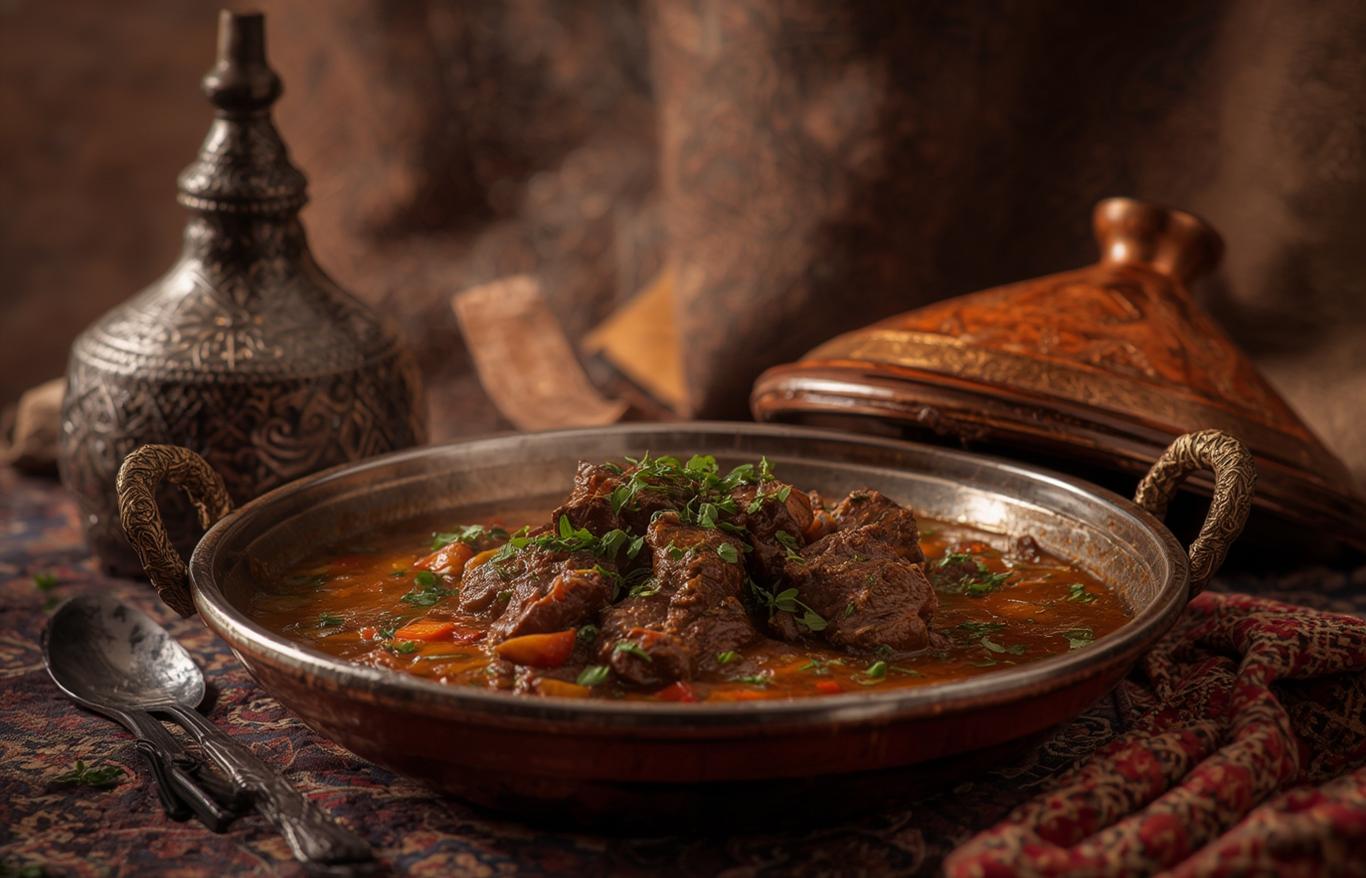
There are few dishes that evoke the culinary heart of Morocco quite like a bubbling tagine, and among them, the Moroccan lamb tagine stands as a regal masterpiece. This isn’t just a meal; it’s a centuries-old tradition, a symbol of hospitality, and a testament to the North African country’s rich agricultural bounty and sophisticated spice trade. From the bustling souks of Marrakech to the quiet village kitchens tucked away in the Atlas Mountains, the slow-cooked perfection of lamb tagine is a unifying culinary experience, steeped in history and bursting with vibrant, complex flavors.
The Ancient Roots of the Tagine Tradition
The very word “tagine” refers both to the iconic conical clay pot in which the dish is cooked and to the stew itself. Its origins trace back to ancient North Africa, with evidence suggesting that Berber tribes were cooking similar slow-simmered stews in covered earthenware pots long before spices arrived from the East. The ingenious design of the tagine pot – a wide, shallow base with a tall, cone-shaped lid – is central to its magic. This design allows steam to condense and drip back down onto the ingredients, creating a self-basting environment that keeps the meat incredibly tender and preserves all the precious moisture and nutrients. It’s a method of cooking perfected for desert climates, where water was a scarce and valuable resource, making every drop count.
Over centuries, as trade routes expanded and different cultures intersected in Morocco, the tagine evolved. The arrival of aromatic spices from India and the Far East, combined with the sweet and sour influences from Andalusian cuisine, transformed simple stews into the elaborate, fragrant dishes we know today. Lamb, being a staple meat in Morocco, especially for special occasions and celebrations, naturally took center stage in many of these evolving tagine recipes.
Deconstructing the Flavor Profile: What Makes Moroccan Lamb Tagine Sing?
What truly sets Moroccan lamb tagine apart is its exquisite balance of savory, sweet, and aromatic notes, achieved through a meticulously crafted blend of ingredients. At its core, tender pieces of lamb – often shoulder or neck, known for their succulence after slow cooking – form the foundation. These aren’t just browned; they are often marinated or seared to build deep flavor.
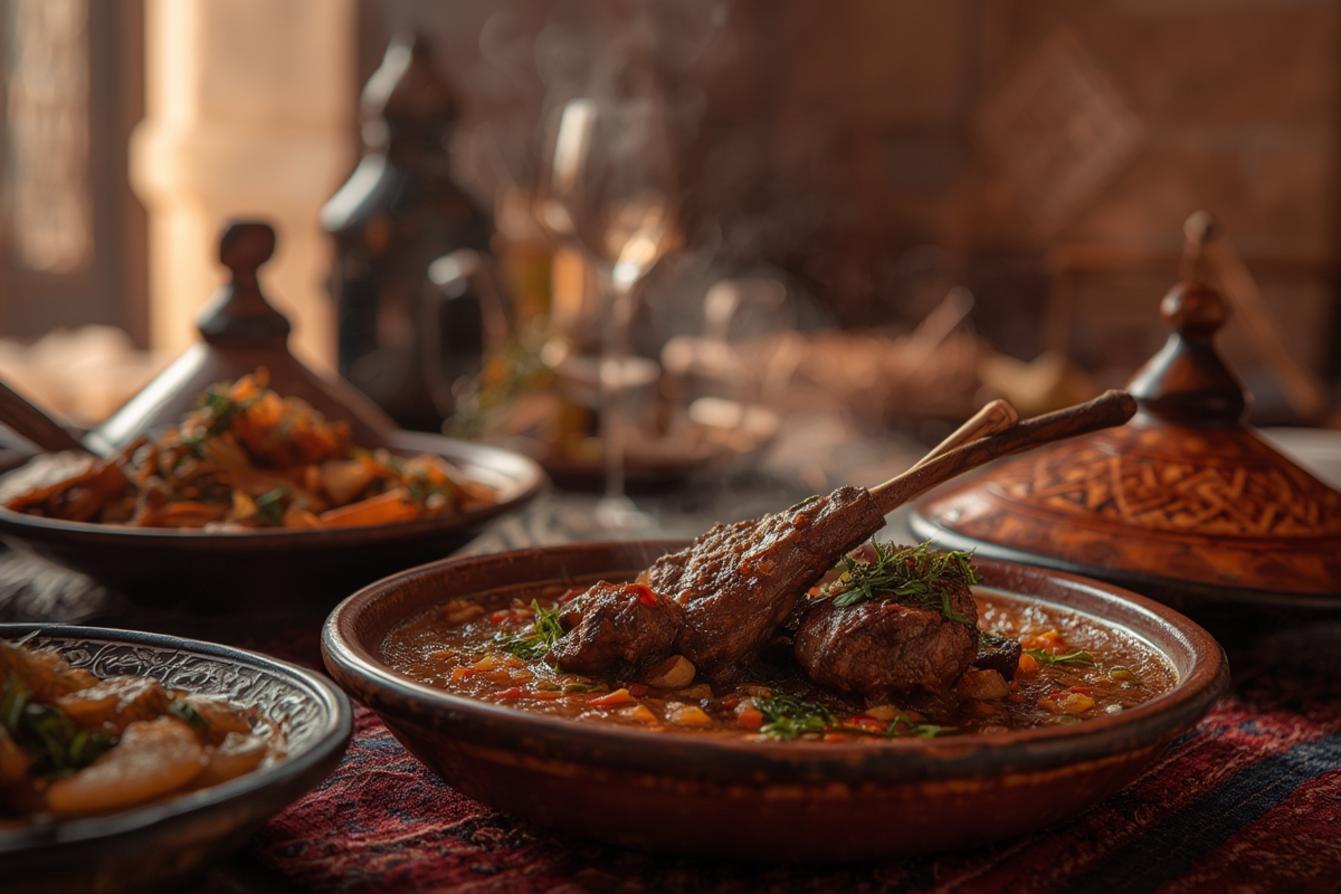
The vegetables that accompany the lamb vary by region and season, but common additions include onions (caramelized to release their sweetness), carrots, potatoes, and sometimes peas or artichoke hearts. However, the true soul of the dish lies within its spices and often, its surprising additions of dried fruits and nuts. Saffron, ginger, turmeric, cumin, and cinnamon are non-negotiables, creating a warm, earthy base. Preserved lemon adds a unique salty, tangy brightness that cuts through the richness of the lamb, while olives (red or green) lend a briny counterpoint.
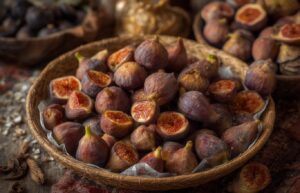
Many traditional lamb tagines, particularly those prepared for celebrations, lean into a delightful sweet and savory profile with the inclusion of dried fruits like prunes, apricots, or even figs, often gently simmered with honey and a hint of orange blossom water. This creates a deeply complex, almost jammy sauce that clings to the lamb, making each bite an adventure. It’s this intricate blend, where no single spice dominates but all harmonize beautifully, that defines the authentic taste of Moroccan lamb tagine.
The Art of the Moroccan Spices Blend for Tagines
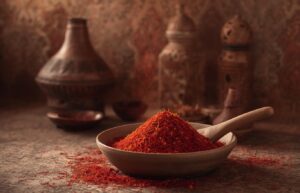
The magic in a Moroccan lamb tagine is undoubtedly rooted in its extraordinary Moroccan spices blend. While many Moroccan homes have their own secret spice mixes, known as ras el hanout (literally “head of the shop,” implying the best spices the merchant has to offer), many tagines rely on a specific combination of individual spices to achieve their signature flavor.
Ginger, both fresh and ground, provides a pungent warmth. Turmeric gives the dish its beautiful golden hue and an earthy depth. Cumin is essential, contributing a savory, slightly smoky note, while cinnamon adds a subtle sweetness and an aromatic embrace. Black pepper, and sometimes a touch of cayenne, provides a gentle heat. For some regional variations, especially those with sweeter profiles, a pinch of nutmeg or even cardamom might be included.
Beyond the ground spices, fresh herbs like cilantro and parsley are almost always added, often tied into a bouquet called a baqa and placed atop the tagine to gently infuse their freshness during the cooking process. The careful layering and balancing of these spices are what transforms simple ingredients into an aromatic symphony, allowing the lamb’s natural flavor to shine while being beautifully complemented by its fragrant companions.
Cooking a Moroccan Lamb Tagine: A Ritual of Patience and Flavor
Preparing a traditional Moroccan lamb tagine is not a quick affair; it’s a slow, deliberate act of love and patience. The process begins with sautéing onions until deeply caramelized, creating a sweet foundation for the dish. Next, the lamb pieces are added, often seared to lock in their juices and develop a rich crust. This is where the chosen spices are introduced, blooming in the hot oil and releasing their intoxicating aromas.
Water, broth, or sometimes even a little bit of saffron-infused hot water is added to barely cover the ingredients, and then the tagine pot is assembled. The cone lid is placed firmly on top, creating that self-basting environment crucial for tender results. The tagine is then left to simmer over low heat for several hours – often 2 to 3 hours, or even longer for larger cuts of meat. This slow cooking breaks down the connective tissues in the lamb, rendering it fork-tender and infusing it with all the complex flavors of the sauce.
Towards the end of the cooking process, preserved lemons, olives, and any dried fruits or nuts are added, allowing them to gently warm through and meld with the stew. The result is a thick, glistening sauce, incredibly tender lamb, and a medley of ingredients that have transformed into a cohesive, flavorful whole. It’s a process that embodies the Moroccan culinary philosophy: good food takes time.
Experiencing Lamb Tagine: From Home Kitchens to Grand Feasts
For Moroccans, lamb tagine is more than just a meal; it’s an experience, often shared with family and friends. Its versatility means it can be a comforting weeknight dinner, but its rich flavors and often elaborate presentation also make it a centerpiece for special occasions, religious holidays like Eid al-Adha (when lamb is abundant), and festive gatherings.
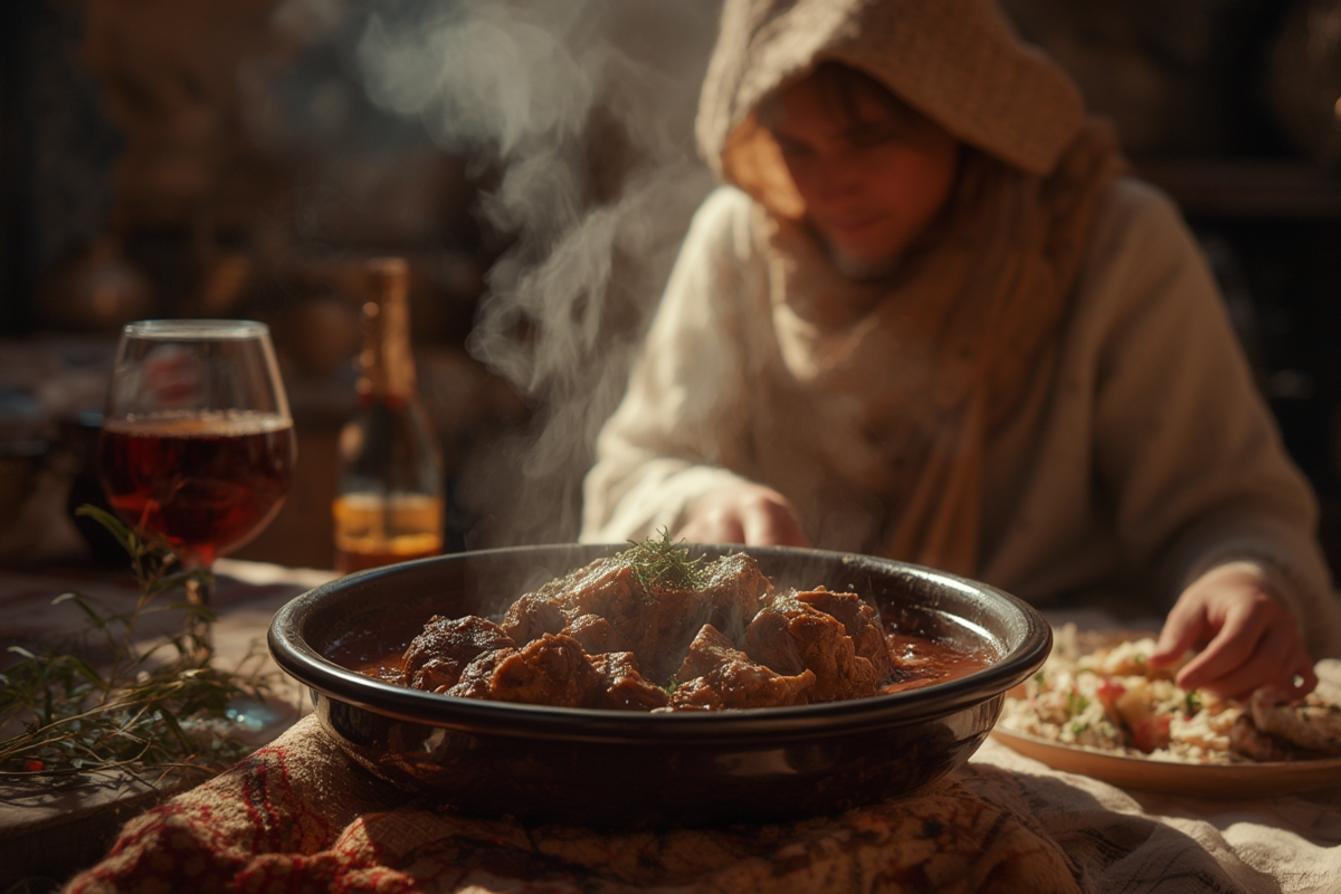
When you’re invited to a Moroccan home, especially in cities like Fes or in a small remote village in the Atlas Mountains, a beautifully prepared lamb tagine is a common sight. It’s usually served communally, placed directly in the center of a low, round table. Diners gather around, traditionally eating with their right hand, using pieces of khobz (Moroccan flatbread) to scoop up the tender meat, vegetables, and rich sauce. This communal dining foster connection and conversation, making the meal a central part of the social fabric. To discover more about the vibrant culture and cuisine of specific areas, you might explore a Moroccan lamb tagine.
For travelers, experiencing authentic Moroccan lamb tagine is an absolute must. While you’ll find it in tourist restaurants, seeking out local eateries, guesthouses (dars or riads), or even opting for a cooking class will provide a more genuine and memorable encounter with this iconic dish. The difference between a rushed lamb tagine and one that has been lovingly simmered for hours is palpable in every bite.
Regional Nuances in Moroccan Lamb Tagine
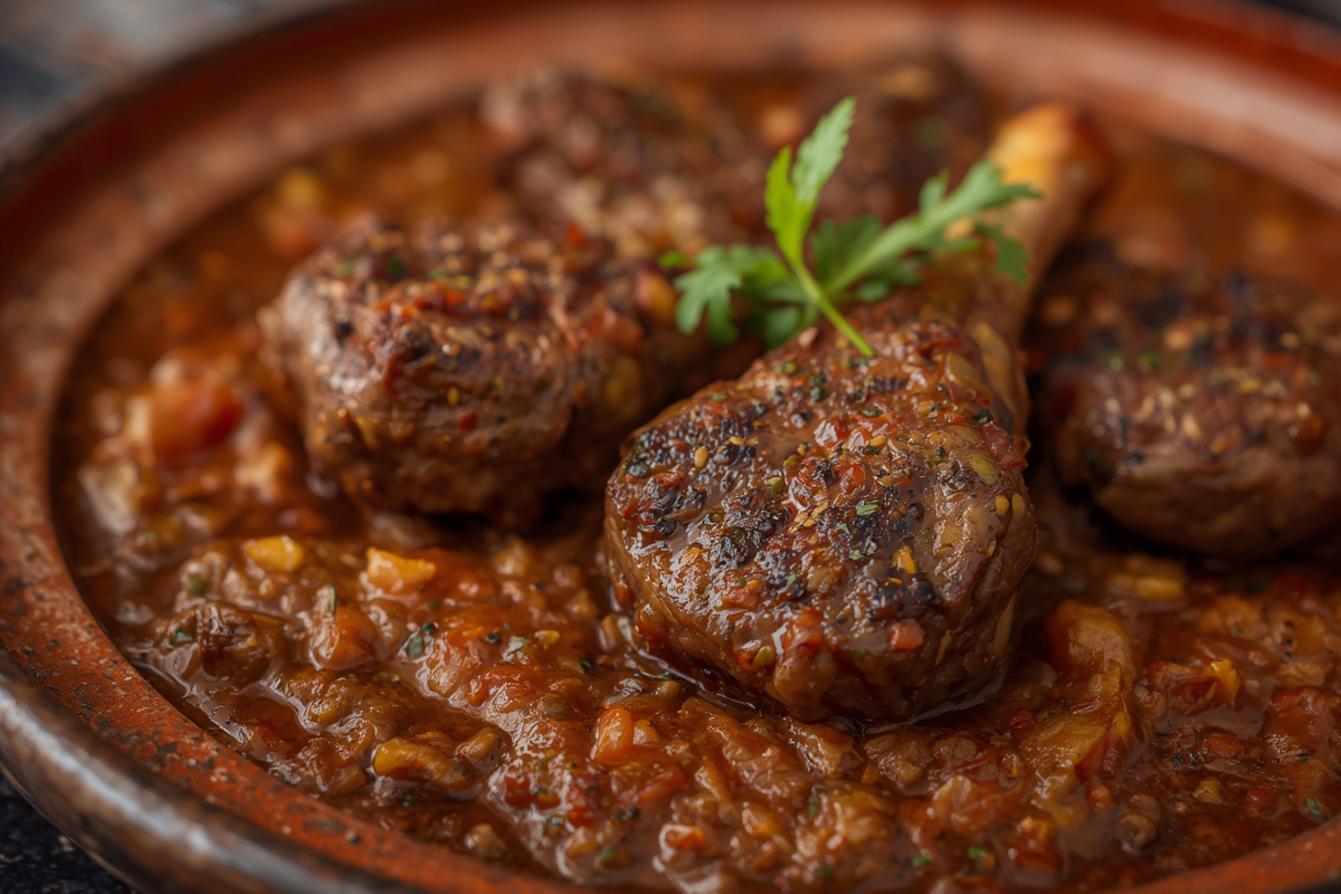
While the concept of lamb tagine is universal across Morocco, regional variations add fascinating layers to its profile. In the imperial city of Fes, for instance, you might encounter a sweeter lamb tagine, often featuring prunes, apricots, and caramelized onions, with a generous dusting of toasted sesame seeds or fried almonds. This reflects Fes’s rich culinary history and its preference for elevated, intricate flavors reminiscent of Andalusian influences.
Further south, in warmer regions or near the Sahara, the tagine might be simpler, relying more heavily on earthy spices and fewer sweet elements, sometimes incorporating dates or a touch of argan oil for a nutty richness. Coastal areas might see lamb paired with unexpected ingredients like preserved lemon and green olives, reflecting the availability of local produce. In the mountains, you’ll find hearty, rustic versions, often cooked over an open fire, with plenty of root vegetables and robust spices to warm you from the inside out. Each region’s tagine tells a story of its geography, its history, and its people, making every culinary discovery unique.
Conclusion
The Moroccan lamb tagine is far more than a recipe; it’s a living piece of Moroccan heritage, a sensory journey through the country’s vibrant culture and history. From its ancient origins as a practical cooking method to its evolution into a magnificent culinary art form, the tagine embodies Moroccan hospitality, ingenuity, and a profound love for robust, nuanced flavors. Savoring a steaming plate of authentic Moroccan lamb tagine isn’t just eating; it’s experiencing the very soul of Morocco, one tender, spice-infused bite at a time.
FAQs
What type of lamb is best for a Moroccan lamb tagine?
For the most authentic and tender results, shoulder or neck cuts of lamb are highly recommended. These cuts have a good balance of meat and fat, and their connective tissues break down beautifully during the long, slow cooking process, resulting in incredibly succulent and flavorful lamb that falls off the bone.
Can I make a lamb tagine without a traditional tagine pot?
While a traditional tagine pot enhances the experience and is designed for perfect slow cooking, you can certainly make a delicious Moroccan lamb tagine in a heavy-bottomed Dutch oven or a large, lidded pot. The key is to ensure it has a tight-fitting lid to trap steam and moisture, mimicking the self-basting effect of a tagine. Cook it over low heat or in a low oven for several hours.
What should I serve with Moroccan lamb tagine?
Moroccan lamb tagine is traditionally served simply, with plenty of khobz (Moroccan flatbread) to soak up the glorious sauce. Couscous is another popular accompaniment, especially for more festive versions. A fresh green salad or a simple dish of roasted vegetables can also provide a nice contrast.
How do Moroccan preserved lemons contribute to the flavor of a lamb tagine?
Moroccan preserved lemons are crucial for an authentic lamb tagine flavor. Unlike fresh lemons, which can be too tart, preserved lemons offer a unique, mellow, salty, and distinctly savory citrus notes. They add a deep umami and brightness that cuts through the richness of the lamb and spices, creating a more complex and balanced flavor profile that is truly unique to Moroccan cuisine.



 Covers cities, coast, mountains, desert & food