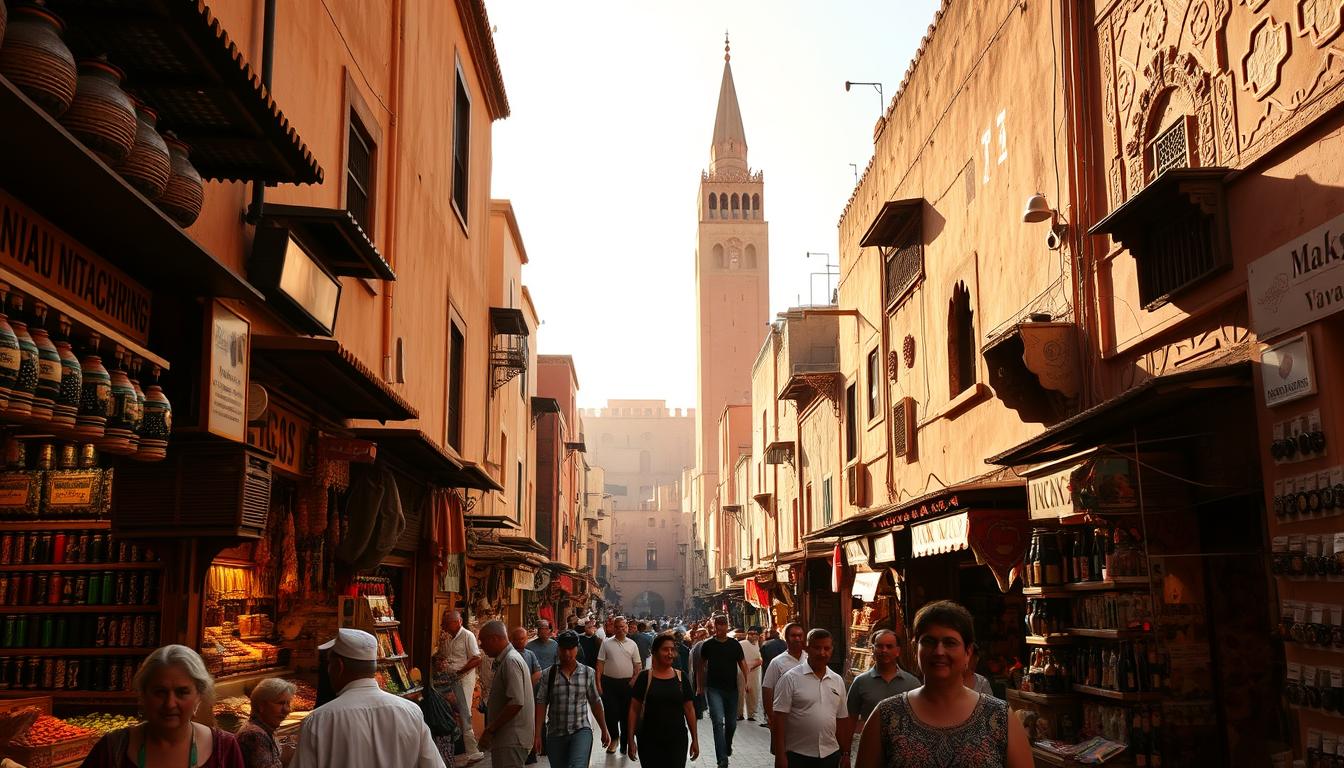
When you enter a traditional Moroccan city, you’ll find a mix of old traditions and new life. The markets, or souks, are alive with smells of spices and the calls of merchants. You’ll see historic sites that tell the story of the area’s rich culture.
Walking through the medina’s narrow alleys and seeing the detailed mosques and palaces is unforgettable. As you venture deeper into the city, you’ll see how Arab, Berber, and French cultures mix to create the local way of life.
Key Takeaways
- Experience the vibrant culture of a traditional Moroccan city
- Explore historic landmarks and architectural marvels
- Navigate the bustling markets and souks
- Discover the unique blend of Arab, Berber, and French influences
- Immerse yourself in the local customs and traditions
The Enchanting Character of Traditional Moroccan Cities
Stepping into a traditional Moroccan city is like entering a world of vibrant culture. It’s a place where history, culture, and stunning architecture come together. This mix creates a unique experience that you won’t find anywhere else.
The Sensory Experience: Sights, Sounds, and Scents
Exploring the medinas, you’ll see a world of sights. The buildings are adorned with intricate patterns, and the markets burst with color. The sounds of the city are just as captivating, from merchants calling out their wares to the soft chanting of mosques.
The scents of exotic spices, fresh bread, and tea fill the air. These smells will tease your senses and leave you wanting more.

Historical Significance and Cultural Heritage
Moroccan cities are a window into the country’s rich past. Their architecture shows the influence of Berber, Arab, and European cultures. This mix is a result of the many civilizations that have shaped Morocco.
Berber, Arab, and European Influences
The design of buildings and the layout of medinas show the impact of different cultures. Berber art is known for its vibrant colors and geometric patterns. Meanwhile, the grand mosques and madrasas reflect Arab architectural traditions.
The Legacy of Imperial Cities
Cities like Marrakech and Fez were once imperial capitals. They are filled with grand monuments, bustling souks, and a rich cultural heritage. These cities are among the best cities in Morocco, drawing visitors from all over.
| City | Historical Significance | Must-Visit Landmarks |
|---|---|---|
| Marrakech | Former imperial capital | Jardin Majorelle, Bahia Palace |
| Fez | Medieval metropolis | Al-Attarine Madrasa, Dar Batha Museum |
| Casablanca | Modern economic hub | Hassan II Mosque, Old Medina |
Planning Your Visit to a Moroccan City
Getting ready for your trip to a Moroccan city needs careful planning. Morocco is known for its rich culture and lively cities. With some preparation, your trip can be unforgettable.
Think about when you want to go. The weather changes a lot, affecting your trip.
Best Times to Visit: Seasonal Considerations
The best times are spring (March to May) and autumn (September to November). The weather is mild and nice then. These seasons are great for Marrakech’s busy streets or Fez’s old sites.
- Spring: Enjoy mild temperatures and blooming landscapes.
- Autumn: Experience comfortable weather, perfect for city exploration.
- Summer: Be prepared for hot temperatures, especially in the desert regions.
- Winter: Visit if you prefer cooler weather and lower prices, but be aware that some mountain passes may be closed.
Visa Requirements for American Travelers
For American travelers, knowing visa requirements is key. U.S. citizens can visit Morocco for up to 90 days without a visa for tourism or business. Make sure your passport is valid for at least six months after you leave Morocco. For the latest info, check the official government website or talk to the Moroccan embassy or consulate.
Currency and Budget Planning
Knowing about currency and budget is important for your Morocco vacation. The local money is the Moroccan dirham (MAD).
Dirham Exchange Tips
You can exchange money at the airport or get dirhams from ATMs in big cities. It’s smart to have some local money when you arrive, as not all places take credit cards.
Daily Cost Expectations
Plan your budget for daily costs, which can change a lot. On average, you might spend:
| Expense | Low Budget | High Budget |
|---|---|---|
| Accommodation | $10-20 | $100+ |
| Food | $5-10 | $20-50 |
| Transportation | $2-5 | $10-20 |
Navigating the Maze-Like Medinas
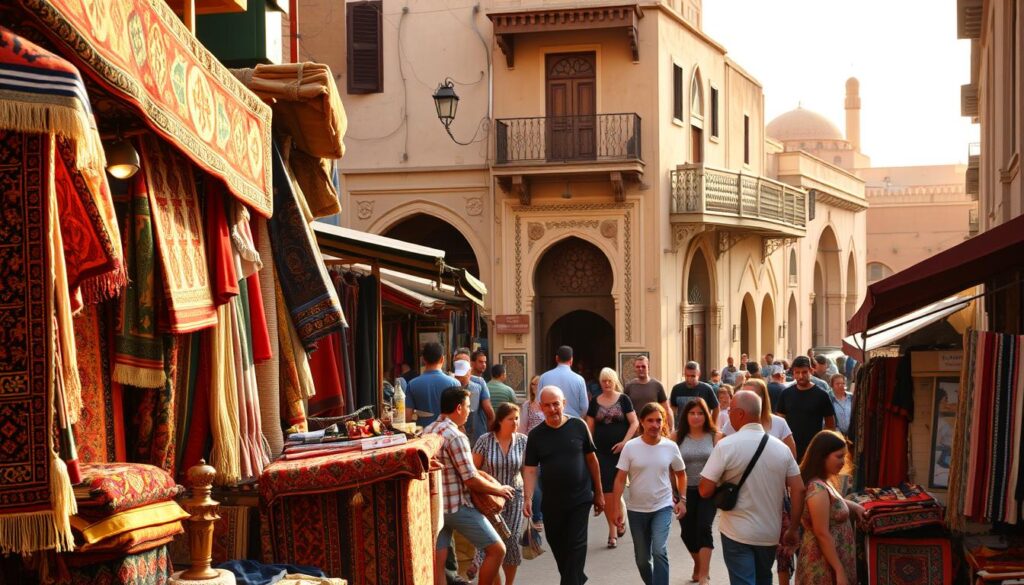
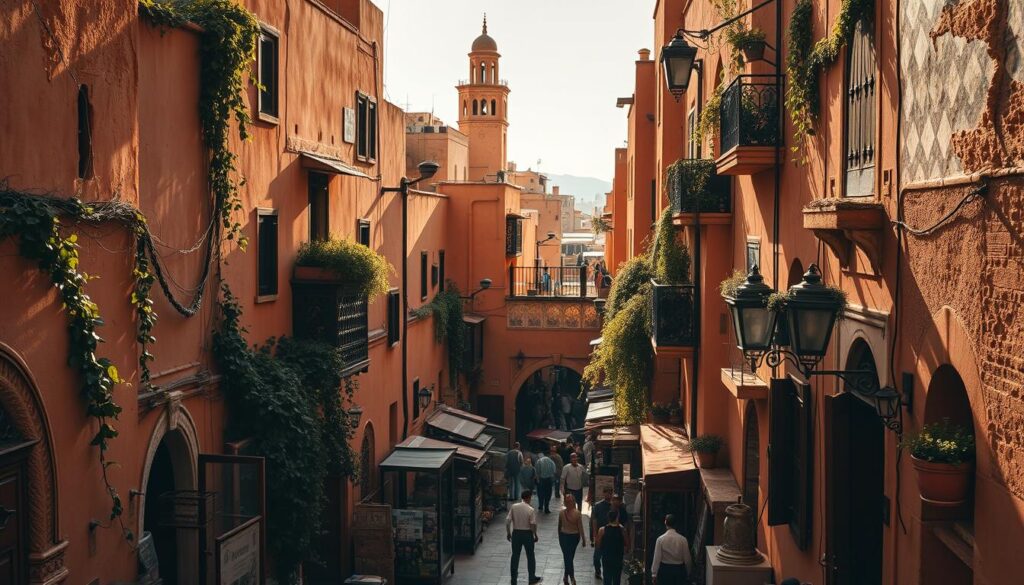
Moroccan cities are famous for their complex medinas. These areas can be tricky to get around without knowing the layout. The medinas are filled with narrow streets, busy markets, and important cultural sites.
Understanding the Layout of Traditional Moroccan Cities
Traditional Moroccan cities have different areas, with the medina being the old city center. Inside the medina, you’ll find souks, mosques, and homes. Knowing this layout helps you move around better.
Tips for Not Getting Lost in the Labyrinth
To avoid getting lost, follow these tips:
- Carry a map or use a GPS to keep track of your location.
- Learn about key landmarks like major mosques or public squares.
- Look for street signs and directions.
- Ask locals for help when you need it.
Hiring Local Guides: Pros and Cons
Getting a local guide can be helpful in Moroccan medinas. Guides share valuable insights into history, culture, and hidden spots. But, it’s important to consider both sides.
Pros include:
- They know the area well.
- They can navigate the complex streets.
- They offer insights into local customs and traditions.
Cons include:
- It costs extra.
- They might have biased recommendations.
Finding Reputable Guides
To find a good guide, try these steps:
- Ask your hotel or locals for recommendations.
- Look up online reviews and ratings.
- Make sure the guide is licensed and has the right credentials.
For more tips on navigating Marrakech’s medina, check out Marrakech Medina First-Timer’s Survival Guide.
Expected Rates and Tipping
Guide prices vary based on location, tour length, and type. You can expect to pay 150-300 MAD (15-30 USD) per hour for a basic tour. Tipping is common, with 10-20 MAD (1-2 USD) per person being a good amount.
The Vibrant Soul of a Moroccan City: The Souks
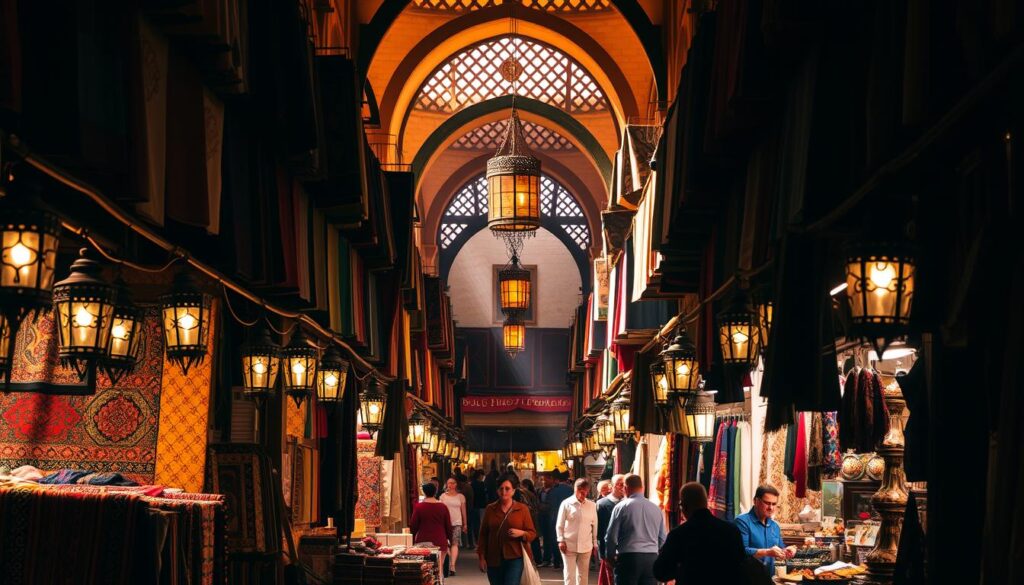
The souks, or traditional markets, are the heart of Moroccan cities. They offer a unique sensory experience. As you walk through the narrow alleys, you’ll see vibrant colors, smell local spices, and hear merchants haggling.
What to Expect in Traditional Markets
Moroccan souks are full of local goods. You’ll find handmade crafts, fresh produce, and more. They’re not just places to shop; they’re a big part of Morocco culture. They show the country’s rich history and heritage.
Popular Souvenirs and Crafts
Moroccan souks have many unique souvenirs. These items reflect the local craftsmanship. Some popular items include:
Carpets and Textiles
Moroccan carpets are famous for their patterns and colors. These textiles are not just beautiful; they hold cultural value.
Leather Goods and Metalwork
Leather goods, like bags and shoes, are made with care. Metalwork items, like lanterns and jewelry boxes, also showcase local artisans’ skills.
| Craft | Description | Average Price |
|---|---|---|
| Handmade Carpets | Intricately woven with traditional patterns | $100-$500 |
| Leather Bags | Crafted from high-quality leather | $20-$100 |
| Metalwork Lanterns | Ornate designs, perfect for decoration | $30-$150 |
Haggling Etiquette and Tips
Haggling is key in the souk experience. Be respectful and friendly. Start with a lower price than you want to pay. Be ready to negotiate. Building a good relationship with the vendor can help get a fair price.
Visiting the souks is a must for Morocco sightseeing. They give you a peek into the country’s lively culture and traditions. Whether you’re looking for souvenirs or want to dive into the local vibe, the souks are a must-see.
Architectural Marvels: Riads, Palaces, and Mosques
The historic cities of Morocco boast stunning architectural wonders. You’ll find beautifully designed riads, grand palaces, and mosques. Exploring these urban gems reveals a rich cultural heritage through design.
The Stunning Design Elements of Moroccan Architecture
Moroccan architecture stands out with vibrant colors, intricate patterns, and fine craftsmanship. Zellige tilework and geometric patterns are especially striking. They adorn walls and floors, showcasing the country’s cultural richness.
Zellige Tilework and Geometric Patterns
Zellige tiles create stunning visual effects with their small, glazed design. They cover walls, floors, and fountains, adding elegance. Geometric patterns bring harmony and balance, reflecting Islamic art traditions.
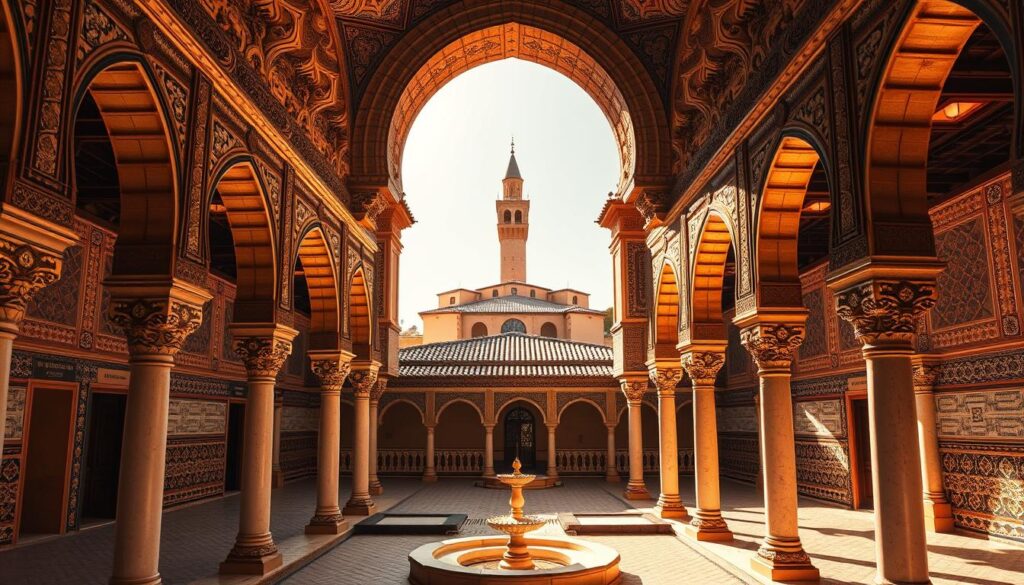
Carved plasterwork and cedar ceilings are also hallmarks of Moroccan architecture. These details add depth and texture to riads and palaces, enhancing their beauty.
Must-Visit Historical Buildings
Don’t miss landmarks like the Bahia Palace in Marrakech, the Al-Attarine Madrasa in Fez, and the Koutoubia Mosque in Marrakech. For more on Moroccan architecture, check out https://www.insightvacations.com/blog/moroccan-architecture/.
| Landmark | Location | Notable Feature |
|---|---|---|
| Bahia Palace | Marrakech | Intricate wood carvings |
| Al-Attarine Madrasa | Fez | Zellige tilework |
| Koutoubia Mosque | Marrakech | Tall minaret |
Photography Tips and Cultural Restrictions
When taking photos, respect cultural norms. Always ask for permission before taking someone’s picture. Be aware of photography restrictions in mosques and other sacred sites.
Cultural Etiquette in a Traditional Moroccan City
To truly appreciate a traditional Moroccan city, knowing the cultural etiquette is key. Morocco’s rich culture is seen in its vibrant cities. Here, ancient traditions and customs are still important.
Dress Codes and Respectful Attire
When you visit a Moroccan city, dressing modestly is important. Covering your shoulders and knees shows respect. Women should wear a scarf to cover their hair in mosques or religious sites.
Religious Considerations When Visiting Sacred Sites
Morocco is an Islamic country with many mosques and religious landmarks. Dress appropriately and remove your shoes when needed. Also, respect prayer times and don’t take pictures of worshippers.
Social Customs and Greetings
Moroccans are very hospitable. Saying “As-salamu alaykum” (peace be upon you) can make a great impression. They are expressive in their greetings.
The Art of Moroccan Hospitality
Moroccan hospitality is famous. You’ll likely be offered tea or coffee and invited into a home. Accepting these offers is part of the culture.
Gender Dynamics for Travelers
Traveling in Morocco, knowing the gender dynamics is crucial. Morocco is becoming more open, but it’s still conservative. Being respectful and avoiding public affection helps you interact well.
By understanding these cultural nuances, your visit to a Moroccan city will be richer. You’ll make meaningful connections with the locals.
Exploring the Most Famous Moroccan City Destinations
Exploring Morocco reveals a world of vibrant cities, each with its own charm. Marrakech’s bustling streets, Fez’s historic medinas, Chefchaouen’s laid-back vibe, and Casablanca’s modern feel are just the start. Morocco’s cities are full of experiences waiting to be discovered.
Marrakech: The Red City
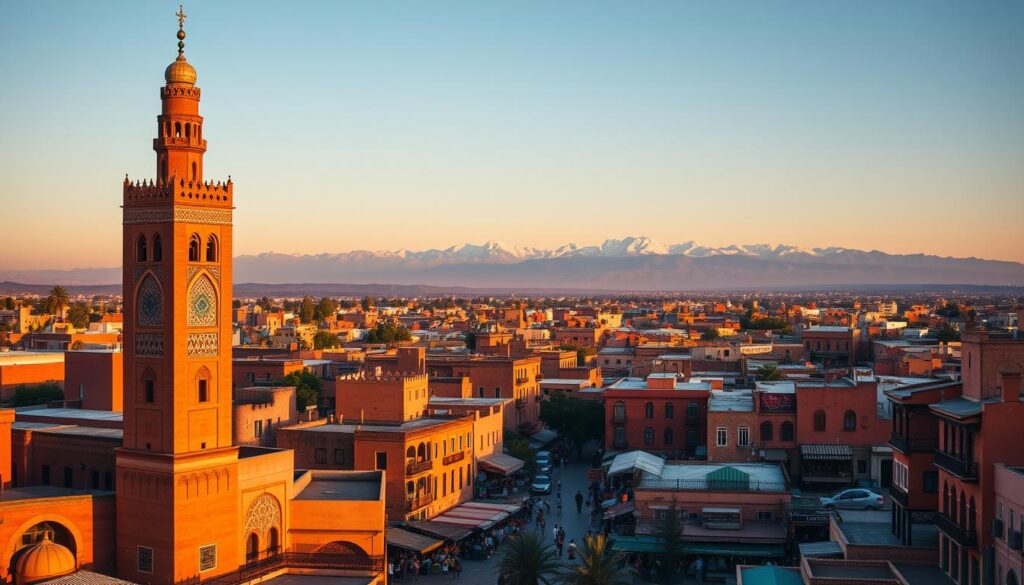
Marrakech, or the Red City, is a feast for the senses. Its souks, palaces, and gardens are breathtaking. Don’t miss the Jardin Majorelle and the Koutoubia Mosque. Wander the Medina’s alleys to find hidden treasures.
Fez: The Medieval Metropolis
Fez is like stepping back in time. Its ancient medina is a maze of streets and alleys. See landmarks like the Al-Attarine Madrasa and Bou Inania Madrasa. Fez showcases Morocco’s rich history and culture.
Chefchaouen: The Blue Pearl
Chefchaouen, or the Blue Pearl, is a town in the Rif Mountains. It’s famous for its blue buildings and calm vibe. It’s great for hiking and enjoying nature, away from city life.
Casablanca: The Modern Face of Morocco
Casablanca is Morocco’s largest city and its modern face. It has modern architecture, a lively culture, and a thriving economy. See the Hassan II Mosque and explore the Old Medina. Enjoy the city’s diverse atmosphere.
Each city in Morocco offers a unique view of the country. From history and culture to natural beauty and modernity, there’s something for every traveler. Morocco’s cities are ready to be explored.
Culinary Adventures: Moroccan Street Food and Restaurants
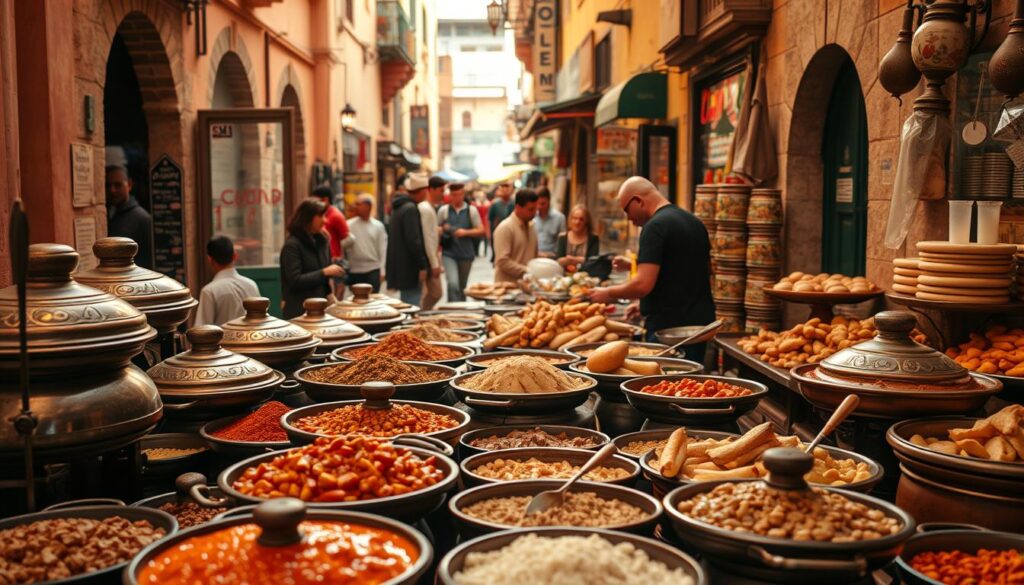
Walking through a traditional Moroccan city, you’ll catch the scent of exotic spices and fresh bread. Moroccan food is a mix of Arab, Mediterranean, and African tastes. It’s a thrilling experience for anyone who loves food.
Essential Dishes to Try
Moroccan food has many dishes that will excite your taste buds. Here are some must-try ones:
- Tagines: Slow-cooked stews named after the clay pot in which they are cooked.
- Couscous: A traditional North African dish made from semolina flour, often served with vegetables and meat.
- Pastries: Morocco is famous for its sweet pastries, such as baklava and ghriba.
- Mint Tea: A refreshing and traditional Moroccan beverage.
Tagines and Couscous Variations
Tagines are a key part of Moroccan food, with many flavors like chicken, beef, lamb, and vegetables. Couscous is also important, often eaten on Fridays and special days. Both dishes are full of flavor and tell stories of Morocco’s diverse culture.
Pastries and Mint Tea Traditions
Moroccan pastries are known for their beautiful designs and sweet tastes. Mint tea is a big part of Moroccan culture, given to guests as a sign of respect and welcome.
Dining Etiquette and Customs
When eating in Morocco, remember to follow local customs. It’s polite to eat with your right hand, as the left is for personal hygiene. Also, saying yes to food and drinks from hosts shows respect.
Food Safety Tips for Travelers
When trying Moroccan street food and restaurants, be careful to avoid getting sick. Choose busy places, avoid raw meat, and drink only bottled or filtered water.
Where to Stay: Accommodation Options in Moroccan Cities
Moroccan cities have many places to stay, from traditional to modern. You can find something that fits your needs and makes your trip special.
Traditional Riads: An Authentic Experience
Traditional riads are a big part of Moroccan culture. They have beautiful gardens, detailed tile work, and fancy furniture. Staying in a riad lets you dive into Morocco’s rich culture.
Imagine waking up to the sound of gentle fountains and enjoying a traditional Moroccan breakfast in a serene courtyard.
Modern Hotels and Their Amenities
For those who like modern comforts, Moroccan cities have many hotels. These hotels have pools, spas, and great restaurants. Places like Marrakech and Casablanca mix international standards with local charm.
Many modern hotels also provide excellent services, including concierge assistance and guided tours, to enhance your stay.
Budget-Friendly Options for Travelers
Travelers on a budget can find affordable places to stay in Moroccan cities. Options include hostels, guesthouses, and apartment rentals. These offer a local feel and a chance to meet locals.
Hostels and Guesthouses
Hostels and guesthouses are perfect for meeting other travelers. They have common areas where you can share stories and advice.
Apartment Rentals
Renting an apartment feels like home. You can cook your own meals and live like a local. Many apartments are in historic buildings, adding to the authentic feel.
| Accommodation Type | Average Cost | Amenities |
|---|---|---|
| Traditional Riads | $80-$150 per night | Interior gardens, traditional decor |
| Modern Hotels | $120-$250 per night | Pools, spas, fine dining |
| Hostels/Guesthouses | $20-$50 per night | Communal spaces, local interaction |
| Apartment Rentals | $40-$100 per night | Kitchen facilities, home comfort |
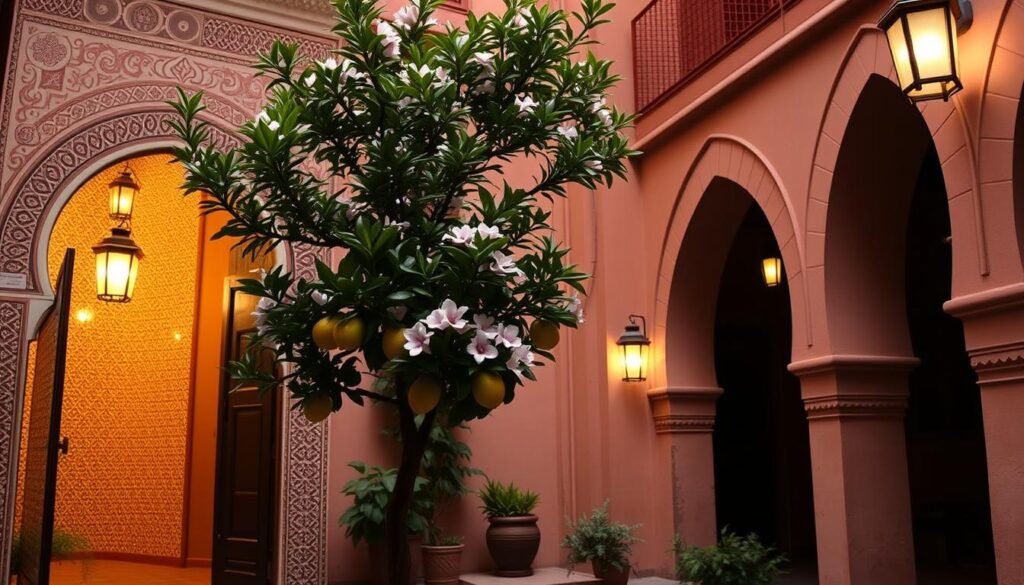
Choosing the right place to stay can make your Moroccan city trip better. Whether it’s a traditional riad, a modern hotel, or a hostel or apartment, you’ll have a great time.
Transportation Within and Between Moroccan Cities
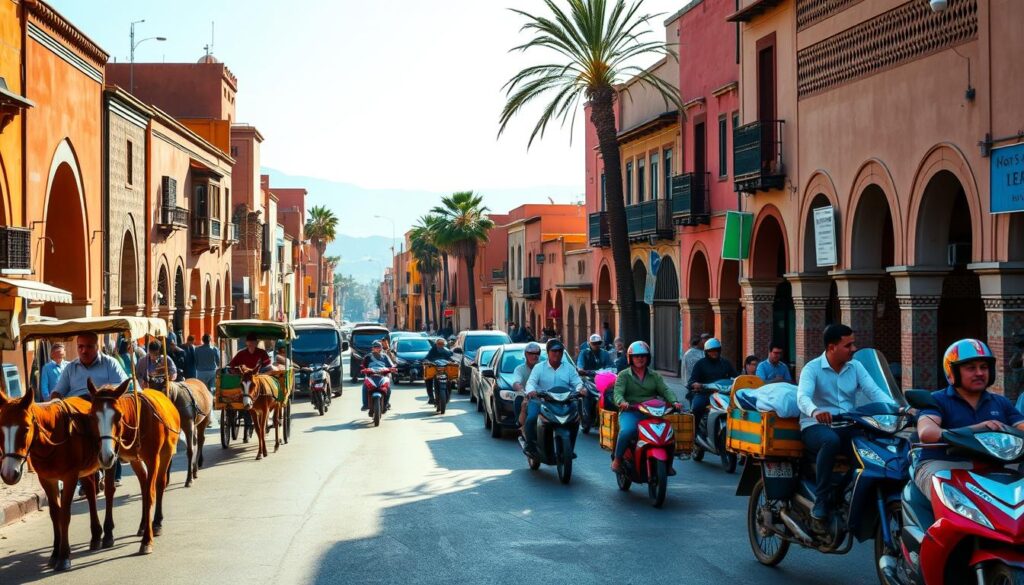
Traveling around Morocco’s cities is simple with many transport options. You can explore Marrakech’s lively streets or travel between Fez and Casablanca. Morocco’s transport system has you covered.
Navigating Public Transportation
Public transport in Moroccan cities is easy and affordable. Use buses or local trains to move around. It’s a great way to see local life, but expect crowds, especially at busy times.
Taxi Tips and Expectations
Taxis are a common choice in Moroccan cities. There are two types: petit taxis and grand taxis. Petit taxis are small and stay within the city. Grand taxis are bigger and used for longer trips or group rides.
Petit Taxis vs. Grand Taxis
Make sure the meter is on in petit taxis to avoid being overcharged. For grand taxis, agree on the fare before you start. Remember, haggling is a big part of the culture here.
Negotiating Fares
Negotiating taxi fares is an art. Start with a low offer and be ready to meet in the middle. For grand taxis, sharing the ride can help split the cost.
Train Travel: A Comfortable Option
For longer trips, the train is a good choice. Morocco’s rail network is efficient and comfy, with various classes for different budgets. Trains offer a relaxed way to see the countryside and enjoy scenic views.
Day Trips from Major Moroccan Cities
You can explore Morocco’s diverse landscapes on a day trip from major cities. The country’s varied geography is perfect for day trips. You can visit the desert, coast, mountains, and historical sites.
Desert Excursions to the Sahara
A day trip to the Sahara Desert is exciting. Guided tours from cities like Marrakech let you see the desert’s vast dunes. For more information, visit Bewildered in Morocco.
Coastal Getaways Along the Atlantic
The Atlantic coast is a great place for a relaxing day trip. Coastal towns like Essaouira are known for their beautiful beaches and arts scene. To plan your trip, check out My Visit Morocco.
Mountain Retreats in the Atlas Range
The Atlas Mountains offer a cool escape from city heat. You can explore the mountains, visit traditional villages, and enjoy hiking or skiing.
Ancient Roman Ruins and Historical Sites
Morocco has many historical sites, including ancient Roman ruins. Visit places like Volubilis, a UNESCO World Heritage Site, to learn about the country’s history.
Some popular day trip activities include:
- Camel rides through the desert
- Visiting traditional Berber villages
- Exploring historical sites and ruins
- Relaxing on the Atlantic coast
- Hiking or skiing in the Atlas Mountains
Morocco’s diverse landscapes offer something for everyone. By taking a day trip from major cities, you can see the best of Morocco.
Safety and Health Considerations in Moroccan Cities
Exploring Morocco’s vibrant streets is exciting. But, knowing about safety and health is key. Morocco’s rich culture and history draw many visitors each year.
Common Scams and How to Avoid Them
Watch out for scams targeting tourists. Fake guides or overly friendly locals might try to scam you. Always check the authenticity of guides and services before using them. For more safety tips, visit the UK government’s travel advisory page.
Health Precautions for American Travelers
Make sure you have all needed vaccinations and medications before going to Morocco. Also, take steps to avoid food and water illnesses.
Water Safety and Food Hygiene
Stick to bottled or filtered water. Avoid raw or undercooked foods. Be careful with street food, opting for busy and popular vendors.
Medical Facilities and Travel Insurance
Morocco’s big cities have good medical care. But, having travel insurance that covers medical evacuations is still important.
Emergency Contacts and Resources
Keep emergency contacts handy, like your embassy and local services. Registering with your government’s travel advisory can also help. This way, you’ll get safety updates about Morocco.
Conclusion: Embracing the Magic of Morocco’s Urban Treasures
As you finish your trip through Morocco’s lively cities, you’ll have memories that last. You’ll remember the morocco culture, beautiful buildings, and the friendly people. Marrakech, with its mix of old and new, is perfect for visitors.
Thinking about a trip to Morocco? The cities have so much to offer. You’ll find everything from busy markets to peaceful gardens. Every second in Morocco is an adventure.
When planning your visit, keep in mind each city has its own special feel. From Fez’s ancient streets to Casablanca’s modern vibe, Morocco has it all. With its lively cities, tasty food, and stunning views, you’ll want to come back.




 Covers cities, coast, mountains, desert & food