
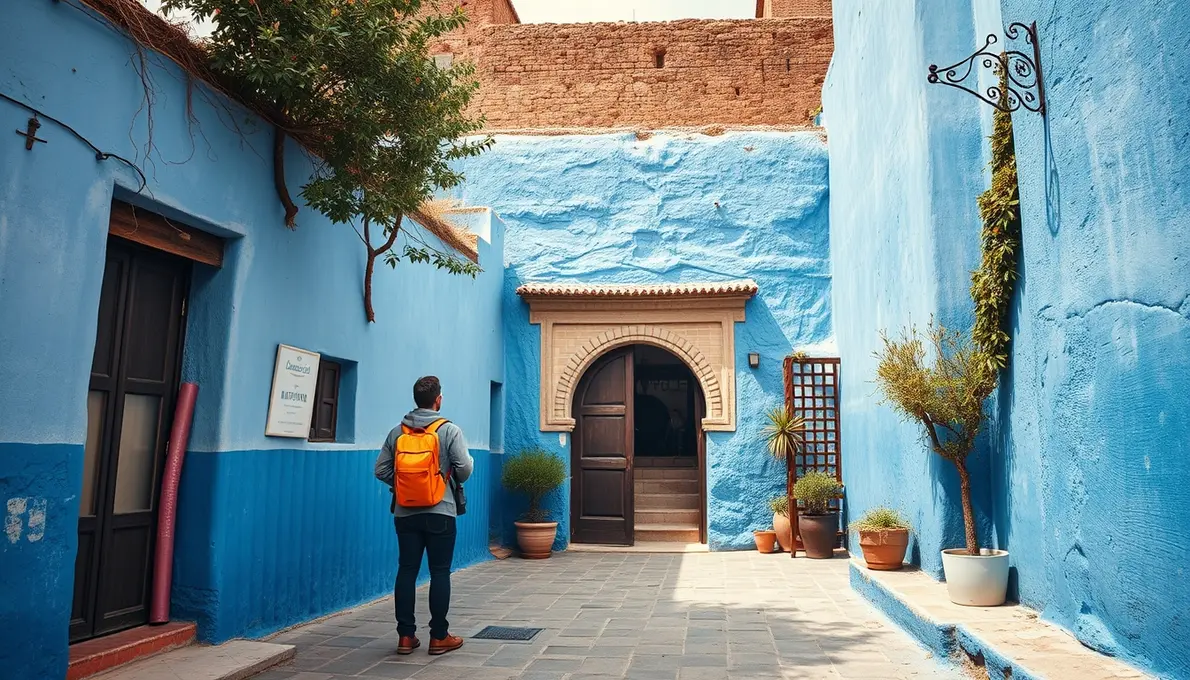
Chefchaouen, the “Blue Pearl” of Morocco, is renowned for its enchanting sapphire-hued streets, but beyond its captivating medina walls lies a spectacular natural playground. For those who yearn to lace up their boots and explore, the region offers some of the most breathtaking Chefchaouen hiking trails, weaving through the rugged Rif Mountains and revealing panoramas that will etch themselves into your memory. This guide will take you beyond the city’s blue alleys and into its wild heart, uncovering scenic routes and hidden gems perfect for any adventurer.
Beyond the Blue: Exploring Chefchaouen’s Mountain Backdrops
While the vibrant blue washes of Chefchaouen’s medina are undeniably the main draw, the city’s unique charm is inextricably linked to its dramatic setting. Nestled deeply within the Rif Mountains, Chefchaouen presents a stunning contrast of human artistry and untamed nature. From almost any vantage point within the city, you can gaze upon the towering peaks that cradle it, beckoning you to discover their secrets. These mountains aren’t just a picturesque backdrop; they are an invitation to experience an entirely different facet of the region.
Many visitors spend their days lost in the labyrinthine streets, but to truly understand Chefchaouen’s magic, you need to step out and embrace the surrounding wilderness. The air here is clean and crisp, carrying the scent of pine and wild herbs. The rhythm of life shifts from the bustling medina to the gentle rustle of leaves and the distant calls of birds. Exploring the Chefchaouen mountains offers a sense of escape, a chance to reconnect with nature, and a unique perspective on the famous blue city from above. Whether you’re seeking a gentle stroll to a viewpoint or a more challenging trek to a remote waterfall, the trails here cater to various fitness levels and interests.
Cascades d’Akchour and Pont de Dieu: A Natural Wonder Expedition
One of the most popular and rewarding excursions from Chefchaouen is the journey to Cascades d’Akchour and the stunning natural rock bridge known as Pont de Dieu (God’s Bridge). This area is a true highlight of the Chefchaouen hiking trails, offering a mix of accessible paths and more adventurous climbs leading to spectacular natural formations. The drive from Chefchaouen takes approximately 45 minutes to an hour through winding mountain roads, a scenic adventure in itself.
Upon arrival at Akchour, you’re presented with a choice of paths. The most common and generally easier route leads to the ‘Petite Cascade’ (Small Waterfall) and then continues to the ‘Grande Cascade’ (Large Waterfall), a series of impressive cascades plunging into serene, emerald pools. The walk to the Grande Cascade can take anywhere from 2.5 to 3.5 hours return, depending on your pace and how often you stop to admire the scenery. The path generally follows the river, sometimes requiring you to cross small streams or navigate rocky sections, but it’s largely well-trodden and manageable for most.
The alternative (or an excellent addition for those with more time and energy) is the trek to Pont de Dieu. This natural limestone arch, carved by millennia of water erosion, is a truly awe-inspiring sight. The trail to Pont de Dieu is slightly more challenging than the waterfall path, often involving steeper ascents and descents, and takes approximately 1.5 to 2 hours to reach from the Akchour entrance, with a similar duration for the return. Combining both the waterfalls and Pont de Dieu in one day makes for a full and incredibly rewarding day out. Along the way, you’ll find small cafés set up by locals, often offering freshly squeezed orange juice and tagine cooked over an open fire – a perfect refuelling stop amidst nature.
Talla Assem Trail: Views Over Chefchaouen and Beyond
For those seeking magnificent panoramic views of the entire blue city nestled amongst the mountains, the Talla Assem trail is an absolute must-do. This is one of the more accessible yet incredibly rewarding Chefchaouen hiking trails, offering a relatively gentle ascent to an unparalleled vantage point. Starting from within Chefchaouen itself, usually near the Ras el-Maa waterfall at the top of the medina, the trail begins as a well-defined path that gradually climbs above the city.
As you ascend, the intricate tapestry of blue and white houses slowly unfolds beneath you, set against the dramatic backdrop of the Rif Mountains. The higher you go, the more expansive the vista becomes, revealing the city’s layout, the surrounding terraced fields, and the rolling peaks stretching into the distance. This hike isn’t particularly strenuous, making it suitable for families and those not looking for an all-day trek. The round trip can take anywhere from 1.5 to 3 hours, depending on how far up you wish to go and how long you linger to soak in the incredible scenery.
Many people choose to combine this hike with a visit to the Spanish Mosque (Bouzafar Mosque), which sits on a hill opposite the medina and offers fantastic sunset views. The path to the mosque is a common starting point for further exploration of Talla Assem. The trail is generally safe and well-marked, but sturdy walking shoes are always recommended, especially if there has been recent rain. This trail offers some of the most iconic photo opportunities of Chefchaouen from above, allowing you to capture the city in all its blue glory.
The Wild Side of the Rif: Exploring Talassemtane National Park
Just a stone’s throw from Chefchaouen lies the vast and ecologically rich Talassemtane National Park, a haven for biodiversity and home to some of the most challenging and spectacular Chefchaouen hiking trails. This park is a designated UNESCO Biosphere Reserve, protecting pristine forests of fir, cedar, and cork oak, alongside a diverse array of wildlife, including the rare Barbary macaque. For serious trekkers and nature enthusiasts, exploring Talassemtane offers a profound immersion into Morocco’s untamed natural beauty.
The park offers numerous trails, ranging from moderate day hikes to multi-day expeditions. One popular option is the trek to God’s Bridge from Farda village inside the park, which many consider a more scenic approach than the Akchour route. Other trails lead to remote villages, hidden caves, and elevated plateaus offering breathtaking views. Due to the rugged terrain and sometimes less-marked paths, it’s highly recommended to hire a local guide for anything more than a simple, well-defined day hike within the park. A knowledgeable guide won’t only ensure your safety but will also enrich your experience with insights into local flora, fauna, and culture.
For those planning an extended trek, consider routes that include overnight stays in gîtes (local guesthouses) in mountain villages, providing a unique cultural experience alongside the physical challenge. Remember to pack appropriately for varying weather conditions – mountain weather can be unpredictable. This includes layers, waterproofs, plenty of water, and snacks. If you’re pondering what to bring on more extensive Moroccan adventures, you might find useful tips on a general Chefchaouen hiking trails packing list. Talassemtane is a gem for adventurers, offering a truly wild and unforgettable hiking experience in the heart of the Rif.
Planning Your Hiking Adventure: Practical Advice and Safety
Embarking on any of the Chefchaouen hiking trails requires a bit of practical planning to ensure a safe and enjoyable experience. The first consideration should always be footwear. Even for seemingly easy walks, the terrain can be uneven, rocky, and sometimes slippery. Sturdy hiking shoes or boots with good ankle support are essential. Trainers might suffice for very short, well-maintained paths, but for anything longer or more challenging, invest in proper footwear.
Hydration is key, especially during warmer months. Always carry plenty of water, more than you think you’ll need, as refill points can be scarce on many trails. Snacks like nuts, dried fruit, and energy bars are also advisable. Sun protection is crucial; a hat, sunglasses, and high-SPF sunscreen will protect you from the strong Moroccan sun, even on cloudy days or in the mountains.
For navigation, while some popular trails are relatively well-marked, others are not. A local map, a reliable GPS app on your phone, or better yet, a local guide, are invaluable. Guides can be arranged through your accommodation in Chefchaouen or at the main tourist office. They offer not just navigation but also cultural insights and can help with language barriers, especially if you venture into remote villages. It’s always a good idea to inform someone of your hiking plans and expected return time.
Respecting the local environment and culture is paramount. Stick to marked trails to protect the delicate ecosystem, avoid littering, and if you encounter local villagers, a friendly “Salam alaikum” goes a long way. Dress modestly, especially when passing through rural areas. While the Chefchaouen mountains generally feel safe, exercising common sense is always recommended. For more comprehensive travel advice on the wider region, a resource like Chefchaouen mountains offers useful general information for international travelers.
Discovering Hidden Waterfalls and Lesser-Known Paths
Beyond the well-trodden paths of Akchour and Talla Assem, the area around Chefchaouen is dotted with numerous hidden waterfalls, ancient ruins, and lesser-known trails waiting to be discovered. These require a bit more adventurous spirit and often the guidance of a local, but they offer a unique glimpse into the undisturbed beauty of the Rif.
One such gem is the area around the village of Jebel Laqlou, where numerous springs feed into a network of small waterfalls and natural pools. The path here is less developed and can be quite rugged, winding through dense vegetation and rocky outcrops. Exploring these areas often feels like stepping back in time, away from the tourist crowds, where you can experience the tranquility of the mountains in solitude.
Another intriguing option for the more intrepid hiker is the ancient ruins of the Roman city of Volubilis, though not directly a hiking trail from Chefchaouen, it sometimes features in longer multi-day trekking itineraries that crisscross the Rif and lead further south. Within a closer radius, some local guides can take you on treks that explore old Berber villages, allowing you to observe traditional ways of life and experience Moroccan hospitality in small, family-run guesthouses. These hidden paths often reveal surprising viewpoints, rare plant species, and offer encounters with local farmers and shepherds tending their flocks. This deeper exploration epitomizes the true spirit of discovery that lies at the heart of the best Chefchaouen hiking trails.
Conclusion
Chefchaouen is far more than just its iconic blue streets. For those willing to venture beyond the medina, a world of stunning natural beauty awaits, defined by the majestic Rif Mountains and their incredible Chefchaouen hiking trails. From the dramatic vistas overlooking the blue city to the serene beauty of Akchour’s waterfalls and the wild expanses of Talassemtane National Park, every step reveals a new facet of this enchanting region. Whether you’re seeking a gentle stroll or a multi-day trek, the opportunities for adventure are endless. So, pack your hiking boots, embrace the call of the mountains, and discover the natural wonders that make the Chefchaouen hiking trails an unforgettable experience.
FAQs
What is the best time of year for hiking in Chefchaouen?
The spring (April to May) and autumn (September to October) months are generally considered the best time for hiking in Chefchaouen. During these periods, the weather is pleasantly mild, and the landscapes are lush and green. Summers can be very hot, making longer hikes less comfortable, while winters can bring rain and even snow to higher elevations, sometimes making trails slippery or inaccessible.
Do I need a guide for hiking around Chefchaouen?
For well-known and shorter trails like the path to the Spanish Mosque or the initial sections of Akchour, a guide is not strictly necessary. However, for exploring more remote areas, undertaking longer treks within Talassemtane National Park, or venturing onto less-marked Chefchaouen hiking trails, hiring a local, experienced guide is highly recommended. They provide safety, navigation expertise, and invaluable cultural insights.
Are there any easy hiking trails suitable for families in Chefchaouen?
Yes, several easy trails are perfect for families. The walk up to the Spanish Mosque from the medina offers wonderful views and is an easy incline. The initial parts of the trail to Cascades d’Akchour are also relatively flat and manageable. Even within the medina itself, exploring the winding blue streets can feel like a gentle urban hike for children, with plenty of stairs and hidden corners to discover.
What should I pack for a day hike around Chefchaouen?
For a day hike, essential items include sturdy hiking shoes, plenty of water (at least 2 litres per person), snacks, sun protection (hat, sunglasses, sunscreen), and a light backpack. Depending on the season, layers of clothing are advisable as mountain weather can change quickly. A basic first-aid kit, a map or GPS device, and a fully charged phone are also good to have. If you plan to swim at Akchour, bring a swimsuit and towel.





 Covers cities, coast, mountains, desert & food