
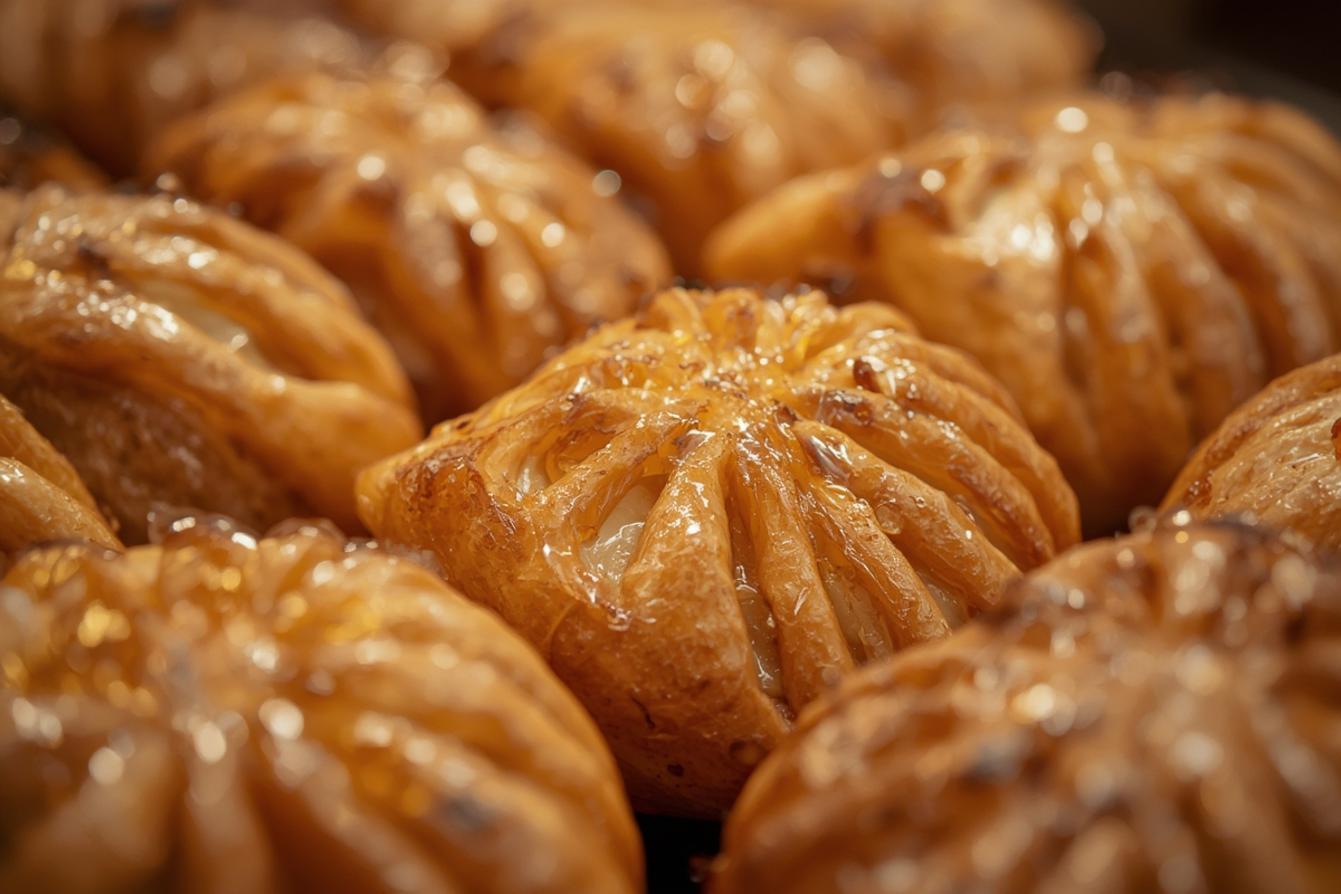
Stepping into a Moroccan patisserie is a feast for the senses, a dazzling display of vibrant colors, intricate shapes, and a pervasive, intoxicating sweetness. Among this edible artistry, Moroccan honey pastries stand out as true stars, embodying centuries of culinary tradition and hospitality. These delectable treats, often infused with nuts, spices, and, of course, lashings of golden honey, are much more than just desserts; they are an integral part of Moroccan culture, offered during celebrations, in homes as a sign of welcome, and as a comforting everyday indulgence. If you’re yearning to explore the sweet side of Morocco, understanding these traditional honey-drenched delights and knowing where to find them is key to a truly authentic experience.
The Sticky Heart of Moroccan Hospitality: What Makes These Pastries Special
Moroccan honey pastries are celebrated for their unique blend of textures and tastes. Imagine delicate filo dough, rich almond paste, aromatic orange blossom water, and the deep, floral notes of local honey, all harmonizing in a single bite. What sets these pastries apart is the art of balancing sweetness; while undeniably sugary, the freshness of nuts, the hint of citrus, and often a whisper of cinnamon or aniseed prevent them from being cloying. Each pastry tells a story of meticulous preparation, often involving generational recipes passed down through families. The honey isn’t just an afterthought; it’s a critical component, imparting a distinct flavor and a glistening, alluring finish. From the Fes region, known for its refined patisseries, to the bustling souks of Marrakech, the sheer variety of Moroccan honey pastries available reflects the country’s rich culinary tapestry.
Iconic Moroccan Honey Pastries You Must Sample
Morocco boasts an impressive array of honey pastries, each with its own charm and fan base. While many visitors are familiar with the iconic Chebakia, often fried and shaped into a flower before being bathed in honey and sprinkled with sesame seeds, there’s a whole universe beyond it. Another beloved treat is M’hencha, or “snake cake,” a spiral of delicate warqa pastry (similar to filo) filled with almond paste, baked to golden perfection, and then drizzled generously with honey. There’s also the elegant Briouat, small triangular or square parcels, usually filled with almond paste, fried until crisp, and then given the honey treatment. For something a little different, seek out Feqqas, sweet biscotti-like biscuits, sometimes studded with almonds or raisins, or the charming Ghriba, dense, chewy cookies, some varieties of which are also enhanced with a touch of honey or date syrup. Each of these offers a unique texture and flavor profile, making the exploration of Moroccan honey pastries an adventure in itself.

Where the Sweet Magic Happens: Finding Authentic Honey Pastries
Finding authentic Moroccan honey pastries is part of the joy of exploring the country. The best place to start is often a local patisserie or حلويات (halawiyat), a confectionary shop, where display cases overflow with these exquisite sweets. In cities like Fes, Meknes, and Rabat, you’ll find elegant shops that have been perfecting their craft for decades. These establishments pride themselves on quality ingredients and traditional techniques. Don’t be shy about pointing to what catches your eye; the staff are usually happy to help you select a varied box.
Beyond dedicated patisseries, the bustling local souks are another fantastic hunting ground. Many souk vendors specialize in specific types of sweets, and you might find women selling freshly made chebakia or other local delicacies from small stalls, especially during public holidays or festivals. Asking your hotel or riad staff for their personal recommendations is also a smart move, as they often know the best hidden gems in their neighborhood. For a truly immersive experience, look for places that bake their pastries on-site; the aroma of fresh almonds, orange blossom, and warm honey is simply irresistible.
The Unforgettable Taste of Chebakia and M’hencha in the Imperial Cities
When you embark on your culinary journey through Morocco, certain cities offer distinct experiences for savoring Moroccan honey pastries. In the ancient city of Fes, with its labyrinthine medina, you’ll discover patisseries that are veritable institutions. Here, the focus is often on traditional, meticulously prepared sweets, with M’hencha reaching a particular level of artistry. The delicate layers and rich almond filling, perfected over generations, are a testament to Fes’s culinary heritage.
Marrakech, on the other hand, provides a more vibrant and bustling experience. While Chebakia is ubiquitous throughout Morocco, Marrakech’s souks and markets often feature it in abundance, especially around the time of Ramadan. You’ll find vendors frying it fresh, the sticky sweet aroma wafting through the air, inviting you to sample a piece. Exploring the quieter, more local parts of the medina, away from the main tourist arteries, can lead you to small, family-run bakeries that offer incredibly authentic and heartwarming versions of these pastries. It’s an adventure in itself to seek out these local treasures in places like Moroccan honey pastries where you can truly immerse yourself in Moroccan culture.
Understanding Regional Variations and Ingredients
While the core elements of honey, nuts (especially almonds), and delicate pastry dough remain consistent, Moroccan honey pastries exhibit wonderful regional variations. For instance, northern regions might use different local honey varieties, leading to subtle flavor shifts. Some areas might incorporate more spices, such as cinnamon or ground anise, particularly in their chebakia. The type of oil used for frying can also influence the taste, with some opting for a light olive oil while others prefer vegetable oil.
The quality of ingredients deeply impacts the final product. Moroccan almonds, particularly those from the Souss-Massa region, are highly prized for their intense flavor, making them ideal for the rich almond pastes found in Briouat and M’hencha. The pure, unadulterated orange blossom water, often made from locally grown bitter oranges, adds a fragrant, quintessential Moroccan note. When tasting different Moroccan honey pastries, pay attention to these nuances – they showcase the diversity and artisan quality of Moroccan baking. To learn more about the broader world of Moroccan almond sweets, an external resource can provide further fascinating details.
Bringing the Sweetness Home: Buying Tips for Travelers
If you’ve fallen in love with Moroccan honey pastries and wish to bring some home, there are a few tips to ensure they arrive in perfect condition. Firstly, choose pastries that are not excessively coated in honey, as this can make them stick together and become messy during transit. Opt for varieties that are slightly drier or have a robust structure. Feqqas or certain types of Ghriba travel exceptionally well.
Secondly, purchase your pastries from a reputable patisserie rather than a street vendor if you intend to keep them for more than a day or two. Quality establishments use better packaging and freshness standards. Ask for them to be packed in a sturdy box, perhaps with parchment paper between layers, to prevent crushing. While most pastries are best enjoyed fresh, many Moroccan honey pastries keep well for several days, especially if stored in an airtight container at room temperature. They make fantastic edible souvenirs or gifts, offering a sweet taste of Morocco long after your trip has ended.
Conclusion
Moroccan honey pastries are an essential part of the Moroccan culinary landscape, offering a delightful exploration of flavors, textures, and traditions. From the intricate spirals of M’hencha to the sesame-crusted delights of Chebakia, each bite is a testament to Morocco’s rich gastronomic heritage. Whether you savor them with a glass of mint tea in a bustling souk or bring them home as a sweet reminder of your travels, these authentic Moroccan honey pastries are sure to leave a lasting impression. Don’t leave Morocco without indulging in these golden, honey-drenched treasures.

FAQs
What occasions are Moroccan honey pastries typically served?
Moroccan honey pastries are a staple for various occasions. They are especially popular during religious holidays like Ramadan and Eid, as well as for family celebrations such as weddings, births, and circumcisions. However, they are also commonly enjoyed as everyday treats with a glass of mint tea or offered to guests as a sign of hospitality.
Are all Moroccan pastries very sweet, or are there less sugary options?
While many Moroccan pastries, particularly those drenched in honey, are undeniably sweet, there are variations. Some Ghriba cookies, for example, can be less sugary, focusing more on the nutty or spiced flavors. Feqqas (Moroccan biscotti) also tend to be less sweet than the honey-laced varieties. When in doubt, you can always ask a local patisserie for recommendations on less sweet options.
Can I find gluten-free Moroccan honey pastries?
Traditionally, most Moroccan honey pastries rely on wheat flour for their dough. However, with increasing dietary awareness, some modern patisseries might offer gluten-free alternatives or sweets that are naturally gluten-free, such as certain types of almond-based Ghriba. It’s best to inquire directly at specific bakeries if this is a dietary requirement.
How should I store Moroccan honey pastries to keep them fresh?
To keep Moroccan honey pastries fresh, store them in an airtight container at room temperature. Depending on the specific pastry and climate, they can remain fresh for several days, sometimes even up to a week. For varieties heavily soaked in honey, refrigerating them can make them a bit firm, so room temperature is generally preferred unless specified otherwise by the vendor.

 Covers cities, coast, mountains, desert & food