
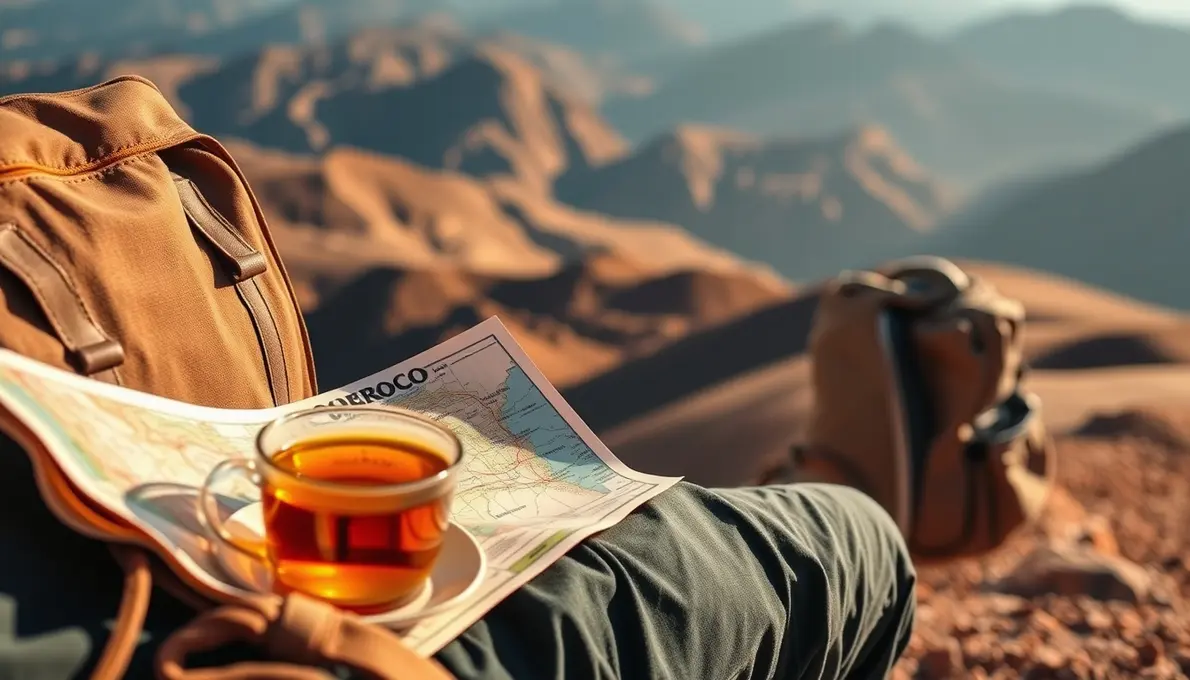
Planning a trekking adventure in Morocco’s majestic Atlas Mountains requires more than just a sense of adventure; it demands essential Atlas Mountains advice to ensure a safe, enjoyable, and culturally enriching experience. From navigating diverse terrains to understanding local customs and preparing for unpredictable weather, this guide provides the critical insights you need for an unforgettable journey through North Africa’s highest peaks. This focused counsel aims to arm you with practical knowledge, helping you confidently tackle the challenges and embrace the beauty of this stunning region, making your high-altitude exploration truly rewarding.
Preparing for Your Atlas Mountains Adventure: Essential Insights
Embarking on a trek through the Atlas Mountains is an awe-inspiring experience, but its success hinges on thorough preparation. The sheer scale and varied ecosystems of the range, from lush valleys to arid plateaus and snow-capped peaks, demand specific readiness. This section offers essential Atlas Mountains advice to get you physically and mentally prepared, ensuring you are equipped for the unique challenges and incredible rewards of alpine trekking in Morocco.
Physical conditioning is paramount. While some trails are suitable for casual walkers, many of the more rewarding routes, especially those leading to Mount Toubkal, require a good level of fitness. Start a training regimen several months in advance, focusing on cardiovascular endurance, strength training, and hiking on uneven terrain. Incorporate regular long walks, jogs, and stair climbing into your routine. If possible, practice hiking with a weighted backpack similar to what you’ll carry during your trek. Acclimatization to altitude is also a crucial consideration, particularly if you plan to ascend to higher elevations. Spending a day or two at a mid-altitude village like Imlil before attempting a major ascent can significantly reduce the risk of altitude sickness. Hydration is vital at all altitudes, so begin increasing your water intake even before you arrive.
Beyond physical readiness, understanding the practical logistics is another piece of key Atlas Mountains advice. Decide on the duration and difficulty of your trek based on your fitness level and available time. Many reputable local guides and tour operators specialize in Atlas Mountains expeditions, offering everything from single-day hikes to multi-day traverses. Engaging a certified local guide is highly recommended, not only for navigation and safety but also for gaining deeper cultural insights and facilitating interactions with local communities. They often have invaluable knowledge about weather patterns, trail conditions, and emergency procedures. Researching their qualifications and reading reviews is a crucial step in this process.
Mental preparation is also key. The Atlas Mountains offer stunning scenery but can present unexpected challenges, from sudden weather changes to physical fatigue. Cultivating a resilient and adaptable mindset will serve you well. Embrace the journey, the simplicity of trekking, and the opportunity to disconnect from daily routines. Be open to cultural exchange and the hospitality of the Berber people, whose lives are intricately woven into these mountains. This holistic approach to preparation will set the stage for a truly transformative Atlas Mountains adventure.
Navigating the Terrain and Weather: Key Atlas Mountains Advice
The Atlas Mountains present a formidable and dynamic environment where terrain and weather dictate much of the trekking experience. Understanding these elements and planning accordingly is critical Atlas Mountains advice for any visitor. The landscape varies dramatically, encompassing verdant valleys, terraced slopes, rocky plateaus, and, at higher elevations, exposed, rugged peaks often capped with snow for much of the year.

Trail conditions can range from well-worn paths to steep, boulder-strewn ascents and descents that require careful footing. In lower valleys, paths might be smooth earth or gravel, winding through Berber villages and past agricultural plots. As you gain elevation, the trails become increasingly challenging, often narrow and rocky, with scree slopes and occasional sections requiring scrambling. For this reason, sturdy, well-broken-in hiking boots with good ankle support and grip are non-negotiable. Trekking poles are also an excellent investment for stability, especially on steep or slippery sections, and to reduce strain on your knees during descents.
Weather in the Atlas Mountains is notoriously unpredictable, shifting rapidly from clear skies to rain, hail, or even snow, even outside of winter. This is perhaps one of the most important pieces of Atlas Mountains advice. Summers (June to September) are generally hot and dry, but mountain temperatures still drop significantly at night, and high-altitude storms can occur. Spring (April to May) and autumn (October to November) offer the most pleasant trekking conditions, with milder temperatures and stunning landscapes, though you should still be prepared for diverse weather. Winters (December to March) bring snow to the higher peaks, transforming the landscape into a winter wonderland but also making many routes impassable without specialized gear and experienced guides.
Regardless of the season, layering your clothing is essential. Start with a moisture-wicking base layer, add insulating mid-layers like fleece, and top it off with a waterproof and windproof outer shell. This allows you to adjust quickly to changing temperatures and conditions. Sun protection is equally important: a wide-brimmed hat, sunglasses, and high-SPF sunscreen are crucial to protect against intense mountain sun. Carrying enough water is also vital, as natural sources may be scarce or unreliable, and proper hydration is key to preventing altitude sickness and heat exhaustion. Local guides are invaluable for providing real-time insights into current weather patterns and trail safety, often adjusting itineraries to ensure trekkers’ well-being.
Essential Gear and Packing for High-Altitude Trekking
Packing appropriately for your Atlas Mountains trek is often underestimated, yet it is one of the most critical aspects of this essential Atlas Mountains advice. The right gear can make the difference between a challenging but enjoyable adventure and a miserable, potentially even dangerous, one. Given the diverse terrain and volatile weather, thoughtful preparation is key.
Start with your footwear. As mentioned, sturdy, waterproof, and well-broken-in hiking boots are paramount. Ensure they offer good ankle support and have excellent grip for navigating rocky, uneven, and potentially slippery paths. Complement these with comfortable, moisture-wicking hiking socks to prevent blisters. It’s often wise to bring a spare pair or two.
When it comes to clothing, layering is your best friend. Even if you’re trekking in summer, temperatures can plummet dramatically at higher elevations and during the night. A good layering system includes:
- Base Layers: Moisture-wicking tops and bottoms (merino wool or synthetic) to keep sweat away from your body.
- Mid-Layers: Fleece jackets or lightweight down jackets for insulation.
- Outer Shell: A waterproof and windproof jacket and trousers to protect against rain, snow, and strong winds.
- Trekking Trousers: Lightweight, quick-drying trousers that offer freedom of movement. Avoid denim.
- Warm Hat and Gloves: Essential, especially for higher altitudes and evenings, even in warmer months.
- Sun Protection: A wide-brimmed hat, quality sunglasses (with UV protection), and high-SPF sunscreen are non-negotiable due to intense mountain sun.
Your backpack should be comfortable, durable, and adequately sized for your trek’s duration. For multi-day treks, a 40-60 liter pack is often suitable. Ensure it has good hip support to distribute weight evenly. Inside, a waterproof pack cover or dry bags are invaluable to protect your belongings from rain.
Beyond clothing and footwear, other essential items include:
- Water Bottle/Hydration System: Carry at least 2-3 liters of water capacity. Water purification tablets or a filter are excellent for refilling from natural sources if advised by your guide.
- First-Aid Kit: Band-aids, antiseptic wipes, pain relievers, blister treatment, rehydration salts, personal medications, and any specific items for allergies or existing conditions.
- Navigation Tools: While a guide will handle primary navigation, a map and compass or a GPS device (and knowing how to use them) can be useful backups.
- Headlamp/Flashlight: With spare batteries, useful for early morning starts or unexpected delays.
- Snacks: High-energy snacks like nuts, dried fruit, and chocolate.
- Toiletries: Biodegradable soap, toilet paper, and hand sanitizer.
- Power Bank: To keep your phone or camera charged.
- Small Towel: Quick-drying microfibre towels are ideal.
If you’re planning an overnight stay in a mountain refuge or gîte, a sleeping bag liner is often recommended for hygiene, as sleeping bags or blankets are typically provided. For more remote camping, a lightweight sleeping bag suited to mountain temperatures might be necessary. This comprehensive packing list, combined with sound Atlas Mountains advice on what to buy versus rent locally, will prepare you for the diverse conditions you’ll encounter.
Engaging with Local Culture: Atlas Mountains Etiquette
Exploring the Atlas Mountains is not just about the landscape; it’s an immersive journey into the heart of Berber culture. Respectful engagement with the local communities you encounter is a fundamental piece of Atlas Mountains advice that will enrich your experience and foster positive interactions. The Berber people are renowned for their hospitality, but understanding and adhering to their customs is crucial.
One of the most important aspects is demonstrating respect through your attire. While hiking, comfortable clothing is fine, but when passing through or stopping in villages, it is advisable to dress modestly. This means covering shoulders and knees for both men and women. For women, avoiding overly revealing clothing helps show respect for local norms. This simple act of cultural sensitivity goes a long way in building rapport.
Interactions with locals, especially children, should be handled thoughtfully. While it’s natural to want to engage, resist the urge to give money or candy directly to children. This can inadvertently encourage begging and create a dependency that impacts their education and community structure. Instead, if you wish to help, consider donating to local schools or community projects through your guide or a recognized charity. A simple “Salam Alaikum” (peace be upon you) or “Labas?” (how are you?) in Darija or Tamazight, the Berber language, will be met with warmth and appreciation.

When visiting someone’s home, or even a local shop, it’s customary to accept a glass of mint tea, a significant gesture of hospitality. Remove your shoes before entering a private home or guesthouse. Always use your right hand when offering or accepting items, as the left hand is considered unclean in Islamic culture. If you plan to take photographs of people, especially children, always ask for permission first. A simple gesture or asking your guide to translate your request is usually sufficient. Respect their wishes if they decline.
Supporting the local economy responsibly is another vital part of this Atlas Mountains advice. Purchase goods and services from local vendors and artisans where possible. Bargaining is common in souks (markets), but do so respectfully and with a smile. Remember that a few dirhams, while seemingly insignificant to you, can make a meaningful difference to a local family. Tipping, particularly for guides, muleteers, and cooks, is customary and expected. It’s a significant part of their income, so factor this into your budget. Your guide can provide appropriate tipping guidelines.
Finally, be mindful of your environmental impact. Pack out everything you pack in, minimize waste, and stick to marked trails to preserve the natural beauty of the mountains. Understanding and respecting these cultural and environmental nuances will not only enhance your personal journey but also ensure a positive and sustainable interaction with the Atlas Mountains and their custodians. You can also find more general Atlas Mountains tips on cultural etiquette.
Safety and Well-being in the High Atlas
Safety in the Atlas Mountains is not just about avoiding falls; it encompasses everything from physical health precautions to understanding local conditions and emergency protocols. This comprehensive Atlas Mountains advice on safety and well-being is designed to help you prepare for and respond to various situations, ensuring your trek is as secure as it is memorable.
One of the primary concerns at higher altitudes is altitude sickness, or Acute Mountain Sickness (AMS). Symptoms can range from mild (headache, nausea, dizziness, fatigue) to severe (High Altitude Pulmonary Edema (HAPE) and High Altitude Cerebral Edema (HACE), which are potentially fatal). The best prevention is a gradual ascent, allowing your body time to acclimatize. Spend a day or two at moderate elevation (e.g., Imlil at around 1,740m) before ascending higher. Stay well-hydrated, avoid alcohol and heavy meals, and listen to your body. If you or someone in your group experiences symptoms, do not ascend further; if symptoms worsen, descend immediately. Your guide will be trained to recognize and manage AMS.
Partnering with a certified and experienced local guide is arguably the single most important safety measure you can take. They possess invaluable knowledge of the terrain, weather conditions, local customs, and potential hazards. They are often first-aid certified and know the quickest routes to assistance if an emergency arises. They can also communicate effectively with local villagers and emergency services. Always ensure your guide is officially licensed and has a good track record.
Before your trip, procure comprehensive travel insurance that explicitly covers high-altitude trekking and emergency evacuation. This is non-negotiable. Check the policy details carefully regarding altitude limits and activities covered. Provide a copy of your itinerary and emergency contact information to a trusted person at home.
Beyond altitude and guidance, consider these practical safety measures:
- Hydration: Always carry more water than you think you’ll need. Dehydration can exacerbate altitude sickness and lead to fatigue.
- Sun Protection: The sun’s intensity increases with altitude. Use high-SPF sunscreen, wear a wide-brimmed hat, and sunglasses to prevent sunburn and snow blindness.
- Footwear: As mentioned, robust hiking boots are crucial. Improper footwear is a leading cause of injuries.
- First Aid: Carry a personal first-aid kit with any prescription medications, blister treatment, pain relievers, and antiseptic wipes.
- Communication: Cell phone reception can be patchy in remote areas. Consider carrying a satellite phone or personal locator beacon for emergencies if you’re venturing far off main routes. Your guide will often have a local mobile phone.
- Wildlife: While dangerous encounters are rare, be aware of scorpions and snakes, especially during warmer months. Wear appropriate footwear and watch where you step.
- Environment: Stick to established trails. Venturing off-path can lead to getting lost or encountering dangerous terrain.
- Personal Belongings: While the Atlas Mountains region is generally safe, always be mindful of your valuables. Carry money and important documents securely.
By meticulously planning and adhering to this Atlas Mountains advice, you significantly mitigate risks and enhance your overall trekking experience in this magnificent part of Morocco.
Responsible Tourism and Environmental Stewardship
As visitors to the Atlas Mountains, we have a responsibility not only to enjoy its beauty but also to help preserve it for future generations. Embracing responsible tourism and environmental stewardship is a crucial part of essential Atlas Mountains advice. This means treading lightly, respecting nature, and supporting sustainable practices that benefit both the environment and local communities.
The concept of “Leave No Trace” is fundamental here. Every item you carry into the mountains should be carried out, including all your trash. This means no littering, even biodegradable items like fruit peels, as they take time to decompose and can disturb the local ecosystem and wildlife. When nature calls, move at least 60 meters (200 feet) away from trails, water sources, and campsites, and bury human waste in a shallow hole. Pack out all toilet paper and hygiene products.
Water conservation is also vital. In many mountain communities, water is a precious resource. Be mindful of your water usage, whether you’re staying in a guesthouse, refuge, or camping. Avoid polluting water sources with soap or detergents.
When interacting with animals, observe them from a distance and never feed wild animals. Feeding them can alter their natural behaviors, make them dependent on humans, and be harmful to their health. Respect agricultural areas by staying on designated paths and not trampling crops or disturbing livestock.
Supporting the local economy in a sustainable manner is another key aspect of responsible tourism. Choose local guides, muleteers, and guesthouses. This ensures that the economic benefits of tourism directly support the communities who live in the mountains, providing them with incentives to protect their environment and cultural heritage. When purchasing souvenirs, opt for handcrafted items made by local artisans, ensuring fair trade practices rather than mass-produced goods.
Educating yourself about the local Berber culture and traditions, as discussed earlier, is inherently linked to environmental stewardship. Understanding their way of life, which is deeply connected to the natural environment, can foster a greater appreciation and respect for the region’s delicate balance. For instance, notice how they manage their terraced fields and irrigation systems – methods perfected over centuries to live harmoniously with the land.
Finally, consider ways to minimize your carbon footprint. Opt for public transport or shared transfers where possible. Unplug electronics when not in use. Some tour operators offer carbon offsetting options; research these if you wish to contribute further. By adopting these responsible tourism practices, your Atlas Mountains adventure becomes not just a personal journey, but also a positive contribution to the preservation of this captivating landscape and its vibrant culture.
Conclusion
Embarking on a trekking adventure in the Atlas Mountains is an intensely rewarding experience, offering breathtaking scenery, a deep dive into Berber culture, and a true test of endurance. By diligently applying this essential Atlas Mountains advice, you empower yourself to navigate the challenges, respect the local environment and communities, and fully immerse yourself in the magic of Morocco’s high peaks. From careful physical preparation and appropriate gear selection to understanding weather patterns and practicing responsible tourism, every piece of guidance contributes to a safe, enjoyable, and unforgettable journey. May your trekking adventure be filled with wonder, cultural discovery, and the profound satisfaction that comes from exploring one of the world’s most spectacular mountain ranges.

FAQs
What is the best time of year for trekking in the Atlas Mountains?
The best times to trek in the Atlas Mountains are typically spring (April to May) and autumn (September to November). During these seasons, the weather is generally milder, with pleasant daytime temperatures and cooler nights. Spring brings blossoming wildflowers and lush green valleys, while autumn offers crisp air and the possibility of early snow on the highest peaks. Summer (June to August) can be very hot, especially at lower altitudes, though higher elevations remain cooler. Winter (December to March) offers a beautiful, snow-covered landscape but requires specialized gear and experience, as many passes become impassable.
Do I need a guide for trekking in the Atlas Mountains?
While it’s possible to undertake some lower-altitude, well-marked trails independently, a certified local guide is highly recommended for most treks in the Atlas Mountains, especially for multi-day excursions or ascents to higher peaks like Toubkal. Guides provide invaluable expertise in navigation, safety, weather interpretation, and cultural insights, significantly enhancing your experience. They also have an understanding of local customs and can facilitate interactions with Berber communities. For your safety and to support the local economy, choosing a professional local guide is a wise decision.
What should I pack for high-altitude trekking to avoid altitude sickness?
To help prevent altitude sickness, your packing list should include items that support hydration, warmth, and sun protection. Crucially, pack a water bottle or hydration system with at least 2-3 liters capacity, along with water purification tablets or a filter. Bring warm, layered clothing (base, mid, and outer layers) even in summer, as temperatures drop significantly at altitude. A warm hat and gloves are essential. High-SPF sunscreen, sunglasses (with UV protection), and a wide-brimmed hat are also vital to protect against intense mountain sun, which can exacerbate altitude sickness symptoms. Ensure your first-aid kit includes any personal medications and pain relievers if needed.
Is it safe for a solo female traveler to trek in the Atlas Mountains?
Morocco, in general, is considered a safe destination for travelers, including solo females. The Atlas Mountains are no exception, with local Berber communities known for their hospitality. However, as with any solo travel, especially in remote areas, it’s prudent to take precautions. Hiring a reputable, certified local guide and informing family or friends of your itinerary are highly recommended. Dressing modestly, respecting local customs, and maintaining an awareness of your surroundings can further enhance safety and comfort. Many solo female travelers have reported incredibly positive experiences trekking in the Atlas Mountains with local guides.





 Covers cities, coast, mountains, desert & food