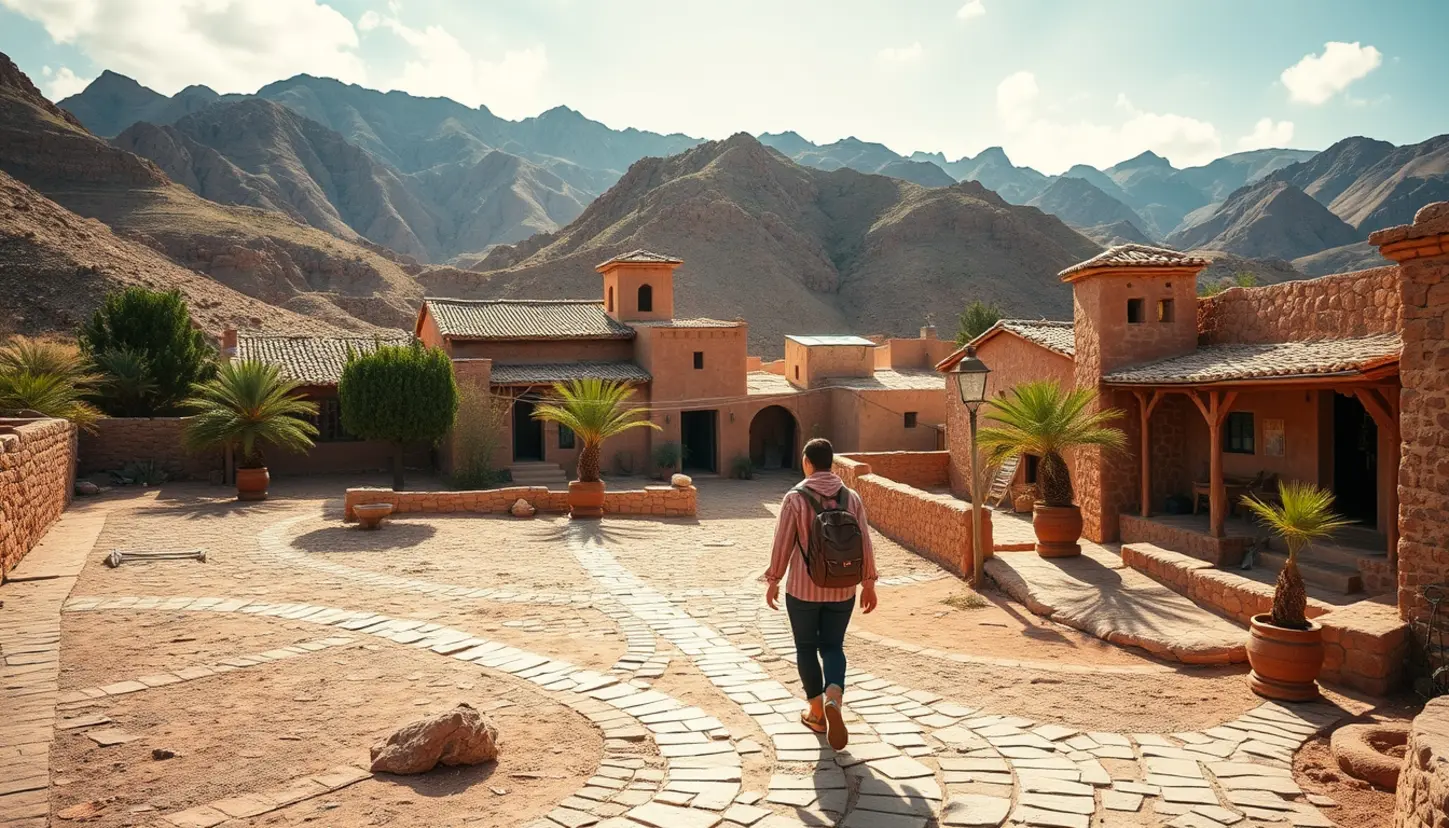
Stepping into the Atlas Mountains of Morocco is like turning back the pages of time. Far from the bustling souks and vibrant chaos of Marrakech, a world of tranquil beauty and ancient traditions awaits in the High Atlas. Here, nestled amongst dramatic peaks and terraced valleys, are the authentic Atlas Mountain villages, vibrant hubs of Berber culture that offer an unparalleled glimpse into a way of life that has endured for centuries. If you’re seeking a genuinely immersive and enriching travel experience, far beyond the typical tourist trails, then these villages are calling your name.
Discovering the Heart of Berber Heritage in Imlil and Aroumd
When people talk about engaging with the local culture in the High Atlas, Imlil often comes to mind first, and for good reason. It’s the gateway to Toubkal, North Africa’s highest peak, and a bustling hub of activity. But venture just a little further, a picturesque walk or a short mule ride away, and you’ll find Aroumd. This village, clinging to the mountainside, feels like a world apart. Here, the terraced fields of walnuts, apples, and cherries, irrigated by ancient systems, are a testament to the ingenuity of the Berber people. Staying in a traditional guesthouse in Aroumd offers an intimate experience – you’ll wake to the sound of roosters, smell freshly baked bread, and witness daily life unfold at a gentle pace. These aren’t just places to see; they are places to be, to connect, and to understand the rhythm of mountain living.
Embracing Local Life: Trekking Through the Ourika Valley’s Hidden Gems
While popular for day trips from Marrakech, the Ourika Valley truly reveals its charm when you delve deeper into its upper reaches and explore its less-trodden paths. Beyond the initial waterfalls and tourist-oriented spots, you’ll find smaller, less-frequented Atlas Mountain villages. Imagine trekking from Ourika into villages like Setti Fatma, but then continuing on to the even more secluded hamlets higher up. Here, you can arrange guided walks that pass through ancient mud-brick houses, past communities where women still grind argan nuts by hand, and children play in dirt lanes. Booking a multi-day trek with a local guide is the best way to experience these areas, offering opportunities to stay in family-run gîtes (guesthouses) and share a tagine with your hosts. These journeys foster a sense of connection that few other travel experiences can match.
The Serenity of the Ait Bouguemez Valley: Morocco’s Happy Valley
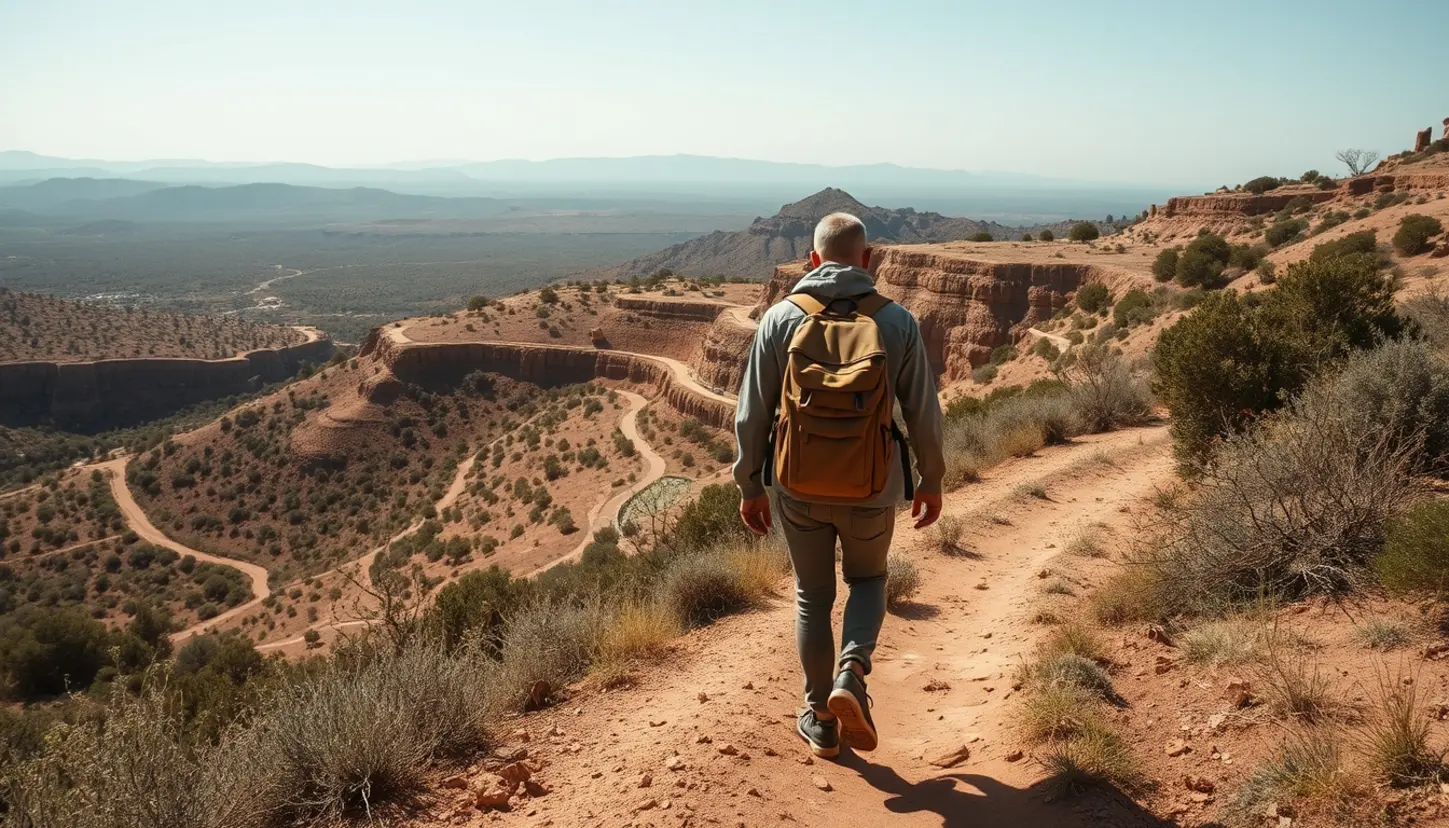
If your idea of an authentic Berber experience leans towards absolute tranquility and breathtaking scenery that feels almost untouched by the outside world, then the Ait Bouguemez Valley, often dubbed “Morocco’s Happy Valley,” is your ideal destination. This U-shaped valley, surrounded by commanding peaks, earned its nickname from the welcoming nature of its inhabitants and the harmonious coexistence of man and nature. Villages here, like Tabant, Agouti, and Timit, are characterized by their red mud-brick houses, often adorned with traditional Berber patterns, and surrounded by fertile fields of maize, barley, and apple orchards. Life moves slowly here, dictated by the seasons and the sun. It’s a prime location for those seeking peaceful Atlas Mountain trekking, with trails leading to dinosaur footprints, ancient granaries, and panoramic viewpoints. Engage with local cooperatives selling saffron, apples, or traditional crafts, and you’ll be contributing directly to the community’s welfare.
Curated Experiences: Immersive Stays in Traditional Gîtes
To truly connect with the soul of the Atlas Mountain villages, opting for a stay in a traditional gîte or a family-run guesthouse is paramount. These aren’t your typical hotels; they are often humble, authentic homes that have opened their doors to travelers, offering a glimpse into local life that no resort ever could. Imagine sharing meals with your Berber hosts, learning a few words of Tamazight (the Berber language), and perhaps even helping to prepare a traditional mint tea or a hearty tagine. Many gîtes offer cooking classes, cultural workshops, or guided walks with local guides who grew up in the villages. This is where you gain insights into ancient traditions, understand the intricate social structures, and appreciate the resilience and warmth of the Berber people. Booking a package that includes accommodation, meals, and guided activities directly supports these communities and ensures a deeply enriching experience for you.
Navigating the Mountains: Practicalities for Your Berber Village Journey
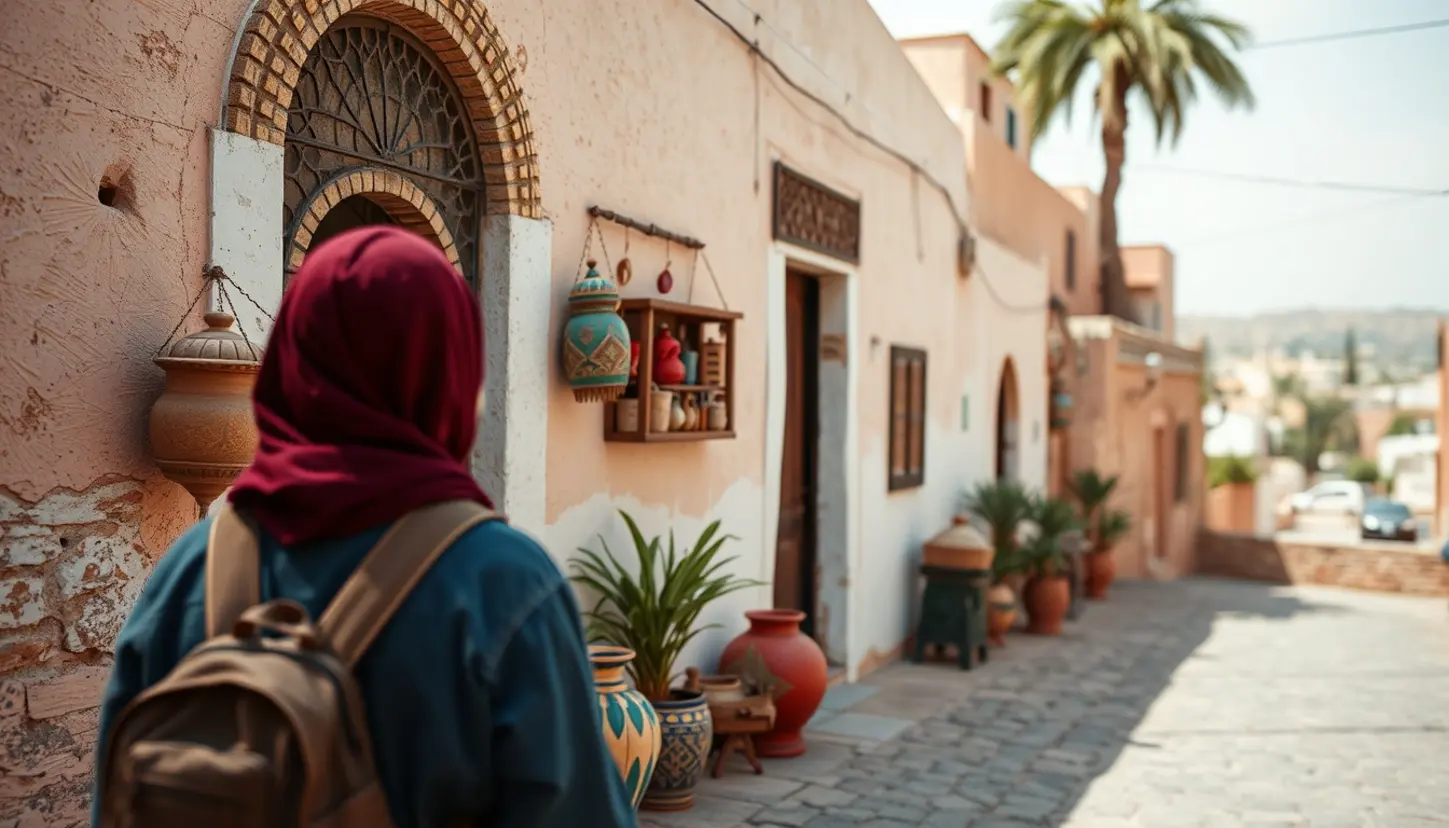
Planning a trip to these remote Atlas Mountain villages requires a bit more forethought than a city break. Most experiences begin with a drive from Marrakech. For popular areas like Imlil or the Ourika Valley, shared taxis (grand taxis) are available, or you can opt for a private transfer for more comfort and flexibility. For more remote valleys like Ait Bouguemez, private transport is highly recommended, or a tour operator can arrange logistics. Once in the villages, walking is the primary mode of transport, often supplemented by mules for luggage or longer distances.
Regarding what to pack, layered clothing is essential. Even in summer, evenings can be cool at altitude, and winters can be very cold, with snow common in higher areas. Sturdy hiking boots are a must, as are a good daypack, water bottle, sun protection, and a hat. Remember that many villages are conservative, so dressing modestly is appreciated. Cash (Moroccan Dirham) is crucial, as ATMs are virtually non-existent outside the main towns. Most importantly, bring an open mind and a willingness to embrace a different pace of life.
Seasonal Charms: Best Times to Experience Atlas Mountain Village Life
The Atlas Mountains offer distinct experiences throughout the year, each with its own charm. Spring (March to May) is arguably the most popular time, when the landscape is lush and green from winter rains, wildflowers bloom in profusion, and temperatures are pleasantly mild for trekking. Autumn (September to November) also offers excellent trekking conditions, with crisper air, stunning fall colors (especially in the High Atlas with its walnut and apple groves), and fewer crowds.
Summer (June to August) can be hot, especially in the lower valleys, but is still popular for higher-altitude treks, escaping the heat of the cities. However, afternoon thunderstorms can be common. For specific weather details during this time, you might find our guide on Atlas Mountain villages weather useful if planning to visit in August. Winter (December to February) transforms the mountains into a snow-capped wonderland. While some passes may close due to snow, lower villages remain accessible, offering a serene, stark beauty and the cozy warmth of a traditional gîte with a roaring fire. Winter treks can be magical, but require appropriate gear and often experienced guides.
Beyond the Trek: Cultural Immersion and Sustainable Tourism
Visiting the Atlas Mountain villages is more than just hiking; it’s an opportunity for profound cultural immersion. Many local operators offer packages specifically designed for this, including stays in local homes, participation in daily village activities, learning traditional crafts, and even attending local festivals. Look for tours that emphasize sustainable tourism and directly benefit the local communities. This might involve staying in ethically run guesthouses, hiring local Berber guides, purchasing crafts directly from artisans, and respecting local customs and traditions. Your choices as a traveler can have a significant positive impact, ensuring that these unique cultures and landscapes are preserved for future generations. Engaging directly with the people, sharing stories, and participating in their daily routines fosters a deeper appreciation for their rich heritage and offers an experience far more meaningful than simply passing through.
Conclusion
The Atlas Mountain villages truly offer a gateway to the authentic heart of Morocco. From the bustling trails around Imlil to the peaceful isolation of the Ait Bouguemez Valley, each community provides a unique window into the enduring Berber way of life. By choosing to visit and engage respectfully with these communities, staying in local gîtes, and opting for guided experiences, you’re not just taking a trip; you’re embarking on a journey of discovery that supports local livelihoods and preserves ancient traditions. Stepping away from the well-trodden paths into these captivating landscapes and warm, welcoming communities will undoubtedly leave an indelible mark on your travel memories. The allure of the Atlas Mountain villages lies not just in their stunning scenery, but in the genuine connections you’ll forge and the rich cultural tapestry you’ll help to sustain.
FAQs
What is the typical duration for a visit to an Atlas Mountain village for an authentic experience?
For a truly authentic experience, a minimum of 2-3 days is recommended, especially if you plan to do some trekking or engage in local activities. This allows time to settle into the rhythm of village life, explore the surroundings at a leisurely pace, and connect with your hosts. Day trips from Marrakech are possible for some villages but offer a more superficial experience.
Are the Atlas Mountain villages safe for solo female travelers?
Yes, generally the Atlas Mountain villages are very safe, including for solo female travelers. The Berber communities are known for their hospitality and warmth. However, it’s always advisable to dress modestly, especially in more rural areas, and to inform someone of your itinerary. Traveling with a reputable local guide can also enhance your comfort and safety.
Do I need to speak Arabic or French to communicate in the Atlas Mountain villages?
While French and some Arabic are spoken by many Moroccans, the primary language in the Atlas Mountain villages is Tamazight (Berber). However, many people working in tourism, especially guides and guesthouse owners, will speak English, French, and often other European languages. Learning a few basic Tamazight greetings like “Azul” (hello) is always appreciated.
What kind of food can I expect in the Atlas Mountain villages?
You can expect delicious, home-cooked traditional Moroccan and Berber cuisine. Staples include tagine (a stew cooked in an earthenware pot, often with chicken or vegetables), couscous (typically served on Fridays), various vegetable stews, and freshly baked bread. Meals are often prepared with fresh, local ingredients, and vegetarian options are usually readily available. Mint tea is, of course, omnipresent!





 Covers cities, coast, mountains, desert & food