
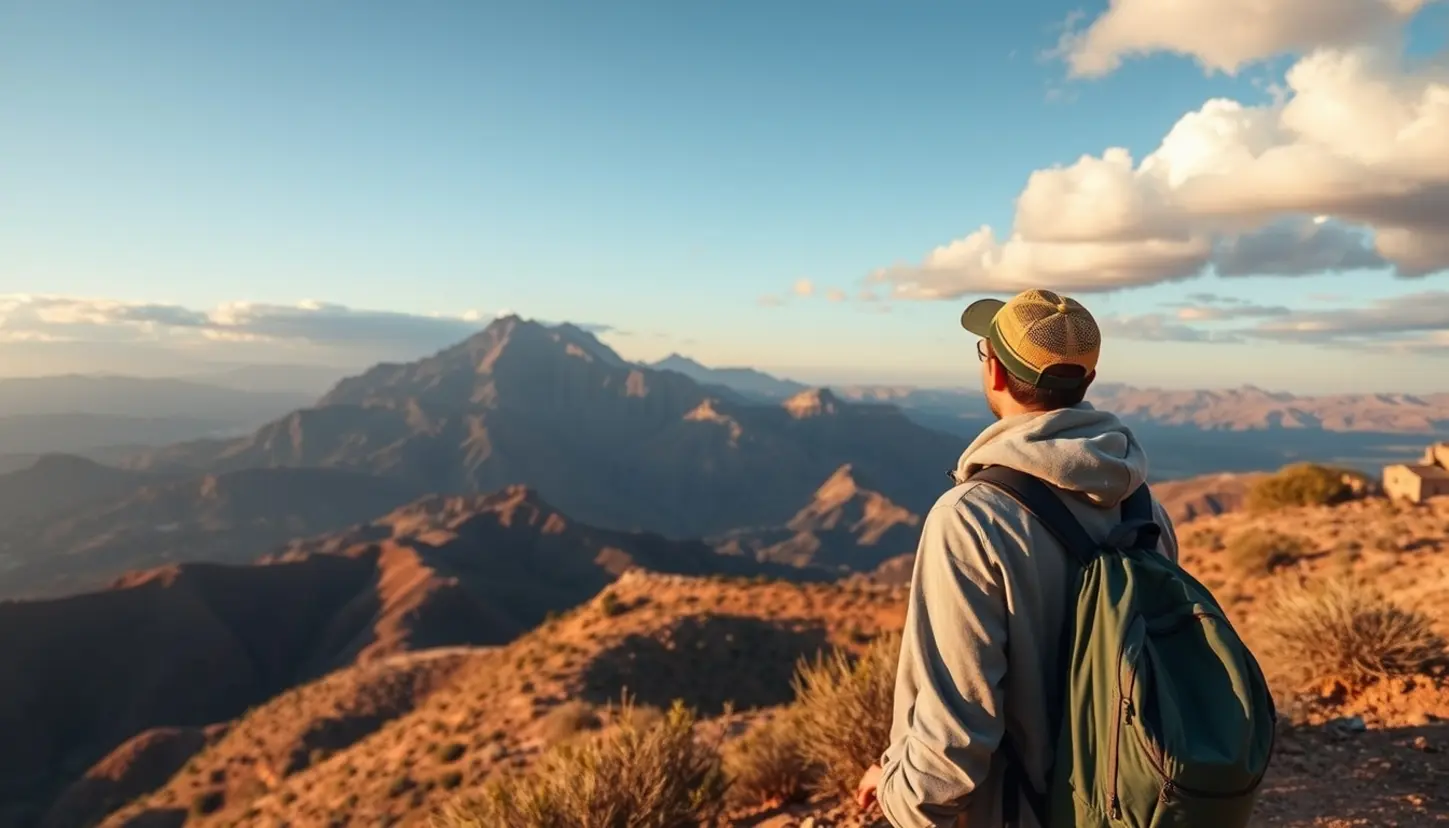
Stepping onto the Atlas Mountain hikes is to enter a world where ancient traditions meet breathtaking geology. For adventurers and culture seekers alike, the Atlas Mountains offer an unparalleled experience, with their vast network of Atlas Mountain trails winding through dramatic valleys, past terraced fields, and to the peaks that touch the sky. These trails aren’t just paths; they are lifelines connecting remote Berber villages, revealing a side of Morocco that feels untouched by time. If you’re dreaming of rugged beauty, challenging treks, and genuine encounters, delving into the best Atlas Mountain trails is your next essential step.
Navigating the High Atlas: A World Apart
The High Atlas range, stretching across Morocco, stands as a formidable barrier and a majestic playground for mountaineers and trekkers. Its colossal peaks, including Toubkal, North Africa’s highest, offer a diverse array of trails for every level of experience. From gentle village-to-village strolls to multi-day expeditions pushing physical limits, the High Atlas truly has something for everyone. What makes these trails so captivating isn’t just the physical challenge, but the immersion into a landscape carved by ancient rivers and nurtured by resilient Berber communities. Expect to witness traditional mud-brick houses clinging to hillsides, meet muleteers guiding their laden animals, and hear the calls to prayer echoing through serene valleys. It’s an adventure that engages all your senses, leaving an indelible mark on your memory.
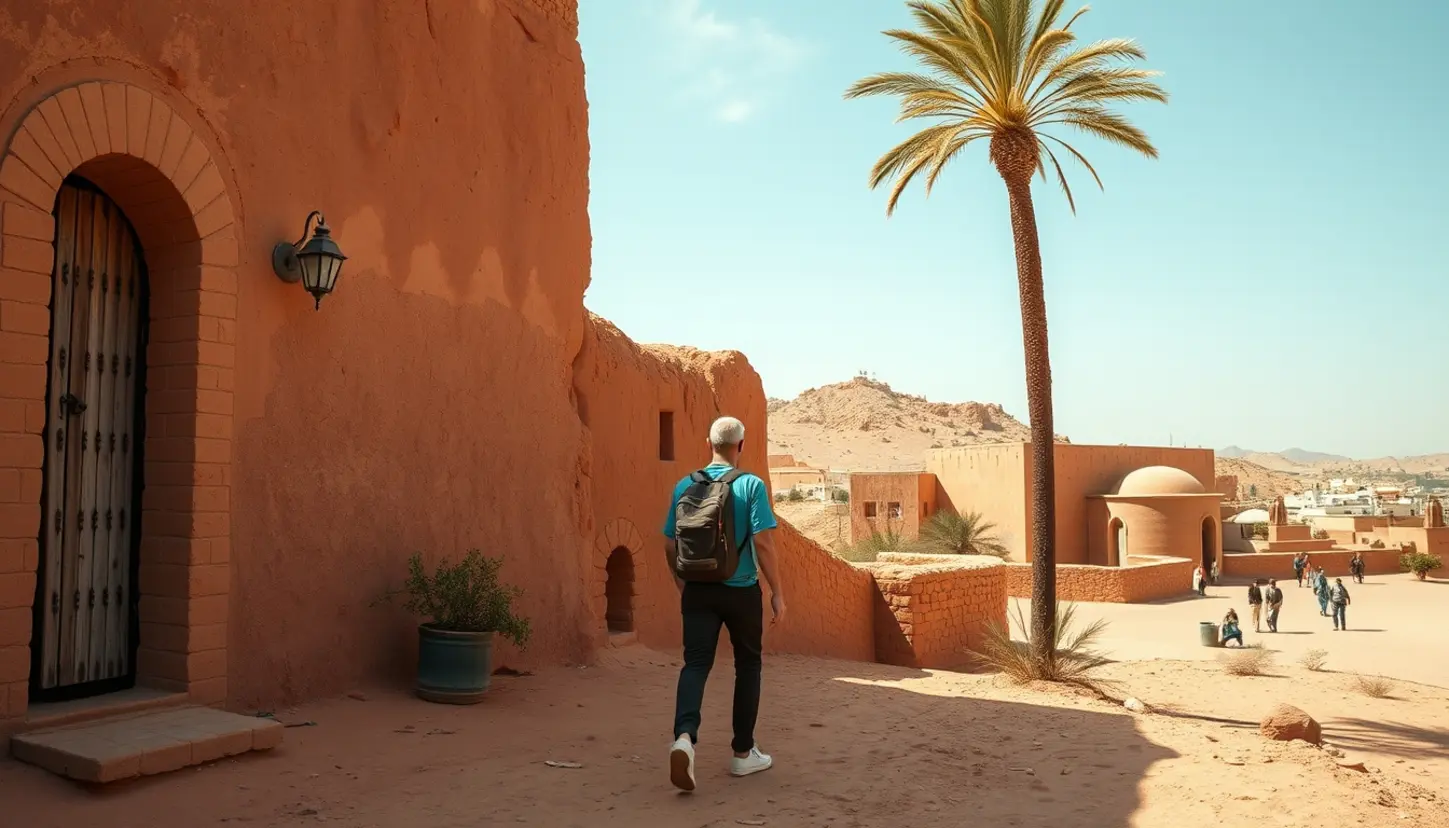
Iconic Treks: Toubkal and Imlil Valley
When one speaks of Atlas Mountain trails, the ascent of Jbel Toubkal invariably comes to mind. This isn’t merely a climb; it’s a pilgrimage for many, offering unparalleled views from the summit. The standard route typically starts from Imlil, a bustling hub and gateway village nestled in the Toubkal National Park. From Imlil, you trek to the Toubkal Refuge, usually spending a night there before an early morning summit push. While challenging, particularly the final ascent over scree and snow (depending on the season), the feeling of accomplishment and the panoramic vistas spanning hundreds of kilometers are profoundly rewarding.
However, the Imlil Valley itself offers a wealth of incredible trails that don’t involve summiting Toubkal. You can embark on circular routes linking picturesque villages like Aroumd, with its charming guesthouses, or follow paths that lead to waterfalls and verdant orchards. These lower-altitude treks provide a wonderful opportunity to experience the local Berber culture up close, stopping for mint tea in local homes or sharing a simple tajine with newfound friends. The accessibility from Marrakech, making it a popular choice for day trips or shorter overnight stays, adds to its appeal.
The Verdant Wonders of Ourika Valley Trails
Moving slightly east from Imlil, the Ourika Valley presents a different, yet equally enchanting, face of the Atlas Mountains. While it’s famously known for its easy accessibility from Marrakech and as a popular escape for locals, venturing beyond the initial tourist spots reveals a network of fantastic trekking routes. The Ourika Valley is characterized by its lush greenery, thanks to the Ourika River, which carves its way through the valley floor.
Here, the Atlas Mountain trails often lead to the renowned Setti Fatma waterfalls, a series of seven cascades. While the initial climb to the first few waterfalls can be busy, continuing further upstream on less-trodden paths offers a more tranquil experience, with opportunities for refreshing dips in natural pools. Beyond the waterfalls, trekkers can explore authentic Berber villages, witness traditional agricultural practices, and truly immerse themselves in a landscape that feels eternally fertile. These trails are generally less strenuous than those found in the High Atlas peaks, making them ideal for families or those seeking a gentler introduction to mountain trekking in Morocco. It’s a place where the air smells of mint and damp earth, and the sound of rushing water is a constant, soothing companion.
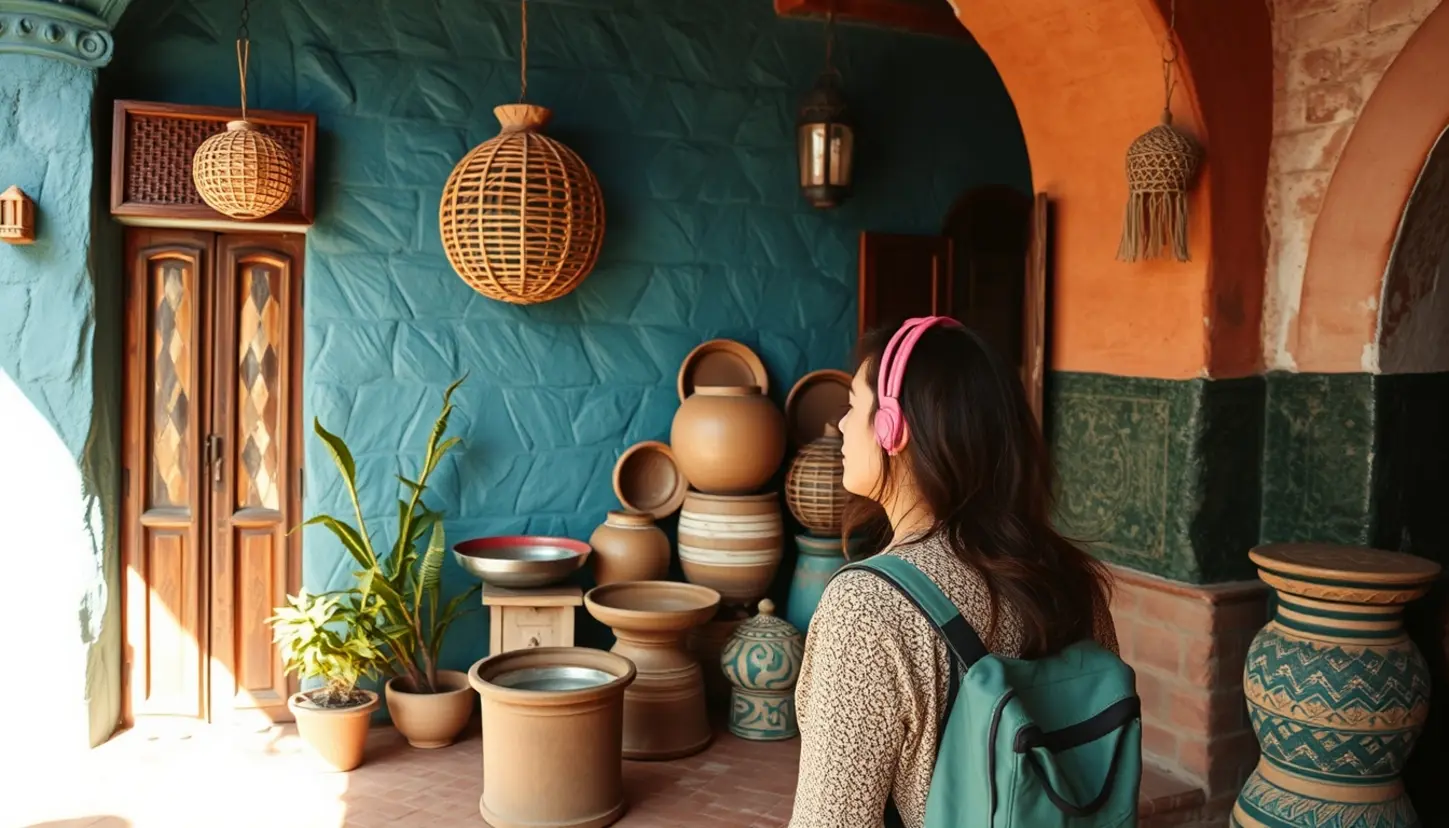
Crossing the Tizi n’Tichka Pass: Gateway to Southern Trails
The majestic Tizi n’Tichka Pass, a serpentine road winding through the Atlas Mountains, is not just a scenic drive; it’s a vital artery connecting Marrakech to the Ouarzazate region and the Sahara beyond. For trekkers, it represents a demarcation point and a gateway to a different kind of Atlas experience. South of the pass, the landscape transforms, becoming more arid and dramatic, with deep gorges and ochre-colored kasbahs dotting the terrain.
While the pass itself is primarily a transport route, the surrounding areas offer incredible opportunities for multi-day treks. Imagine following ancient caravan routes through valleys like the Fint Oasis near Ouarzazate, or exploring the Dades and Todra Gorges, where the trails hug sheer cliffs and lead to hidden communities. These southern Atlas Mountain trails often combine trekking with cultural exploration, as you encounter fortified villages and ancient ksours that stand as stoic reminders of a bygone era. The sun here is more intense, and the landscapes more raw and expansive, offering a truly immersive desert-fringe mountain experience.
The Ait Bougmez Valley: Happy Valley’s Peaceful Paths
For those seeking a less-trodden path and a profound cultural immersion, the Ait Bougmez Valley, often referred to as “Happy Valley,” is an absolute gem among the Atlas Mountain trails. Located further east in the central High Atlas, it requires a slightly longer journey to reach, but the reward is immense. This valley is famous for its lush green fields, traditional villages built from mud and stone, and a palpable sense of peace that lives up to its nickname.
The trekking here ranges from easy strolls between villages like Tabant, Timit, and Aguerd n’Ouzrou, to more challenging ascents of peaks like Jbel M’Goun, Morocco’s second-highest mountain. What sets Ait Bougmez apart is the authenticity of the experience. You’ll likely stay in guesthouses run by local Berber families, sharing meals and gaining insight into their traditional way of life. The trails here often lead past ancient dinosaur footprints, granaries clinging to cliffs, and vibrant weekly markets. It’s a place where time seems to slow down, allowing you to truly connect with the landscape and its people. For a deep dive into genuine Berber culture amidst stunning scenery, the trails of Ait Bougmez are unmatched.
Trekking Safely and Responsibly in the Mountains
Embarking on Atlas Mountain trails requires careful planning and a responsible approach. Firstly, never underestimate the mountain environment. Weather can change rapidly, and even in seasons traditionally considered stable, unexpected rain or snow can occur. Always carry appropriate gear, including layers for warmth, waterproofs, sturdy hiking boots, and sufficient water.
Hiring a local guide is highly recommended, especially for longer or more challenging treks. Not only do they provide essential safety and navigation expertise, but they also offer invaluable cultural insights, acting as interpreters and facilitators for genuine local interactions. Guides and muleteers are pillars of the mountain communities, and employing their services directly supports the local economy.
Respecting local customs and the pristine environment is paramount. Dress modestly, especially when passing through villages, and always ask for permission before taking photographs of people. Pack out everything you pack in, minimizing your environmental footprint. The Atlas Mountains are a fragile ecosystem and a cultural treasure, and it’s our collective responsibility to preserve them for future generations.
Best Seasons for Unforgettable Mountain Adventures
Choosing the right time of year is crucial for an optimal experience along the Atlas Mountain trails. Generally, the shoulder seasons – spring (April to May) and autumn (September to October) – are considered the best. During these months, the weather is typically mild and pleasant, with clear skies and comfortable trekking temperatures. Spring brings vibrant wildflowers, melting snow feeding rivers and transforming valleys into lush oases, while autumn offers cooler temperatures and beautiful golden hues across the landscape.
Summer (June to August) can be very hot, especially at lower altitudes and in valleys like Ourika and Todra. However, higher altitude treks like Toubkal are still popular, as temperatures are more manageable, though a very early start is essential to avoid the midday sun. Winter (November to March) transforms the Atlas into a snow-capped wonderland. While stunning, many trails become impassable without specialized equipment like crampons and ice axes, and the expertise of a qualified guide becomes absolutely essential. Winter trekking offers a unique solitude and a different kind of challenge, but it demands careful preparation and awareness of conditions.
Essential Gear for Your Atlas Trek
Preparing for your Atlas Mountain adventure goes beyond just picking a trail; it involves packing smart. Regardless of the season, layering is key due to the fluctuating mountain temperatures. Start with a moisture-wicking base layer, add a fleece or warm mid-layer, and finish with a waterproof and windproof outer shell. Sturdy, well-broken-in hiking boots are non-negotiable for ankle support and traction on varied terrain. Sun protection is vital: a wide-brimmed hat, sunglasses, and high-SPF sunscreen.
Other essentials include a comfortable backpack (30-40 liters for multi-day treks), a headlamp for early morning starts or refuge stays, a water bottle or hydration bladder, and water purification tablets if you plan to refill from natural sources. Don’t forget a first-aid kit with blister plasters, pain relievers, and any personal medications. Trekking poles are highly recommended for stability on uneven terrain and to reduce strain on your knees, especially on descents. Finally, a portable charger for your phone and camera (though signal can be sporadic) and a small amount of Moroccan Dirhams for snacks or souvenirs in villages are always useful.
Accommodations and Local Experiences
Your accommodation choices along the Atlas Mountain trails significantly shape your experience. In gateway towns like Imlil, you’ll find a range of guesthouses (gîtes d’étape) and smaller hotels. These often offer simple but comfortable rooms, traditional Moroccan meals, and the warmth of Berber hospitality. Further into the mountains, especially on multi-day treks, you’ll typically stay in mountain refuges (like the Toubkal Refuge) or in guesthouses within remote villages. These often provide shared dormitories or basic private rooms, offering essential shelter and hearty food.
Embracing the local experience means more than just a place to sleep. It’s about sharing mint tea with your hosts, trying homemade bread, and perhaps learning a few words of Tamazight (the Berber language). Many guesthouses can arrange cooking classes, allowing you to learn the secrets of Moroccan cuisine. Engaging with local guides and muleteers is also a core part of the experience. They are your window into the local culture, ready to share stories, point out local flora and fauna, and guide you safely through the breathtaking landscapes. These interactions are often the most memorable part of an Atlas Mountains trip.
Customizing Your Trek: From Day Hikes to Epic Journeys
The beauty of the Atlas Mountain trails lies in their adaptability to different levels of fitness, time constraints, and interests. If you’re based in Marrakech and have limited time, a day trip to the Ourika Valley or Imlil offers a fantastic taste of mountain life. These can involve short, guided walks to waterfalls or through villages, providing a refreshing escape from the city bustle.
For those with more time and a desire for a deeper immersion, a two or three-day trek around Imlil, exploring different valleys, is highly recommended. This allows for overnight stays in guesthouses, more varied scenery, and a greater sense of adventure. More experienced trekkers or those seeking a significant challenge can embark on multi-day expeditions, such as the Toubkal ascent, circuits through the Ait Bougmez Valley, or even longer traverses that connect different regions and passes. Working with local agencies or guides allows you to customize your itinerary, ensuring it perfectly matches your physical abilities and trekking aspirations.
Conclusion
The Atlas Mountains are more than just a magnificent geological feature; they are the heartland of Berber culture and a living testament to Morocco’s wild beauty. Exploring the Atlas Mountain trails offers an unparalleled journey of discovery, connecting you not only with stunning natural landscapes but also with ancient traditions and resilient communities. Whether you seek the challenge of a high-altitude climb or the tranquility of a village stroll, these mountains promise an adventure that will stay with you long after you’ve descended their peaks.
FAQs
What is the best time of year to trek the Atlas Mountain trails?
The best time for trekking is during the shoulder seasons: spring (April to May) and autumn (September to October). These months offer mild weather, clear skies, and comfortable temperatures for hiking.
Do I need a guide for trekking in the Atlas Mountains?
While some shorter, well-marked trails can be done independently, it is highly recommended to hire a local guide, especially for multi-day treks or higher altitude routes. Guides provide essential navigation, safety, and cultural insights, and support the local economy.
Are there trails suitable for beginners or families?
Yes, absolutely. Areas like the lower Ourika Valley offer gentle paths suitable for beginners and families. In Imlil, there are also various village-to-village walks that are less strenuous than the Toubkal ascent, providing beautiful scenery without extreme difficulty.
What kind of accommodation can I expect on the trails?
Accommodation ranges from guesthouses (gîtes d’étape) in larger villages like Imlil to basic mountain refuges and family-run guesthouses in more remote areas. These typically offer simple, clean rooms, traditional meals, and a warm, authentic Berber welcome.





 Covers cities, coast, mountains, desert & food