Booking marrakech tours opens up a world beyond the typical tourist trail, connecting you with the soul of Morocco’s most vibrant city. While many visitors stick to the main square and souks, the real magic happens when you venture deeper into hidden neighborhoods, explore desert landscapes just beyond the city walls, and share mint tea with locals who’ve called these ancient streets home for generations. The right tour transforms Marrakech from a crowded tourist destination into an immersive cultural experience.
Why Local-Guided Tours Beat Solo Wandering in Marrakech
Marrakech rewards curiosity, but its labyrinthine medina can overwhelm even seasoned travelers. A knowledgeable local guide doesn’t just prevent you from getting lost—they unlock doors most visitors never see. I’ve watched guides negotiate entry into family-run artisan workshops where fourth-generation craftsmen still hand-carve cedar using medieval techniques. They know which rooftop cafés offer the best tagine away from tourist markup, and which times to visit popular sites when crowds thin.
The language barrier creates another compelling reason for guided experiences. While major hotels speak English, connecting authentically with shopkeepers, hammam attendants, or mountain village families requires someone who bridges cultural gaps. Guides provide context that transforms a beautiful building into a story—explaining how Saadian architecture evolved, why certain neighborhoods developed around specific trades, or what daily life looked like centuries ago.
Tours also handle logistics that consume hours of solo travel. Transportation to the Atlas Mountains, desert access, timing for light at photography spots, and navigating festival schedules all become seamless. You’re not deciphering bus routes or haggling with taxi drivers—you’re experiencing Morocco.
Desert Adventures and Atlas Mountain Escapes
The landscapes surrounding Marrakech rival the city’s medina in beauty, and day tours make them accessible without complex planning. The Agafay Desert sits just 40 minutes from the city center, offering a rocky moonscape dramatically different from the Sahara. Unlike the distant erg dunes that require overnight travel, Agafay delivers sunset camel rides, quad biking across stone plateaus, and luxury desert camps perfect for evening excursions. Tours here typically include traditional Berber dinners under canvas tents, with live music echoing across the silent desert.
The Atlas Mountains present another world entirely. The Ourika Valley tour brings you to terraced Berber villages clinging to mountainsides, where women still bake bread in communal clay ovens and donkeys haul goods up steep paths without roads. Waterfalls cascade through rocky gorges, particularly stunning after spring snowmelt. February through May offers green hillsides dotted with wildflowers, while summer brings clear skies perfect for hiking.
More adventurous tours tackle Toubkal, North Africa’s highest peak at 4,167 meters. Even non-summit options explore valleys where shepherds move with seasonal grazing patterns unchanged for centuries. These marrakech tours typically include village homestays, mint tea ceremonies, and the chance to witness rural Moroccan life that operates on completely different rhythms than urban Marrakech.
Cultural Immersion Through Cooking and Craft Workshops
Food tours cut through Marrakech’s culinary scene with insider access most travelers miss. Rather than just eating at restaurants, these experiences take you to dawn markets where chefs select ingredients, explaining seasonal produce, spice combinations, and regional variations in Moroccan cuisine. You’ll learn why preserved lemons transform tagines, how to identify quality saffron, and the difference between tourist couscous and the real thing Moroccan families serve on Fridays.
Cooking workshops held in traditional riads teach recipes passed through generations. I’ve watched travelers who “can’t cook” successfully prepare complex b’stilla—the sweet-savory pastry layered with pigeon or chicken, almonds, and cinnamon—under guidance from Moroccan home cooks. These sessions feel less like cooking classes and more like visiting a friend’s kitchen, complete with family stories and laughter over rolled dough.
Craft workshops offer equally authentic connections. In metalworking quarters near Bab Debbagh, artisans demonstrate techniques for creating intricate lanterns, explaining geometry principles Islamic craftsmen perfected. Carpet-weaving cooperatives in the medina show how symbols woven into Berber rugs communicate specific tribal stories. Pottery studios let you shape clay on manual wheels, experiencing the arm-numbing work behind each piece. These aren’t staged tourist shows—they’re real workshops where craftspeople earn livelihoods, and your participation directly supports traditional industries threatened by cheap imports.
Hidden Medina Quarters Most Tour Groups Skip
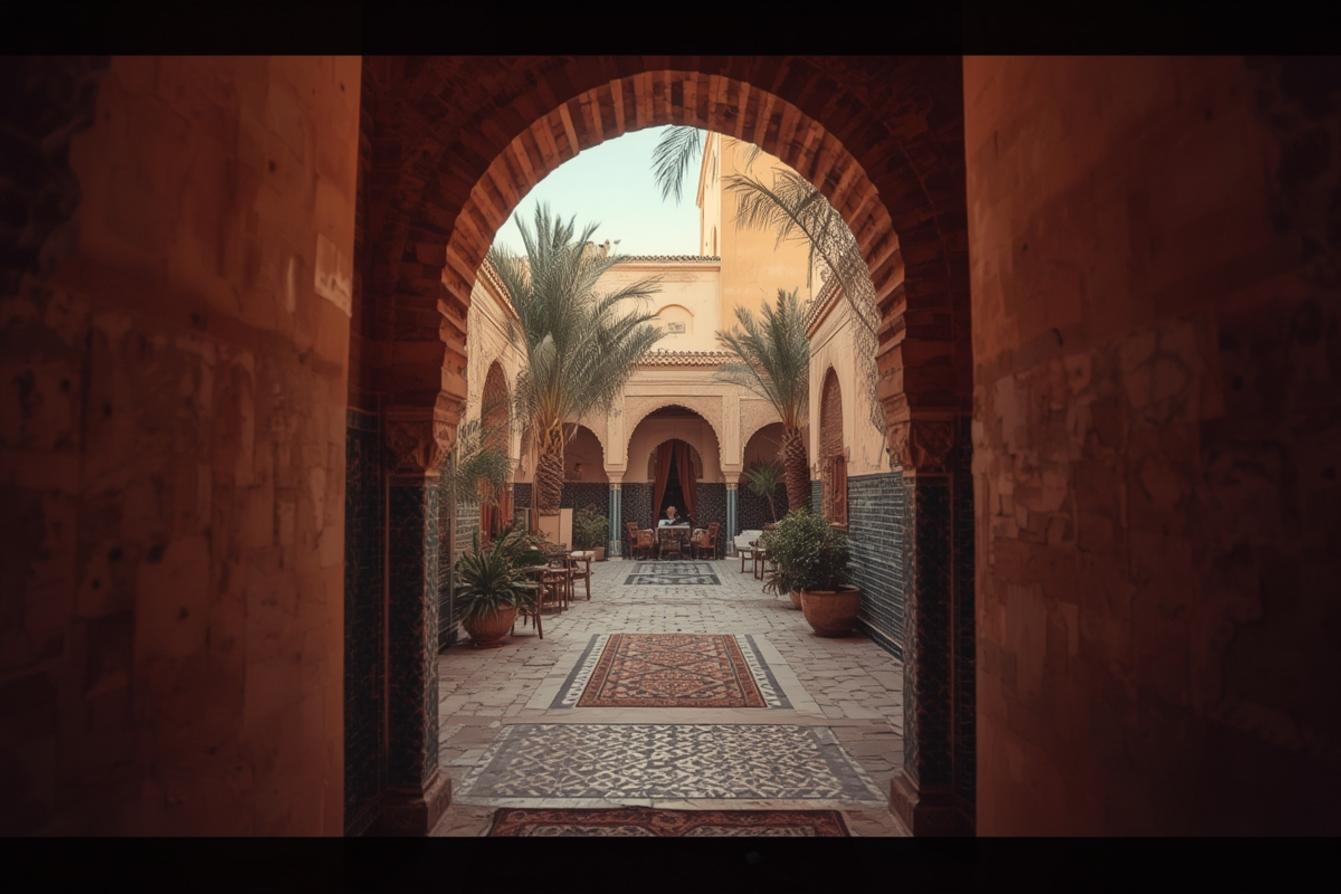
Beyond Jemaa el-Fnaa’s famous chaos, entire medina neighborhoods operate almost invisible to tourism. The Mellah, Marrakech’s historic Jewish quarter, features distinctive architecture with wooden balconies and hidden synagogues still maintained by a small remaining community. Walking these quieter streets reveals a different architectural language—narrower passages, different door styles, and synagogues converted to community spaces after most Jewish families emigrated in the mid-20th century.
The tanneries at Bab Debbagh offer visceral insight into leather production unchanged since medieval times. Tours navigate around dye pits where workers stand waist-deep in natural pigments, treating hides in urine and pigeon droppings before dying them vibrant yellows, reds, and browns. The smell is intense, but witnessing this ancient process explains why Moroccan leather goods command premium prices—every piece represents days of skilled manual labor.
Zaouia Sidi Ben Slimane el-Jazouli, a zawiya (religious complex) in the northern medina, welcomes respectful visitors to its peaceful courtyards where locals come for prayer and reflection. Few tour groups venture here, making it a genuine community space rather than tourist attraction. The zellige tilework and carved plaster demonstrate Marrakech craftsmanship at its finest, without crowds or entry fees.
Choosing Tours That Match Your Travel Style
Tour selection determines your entire Marrakech experience, so alignment with personal preferences matters enormously. Small group tours typically cap at 8-12 people, creating space for questions and flexibility while maintaining reasonable per-person costs. These work beautifully for solo travelers seeking company and couples wanting structure without private tour expenses. Private tours cost more but accommodate specific interests—spending extra time photographing architecture, adjusting pace for mobility limitations, or diving deeper into particular historical periods.
Multi-day tours extending to Essaouira, Ouzoud Waterfalls, or even Saharan Merzouga transform Marrakech into a launching point for broader Moroccan exploration. These typically include transportation, accommodation, and meals, simplifying logistics considerably. The trade-off involves less depth in Marrakech itself, better suited for travelers prioritizing diverse landscapes over urban immersion.
Activity-focused tours appeal to specific interests: photography tours timing visits for optimal light, street food tours hitting eight stops across five neighborhoods, or architecture tours examining Islamic design principles. Checking whether these morocco excursions match your genuine interests versus booking “everything” prevents tour fatigue and disappointing experiences.
Reading recent reviews reveals current conditions—whether meeting points have changed, if guides still work with the company, and how operators handled unforeseen circumstances. Direct booking through company websites often beats third-party platforms for pricing and allows pre-trip communication about dietary requirements, accessibility needs, or specific interests you hope the guide can address.
Seasonal Considerations for Optimal Tour Experiences
Marrakech’s climate dramatically affects which tours shine in different seasons. Summer heat from June through August makes midday desert tours genuinely uncomfortable, with temperatures regularly exceeding 40°C (104°F). Early morning mountain excursions work better during these months, as do evening experiences beginning after 5 PM when temperatures drop. Many desert camps shift to serving dinner later, allowing sunset arrivals without enduring afternoon heat.
Spring (March-May) and autumn (September-November) deliver ideal touring conditions—warm days, cool nights, and comfortable temperatures for walking medina quarters or hiking mountain trails. Spring adds blooming almond trees in the Atlas and green valleys rarely seen by summer visitors. These shoulder seasons also mean smaller tour groups and better guide availability.
Winter brings surprises many travelers don’t expect. While Marrakech itself stays mild, mountain tours encounter snow, making some valleys inaccessible but transforming others into winter wonderlands. Toubkal summit attempts require proper gear and experience from December through March. However, city tours thrive in winter’s comfortable temperatures, and you’ll face fewer crowds at popular sites.
Religious holidays, particularly Ramadan, reshape tour possibilities. Many restaurants close during daylight hours, cooking classes shift to evening formats, and some activities pause entirely. However, pre-dawn markets buzz with special energy, and breaking fast (iftar) becomes a cultural experience. Tour operators adapt schedules, and travelers open to modified experiences often report deeper cultural insights during Ramadan visits.
Budgeting for Tours Without Sacrificing Quality
Tour pricing in Marrakech spans enormous ranges, from 200 MAD group walking tours to 10,000+ MAD private luxury experiences. Understanding what drives costs helps you invest wisely. Transportation represents the largest variable—desert tours requiring 4×4 vehicles and mountain excursions with passenger vans cost more than walking tours regardless of other factors. Meal inclusions, particularly elaborate traditional dinners, add significantly to pricing.
Group tours cut costs through shared transportation and guide fees, making desert excursions, mountain trips, and full-day experiences accessible to budget travelers. These typically range 400-800 MAD per person depending on distance and inclusions. Private guides for medina walking tours start around 500 MAD for 3-4 hours, climbing to 1,500+ MAD for specialized experts in architecture, history, or specific crafts.
Multi-day packages bundling accommodation, meals, and guides across several destinations offer better per-day value than booking components separately. A three-day Atlas Mountains and desert tour might cost 2,500 MAD per person—substantial, but covering transport, two nights’ accommodation, most meals, and continuous guidance.
Free walking tours operate on tipping models, typically expecting 50-100 MAD per person. These work for budget travelers but usually stick to main tourist areas without the depth or access paid tours provide. Booking directly with tour companies rather than through hotel concierges eliminates commission markups, sometimes saving 20-30% on identical experiences.
Conclusion
Exploring Marrakech through well-chosen tours transforms surface-level sightseeing into meaningful cultural exchange. Whether you’re watching sunrise over Atlas peaks, learning family tagine recipes in a centuries-old riad, or navigating medina quarters where craftspeople maintain medieval traditions, guided experiences provide context and access impossible to replicate independently. The diversity of marrakech tours means travelers on any budget and timeline can discover layers of this complex city that casual visitors miss entirely, creating memories that transcend typical tourist snapshots.
FAQs
How far in advance should I book Marrakech tours?
Popular tours, especially during peak seasons (March-May and September-November), benefit from 2-3 week advance booking to secure preferred dates and guides. Private tours require more notice, particularly for specialized guides in photography, architecture, or culinary experiences. However, many general group tours accept bookings 2-3 days ahead, and some operators offer same-day availability for morning experiences. Desert and mountain tours involving accommodation should be booked at least one week ahead, while multi-day excursions to Sahara destinations need two weeks minimum during high season.
Are Marrakech tours suitable for families with young children?
Many tours adapt wonderfully for families, though age appropriateness varies significantly. Cooking classes, pottery workshops, and shorter medina walks engage children aged 6 and up with hands-on activities. Desert camps with camel rides captivate kids of all ages, though very young children may need to skip camel riding. Mountain tours work for families with children 8+ who can handle moderate walking, though some companies offer vehicle-based valley tours requiring minimal hiking. Tour operators generally accommodate children when notified in advance, providing adjusted pacing, child-friendly meal options, and activities maintaining young attention spans better than adult-focused historical tours.
What should I wear on different types of Marrakech tours?
Medina walking tours require comfortable closed-toe shoes for uneven cobblestones and modest clothing respecting local customs—shoulders covered, pants or skirts below the knee. Desert tours need sun protection including hats and light layers, as temperatures swing dramatically between day and night. Comfortable pants work better than shorts or skirts for camel riding. Mountain excursions require proper hiking shoes, layered clothing for elevation changes, and sun protection. Cooking classes benefit from closed-toe shoes and comfortable clothes you don’t mind getting flour-dusted. Most tour operators send specific recommendations when you book, addressing seasonal variations and particular activity requirements.
Can tours accommodate dietary restrictions and food allergies?
Reputable tour operators handle dietary requirements professionally when notified during booking. Vegetarian, vegan, and gluten-free options exist in Moroccan cuisine—vegetable tagines, lentil dishes, and rice-based meals substitute for couscous. Cooking classes adapt recipes for dietary restrictions while maintaining authentic flavors, and guides on food tours communicate allergies to vendors in Arabic or French. However, cross-contamination in traditional kitchens and limited ingredient labeling make severe allergies more challenging. Private tours offer greater control over food situations than large group experiences, and bringing translation cards explaining allergies in Arabic provides additional safety assurance when guides aren’t present.




 Covers cities, coast, mountains, desert & food