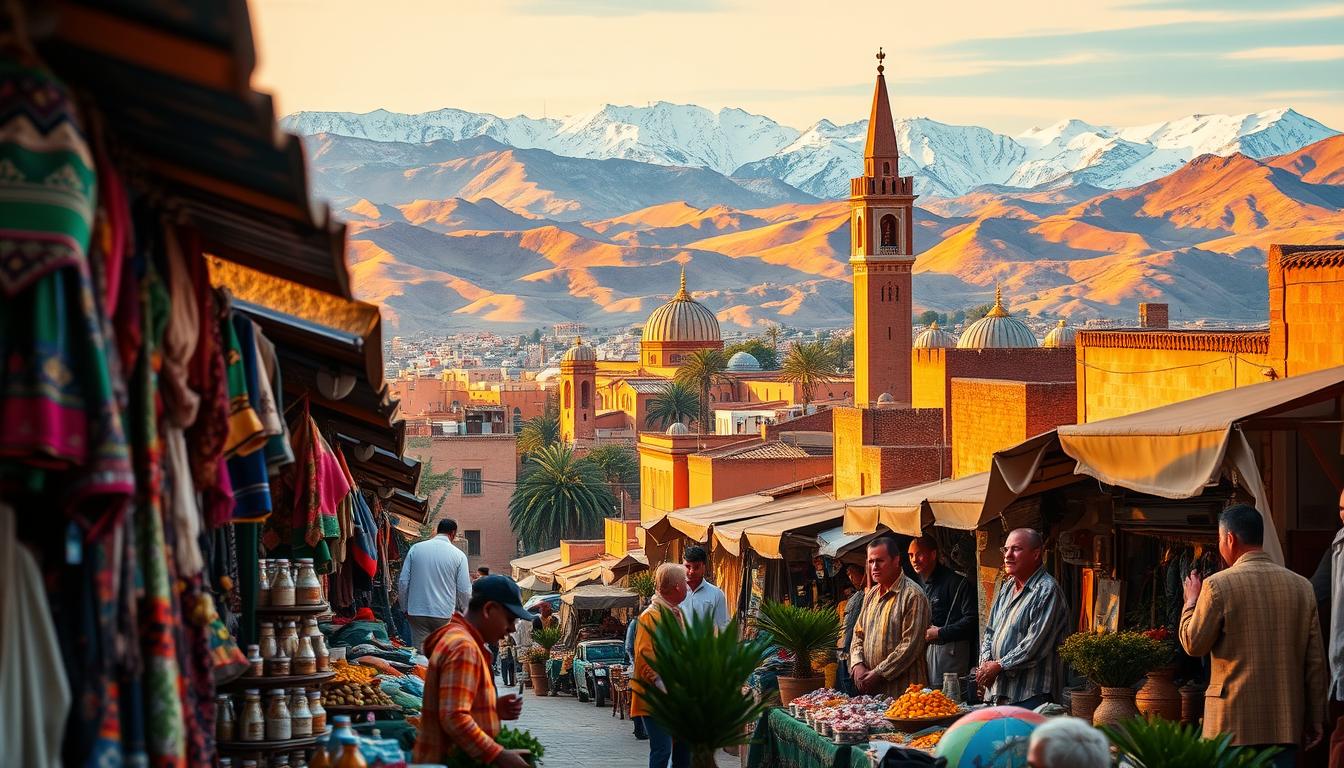
Planning a trip Morocco is exciting, but timing is crucial. Morocco’s climate changes a lot. This means the best time to go depends on what you like to do.
Do you want to see busy cities, relax on beautiful beaches, or explore the Atlas Mountains? Knowing Morocco’s climate helps you enjoy your trip more.
Key Takeaways
- Morocco’s climate varies greatly depending on the region.
- The best time to travel Morocco depends on your preferences.
- Research the activities you want to do to determine the best time.
- Morocco’s diverse landscapes offer something for every traveler.
- Understanding the local climate will enhance your travel experience.
Morocco’s Climate Overview
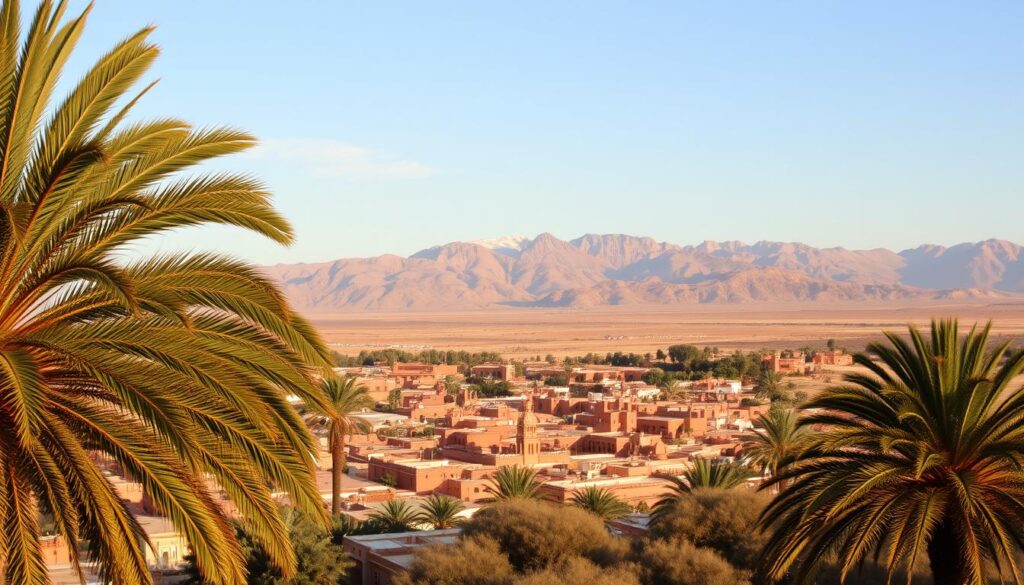
To understand Morocco’s climate, we must look at its geography. The country’s varied landscapes, from the Rif Mountains to the Sahara Desert, greatly affect its weather.
Geographic Diversity and Its Impact on Weather
Morocco’s geography includes mountains, deserts, and coastal areas. The Rif Mountains in the north are cool and misty. On the other hand, the Sahara Desert in the south is very hot.
This variety leads to different climates across the country. The Atlas Mountains block weather, making the Sahara dry.
General Climate Patterns Throughout the Year
Morocco has four main seasons. Spring (March to May) and autumn (September to November) are mild and nice for travel. Summer (June to August) is hot, especially in the desert. Winters (December to February) can be cool to cold, especially in the mountains.
Knowing these climate patterns helps travelers plan their trips better.
When to Visit Morocco: A Seasonal Guide
Morocco welcomes travelers all year. But, visiting at the right time can enhance your trip. Knowing the peak and off-peak seasons helps plan your trip. You can choose between vibrant cultural events or a calm atmosphere.
Peak vs. Off-Peak Seasons
The peak season in Morocco is spring (March to May) and fall (September to November). The weather is mild and pleasant. It’s perfect for exploring cities like Marrakech and Fez, enjoying beaches, and trekking in the Atlas Mountains.
Off-peak seasons, like hot summers or cool winters, offer benefits. Prices are lower, and there are fewer tourists. This makes for a budget-friendly and peaceful trip.
| Season | Weather | Tourist Crowds | Activities |
|---|---|---|---|
| Spring (Mar-May) | Mild, pleasant | Moderate | City exploration, beach activities, trekking |
| Summer (Jun-Aug) | Hot | High | Beach activities, desert excursions |
| Fall (Sep-Nov) | Mild, pleasant | Moderate | City exploration, cultural festivals |
| Winter (Dec-Feb) | Cool to cold | Low | Skiing, exploring cities |
Factors to Consider When Planning Your Trip
Planning your Morocco trip involves more than just the weather. Cultural events, tourist seasons, and Ramadan can greatly affect your experience. Visiting during festivals can be enriching, but Ramadan requires respect for local customs.
Peak tourist seasons offer lively atmospheres but also mean more crowds and higher prices. Consider these factors when planning your trip.
Spring in Morocco (March-May)
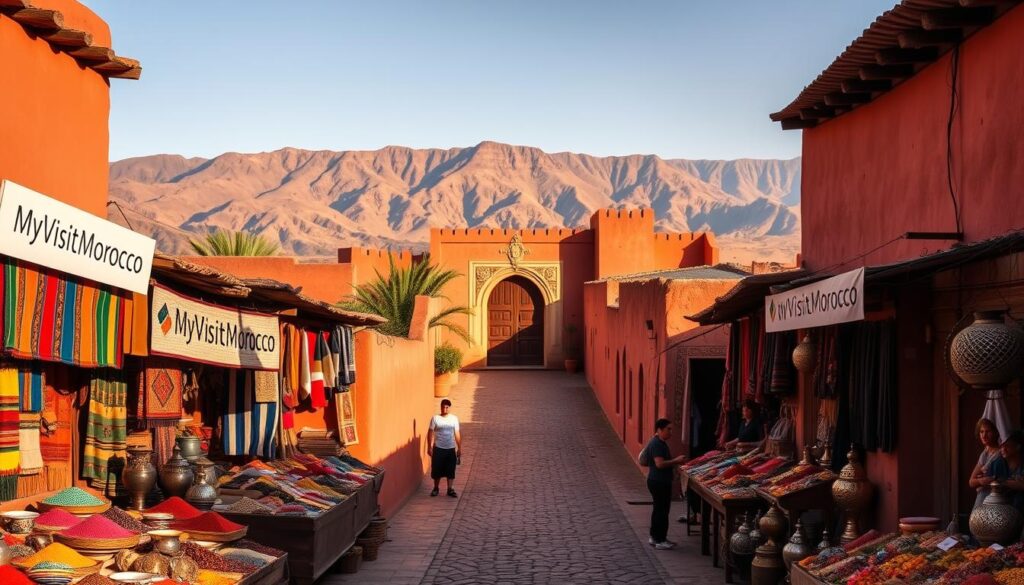
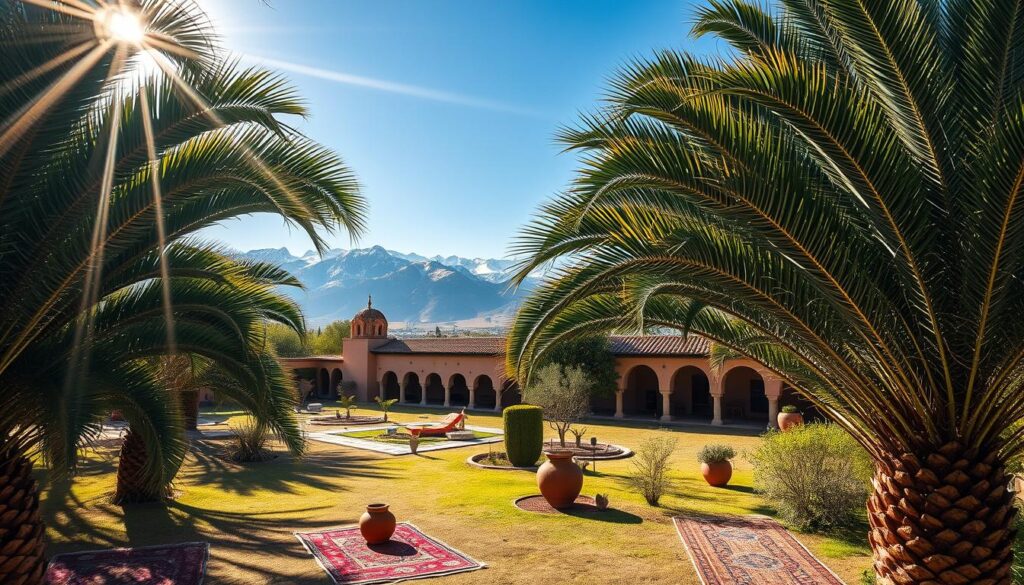
Spring in Morocco brings mild weather and lively cultural events. The country’s landscapes and culture are perfect to explore during this time.
Weather Conditions and Temperatures
Spring in Morocco has pleasant weather, with temperatures between 15°C and 25°C. This mild climate is great for outdoor activities like hiking or walking in Marrakech.
Popular Destinations During Spring
Spring is a great time to see Morocco’s top spots. Cities like Marrakech and Fez are lively, with easy-to-navigate historic sites. The Atlas Mountains offer beautiful trails and views.
Spring Festivals and Events
Morocco hosts many festivals in spring, celebrating its culture. The Marrakech Popular Arts Festival is a highlight, with traditional music and crafts. The Eid al-Fitr celebrations also happen in spring, marking Ramadan’s end.
| Destination | Average Temperature (°C) | Notable Events |
|---|---|---|
| Marrakech | 20-25 | Marrakech Popular Arts Festival |
| Fez | 18-22 | Fes Festival of World Sacred Music |
| Atlas Mountains | 15-20 | Hiking and trekking events |
Summer in Morocco (June-August)
Summer in Morocco is a mix of hot desert heat and lively cultural scenes. It’s key to know the weather varies by region when planning your trip.
Heat Patterns Across Different Regions
In summer, Morocco’s desert areas get very hot. Temperatures in the Sahara Desert can soar above 45°C (113°F). It’s important to pack right and drink lots of water. The mountains, like the Atlas, are cooler, with temperatures between 20-25°C (68-77°F).
Coastal Areas vs. Inland Destinations
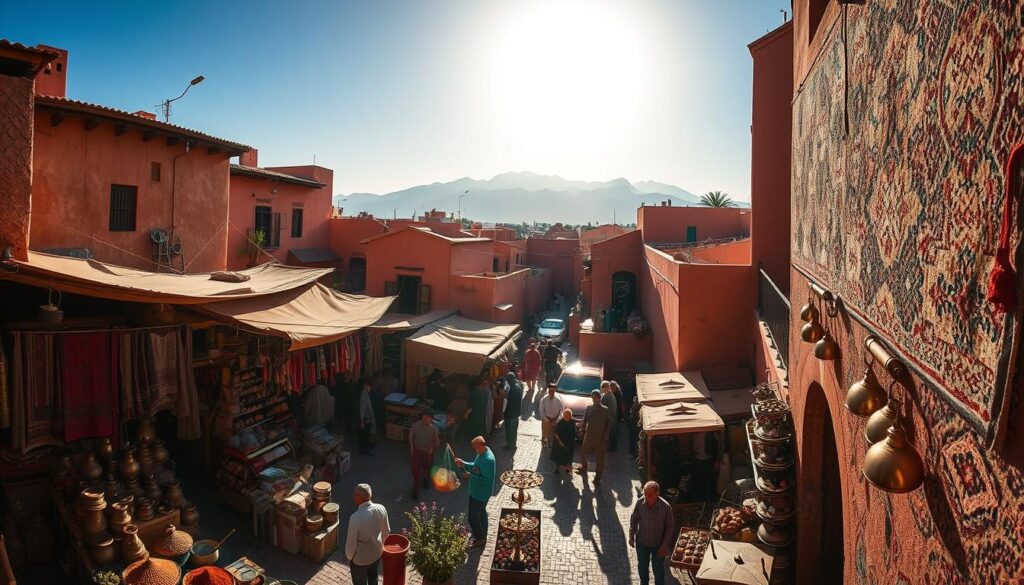
The coast, like Casablanca and Essaouira, has a milder summer, with temperatures around 25°C (77°F). These spots are perfect for avoiding the inland heat. In contrast, cities like Marrakech and Fez are hotter, with temperatures often over 35°C (95°F).
Summer Cultural Events
Summer is a great time to dive into Morocco’s culture. The country has many cultural events and festivals, like the Essaouira Gnawa Music Festival in June. This festival celebrates Gnawa culture with traditional and modern music.
Other summer events include:
- The Marrakech Popular Arts Festival, showcasing local artisans and performers.
- The Fez Festival of World Sacred Music, featuring a diverse range of musical performances.
These events are a chance to dive deep into Moroccan culture and enjoy the lively atmosphere.
Fall in Morocco (September-November)
Autumn in Morocco brings mild temperatures and lots of cultural events. The summer heat fades, making the country a cozy place to visit. It’s perfect for outdoor fun and exploring.
Weather Transitions and Temperature Ranges
Fall in Morocco means cooler weather after summer. Temperatures are in the mid-70s to mid-80s Fahrenheit (23-30°C). This makes it great for seeing sights and enjoying the outdoors. The sun shines a lot, and it rains less, especially in the south.
Best Fall Activities and Destinations
Fall is a great time to see Morocco’s varied landscapes and culture. You can hike in the Atlas Mountains or explore Marrakech’s souks. Coastal towns like Essaouira are also wonderful, with their history and beauty.
Harvest Festivals and Celebrations
Morocco celebrates harvest festivals in the fall, showing off its farming traditions. The Apple Festival in Imilchil and the Date Festival in Errachidia are big events. They let you dive into Moroccan culture and taste local foods.
Winter in Morocco (December-February)
Morocco in winter is a hidden gem. It offers snow-capped mountains and warm cultural experiences. The country becomes serene, with cooler temperatures and a festive atmosphere during winter (December to February).
Temperature Variations Across Regions
Winter temperatures in Morocco change a lot by region. In the Atlas Mountains, it can get very cold, perfect for winter sports. Coastal cities like Casablanca and Rabat have milder winters, with temperatures between 45°F to 65°F (7°C to 18°C).
In contrast, the desert regions stay cool, with highs around 60°F (15°C).
| Region | Average High Temperature | Average Low Temperature |
|---|---|---|
| Atlas Mountains | 40°F (4°C) | 25°F (-4°C) |
| Coastal Cities | 58°F (14°C) | 45°F (7°C) |
| Desert Regions | 60°F (15°C) | 40°F (4°C) |
Winter Sports in the Atlas Mountains
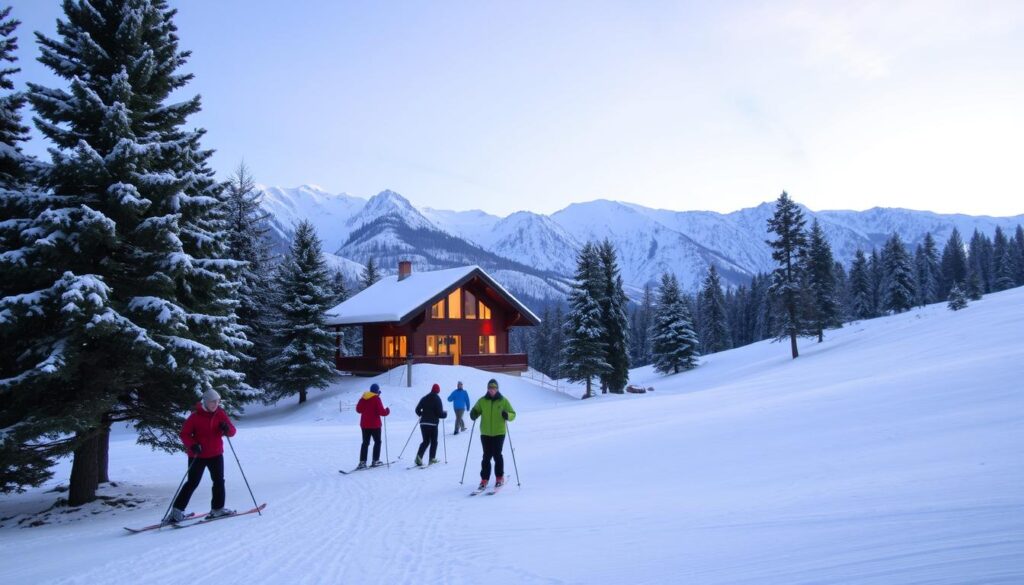
The Atlas Mountains are perfect for winter sports. You can ski and snowboard in resorts like Oukaïmeden. The snow-covered peaks offer a stunning backdrop for your adventure.
Winter Holidays and Traditions
Winter is a great time to see Morocco’s rich culture. The New Year (Rass el-Am) is celebrated with family and traditional foods. You can also see the vibrant Mawlid al-Nabi celebrations, honoring the Prophet Muhammad’s birth.
Exploring Morocco in winter is ideal. The cooler temperatures and festive atmosphere make it perfect for enjoying the country’s beauty.
Regional Climate Guide: Northern Morocco
Northern Morocco is a place of rich culture and varied landscapes. Knowing the local climate is key to enjoying your trip.
Tangier, Tetouan, and the Mediterranean Coast
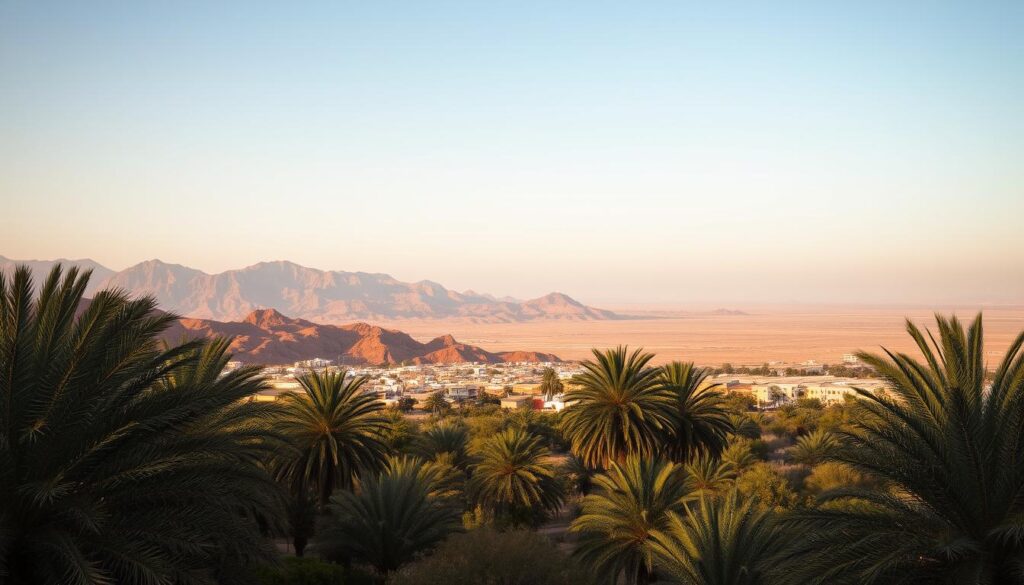
Tangier and Tetouan sit by the Mediterranean coast. Their climate is mild, thanks to their coastal location. Winters are cool and wet, while summers are warm and dry.
The Mediterranean coast here is lovely in spring and autumn. These seasons are perfect for exploring and outdoor fun.
Best Times to Visit Northern Cities
The best times to see Tangier, Tetouan, and other northern cities are spring (March to May) and autumn (September to November). These seasons have nice weather and fewer people. You can enjoy the history, culture, and nature without the crowds.
| Season | Weather | Activities |
|---|---|---|
| Spring (March-May) | Mild temperatures, occasional rain | Explore historical sites, enjoy cultural festivals |
| Autumn (September-November) | Warm days, cool nights | Visit local markets, enjoy outdoor activities |
Regional Climate Guide: Central Morocco
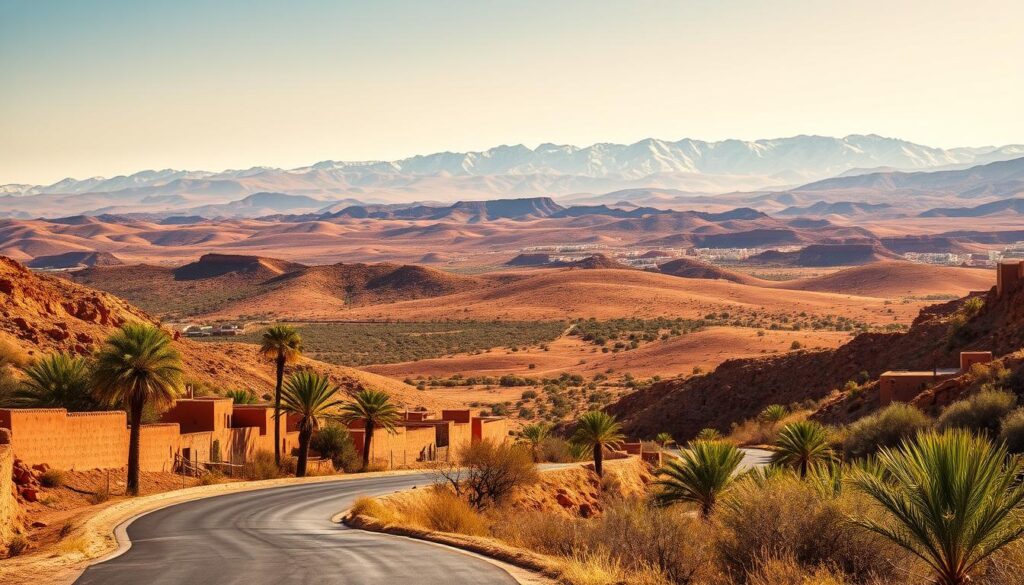
Central Morocco is a place where tradition meets natural beauty. It’s home to historic cities like Fez and Meknes. The Middle Atlas Mountains add to its charm.
Fez, Meknes, and the Middle Atlas
Fez is famous for its ancient medina, and Meknes for its Roman history. The Middle Atlas Mountains have a cooler summer. This makes them perfect for hiking and exploring.
The region’s varied geography leads to different climates. You’ll find hot summers and mild winters here.
Ideal Seasons for Central Morocco Exploration
The best times to visit Central Morocco are spring (March to May) and autumn (September to November). These seasons have nice weather. It’s great for seeing the cities and enjoying the outdoors in the Middle Atlas.
Spring is when wildflowers bloom, and autumn is cooler with fewer tourists. These times let you fully enjoy Central Morocco’s culture and nature.
Regional Climate Guide: Coastal Morocco
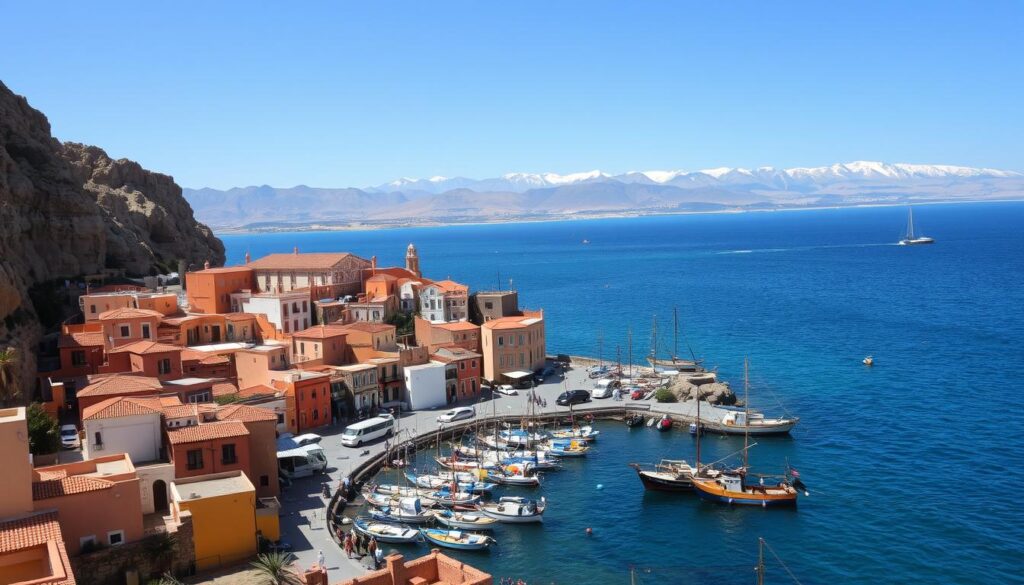
Coastal Morocco is a place where old meets new. Cities like Casablanca and Rabat mix tradition with modern life. The Atlantic coast is perfect for those who love city buzz and beach calm.
Casablanca, Rabat, and the Atlantic Coast
Casablanca and Rabat are top spots on the Atlantic coast. Casablanca is Morocco’s economic heart, with its modern buildings, lively nights, and the huge Hassan II Mosque. Rabat, the capital, has a deep history, with sights like the Kasbah of the Udayas and the Royal Palace. The coast is cooler than inland areas, making it great in summer.
When to Enjoy Morocco’s Beaches
The best beach times are spring (March to May) and autumn (September to November). The weather is nice, and there are fewer people than in summer. Here’s what the weather is like during these times:
| Season | Weather | Temperature Range |
|---|---|---|
| Spring (Mar-May) | Mild, sunny | 15°C – 22°C (59°F – 72°F) |
| Autumn (Sep-Nov) | Pleasant, gentle breeze | 18°C – 25°C (64°F – 77°F) |
As one traveler said,
“The Atlantic coast of Morocco is a hidden gem, offering a mix of relaxation and cultural experiences that are hard to find elsewhere.”
Regional Climate Guide: Southern Morocco
Planning a trip to southern Morocco? Knowing the climate is key for a great trip. This area includes Marrakech, Ouarzazate, and the Sahara Desert.
Marrakech, Ouarzazate, and the Desert Gateway
Marrakech is famous for its markets and culture. It has hot summers and mild winters. Ouarzazate, called the “Gateway to the Desert,” is drier and has a similar climate.
The best times to visit are spring (March to May) and autumn (September to November). These seasons offer comfortable temperatures for exploring.
Best Times for Desert Excursions
Spring and autumn are the best for desert trips. The weather is mild, perfect for camel rides and camping. For more trip planning tips, check our guide on the best time to visit Morocco.
| Region | Best Time to Visit | Climate Characteristics |
|---|---|---|
| Marrakech | Spring, Autumn | Hot summers, mild winters |
| Ouarzazate | Spring, Autumn | Dry, hot summers, cool winters |
| Sahara Desert | Spring, Autumn | Extreme heat during the day, cold at night |
Regional Climate Guide: Sahara Desert
The Sahara Desert in Morocco is a breathtaking landscape for adventure. Knowing the climate is key for a great trip.
Merzouga, Zagora, and Deep Desert Areas
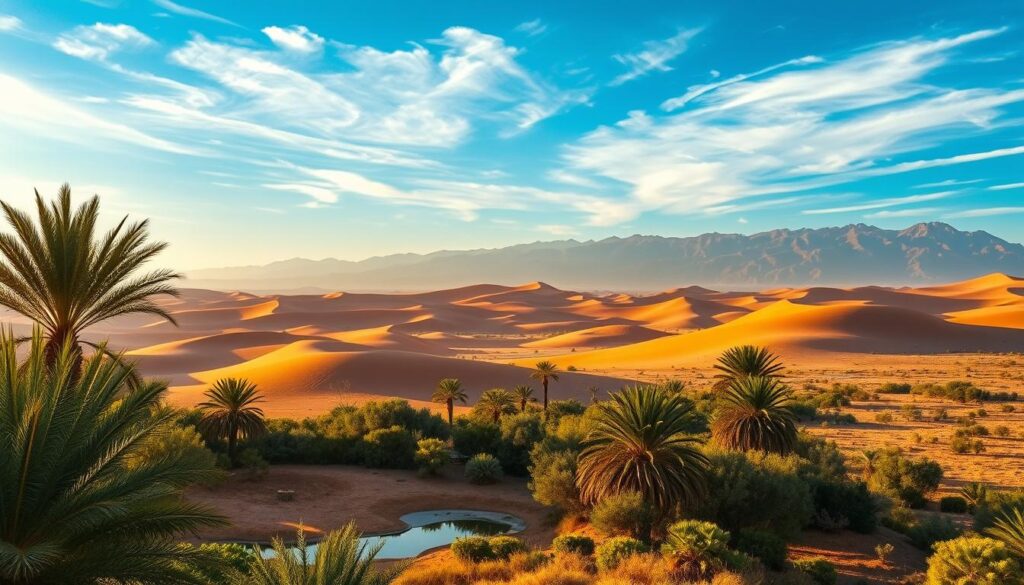
Merzouga and Zagora are entry points to the Sahara. They lead to the Erg Chebbi and Erg Chegaga dunes. These spots have extreme temperatures, hot days and cold nights.
Deep desert areas are rough and have simple amenities. Be ready for the challenge.
- Merzouga: Known for its stunning sunrises and sunsets over the Erg Chebbi dunes.
- Zagora: A gateway to the lesser-visited Erg Chegaga dunes and other desert landscapes.
- Deep Desert Areas: Remote regions that offer a true desert adventure experience.
Seasonal Considerations for Sahara Adventures
The best time to visit the Sahara depends on your heat tolerance and adventure type. Winter (December to February) is cool, while summer (June to August) is too hot. Spring (March to May) and autumn (September to November) are good for desert trips.
Plan your Sahara adventure with the seasons in mind. This way, you’ll have a memorable trip.
Major Festivals and Events Calendar
Planning a trip to Morocco? Make sure to catch one of the many exciting festivals and events throughout the year.
Morocco’s cultural scene is full of life and diversity. You’ll find a wide range of celebrations across the country. These events give you a peek into Morocco’s rich heritage and traditions.
Religious Celebrations and Their Dates
Morocco is mostly Muslim, and many festivals are tied to Islamic celebrations. Eid al-Fitr is a big event, marking the end of Ramadan. The dates change each year, following the Islamic lunar calendar. Visit Morocco during Eid al-Fitr to feel the city’s energy.
Cultural Festivals Worth Planning Around
Morocco has many cultural festivals that highlight its heritage. The Marrakech International Film Festival draws filmmakers and movie lovers worldwide. The Fez Festival of World Sacred Music celebrates Morocco’s spiritual side through music.
Music and Arts Events Throughout the Year
Morocco’s music and arts scene is booming, with lots of events all year. The Essaouira Gnawa Music Festival is a must-see, blending traditional Gnawa music with modern styles. Don’t miss the Tangier International Art Fair to see Morocco’s vibrant arts scene.
Ramadan: Special Considerations for Travelers
Traveling to Morocco during Ramadan means understanding local customs. This holy month of fasting changes daily life and tourist experiences. It’s key to respect these changes for a good trip.
How Ramadan Affects Your Travel Experience
Many restaurants and cafes close during the day in Ramadan. But, it’s a great time to see Morocco’s culture. Families gather in the evenings for iftar (break-fast) meals.
Respecting local customs is important. Dress modestly and don’t eat or drink in public during the day.
Tips for Visiting Morocco During Ramadan
Plan your trip well. Book places to stay and tours early, as schedules might change. Don’t miss the Ramadan tents and ftar meals, unique to this time.
Get ready for early suhoor (pre-dawn meal) and late ftar (break-fast) times. With some planning and respect, Ramadan in Morocco can be memorable.
Budget Considerations by Season
When planning your trip to Morocco, think about how the season affects costs. Morocco can be affordable, but prices change with the seasons.
Price Fluctuations Throughout the Year
Spring (March to May) and autumn (September to November) are peak tourist times. Prices for places to stay and tourist services go up. Winter (December to February) and summer (June to August) are off-peak. Prices drop, but some places might be closed.
Finding the Best Value for Your Morocco Trip
Travel in the shoulder season (April-May or September-October) for better deals. The weather is nice, and prices are lower than in peak times. Book early to save money on places to stay and tours.
| Season | Average Accommodation Price | Tourist Activity Prices |
|---|---|---|
| Peak Season (Spring/Autumn) | $80-$120 per night | $50-$100 per activity |
| Off-Peak Season (Winter/Summer) | $40-$80 per night | $30-$60 per activity |
| Shoulder Season | $60-$100 per night | $40-$80 per activity |
Tips for Budget Travelers: Search for package deals. Stay in riads or guesthouses. Plan to do free or cheap things like exploring medinas or trying local food.
Packing Tips for Different Seasons
To have a comfortable and respectful trip to Morocco, packing right is key. Morocco’s varied climate and cultural rules need careful thought when packing your bags.
Essential Items Year-Round
There are some items you should always pack for Morocco. These include comfy walking shoes, sun protection (sunscreen, sunglasses, hat), and a light scarf or shawl. This is for covering your shoulders when visiting mosques or rural spots.
Seasonal Packing Recommendations
Morocco’s weather changes a lot with the seasons. In summer, wear light and breathable clothes. In winter, you’ll need warm layers, especially at night. Spring and autumn are best with layers because the temperature can change.
- Summer: Lightweight clothing, swimwear, and sun protection
- Winter: Warm layers, thermal clothing, and waterproof gear
- Spring and Autumn: Versatile clothing that can be layered
Cultural Considerations for Clothing
Morocco is a conservative country, so dressing modestly is a must. When in rural areas or mosques, cover your shoulders and knees as a sign of respect. Loose-fitting clothing that’s not too revealing is best.
By keeping these packing tips in mind, you can make your trip to Morocco more enjoyable and culturally aware.
Conclusion: Planning Your Perfect Morocco Trip
Now you know the best times to visit Morocco. Spring (March to May) and autumn (September to November) are perfect. The weather is great for exploring.
For Morocco travel tips, skip busy times like Christmas and Easter. This will help you save money and avoid crowds. Also, keep in mind Ramadan, as some places might be closed during the day.
With this knowledge, you’re set for an amazing trip to Morocco. Whether you want adventure, relaxation, or to dive into the culture, Morocco has it all. Use these tips to plan a trip that fits your style and budget, and make the most of your time in this stunning country.



 Covers cities, coast, mountains, desert & food