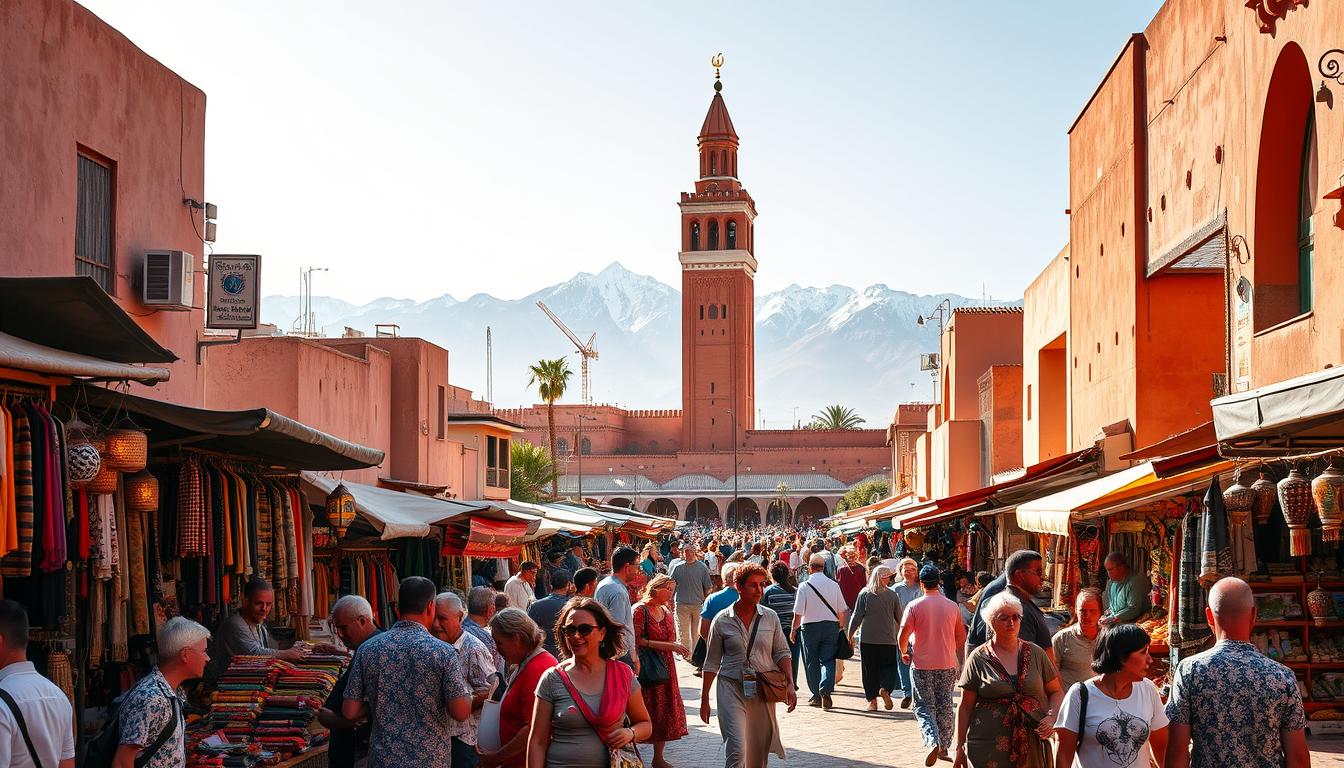
Planning a trip to Morocco is exciting. But, figuring out the best time can be tricky. This is because Morocco has a varied climate and a rich cultural scene.
The perfect time to visit Morocco depends on what you want. Are you after a calm break or an exciting journey? Knowing the weather and events by month will guide you to the best Moroccan trip.
Key Takeaways
- Morocco’s climate varies greatly from month to month.
- The best time to visit depends on your travel preferences.
- Understanding local events can enhance your travel experience.
- Weather conditions play a crucial role in planning your trip.
- Researching the month-by-month weather helps in making informed decisions.
Morocco’s Diverse Climate and Travel Seasons
Morocco’s climate changes a lot, from the Mediterranean coast to the Sahara Desert. This makes it a great place to visit all year. The country’s different landscapes lead to various climates, from cool to very dry.
Geographic Regions and Their Climate Patterns
Morocco is split into areas with their own weather. The Atlas Mountains have cold winters and warm summers. On the other hand, the Sahara Desert gets very hot during the day and cold at night. The coastal regions, like Casablanca and Rabat, have a milder climate thanks to the Atlantic Ocean.
- The Atlas Mountains: Cold winters, mild summers
- The Sahara Desert: Extreme heat and cold
- Coastal regions: Mild climate, influenced by the ocean
The Four Travel Seasons of Morocco
Morocco has four main travel seasons. Spring (March to May) is great, with nice weather and beautiful views. Summer (June to August) is hot, especially in the desert, but good for beach lovers. Autumn (September to November) has comfortable weather, perfect for city and mountain trips. Winter (December to February) is the coolest time, ideal for mountain adventures.
Key travel seasons:
- Spring: Mild temperatures, blooming landscapes
- Summer: Hot, ideal for beach activities
- Autumn: Comfortable temperatures, perfect for exploration
- Winter: Cool, great for mountain visits
When to Go to Morocco: Key Factors for American Travelers
Planning a trip to Morocco as an American traveler? You’ll want to think about a few key things. Knowing these will help you pick the best time to visit.
Weather Considerations Across Regions
Morocco’s weather changes a lot from one place to another. Coastal areas are usually milder, but the interior and desert can get very hot during the day and cool at night. For example, Marrakech gets really hot in summer, while the Atlas Mountains stay cooler.
When planning your trip, think about these differences. This way, you’ll be ready for whatever weather you’ll face.
Tourist Crowds and Price Fluctuations
The number of tourists and prices change a lot with the seasons. Spring and fall are the busiest times, with more people and higher prices. If you want fewer crowds and lower prices, try visiting during the shoulder season.
For more tips on the best times to visit, check out Audley Travel.
Cultural Events and Religious Observances
Morocco is full of vibrant cultural events and religious observances. These can add a lot to your trip. But, events like Ramadan can affect tourist services and availability. On the other hand, festivals like the Marrakech International Film Festival offer a unique experience.
Here are some key events to keep in mind:
- Marrakech International Film Festival
- Eid al-Fitr celebrations
- Mawazine Festival in Rabat
Knowing about these events can help you plan your trip. You can choose to visit during them or avoid them, depending on what you prefer.
January in Morocco: Winter Exploration
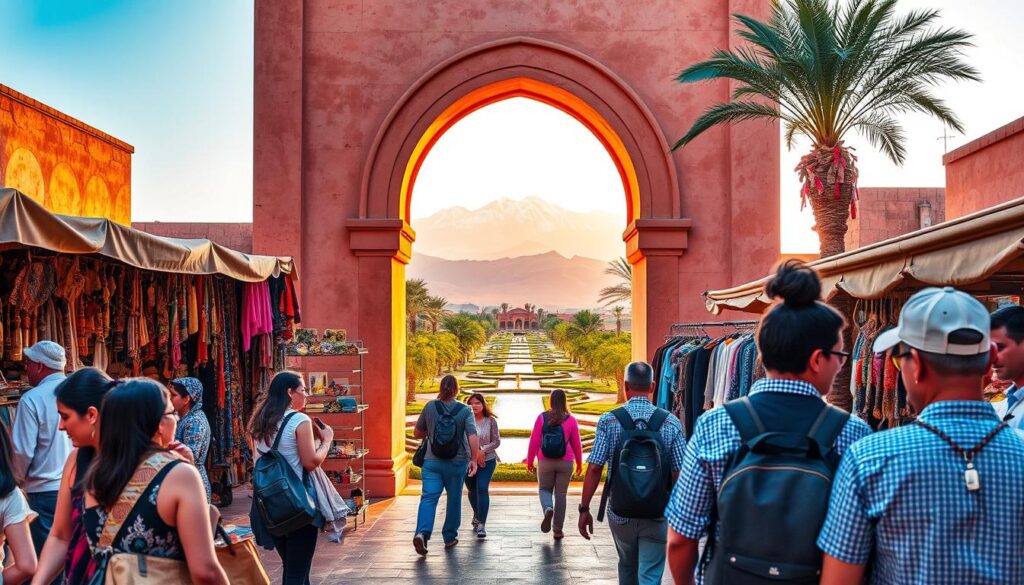
Visiting Morocco in January lets you see the country’s culture without the crowds. You can dive into vibrant cities, feel the local vibe, and enjoy the mild weather in the south. The north might be a bit cooler, though.
January Weather by Region
Morocco’s weather changes a lot from one region to another in January. The south, like Marrakech, has mild temps between 50°F and 70°F. This makes it perfect for exploring.
In contrast, the north and the Atlas Mountains can get quite chilly. Temperatures there might even drop below 40°F.
The coast has a more stable climate, with temps between 45°F and 65°F. Remember to bring layers, as the weather can change a lot between day and night.
January Festivals and Activities
January is a fantastic time to dive into Morocco’s culture. You can catch the Marrakech International Film Festival in late December or early January. There’s also:
- Cultural exhibitions and concerts in big cities
- Traditional festivals in rural areas, showing off local traditions
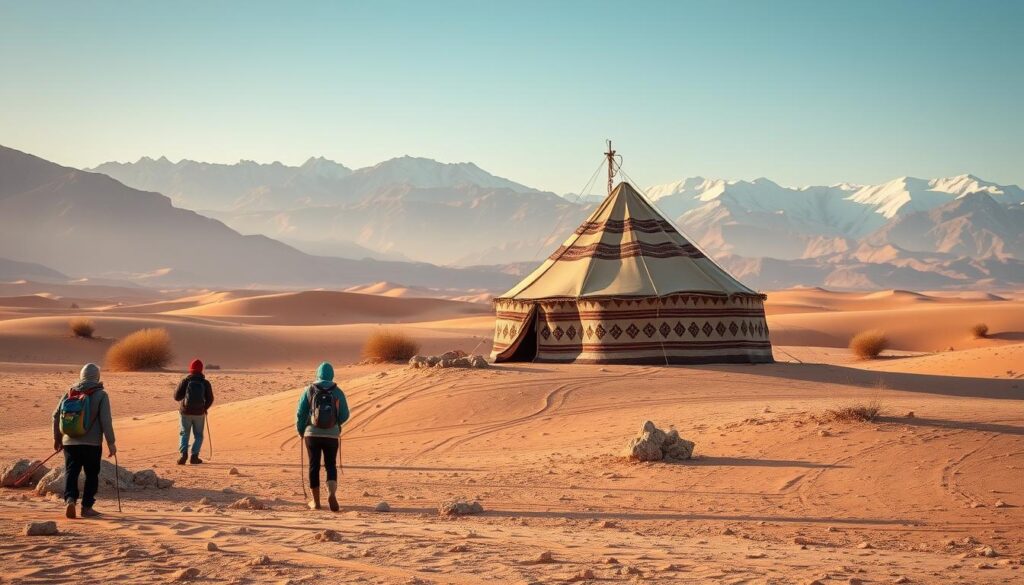
- Outdoor fun like hiking in the Atlas Mountains or Sahara Desert adventures
Travel Tips for January Visitors
Here are some tips for your January trip to Morocco:
- Bring layers for the changing weather
- Book your stay early, especially in places like Marrakech and Fez
- Check out cultural events and festivals for a richer experience
With these tips, you’re set for a great winter adventure in Morocco.
February in Morocco: Off-Season Advantages
February in Morocco is a great time to travel. There are fewer tourists and lower prices. You can enjoy a calm atmosphere while exploring the country’s attractions, from bustling souks to peaceful landscapes.
February Weather by Region
Morocco’s weather changes a lot in February. Coastal areas like Casablanca and Rabat have mild temperatures, from 50°F to 65°F. Inland cities, like Marrakech, are cooler, with temperatures between 45°F to 65°F.
The Atlas Mountains are chilly, with snow possible. This makes them perfect for winter sports. Desert areas are cool, with daytime temperatures from 55°F to 75°F.
| Region | Average Temperature (°F) | Average Temperature (°C) |
|---|---|---|
| Coastal Areas | 50-65 | 10-18 |
| Inland Cities | 45-65 | 7-18 |
| Atlas Mountains | 32-50 | 0-10 |
| Desert Regions | 55-75 | 13-24 |
February Festivals and Activities
February is full of cultural events in Morocco. The Marrakech International Film Festival is a highlight, showing Moroccan and international films. The Mawazine Festival in Rabat celebrates music and culture from around the world.
Travel Tips for February Visitors
To enjoy Morocco in February, pack layers for different temperatures. Visit the Sahara Desert early morning or late evening to stay warm. Booking accommodations and tours early can help you find the best deals.
March in Morocco: Spring Awakening
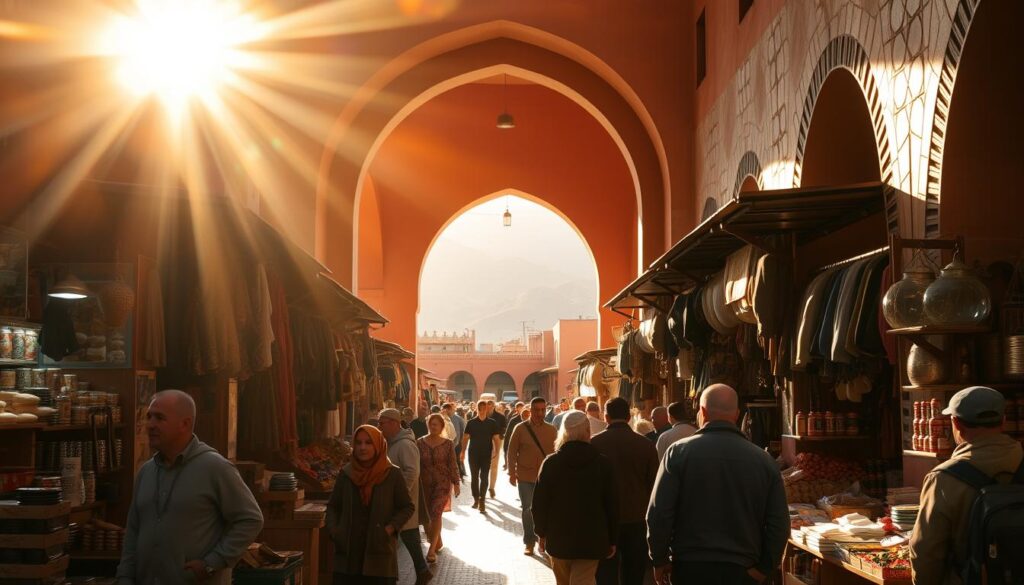
March brings a refreshing spring to Morocco. The country’s diverse regions start to warm up. It’s an excellent time for outdoor activities and exploration.
Weather by Region
In March, Morocco’s weather varies by region. Coastal areas like Casablanca and Rabat have mild temperatures, from 15°C to 20°C (59°F to 68°F). Inland cities, such as Marrakech, have warmer days and cooler nights, ranging from 18°C to 25°C (64°F to 77°F).
The Atlas Mountains are still cool, especially in the mornings and evenings. The desert regions start to warm up.
| Region | Temperature Range (°C) | Temperature Range (°F) |
|---|---|---|
| Coastal Areas | 15-20 | 59-68 |
| Inland Cities | 18-25 | 64-77 |
| Atlas Mountains | 10-18 | 50-64 |
| Desert Regions | 20-28 | 68-82 |
Festivals and Activities
March is a great time to experience Morocco’s culture. The Marrakech Popular Arts Festival usually happens in March. It showcases traditional music, dance, and crafts.
You can also enjoy hiking and trekking in the Atlas Mountains. The weather improves during this time.
For more information on the best times to visit Morocco, check out this guide on the best time to visit Morocco.
Travel Tips
When traveling to Morocco in March, pack layers for cooler mornings and evenings. This is especially true for the mountains. It’s also wise to book accommodations and tours in advance. The spring season is very popular.
April in Morocco: Ideal Spring Conditions
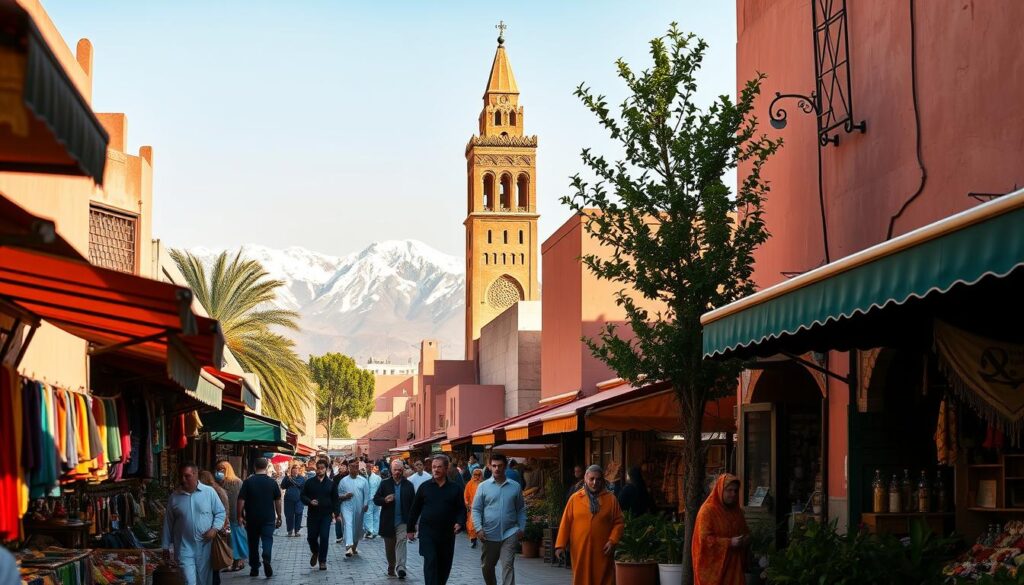
April is a great time to see Morocco’s beauty and culture. The weather is just right for city tours, mountain hikes, and desert trips.
April Weather by Region
April’s weather in Morocco changes with the location. Coastal spots like Casablanca and Essaouira have mild temps, from 15°C to 22°C (59°F to 72°F). Cities like Marrakech and Fez get warmer days and cooler nights, with temps between 18°C and 25°C (64°F to 77°F).
The Atlas Mountains stay cool, especially in the morning and evening. The Sahara Desert starts to warm up, perfect for desert adventures.
April Festivals and Activities
April is full of cultural events in Morocco. The Marrakech Popular Arts Festival happens in April, featuring traditional music, dance, and crafts. The Eid al-Fitr celebrations, marking Ramadan’s end, also occur in April, offering a special cultural experience.
Visitors can enjoy hiking in the Atlas Mountains, exploring souks, and relaxing on beaches.
Travel Tips for April Visitors
To enjoy Morocco in April, pack layers for cooler mornings and evenings, especially in the mountains. Book your stay and tours early, as April is busy. Remember to drink water and protect your skin from the sun, especially in the desert.
May in Morocco: Pre-Summer Sweet Spot
May is a great time to visit Morocco as spring turns to summer. The weather is warm but not too hot. It’s perfect for city adventures, Sahara Desert trips, or beach relaxation.
May Weather by Region
In May, Morocco’s temperatures range from 68°F to 77°F (20°C to 25°C). Coastal cities like Casablanca and Rabat are mild. Inland cities, Marrakech and Fez, start to warm up.
The Atlas Mountains stay cool, great for hiking. Desert areas get warmer but still good for adventures. May is perfect for seeing Morocco’s varied landscapes without the summer heat.
May Festivals and Activities
May is lively in Morocco with many festivals. The Marrakech Popular Arts Festival is a highlight, featuring traditional music and crafts. The Rose Festival in Dades Valley celebrates the rose harvest with parades and food.
Outdoor lovers can enjoy hiking in the Atlas Mountains, desert camel rides, or beach time in Essaouira and Taghazout.
Travel Tips for May Visitors
Book your Morocco trip in May early to avoid crowds. Pack light, breathable clothes for the warm days and layers for cool nights. Drink plenty of water and protect your skin from the sun when outdoors.
June in Morocco: Early Summer Heat
Morocco in June is hot, especially in the desert. Summer is coming, and temperatures go up a lot in the desert. But, the coast is still nice, making it a great place to visit.

June Weather by Region
In June, Morocco’s weather changes a lot. The desert gets very hot, over 40°C (104°F). But, cities like Casablanca and Rabat are cooler, between 22°C to 25°C (72°F to 77°F).
The Atlas Mountains are cooler, perfect for escaping the heat. When visiting inland, drink lots of water and stay inside when it’s hottest.
June Festivals and Activities
June is full of cultural events in Morocco. The Marrakech Popular Arts Festival happens in June, with music, dance, and crafts. You can also see the Essaouira Gnawa Music Festival, with traditional Gnawa music and shows.
Travel Tips for June Visitors
For a great trip to Morocco in June, remember these tips. Drink lots of water, wear light clothes, and travel when it’s cooler. Enjoy the coast and the festivals Morocco has to offer.
July in Morocco: Peak Summer Season
Morocco in July is a mix of hot deserts and cool mountains. This makes July a unique time to visit. Each region offers a different experience based on its weather.
July Weather by Region
In July, Morocco is very hot, with temperatures changing a lot by region. The desert places like Merzouga and Zagora get very hot, over 45°C (113°F). But, coastal spots like Essaouira and Rabat are cooler, with temperatures between 28°C to 32°C (82°F to 90°F).
The mountains, like the Atlas Mountains, are even cooler. They have temperatures from 20°C to 25°C (68°F to 77°F). This makes them a nice break from the heat.
July Festivals and Activities
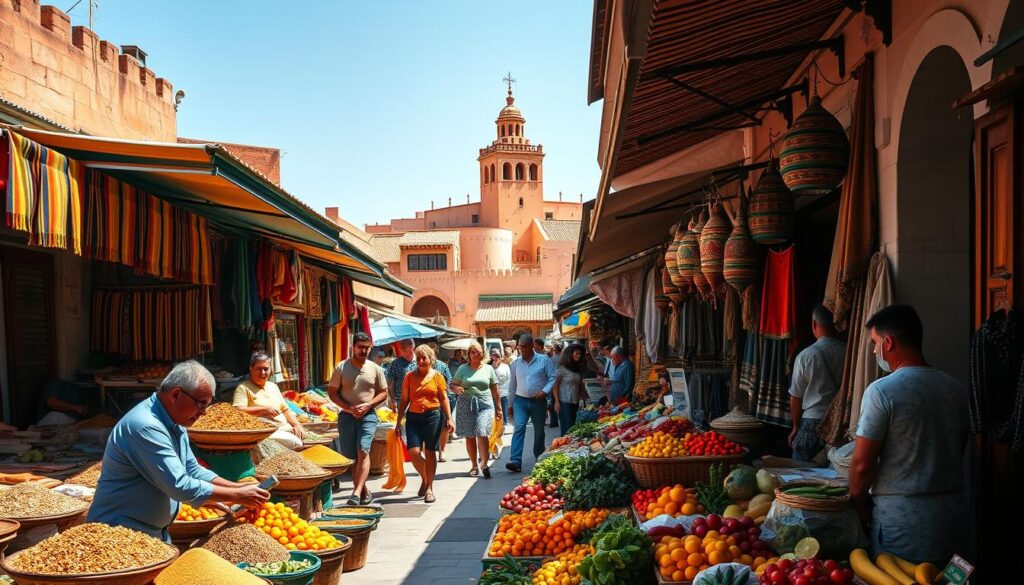
July in Morocco is lively, with many cultural events. The Marrakech Popular Arts Festival is a big highlight. It features Moroccan music, dance, and art.
There’s also the Eid al-Adha celebrations. It’s a big religious holiday with traditional feasts and family time. For those who love adventure, July is great for trekking in the Atlas Mountains or exploring the Sahara Desert. Just remember to stay cool in the heat.
For more tips on visiting Morocco in July, check out KimKim’s guide on Morocco in July. It has lots of useful information and advice for travelers.
Travel Tips for July Visitors
When you visit Morocco in July, drink lots of water and wear light clothes. Try to go out early in the morning or late in the evening. Coastal towns and mountain areas are good places to avoid the desert’s heat.
August in Morocco: Hot Days and Coastal Breezes
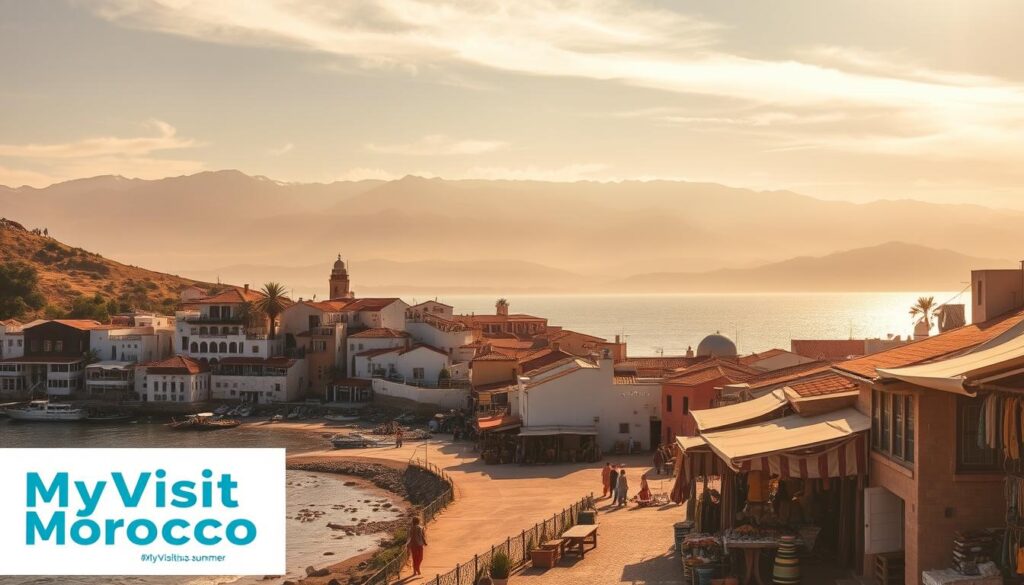
Morocco in August is hot, but the coastal breezes offer relief. It’s perfect for those who love warm weather and can handle the heat. The climate varies by region, with inland areas very hot and coastal towns cooler.
August Weather by Region
The desert regions of Morocco are extremely hot in August, with temperatures over 40°C (104°F). Coastal areas like Essaouira and Rabat are milder, with temperatures between 25°C to 30°C (77°F to 86°F). The Atlas Mountains are cooler, ideal for hiking and trekking.
- Inland cities like Marrakech and Fez are very hot, with temperatures frequently above 38°C (100°F).
- The Sahara Desert is extremely hot, with daytime temperatures often exceeding 45°C (113°F).
- Coastal towns benefit from the Atlantic breeze, keeping temperatures relatively moderate.
August Festivals and Activities
August is great for water activities along Morocco’s coastline. You can surf, kayak, or just relax on the beach. The Essaouira Gnawa Music Festival usually happens in June or July but sometimes goes into August. Check local listings for exact dates.
For cultural events, some regions have festivals and activities worth seeing. These events offer a peek into Morocco’s rich cultural heritage.
Travel Tips for August Visitors
To enjoy Morocco in August, follow these tips:
- Stay hydrated by drinking plenty of water.
- Plan indoor activities during the hottest part of the day.
- Explore coastal areas for a cooler experience.
By being prepared and knowing what to expect, you can have a wonderful time in Morocco during August. It’s the ideal time to travel to Morocco for sun-seekers and those looking for a relaxing coastal getaway.
September in Morocco: Late Summer Advantages
September in Morocco is a mix of late summer and early autumn. The heat starts to drop, making it perfect for exploring. You can see the country’s beauty in all its forms.
September Weather by Region
The weather in Morocco changes with the seasons. Coastal spots like Casablanca and Rabat have mild weather, from 68°F to 77°F (20°C to 25°C). Cities like Marrakech and Fez get cooler, with highs around 86°F (30°C).
The desert, including the Sahara, is less hot. The Atlas Mountains offer a great climate for outdoor activities.
September Festivals and Activities
September is full of cultural events in Morocco. The Marrakech International Film Festival is a highlight, showing films from around the world. The Essaouira Gnawa Music Festival celebrates Gnawa music and dance.
For more on September events, check out Morocco in September.
Travel Tips for September Visitors
Packing layers is key for September in Morocco. It gets cooler in the evenings, especially in the desert and mountains. Don’t forget to stay hydrated and protect your skin from the sun.
With the weather just right, you can enjoy Morocco’s sights. From lively souks to peaceful nature, there’s plenty to see.
October in Morocco: Fall’s Perfect Climate
October is a great time to see Morocco’s beauty and culture. The summer heat fades, leaving behind nice temperatures for exploring. You can enjoy the country’s different areas without the heat.
October Weather by Region
October’s weather in Morocco is just right, with highs from 75°F to 85°F (24°C to 30°C). Marrakech has warm days and cool nights, perfect for walking around. The Atlas Mountains are cool and great for hiking.
Coastal spots like Essaouira have mild weather, perfect for the beach.
October Festivals and Activities
October is full of cultural events in Morocco. The Marrakech International Film Festival happens in December, but some events start in October. You can see local movies and join traditional Berber festivals in rural areas.
It’s also a good time for outdoor fun. Hike in the Atlas Mountains or explore the Sahara Desert.
Travel Tips for October Visitors
Pack layers for October in Morocco, especially for the mountains. Book your stay in cities like Marrakech and Fez early. Try local foods and join cultural events to learn about Morocco’s heritage.
October is a great time to visit Morocco. Enjoy the weather, culture, and outdoor adventures. Morocco in October has something for everyone, whether you’re city-hopping, trekking, or relaxing by the sea.
November in Morocco: Autumn Tranquility
November in Morocco is peaceful, making it a great time to explore. The autumn season has ended, leaving a calm landscape and mild weather. This is perfect for exploring Morocco’s diverse regions without the crowds.
November Weather by Region
The weather in Morocco changes with the region in November. The Atlas Mountains are cool, especially in the mornings and evenings. Meanwhile, desert areas stay warm during the day. Coastal spots like Casablanca and Essaouira have mild temperatures, ideal for visits. You can check the weather forecast to plan your trip.
November Festivals and Activities
November is perfect for experiencing Morocco’s culture. You can join festivals and activities like visiting souks or exploring medinas. The calm weather is great for cultural immersion and outdoor activities.
Travel Tips for November Visitors
| Region | Weather | Activities |
|---|---|---|
| Atlas Mountains | Cool mornings and evenings | Hiking, exploring mountain villages |
| Desert | Warm days, cool nights | Desert safaris, stargazing |
| Coastal | Mild temperatures | Beach activities, water sports |
December in Morocco: Winter Festivities
December in Morocco is a time of magic and joy. The country comes alive with cultural events and mild weather. Whether you’re in the south or the north, there’s something special to enjoy.
December Weather by Region
The weather in Morocco changes a lot from north to south. In the northern regions, like Tangier, it’s cooler, from 45°F to 65°F (7°C to 18°C). But in the southern regions, such as Marrakech, it’s warmer, from 50°F to 70°F (10°C to 21°C).
The Atlas Mountains are chilly, with a chance of snow. They’re perfect for those who love winter sports.
December Festivals and Activities
December is a fantastic time to see Morocco’s culture. The Marrakech International Film Festival is a highlight, drawing artists from around the world. You can also enjoy traditional music and dance performances and explore the lively souks.
There are local workshops where you can learn about Moroccan crafts. It’s a great way to immerse yourself in the culture.
Travel Tips for December Visitors
When visiting Morocco in December, pack layers for the north and light clothes for the south. Booking your stay and tours early is a good idea, especially during festivals. Be sure to try traditional Moroccan cuisine, which is perfect for the cold weather.
Best Time to Visit Morocco by Travel Interest
The best time to visit Morocco depends on what you like to do. Morocco is great all year, but some times are better for certain activities. This ensures a unique experience for every traveler.
Desert Experiences: Optimal Months for Sahara Adventures
The Sahara Desert is best from October to April. The weather is cooler then. Avoid the peak summer months because it’s too hot. For a special night, visit during the full moon for desert tours under the stars.
City Exploration: Ideal Times for Marrakech, Fez, and Casablanca
Spring (March to May) and autumn (September to November) are great for city trips. The weather is just right for Marrakech’s streets, Fez’s medinas, and Casablanca’s sights. Learn more about city breaks on Lonely Planet.
Coastal Getaways: Prime Seasons for Atlantic and Mediterranean Beaches
The coast is best in summer (June to August). The weather is warm and sunny. Essaouira on the Atlantic is great for water sports, while the Mediterranean coast is more laid-back.
Mountain Trekking: Best Periods for Atlas Mountains Hiking
The Atlas Mountains are best in spring (April to May) and autumn (September to October). The weather is mild, and trails are less crowded. Remember to wear layers, as it gets cold at high altitudes.
Shopping and Souks: When to Find the Best Deals
Shopping fans should visit in July for the Marrakech Popular Arts Festival. The post-Ramadan period (Eid al-Fitr) also offers sales. Always be ready to haggle, as it’s part of Morocco’s shopping culture.
Conclusion: Planning Your Perfect Moroccan Adventure
Now that you’ve learned about Morocco’s climate and events, you’re set to plan your trip. Knowing the weather and cultural events by month is crucial for a great trip. Morocco offers something for everyone, from the Sahara Desert to vibrant cities and coastal towns.
Think about what you want from your trip when choosing when to go. Spring (March to May) or autumn (September to November) are great for mild weather. For desert adventures, go from October to February. Summer is best for beach trips, but it’s hot.
This guide helps you plan your trip based on your interests. Explore Marrakech’s souks or the Atlas Mountains’ beauty. Choose the best time for your activities for a memorable trip.
With this guide, you’re ready to plan your Moroccan adventure. Look up your destinations, book your stay, and get ready to dive into Morocco’s culture and landscapes.



 Covers cities, coast, mountains, desert & food