
Morocco is a great place to visit all year round. It offers different experiences based on what you like. Whether you want a calm trip or an exciting adventure, the best time for you depends on your goals.
When planning your trip, think about the weather, crowds, and things to do. Morocco has something special in every season. You can enjoy mild winters, hot summers, and the fun of spring and autumn.
Key Takeaways
- Morocco is a year-round destination with diverse experiences.
- The ideal travel time depends on your preferences and activities.
- Weather, crowds, and events vary across seasons.
- Each season offers a unique charm and experience.
- Plan your trip according to what you want to enjoy.
Morocco’s Climate and Geography Overview
Morocco’s climate varies greatly, from mountains to deserts. The country’s geography greatly influences its climate. The Atlas Mountains and the Sahara Desert are key factors.
Diverse Landscapes and Microclimates
Morocco’s varied landscapes lead to many microclimates. For example, the Atlas Mountains have a different climate than coastal areas or the Sahara Desert.

Four Distinct Seasons Across Regions
Morocco has four distinct seasons, but they vary by region. Coastal areas have milder winters and cooler summers than inland regions.
How Geography Influences Weather Patterns
Morocco’s geography greatly affects its weather. For instance, the Atlas Mountains create a rain shadow effect. This results in dry conditions in some areas.
| Region | Climate Characteristics |
|---|---|
| Atlas Mountains | Cold winters, mild summers |
| Coastal Regions | Mild winters, cool summers |
| Sahara Desert | Hot summers, cold winters |
Knowing Morocco’s geography and climate is key for planning a trip. It helps travelers prepare for the conditions they will face.
When Is the Best Time to Visit Morocco?
Planning your trip to Morocco? Knowing the climate and seasonal events is key. Morocco’s geography varies, affecting the weather in different areas.
Spring and Fall: The Ideal Seasons
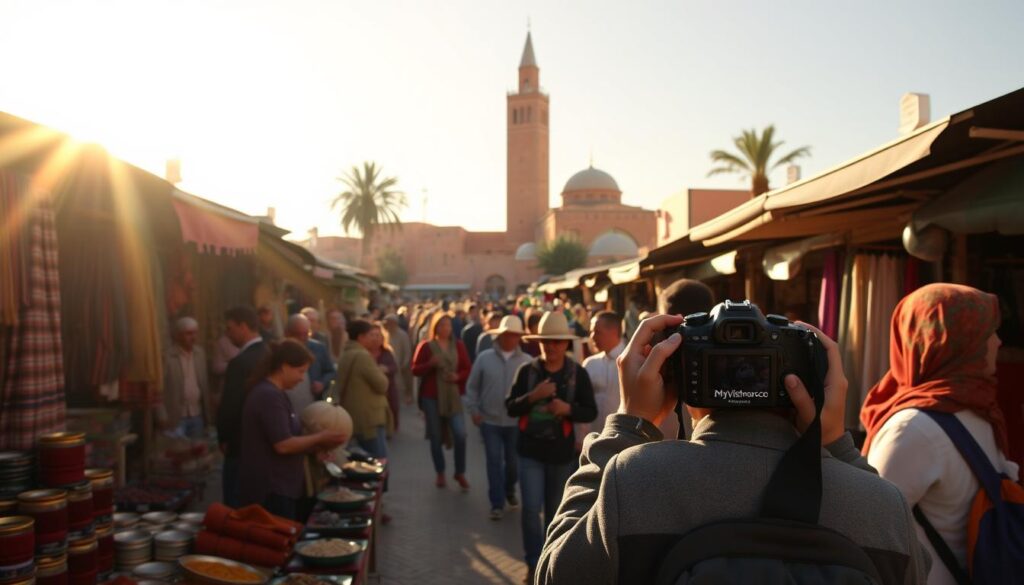
The best times to visit Morocco are spring (March to May) and fall (September to November). These seasons have mild weather and fewer people than summer. You can enjoy the souks and historical sites without the summer heat.
Weighing Weather, Crowds, and Costs
Consider weather, crowds, and costs when planning. Summer is great for beaches but has big crowds and high prices. Spring and fall offer comfortable weather and lower costs.
| Season | Weather | Crowds | Costs |
|---|---|---|---|
| Spring (Mar-May) | Mild | Moderate | Moderate |
| Summer (Jun-Aug) | Hot | Large | High |
| Fall (Sep-Nov) | Mild | Moderate | Moderate |
| Winter (Dec-Feb) | Cold | Low | Low |
Different Priorities for Different Travelers
Travelers have different goals, like enjoying beaches or exploring cities. For city trips, spring or fall is best. Summer is great for beaches, but coastal towns like Essaouira offer a calm vibe.
For more trip planning tips, check Morocco’s travel FAQs.
Spring in Morocco: March to May
Spring in Morocco is a wonderful time to visit. The weather is mild, and there are fewer tourists. You can enjoy the vibrant culture and beautiful landscapes without the rush of peak season.
Temperature and Rainfall Expectations
Spring in Morocco brings mild temperatures. The highs range from 64°F to 75°F (18°C to 24°C). You might see some rain, especially in March. But it’s usually not enough to ruin your trip.
April and May are especially nice. They’re great for outdoor fun like hiking and exploring the souks.
Blooming Landscapes and Natural Beauty
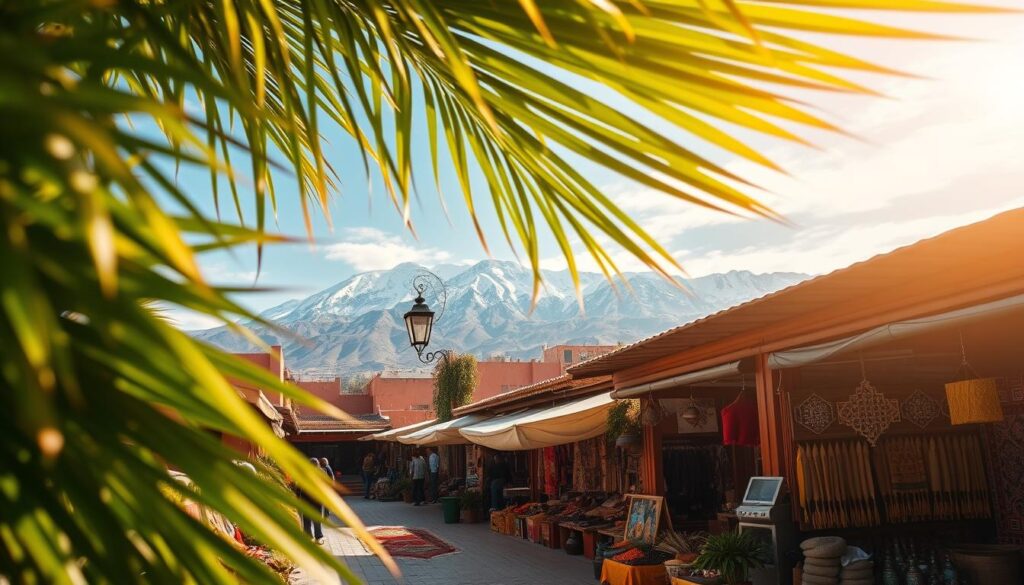
Spring makes Morocco even more beautiful. The landscape is filled with blooming flowers and greenery. The Atlas Mountains are especially stunning, with wildflowers adding colors to the scenery.
This is a dream come true for nature lovers and photographers. They can capture the diverse beauty of Morocco’s landscapes.
Spring Festivals and Cultural Events
Morocco celebrates spring with many cultural events and festivals. The Marrakech Popular Arts Festival is a highlight. It features traditional music, dance, and crafts.
You can dive into the local culture. Enjoy the lively atmosphere and maybe even join in the festivities.
- Marrakech Popular Arts Festival
- Traditional music and dance performances
- Local crafts and art exhibitions
Spring is a great time to visit Morocco. You’ll find pleasant weather, fewer crowds, and rich cultural experiences. Whether you love nature, culture, or just good food, Morocco in spring has it all.
Summer in Morocco: June to August
Morocco in the summer is a mix of hot deserts and cool coastal breezes. It’s the peak tourist season, offering a unique mix of heat and welcome.
Managing the Heat in Major Cities
Summer in cities like Marrakech and Fes is very hot, with temperatures over 100°F (38°C). To beat the heat, visit cities early morning or late evening when it’s cooler. Riads, traditional Moroccan houses with gardens, are great for cooling off during the day.
Coastal Retreats and Mountain Escapes
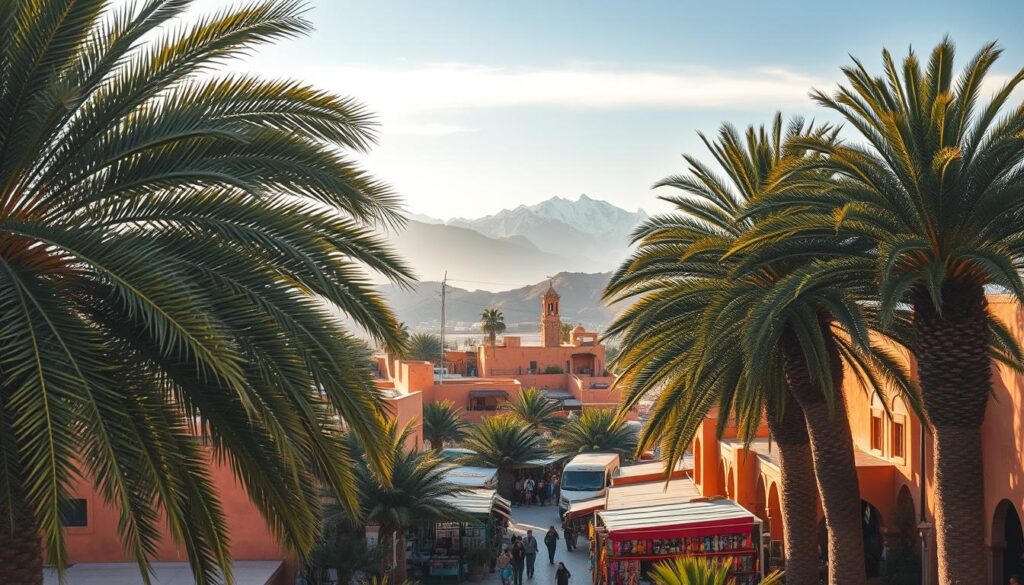
Looking to avoid the heat? Morocco’s coasts and mountains are cooler. Coastal towns like Essaouira and Taghazout offer ocean breezes and beaches. The Atlas Mountains have scenic valleys and cool mountain air for hiking.
Summer Festivals and Beach Activities
Summer is perfect for Morocco’s lively culture. The Essaouira Gnawa Music Festival in June is a summer highlight, drawing musicians and visitors worldwide. The coast has beaches for swimming, surfing, and beachside cafes.
Summer is ideal for exploring Morocco’s cities, beaches, or natural beauty. With its rich culture and diverse landscapes, Morocco welcomes all kinds of travelers.
Fall in Morocco: September to November
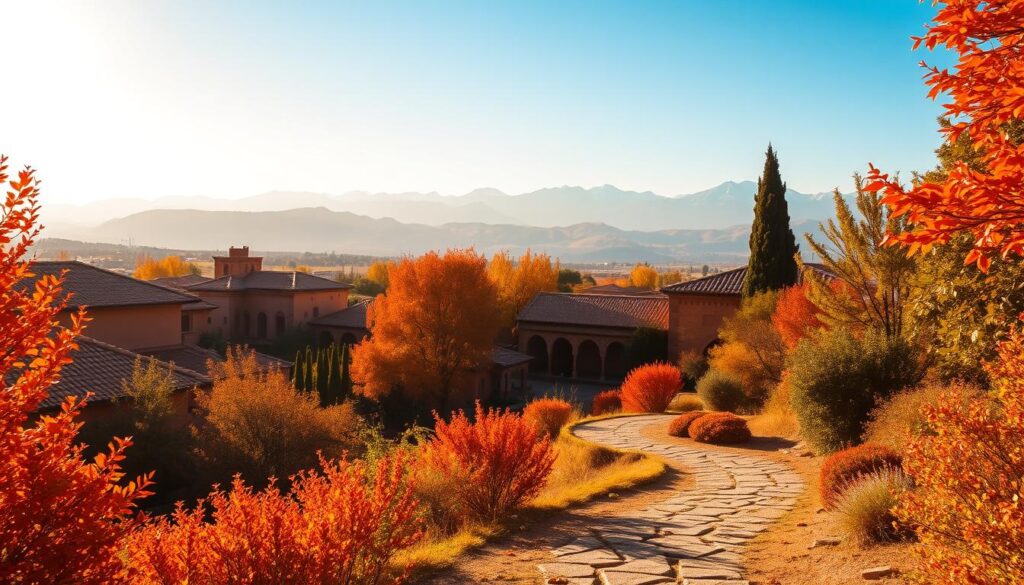
Experience Morocco’s autumn splendor, from harvest festivals to clear skies. As the summer heat dissipates, the country transforms into a comfortable and culturally rich destination.
Pleasant Temperatures and Clear Skies
Fall in Morocco brings pleasant temperatures, from the mid-60s to mid-70s Fahrenheit (18-24°C). It’s perfect for exploring the country’s diverse landscapes. The clear skies are ideal for sightseeing and outdoor activities.
You can enjoy hiking in the Atlas Mountains or exploring the Sahara Desert without the harsh summer heat.
Harvest Season Experiences
Morocco’s fall season is a time for harvest, offering a unique chance to experience local culture and cuisine. Visit the countryside to witness the olive harvest or attend local festivals celebrating the season’s bounty. Enjoy the fresh produce at local markets, savoring the flavors of the season.
“The harvest season in Morocco is a time of joy and celebration, with communities coming together to share in the bounty of the land.”
Fall Cultural Celebrations
Fall in Morocco is marked by various cultural celebrations and events. One highlight is the Marrakech International Film Festival, attracting artists and film enthusiasts worldwide. You can also experience local culture by attending traditional festivals and events in the countryside.
| Event | Location | Date |
|---|---|---|
| Marrakech International Film Festival | Marrakech | December (sometimes falls in late November) |
| Olive Harvest Festival | Various rural areas | October-November |
For more information on planning your trip to Morocco, including the best times to visit and cultural events, you can visit Club Med’s guide on when to go to.
Winter in Morocco: December to February
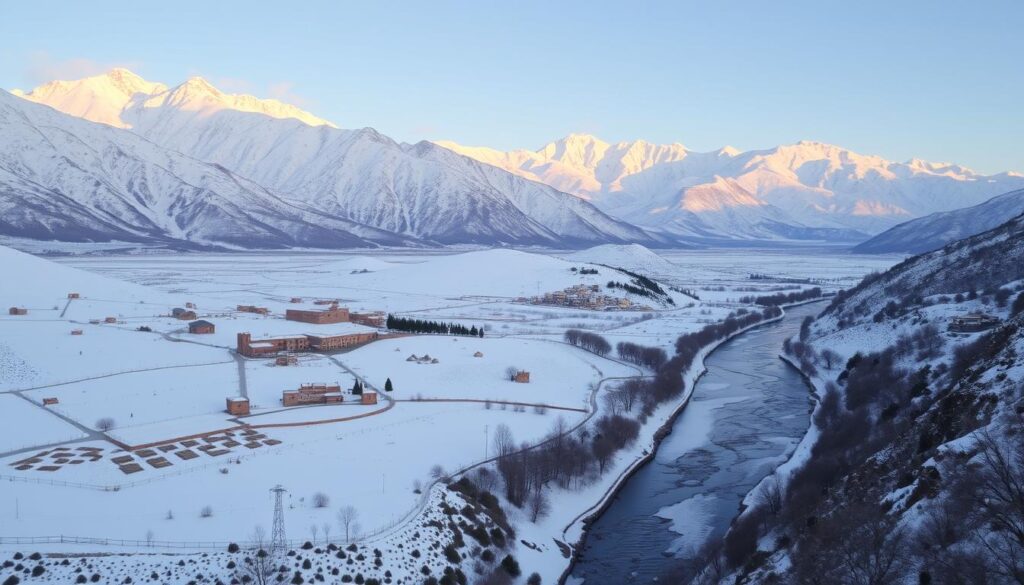
Morocco’s winter is quite different, with mild coasts and snowy mountains. This mix makes it a great place for winter travelers.
Climate Variations by Region
Winter in Morocco changes a lot from place to place. Coastal areas like Casablanca and Tangier are mild, with temperatures between 50°F and 65°F. This makes them nice for visitors.
The Atlas Mountains, however, get a lot of snow. This is perfect for snow sports.
Snow Sports in the Atlas Mountains
The Atlas Mountains are great for skiing and snowboarding. Resorts like Oukaïmeden have good slopes. Morocco’s mountains offer a special mix of Alpine conditions and African culture.
- Enjoy skiing and snowboarding in the Atlas Mountains
- Explore the snow-covered landscapes
- Experience local Berber culture in the mountain villages
Winter Cultural Experiences and Lower Crowds
Winter in Morocco means fewer tourists. It’s a great time to see the country’s culture. You can visit historical sites, try local food, and enjoy Moroccan cities without the crowds.
For tips on planning your trip, check out Lonely Planet’s guide on the best time to visit.
Knowing the climate and regional differences helps plan your trip. Whether you want winter sports, cultural experiences, or a relaxing trip, Morocco has it all.
Best Times to Visit Morocco’s Imperial Cities
Planning your trip to Morocco? Knowing when to visit its imperial cities can make your trip better. These cities are full of history and culture. They mix old traditions with modern life.
Marrakech: Optimal Months and Considerations
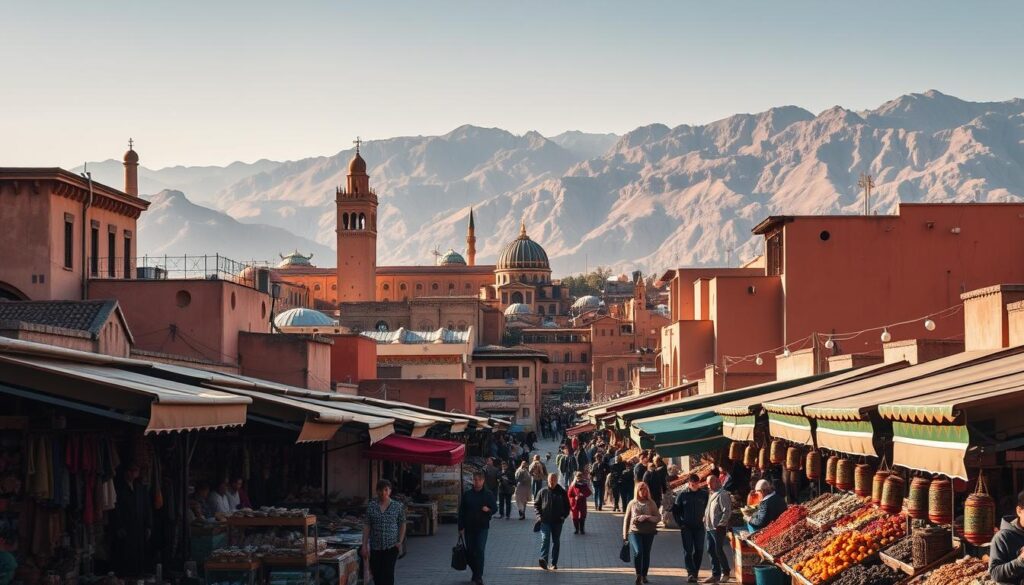
Marrakech is lively, with its souks and energy. Visit in spring (March to May) or fall (September to November). The weather is nice, perfect for seeing the sights.
Fes: When to Explore the Ancient Medina
Fes is famous for its old medina and history. Spring (March to May) is the best time. The weather is mild, and there are fewer tourists than in summer.
Rabat and Casablanca: Coastal City Timing
Rabat and Casablanca are Morocco’s coastal cities. They are calmer than other places. Spring (March to May) and fall (September to November) are the best times. The weather is nice, without the summer heat.
Meknes and Chefchaouen: Seasonal Highlights
Meknes and Chefchaouen are also worth seeing. Meknes is lovely in spring. Chefchaouen is best in summer, with its cool vibe and stunning views.
| City | Best Time to Visit | Highlights |
|---|---|---|
| Marrakech | Spring (Mar-May), Fall (Sep-Nov) | Pleasant temperatures, vibrant markets |
| Fes | Spring (Mar-May) | Ancient medina, historical sites |
| Rabat and Casablanca | Spring (Mar-May), Fall (Sep-Nov) | Coastal views, relaxed atmosphere |
| Meknes and Chefchaouen | Spring (Mar-May), Summer (Jun-Aug) | Historical sites, relaxed charm |
Knowing when to visit Morocco’s imperial cities makes your trip better. You can enjoy the best of each city without stress.
Exploring the Sahara Desert: Timing Your Adventure
To truly experience the magic of the Sahara Desert, understanding the optimal visiting times is essential. The Sahara, spanning across several countries in North Africa, including Morocco, is known for its extreme climate and breathtaking landscapes.
Avoiding Extreme Desert Temperatures
The Sahara Desert is notorious for its extreme temperatures. Temperatures range from scorching heat during the day to freezing cold at night. To avoid these extremes, plan your visit during the spring (March to May) or fall (September to November), when temperatures are more moderate.
During these periods, daytime temperatures are warm but manageable. Nighttime temperatures are cool but not freezing. This makes for a more comfortable desert experience.
Prime Months for Desert Excursions
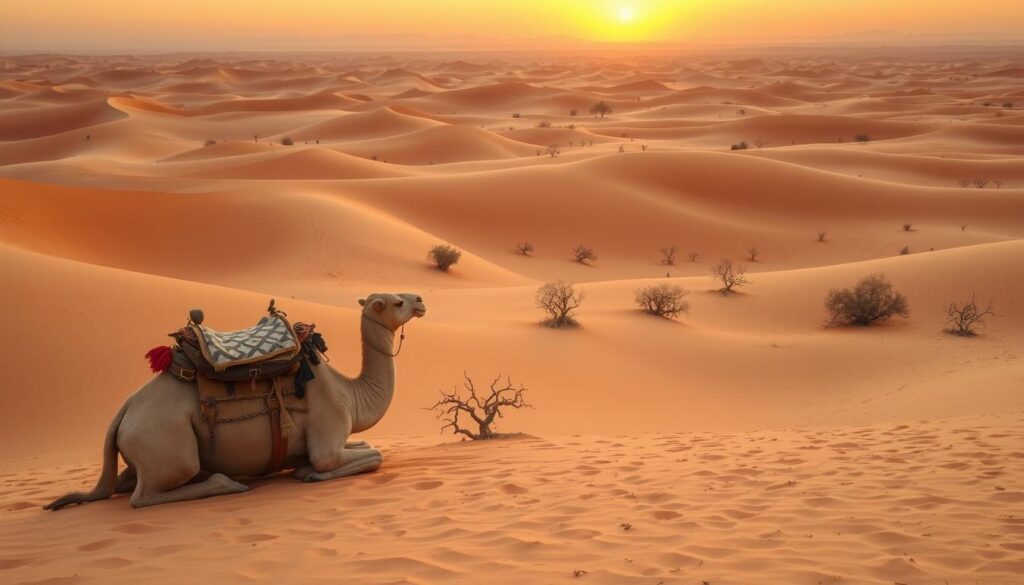
The spring and fall seasons offer ideal conditions for exploring the Sahara Desert. The months of April and October are particularly popular due to their pleasant weather. They are perfect for camel treks, sandboarding, and other desert activities.
These seasons also provide stunning sunrises and sunsets. The soft light casts a golden glow over the dunes, creating unforgettable photo opportunities.
Stargazing and Overnight Experiences
One of the highlights of visiting the Sahara Desert is the opportunity for stargazing. The clear desert skies offer a breathtaking view of the stars, making for a magical experience. Overnight stays in desert camps allow you to immerse yourself in the tranquility of the desert.
Enjoy the peaceful atmosphere and the warmth of a campfire under the starlit sky. Whether you’re on a guided tour or exploring on your own, the Sahara Desert’s vast expanse offers an adventure like no other. Its unique landscapes and unforgettable experiences make it a must-see destination.
Coastal Morocco: Atlantic and Mediterranean Shores
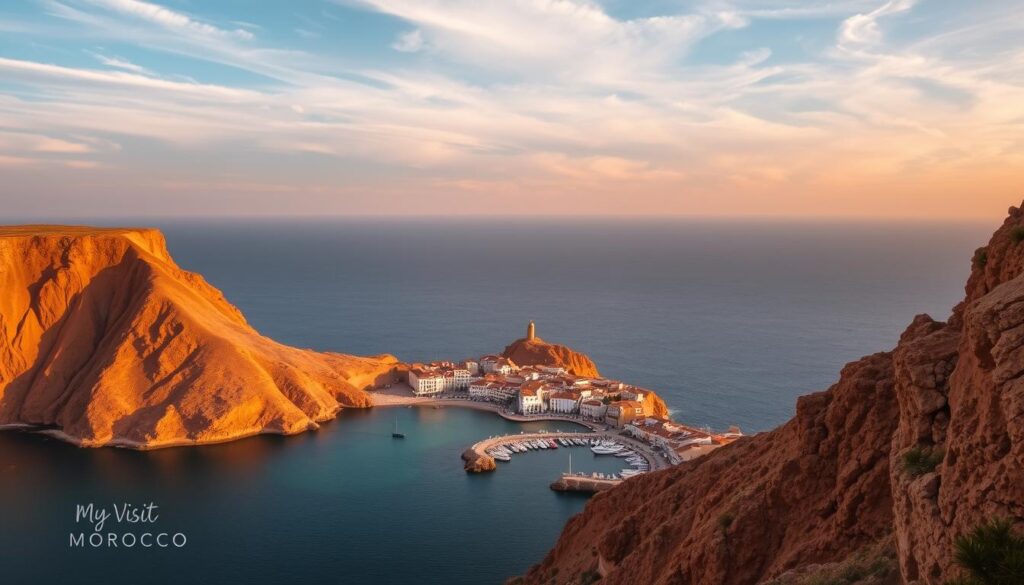
The Moroccan coast is a mix of Atlantic and Mediterranean shores. It offers many activities and landscapes. You can relax on beautiful beaches, try water sports, or explore coastal towns.
Beach Season Windows
The best time to visit Morocco’s beaches varies. Summer (June to August) is great for swimming and sunbathing. The seas are calm, and it’s warm.
Autumn and winter are best for surfers. The Atlantic coast gets big waves during these months.
Essaouira, Agadir, and Tangier: Best Visiting Times
Essaouira is perfect for windsurfers and kitesurfers. The best time is from March to October. It’s windy.
Agadir is great for families. It has a sheltered bay and nice weather from April to November. It’s relaxing.
Tangier is good all year. It has mild winters and warm summers. It’s a place you can visit anytime.
Water Sports and Coastal Activities Calendar
| Activity | Best Time | Location |
|---|---|---|
| Surfing | Autumn & Winter | Atlantic Coast |
| Windsurfing/Kitesurfing | March to October | Essaouira |
| Swimming/Sunbathing | June to August | Agadir, Tangier |
Morocco’s coastline is full of life and variety. It offers relaxation, adventure, and culture. By picking the right time to visit, you’ll have a great trip.
Atlas Mountains: Seasonal Visitor Guide
The Atlas Mountains offer hiking, skiing, and visits to Berber villages. It’s perfect for outdoor fans and those interested in culture. The area’s varied climate and landscapes make it a top choice.
Hiking Season in the High Atlas
The High Atlas mountains boast some of Morocco’s best hiking trails. These trails range from easy day hikes to tough multi-day treks. The best hiking times are spring (March to May) and autumn (September to November). During these seasons, the weather is nice, and the views are stunning.
Winter Sports Opportunities
The Atlas Mountains are great for winter sports. They have ski resorts like Oukaïmeden, one of Africa’s highest. Skiing and snowboarding are best from December to February.
Berber Villages and Cultural Experiences
Exploring Berber villages lets you dive into local culture. The Atlas Mountains are home to many Berber communities. Here, you can learn about their traditions, taste local food, and enjoy their hospitality.
The best time to visit is spring and summer. You can join in local festivals and events then.
Ramadan and Religious Holidays: Travel Considerations
Traveling to Morocco means understanding the Islamic calendar and Ramadan’s impact on local culture. Morocco is a Muslim country, and Ramadan is a big event. It changes daily life, tourism, and cultural experiences.
Understanding Ramadan’s Shifting Calendar
Ramadan’s dates change every year because of the lunar calendar. It’s key to check the predicted dates before your trip. You can learn more about Ramadan in Morocco to plan your visit.
How Religious Observances Affect Tourism
During Ramadan, some businesses might change their hours. Tourists should respect local customs, like not eating or drinking in public during fasting hours. But, many cultural events and festivities still happen, giving a unique look into Moroccan traditions.
Tips for Respectful Travel During Holy Periods
To enjoy Ramadan, be mindful of local etiquette and dress modestly. Join iftar (break-fast) celebrations if invited. Embracing the local culture with respect and sensitivity makes your trip more authentic and enriching in Morocco.
Morocco’s Festival Calendar and Special Events
Morocco’s festival calendar is packed with unique experiences. It showcases the country’s rich cultural heritage. From music and arts festivals to traditional and religious celebrations, there’s always something happening in Morocco.
Music and Arts Festivals Worth Planning Around
Morocco hosts several music and arts festivals that are worth planning your trip around. The Marrakech International Film Festival and the Fez Festival of World Sacred Music are two notable events. They attract visitors from around the globe.
These festivals not only showcase local talent but also provide a platform for international artists to perform.
Traditional and Religious Celebrations
Morocco’s cultural identity is deeply rooted in its traditional and religious celebrations. Events like Eid al-Fitr and Eid al-Adha are significant in the Islamic calendar. They are celebrated with great fervor across the country.
Regional Festivals and Local Celebrations
Different regions in Morocco have their unique festivals and local celebrations. For instance, the Rose Festival in the Dades Valley celebrates the rose harvest. The Imilchil Wedding Festival is a unique cultural event.
| Festival/Event | Location | Time of Year |
|---|---|---|
| Marrakech International Film Festival | Marrakech | December |
| Fez Festival of World Sacred Music | Fez | May/June |
| Rose Festival | Dades Valley | May |
Budget Travel: High and Low Seasons in Morocco
Planning a trip to Morocco on a budget means knowing the tourist seasons. Morocco can be affordable if you visit at the right time.
Peak Tourist Periods and Premium Pricing
Spring and summer are Morocco’s busiest times. Expect higher prices for hotels and tours. Places like Marrakech and Fes get very crowded, raising costs.
Value Opportunities in Shoulder Seasons
Autumn and early winter are the shoulder seasons. They offer nice weather and lower prices. It’s a perfect time for those seeking value without the crowds.
Low Season Advantages and Considerations
Traveling in late winter can save you a lot of money. But, some places might be closed or open less. Be ready for service limitations and plan well. Here are some important points to remember:
- Lower prices for accommodations and services
- Fewer tourists for a more real experience
- Potential for some places to be closed or open less
Avoiding Crowds: Strategic Timing for Popular Destinations
Morocco’s top spots can get very crowded, especially in the busy seasons. Plan your visit carefully to enjoy your trip more.
Busiest Periods in Top Tourist Sites
The summer months and major holidays are Morocco’s peak tourist times. Places like Marrakech’s Jemaa el-Fnaa and Fes’s ancient medina are always full. Travel tips can help you deal with these crowds better.
Off-Peak Visiting Strategies
Visit during the shoulder season for fewer crowds. Spring (March to May) and autumn (September to November) are best. They have nice weather and fewer tourists.
Balancing Good Weather with Lower Crowds
Spring and autumn are great for avoiding crowds and good weather. They offer comfortable temperatures for exploring Morocco’s landscapes.
By planning your trip wisely, you can enjoy Morocco’s famous spots without the crowds. Whether you’re in the souks or on the coast, the right timing makes a big difference.
Specialized Travel Interests and Timing
Are you a photographer, foodie, shopper, or adventure seeker? Morocco has something special for you all year round. Knowing the best times for these activities will make your trip even better.
Photography: Capturing Morocco’s Best Light
The best light for photos in Morocco is in the early morning and late afternoon. During these times, the sun’s warm glow lights up the landscapes beautifully. Golden hours are perfect for capturing vibrant colors and details. For example, the sunrise over the Sahara Desert is truly stunning.
Culinary Experiences and Food Festivals
Morocco’s cuisine is famous worldwide. Food festivals like the Marrakech Food Festival let you taste local flavors. These festivals happen in spring or fall, making them great for food lovers.
Shopping: Souks, Markets, and Artisan Timing
Shopping in Morocco’s souks and markets is fun all year. But, the best time depends on what you’re looking for. For instance, handicraft fairs are in spring and fall, featuring local artisans’ work.
Adventure Sports and Outdoor Activities Calendar
Adventure seekers have many activities to choose from all year. Hiking is best in spring and fall. Surfing is popular any time on the Atlantic coast. And in winter, the Atlas Mountains offer skiing fun.
- Spring: Hiking, trekking
- Summer: Surfing, paragliding
- Winter: Skiing, snowboarding
Conclusion: Planning Your Perfect Moroccan Journey
Now that you’ve looked into the best times to visit Morocco, it’s time to plan your trip. Knowing when to go is key to enjoying your journey. Morocco offers adventure, relaxation, and cultural experiences all year round.
Think about the weather, crowds, and activities for each season. This helps you plan a trip that fits your style. Spring and fall are great for nice weather and outdoor fun. Summer is best for beach lovers and those who enjoy the heat.
This guide helps you plan your Moroccan trip well. Start planning now to see Morocco’s culture, beautiful views, and friendly people. Get ready for an amazing adventure!



 Covers cities, coast, mountains, desert & food