
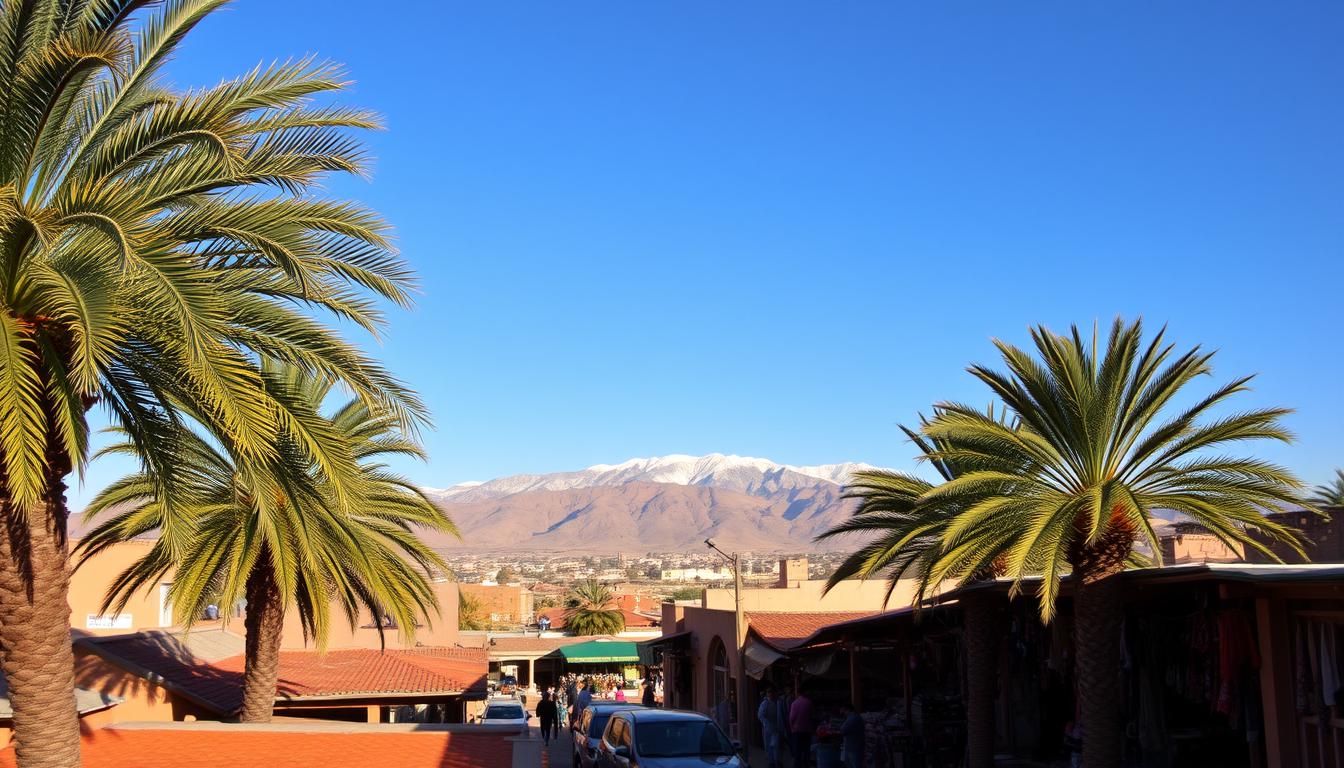
Planning a trip to Morocco in January? You might wonder about the weather. January is quite cool in Morocco, but the weather changes a lot by region.
In the south, you’ll find mild temperatures. But the Atlas Mountains can get quite cold. Coastal areas, however, stay mild, perfect for a winter escape.
Key Takeaways
- January is one of the coolest months in Morocco.
- The south region has mild temperatures.
- The Atlas Mountains can be quite chilly.
- Coastal regions have mild weather, ideal for a winter getaway.
- Morocco’s climate varies greatly depending on the region.
Morocco’s January Climate Overview
Are you curious about Morocco’s weather in January? It’s a perfect time for a winter escape. Morocco’s climate in January is mild, making it a great choice for those looking for warmer winter weather.
General Winter Weather Patterns
Morocco’s winter weather is mild, especially in the south. Daytime temperatures often reach comfortable highs. But, nighttime temperatures can drop a lot, especially in the desert and mountains.
January is one of the coolest months. But, the weather is still quite pleasant compared to Europe and North America. The average temperature varies across different regions, thanks to Morocco’s diverse geography.

Geographical Influences on Climate
Morocco’s geography greatly influences its climate. The Atlas Mountains are colder and sometimes snow. Coastal areas are milder.
| Region | Average High | Average Low |
|---|---|---|
| Coastal | 18°C | 10°C |
| Mountainous | 12°C | 4°C |
| Desert | 20°C | 5°C |
Knowing these geographical influences can help you prepare for your trip to Morocco in January.
Weather in Morocco in Jan: Regional Variations
January weather in Morocco changes a lot depending on where you are. You might see different weather if you’re by the coast, in the mountains, or in the desert. Knowing these differences is important for planning your trip.
Coastal Climate Conditions
The coastal areas of Morocco, like Casablanca and Rabat, have mild winters in January. Temperatures range from 45°F to 65°F (7°C to 18°C). This makes them quite nice. The Atlantic Ocean helps keep the weather stable.
Mountain Weather Patterns
The mountains, such as the Atlas Mountains, are much colder in January. Snowfall is common. Temperatures can go below freezing, especially at night. If you’re going to the mountains, get ready for winter. Temperatures there range from 32°F to 50°F (0°C to 10°C).
Desert Climate Characteristics
The desert, like the Sahara, has a special climate in January. Daytime temperatures can be quite warm, reaching up to 70°F (21°C). But nights can get very cold, around 40°F (4°C). This big change in temperature means you need to pack carefully to stay comfortable.
| Region | January Temperature Range (°F) | January Temperature Range (°C) |
|---|---|---|
| Coastal | 45-65 | 7-18 |
| Mountain | 32-50 | 0-10 |
| Desert | 40-70 | 4-21 |
Knowing about these weather differences helps you plan better. It ensures you have a great time in Morocco in January.
Temperature Ranges Across Morocco in January
Morocco’s varied geography leads to different temperatures in January. Knowing these ranges helps you pack right and enjoy your trip.
Daytime Average Temperatures
Daytime temperatures in Morocco vary in January. Coastal cities like Casablanca and Rabat are mild, averaging 17°C (63°F). In contrast, Marrakech and other inland cities can get quite warm, with highs around 22°C (72°F).
For more details, check out Rough Guides.
Here’s a breakdown of daytime temperatures in different areas:
| Region | Average Daytime Temperature |
|---|---|
| Coastal Areas | 17-18°C (63-64°F) |
| Inland Cities | 20-22°C (68-72°F) |
| Mountainous Regions | 8-12°C (46-54°F) |
| Desert Regions | 18-22°C (64-72°F) |
Nighttime Temperature Drops
Nighttime temperatures in January can drop a lot. In the Atlas Mountains, it can get below 0°C (32°F). The desert sees temperatures around 5-10°C (41-50°F). Even in warmer places like Marrakech, it can get chilly at night, around 8-10°C (46-50°F).
Packing layers is key. Here’s a quick guide to nighttime temperature drops:
| Region | Average Nighttime Temperature |
|---|---|
| Coastal Areas | 8-12°C (46-54°F) |
| Inland Cities | 6-10°C (43-50°F) |
| Mountainous Regions | -2 to 4°C (28-39°F) |
| Desert Regions | 5-10°C (41-50°F) |
Knowing these temperature ranges helps you prepare for a comfortable trip to Morocco in January.
Rainfall and Precipitation Patterns
Knowing about Morocco’s rainfall in January is key to planning your trip. January is quite wet, with different areas getting varying amounts of rain.
Regional Rainfall Distribution
Rainfall in Morocco changes a lot from one place to another in January. The north and the Atlas Mountains get more rain than the south and desert areas.
Regional Rainfall Averages in January:
| Region | Average Rainfall (mm) |
|---|---|
| Marrakech | 25 |
| Casablanca | 40 |
| Tangier | 60 |
| Atlas Mountains | 80-100 |
Snow Possibilities in Mountain Areas
The Atlas Mountains see snow in January, perfect for winter sports fans. But, the snow can make roads slippery, so always check the forecast.
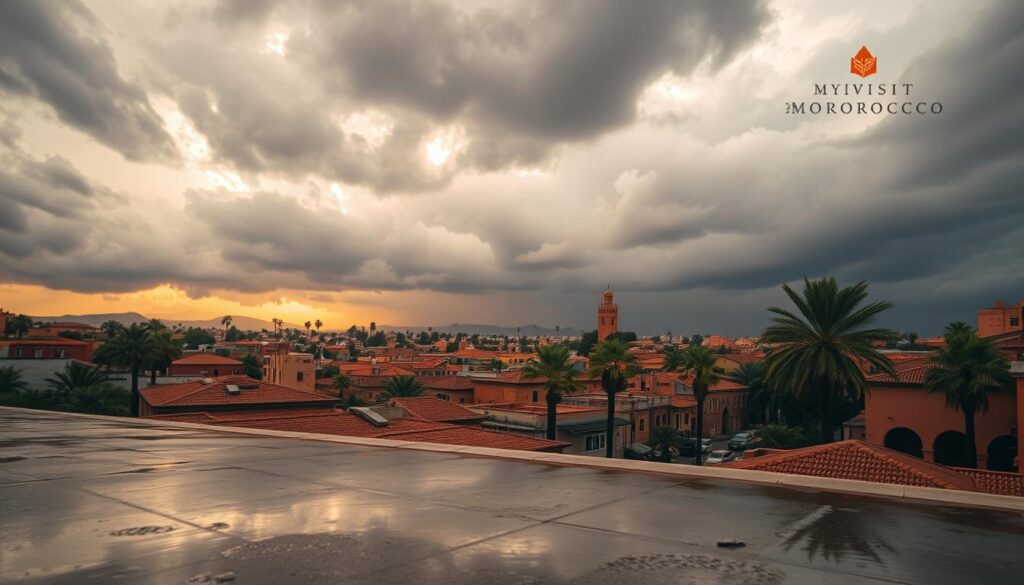
When you’re planning your January trip to Morocco, remember to pack right. The rain and snow can change your plans and activities.
Sunshine Hours and Daylight in January
Planning a trip to Morocco in January? Knowing about sunshine hours and daylight can really improve your trip. Morocco gets a lot of sunshine even in winter, making it great for those who want to escape cold weather.
Average Daily Sunshine
In January, Morocco gets about 7-8 hours of sunshine daily. This is more than many European countries get. It’s perfect for outdoor fun like exploring medinas, hiking in the Atlas Mountains, or enjoying Atlantic coast beaches. For the latest on sunshine hours, check weather forecasts.
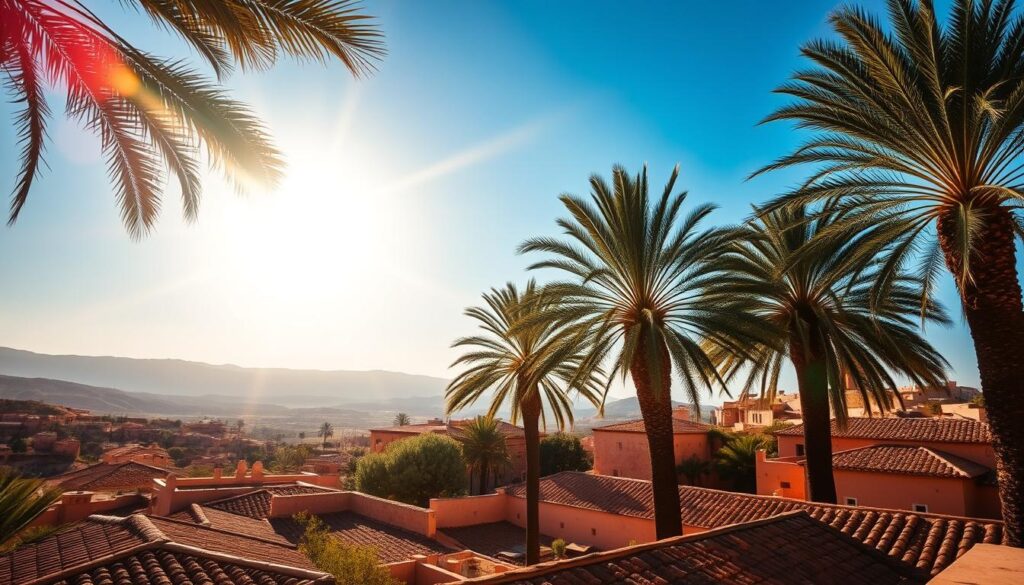
The sunshine is a big reason Morocco is a favorite winter spot. Whether you want to relax or go on adventures, the sunny days are great for it.
Daylight Duration and Quality
In January, Morocco’s daylight lasts from 9.5 to 10.5 hours, depending on where you are. The weather is usually mild and nice, especially in the south. Here’s a look at daylight hours in some big cities:
| City | Average Daylight Hours |
|---|---|
| Marrakech | 10 hours |
| Casablanca | 10.2 hours |
| Tangier | 9.8 hours |
This table shows how daylight hours vary in different Moroccan cities. Knowing this can help you plan your day better, making sure you enjoy the daylight fully.
What to Pack for Morocco in January
January is a great time to visit Morocco, but you’ll need to pack for diverse weather conditions. The country’s climate varies significantly from north to south and from coastal areas to the desert and mountains.
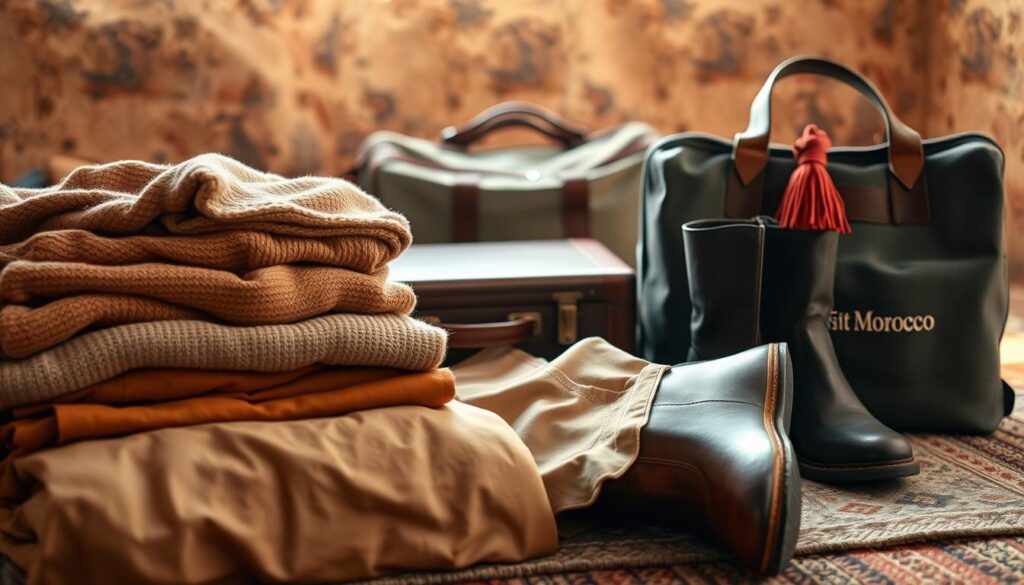
Essential Clothing Items
When preparing for your trip, consider packing layers. This will allow you to adjust to the varying temperatures. Include a mix of lightweight and warm clothing.
For daytime, you’ll need comfortable clothing suitable for exploring. This includes breathable fabrics and sun protection. For cooler evenings, especially in the desert or mountains, pack warm layers, including a good quality jacket or coat.
Layering Strategies for Variable Weather
Layering is key to dressing for Morocco’s January weather. Start with a base layer of thermal clothing for colder mornings and evenings. Add mid-layers such as sweaters or fleeces for extra warmth.
Finally, include a waterproof or windproof outer layer to protect against the elements. This strategy allows you to adjust your clothing according to the temperature. You’ll be comfortable whether you’re exploring the medina or watching the stars in the desert.
For more detailed guidance on packing, you might find it helpful to check out resources like packing for Morocco in a carry-on. It offers practical tips on minimizing your luggage while maximizing your comfort.
Accessories and Special Considerations
Don’t forget to pack essential accessories such as a warm hat, gloves, and a scarf for colder conditions. Comfortable, sturdy shoes are a must for walking. If you plan on exploring the desert, consider sunglasses, sunscreen, and a lip balm with SPF.
For more information on what to expect and how to prepare, you can visit Morocco FAQs. It provides valuable insights into traveling in Morocco.
January Weather in Popular Tourist Destinations
Planning your trip to Morocco in January? Knowing the weather in popular spots is key. Morocco’s varied geography and climate lead to different weather in each area.
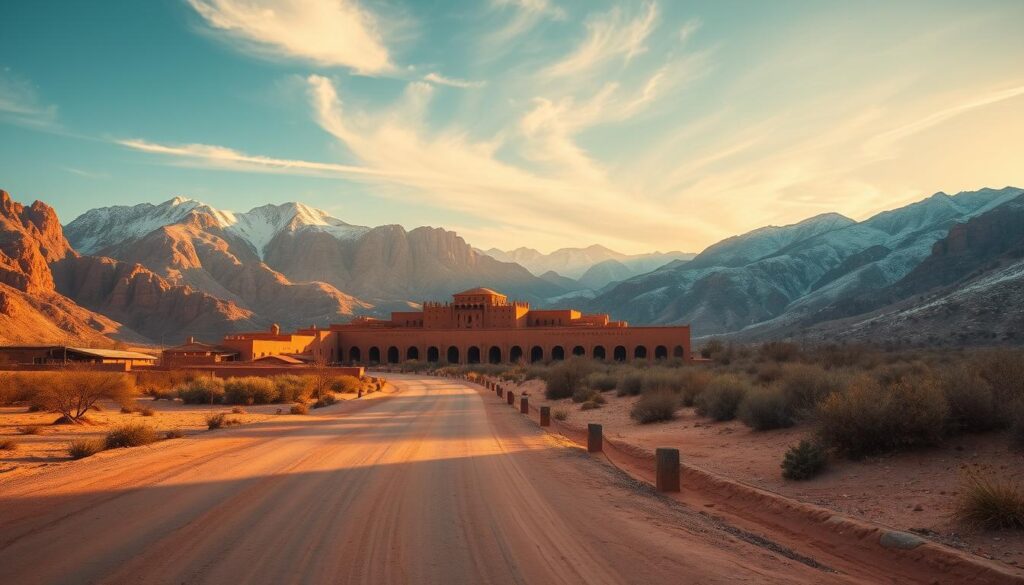
Marrakech Climate in January
Marrakech in January is quite mild during the day, with temperatures around 18°C (64°F). But, it can get chilly at night, dropping to about 8°C (46°F). So, don’t forget to pack layers for your visit.
Casablanca and Rabat Weather
Casablanca and Rabat, being coastal, have a milder climate in January. Daytime temperatures are about 17°C (63°F). At night, they can drop to around 9°C (48°F). The sea keeps temperatures steady.
Fes and Meknes Winter Conditions
Fes and Meknes, inland, have a different climate. January brings highs of about 15°C (59°F) and lows of 5°C (41°F) at night. These cities can be quite cool, especially in the mornings and evenings.
Tangier and Mediterranean Coast
Tangier and the Mediterranean coast have mild winters. In January, expect daytime temperatures of 16°C (61°F) and nighttime temperatures of 9°C (48°F). The Mediterranean makes the climate pleasant.
Essaouira and Atlantic Coast
Essaouira, on the Atlantic, is known for its windy weather. In January, temperatures are around 17°C (63°F) during the day and 10°C (50°F) at night. The coastal breeze can make it feel cooler, so pack accordingly.
Knowing these weather patterns helps you plan a better trip to Morocco in January. Tailor your itinerary and packing list for a more enjoyable journey.
Sahara Desert Experience in January
The Sahara Desert in January is a peaceful and less crowded place to visit. It’s one of the most famous landscapes in the world. Here, you can see vast sand dunes and star-filled skies.
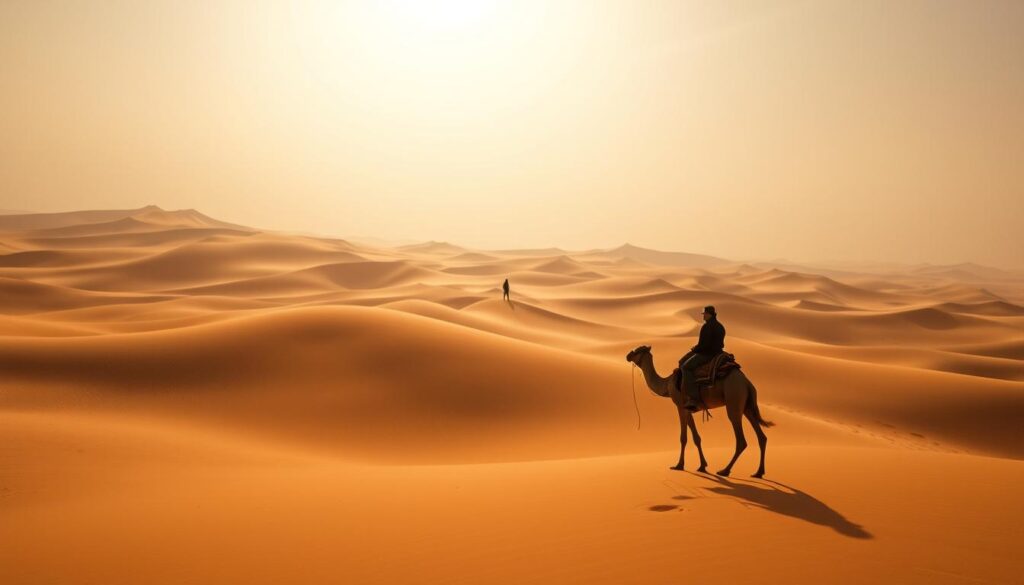
Daytime and Nighttime Desert Temperatures
In January, the Sahara has mild winter weather. This makes it perfect for desert adventures. During the day, temperatures can reach a comfortable 20°C (68°F). This is great for camel rides and exploring the dunes.
But, at night, temperatures can fall to around 5°C (41°F). You’ll need warm clothes for camping under the stars.
- Average Daytime Temperature: 20°C (68°F)
- Average Nighttime Temperature: 5°C (41°F)
Desert Tours and Camping Considerations
When planning a desert tour or camping trip in the Sahara, think about the weather. Pack warm clothes for cold nights and layers for the day’s changing temperatures.
Also, choose a good tour operator. They can show you the best places to camp and keep you safe during your adventure.
“The desert is a vast library, with every dune a page waiting to be read.”
By being prepared and knowing about the Sahara Desert weather in January, you can enjoy its beauty and peace.
Atlas Mountains in January
The Atlas Mountains in January are a special winter spot. The weather changes a lot with the height. Knowing the weather and activities is key to enjoying this beautiful area.
Weather Conditions at Different Elevations
In January, the Atlas Mountains have different weather at different heights. At lower places, it’s mild during the day, from 10°C to 15°C (50°F to 59°F). But, it gets cold at night, often below 0°C (32°F).
At higher spots, snow is common. Some places get a lot of snow, perfect for winter sports.
Elevation is key to the weather: the higher you go, the colder it gets. Places over 2,000 meters are very cold, often freezing.
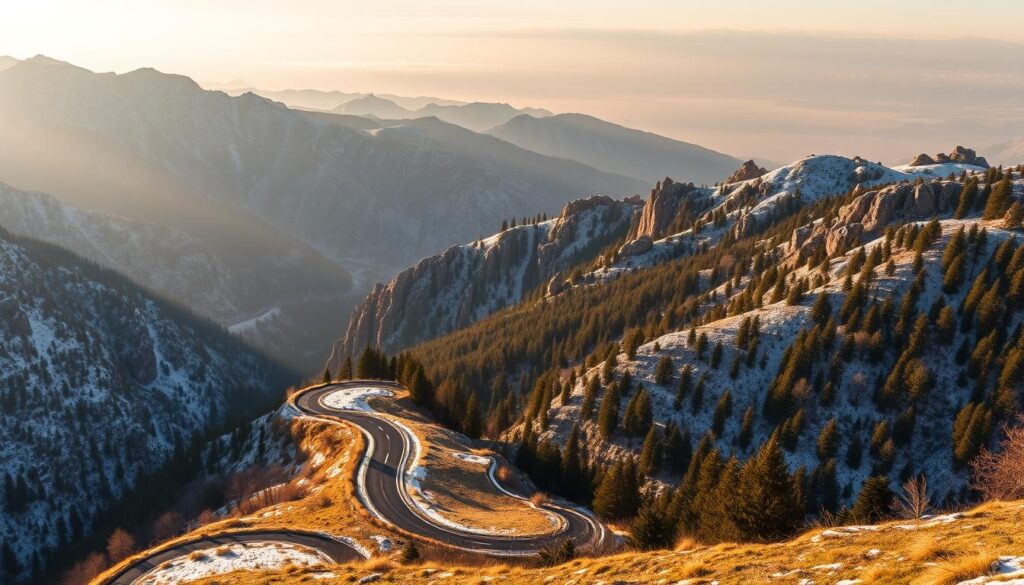
Winter Activities and Accessibility
January is great for winter sports in the Atlas Mountains, like skiing and snowboarding. Ski resorts, like Oukaïmeden, have slopes for all levels. But, some high places might be hard to reach because of snow and ice.
Always check the weather and road conditions before you go. Many tours are available for different interests and fitness levels. They make sure you have a safe and fun time.
Whether you want to trek, ski, or just see the winter views, January in the Atlas Mountains is unforgettable.
Pros and Cons of Visiting Morocco in January
Morocco in January offers both good and bad for travelers. Knowing what to expect is key. This helps you enjoy your trip more.
Advantages of Off-Season Travel
Visiting Morocco in January has its perks. The weather is comfortable, especially in the desert. This makes it perfect for Sahara Desert tours. The days are mild, and nights cool, great for exploring.
January is off-season, so there are fewer tourists. This means a more real experience at places like Marrakech’s Jemaa el-Fnaa. You can visit famous spots without the crowds. For more on winter travel in Morocco, check Pinatravels’ guide.
| Advantage | Description |
|---|---|
| Comfortable Weather | Mild temperatures during the day and cool nights, ideal for desert tours. |
| Fewer Tourists | A more authentic and peaceful experience at popular destinations. |
| Potential Discounts | Some hotels and tour operators may offer discounts during the off-season. |
Weather-Related Challenges to Consider
January in Morocco also has weather challenges. The Atlas Mountains can get snow, which might make roads tough. Some areas can be quite cool, especially in the mornings and evenings. You’ll need appropriate clothing for layering.
Even the desert can get chilly at night. Knowing these challenges helps you prepare. The right clothes and knowledge of the weather will make your trip to Morocco in January unforgettable.

Best Activities for January Visitors
January is a great month to see Morocco’s vibrant culture. You can enjoy activities both indoors and outdoors. There’s something for everyone, no matter what you like.
Indoor Cultural Experiences
January’s mild weather is perfect for exploring Morocco’s culture. Visit places like the Bahia Palace in Marrakech or the Archaeological Museum in Rabat. These spots offer a deep dive into the country’s history and art.
Try a cooking class to learn about Moroccan food. You can make dishes like tagines and couscous. Morocco’s souks and riads also show off the country’s traditional crafts.
Weather-Appropriate Outdoor Activities
January’s daytime is nice for outdoor fun. The Atlas Mountains are great for hiking, biking, or just enjoying the views. Coastal towns like Essaouira offer beaches, water sports, and cultural spots.
January is also good for desert adventures. The Sahara Desert is perfect for camel rides and camping under the stars.
January Festivals and Special Events
January is full of festivals and events in Morocco. The Marrakech International Film Festival happens in late December or early January. The Mawazine Festival in Rabat celebrates music, culture, and arts.
January also has local festivals like the Almohad Festival in Tinmel. It honors the Almohad dynasty’s history. These events give a unique look into Moroccan culture.
Transportation and Weather Considerations
Traveling to Morocco in January means you need to think about the weather and how it affects getting around. Morocco’s weather changes a lot from one place to another. This can make roads slippery, public transport tricky, and planning your trip harder.
Road Conditions in Winter
In January, Morocco’s roads can be tough, especially in the Atlas Mountains. Snow is common there, making roads slippery and snowy at high places. Before you go, check the Morocco January weather forecast to get ready for these challenges.
Getting a 4×4 or joining a guided tour is smart for mountain trips. It helps you stay safe and enjoy your journey.
Potential Travel Disruptions
Bad weather can mess up your travel plans. It might cause delays in trains or flights. To avoid these problems, think about these transportation considerations when booking your trip.
Always check with your airline or train for weather updates before you travel. Having a flexible plan can also help you adapt to any changes.
Conclusion
As you’ve looked into weather in Morocco in Jan, you’re now set to plan your trip. January brings cooler weather, especially in the north and center. Temperatures range from 15°C to 25°C (59°F to 77°F).
Traveling to Morocco in January means different weather in each area. The High Atlas Mountains will be quite cold, with highs around 15°C (59°F) and lows at about 3°C (37°F). On the other hand, Agadir will be milder, with temperatures from 14°C (57°F) to 22°C (72°F).
Visiting Morocco in January has its good and bad points. The cooler weather is a plus for indoor sights and winter sports in the Atlas Mountains. Plus, you’ll see fewer tourists.
In short, Morocco in January is a special place to visit. With this guide, you’re all set to pack right and enjoy your trip. Whether you’re in the cities or the Sahara Desert, you’ll have a great time.



 Covers cities, coast, mountains, desert & food