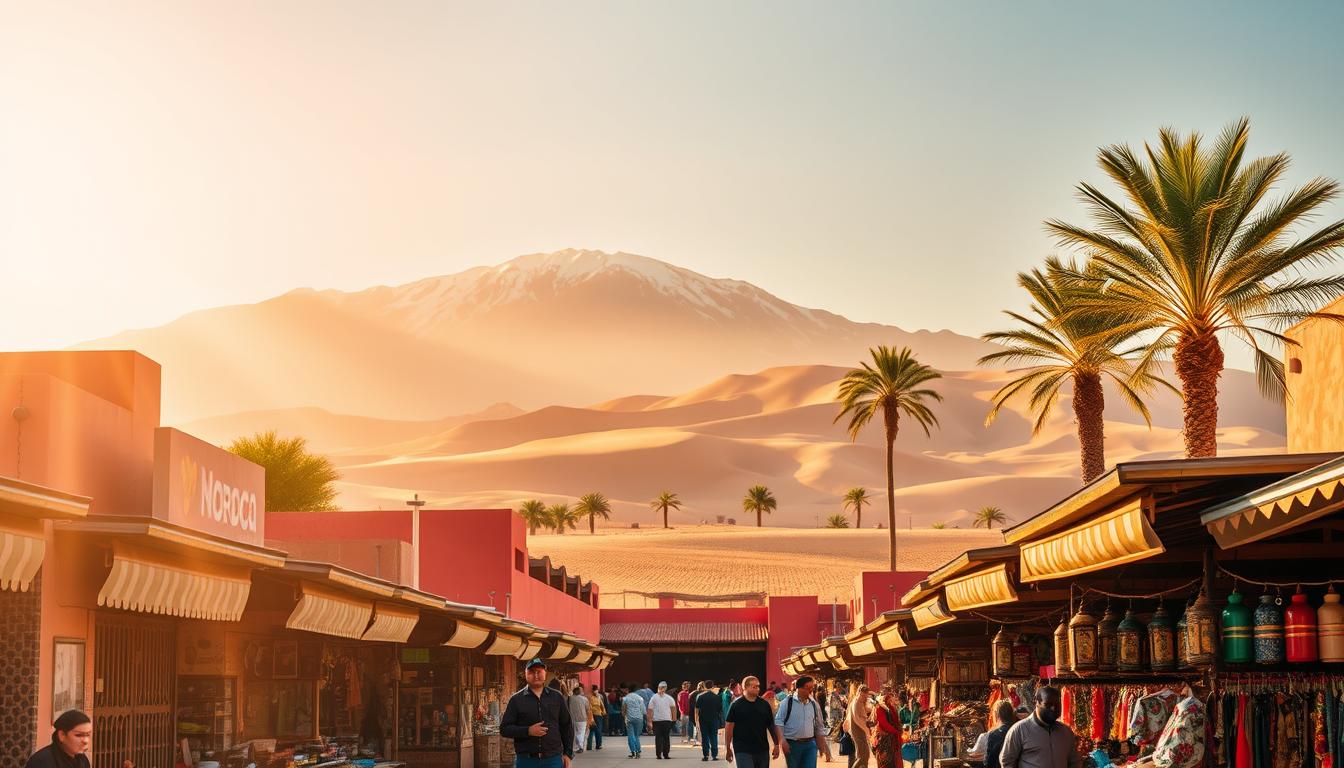
Start your adventure in Morocco with our detailed travel guide. It’s filled with travel tips and insights for an unforgettable journey. Explore Marrakech’s lively streets and the peaceful Sahara Desert. We’ll show you the top experiences Morocco has to offer.
Learn the best time to visit, must-see spots, and how to travel around easily. For a hassle-free trip, check out planning a trip to Morocco and Morocco travel resources to begin.
Key Takeaways
- Plan your trip during peak season (July to September) or spring (April-May) for the best experience.
- Research and book affordable flights from East Coast cities like New York, Boston, and Washington D.C.
- Consider staying in Riads for a unique Moroccan experience.
- Budget approximately $55 USD per day for basic needs.
- Use trains or buses for convenient travel between cities like Marrakech, Fes, and Casablanca.
Discovering Morocco: A Land of Contrasts
When you arrive in Morocco, you’re surrounded by contrasts. You’ll see busy cities and peaceful landscapes. This North African country is full of different experiences, just waiting for you to explore.
Geography and Climate Diversity
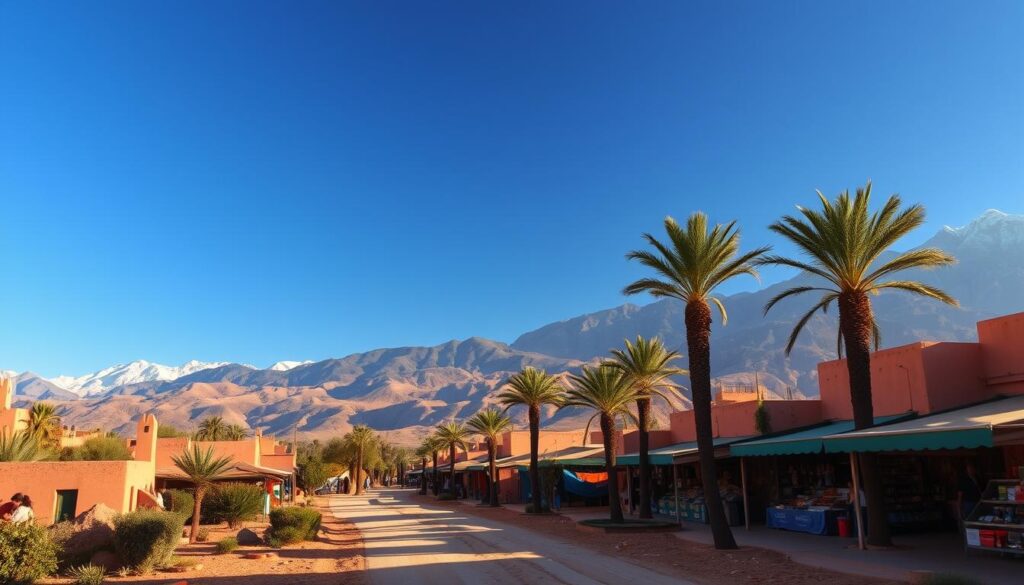
Morocco’s geography is stunning and varied. You’ll find everything from the snowy Atlas Mountains to the huge Sahara Desert.
From Mountains to Deserts
The Atlas Mountains are perfect for hiking and nature walks. They have beautiful valleys and Berber villages. On the other hand, the Sahara Desert is like another world. It has endless dunes and clear starry skies.
Coastal Regions and Inland Variations
The coast, like Essaouira, is calm and has lovely beaches. Inland, cities like Marrakech and Fes show off Morocco’s culture and history.
Cultural Heritage and Historical Significance
Morocco’s culture is a mix of Berber, Arab, and European influences. To really get it, check out Morocco’s top attractions and dive into the local culture.
Berber, Arab, and European Influences
You can see Morocco’s diverse culture in its architecture, food, and traditions. This mix is what makes the country special.
UNESCO World Heritage Sites
Morocco has many UNESCO World Heritage Sites, like Marrakech and Fes. These places show off Morocco’s history and culture.
Best Time to Visit Morocco
Figuring out the best time to visit Morocco can really make your trip better. The country’s weather changes a lot from north to south and from the coast to the desert. This makes Morocco a great place to visit all year round, depending on what you like.
Seasonal Weather Patterns
Morocco’s different landscapes mean the weather can change a lot in different places.
Spring and Fall: The Ideal Seasons
Spring (March to May) and fall (September to November) are the best times to see Morocco. The weather is nice and mild, with temperatures between 65°F and 75°F. This makes it perfect for exploring cities, mountains, and deserts.
Summer Heat and Winter Considerations
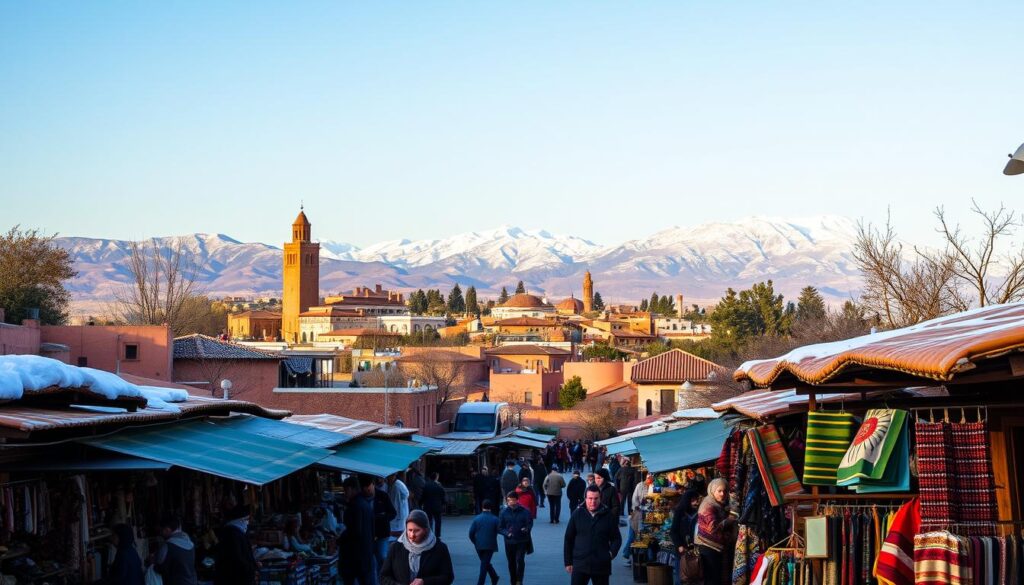
Summer can get very hot, especially in the desert where it can be over 100°F. Winters can be cool to cold, especially in the mountains where snow is common. But the coast stays mild in winter.
Peak vs. Off-Peak Travel Periods
Spring and fall are the busiest times in Morocco, with lots of tourists. These times have the best weather but also mean more people and higher prices. Traveling off-peak can be cheaper and less crowded, but some places might be closed or have shorter hours.
| Season | Weather | Tourist Season |
|---|---|---|
| Spring | Mild | Peak |
| Summer | Hot | Peak |
| Fall | Mild | Peak |
| Winter | Cool/Cold | Off-Peak |
Festival Calendar and Special Events
Morocco’s cultural calendar is full of festivals and events that can make your trip even better.
Religious Celebrations
Morocco is mostly Muslim, and religious holidays like Eid al-Fitr and Eid al-Adha are big deals. These celebrations offer a unique look into Moroccan culture, but the dates change with the Islamic calendar.
Cultural Festivals and Music Events
Festivals like the Marrakech International Film Festival and music events like the Fez Festival of World Sacred Music show off Morocco’s lively culture. These events draw visitors from everywhere and are a great way to see Moroccan culture.
“Morocco is a country where tradition and modernity blend seamlessly, and its festivals are a testament to its rich cultural heritage.”
Knowing the best time to visit Morocco means thinking about the weather and cultural events all year. By planning your trip based on what you like, you can have a more fun and meaningful experience.
Essential Travel Documents and Requirements
Before you start your Moroccan adventure, knowing the essential travel documents is key. Having the right paperwork makes your trip smoother. It helps avoid problems at border control or during your stay.
Visa Information for American Travelers
American citizens visiting Morocco for tourism or business for less than 90 days don’t need a visa. But, your passport must be valid for at least six months after you plan to leave. Always check the latest visa rules before you go. You can find more info on the Morocco travel FAQ page.
Passport and Documentation Needs
You’ll need a valid passport and should make copies of important documents. Leave a copy with someone you trust back home. Carry another copy with you, away from your originals. This is for emergencies or if your documents get lost or stolen.
Health Requirements and Vaccinations
Morocco needs certain vaccinations, especially from areas with yellow fever risk. While no specific vaccinations are needed from the U.S., keep your routine shots up to date. Talk to your doctor or a travel clinic for advice on vaccinations and medications. A travel expert says, “Preparation is key to a healthy and enjoyable trip.”
By knowing and meeting these travel document needs, you’re set for a safe and fun trip to Morocco. Stay informed about any travel requirement changes.
Creating Your Perfect Morocco Itinerary
Planning your trip to Morocco is key to enjoying it fully. The country offers a mix of vibrant cities, peaceful landscapes, and rich culture. Each place has its own charm waiting to be explored.
7-Day Highlights Tour
A 7-day tour is a great way to see Morocco’s best spots. It lets you visit important places without feeling too rushed.
Day-by-Day Breakdown
Here’s what a 7-day trip might look like:
- Day 1-2: Discover Marrakech’s lively souks and historic sites.
- Day 3: Head to Fes to see its ancient medina.
- Day 4: Relax in Chefchaouen’s calm atmosphere.
- Day 5-6: Visit Rabat, then enjoy Essaouira’s coast.
- Day 7: Return to Marrakech for your flight home.
Transportation Between Destinations
Morocco has a good transport system. You can travel by:
| Mode | Duration | Comfort Level |
|---|---|---|
| Train | Fast | High |
| Private Transfer | Flexible | High |
| Bus | Economical | Variable |
14-Day Comprehensive Experience
For a deeper dive, try a 14-day trip. It covers more places and includes both famous sites and hidden gems.
Northern and Southern Circuit Options
You can explore the imperial cities in the north or the Sahara Desert in the south. Each path offers unique experiences:
- Northern Circuit: Includes Marrakech, Fes, and Rabat.
- Southern Circuit: Takes you to the Sahara Desert, Ouarzazate, and the Atlas Mountains.
Incorporating Rest Days
Rest days are important for a relaxed trip. Use them to try local food, take cooking classes, or just relax at your riad.
Customizing Your Route Based on Interests
Morocco suits many interests. Whether you love history, adventure, or just relaxing, you can make your trip fit your preferences.
“The beauty of Morocco lies not just in its landscapes, but in its people and their rich cultural heritage.” –
For more ideas on making your trip special, check out myvisitmorocco.com. It has inspiration and practical tips.
Must-Visit Destinations in Morocco
Morocco is a treasure trove of history and landscapes. It has everything from ancient cities to coastal spots and desert adventures. There’s something for everyone here.
Imperial Cities: Marrakech, Fes, Rabat, and Meknes
The imperial cities of Morocco show off the country’s rich culture and stunning buildings. Each city has its own special charm and sights.
Marrakech’s Medina and Jemaa el-Fnaa
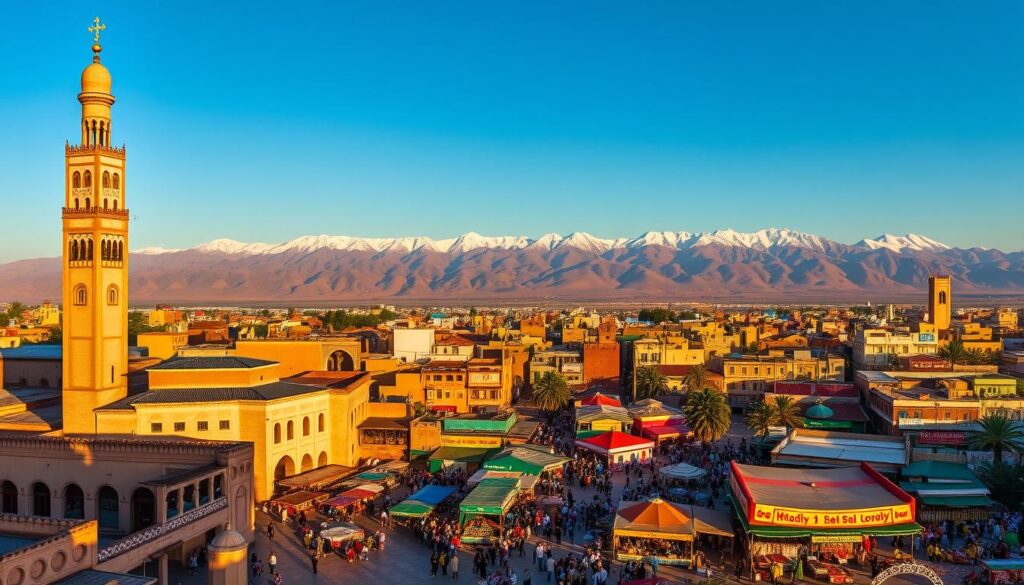
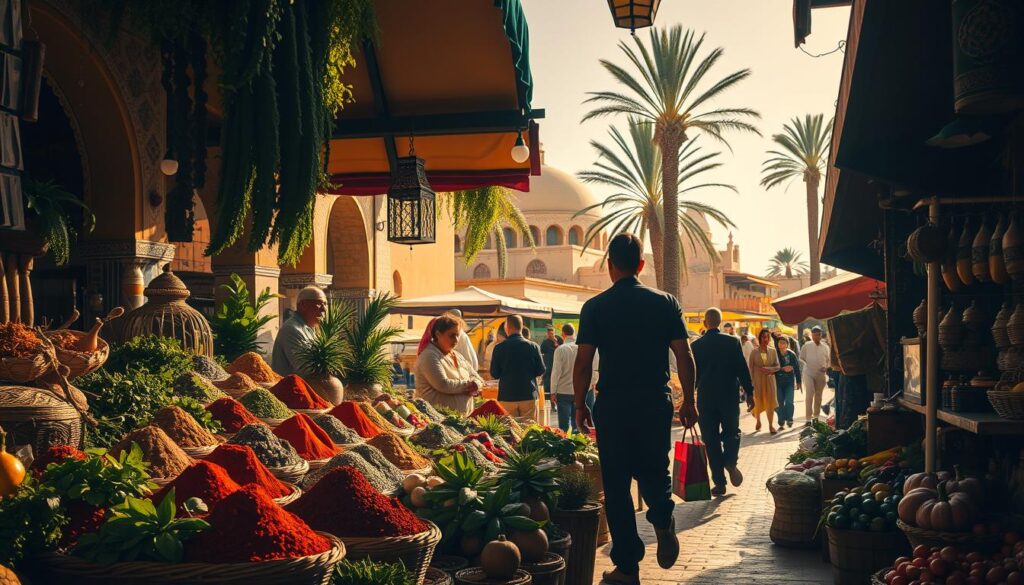
Marrakech is famous for its lively medina and the bustling Jemaa el-Fnaa square. Here, you’ll find snake charmers, street performers, and vendors, creating a unique atmosphere.
Fes’s Ancient Medina and Tanneries
Fes is home to one of the oldest and biggest medieval medinas. The famous Tanneries of Fes give a peek into traditional leather making.
Rabat’s Historical Sites
Rabat, the capital, has important historical sites like the Kasbah of the Udayas and the Hassan Tower. These show Morocco’s rich history.
Meknes’s Imperial Architecture
Meknes is known for its grand buildings, including the Bab Mansour gate and the Royal Stables. It’s a city of impressive architecture.
Coastal Escapes: Essaouira and Casablanca
Morocco’s coast has its own charm, with Essaouira and Casablanca being top spots.
Essaouira’s Windswept Charm
Essaouira is a coastal town known for its windy weather, beautiful beaches, and arts scene. It’s perfect for relaxing and being creative.
Casablanca’s Modern Appeal
Casablanca is a modern city with a mix of old and new architecture. The iconic Hassan II Mosque is a highlight.
| City | Main Attraction | Best Time to Visit |
|---|---|---|
| Marrakech | Jemaa el-Fnaa | Spring |
| Fes | Ancient Medina | Autumn |
| Rabat | Kasbah of the Udayas | Year-round |
| Essaouira | Beaches | Summer |
Desert Adventures: Merzouga and Zagora
Morocco’s deserts offer amazing adventures for those seeking them.
Sahara Desert Experiences
Merzouga is the gateway to the Sahara Desert. Here, you can go on camel treks, see stunning sunrises, and enjoy the desert’s peace.
Oasis Towns and Kasbahs
Zagora and other oasis towns are known for their beautiful landscapes and historic kasbahs. They offer a look into traditional Berber culture.
For more on the best places to visit in Morocco, check out this detailed guide. It gives a full overview of the top spots.
Navigating Transportation Options
Traveling in Morocco is easy with the right info. There are many ways to get around, fitting all budgets and tastes.
Domestic Flights and Railways
Domestic flights are quick, cutting travel time between cities like Marrakech and Casablanca. ONCF’s railway network is also efficient. It offers comfortable rides between major spots.
Public Transportation vs. Private Drivers
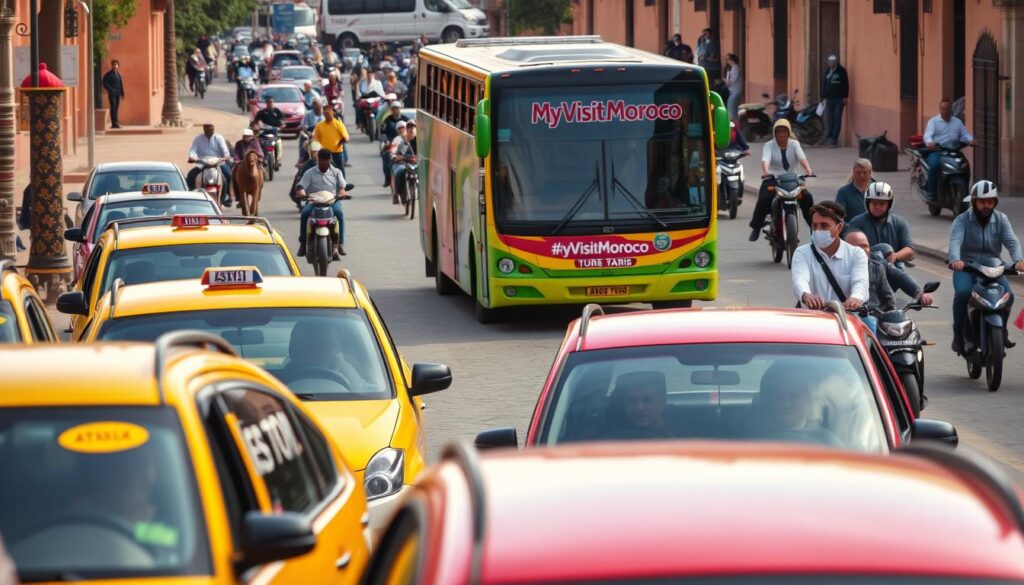
Public transport in Morocco includes buses and grand taxis. They’re cheap and give a local feel. But, private drivers offer more freedom and a customized trip, especially for groups.
Bus Networks and Grand Taxis
Bus networks reach far, even rural areas. Grand taxis, shared rides, are great for short trips and offer a traditional vibe.
Hiring Private Guides and Drivers
Private guides and drivers make your trip better. They share local insights and handle the roads.
Self-Driving Considerations
Self-driving in Morocco is adventurous. But, know the local driving rules and road conditions. A 4×4 is best for rural or desert trips.
| Transportation Mode | Advantages | Disadvantages |
|---|---|---|
| Domestic Flights | Time-saving, convenient | Expensive, limited routes |
| Railways | Comfortable, scenic | Limited network, not very frequent |
| Public Transportation | Affordable, local experience | Less flexible, crowded |
| Private Drivers | Flexible, personalized | Expensive, dependent on driver |
Accommodation Guide for Every Budget
Planning your Morocco trip? Picking the right place to stay is key. Morocco has something for everyone, from cozy riads to fancy resorts and cheap hostels.
Authentic Riads and Traditional Stays
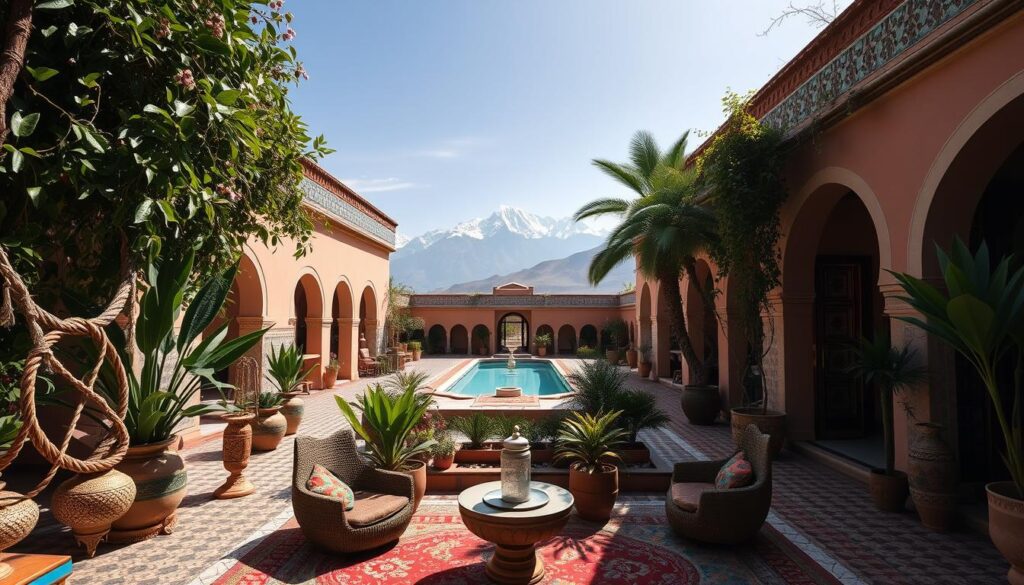
Staying in a riad is a true Moroccan experience. Riads are traditional houses with interior gardens. They offer a peaceful and culturally rich setting.
What to Expect in a Riad
You’ll get a warm welcome and see beautiful architecture. Riads also serve tasty local food and provide great service.
Booking Tips and Recommendations
Look at the riad’s location, reviews, and what it offers. Booking early is smart, especially when lots of people are traveling.
Luxury Resorts and International Hotels
For luxury, Morocco has many top resorts and hotels. Places like Marrakech and Casablanca have the best. They have spas, pools, and great restaurants.
Budget-Friendly Options and Hostels
On a tight budget? Hostels and budget hotels are perfect. They’re great for meeting people and trying local life without spending a lot.
| Accommodation Type | Average Cost per Night | Amenities |
|---|---|---|
| Riad | $80-$150 | Traditional decor, garden, local cuisine |
| Luxury Resort | $200-$500 | Spa, pool, fine dining, international staff |
| Hostel | $15-$30 | Shared or dorm rooms, communal kitchen, social events |
Think about your budget and what you like. This way, you’ll find the best place to stay in Morocco. It will make your trip unforgettable.
Comprehensive Vacation in Morocco Guide: Planning Your Budget
Getting ready for your Moroccan trip? Knowing the costs is key for a worry-free vacation. Morocco has something for everyone, from luxury to budget-friendly options.
Average Costs for Accommodations and Meals
Accommodation and meal prices in Morocco vary a lot. Budget-friendly places like riads or hostels cost $20-$50 per night. Luxury hotels can be $100-$300 per night.
City vs. Rural Price Differences
Prices are higher in big cities like Marrakech and Rabat. A meal in the city costs $5-$15. In rural areas, it’s $3-$10.
Luxury vs. Budget Options
Luxury travelers pay more for fancy hotels and dining. Budget travelers find cheaper places and eat at local spots or street food stalls.
Transportation and Activity Expenses
Traveling around Morocco and seeing its sights has costs. You can use buses, trains, private drivers, or rent cars.
Tour Costs and Entrance Fees
Many attractions, like historical sites and natural wonders, have entrance fees. Guided tours vary in price, based on the tour’s length and type.
- Guided tours: $30-$100 per person
- Entrance fees: $5-$20 per person
Transportation Budget Planning
To save on transport, use public transport or shared shuttles. For longer trips, domestic flights are a good option.
Money-Saving Tips and Considerations
To save money, travel off-season, bargain at markets, and eat at local places instead of tourist spots.
Key money-saving tips:
- Travel during the off-season.
- Bargain at local markets.
- Eat at local riads or street food stalls.
Understanding these costs and tips helps plan your Morocco trip. You can have a great time without spending too much.
Moroccan Cuisine: A Culinary Journey
Moroccan cuisine is a mix of flavors from Africa, Europe, and the Arab world. This blend is seen in dishes like savory tagines and sweet pastries.
Essential Dishes to Try
Exploring Moroccan cuisine means trying some key dishes.
Tagines and Couscous Varieties
Tagine is a slow-cooked stew cooked in an earthenware pot. You can try chicken with preserved lemons and olives, or lamb with prunes. Couscous, made from semolina flour, is often served with vegetables and meat.
Street Food and Specialties
Moroccan street food is a tasty part of its culture. Try “Msemen” (a square-shaped pancake) or “Kebabs” made from various meats. Also, don’t miss “Harira,” a soup with tomatoes, lentils, and chickpeas.
Dining Etiquette and Customs
Knowing local dining etiquette can make your experience better. In Morocco, meals are often shared, and eating with your right hand is customary. It’s polite to appreciate the food and company.
Food Safety and Dietary Considerations
When enjoying Moroccan cuisine, think about food safety and dietary options.
Vegetarian and Special Diet Options
Many Moroccan dishes are vegetarian-friendly, like vegetable tagines and couscous with vegetables. If you have special dietary needs, let people know. Gluten-free and vegan options might be hard to find in some places.
Water and Beverage Safety
Don’t drink tap water. Stick to bottled or filtered water. Moroccan mint tea is a safe and refreshing choice.
| Dish/Type | Description | Dining Tip |
|---|---|---|
| Tagine | Slow-cooked stew | Try with chicken or lamb |
| Couscous | Semolina flour dish | Often served with vegetables and meat |
| Harira | Hearty soup | Popular during Ramadan |
Cultural Experiences and Traditions
Exploring Morocco reveals a rich mix of cultures. You’ll see Arab, Berber, and Mediterranean influences in its buildings, food, and art. This blend makes Morocco truly special.
Traditional Crafts and Souvenirs
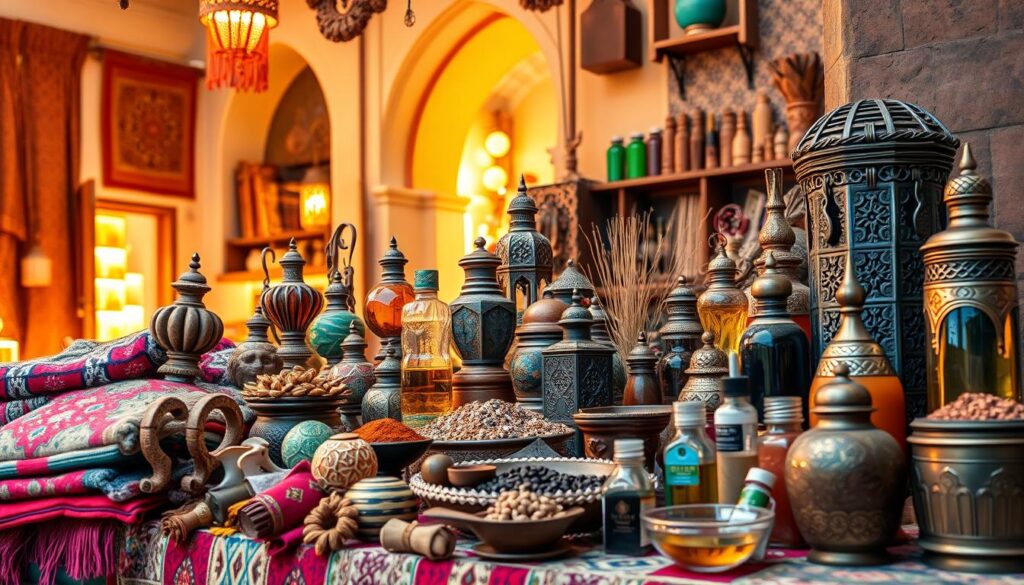
Morocco is famous for its traditional crafts. These crafts are perfect souvenirs. You can find them in many souks and markets.
Carpets and Textiles
Moroccan carpets and textiles are loved for their detailed patterns and bright colors. These handmade items are not just beautiful. They also show Morocco’s deep cultural roots.
Pottery and Metalwork
Pottery and metalwork are traditional crafts that highlight Moroccan artisans’ talent. You’ll see everything from decorative tiles to metal lanterns. These items bring Moroccan elegance to any place.
Leather Goods and Woodcrafts
Leather goods like bags and slippers, and woodcrafts like carved boxes, are popular souvenirs. They show Morocco’s skill in making things by hand.
Music, Dance, and Artistic Heritage
Morocco’s artistic scene is lively, with music and dance at its heart. The Gnawa people, for example, are known for their deep music and lively shows. These are key parts of Moroccan culture.
Respectful Cultural Interaction
It’s important to respect Moroccan culture when you’re there.
Religious Customs and Etiquette
Morocco is an Islamic country. Visitors should remember to dress modestly and remove shoes in mosques. This shows respect for local customs.
Photography and Social Interactions
When taking photos of locals, be mindful of their privacy. Always ask for permission before taking someone’s picture.
Adventure Activities and Outdoor Experiences
In Morocco, you can find a mix of exciting adventures and cultural experiences. The country has different landscapes, from the Sahara Desert to the Atlas Mountains. These places offer many outdoor activities for everyone.
Desert Excursions and Camel Treks
Exploring the Sahara Desert on camelback is a top Moroccan experience. It lets you see the desert’s calm beauty up close.
Overnight Desert Camps
Staying in an overnight desert camp is a unique experience. You can enjoy Berber hospitality, try local food, and see the stars.
Stargazing and Desert Photography
The desert’s clear skies are perfect for stargazing. You can also take amazing photos of the dunes, especially at sunrise and sunset.
Mountain Hiking and Nature Exploration
The Atlas Mountains in Morocco are great for hiking. They have trails for all skill levels. You can see beautiful views and learn about rural Berber life.
Atlas Mountains Trekking Routes
The Atlas Mountains have many trekking paths. You can choose from easy day hikes to long treks. Popular spots include climbing Jbel Toubkal and exploring the valleys and villages.
Guided vs. Independent Hiking
Some like to hike alone, but guided tours are also great. Guides share knowledge about the area’s plants, animals, and culture. They also make sure you stay safe and have fun.
Water Sports and Coastal Activities
Morocco’s coast is perfect for water sports like surfing and kitesurfing. Places like Essaouira and Taghazout are great for these activities.
“The beauty of Morocco lies not just in its landscapes, but in its people and their rich cultural heritage.” A journey through Morocco is a journey through a land of contrasts, where tradition meets modernity.
Whether you love the desert, mountains, or coast, Morocco has something for you. It offers a mix of outdoor fun and cultural experiences for everyone.
Safety Tips for American Travelers
To enjoy your Moroccan adventure, learn some safety tips and local conditions. Morocco is full of life and culture, but it’s wise to be careful.
General Safety Precautions
Be aware of your surroundings in crowded places and tourist spots. Keep your valuables safe and think about using a money belt. Be careful with ATMs and don’t show off your wealth.
Health and Medical Considerations
It’s important to stay healthy while traveling. For the latest health advice for Morocco, check Rough Guides for vaccination and medication info. Protect yourself from heat exhaustion and dehydration, especially in the desert.
Emergency Contacts and Resources
In an emergency, knowing who to call is key. Here are some important contacts:
U.S. Embassy Information
The U.S. Embassy in Rabat is a great resource for Americans. Register with the Smart Traveler Enrollment Program (STEP) for safety updates.
Local Emergency Services
Know the local emergency numbers. For police, fire, or medical help, call 15 or 112 (like 911 in the U.S.).
Being informed and ready can make your trip to Morocco safe and fun. Always stay alert and respect local customs to avoid risks.
Practical Travel Tips and Etiquette
Getting ready for Morocco? Knowing local customs and tips can make your trip better. Morocco’s rich culture makes it a great place to visit. Being respectful of local ways will make your trip more enjoyable.
Language Basics and Communication
Many Moroccans speak English, but learning Arabic or French is helpful. It helps you talk to locals and shows respect for their culture.
Essential Arabic and French Phrases
Learning simple greetings like “As-salamu alaykum” and “Bonjour” is a good start. For more, carry a phrasebook or use a translation app on your phone.
Translation Apps and Resources
Google Translate is very useful. It helps with signs, menus, and conversations. For more trip planning tips, check out Rough Guides.
Appropriate Dress and Behavior
Morocco is conservative, so dress modestly. Women should cover shoulders and knees. Men should avoid shorts and sleeveless shirts.
- Dress modestly to respect local customs.
- Remove your shoes when entering mosques or homes.
- Avoid public displays of affection.
Bargaining and Tipping Customs
Bargaining is big in Morocco, especially in souks. Knowing how to haggle and when to tip can improve your interactions.
Haggling in the Souks
Start with a lower price than you want to pay. Be ready to negotiate. It’s all part of the fun. Aim for a price you both agree on.
Tipping Guidelines for Services
Tipping is common for tours, food service, and transport. Aim for 10% of the total cost.
Knowing these tips and etiquette will help you enjoy Morocco more. You’ll navigate the country with confidence and respect.
Conclusion: Making the Most of Your Moroccan Adventure
Now that you have your vacation in Morocco guide, you’re set for an amazing trip. You’ll know how to explore the lively cities, peaceful deserts, and rich culture of Morocco.
Get ready to see the imperial cities of Marrakech and Fes, and the beautiful coast of Essaouira. Knowing the best times to visit, how to get around, and where to stay will help you enjoy your trip fully.
While trying the local food, experiencing the culture, and going on adventures, always be aware of your surroundings. Respect the local customs. With this guide, you’re all set to make unforgettable memories in Morocco.


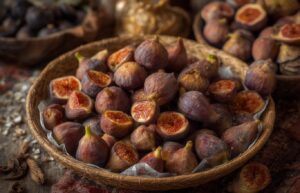

 Covers cities, coast, mountains, desert & food