
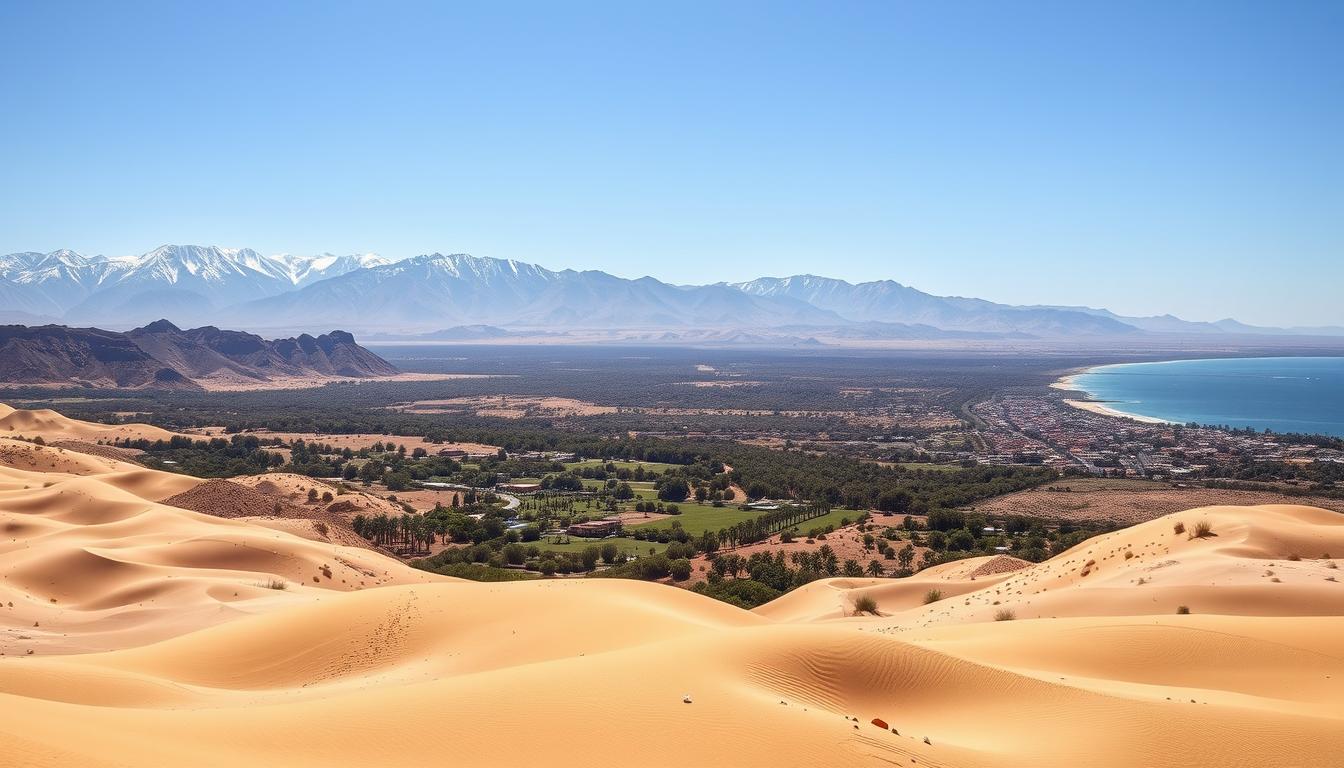
temperature in january in morocco
Planning your trip to Morocco in January? It’s key to know the climate differences across regions. January is quite cool, but the weather changes a lot depending on where you are.
Morocco’s diverse geography shapes its climate. You’ll find cool mountains and warm deserts. So, the weather varies a lot in different parts of the country.
Key Takeaways
- January temperatures vary across Morocco’s regions.
- The Atlas Mountains can be quite cool, while the Sahara Desert remains relatively warm.
- Coastal areas tend to have milder winters compared to inland regions.
- Understanding regional climate differences is essential for planning your trip.
- Morocco’s diverse geography contributes to its varied climate conditions.
Morocco’s Winter Climate Overview
The winter in Morocco, especially in January, brings varied weather. This is due to its geography and wind patterns. Knowing these will help you get ready for your trip.
General Weather Patterns in January
In January, Morocco’s weather is a mix of Mediterranean and desert climates. The north is cooler and wetter. The south is warmer and drier.
Prevailing Wind Systems
January winds in Morocco mostly come from the west and northwest. They bring moisture from the Atlantic Ocean. This leads to rain in coastal and mountain areas.
Influence of Geography on Climate
Morocco’s geography greatly affects its climate. The Atlas Mountains block rain, causing different climates in different areas. Desert places like Merzouga get colder nights because of the lack of insulation.
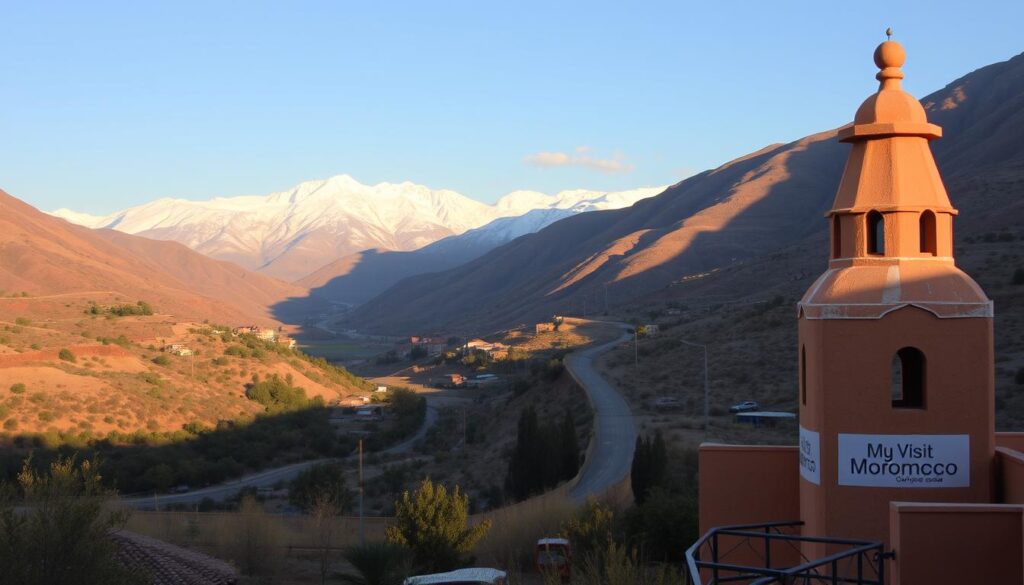
Day vs. Night Temperature Variations
January temperatures in Morocco change a lot between day and night. It’s important to pack right for these changes.
Average Daily Highs
Average highs in January range from 17°C (63°F) in the north to 20°C (68°F) in the south. Cities like Casablanca and Rabat have milder weather.
Average Overnight Lows
Nights can get very cold, especially in deserts. Temperatures can drop to around 5°C (41°F) in the Atlas Mountains and 10°C (50°F) in Marrakech.
| Region | Average High (°C) | Average Low (°C) |
|---|---|---|
| Northern Morocco | 17 | 8 |
| Southern Morocco | 20 | 12 |
| Atlas Mountains | 10 | 5 |
A climate expert notes, “Morocco’s varied geography leads to different climates, even in winter.”
Northern Morocco January Temperatures
In January, Northern Morocco has a winter climate. This is due to its Mediterranean coastline and mountainous terrain. Coastal areas are mild, while mountains are colder.
Tangier Climate Data
Tangier, a key city in Northern Morocco, has a Mediterranean climate. Its winters are mild. The average January temperature is about 13°C (55°F).
Mediterranean Influences
The Mediterranean Sea moderates Tangier’s climate. This keeps temperatures stable. January sees average highs of 15°C (59°F) and lows of 11°C (52°F).
Historical Temperature Records
Tangier’s January temperatures are rarely extreme. The lowest was 4°C (39°F), and the highest was 20°C (68°F).

Tetouan and Chefchaouen Weather
Tetouan and Chefchaouen, inland and higher, have a different climate than Tangier. January is cooler, especially at night.
Mountain Effects on Temperature
The mountains around Tetouan and Chefchaouen lower temperatures. Daytime temperatures range from 8°C to 14°C (46°F to 57°F).
Rainfall Patterns
January is wet in Northern Morocco, especially in Tetouan and Chefchaouen. They get about 120 mm of rain in January.
Knowing the climate helps prepare for a January visit to Northern Morocco. Whether you’re by the coast or in the mountains, understanding the weather improves your trip.
Coastal Atlantic Region Weather
January weather in Morocco’s Atlantic coast is mild and varies by region. The ocean’s influence makes the climate more moderate.
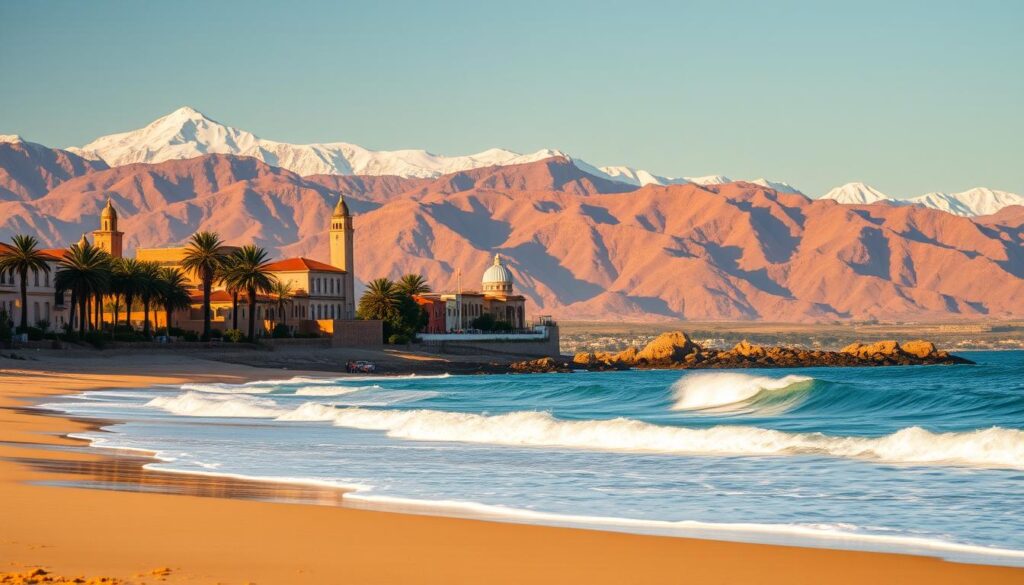
Casablanca January Climate
Casablanca, a major coastal city, has a stable climate in January. Temperatures range from 12°C to 18°C (54°F to 64°F). This makes it a great place to visit in winter.
Ocean Moderation Effects
The Atlantic Ocean keeps Casablanca’s climate mild. It does this by warming the air with the ocean’s heat.
Humidity and Comfort Levels
January in Casablanca is quite humid, with an average of 70%. But the mild temperatures make it comfortable. It’s perfect for seeing the city’s sights.
Rabat and Essaouira Temperature Patterns
Rabat, the capital, and Essaouira have unique January temperatures. Rabat’s are similar to Casablanca’s. Essaouira is cooler, thanks to its location and winds.
Wind Factors in Coastal Areas
Essaouira is known for its strong winds. This makes January feel even cooler. Remember to pack for the wind when visiting.
Temperature Stability Near Water
Rabat and Essaouira stay cooler near the Atlantic. This is because the ocean stabilizes temperatures. It makes the coastal areas more pleasant in January.
Central Morocco January Conditions
January weather in Central Morocco is quite varied. Cities like Fez and Meknes have their own climate patterns during this month.
Fez Climate Specifics
Fez is famous for its old buildings and lively culture. In January, it gets quite chilly, with temperatures between 8°C and 15°C (46°F to 59°F).
Valley Location Effects
Fez sits in a valley, which makes it cooler. The mountains around it can cause foggy mornings.
Urban Heat Island Impact
Despite the cold, Fez feels a bit warmer than the countryside. This is because of all the buildings and people.
Meknes Weather Patterns
Meknes, another key city, has similar but different weather than Fez. In January, it’s around 12°C (54°F) on average.
Elevation Influences
Meknes’s height affects its weather. Higher spots are cooler. This creates different climates in the area.
Typical January Weather Events
Meknes gets about 80 mm (3.2 inches) of rain in January. Be ready for rain during your trip.
| City | Average High | Average Low | Rainfall |
|---|---|---|---|
| Fez | 15°C (59°F) | 8°C (46°F) | 90 mm (3.5 inches) |
| Meknes | 14°C (57°F) | 6°C (43°F) | 80 mm (3.2 inches) |
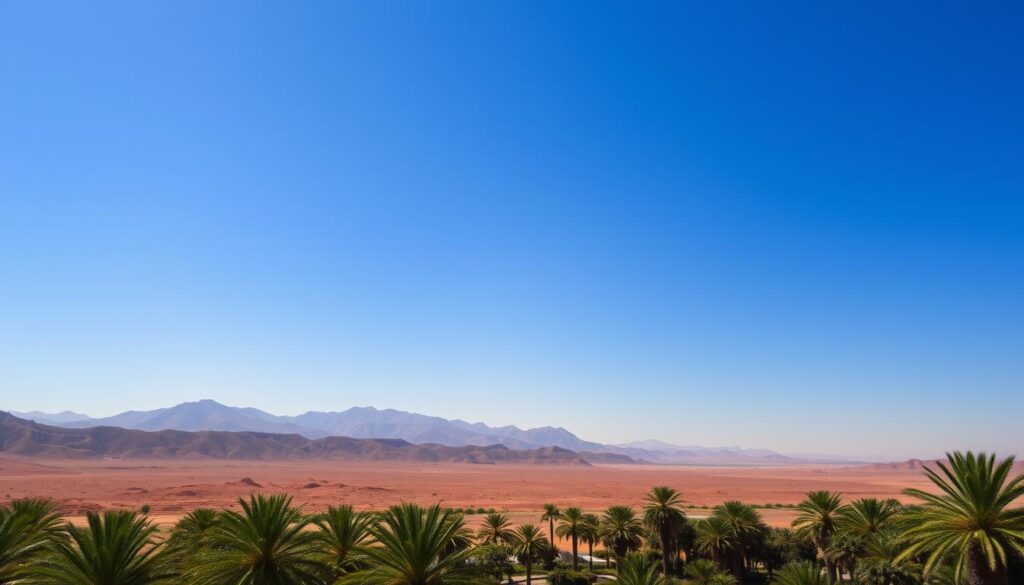
Temperature in January in Morocco’s Desert Regions
The desert regions of Morocco have a fascinating climate in January. You’ll see big differences between day and night temperatures.
Merzouga and the Sahara
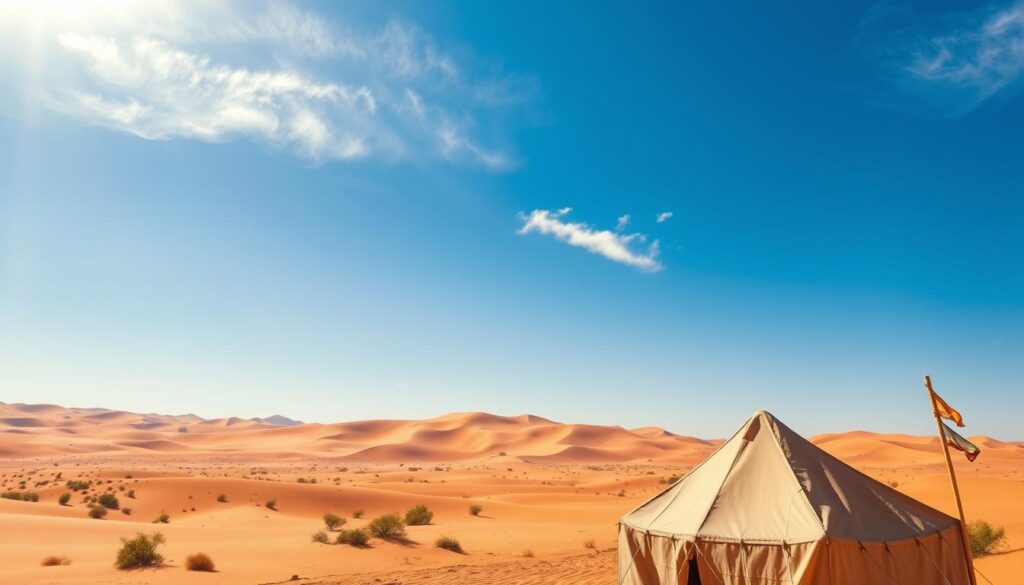
Merzouga, a gateway to the Sahara Desert, has extreme temperature changes in January. Days are mild, but nights can get quite cold.
Extreme Day-Night Variations
The desert climate is known for extreme day-night changes. In January, Merzouga’s days can hit 18°C (64°F). But nights can fall to about 4°C (39°F).
Cold Desert Nights Phenomenon
The cold desert nights happen because the desert can’t keep heat after sunset. This leads to chilly nights, even in winter.
Ouarzazate Climate Data
Ouarzazate, known as the “Gateway to the Desert,” has a special climate in January. The temperature data helps visitors know what to expect in winter.
The “Gateway to the Desert” Climate
Ouarzazate’s January climate is mild during the day and cool at night. The average high is 18°C (64°F), and the low is about 4°C (39°F).
Film Industry Weather Considerations
The film industry, which shoots in Ouarzazate, must think about the January weather. Days are good for filming, but cold nights need careful planning for equipment and people.
Knowing about these temperature changes is key for January desert trips in Morocco. Being ready for these changes will make your trip more enjoyable and comfortable.
Atlas Mountains Winter Climate
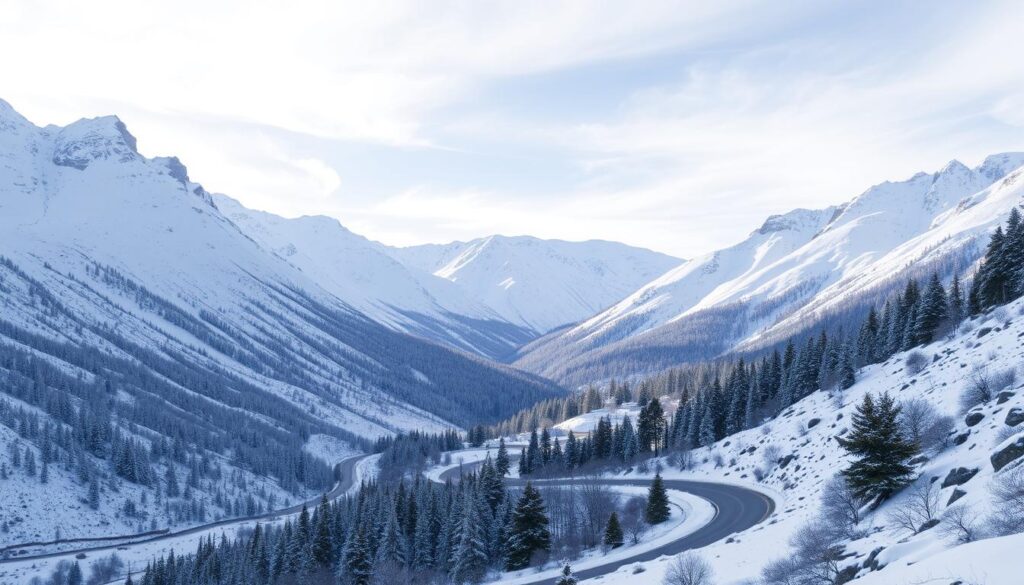
January in the Atlas Mountains, Morocco, brings a chill to the air. Temperatures drop significantly, especially at higher altitudes. The region’s climate varies greatly with altitude, making it a fascinating area to explore during the winter months.
Ifrane’s Unique Snowy Conditions
Ifrane, often called the “Little Switzerland” of Morocco, is famous for its snowy winters. Its high altitude and unique architecture make it perfect for winter sports enthusiasts.
The “Little Switzerland” of Morocco
Ifrane’s nickname is well-deserved due to its European-style architecture and snowy winters. You can enjoy a winter wonderland atmosphere, complete with snow-covered buildings and frozen lakes.
Ski Season Conditions
The ski season in Ifrane runs from December to March, with January being one of the coldest months. You can expect well-maintained ski slopes and a range of winter sports facilities.
High Atlas Passes and Valleys
The High Atlas region is known for its dramatic landscapes. High passes and valleys offer breathtaking views. However, the weather can be quite challenging during January.
Accessibility During Winter
While some areas of the High Atlas can be challenging to access during heavy snowfall, many main passes and valleys remain open. You should be prepared for variable road conditions and potential snowdrifts.
Temperature Variations by Altitude
Temperature in the High Atlas varies significantly with altitude. As you ascend, the temperature drops, and you can expect colder conditions in the higher elevations. It’s essential to pack accordingly to enjoy your visit.
| Region | Average Temperature in January | Weather Conditions |
|---|---|---|
| Ifrane | 2-5°C (36-41°F) | Snowy, cold |
| High Atlas Passes | -2 to 0°C (28-32°F) | Cold, potentially snowy |
| High Atlas Valleys | 0-5°C (32-41°F) | Cold, occasional snow |
Southern Morocco January Weather
In January, Southern Morocco has a mild winter. Each area has its own weather. This makes it a great time to see the coastal towns and inland cities.
Agadir Temperature Patterns
Agadir has nice weather in winter. It gets up to 22°C (72°F) in January. At night, it cools down to about 9°C (48°F), making it perfect for winter visitors.
Beach Weather Possibilities
The ocean is cool, at about 17°C (63°F). But Agadir’s beaches are still great for sunbathing and walks. You can enjoy pleasant beach weather during the day, though it might be too cool for swimming for some.
Microclimates of the Region
Agadir and its surroundings have different climates. The coast is milder than the inland areas. This variety offers visitors a range of experiences, from sunny beaches to cooler hills.
Taroudant and Tiznit Climate
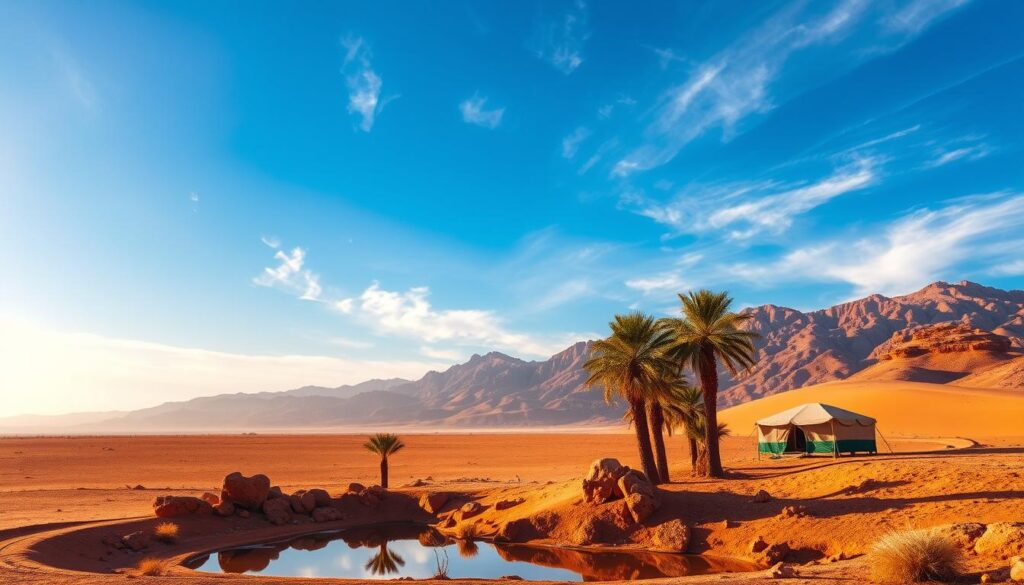
Taroudant and Tiznit have different climates. Taroudant has warm days and cool nights. Tiznit is milder because it’s near the coast.
Inland vs. Coastal Differences
Inland areas like Taroudant have a bigger temperature range. Coastal places like Tiznit stay more stable, thanks to the ocean. For more climate data, check WeatherSpark.
Agricultural Implications
The January weather affects farming. Cooler temperatures might slow down some crops. But the mild weather is good for many farms, making it a great time for farmers to work.
| City | Average High | Average Low |
|---|---|---|
| Agadir | 22°C (72°F) | 9°C (48°F) |
| Taroudant | 20°C (68°F) | 8°C (46°F) |
| Tiznit | 21°C (70°F) | 10°C (50°F) |
Marrakech January Climate Analysis
In January, Marrakech has a winter climate perfect for exploring. The days are mild, making it great for walking around the city. You can see the vibrant streets and historic sites without a problem.
Day-to-Day Temperature Fluctuations
The temperature in Marrakech changes a lot between day and night in January. Days are pleasant, but nights can get cool.
Palm Grove Microclimate
The palm groves in Marrakech are warmer than other areas. This is because the dense foliage keeps the heat in.
Medina vs. New City Temperatures
The old city, Medina, and the new city have different temperatures. The Medina is warmer because of its dense buildings and narrow streets.
Rainfall and Humidity Levels
January is cooler in Marrakech and it rains a bit. Knowing about the rain and humidity helps plan your activities.
Typical Precipitation Events
Rain in January is usually short and intense. After the rain, the skies often clear up.
Impact on Tourist Activities
Rain might affect outdoor plans, but Marrakech has lots of indoor spots. You can visit museums and historic sites.
| Aspect | Daytime | Nighttime |
|---|---|---|
| Average Temperature | 18°C (64°F) | 8°C (46°F) |
| Rainfall | Average 30 mm (1.2 in) | |
| Humidity | 60% | 80% |
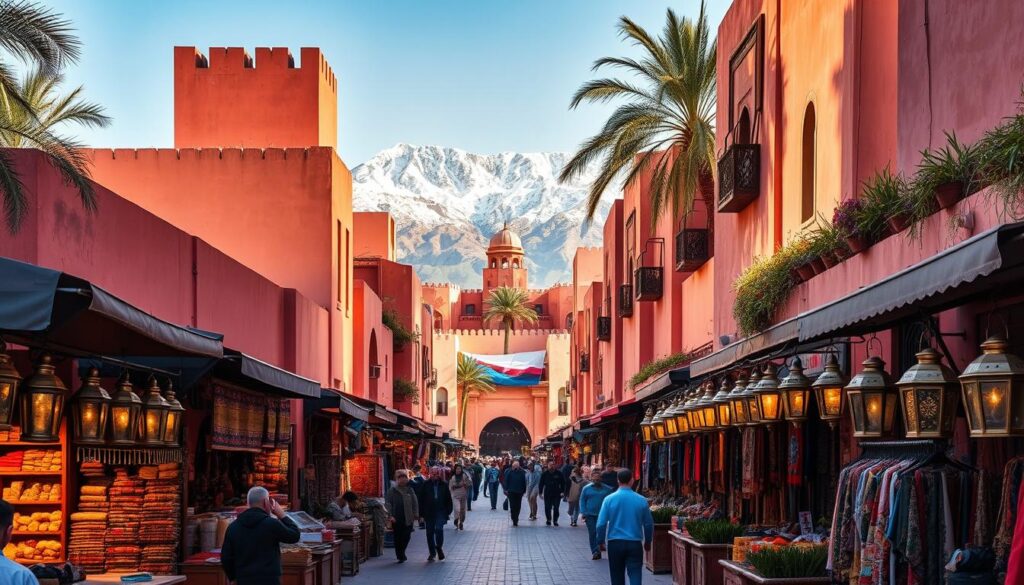
Remember, January is a good time to visit Marrakech. You can enjoy both indoor and outdoor attractions without the crowds.
Historical Temperature Trends in Morocco
Looking at historical temperature data, we see how complex Morocco’s winter climate in January is. By studying decades of climate records, we gain insights into temperature changes and the effects of climate change.
January Temperature Changes Over Decades
Over the years, Morocco has seen many changes in January temperatures. These changes help us understand the country’s climate patterns.
Climate Data Records
Climate data records show that Morocco’s temperature has varied significantly over the years. Meteorological stations across the country have tracked these changes.
Notable Weather Events
There have been notable weather events, like unusually cold winters or warm spells. These events help us understand Morocco’s climate extremes.
Climate Change Effects on Winter Weather
Climate change has had a profound impact on Morocco’s winter weather. Rising temperatures and changing precipitation patterns are changing the country’s climate.
Shifting Patterns
Temperature patterns are shifting, with some regions seeing warmer winters. This change affects the environment, agriculture, and daily life.
Future Projections
Future projections show that Morocco will continue to experience climate change impacts. Understanding these projections is key for planning and mitigation strategies.

What to Pack for Morocco in January
January is a great time to visit Morocco, but packing can be tricky. The country’s weather varies a lot. It’s important to think about the weather in different places.
Clothing Recommendations by Region
Morocco’s weather in January changes a lot from north to south and from coast to mountains. Knowing these differences helps you pack right.
Layering Strategies
Layering is key in Morocco in January. The temperature can change a lot, especially in the desert and mountains. Wear clothes that can be layered to stay comfortable.
Cultural Considerations
Think about Morocco’s culture when packing clothes. Dress modestly, covering your shoulders and knees. This is especially important when visiting mosques or rural areas. Loose, comfortable clothing that follows these rules is best.
Essential Weather-Related Items
There are some weather items you should pack for a comfortable trip to Morocco in January.
Rain Protection
January can be wet in Morocco, especially in the north. Bring a waterproof jacket or umbrella. Coastal areas like Casablanca and Rabat get a lot of rain.
Sun Protection (Even in Winter)
The sun in Morocco can be strong, even in winter. Pack sunscreen with high SPF, sunglasses, and a hat. This will help protect you from the sun.
| Region | Weather in January | Packing Essentials |
|---|---|---|
| Northern Morocco | Cool and wet | Waterproof jacket, warm layers |
| Desert Regions | Cold nights, warm days | Layered clothing, sun protection |
| Mountainous Areas | Cold, potential snow | Warm, waterproof clothing, sturdy boots |
January Precipitation Patterns Across Morocco
Planning a trip to Morocco in January? Knowing about rainfall and snowfall is key. Morocco’s varied landscapes mean different weather patterns across the country.
Rainfall Distribution by Region
January is quite wet in Morocco, with rain falling differently in each area. The north gets more rain than the south.
Northern Rainfall Statistics
Tangier and Tetouan in the north get a lot of rain in January. They see up to 100 mm of rain. This is because they’re close to the Atlantic and the Mediterranean.
Southern Rainfall Statistics
Agadir in the south gets much less rain, with 20-30 mm in January. For more info, check the average weather in Agadir.
Chance of Snow in Mountainous Areas
The Atlas Mountains in Morocco get snow in January. The higher areas are perfect for winter sports.
Snow Accumulation Data
The Atlas Mountains can get up to 2 meters of snow in January. The highest peaks stay snowy all month.
Road Conditions During Snowfall
Snow makes the mountains beautiful but can make roads tough. Travelers should be ready for possible road issues in the mountains.
Best Regions to Visit in Morocco During January
Morocco’s climate varies, making January a good time for some places. Some areas are cooler and wetter, while others are mild and nice.
Weather-Based Travel Recommendations
Travelers from the United States might like Agadir on the southern coast. It has pleasant winter weather, with highs around 22°C (72°F).
Ideal Destinations for American Travelers
Marrakech and the Ourzazate area are great for those who want warmer weather. They have mild winters.
Weather-Appropriate Activities
In January, you can hike in the Atlas Mountains. You can also explore desert landscapes or relax in coastal towns like Essaouira.
Regions to Potentially Avoid
The Atlas Mountains can be very cold. Snow may make some passes hard to reach.
Weather-Related Travel Disruptions
Mountain areas might have travel issues because of snow. This could affect your plans.
Alternative Timing Suggestions
If you don’t like cooler weather, visit in spring or autumn. The temperatures are better then.
| Region | Average High Temp | Average Low Temp |
|---|---|---|
| Agadir | 22°C | 10°C |
| Marrakech | 18°C | 6°C |
| Tangier | 16°C | 8°C |
How January Temperatures Affect Tourist Activities
Morocco’s climate in January changes how you enjoy your trip. The weather varies by region, affecting both outdoor and indoor fun.
Outdoor Activities and Limitations
The weather in Morocco in January changes outdoor fun. In the desert, cooler air makes trips more comfortable. But, snow in mountains might block some trails.
Desert Excursions in Winter
Winter is a good time for desert trips. The air is cooler than in summer. Just remember to pack for chilly nights.
Coastal Activities Feasibility
January is great for beach activities like surfing. The mild weather makes it nice to be outside.
Indoor Alternatives During Inclement Weather
When it’s too wet outside, there’s still plenty to do. Morocco offers rich culture and tasty food, weather or not.
Cultural Experiences
Discover Morocco’s culture by visiting museums and historical sites. Riads also give a peek into the country’s past and architecture.
Culinary Opportunities
Try Moroccan food, famous for its spices and flavors. Cooking classes are a fun way to learn about local dishes.
Comparing January to Other Winter Months in Morocco
Traveling to Morocco in winter means knowing the differences between December, January, and February. These differences help you prepare and enjoy your trip to this beautiful country.
December vs. January Temperatures
December and January are both winter months in Morocco. But, they have different temperatures. December is milder, with temperatures from 45°F to 65°F (7°C to 18°C) in various areas.
Holiday Season Weather Patterns
In December, Morocco’s weather is varied. Coastal areas are cooler and more humid. Inland places are drier and warmer during the day.
Early vs. Mid-Winter Differences
January is cooler than December, especially in the mornings and evenings. Temperatures in January can be around 40°F (4°C) in places like the Atlas Mountains.
January vs. February Climate Differences
February is slightly warmer than January. But, the difference is small. Both months have similar weather patterns.
Temperature Progression Trends
From January to February, daytime temperatures slowly rise. This shows winter is ending. Nighttime temperatures stay cool, especially in the desert.
Late Winter Weather Events
Late winter brings occasional rain to Morocco, mainly in the north. These rains are important for the country’s crops and water.
Knowing these temperature changes and weather patterns helps you plan your winter trip to Morocco. You can make the most of your time there.
Conclusion
January in Morocco shows a wide range of climates across the country. The north has cool winters, while the south is milder. Knowing these weather patterns is key for planning your trip.
The average temperature in Morocco in January changes a lot. The north gets cooler, while the south stays mild. For example, the Atlas Mountains can be cold, with snow sometimes. But cities like Marrakech and Agadir have nicer winter weather.
When you travel to Morocco in January, pack right for the different climates. Wear layers for the changing temperatures. Also, be ready for rain in some places.
January in Morocco is a great time to see the country’s varied landscapes and cultures. With the right knowledge of the January weather, you can enjoy your visit. Whether you love outdoor activities or exploring culture, Morocco in January is perfect.



 Covers cities, coast, mountains, desert & food