
Planning a trip to Morocco in March? Knowing the temperature changes is key. The country’s weather shifts a lot from day to night, especially in spring.
Spring weather in Morocco is mild, perfect for exploring. But, the day and night temperatures can differ a lot.
Expect warm days with lots of sunshine. But, nights can be cool, especially in the desert. Being ready for these changes will make your trip comfortable and fun.
Key Takeaways
- Morocco’s temperature varies significantly between day and night in March.
- Spring weather brings mild temperatures, ideal for exploration.
- Desert regions can be cool at night, despite warm days.
- Understanding temperature fluctuations is key to a comfortable trip.
- March is a great time to visit Morocco due to its pleasant spring weather.
Morocco’s Climate Overview in March
In March, Morocco’s climate changes as spring arrives. The weather becomes more pleasant, making it a great time to visit.
Spring Transition in North Africa
North Africa, including Morocco, changes a lot in March. The cold winter fades away, and spring’s warmth takes over. Average highs reach about 22°C (72°F) during the day.
As spring comes, the landscape changes. Flowers start to bloom. This makes March a perfect time to explore Morocco’s outdoors, from the Atlas Mountains to the Sahara Desert.
General Weather Patterns
In March, Morocco’s weather is mild during the day and cool at night. The country’s varied geography affects the weather, leading to different conditions in different places.
Sunshine Hours and Cloud Cover
March brings more sunshine, with 7-8 hours of sunshine per day. Clouds vary, with some areas clearer than others. Coastal areas usually have more clouds than inland regions.
Wind Patterns and Their Effects
Wind patterns in Morocco in March can change the temperature. Atlantic winds cool the coast, while Sahara winds warm the desert. Knowing these winds helps you plan your trip.
For more details on Morocco’s climate, check the Morocco Climate Fact Sheet.
| Region | Average High Temperature | Average Low Temperature |
|---|---|---|
| Coastal Areas | 18°C (64°F) | 12°C (54°F) |
| Inland Regions | 22°C (72°F) | 10°C (50°F) |
| Mountainous Regions | 15°C (59°F) | 5°C (41°F) |
Understanding the Temp in Morocco in March
Planning a trip to Morocco in March? Knowing the temperature changes is key for a great trip. The weather is mild, perfect for exploring. But, day and night temperatures differ, so being ready is important.
Average Daytime Temperatures
In March, Morocco’s daytime is lovely, with temperatures from 18°C to 22°C (64°F to 72°F). This is great for outdoor fun like visiting medinas or hiking. The warm days let you enjoy Morocco fully, whether you’re into culture or adventure.
Average Nighttime Temperatures
Nights in Morocco in March can get cool, with temperatures from 8°C to 12°C (46°F to 54°F). The temperature often drops a lot after sunset, especially in the desert and mountains. So, remember to pack layers for the chilly evenings.
Temperature Ranges by Week
March’s temperature in Morocco changes throughout the month. The first week is cooler, but it gets warmer by the end. Expect a 2°C to 3°C (3.6°F to 5.4°F) increase in temperature from the start to the end of March.
Historical Temperature Records
March temperatures in Morocco have been pretty steady over the years, with some small changes. Sometimes, temperatures can be lower or higher than usual, especially in the desert. Knowing these trends helps you prepare and enjoy Morocco more.
Regional Temperature Variations Across Morocco
Knowing the temperature differences in Morocco is key for a great March trip. The country’s varied landscapes lead to different temperatures in each area.
Coastal Areas (Casablanca, Rabat, Tangier)
Cities like Casablanca, Rabat, and Tangier are cooler in March. They see highs from 17°C to 20°C (63°F to 68°F). The sea breeze keeps things pleasant for visitors.
Interior Cities (Marrakech, Fez)
In places like Marrakech and Fez, the weather swings more. Days can hit 25°C (77°F), but nights can fall to 10°C (50°F). So, it’s smart to bring layers.
Mountain Regions (Atlas Mountains)
The Atlas Mountains have their own weather patterns, changing with height. Each part of the mountains has its own temperature.
High Atlas Climate Conditions
The High Atlas is chilly, with March temps from -2°C to 15°C (28°F to 59°F). It’s even possible to see snow, perfect for winter sports.
Middle and Anti-Atlas Variations
The Middle and Anti-Atlas are warmer than the High Atlas but cooler than cities. They offer temperatures from 10°C to 20°C (50°F to 68°F), great for outdoor activities.
| Region | Average High Temperature (°C) | Average Low Temperature (°C) |
|---|---|---|
| Coastal Areas | 17-20 | 10-12 |
| Interior Cities | 22-25 | 8-12 |
| High Atlas | 10-15 | -2 to 5 |
| Middle/Anti-Atlas | 15-20 | 8-12 |
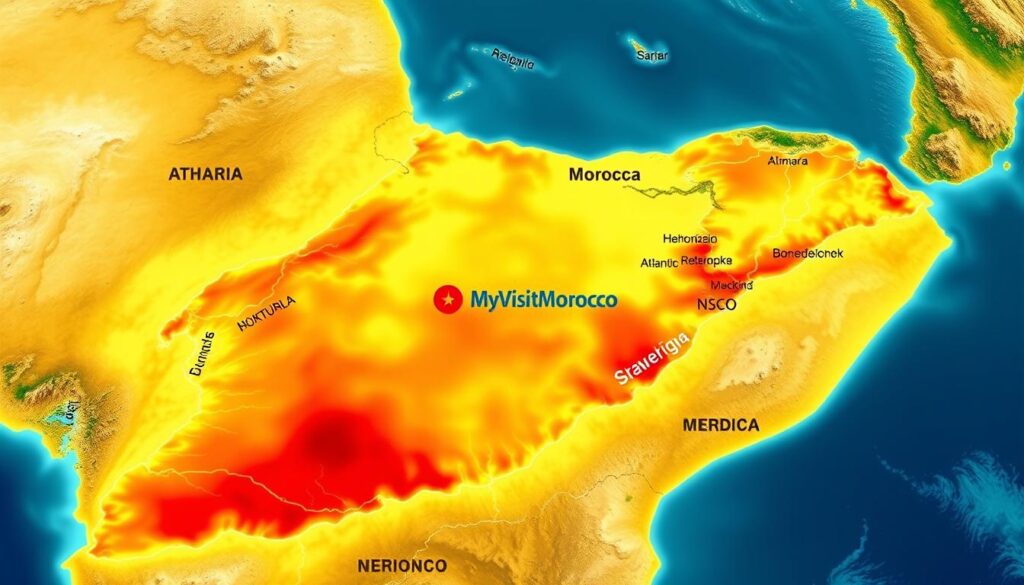
Knowing these temperature differences helps plan your Morocco trip in March better. It ensures you’re ready for whatever the weather brings.
Day-to-Night Temperature Fluctuations
When planning your trip to Morocco in March, knowing about temperature changes is key. Morocco’s varied landscapes, from coast to mountains, cause big temperature swings between day and night.
Why Temperature Drops Dramatically at Night
The temperature in Morocco can drop a lot at night because of its geography. The clear desert skies let heat escape fast after sunset, making nights cooler. For example, desert areas get much colder once the sun goes down.
According to WeatherSpark, the average high in March is about 68°F (20°C). But the average low can be as cool as 45°F (7°C) in some places.
Managing Temperature Changes as a Traveler
To handle these temperature changes, travelers can use a few tips. One of the best ways is to wear layers. This lets you change your outfit as the temperature changes.
Layering Strategies
Wearing layers helps you adjust to the temperature. Wear light clothes for warm days and add layers for cooler nights. It’s smart to have items like lightweight jackets or sweaters that you can easily take on or off.
Timing Activities Around Temperature Shifts
Planning your activities around temperature changes can make your trip better. Do outdoor activities like hiking or sightseeing when it’s warmer. Then, save cultural events or relaxing for the cooler evenings.
- Explore outdoor attractions during the day.
- Attend cultural events or dine at restaurants in the evenings.
What to Pack for Morocco in March
Knowing what to pack for Morocco in March is crucial for a comfortable trip. The weather is mild during the day but cooler at night. So, it’s important to pack smart.
Essential Clothing Items
Layering is key for Morocco’s March weather. You’ll need clothes that can be layered for the changing temperatures.
Daytime Attire
For the day, wear lightweight, breathable clothes like cotton shirts and comfy pants. A hat helps protect against the sun. Also, bring comfortable walking shoes for exploring.
Evening and Nighttime Layers
As night falls, it gets colder. So, pack warmer layers like fleece jackets or light sweaters. For really cold evenings, especially in the desert or mountains, bring a warm coat or a travel blanket.
Accessories and Gear for Temperature Variations
Some accessories can really help with the temperature changes.
Sun Protection Essentials
For sun protection during the day, remember to pack sunscreen with a high SPF, sunglasses, and lip balm with SPF. This will help protect you from the sun’s strong rays.
Cold Weather Accessories
For cooler moments, especially in the evenings or at higher elevations, bring gloves, a scarf, or a warm hat. This will keep you cozy.
| Item | Daytime | Nighttime |
|---|---|---|
| Clothing | Lightweight, breathable | Warmer layers, fleeces |
| Footwear | Comfortable walking shoes | Warm socks |
| Accessories | Sunscreen, sunglasses | Gloves, scarf, warm hat |
Best Cities to Visit in Morocco in March Based on Climate
Planning your trip to Morocco in March? Think about the cities with the best weather. Morocco’s varied landscapes lead to different climates in each area. This makes some cities better than others in March.
Marrakech Weather and Activities
Marrakech is lively in March. The high is about 73°F (23°C), great for souks, historical sites, and Majorelle Garden. Don’t miss a trip to the Atlas Mountains for hiking and views.
Fez Climate Conditions
Fez is rich in history and culture, with mild March weather. Nights are around 50°F (10°C), days 68°F (20°C). It’s perfect for the medina, Al-Attarine Madrasa, and local food.
Coastal Cities’ Moderate Temperatures
The coastal cities of Morocco have cool March weather. Essaouira and Agadir are top spots to visit.
Essaouira’s Unique Microclimate
Essaouira’s climate is mild, with a sea breeze. March averages 64°F (18°C), great for beaches, windsurfing, and ramparts.
Agadir’s Beach Weather
Agadir boasts beautiful beaches and mild winters. March sees highs of 72°F (22°C) and lows of 55°F (13°C). It’s perfect for sun lovers and sea relaxation.
| City | Average High Temp | Average Low Temp |
|---|---|---|
| Marrakech | 73°F (23°C) | 50°F (10°C) |
| Fez | 68°F (20°C) | 50°F (10°C) |
| Essaouira | 64°F (18°C) | 55°F (13°C) |
| Agadir | 72°F (22°C) | 55°F (13°C) |
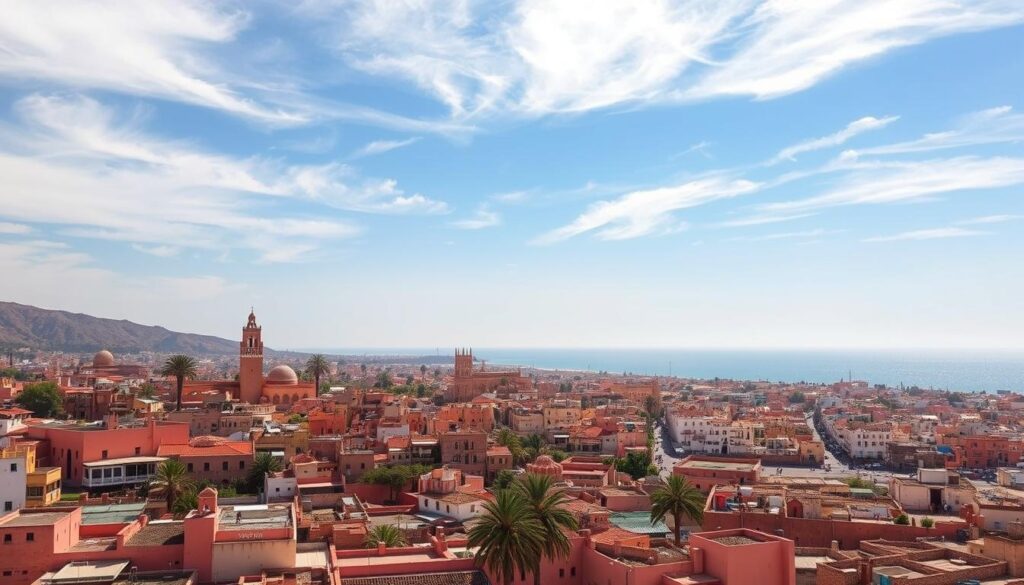
Each city offers a unique experience. From Marrakech’s energy to Fez’s history and coastal beauty of Essaouira and Agadir. Choose wisely for the best March trip to Morocco.
Desert Experiences: Temperature in the Sahara During March
The Sahara Desert in March is a thrilling place to visit. Daytime is hot, but nights get chilly under the stars. Knowing the temperature changes is key for a great trip.
Day Heat in the Desert
Daytime in the Sahara can be very hot. Temperatures often hit 25°C to 30°C (77°F to 86°F). The sun is strong, so don’t forget to pack protective gear.
Merzouga and Erg Chebbi Dunes
In Merzouga, near Erg Chebbi dunes, it gets even hotter. Be ready with sunscreen, hats, and lots of water to stay cool.
M’hamid and Erg Chigaga Region
South of Merzouga, in M’hamid near Erg Chigaga, the heat is just as intense. The sand dunes under the sun create a unique and exciting landscape.
Cold Desert Nights: What to Expect
When the sun goes down, it gets much colder. Temperatures can drop to 10°C to 15°C (50°F to 59°F) at night. You’ll need the right clothes for this.
Preparing for Desert Camping
For desert camping, bring warm clothes. Insulated jackets and sleeping bags for cold nights are a must.
Star-Gazing Conditions
The Sahara’s clear skies are perfect for star-gazing. With little light pollution, the night sky is stunning. The cold is worth it for this view.
| Region | Daytime Temperature | Nighttime Temperature |
|---|---|---|
| Merzouga/Erg Chebbi | 25°C – 30°C (77°F – 86°F) | 10°C – 15°C (50°F – 59°F) |
| M’hamid/Erg Chigaga | 25°C – 30°C (77°F – 86°F) | 10°C – 15°C (50°F – 59°F) |
Mountain Climate in Morocco’s Atlas Range in March
Exploring the Atlas Mountains in March means knowing the temperature changes with height. This knowledge is key for a safe and fun hike. The Atlas Mountains in Morocco have different climates based on how high you are.
Temperature at Different Elevations
The temperature in the Atlas Mountains changes a lot with height. Toubkal’s high peaks are cold, while the valleys below are milder.
Toubkal and High Peaks
Toubkal, the Atlas Mountains’ highest peak, is very cold in March. Temperatures often drop below freezing at night. Daytime is a bit warmer but still chilly.
Valley Temperatures
The valleys in the Atlas Mountains have more moderate temperatures. They are pleasant for hiking and exploring. These areas are warm during the day but cool at night.
Preparing for Mountain Excursions
Planning to hike or explore the Atlas Mountains? You need to be ready for the changing climate. This means having the right gear and knowing how to stay safe.
Hiking Gear Requirements
For hiking in the Atlas Mountains, pack layers. Bring warm clothes for the high peaks and waterproof gear for March’s rain. Don’t forget sturdy hiking boots.
Safety Considerations
Safety is crucial when hiking in the Atlas Mountains. Check the weather forecast and consider a local guide if you’re new to high-altitude hiking. Always carry enough water, food, and a first-aid kit.
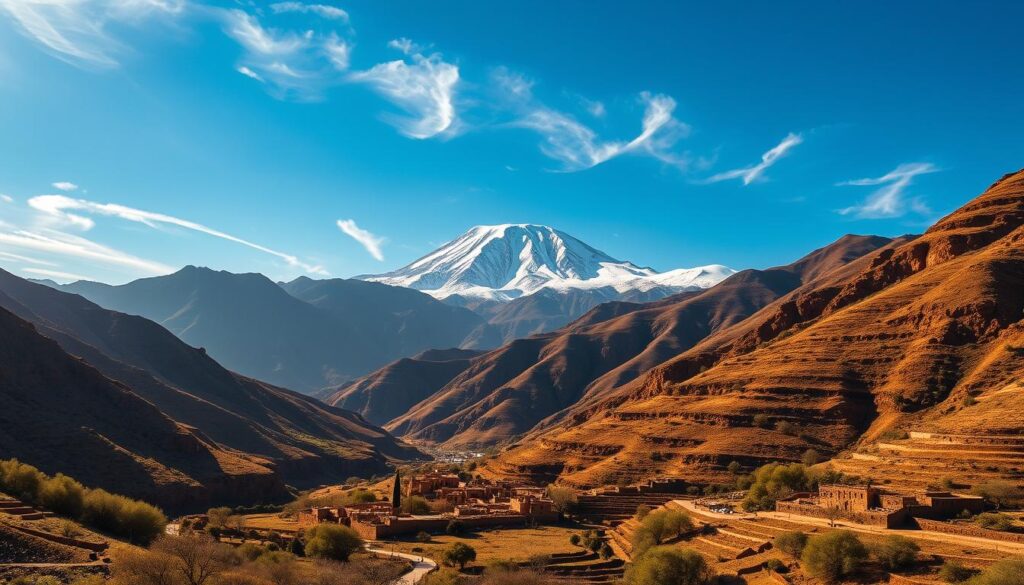
Is March the Best Time to Visit Morocco?
Morocco in March is a treat for travelers, with mild temperatures and fewer tourists. As the country transitions from winter to spring, the weather becomes ideal for exploring its diverse landscapes and cultures.
Advantages of March Travel
Visiting Morocco in March is great because of the pleasant weather. Daytime temperatures are warm and comfortable, making it perfect for outdoor activities like hiking, sightseeing, and desert excursions. Plus, March is before the peak tourist season, so you can expect fewer crowds and a more relaxed experience at popular destinations.
Potential Drawbacks
While March is generally a good time to visit Morocco, there are some potential drawbacks to consider. Nights can still be quite cool, especially in the desert and mountain regions, so it’s essential to pack layers for your trip. There’s also a possibility of some rainfall, particularly in the northern parts of the country.
Comparing with Fall Season (October-November)
The fall season in Morocco offers warm weather and a vibrant cultural scene, with many festivals taking place. However, March provides a more balanced climate, with warmer days and cooler nights, making it ideal for those who prefer milder temperatures.
Comparing with Early Spring (April-May)
April and May are also excellent times to visit Morocco, with warm weather and blooming landscapes. However, March has the advantage of being less crowded, allowing for a more peaceful exploration of the country’s attractions.
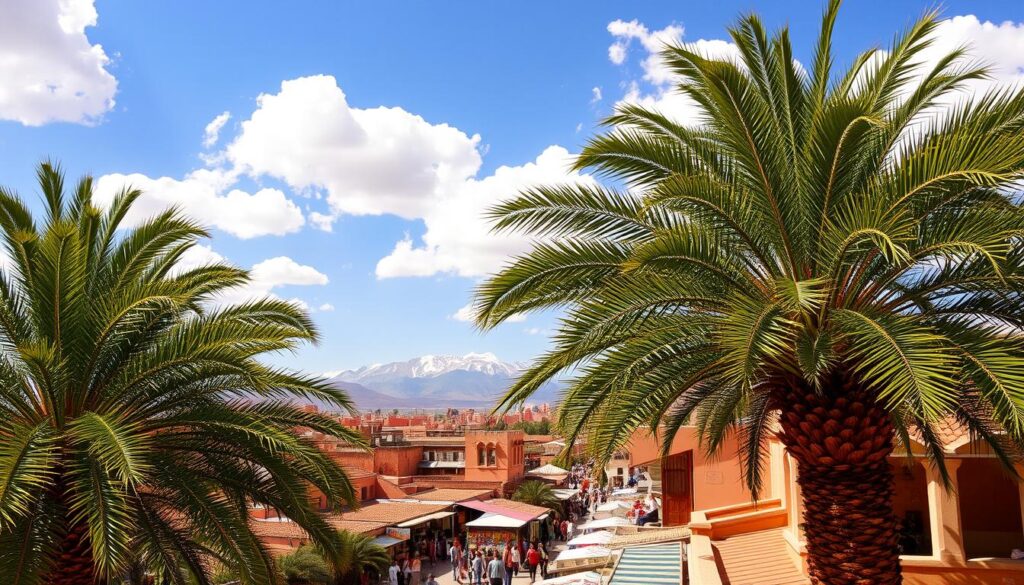
Outdoor Activities Suited for March Weather in Morocco
Morocco in March is perfect for outdoor lovers. The weather is mild and pleasant. It’s great for hiking, exploring cities, and more.
Hiking and Trekking Opportunities
March is ideal for hiking in Morocco’s Atlas Mountains. The weather is mild, and trails are less crowded. You can see beautiful valleys, villages, and mountain peaks. Discover more outdoor activities in Morocco.
Desert Excursions and Camel Treks
The Sahara Desert is great in March. You can go on camel treks across the dunes. The cooler weather makes it comfortable to explore the sand and enjoy the stars.
City Exploration and Sightseeing
Morocco’s cities are lovely in March. The weather is perfect for exploring historic medinas and cultural landmarks. You can visit vibrant souks, ancient monuments, and enjoy local food in cities like Marrakech and Fez.
Garden Visits and Natural Attractions
March is a great time to see Morocco’s gardens and natural spots. The weather is mild for strolling through places like the Majorelle Garden in Marrakech. You can enjoy the flowers and greenery.
Architectural Tours in Comfortable Weather
The weather in March is also great for architectural tours. You can visit places like the Bahia Palace in Marrakech or Essaouira without the summer heat or winter cold.
Planning a trip to Morocco in March? There are many outdoor activities to enjoy. Whether you like hiking, desert trips, or city tours, the weather is perfect. It’s a great time to see what Morocco offers.
March Festivals and Events: Weather Considerations
Spring brings life to Morocco with many festivals and events. Each one has its own weather to consider. Knowing the climate can make your trip better.
Cultural Celebrations During Early Spring
March is a big month for cultural events in Morocco. You can see the Almond Blossom Festival in Tafraoute. It celebrates almond trees with colors and performances.
Almond Blossom Festival in Tafraoute
The Almond Blossom Festival happens in early March. Expect mild weather, with highs around 18°C (64°F). It’s perfect for being outside.
Indoor vs. Outdoor Events
Some festivals are outdoors, while others are indoors. For example, the International Nomads Festival is outdoors. You need to be ready for changing temperatures.
International Nomads Festival
This festival celebrates nomadic culture in late March. It gets cooler in the mornings and warmer in the afternoons. Temperatures range from 10°C to 22°C (50°F to 72°F).
Exploring Morocco in March is special. The weather and cultural events make for a great trip. Make sure to pack right for both indoor and outdoor fun.
Comparing March to Other Months in Morocco
Planning your trip to Morocco? Knowing how March compares to other months is key. Morocco’s climate changes a lot throughout the year. This means some months are better for certain activities than others.
March vs. Winter Months (January, February)
March is a time of change from winter to spring in Morocco. It’s warmer than January and February, which can be quite cold. March’s daytime is warm, perfect for outdoor fun.
- Temperature: Daytime in March is warmer than in January and February. It’s great for outdoor activities.
- Rainfall: March still has some rain, but less than the winter months.
- Tourist Season: March is a good time to visit Morocco. The weather is nice, drawing tourists who like milder conditions.
March vs. Late Spring and Summer (April-August)
March is mild, but late spring and summer get very hot, especially in the desert. Knowing this helps you pack and plan better.
Temperature Progression Through the Year
Temperatures in Morocco go up a lot from March to summer. By April and May, it starts to get warmer. June, July, and August are very hot, especially in the Sahara Desert.
Tourist Seasons and Crowd Levels
March is less crowded than the summer months. As March warms up, it draws tourists before the summer heat. Summer, especially July and August, is the peak tourist season. Expect big crowds and higher prices.
Top Destinations in Morocco for March Travel
Traveling to Morocco in March is great because the weather is just right. Spring is starting, and Morocco’s different areas offer many things to see and do.
Cities with Ideal March Climate
March is a perfect time to see cities with nice weather and lots to do. Chefchaouen and Meknes are two great places to visit.
Chefchaouen in Early Spring
Chefchaouen is famous for its blue buildings and is in the Rif Mountains. In March, the weather is mild. It’s a great time to walk around the town and see the beautiful nature.
Meknes and Volubilis Archaeological Site
Meknes is another city with a lot to offer in March. You can see the old medina and visit Volubilis, a UNESCO site.
Natural Attractions at Their Best
In March, Morocco’s natural spots are perfect to visit. The weather is mild, making it great for exploring the different landscapes.
Dades and Todra Gorges
The Dades and Todra Gorges are great for nature fans. In March, the weather is perfect for hiking and seeing these amazing places.
Ourika Valley and Setti Fatma
The Ourika Valley is beautiful in March. You can hike and see the villages, like Setti Fatma.
| Destination | March Weather | Activities |
|---|---|---|
| Chefchaouen | Mild | Hiking, exploring |
| Meknes | Pleasant | Cultural experiences, historical sites |
| Dades and Todra Gorges | Comfortable | Hiking, nature exploration |
Travel Tips for Morocco in March: Dealing with Temperature Variations
Getting ready for Morocco in March? Knowing how to handle temperature changes is key. Morocco’s March weather is mild during the day and cooler at night. This is especially true in the desert and mountains.
Daily Itinerary Planning
Plan your day with temperature changes in mind. Visit the desert or mountains early morning or late afternoon to dodge the heat. Cities are good for any time, but remember to rest in cool spots.
Accommodation Considerations
Choosing the right place to stay is important for comfort. Think about the heating and cooling options your lodging offers.
Heating and Cooling Options
Many places in Morocco, like riads and hotels, have heating and cooling. Pick a place with these to stay warm in the mountains or cool in the desert.
Traditional Riads vs. Modern Hotels
Riads and hotels have their own perks. Riads give a cultural vibe and unique charm. Modern hotels offer amenities like pools and gyms. Think about what you value most in your stay.
Conclusion: Making the Most of Morocco’s March Climate
When planning your trip to Morocco in March, knowing the temperature changes is crucial. The spring weather is perfect, with nice temperatures and cultural events. This makes it a great time to see Morocco.
The weather in Morocco in March changes from the coast to the mountains. By packing right and planning your trip, you can enjoy everything Morocco has to offer. Whether you like cities, outdoor fun, or desert trips, March is perfect.
March is a top choice for visiting Morocco. The weather is nice, and the cultural events make the country even more special. With good planning, you can have a fantastic time in Morocco during this month.



 Covers cities, coast, mountains, desert & food